How to Transform Your Agency into a Growth Team
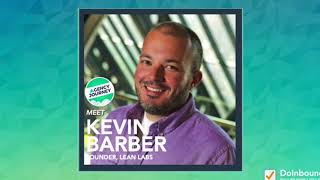
Podcast interview (Agency Journey) with Kevin, principal of Lean Labs, discussing transforming a traditional agency into a growth team focused on HubSpot. Topics include team structure (traffic/nurturing and growth-driven design), client onboarding and collaboration, sprint planning and quarterly objectives, experimentation vs. building, a points-based pricing model, remote team cadence, and a reusable HubSpot design system called Sprocket Rocket.
Chapters
How do you build an agency that allows you to live the dream that you have for yourself, for your family, for your community, for your team, while at the same time helping your clients knock it out of the park and doing it all profitably? These are the big questions that we tackle here on the Agency Journey podcast. I am your host, Andrew Demski. Now let's get to it. Hey, Kevin, welcome back to Agency Journey. I'm pumped to have you back here on the podcast once again. If anyone missed the last episode, would you mind sharing with folks a little bit of just who you are, your background, and how you got to be where you are today at your agency?
Sure. So, Andrew, first, thanks for having me back. I think that everything you're doing with Do Inbound is a great tool. I think this is a great podcast. I'm glad to be on it. And, you know, so basically I'm the principal at Lean Labs. Lean Labs is a growth team or an agency, you know, for that works exclusively with HubSpot. So we're building a lot of websites, doing a lot of growth driven design and inbound marketing on HubSpot. So the way, the way we got here was a few years back. Basically we were just a design shop, a little frustrated that a lot of our clients didn't have a marketing plan. I'd run a lot of AdWords in my life, but every year AdWords ads in general cost more us. So pretty frustrated with that system, always trying to optimize. So HubSpot, actually, I'm sure I downloaded a lead magnet or something. But anyways, they called me up and they're like, hey, you know, you should really be thinking about Inbound. And you know, after a period of time we're like, hey, let's do it for ourselves for a year, see if it makes sense, and if so, we'll become an inbound agency. So we did it for ourselves, became an inbound agency. Four years later. You know, we're a platinum partner looking for a strategy for Diamond.
That is awesome, man. So the focus of this conversation, I want to talk about growth teams and kind of the angle that you guys have chosen to position yourselves as, as an agency. Now, if you guys go to Lean Labs website, you'll notice that they are, they're pretty. You guys are well positioned as growth teams and even like the accredited accreditations you guys have on your site of digital marketer HubSpot and then the growth hacker certifications, like, that's different, Kevin, than what I see from a lot of other agencies. So I want to open it up to you and just kind of share the background for me of how. How did you get to the point where you wanted to position your agency as kind of a growth team for your clients?
Right. So through pain would be the short answer and the medium answer is, is that. So I started as a three person design shop in 2002 and I did it like that until 2012. And it's 2013 that I got pretty frustrated. I moved to Costa Rica. I had a lot more time. I started spending that time reflecting on how I was going to enjoy myself. And actually I decided, hey, in order to enjoy myself, I need to build something more significant than what I have. And then I just looked at all of the lessons that I had learned up till then, which was, you know, a lot of success is determined by the client that you have. And, you know, some agencies feel like they're in the client services business more than they're in the agency business. You know, basically our job is to make them happy. Well, I don't believe that though. You know, like for my company and my, you know, Persona, it's somebody who wants to be told what they need to do. They're going to take the tough medicine. I don't want to be the agency that says, you know, hey, you need like, imagine the doctor, you know, deal. Like the doctor patient relationship, like, you need knee surgery. He's like, I don't want knee surgery, we'll have a lollipop. You know, like, I don't want to be that doctor. Right. I want to be the guy who says, no, you need surgery. And it's happening next week. And by the way, you're going on a diet too, so that recovery's better, you know, because these are the things you need if you want to get to these goals that you've stated. So I want to be that agency. Right. And then what I kind of realized in terms of the positioning of growth team is that, you know, a lot of my clients, they don't want to hire an agency, they want to hire a growth partner. You know, if you think about it, I can go to a distort if you want, about like, why I don't think, you know, we're an agency. Do you want me to kind of do that?
Proceed, Kevin. I would love to.
All right, all right, cool. So like at the top of our team page, it doesn't say it now, but it might soon. It would say, we're not an agency, dammit, we're a growth team. Because the deal Is that, you know, companies, they fail to grow. So they can either go learn everything they need to know and then hire talent and manage them, you know, by themselves, in addition to all the things they're currently doing, or they can hire a team that fills that talent gap and is going to execute on the things that are needed in order to help them become a remarkable brand. Well, I don't think that that's exactly the model of an agency, and I think people don't get real excited about hiring an agency. Like, all these agencies are listening to this podcast now, looking for ways to grow. But we're not out hiring other agencies. Why is that? If agencies help people grow, why don't we all hire agencies? I think it's because we know that agencies are creating processes and systems around higher margin items that are good for the client, but not necessarily the recipe that you want to use to grow your business. I think a lot of companies are the same way. They're like, okay, I recognize an agency can do some of what I want, but I have to deal with some of their stuff and most expressly, their rates. So I feel like I'm already setting myself up to be just like everybody else when I let myself be called an agency. We're a growth team and we want to focus on growth. And I have a belief that you can't do growth. You can't, you can't do growth. What are you doing today? Growing stuff? No, you can't do that. But what you can do is you can position a brand to deserve growth. And that's what we do. So we're trying to always think about, well, what is it that it's going to create an amazing experience for the end customer before, during, after the sale that's gonna position them for growth? Cause I think if you do all the things that, you know, the customer actually wants to experience to solve their problems, then you won't have to worry about growth. Customer demand will require it. So that's kind of the concept.
That's awesome. And when you kind of, when you went through this transition, did you have any, like, flip of the switch change in the process that you were delivering to your clients?
What?
Or is this just kind of repositioning the way you guys have always worked and structured yourself as an agency?
This is a guidepost for when it's murky and we're in the middle of the struggle. So it's like, it, it. What it is, is it's like, you know, we'll have clients that come in that Want to run us like a team of freelancers. And this is the guidepost that says, nope, we're a growth team. Does that make sense? Yeah. We have a client that clients that have come in through our growth driven design program, setting quarterly objectives that are fairly aggressive by the way, and then prioritizing sprints to accomplish those objectives. But they insert things that we think will lead to no growth. And then we have this guidepost that says, no, we're not in the agency services business of we'll build whatever you want. We're in the growth team business. So we're like, hey, we can build those things, but not as part of this sprint. We need to kick that out as a side project. Cause we need to focus on these objectives. If this is what you've hired us for, does that make sense?
Yeah.
And then there's the downside that comes with this. The upside is that we get to be clear in our mission. We get to attract great talent that want to build something like that. Our talent is pretty engaged within our team of what we're trying to do. But there's a downside. Not all clients want this. Some clients just want you to do what they said.
Gotcha. So walk me through your team structure then. Being a growth team, what for a typical client, what roles do you have on hand for that client?
Right. So within a growth team, there's basically going to be two sub teams. We have thought at least a dozen times about combining it, but we run within two teams. We have our traffic and nurturing team, which is inbound, and that's going to be comprised of an inbound marketer, an inbound writer, an editor, a publisher, and a client as the marketing manager. Does that make sense?
Yeah. Gotcha. All right.
And they're focused on driving increased traffic and also managing lead, nurturing workflows, trying to move leads from one action to the next action.
Okay.
And then I have a second team of the growth driven design that's still working on that client and that's comprised of the digital marketer that's basically running strategy or GDD strategist. It depends on the client, what we call them, a designer, a developer, the client, we give them the role of head of growth. They should be giving us our objectives and we should be reporting, you know, key results. And then I, depending on the client, may or may not be included as a growth advisor.
Okay. So in both structures, the client has very, a very active hands on role in kind of the execution that the team's walking through.
Is that Right, very much so. We do not specify in a niche other than looking for high value leads. You know, we want our clients to have a high value lead so the inbound marketing makes work, makes sense and then. But we don't specialize in healthcare or finance. Actually those are two niches we just don't do. So our client is the subject matter expert, so they're pretty involved.
Okay, and is that, has that been a struggle for you to have your client adopt to your process and to follow your rhythms? What has that journey been like to get your clients to the point where they're willing to buckle down and work with your team in that kind of a structure?
Yeah. So not everyone's a good fit. But I think that's all about setting good expectations and getting to a clear rhythm off the gate. So when we get started, it's a very active strategy process. We ask a million questions and asking a million questions, they could start to see the direction we're going. We give them kind of the idea of what we think is the right thing to build and we kind of structure it that way to where we're owning what we are going to do. But we want them to own the expertise in their business and their customer, get us answers to our questions and help us achieve those goals. So it's very collaborative. Let me contrast that with we could like specialize in one niche. If I was to specialize in a niche, maybe I'd pick boats because I really like boats. Right. And but the problem is, is like I wouldn't need them as much. So now their brand isn't in the message as much. Right. And once you do two or three or four inbound blogs around boating, you know, I mean, aren't they all going to be kind of the same? What's happening on Memorial Day weekend? What are the best hotspots in Florida know? There's only so much you can write about. How you going to do that for 10, 20, 30, you know, clients in the boating space when you're addressing big five articles for inbound. So rather than do that and have to deal with the ins and outs of individual boat companies, which may or may not be good clients at all, but I feel like I need them because I picked that niche. We just try to find really good clients for better, for worse. I would rather learn their business than try to turn a bad client into a good client.
Okay, so you're going to invest on the front side of that, but also have the client with you along the way to continue to Supplement or continue to pour that subject matter expertise into the campaigns.
Yeah, they're literally paying us to do some work. So. Because they're going to be pretty involved, they're going to be involved in our process. Yeah. Cool.
Okay, walk me through then. What is a. What is, what is like the planning period look like? When are you meeting with the client to sort out what the next quarter's goals are going to be? And then kind of on a weekly basis, how is the team coming together to track progress towards those goals?
Right. So part of what we've done, and I personally enjoy, so one of my possible character weaknesses is if it's not in a spreadsheet, I'm not very happy. So. So I often like to be tracking numbers outside of tools because I can apply a growth rate. So we look at a client and their goals and we apply a growth rate that's going to get them to their goals. Common growth rate, you know, 7% per month, 10% per month. You know, the most of our clients are looking for that kind of month over month growth in organic traffic, in leads and opportunities. Because in that, in that realm you're going to achieve, you know, like a 10x growth in 24 to 36 months, depending on which percent it is. Does that make sense?
Yeah.
All right, so then what we do is we break down kind of that big vision of what we're trying to build into quarterly vision. And within quarterly vision we look at, okay, well, when you apply that, that tends to look like quite a mountain of how are we going to achieve this this quarter? What are the things that we can immediately test? So about 50% of our growth driven design budget is our own experimentation. About 30% is about building new things. And then we leave about 20% for initiatives that the client asks of us that we wouldn't call an experimentation or building a growth item. We do that so they can at least get stuff done. You know what I mean? Oh, I need a new events page or a new careers page. You know, we try to leave 20% of budget for that kind of stuff. Okay. So that's what happens on the growth driven design side. And it's planned in a monthly sprint. So most of our clients are either in a two week sprint at the first half of the month or two week sprint at the last half of the month. That has helped us because now we're only focusing on half of our clients within a given month. So half of our clients are in the A sprint, half of our clients are in the B sprint. I do have one client that's in both sprints because they have, they have too much work that we can do in two weeks. So they're in both, they get two sprints a month.
So it's basically two weeks on, two weeks off for the client. Is that how like the interface works?
Two weeks planning, two weeks execution.
Okay. How long, how often is your team on a call with your client?
So it depends on the size of the client. But in general, most of our clients we're touching with, you know, face to face, like on zoom, once a week.
Okay.
And then I do have a couple of legacy clients that we talk with every two weeks just because they're not, they're not kind of on our 10x track.
Gotcha. Okay. And then internally, like to just keep your team on task across all of your clients. How are, how are you guys meeting on a weekly basis to make sure that nothing's falling through the cracks and making sure that all the growth plans are in place and everything like that?
Yeah. So a couple things. One, for context, we're remote. So you know, we're in lots of different states, design developers in the uk, I think we're in five different countries. So we're not just remote, we're like really remote. So our communication process might be a lot different than somebody else's, but we basically, we experimented, we just actually finished that not that long ago with doing a daily scrum, but with people in like seven different time zones, we have actually found that doing a Monday, Wednesday, Friday is better. So we set up our plan for the week in a trello style view, like of the, you know, individual days of what our plan is. We discussed that on Monday. Then we do a check in on Wednesday and we kind of do an after action review on Friday as well as planning priorities for the next week. Then within that we have a couple of team huddles that happen within the week, but those are the only times our team meets corporately.
Okay, gotcha. So many questions here. I'm curious around. Like when you go client to client and I mean you're putting together a new growth plan for let's say a brand new client, there's going to be, I'm assuming there's common things that you see need to be addressed that you've addressed for other clients. So that probably won't take as much bandwidth or as much attention from the team as something brand new that you've never tried before. And I guess I'm getting into a little bit of like, what is the what's experimentation versus building something. But can you walk me through how do you prioritize what gets done for a client first?
Right. So Sean Ellis has this Growth Master course through Growth Hackers, which is really good, by the way, if you're totally new to Growth driven design, if you're been doing growth driven design for a long time, frankly, HubSpot's GDD certification covers this as well. I just think that, you know, part of the reason why we're using Growth Hackers and all that is because they really, they make the system so simple that it's like, why wouldn't we just do that? Right? So part of what we're trying to do is we're looking at individual hypotheses, right? So I have a client with this high value page. Maybe it's a, maybe it's a pillar page. Maybe it's the homepage with a lead magnet. And we have some specific goals for that page. So we wanted to get a certain number of views, we wanted to get a certain number of conversions within a time frame, right? So a lot of the experimentation comes from, okay, well, are we having a view problem or are we having a conversion problem? If we're having a conversion problem, we're going to work on the page, on copy sections, add sections, remove sections, put them in a different order, change it from a analytical type of page to more of a storyteller type of page. We're going to do things like that, right? Maybe it's just an element or a headline or a cta, right? Or, you know, a couple of those things. If we are looking at heat maps or screen recordings and see a couple issues, maybe the page is loading too slow because we allowed them to put in that masthead video, you know, that kind of deal, you know, and so we're, we're looking at experimentation on how are we going to optimize there, right? As well as, you know, maybe we have a traffic problem. Okay, it's converting at 31%. Yay. We need three times the visits. Okay, well, what if we put an offer bar at the top of the blog? Is that gonna get a tremendous amount of clicks? What if we included this? You know, what if we put a second CTA in the top 10 performing blog posts that are related, you know, is that gonna get it? So we're basically hypothesizing what are the actions we can take right now or in the next two weeks that are gonna help us achieve this goal?
Yeah, it does. And do you walk into a new Client having, like, you know, here are my top 25 growth strategies that I think will help, you know, win the day for them. Like, do you come to the table with something like that, or do you find that for each client based on where they're at, you guys are kind of starting from scratch in terms of what. What to try first or second.
So it's a little bit of both. You know, there's a few things that consistently work. I'm always talking about the buyer journey. People probably actually could get tired of those words coming out of my mouth, the buyer journey. But, like, I'm on the belief that we should always be focusing on the next step, you know, and that next step should be like a baby step. We should make that step so small and so obvious that it looks riskier to not take that step than to take it. Does that make sense? Yeah. Like, try to drive almost, if possible, a little bit of fear of missing out without, you know, trying to, you know, be bad marketers and make everything look like a used car lot, you know, so when we're strategizing content, strategizing pages, we're oftentimes really thinking, and this is very repetitive across all clients. What's the next step? What's the next step that's going to be so obvious, that's going to move them to the next step of the buyer journey that they're going to want to take it. That's going to drive up conversion. But we do that before anything, at least when we're being our best selves. And, and. And then what's the step after that? Then we're really, like, repetitively applying the same principles of what's that buyer journey going to look like? Because we don't want to make a lot of dead ends. So as agencies, we can repeat the same mistakes of our clients, which is we can start a bunch of stuff and not finish it, and then we actually create new dead ends for them. So kind of like an inbound. You can either be like a content landfill or like a content city. So content landfills, you're just chucking stuff out. And over time, it just looks like a dump or content city, like, occasionally has to go through, like, you know, revitalization. Right. And like, okay, we're gonna take this whole downtown block and we're gonna do something with it, because it's pretty old and dated, but it still has a lot of, you know, visitors coming through it, you know?
Yeah. So then at the beginning, are you kind of mapping out what that client journey is? Gonna look like before you start building stuff out and then kind of build from the bottom up or for someone. Yeah. How does that work?
Yeah. So we try to keep the lean and lean labs, but we do start with a month long strategy, which I know some people would be like, but, but it's like, man, if we don't build the right thing, it doesn't, it doesn't matter. Nothing else matters. So we do start pretty strong with strategy by our journey. We focus on that. It's a lot of work and we kind of map out what we think is going to get us there. We run some experiments to validate it before we build the whole thing. Right. But like, hey, I think that this checklist is going to work really well or this audit or I think that this, you know, template's going to do really good and it's going to drive them to this and then, you know, we're going to take them over to this offer here. So we do plan out that buyer journey and how we expect to connect and then we prioritize what we're going to build. But there is a lengthy strategy up front.
Awesome. And now from, I guess from the client side of things for all of this, how are you guys structuring your pricing to do this, do this in depth, intense kind of work profitably?
Right. So here's the deal. I think that there's more than one way to price. So I have an ebook called Price wars and it's hourly versus fixed fixed price versus value pricing. I'm not a fan, a fan of hourly rates. I'm not a fan of fixed pricing. I'm not a fan of value pricing on behalf of the client. Okay. I'm a fan of, you know, I like our points based system, which is kind of a hybrid because points are loosely based upon the perfect hour, the hour that didn't have revision or you know, stuff like that. The hour where we weren't stuck. And then they're also, you know, it's, it's a little bit. So it's a little bit hourly because it's based upon an hour, but it's a little bit fixed price because if we go over in pursuit of achieving this item that's not on them, it's on us. And then for value, what we're doing is we're trying to assign them to where they have a certain number of velocity points per sprint. They're focused on the points and not the budget. And I think that that is effective. I think that that's the win for points is we try to think about how do we make best use of our, you know, point budget. And it's less about how much is this going to cost me. Does that make sense?
Yeah. And then how, when a client comes to you and I guess this is in that last 20% of your budget, and they say, here are the things that I want to do. What's the process that you guys walk through to spit back out a point estimate on each of those client requests?
Yeah. So client comes to me and says, hey, I want a new careers page. Right. That's a good example. It happens. And. Or new resources page. Doesn't matter. But. But we want to be unique and we want to achieve these goals. And I'm like, well, what are all the goals? Okay, cool. And who's the user? And are there other stakeholders? Like, does someone from HR have. What do they want? Because that's when we can like, actually build the right thing, you know, and so then what we do is we basically list out the tasks that are required to build it. So let. Let's say we're going to wireframe it, then we're going to prototype it, give them a first look, then we're going to have kind of our round of revision, then we're going to, you know, talk them through the final design, then we're going to code it, then we're going to populate it with content, then we're going to launch it, you know, and then for each of those, it has a should take, and it could take. So should take one hour. This totally goes great. Could take two and a half hours. If the client doesn't like my wireframe and I have to redo it. Does that make sense?
Yeah.
And then each should and could adds up to, you know, an average amount of hours. We use a Fibonacci sequence for our point value. So that's 1, 2, 3, 5, 8, 13, 21. So basically we break this into, you know, where does this fit on the map? So if it's 12 and a half hours, it's 13 points. Does that make sense? But if it's. If it's looking at nine hours, that's more than eight. We're going to put it at 13 points. And then here's what our clients get from us. If at the end of the sprint, we finish under budget, we roll over what we didn't use in the next sprint. We're not out. We're not out to take advantage of them.
So how do you. So are you then just looking at okay, if I, based on the Fibonacci sequence, if I thought this, if this broke out at 13, but it turned out to be a seven, are you then just bumping everything above eight in terms of like what points they have for the next cycle?
Yeah. So here's what happens. So let's say that we had three eight point tasks, right? That's 24. And then we had five point task and that makes it to 29. I don't know why I picked numbers that didn't add up. Nice. But there you go. Right. So. But then we only had, you know, 25 hours of the sprint. Well, we're going to roll, we're going to roll four points over to the next sprint. They shouldn't lose out because we were able to finish under budget. They should actually be commended and rewarded for it because, you know, we're working lean, we're launching stuff, we're not revising things in isolation. You know, we're basically, we're doing good work. So that's why we're always going to roll that over.
Gotcha. Okay. What lessons have you learned today that would have been helpful when you first started this point pricing in terms of managing expectations with your clients?
Point pricing. So we have a little short internal. It's actually just a Google Doc, but an ebook of what is a point. So we made that, that helps. When we first get started, we're like, here's our approach to pricing and here's how it's going to work. We give them a dashboard. So one of our core values is transparency. They have to know where they're at. If it's in a vacuum and they don't understand it, one or two, they can't see it. You're going to get a lot of questions about points. So they have a dashboard that shows the point value for every single item. They see the hour value for every single item and they see it what the total is for every single sprint. So they know where we're at and it's in a tool that we don't have to continually update. It just does that. So basically, you know, I think that those two components are necessary. We still sometimes get some questions in the first two, three months that I think they get it, but then they have to answer somebody else in the company's question and they're like, okay, I don't get it still, because I can't answer that question. You know, so then we just recognize in the first two or three months there might still be some questions. We just Try to address them one off late. Normally it's just rehashing something we've already kind of explained because points are new.
Yeah. Well, Kevin, this has been an awesome walkthrough of kind of the whole process that you guys use to, at the end of the day, deliver amazing results for your clients. So thank you for taking us behind the scenes and giving us that deep dive. It's been really helpful for me just kind of hear how you apply kind of your vision for growth to your clients and help deliver that experience for them. I want to shift gears a little bit here and talk about how, how you guys build on HubSpot and kind of what your angle and approach as a business has been on that side of things. So would you mind just kind of giving me a little bit of an overview right now on, you know, how building on HubSpot has evolved for you guys and what the needs were that you saw in that space.
The basic, the road that we've been on has been a little bit treacherous. Right. So we started off as a design shop, you know, thinking we'll build in any platform you want. So I have a lot of platforms to my background, right. So Shopify and Magento, WordPress, Joomla. You know, as well as HubSpot. And when we started in HubSpot, we thought, hey, this is just one new tool we're going to add and we're going to try to be, you know, a neat design shop in the HubSpot ecosystem. That's where we started. But then as we tried to pursue being a little bit, a little bit of a greater brand than that, we decided that we have to specialize, right. So we started kicking off things. No more Joomla. You know, no more Shopify, no more Magento. We were just doing WordPress and HubSpot. And then we decided, I'd say last year, yeah, last year we're going to become HubSpot only. We're going to rock the HubSpot, try to be top five of all the teams building, you know, doing web design on the HubSpot CMS, you know, or we're going to go broke doing it. So basically that's the decision we made. This is the first year where I have no clients on WordPress, not hosting anything, not doing any of that. We're really entirely focused on HubSpot. So that's kind of the process that we got to the HubSpot platform. If I answered your question even right, that's.
No, that's perfect. And shout out to you Guys, as someone who's going through the transition of getting people off the till that are on different platforms and moving some people up and saying goodbye to other people, it takes a lot to get to that point where you decide you need to focus and then you actually get to focus. So congrats, Kevin, for getting there. I guess, kind of a side note here, any, any advice that you'd share with people on how to bring your clients, how do, when you decide you want to focus, how do you get your clients on board or say goodbye to those clients? Well, without burning bridges there. Any, any thoughts after walking through that experience?
So here's what I do. I give my clients. This is going to sound extreme, but, but I think it's helpful. I give them a six month Runway. So, hey, this is happening in six months. Because no one can be offended when something's happening in six months. That's the sense. Yeah. So, you know, and here, here's what's happening the first, you know, two months we're doing this, we propose these actions and I try to give them a discount if they'll do it in the first two months. And then it starts inching up and then we're like, at the end of six months, we just, we just can't support you anymore and we suggest these resources. Does that make sense?
Okay, so you're saying in six months, is that like you need to make a change or you need to say goodbye by this point? Like, is it.
Yes. So in our situation, sadly, I was hosting a lot of the websites that I had designed and built. So like I'm running all sorts of stuff. I've got mail servers and web servers and DNS tools and all of this stuff running for them. So for a lot of it was, hey, I need to get you on a new host. We need to make sure that's secure. You need to know how to run it because you've been relied upon. Me and my very antiquated business model. It's almost embarrassing to announced that I had a bunch of digitalocean servers running and was hosting all this stuff, but it's true. And we just made a plan to migrate everybody off of it and we started, you know, we basically did it in batches. Okay, well, this, this quarter we're going to move these clients and start their six month secrets. And then the next quarter we were going to do that with some more. And then after a while we were done, you know, and so now everyone has separate hosting. They have, you know, they know where they go if they need something for WordPress, you know, and it's not perfect. I haven't got a request for help me know how to do something since yesterday.
Nice, you know, Cool. So now that you are on HubSpot, what are some things that your team has done? You know, I mean, going from five platforms to one is awesome. What have you done now to streamline some of your efficiencies as a team to kind of deliver the best that you can on the HubSpot CMS, right.
So I had one of those rider downer moments at inbound 16. So at inbound 2016, Gary Vaynerchuk was speaking and he said, you know, if you're not working on a business model that puts you out of business, don't worry, someone else is.
Nice.
And I was like, that's, that's interesting, you know, and you look at what's happening, whether it be in hotels with Airbnb or in cabs, or in anything else, right? So like with Uber, right? With anything, there's always changes and happenings that are coming about. So we might have been a little bit late to this party. Some of my friends in the agency, you know, HubSpot ecosystem have already been working on, you know, having efficiencies in their design process. I think a lot of the diamond partners have their version of this. And coming out of that, that's what I saw as our biggest weakness is we keep building stuff from scratch over and over again. Even though we can do that really well. We didn't have a system of efficiency either for us or for the benefit of our client. So we got working on a design system. I can explain it, but it's a little technical. I guess I could give the high level view for the non designers in the room.
That'd be perfect.
All right, cool. So if you're a designer, we're thinking like molecular design. So we're building the patterns and styles for pages that are reusable and tested and mobile compliant and able to basically be rebuilt and restyled for brands uniquely. So that's the developer designer description. And then for like the regular human description is we're basically building Lego blocks. If you think about being able to have the most immense set of Legos, you can build almost anything and you can build it relatively quickly and you can switch out one piece for another piece if you find it not to be the way you want. And it doesn't have to be completely rebuilt. Now if you compare that to having to build all of the Legos too Like building every individual Lego, that's what we don't want to be doing anymore. So we built this new design system and design library. We're calling it Sprocket Rocket. The logic is HubSpot has Sprocket and we wanted to build a rocket that helps us build a website really quickly. So enable to shave off a lot of budget. So we have the Sprocket Rocket design system. That's basically like a really kick ass set of Lego blocks.
That's cool. Is that something that you guys just use internally or is that something that you work with other people to help them leverage Sprocket Rocket? How does that work?
Yeah, so first off, we've been building our design library for a couple of years, but when we heard Gary. Gary, that's funny. You know, he's my homie, but he's my homie that doesn't know me. You know what I mean?
My man Gary over there.
Yeah, yeah. So he's my homie that doesn't know me anyways, because I do follow all this stuff and I think he's awesome. But that's when we realized we needed to make Sprocket Rocket into a product. So Lean Labs will continue to be the growth team that helps brands become remarkable 10x traffic leads opportunities. But we're launching Sprocket Rocket as its own deal. So for brands that are on HubSpot and they need a refresh or a reboot or they're coming to HubSpot and they need a strong foundation for growth, but they don't need the very best website that money can buy because they're not in that position. The great way to think about that is if they have very little traffic, they should be building a foundation. Right. A launchpad website, not, not a super bling website because they're not going to get return on investment on all that bling until they build their traffic, you know?
Yeah. So what are some common, what are some Legos that would be included in that kit when someone gets started with it? And how did you determine those are the best ones to use?
Gotcha. So, you know, designers think in patterns anyways. Right. So a lot of patterns that are on, you know, the Lean Labs website are actually still are also on the Sprocket Rocket website, which are also on the growth driven design website we built for Luke Summerfield and we built parts of that for Luke Summerfield and HubSpot. Right. So those, those building blocks worked for us. We saw good engagement, good heat maps, good time on site. You know, people are clicking the button because it's in the right place at the right time. And we're, we're thinking about how can we reuse that pattern for different purposes. Right. So that's where the patterns come from. We make something custom once and we're evaluating it, is it working well and what other jobs could it do? And then we try to extend it and put it into our library. So we basically make this custom thing into Legos. Then we're just trying to think about how we use it. So designers are always trying to think about how this page needs to work and they're trying to think about what modules they can basically pull in in order to construct the page. And you know, nowadays I would say, you know, given pages or a mix between 30% and 80% pre existing modules, we can prototype them really quickly in existing modules in HubSpot, which I think is unique. And I suggest everyone do for the other agencies being able to prototype in HubSpot where the customer can change the headline and the customer can change, you know, the CTA text, you know, versus you having to do all of this like an envision is, is definitely shaving design time and development time. So we're making them a little bit more accountable and also prototyping with the Lego blocks. We get to focus on the message first because we keep the styles out of it intentionally. And then we start bringing in, you know, their custom style guide. We make the modules, you know, custom to their brand. So their fonts, their styles, their spacing, you know, guidelines, you know, so it does, so it doesn't look, you know, copy paste from one site to another.
Yeah. So walk me through your vision for this. Do you see this as a kind of a self service product that people can, you know, implement and use all on their own or is this gonna be something that they need some hands on attention to get up and running for the first time? How does that play out?
Right, so here's, here's my logic, right? So listening to Gary, Gary V Think what's a business model that would put me on a business? It's what if there was a design system that let someone go through, you know, maybe even in the HubSpot marketplace and grab really cool elements and put them together in a really cool non templated way that actually fit my brand, my goals, had my message and my strategy in it, right? And then, you know, I could build and launch a website way faster and way cheaper. So like that would put Lean Labs in a spot of difficulty frankly, because it, you know, when we're building stuff custom. It costs more and takes way longer. So that's what, that's kind of our model. And my logic is this. One of the things Lean Labs has done pretty well is we get more leads than we need, which is good. We get to filter and, you know, we can guide people to the right thing. So if they have a ton of traffic, super high engagement and they're trying to level up, well, that's a Lean Labs website. If they don't have a ton of traffic, they seem like they're going to be really good client, but they need a foundation, you know, and to get started with inbound, well, that's going to be like a Sprocket Rocket build. So we've kind of added on a lead magnet that opens us up to, you know, a larger portion of the HubSpot customer base. And then also I do a lot of calls within the growth driven design community. I'm hoping that this can help other agencies. So anyways, I'm hoping that agencies that don't want to have full time designers and developers can kind of use Sprocket Rocket.
That's cool. So just walk me through the kind of user experience on this. Am I using Sprocket rocket inside of HubSpot or is it kind of a third party application that I interact with and then it sends stuff into HubSpot?
It's kind of both, you know. So anyways, to the agencies in the room, you know, you can build, you know, your design library a number of ways. We're not focusing on the template marketplace. I think that a lot of other agencies are doing really well there and we are doing everything in custom code. So what we have is we have a separate application that uses the HubSpot API, lets us drag and drop modules onto a page and send it in a HubSpot with a couple of clicks. So we get the basic module structure in place right, for a given key page or whatever. Then we go into HubSpot and we work on the messaging, imagery, all that stuff. And then separate from that, our designers and developers are working on kind of the style guide that goes with every brand that makes those modules look right. If you're building it for Ford, it's going to be different than if you're building it for Tesla. It's going to have a totally different style guide.
Yeah. Oh, that's awesome, man. So your vision then is okay? I want to be able to allow my clients with potential to put the right, do the right things first and have that strong foundation so that they can kind of get to that point where they want to level up, then Lean Labs can help them out there and then also use that platform for other agencies to go out there and apply it for their clients so that we can kind of take these best practices, make them easy to access, easy to customize, and people can start seeing the benefits of this thing right away.
Yeah. So I have a couple friends that I mastermind with in the HubSpot ecosystem. Right. Other agency owners and they're like, you know, we're dropping digital. We're just going to do inbound. We're not doing websites. I get it. Because digital can be very not profitable if it's not like your core thing. Right. So for those guys as well as the companies that come to me say, hey, we want you to build a lot of traffic and leads. But I look at their website and I'm like, to what? To what end? Right. So I'm not gonna fish if my net has a hole in it. Right. I'm just not gonna do that. Cause I know what's gonna happen. Why would I spend the energy and their budget, Right. So Sprocket Rocket system is for the agency that thinks, man, I have to give up digital because it's not a core competency or for that small HubSpot customer or new HubSpot customer that says, hey, you know, I'm, I need to get my net right before I go fishing. So, you know, this is going to be a foundational website because we're going to build it largely with pre existing modules, but they're going to be pretty darn good. So I'm calling it a, you know, seven, eight website for, you know, a four or five budget. That's basically what it's enabling us to do. So the module, the concern there for us is because our websites aren't, you know, tremendously inexpensive that someone else would build this. That was our fear. So, so we basically just tried to get out in front of it and invested in basically just trying to build something that hopefully will be really helpful. We're going to put a lot of modules in the template marketplace, like individual ones for landing pages and blogs, probably some of which for free, frankly. They're tripwires for us. But hopefully it'll help everybody out.
Yeah, yeah, that's awesome. If someone's listening, is there a way they can try this out or how can they learn more about Sprocket Rocket and see if it's a good fit for what they're doing?
RocketRocket Co without the dot com, I'm afraid I'm gonna type it in wrong. But yeah, you can check it out there. I have some. Some stuff on there that's pretty cool. One of the things that I think is going to be interesting, it's totally an experiment. So let me preface that with totally experiment. But we're taking the strategy we do with Lean Labs. We're turning it into a course. And I've got all the worksheets that we go through on Lean Labs at the Sprocket Rocket website. So that's like the major nugget that's sitting there right now is being able to see how we go through strategy for building the buyer journey. And then what's going to be a little bit of an experiment is when it's Sprocket Rocket, is that standalone, you know, deal. How well does that work as a course? I think for agencies it's going to work really well. I think for clients, my hypothesis is it's going to be mixed. The ones that want to do the work are going to like it, then everyone else. I'm afraid that not much is going to happen, you know.
Yeah, I totally understand. It's one client to another. There can be such a difference in. In terms of their drive and their willingness to take ownership over the process. So I can see that.
Right, Yep. So, and, and I think we're going to have some strong lessons to learn there. You know what happens when someone wants a done for you service. I think we're going to be like, hey, we're three weeks in, we haven't accomplished anything. This probably isn't a fit. My guess is that's the easiest way to get out of that. Yeah.
Awesome. Well, Kevin, thank you for coming on and sharing. Sharing this kind of global view of everything you guys are up to right now. It's really neat to see you've got a lot of different plates spinning, but they've got the same vision behind all of them. So just kudos for that. Keep doing good things. If anyone has questions for you specifically or they want to reach out and say, hey, is there a way that they can get in touch with you?
Yeah, you can go through the Lean Labs website and at the bottom there's definitely, like, if you go to my profile, you can send a message to me. That's the easiest way. It goes into a little ticket system I can reply back to. Perfect.
Well, thanks so much for coming on, Kevin, and sharing a little bit of your agency journey. I really appreciate it.
All right, cool. Thanks for having me want more great episodes like this one? Hey, I'm Gray MacKenzie, a host here on Agency Journey. I don't know about you, but sometimes I get a little overwhelmed when I find a new podcast. There are so many great episodes and great guests, it's hard to know which ones to listen to first. That's why we put together a list of the top 10 most downloaded episodes of Agency Journey. And you can get a copy of that list, plus all of our notes and takeaways, just by texting the word due inbound to 44222. Again, that's due inbound all one word to 44222. Standard text rights apply. You don't want to miss these great episodes. Text do inbound to 442-2. Now.










