Vertical Specialization and Agency Podcasting with Spencer Powell
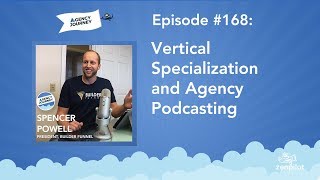
Spencer Powell from Builder Funnel explains how his agency specializes in inbound marketing for home builders, remodelers, and contractors. The conversation covers the agency's client profiles, sales strategies, and their podcasting efforts to reach their specific market.
Welcome into this week's episode of Agency Journey. This is episode number 168, and I am joined by Spencer Powell from Builder Funnel. How you doing, Spencer?
I'm doing great. Yeah. Thanks for having me today.
I'm excited to have you on and tell the story so we can go through a little bit of the background on the company. But before we get there, Builder Funnel is a unique name. It's not a fruit and a random object put together or some of the awesome names that are out there right now. But that's because you guys have targeted a vertical really specifically. So maybe just start. Let's start off with where the agency is now. You want to just walk us through who you serve and then what specifically you're doing for them?
Sure, yeah. So we serve home builders, remodelers, and contractors all over the US And a little bit in Canada as well. And primarily we're an inbound agency, so we're doing typical inbound retainers, so stuff to grow traffic, things to convert leads, you know, nurturing those leads and then reporting and improving over time.
Right. So that's a great, like, short synopsis broken down. But I think when we first got connected, you guys were in the direct mail space. What's the history of these? Like, how did you get here?
Yeah, it's a good question. We've certainly taken our twists and turns. And yeah, goes back to my grandfather over 40 years ago, starting a direct mail business. He moved from Chicago to Colorado Springs, built that up, and then my dad took over the business in the mid-90s, built that up some more. And then in the late 2000s, kind of everything crashed down and everything was going digital. Mail was tanking. And so that was kind of our transformation timeline was right in the late 2008, 9, 10, 11. And up till now, we've continued to adapt, but really that was when we said, okay, we need to get into digital. And then we bumped into HubSpot, became a HubSpot partner in 2010. And we have family in the building business over four generations of builders. I think it's like 108 years in the business now. And so they were kind of our test client.
Right.
As we got into this digital space and we started to see some results, they added a remodeling division. We helped them scale that up from like 2 million to 5 million over a few years. And we said, hey, let's go help, you know, more builders, more remodelers do the same thing. And luckily, we kind of saw where all this Inbound stuff was going at least enough to say there's going to be a million inbound marketing companies and we want to be different. So let's, let's focus on a vertical.
Right. What's the ideal client? Maybe in terms of. So on the site I think it says like home builders, remodelers and contractors. Like what's the ideal profile? I'm assuming like your independent contractor who's off doing stuff that's not a good fit. But is there like a revenue size, a team size? Is it a marketing team internally? What's a good fit for you guys?
Yeah, that's a really good question. And it kind of looks different for the home builder side versus kind of the remodelers and contractors. So for the home builders, I would say they're typically doing anywhere from like 10 to 75 million in sales. It's kind of a wide range. But the guys that are doing 10, there's still enough volume there where they've got the budget and typically not the expertise to do what we're doing. On the remodeling, contracting side, margins are different, business model is different. So typically like 2 million to 8 million in sales.
Okay.
Team size is a little bit tougher. Revenue is probably the better way to put them in buckets. But yeah, that's typically our kind of sweet spot.
Right. With team size. I'm curious about the marketing side though. Do those people have a dedicated. Obviously a home builder who's at 75 million has some people who are driving appointments or should be. But what is. Are you usually working with an internal marketing person? Are you working with an owner? What's the best fit for you?
Yeah, it's probably about 50, 50, honestly. I would say obviously the smaller companies then tends to be. The owner is involved at least to some degree, and then maybe owner and like a office person. So they're an admin, they're doing a little marketing, but they don't really have the expertise. So they're, they help kind of coordinate between us and what we're trying to accomplish with the owner. And then the other half is either like a marketing director or a dedicated marketing coordinator. And they're our full time point of contact.
Okay, cool. So this is an interesting historically very blue collar industry. There's certainly pieces though of the, especially the larger, the home builder where it becomes a much more sophisticated industry. But where are you driving sort of break into any industry obviously is a challenge. You guys have a podcast builder, Funnel radio. Yeah, I know you're blogging I know you're like, you're doing all these different things and the podcast is obviously something I'm interested in because there's not that many inbound agencies who are doing that. But before we get there, like where do most are most leads, word of mouth and referral based, are they coming through the site? Like, where does, where do your customers come from?
Yeah, good question. So I would say our primary Legion source is definitely the website and just all the activity we have going on with that. You mentioned the podcast videos, you know, social, all that, that sort of thing. We do partner with a couple of like industry trade organizations or groups and so that's probably second in line, you know, for really good leads from. So we've been sponsoring a group for a while, going to a couple shows a year. Then we start to kind of embed ourselves in that group and, you know, people see us over and over again. So that's been a multi year investment, but we're starting to see, you know, I guess the fruits of that over the last few years. But yeah, number one is still. Yeah, it's all the inbound efforts. So we try to practice what we preach.
Yeah. With the podcast, when did that, when did you guys start doing the podcast?
So we started that last year. I think it was around November 2017.
Okay, nice. And what's the kind of outline the strategy for us? Like the people that you're bringing on, are they people that your customers would know of and look up to, or are they prospects? Or like, what's the strategy as far as who you bring on the podcast?
Yeah, well, I wish I could tell you that we started it and had this beautiful strategy outlined. Never worked that way. Yeah, we said we gotta be, we gotta get into some different mediums. And I had done a podcast with somebody for a while several years back, and we kind of just did it because we were just like, hey, what's this all about? And we started to get a few calls here and there and we weren't super organized about it. And so I said, I think we can take that experience and I think we can do this a little bit better. We can focus it on builders and let's just jump in and see how it goes. So we initially thought that we would run most of the episodes internally with the team. Like I'd interview the team and everything. And we did a couple of those and then immediately just thought, what if we started pulling in other thought leaders and that might make for a little more dynamic content. And then that really, after the first maybe two episodes. That was kind of our strategy and our thinking was if we can find other leaders in the space that are maybe in the sales side of things or business coaching or the different elements and areas, they're not competing with us, we can kind of uncover these growth strategies for these companies. And honestly, after doing it, it's been interesting. We have had several people that say, oh, I'm listening to the podcast. It's awesome. And that's why we're having a conversation with them. But I would say the most value we've gained from doing it is making those connections to those other thought leaders and, you know, getting invited to speak, you know, because of that, or just having that connection and then they're sharing your stuff on social and you get exposed to their audience. So.
Right.
Some reason I didn't expect that, you know. Yeah, yeah.
It is kind of eye opening. Once you start, it's like, well, here's my free ticket to talk to just about anybody who I want to. Right. I have a good excuse. It's not just reaching out. Hey, could we connect? It's. I'd like to feature your story. And it's a great. A great network and relationship builder to reach out.
Yeah. Because I mean, you're giving them value and so, you know, it's very inbound y. I guess you're providing first and.
Then having that network of people to be able to say, you know, when you're talking to a customer and they need help with some other aspect of the business to. To be able to refer. That's not necessarily a direct financial implication, but it's something that definitely helps the relationship and is awesome to be able to help people in that way.
Yeah, absolutely. Yeah. It's been about a year or so that we're into it and I kind of figured it'd be a year before we saw any traction. I don't know why I just said we gotta do it for a year before we really evaluate it. So far, yeah, I mean, we've had some leads come from it and we're getting some social activity and it's not like our number one lead generator, but it is starting to generate leads. So, yeah, we're going to keep it going.
Yeah, that's great. So if we switch gears a little bit towards the sales side, and I asked this because we've used or we found the podcast to be one of the best sales tools, not in terms of volume, but in terms of quality. Someone who's gone through and listened to three episodes of the Podcast feels like they know us in a different way. And so if we're on a call, like, oh man, I can't believe I'm talking to you. Like that is crazy how much that happens. I can't believe like I listened to you on the podcast, now I'm really talking to you. Yep, still just a person, same voice, but. But we have used the podcast and certain episodes in like our lead nurturing and then different areas of the sales process. What does the process look like for you guys? Is it kind of a, a prospect comes in and they request an assessment or are they reaching out, asking for something else specifically initially? Like where do most of the leads come from? And then what does the process look like? Are they going from that inbound marketing assessment to a discovery call to a goal setting call, kind of through the whole kind of HubSpot taught sales process or how does that work on your end?
Yeah, good question. So I would say, I mean leads are kind of flying around, coming in from all over, downloading ebooks and stuff like that. But really we have focused on the assessment as kind of that first step. But more recently I've switched to just using a quick 15 minute booking link. And so we're putting the meeting booking link into all of our nurturing campaigns and even on like thank you pages and stuff like that. So I'll just walk in in the morning. It's like, oh, two people booked a meeting with you for Friday and Monday. Great. You know, that's, it's all automated. And then I do a quick connect, try to do some pre qualifications, see what their interest is and then we'll move to more of like a, you know, goal setting, really getting in the weeds on what they're trying to accomplish. But at least then I can use that 15 minute window to see where is this going and is it worth having a more of a longer assessment type thing where you look at the website and talk about goals and then really there talk about goals and then we'll create an action plan based on the goals and then walk through that. And because we know the industry generally, we know a lot of the challenges that come up. And so, you know, I feel like it helps build trust and credibility a little bit faster because you can speak the language and you can refer to, oh yeah, we had this happen with XYZ client. Sounds like this is a similar scenario. And so I feel like you can move through things a little bit quicker. You still have to hit all the bases though. So it's not like you can just skip to the finish line.
Right, Just skip through. That makes sense. What are some of those? Like, is it more common for people to have traffic but not be converting any leads or to have no traffic but relatively high quality? Like, what are people coming to you and what are the common things in this industry?
Yeah, so far for us, almost always traffic is the biggest problem. Just traffic is so low and a lot of them, they're all local businesses, you know, they're local to their area. So they could be $50 million in sales, but it's like five communities all in two or three cities. And so, yeah, traffic seems to be the biggest problem. We do run into a few that got pretty good traffic volume. And then it's like, man, if we just throw up some new home guides or floor plan downloads, we can start cranking and that'll happen. I mean, it's amazing because that's what people are looking for. But yeah, really traffic is number one. And then I would say another common challenge is just adoption of technology. You kind of said it's kind of traditionally a blue collar industry. And I would say generally it's a very hands on industry. You know, the guys started, they build things with their hands and so the technology is usually further behind. So for us it's kind of nice. We don't have to be on the bleeding edge of technology. We can be like one or two steps back and then they're like five steps back from us. Yeah, right.
That makes a lot of sense. What does? If. So you get through the connect call and you get farther into the process. Are you selling somebody on a retainer? Is that the first thing they're purchasing, where they're signing up, you know, for like a year with you, with HubSpot, with whatever else that you're putting in that package? Or are you selling like a strategy or discovery project first? What, what's that? What does the sales model look like?
Yeah, good question. We're really trying to jump right into the retainer and say, okay, we're gonna do this for a year. Here's the program. This is what the setup looks like. This is what the monthly looks like. Some people aren't ready for that. You know, they're. Maybe they don't want to commit to 12 months or, you know, the budget's not quite there. And so then we might look for project opportunities if that's something that we feel like is actually gonna benefit them and be helpful. But maybe it's a website redesign or maybe it's setting them up. With a CRM and doing some training for the salespeople. Those are probably two of the most common routes. But then sometimes you can do the projects, then you've built a little more trust, and then you can kind of move on and talk about some of the ongoing stuff.
Right, right. That makes sense. Well, I think the story of how you guys have gone into that specific vertical and, like, gone all in on it is really cool. I would imagine that. So, obviously, one of the things that we talk about a lot with niching and finding a vertical is just the marketing opportunities. You can create a podcast that's specific to this industry, but I think one of the things that gets overlooked a lot is just the sales value that that has where you're in the process. And you're able to say, here's what we've seen work for these four other home builders who we're working with right now. It looks like you're in similar situations to where they were. Like, this is why we think we could generate this. It's not just, hopefully we can generate that result. It's like, here's a specific reason why we think we can do that. Has that been a big benefit? Are there any other big benefits that you've seen from making the decision?
Yeah, yeah, it's really interesting because at the beginning, going back to our history a little bit, we jumped into digital and we. We did have our test client in this space, but we did take on some other clients. And then it wasn't for a few years until we said, no, we've got to just commit and go all in. And it was really scary. It honestly was because you're like, man, am I going to be turning down and turning away all this other business? But I wish I would have done it sooner, honestly. So you mentioned one of the things. You're in the sales process and somebody has a challenge. And then as you build your client base, you have more examples of different things that you've solved. And you can point to data. Like, we typically see this type of conversion rate with this type of offer. Or we've seen, when you start at this many visits, we can take you to this many visits in this time frame. And obviously, every site and local market is different. But you can tell them, like, hey, we've got some benchmarks here that we've achieved. The other thing is around premium content. And so, like, we have a library of ebooks and guides that we can take those and repurpose for new clients, swap out photos, logos, branding, tweak, the content if they want, but it's not indexed. So we're not worried about duplicate content. We don't work with competing clients. So we feel very good about not like, oh, this builder down the street has the same thing that's been huge. So it allows you to either increase your, you know, your margins on what you're doing for those type of campaigns or if you need to get more competitive on price, you can. But. And then, yeah, like you said, the marketing, like we have started the podcast, but I would say just in general, when you sit down to create any piece of content, like before it was like, oh, what are we going to talk about? Blogging. Okay, who are we writing to? Right, everybody. Well, okay, well, now we're talking to a very specific audience that it actually is easier to think of content ideas and create that content.
Right, right. Man. There are a lot of benefits to it and it makes a ton of sense. So kind of last question for you is looking ahead, we're coming up towards 2019, like what. Are there any big changes in the business? Is it kind of more of a run what we currently have and keep refining that or any big changes or things that you're excited about for the new year?
Yeah, thanks for asking. We, we are going through a big shift right now because we're starting the podcast and getting that going and starting to gain some traction trying to up our video game and get our YouTube channel going. You see the builder, Funnel TV, I saw it. So we're just trying to like kind of brand these different like media outlets and thinking of it more as media and not just like a social media channel. And so our goal is to one, hopefully get sponsors for some of that. And so that could be like an Andersen Windows who's national that they sell, you know, that's a perfect fit for our audience, you know, so non competing with us, but they serve the industry and they're interested in getting in front of those same people. And then we're also working on kind of the DIY model, so more of like training and academy type stuff where you can sign up for 50 bucks a month and you get access to all this content. And we're always updating that, so trying to go more towards the how can we help the small guy that can't spend the retainer? But we're still going to stay in the monthly, you know, retainer space where we're helping these clients that are 10 to 75 million because I feel like that's where we're going to hone our skills and then it gives us credibility for actually teaching, you know, in the academy type kind of have like full service diy, like stuff on demand and then like media sponsorship, that kind of thing. So kind of those looking to diversify revenue streams a little bit.
Makes sense. That's. I was just gonna ask whether that was primarily like diversifying or what the, what the objectives were. That makes a lot of sense.
Yeah. And I think too, with, with those two, the other two components, they're a little more scalable. Right. So with full service, it's very people heavy. You know, you add more clients, you need more team members, you have more client. And you know, and it does scale, but with this other stuff, you can just, you can scale more exponentially and you don't need, you know, that same ratio of people to how many people you're able to help and serve.
It's funny that you bring that up. I'm always surprised, especially talking to early stage agency owners who just haven't thought through the. And I feel like we were the same way, but just haven't thought through the model of a professional services firm where the only way that you scale the services is to scale the human capital that you have delivering those services. Like, there's not a, there's not another way around this until the robots get way more skilled.
Right, right, exactly.
We're kind of, we're kind of stuck with this. And if you're getting into it, that's great, but you should go in eyes wide open that. Okay, this is the business model and I'm. Okay. The people who want to scale a huge agency but don't want to manage more than three people or don't want to be a manager at some point. Well, that's not going to work very well with that current business model.
Yeah, absolutely not. Yeah. Yeah. And you're right. There's really, like you said, there's no way around it. You just, you just need more humans, you know, more people, more team members, like more thinkers. You know, there's just so much thinking and that's where it's at. So.
Yeah, for sure. Well, good. Well, so we'll definitely include builderfunnel.com the website in the show notes. Is there anyone anywhere else, Spencer, that we ought to. People should go if they want to connect with you or follow along.
I mean, the website's the best. But honestly, check out the podcast. That's something we're pushing. So you can just look it up. Builder Funnel Radio and, you know, see what we're doing there. We're open to, you know, advice or we're figuring it out, you know, as we go. But yeah, you know, somebody can send me an email if they want to chat, but website's the easiest way.
Cool. That's great. Well, thanks so much for coming on, Spencer. Really, really glad to have you and appreciate you sharing your story.
Yeah, thanks for having me. I enjoyed the conversation and thanks for the good questions.










