A short pitch for Food Drop, an app and website to coordinate donations, pickups and deliveries between food banks, donors, volunteers, and people in need in Canada during the COVID-19 crisis. The presenters (Grace and Chimdi) describe the problem (increased demand and distribution/sourcing limits for food banks), core features (match donations to need by location; show what food banks accept; options for pickup, delivery or drop-off), technical approach (cloud services for storage/computing/maps; blockchain proposed to encrypt personal data), revenue model (public/corporate donations, government grants, ads, subscriptions, fees from those who can pay, partnerships with grocery stores), and a staged roadmap (research and partner outreach in 6 months, regional beta in next 6 months, national deployment after year 1).
Chapters
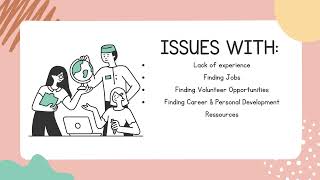
I'm Grace and my teammate Chimdi are here to present Food Drop meet Mary, a 25 year old widow based in Canada. Her work hours were cut down due to Covid forcing her to rely on little to no money to sustain her family. The COVID 19 crisis brought a huge impact on the Canadian economy. The demand for food banks increased significantly while their ability to meet demand has plummeted due to sourcing and distribution difficulties. Food Drop is a site and app used to schedule pickups and deliveries for both food banks and those in need. Users can see what food banks in their area accept donations for. It will match people in need with donations based on location. The donations are stored at food banks nearby. Users can donate or access donations on the app and indicate pickup, delivery or drop off. Due to COVID 19 restrictions, food banks have not been able to allow volunteers into their facilities, but volunteers can still deliver or pick up donations. Cloud service will be used for data storage, computing and maps the biggest challenge for this project was data security because it requires people to put in their home addresses and other personal information. We were concerned about the possibility of data leakage. To solve that, we plan to use blockchain to encrypt the personal information of our clients.
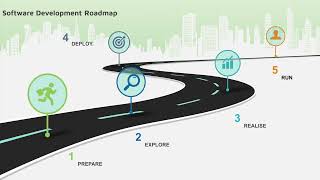
Our revenue streams include public and corporate donations and government grants. We can monetize through ads and offer subscriptions and charge those who can afford to cover their personal costs. We would increase and diversify revenue streams by partnering grocery stores and other companies. Our differentiating factors are accessibility, security, transparency and functionality. We will need support in reaching out to potential partners like food banks and grocery store chains. We will need help making connections with potential stakeholders, maintaining corporate relationships and getting buying from the public. In the next six months, we plan to research and connect with potential partners. In the following six months, we plan to run a beta test for the app in specific regions. After the first year, we would have secured all our partners, run a better test and have enough information to deploy the software across Canada.