This is a short presentation (YouTube video) about the Mental Health Hacks project "Muji" (Moodji), which aims to make mental-health resources more accessible to marginalized communities facing financial, legal, geographic, and stigma-related barriers. The talk outlines target users (low-income individuals, those without support systems), proposes funding/partnership strategies (grants, ads, licensing), presents a persona "Mary" to illustrate needs, and demos a mood-tracker prototype that collects mood and physical/emotional state (anxiety, headaches, tiredness) to deliver customized tips and reports.
Chapters
Welcome everyone. Today I'll be presenting our Mental Health Hacks Project Muji. Mental health is important. However, current mental health resources may not be accessible to most vulnerable individuals due to location, financial limitations or stigmas. In many cases, these individuals may not have someone they can rely on to talk about their problems or to reflect. This can lead to poor quality of life, which can decrease other determinants of health. Some problems for users include social stigma and bias, except for accessibility and potential trauma. Others include legal barriers, financial constraints and misalignment. We want to focus our tool on the marginalized communities impacted most by these issues. Our target audience would include individuals who are unable to afford traditional forms of therapy or other resources, and individuals without a support system, as well as individuals who want to just understand their emotions and understand their patterns better. Funding streams we've identified for this project could include private grants, advertisements and licensing the software this is an overview of a variety of different organizations that we could partner with and potential partnership initiatives that would help spread the word and develop youth's skills. To wrap up this presentation, Meet Mary Mary is a single mom with a minimum wage job trying to find access to mental health resources. As a working mother, she struggles to find time and affordable therapists, let alone one out of her budget. A tool like this would help her to reflect and find ways to improve her health.
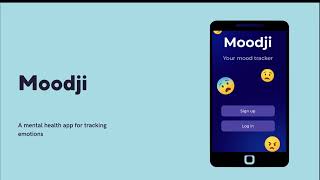
Finally, I'll be going through an overview of our prototype. So this is going to be the mood Tracker app interface, so you'll have the option to sign up with your name and your email as well as your password. And then once you're done with the login process, you're going to be directed to a homepage which will basically enable you to put your mood, your feelings and as well as your general emotional or physical state. So like your anxiety, headaches, tiredness, etc. And based off of these emojis that you're going to be inputting, you'll be receiving a customized tips page after this, which will enable you to get a good report and tips to help improve.