In this 5‑7 minute open‑house speech, Greg Gudorf argues that the Competent Leadership Track of Toastmasters provides the practical skills needed to turn ordinary business meetings from “hell” into “heaven.” He begins by asking the audience to recall a meeting that felt either blissful or dreadful, then positions Toastmasters as the secret to consistently heavenly meetings. Gudorf highlights three foundational skills—critical thinking, listening, and feedback—explaining how they reshape meeting dynamics, and suggests informal adoption of Toastmasters roles such as Ah‑counter, evaluator, and even a meeting host. He expands the discussion to other leadership competencies (time management, planning, delegation, facilitation) and stresses that every meeting benefits from a designated Toastmaster‑like figure who ensures smooth transitions and a congenial atmosphere. Using a personal anecdote about presenting to Sony management in Tokyo, he illustrates cultural nuances in meeting behavior and underscores the importance of motivation, mentoring, and team‑building. Throughout, he blends humor, storytelling, and persuasive calls to action, concluding that applying these Toastmasters‑derived skills will enable participants to regularly experience “heavenly” meetings.
Chapters
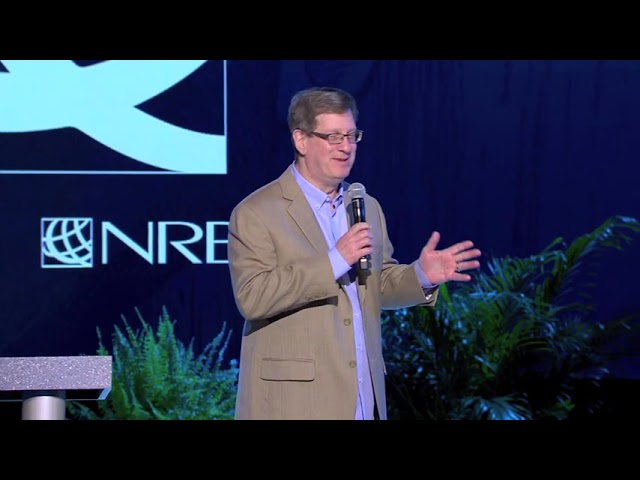
Greg's objectives today are to remind us of the value in the Competent Leadership Program, which I spoke about just before the break, and to leave the guests with a view beyond just coming here to make speeches. Length of the speech is 5 to 7 minutes. The title is Meetings: Heaven or Hell? Please welcome Greg Gudorf. Thank you for that warm welcome, Governor. Let me ask you a question. How many of you have been in a meeting, not a Toastmasters meeting, but a business meeting, where you've said, "Wow! I'm in heaven!" Or did you perhaps, and be honest, say, "This meeting is hell. I've got so many other things I could be doing." If that was your thought, I hope you didn't say it aloud. Mr. Toastmaster, fellow Toastmasters, and guests, I truly believe Toastmasters is the secret to making meetings heavenly. Can I get an amen? Amen! Now, some of you who have been in Toastmasters already are saying, well, of course, if every speaker in our business meeting was a polished, practiced, 'cause if I was a competent communicator, everything would be fine. Doesn't work that way. I'm not even talking about the speaking part of business meetings. Instead, I'm focused on the Competent Leadership Track within Toastmasters and how the skills from the Competent Leadership Track can make heavenly meetings. Let me review with you a few things. On the board here are topics, subjects, 5 skills from the Confident Leadership Manual. The first 3: critical thinking, listening, feedback. Skeptics may be saying, "Well, yeah, there's no critical thinking going on in any of our business meetings." But it's the listening and the feedback that are really key to changing a meeting around. You've heard the saying, "God gave us 2 ears and 1 mouth so we would listen twice as much as we speak." I don't know if God had that in mind at creation. I don't know if he's ever been in a bad business meeting. But listening is really a key to improving those business meetings. Maybe your business meeting needs an "ah counter," a "Bromarian," or my favorite, an "evaluator"— the feedback part. I like a meeting where there's somebody who takes the role of recapping what was happening during the meeting, including the action items, before anyone else leaves the meeting. Now if your company's not ready for this officially, try practicing it on your own. No one will laugh. You will, though, walk out of those meetings knowing exactly how many ahs and ums which person said. And that will give you a little insight as to how you might make a meeting more heavenly. Other skills within the Competent Leadership Program. Time management, planning and implementation, organization, delegation, facilitation. These skills are the heart of the Toastmaster's role. And every meeting needs a Toastmaster. We have Kevin serving for Toastmaster today. I'll argue that your business meetings need a Toastmaster, even if in an unofficial, in an unofficial capacity. Now the definition of a Toastmaster, or the role of a Toastmaster, from our "What to Do When" Toastmasters manual is to ensure a well-run meeting. I like that it used the word of the day, "act as a congenial host," and smooth the transition between meeting participants. This is the role of a Toastmaster. When I was growing up, for me, the consummate Toastmaster was Johnny Carson of The Tonight Show. If you don't recognize Johnny's name, you may actually be a lot older than you look. Johnny had this unflappable way of dealing with anything that came across his meeting, The Tonight Show, and he was willing to prod and cajole and push along guest members as well as audience members to make a successful meeting. That's the role of a Toastmaster. You can practice that here at Toastmasters and then take it into your meetings and move them from a hellish thing to a heavenly thing. These are the skills within the Competent Leadership Manual that you can focus upon as you work through these various exercises. The last set that I want to talk about is in the motivation, mentoring, and team-building side of the Competent Leadership Manual. Important skills for anyone in business or in organizations such as the Girls on the Run. Motivation and mentoring is key at all times. I remember when I was giving my first major business presentation to Sony management in Tokyo at headquarters. This was a big event. I was jet-lagged. I'd just come in from New Jersey— that's where I was at the time— into Tokyo, jet-lagged, But I was determined not to let the jet lag get in the way of the meeting. Now, there were 35 or 40 or so Japanese, mostly engineers, in this meeting. And as the meeting began, the two most senior managers seated in the seats of honor in the meeting, when I started to speak, they closed their eyes and bowed their head. I had just started my presentation. It was not motivating. The worst part was, as my presentation went through, about halfway, the older of the two was snoring. I swear he was. Not motivated. That evening at dinner, I waited until we'd had a beer, because in Japan the deal is if each party has had at least one sip of beer, you can say anything to anyone, and they assume that it was the alcohol talking. So you're safe. So we had that first beer. I turned to my Japanese management mentor and I said, "What's the deal with the two big kahunas falling asleep during my presentation?" He said, "Ah, Greg-san, Japanese tradition. By closing their eyes, they're showing you that they're listening to your every word. And they're also preventing their face from showing their reactions so that the discussion is just about you." What's the topic? Hmm, thought about it. Alright. After my second beer, I turned back to my mentor and I said, "I kind of get it. That's supposed to be Japanese motivation when that happens. But what's the deal with the guy who fell asleep and was snoring?" My mentor took his beer, long sip, set it down. "Ah, Greg-san, sometimes Meetings are just hell. So there you have it. It won't work in all meetings, it won't work in all locales, but the skills from your Competent Leadership Program within Toastmasters really will work to move hellish meetings into heavenly meetings. I hope someday you are in a meeting and you will find yourself saying, "Wow, I'm in heaven! Thanks, Toastmasters!" Thank you, Greg Gudorf. Really appreciate that.