PureTalk 2017 05 05 Ep5 v1

In this Pure Talk panel, host Kirsten Haglund brings together Greg Gudorf (CEO of Pureflix), Dan Andros (managing editor, Faithwire), and Billy Halliwell (senior editor, Faithwire) to explore the dynamics of working in Christian versus secular environments. Greg contrasts his 30‑year secular tech career with his current role at Pureflix, emphasizing the freedom to bring the whole person to work and the ability to align business with mission, exemplified by a partnership with Convoy of Hope. Dan and Billy discuss the pitfalls of Christian workplaces, such as a culture of excessive niceness that can suppress honest feedback, the tension between hiring for heart versus skill, and the need to treat nonprofits as businesses. The conversation turns to the challenge of balancing profit motives with spiritual edification, the responsibility to influence broader culture, and the biblical call to be “salt and light” in secular spheres. The panel underscores that Christians are called to serve wherever their gifts lie, whether in faith‑based or secular settings, and that ethical, mission‑driven leadership is essential for both types of organizations.
Chapters
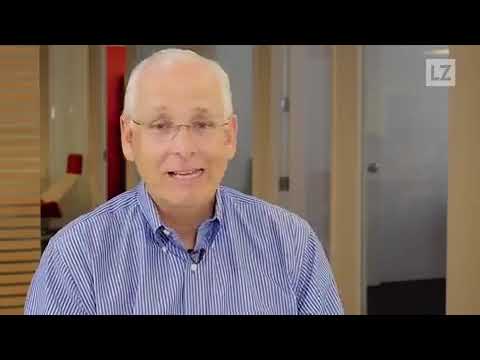
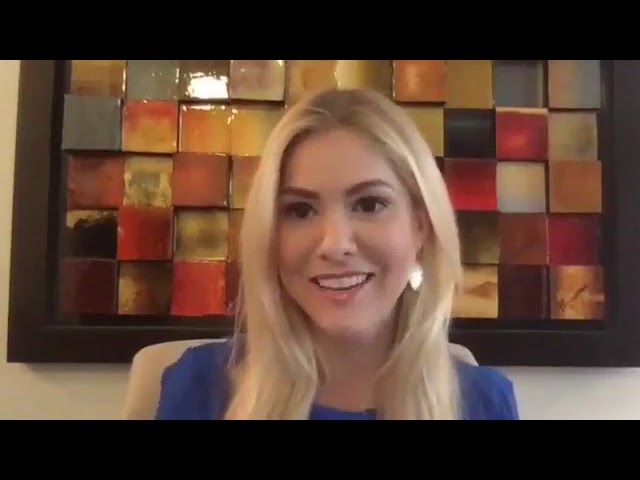
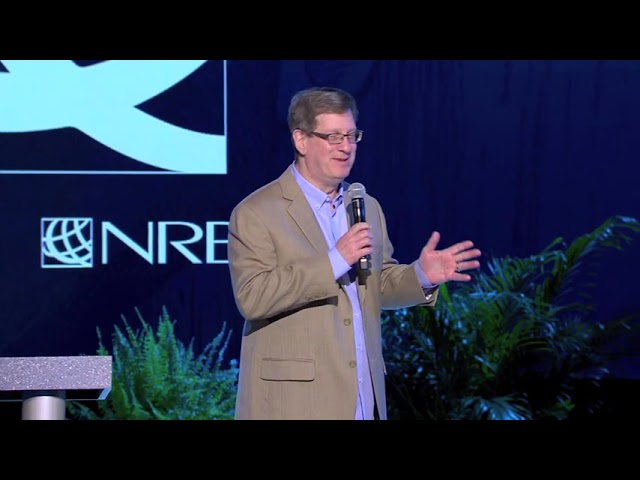
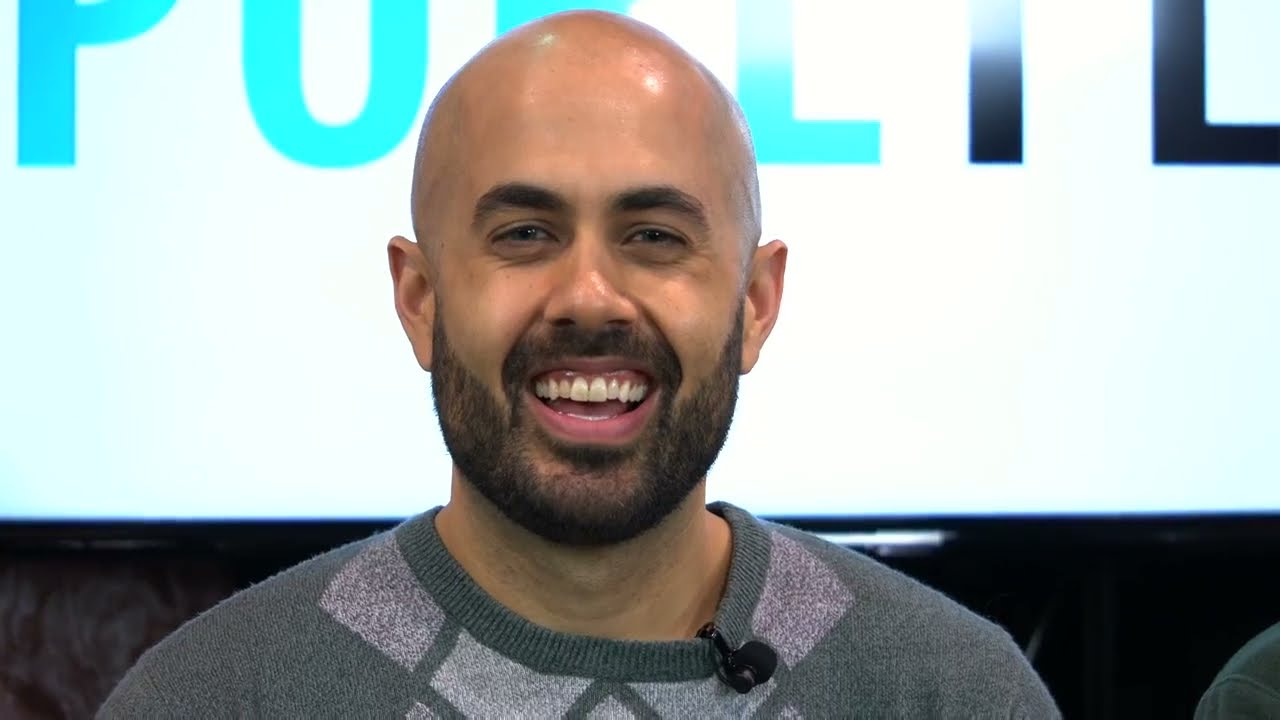
Hi everyone, I'm Kirsten Haglund and welcome to Pure Talk, a new innovative show brought to you by Faithwire and Pureflix. We're here to discuss the latest in politics, faith, and culture all through a faith lens. So we've got a panel here to discuss. We have the CEO of Pureflix.com, Greg Gudorf, the managing editor of Faithwire, Dan Andros, and the senior editor at Faithwire, Billy Halliwell. So today we're going to talk a little about, about work culture. So working in a Christian environment, working in a secular environment, how does that play out? How do you do it? Well, which is better, if there is one? So we are all kind of working in Christian companies, but have also had experience in the secular world. So Greg, why don't you start us off? You had a career in the tech world for a really long time. And now you're at Pureflix, obviously, just a Christian mission and vision. Which did you like better? And where do you feel more fulfilled? You know, of course, of course. Which Which one stimulated, you know, what parts of you? Where do you feel more, you know, fulfilled as a Christian?
So yes, it's Pureflix, of course, as Dan said.
Good answer.
But the, you know, 30 years of technology with companies like Sony and Technicolor and all kinds of different companies in the tech world, and it was never about anything other than the business. I mean, you had friendships that were established, and your friends were important to you, and you did things because of other people, so I guess that's kind of partly there. But it was always about the business only, right? And the refreshing part for me about PureFlix.com is that you're free to explore other parts of you. You know, you had this— we're whole beings, but when you can only bring part of you to work in the corporate secular world, you're missing out on something. And at PureFlix, we welcome bringing the whole you to work, and then we get to put our money, our business as it were, to work where it should. Programs like what we've just launched with Convoy of Hope, where when you join in with PureFlix.com, you're part of our donation of $100,000 worth of goods and services this month to Convoy of Hope for Americans right here in need. You can't think that way. You can, but you don't in the secular world.
Sometimes you can't.
You can't. Sometimes you can't.
You absolutely can't. Dan, do you see any downsides to working in a faith-based company or organization?
Downsides that jump out off the top of my head. I think you can get into the trap of, you know, I've had some friends I've had close conversations with about this particular issue, and they were kind of looking at like my job, you know, being like, oh, you're like furthering the kingdom, and you're doing all this stuff. It's so great, and it's great as Greg said to bring up, you know, we're covering stories and showing the hands and feet of Christ, and that's really rewarding to like to be amplifying that, but you know, he was almost despondent about like, ah, just, you know, this job, it's all about the money. It's all about this. There's nothing else, and you know, I think that God, you know, is going to use you whichever situation you're in, and so, you know, from his perspective, he's able to witness, and do things differently in a culture that was completely pretty much godless, and to sort of open people's eyes that way, so I can't think of any downsides off the top of my head, but I can see the upside in the other situation.
And, you know, I know a lot of people who have only worked in Christian ministry or Christian organizations, where that has not been my professional experience. But they have a whole set of different issues, you know, that they face. And sometimes it can be difficult working with other Christians all day, and there's just a different, different politics in some Christian organizations sometimes. This pressure to always be nice and always be forgiving and maybe not holding people to, you know, a higher work professional standard. You know, Billy, you've had some experience with that. Talk a little bit about some of the challenges.
Tell me about what it's like to work for Faithwire, Billy. Faithwire is wonderful.
Faithwire is wonderful. I have always tried to work in the secular world, not because I didn't want to work in the Christian world, but like God always has a way of like grabbing me and like bringing me back to a Christian organization, which is great. You know, in the past I have found that not all Christian organizations, you know, are maybe up to par. Like some of the standards sometimes, because of the niceness, because of not wanting to offend people— And it's more like I feel fear of confrontation rather than like actually but also, you know, you can easily resent, you know, a higher-up if you feel like they're being too mean because, like, well, you're supposed to be nice. This is a Christian organization. So I think you have to keep some of that in check, but it is really nice to be able to go to work and pray with people, right? And be able to talk about things, whereas in past jobs I haven't been able to do that, or they haven't understood where I was coming from. So there's positives and negatives to anything, but I think again we have to check ourselves, and within an organization make sure that we are up to par and and that we're doing things to be the best we can be and not just doing things, "Oh, you know, we're a Christian organization," you know. I just feel like sometimes we have to work past that, and that was a frustration for me.
There is a negative that I think you have to guard against, and that is an issue of heart and skills. In the secular world, there is no doubt about it, you better be hiring the best skills out there, and in Christian organizations oftentimes they hire heart over skills. Sometimes that works. Certainly well-intended, right? But you've got to have the skills first, and then you got to follow and check to make sure the heart is there in the Christian organization, and I think that to me that's a reminder to keep. It's not about being nice. You know, it's not about just playing to the heart side. The person has to have the right heart, but they better have the skills, or you won't be advancing your business, and if you can't advance your business, you can't serve your larger mission the way you want to.
You have to look at a nonprofit as a business too, I think. Absolutely. There are costs. There are benefits. There are things that need to be weighed. I don't think you can just go in and, oh, we're gonna nicey-dicey. No, you gotta do that.
Can I ask you a question? Because obviously businesses and ministries run from two different incentive structures. One is to serve, you know, not to make a profit, and the other is a business's goal is to make a profit. You have to in order to continue the work that you do. So my question is, as someone who's led in Christian business, How do you square that this is what the people want, and this is what's making us money, so we have to keep reproducing this, but what if it's not truly growing them as believers? What if it's not necessarily going down a road that's really edifying? You know, how does a Christian business balance that? Because capitalism isn't necessarily designed to, you know, feed our highest desires. Sometimes it's our basest desires. Is that a challenge?
Yeah, I think it is for any business like that. In the case of PureFlix.com, the fact that we're a faith and family movie and TV show kind of business, it's something that we have to work through all the time. I'm not kidding you. It's not something that's preordained. We debate this all the time, right? Because you have this issue of if it's only faith, then the only people you're reaching are those that's solid in their faith, right? Likewise, if it's only family, you're missing an opportunity to spread the faith message. So you got to figure out how to meet people where they are, and then you have to do a gut check, and say, okay, is it too far, too wide of a circle or not? That balancing act I think is where the key has to fall.
We have that same conversation a lot of times, you know, because like we posted a story the other day on Kim Kardashian talking about her when she got robbed at gunpoint and she really had this almost epiphany of suddenly life and death was real to her. And so she was talking about, which I think were virtuous things, about how material, and this is arguably the most, the poster child of narcissism and material wealth and self-absorption is her, and she's talking about how those material things don't matter, and she prayed and this and that,, and yes, and so then we were getting ripped on the comments section for posting these people up as role models. Well, that's not what we're doing, and so you know you're reaching people. Kim Kardashian has a humongous audience, and if you can show people and point to the things that she's talking about that are godly principles— that doesn't mean she's there yet, but to show that, you know, how far do you go with that I guess is the point. Well, you gotta have the audacity.
I think there's always somebody who wants to complain, right? Right. And with that story, it's like nobody endorsed anything she said, We literally took her quotes and reported it. And you don't have to like her, but she said something good this time.
It's okay.
Even if you don't like someone, it's okay to say, oh, you know, that was a good point. It's actually a healthy thing.
But they will look at it as sort of, you know, you're even just showing them at all, you know, and associating them positively in any way with somebody who's like, you know, arguably a harm to culture, you know, is a net negative.
And this is probably the problem with our culture is that we can never do that. When there's a little breadcrumb, like we can never just give. Oh, you know what? Okay, let's like— it's a little opening maybe. She might be awful again tomorrow, but right now she said something nice.
Right, let's acknowledge the positive. And I think it's so important too to emphasize for people who might be watching that don't work in ministry or Christian organizations that— and I think one of you mentioned earlier— like, God can use you anywhere. And if you're called, if you know, if your skills are in, you know, technology or the arts or something like that, and you're called into the secular space, You know, we shouldn't all retreat into just Christian organizations because we need to— we're called to be salt and light in these areas. And if there are no Christians in secular Hollywood, who's gonna be talking to them and at the table making these decisions? We want more influence in culture. We need to be at the table where those decisions are made in secular culture. Yeah, you know, so I feel like that's why I love doing, you know, the commentary that I do on our regular cable news channels, which are not, you know, Christian organizations, because they're businesses that thrive on you getting your opinion out there. So I can talk about my faith pretty openly, maybe, you know, where others in secular organizations can't necessarily because mine is an opinion-based industry. Which is nice. Yeah, which is definitely nice.
I think there's a misconception out there that, you know, when people look in at you working at a Christian company, that that's what God would want you to be doing more than something else, where you could make the argument the other way. You know, as the same thing with my friend talking about his his job at a secular company, he would do something little like those guys would go to like a shady club or something at night. He just wouldn't go to it like on their business trip out of town, and he wouldn't go, and that would really jar some people like, "Really? Why won't you go?" Starts conversation. Now that little moment could be way more important into the lives and souls of a person that maybe that person's family and then generations of a family versus what, you know, we're doing on a day-to-day basis.
Yeah, Dan, the commandment wasn't go out and find other Christians and talk to them. It's go out to the world, right? And you gotta be in the world if you're gonna do that.
Yeah, and you know what, also I think because we had the financial crisis in '08-'09, and, you know, a lot of the frustration and the anxiety of so many people across the country right now, especially in the middle class, is from a system that they feel is broken and that has left them in the dust. And I think that a lot of people feel that happened because of unethical decisions made by people on Wall Street and big business, et cetera. And just think, like, what kind of morality is guiding people that make the decisions that form the system, right? We need Christians there. We need people that are making wise ethical decisions where they care more about the bottom line, more than, you know, they care about more than the bottom line. They care about people at the end of that. I mean, I feel like that's, That's a lot of reason why we got where we did.
And imagine if on a TV show, right, you have writers in the back. One's a Christian. A producer's a Christian. Somebody could say, "Maybe we shouldn't portray them that way," or, "What about this idea?" You know, not being there means that there are not going to be those ideas. They're going to be lacking. So we have to be everywhere. We've got to be all over the place.
Salt and light. There you go. You know, we, my husband and I attend Redeemer Presbyterian Church here in New York, and Tim Keller once was preaching a sermon about salt and light, and he described salt the way that people used to make sure that salt was actually acting as a preservative, is they put it on the meat and they rub it all in so that the salt got all gritty throughout the meat, and that was how it actually acted as a preservative. It wasn't like, doot, doot, doot, and there's like a little salt on top. You know, they really ground it into the meat, and like really saying like that's an example of how, you know, you can live in the world. And I think it's just such a wonderful thing for us all to remember. No matter where God places us, we're called to be that, even when it's hard.
We have work to do.
Amen.
A lot of work to do.
We're all in it together, right? So go out and do your work. Faith and work together as one. Anyway, that's all we've got for this conversation. Thanks so much for tuning in to Pure Talk. We'll see you next time.