Michelin Guide | Jean-Luc Naret | Talks at Google
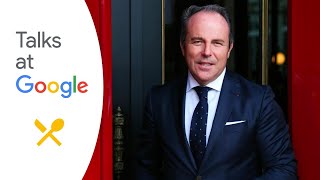
Jean-Luc Naret, director of the Michelin Guides, explains how the tire company's restaurant rating system works. The Guide started around 1900 and now covers 22 countries. Inspectors eat anonymously and award one to three stars based on a consistent standard.
Questions this video answers
Around 1900; about 3,500 cars.
35,000 guides.
22 countries.
New York, 2005.
384 restaurants.
Chapters
Thanks for coming. My name's Jackie Weiss. I'm director of marketing for the Michelin Guides in North America. This is our second year in San Francisco with the Michelin Guide, San Francisco Bay Area and Wine Country. But it's our first time at Google and we are really excited to be here. It's a treat for us. This is not the kind of venue that we're used to. It's not a bookstore, but very special. So I'm here to introduce Jean Luc Nuret, the director of the Michelin Guides Worldwide. Jean Luc is based in Paris. He is the sixth director ever of the Michelin Guides and the Michelin Guides have been around for 108 years. So it's a small group of people. He hasn't been around that long. Jean Luc. Prior to joining the Michelin Guides, Jean Luc spent his entire career in the hospitality industry. His first job out of hotel school was managing the Orient Express train. He went on to manage very high end luxury properties in all kinds of exotic places. Bora Bora, Mauritius, Barbados, Tahiti, Paris, Bahamas. And anyway, he's a very interesting person and will answer questions on anything that you care to ask him. His last job before joining the Michelin Guide was that he ran a collection of hotels for the Aga Khan. And we're of course delighted that he's now joined the Michelin Guide. Thanks very much.
Thank you, Jackie. It's a great honor to be here. Actually, while she was introducing me, I was reading the books that young man is reading which is called Linear algebra. Is it? I don't even know what it's all about, but it looks great, it looks fun. Anyway, it's a bit the same for us, you know, we actually have a lot of pictograms which are in our guide. Let me tell you the story of Michelin Guy. It's quite an amazing one. Google story is like a fascinating one. But this one is fun as well. It started in the 1900. Yes. I was not born at that time and it's the time when the Michelin tire company decided to say we actually provide the first tire on the market. What are we going to do in France to make people driving around France and they had a very good idea because it was like an adventure. At that time There was only 3,500 cars and actually to go from Paris to Marseille, it could take you like a week. So they decided to help the motorists to drive around and they said we're going to help you to actually be able to find your way and to Be able to help you to actually know where you're going to go if you want to go from Paris to Marseille. So they decided to provide a little red guide which was giving away to motorists. And clever idea is There was only 3,500 cars, but they actually produced 35,000 guides which they give away. And when they give away, you could actually find all the tips about what to do if you have a flat tire, where you could find gasoline. There was no petrol station at that time. So you have to find a place in the little village of France where you could actually buy the gasoline. And when you could buy the gasoline was really where then you could actually know everything about the town, how many people live there, where to go, what to do, where to eat and where to sleep. So that was the beginning of the year. Michelin guide with the Michelin Tire Company 108 years later. Today we are covering 22 countries and we came for the first time in the States for actually the New York guide in 2005. So it's been a great adventure so far and everyone has been very, very happy to see us here in the us. We came here to San Francisco two years ago for the first edition and the first edition was quite interesting. We actually had the front page of the San Francisco Chronic for about a week, which was nice. A little bit of controversy. We love controversy. Obviously we came with a different view maybe of what the restaurants here actually were. And let me tell you about the star, so we could be very clear. It's a selection process. The list you would have here of the restaurant is 384 restaurants this year. And each of them has been actually visited multiple times by inspectors. We call them the Michelin inspectors who are there. They actually are anonymous people, so you will never see them around wearing a Michelin T shirt. They actually try to be incognito everywhere. So there could be people who could actually work full time for us. They could be tall, small, big, fat, thin, big, beautiful and bold, any kind. And they all work for us for one reason. They have a passion for food and a passion for detail. And actually the job, if you ask a job, an inspector, what is your job? We are here to reveal the talent of the chef. We're not here to judge restaurant, we are here to reveal the talent of the chef. So these people actually go around the country and in this case, for San Francisco barrier, we go all the way with three valets, Sonoma and Napa and Russian Valley, and we go all the way down to Los Gatos for one specific reason, because there's a very good restaurant there called Manresa. And we actually, the team of inspectors go there and actually visit the restaurant. So they do exactly like you. We used to say they are the eye and the customers, the eye, the palate of the consumer. They actually go visit these places, enjoy the food, enjoy the service. And at the end of it, they actually have to write a report, a two page report. One page is about the classification of the restaurant. And it could go from one to five covers with a little spoon. And it's like algebra, it's a little spoon and fork. And this is actually to give the classification of what the restaurant is all about. So one cover only being a small bistro, very nice, cozy neighborhood restaurant, five covers, red as red, could actually be one of the most beautiful dining room with an incredible service. The Metro D will come to you. And all the tableware and silverware and everything else. Okay, so that's the difference of the classification of the restaurants with the ambience, service and everything else. Then you have the little Michelin star, which are quite well known. When you actually got a Michelin star, it means that you actually a very good restaurant. And when you actually won, Michelin star means that you're a very good restaurant. In your category, two Michelin stars worth the detour. So if you take your car, that's based on the old days, you could actually do the detour and go to this restaurant because you're really a good one. And when you got three star worth the trip, you could go. It's a destination in itself. Now. Do you know how many stars we have all over the world right now? Michelin stars, Any idea? Well, not even a small number of the people who work here. There's 45,000 establishments listed in our selection in Europe and we only have 1,500 Michelin star, which means that when you receive a Michelin star, one Michelin star means you're among the 1500 best restaurant in the world. When you got two Michelin star, you're really not only the best restaurant here, as San Francisco is one of the seven best restaurants, but you're really one of the 172 best restaurant in the world. And when you receive three Michelin star, like Thomas Keller here received for the Flange Laundry, you're actually among the 56 best restaurants in the world. So that's really an achievement. And why we actually got this Michelin star, it's really to say, well, we are here to rebuild the talent of the chef, they need to be portrayed out. Because one Michelin star in San Francisco should be at the same level than one Michelin star in New York and the same level as one Michelin star in France. And we're covering all over Europe, 22 countries as we mentioned. So we have quite a few numbers of stars around. Now I should tell you a story talking about Good girl because we actually expand the brand. And when I took over four years ago, I realized that we were very strong in Europe and really covering very well. Europe, we were very well known. I was very surprised. I mean Michelin, of course we have Michelin Tire Company, a very strong presence in the U.S. but the Michelin guy never crossed the Atlantic. It took us 105 years to realize there was something on the other side of this big sea. So we came here, we came to New York first and I actually brought a team together. A bit of English, a bit of Italian, a bit of Spanish, a bit of French of course, and some with Asian influence who actually were already inspectors in Europe. And we started in New York really that way. We actually looked at all the restaurants, made a pre selection and then we assign each of the inspector a specific neighborhood which they have to look for. So what actually they have to do is they have to dine in all the restaurants we actually pre selected and there was 1,500 for New York. And after that we actually filtered on all the selection in order to arrive to the 500. What was interesting doing that is we have inspectors at the same time we're recruiting inspectors here in the States. And when we say that we're recruiting Inspectors, we have 3,500 people who apply for position. Great. We said fantastic. Now when we're actually going back to these people and you say well it's not actually to take your lovely fiance out for dinner and be reimbursed with a report is really a full time job. Then obviously we had quite a few people would say no to us. But when we find the right people, we actually have 10 inspectors in the US right now and they all have to melt down with the population. So if they go on a business lunch, it should be like a business attire lunch. If they go somewhere for a beautiful romantic dinner like at the French Laundry, they have to match like a perfect couple trying to propose to each other. So to be a Michelin inspector is really going to these places and actually being anonymous and actually act as a real customer and at the end of the day pay your bill and do your report. So It's a bit like interchange identity. Every night, stay in different hotels, check out the next day, pay the bill, experience all the hotel, and then do the same with the restaurant. So I would say that to be a Michelin inspector is a bit like working for the Witness production program. Well, except the food is much better, of course. So looking at all this, I mean, we are very happy to be in the States and we say, wow, we done New York first and it was a great success. We sold 125,000 books on the first year in New York. On the first day we actually launched guide in New York. In 2005, we had actually done the front page of the New York Times with our listing, the New York Times listing and the Zagat listing, which was a bit different. But that was interesting. A year after we came here to San Francisco and we launched our first guide to San Francisco, which was, as I mentioned to you, very well received. Despite the little controversy with Mr. Michael Boer on the San Francisco Chronicle. We love it. And, and obviously it's been very well received here because we sold more than around 40,000 books. I mean, we actually printed 40,000 books. And this year we realized that we sold 36,000 books. And now this year we're actually going to reprint some more for the second edition. It's already, it's been in the bookstore since yesterday. We saw quite a lot of people actually going there and buy them. And I'm very happy to see some in your ads to there. Actually, it looks like they all came here as well. That's fantastic. And so we're going to follow that. And we will be doing LA very soon. On 12th November, we will launch the first edition to the Michelin Guide to Los Angeles. And then on the 15th, we're doing the Michelin Guide to Vegas. So that's nice. Our inspectors have been there for the last year and we say we actually use inspectors from San Francisco and LA meeting in Vegas. We don't want them to live there. It's too expensive when they gamble at night. So we actually have a good time then. And the first edition will be out on the 15th. And just guess what, where we're going next. On the 19th, we will be doing the first Michelin Guide to Tokyo. Should I tell you how I actually decided it was going to be Tokyo for the first guide in Asia? Of course, I'm telling all the journalists it's because of the food, of the passion for the gastronomy. There is because of the importance of the gastronomy. In Tokyo and the real chef out there, I mean it's just amazing. But the first time I've done it is because I actually went to Google and I done Gide Michelin on the Google Japan and I seen 100,000 website about Michelin and only 10% of that were about the Michelin Tire Company, the 90 person whereabouts actually if you got a Google Japanese new trial you will see and it was just amazing. We had so incredible and impressive press over there and actually results. Michelin was like only known for the Michelin guide even if we were not there and not known for the tire company. And you know who is our competitor in this business tire company? Bridgestone, Firestone, which obviously is Japanese. So that was important for us to go there and at the same time it was great because we had a very well received and very good reception from, from everyone there. So the first guide will be out on the 19th of November in Tokyo and for this special occasion we will have more than 30,000. 30,000. I wish 33 star chef who will actually be coming with me for this special occasion. So it's going to be like a huge event in Tokyo. And the first day we actually announced the guide that we were going to do the guide, it was in March and I was on stage in front of all the TV and Paul Bocuse, you heard about him, big man, fantastic three star, 82 years old and Ferran Adria, which is like this Spanish chef, three star which is running El Bulli in Spain and they were with me on stage and they look at each other, we look at each other and we look at the 10 cameras in the back, we look at the hundreds of photographs in front And Paul said, I never see so much people in my life in terms of press. I said well just wait for the launching party and that's going to be on the 19th. So it's great honor to actually continue to develop this brand. I think the Michelin guide is quite interesting. Now you will pick up this guide and you will say, oh, my favorite restaurant is not there. My local restaurant is not there. It's a selection process. So we only returned 384this. 64this year. 84this year restaurants in this guide. And they all deserve to be mentioned because they're very good. And you could actually. It's not only about expensive restaurants, we talk about the stars of course, but we have as well the Bib Gourmand which is the 50 restaurants where you could actually dine under $40. And it's really very good value, excellent chef, and very good food as well. And you will, I'm sure, recognize quite a few names on this list as well. And we have as well 58 restaurants under $25 that you could spend. So really when you buy this guide, I say it's an insurance against a bad meal. And you could actually have with this guide a very good selection of restaurants from 25 to 250 where you could go with friends or you could go with your fiance to propose at the French Laundry. Now if you want to do that, just make sure you do the booking because it's like six months waiting list. I'm sure we are open for questions. I don't want to talk too much, please. Yes, hi. Thanks so much for coming. It's a pleasure.
I guess I'll stand up as well so people can see me. So my name is Doug Raymond here at Google, obviously, thanks for coming to the US I have a question about how Michelin Guide, how you've been able to translate the culture of Michelin Guide to the United States States. I'm sure you're familiar with Sagat, obviously here at Google we probably pay a lot of attention to the online sites like Yelp and City Search where people rate restaurants more democratically. Have you had any thoughts about how you can convince Americans that they should be listening to your panel of experts rather than the common wisdom of their fellow citizens?
Excellent question. Of course, I mean, just one thing. I mean it's a panel of experts, but at the same time, we do receive a lot of readers comments as well. And in Europe, I mean people still write, you know, they don't have technically as you are here, all working computer, they're still writing to us and we receive 45,000 letters just to express opinion about our response as well. But at the same time, we receive a lot of Internet now and a lot of mails through our website, which is www.viamichland.com, which is really like a MapQuest, but it's really the first site in Europe about tribal directions. And our selection is available as well online there in six different languages as well. So yes, when we came to the States, we just say, well, obviously people who travel from the States to Europe used to know about the Michelin when we first came here. And I actually spent about three months in New York traveling around and trying to get different people opinion about the Michelin guy coming there. And they were saying to us, you know, you should actually have. No one will understand the three star. I mean three Star is bad, five star is good. So okay, right. Well maybe we should put Michelin. So it's going to take a bit of time, we know that and we came to the US with a lot of humility. We were very surprised to actually sell that many books on the first year and to have this response from the public. Now what we could say it will take time, it will take a long time. But, but we here for a long time as well. And we're looking now at trying to get more feedback from our, from our consumer. And actually we have a little thing here. If I well remember Jackie, we actually go online and give you comments about it and you will get a 20% discount not on the restaurants but on the guy next year. So we try to get more feedback but obviously you know, and I really respect the Sagat and actually Tim, Tim and I quite go along. Well, we're two different. Well first of all he's taller than me and stronger so I'm not going to compete with him on that. But at the same time it's different. I mean we know that it's great. The vox populi of people is great. People could actually go online and tell about the restaurant and it's really a fantastic thing. Now again it's a little BBS because if you leave and you will see the notation they have as well. Sometimes the restaurant has got a very high notation. But it's just because there's a lot of people who actually send mail and you don't know who they are. They could be the friend of the chef or they could be sisters of the chef or lovers of the chef. Okay, so just sometimes could be good. It's a very good I think tool to make sure that people understand what they are. We're doing things differently. We're totally independent from the profession and we actually have an inspector. So we're not saying one is going to be replaced the other. I think people will buy the Zagat or will read the Zagat online. Hopefully we hope they will buy or read our Michelin guide online as well. Any other questions?
Yeah, actually had a two part question. The first one is where do you sign up for being a raider? I'm sorry, are you taking sign ups for being an inspector?
Inspector. Okay.
Actually the question is as you translate Michelin from Europe to North America and then to Japan, you see very different cultures in each country in terms of what's considered good food, what's considered fresh and innovative. Are you trying to keep a consistent idea of cuisine across the regions or tailor it more to the local flavor and local preferences.
Well, it's really, I mean, in France we're French, in Italy we're Italian. In Spanish we spend, in Spain, we're Spanish. I think the selection of each country is done by a team of inspector and an editor in chief which are coming from the country. So it's really, I mean, if you look at the Spanish guide, I mean, it's really about Spanish food and it's really about all these chefs were actually quite interesting now to follow. So we have in each of the country a team from the country. We actually try to reveal the best of the tunnel of the chef in the country. Now when we came to New York, I mean, obviously the first surprising thing and you know that it's a melting pot of population and you can see just here as well, from different origin, different background, and obviously different culture and different food as well. So, yes, we apply that. And New York is definitely the most diverse guide we ever had because we have like 46 different types of cuisine which are represented in our New York guide. So, yes, we're actually trying to see all those. The thing is, In French, we 99% French because we love French cuisine. And unfortunately, there's not too many very good ethnic restaurants in France. We wish there would be more. Now when we go to Japan, yes, we're definitely going to be Japanese. And it takes a while. It takes a while. When actually bring a team of inspectors in a new country, it takes a while for them to adapt. Then we recruit some local inspector which we send to Europe or to the States to start ensuring they could go to 1, 2 and 3 star Michelin and get the benchmark of what we're looking for. And then they're going back to the country. And let me tell you, the first star meeting, we do it twice a year. And I love that I travel to all these places around the world and I sit down with my team and we have a big conference room and we look at all the stars restaurants selected in the guide and each of them, it's actually a subject of discussion between the inspectors. And what is nice right now when you actually move to new country, it's a difference of point of view from the local team who just arrived in our Michelin team and the expert of the Michelin as well. It's very beneficial. It's great to see the two things different and we learn from each other. And I think now as a team, being fully American in the States, I mean, we learn a lot from that. And in Japan we actually have a team, mixed team right now. But we learn a lot. We came like a year ago. We actually tried to understand the culture first, trying to understand the gastronomy and the different current of the year, of the differences between Kazakh traditional and the Kapu and all this. So we actually will try to reveal the best of what Tokyo has to offer. But again, it's the first time we go there. I'm sure we have a lot of expectation in Tokyo. The Japanese people have a lot of respect for Michelin and they have a lot high expectation of our guide. So the selection will show that Tokyo is definitely one of the top gastronomy capital in the world. And that's going to be very interesting. So can't reveal too much about this election on the 19th of November. I'm sure that we'll hear a lot of WA around the world. Any other question. You wanted to become an inspector? Just apply online.
Hi, thank you again. I just had a couple of questions. How do you choose what cities you go to? Like, do you have plans to go to some other cities next year?
Yes, in the US we have a plan of development. Of course. The main difference in Europe we're doing country guide. So we actually do a full country and for a full country it takes a lot of time. Why we actually never done states. I think we had a. We are actually an inspectors in New York in 1985 and we stayed for a year and I'm glad we didn't do it. At the time I was not with the company, but otherwise it would have been a French company rating French restaurant. Because at that time New York was really about French food. I'm glad that we can 20 years later. Yes, 20 years later with a different sort of guy. International rating, international food. So it's always looking at. It's like a recipe. You've got different things to add. You have to look what is the number of restaurants who could actually be in the guide. The second thing is there's a very talented chef there that needs to be portrayed out as well. The third one is really people will buy your book. I mean, we are in the publishing business as well. So we try to get a bit of money on that. Even if my department, their Michelin guide is only doing 0.05% of the entire turnover of the Michelin Tire Company. But I'd have to say we do a lot in terms of image and presence in the media. And at the same time, yes, we are looking as well of is there any contribution to of course Michelin in terms of image and brand image. So this is actually the recipe. So we start with New York. Of course, it was the right port of entry. San Francisco was a natural choice from my point of view. Because of the organic product. Because of it. There's not one place in the world where people are so passionate about food. Obviously they're passionate about computers as well and technology, but they're really passionate about food. Where else in the world could you go and actually listen to the conversation at dinner? They're not talking about what they eat, they're talking about what they ate the night before and where they're going to go the next day, or about organic product or what they find for the market and everything else. Everyone is really passionate about food. There's no really celeb here in la. You've got many stars here. The celebrities are the chef. So that's the reason we select San Francisco as number two. Then obviously everyone was expecting us in Chicago. That was like big thing in article. Everyone was like, yes, it's going to be Chicago next. And all the chefs were ready with a knife. Not to kill us, just to do good food. And it was quite a surprise in March when we say he's not going to be Chicago, he's going to be Los Angeles and Las Vegas. You're going to ask me why. Well, easy, we're in California. We had a team in California. That was easier for me to do it. And I don't like to be expected to be somewhere I'd have to be somewhere else. That's part of the mystery shopping as well. So this is how we do it. But obviously we're going to develop more and there will be more cities to be covered. Obviously when you do cities, you miss out part. As an example, we're doing San Francisco, we're doing la. What about in the middle? We could go fast as we could do things. So we have to look exactly how we're going to develop. The plan is really to make our presence stronger in the us the plan is really to become a reference as well. And I'm very happy that I could see a lot of article on the web or a lot of article in the newspaper was actually they're not mentioning anymore actually that never mentioned it there. Actually the quotation on Zagat or the quotation Yahoo or whatever. They're actually mentioning the numbers of Michelin star, which we are very happy about. That's all time purpose of our guide. Yes, second question.
I guess my second question is just for some of us who came late. Are there any extra books left or.
Jackie, I think we're out of books. Okay, this one is for sale. Auction. Is it like ebay? No. Yeah, I'm sure you do. Amazon.com it's easy. I should be able to do it. Sorry, she wanted to go. Hi. I was just curious, what restaurants have you gone to or going to on your current trip to San Francisco? Okay, I'm going to be very clear. I'm not an inspector. I'm a public face of the company. So what I try to do, of course, I mean, I've got the best job in the world. It's to travel around the world, stay in the best hotel, actually eat in the most beautiful restaurant in the world. And obviously being recognized by the chef. So I have extra, extra, extra. But again, even because I'm doing that, because I'm the public face of the company, I don't write reports. Our inspectors is not my selection. It's inspectors selection. So at least when you actually go to restaurants, I could be very well treated. Sometimes. Sometimes it could be actually extra dangerous because the chef is too nervous. But it's fun. I mean, it's really nice. And I'm not here to judge them, but I could be in a restaurant having dinner with some friends or pr and then in the next table there could be an inspector because I want to see. And the book is not to reveal the talent of the chef, but it's not actually to give a reward to the chef. It's really to recommend the restaurants to our readers. And why we're doing that, why we actually do a report with inspectors, it is because we want when the people will buy the book and you will buy the book and you will select the restaurants. You might go to this restaurant and you want the entire attention on you. Now if I go there or a celebrity is coming or a gastronomic journalist is coming and the attention is not on you, it's on them, then you will be disappointed. Okay, so this is a reason I could go to restaurants where actually could actually. The chef is very talented and he could actually worth two star or three star. And I'm not going to name any of those here in the region. When we send the inspectors, it's barely one star. It doesn't mean the chef hasn't got the tenant. It means the chef put only the attention on the gastronomic people, the press, the journalists, or the one they could recognize. And not to every single customer. And what is important in this business is Consistency. The five actually criteria we're looking for is choice of the ingredients, how the ingredients are cooked and how the flavors are kept. The persimmon of the chef in the plate, not behind the stove, in the plate, not on tv, in the plate. And then we're looking at value for money as well. And the fifth one is consistency. You could be very good on one dish. You have to be very good on what everything you offer on the menu. You could be very good one night when the chef is there. You have to be very good every time you open to the public, the chef being there or not. Yes. Thank you.
I think the model works fabulously well for areas that are mostly monolithic, like in Spain or in France or even. Possibly even in Tokyo. But I'm concerned about places like San Francisco where there's so many different ethnic restaurants. And like for example, you mentioned a South Indian restaurant in here and it is the best South Indian restaurant in San Francisco, but it's the only South Indian restaurant in San Francisco. And if you just go down south to Sunnyvale, you'll find many that are better or across the bay, but they wouldn't get mentioned because they're not in that region or even considered. So how do you deal with.
That's true. I mean, that's one of the points. I mean, when you're starting to do cities, it's always. I mean, as an example, in New York, we restricted ourselves to the fine neighborhood. I know we have this discussion sometimes. I mean, as an example, when you do a huge country, it's much better. I mean that's what we've been known for, going and really find the chef in a little place in a little village somewhere down the in France and to rebuild the land there. When you do a city, you have to get limits. So how limits we went as we say, we just went all the way with an Apa Valley and everything else. And we stopped at Los Gatos because it was nice about Manresa. And I recommend you to go there. It's fantastic. And I didn't answer your question. I'm going to answer where I was for dinner last night. And yes, that's the limit of the thing now. Maybe you know, when you put all the cities together, maybe one day we'll cover California. I don't know. That's what we've done for some cities in north of Europe we have actually quite a few numbers of country guide. But then in the north we didn't do have one. So we do Helsinki, we do Stockholm only The city itself. And then we say, now we may have enough cities around the region to be producing a guide for Scandinavia. So the more cities you have, the more you're covering territory, the more you could actually maybe sing after. Oh, well, we're going to the Ontario territory. So hopefully one day we'd reveal the talented restaurant you mentioned.
I understand that. I'm just concerned that that restaurant possibly shouldn't even have been mentioned. I mean, just using that one as an example. But maybe it shouldn't even have been mentioned at all because I'm not sure that your inspectors are familiar enough with every single little branch of different cuisine that. That, you know, if you compare that to, say, a French restaurant, that it wouldn't be high enough.
Of course, I mean, but, you know, let's. Let me be clear. We're not French rating French restaurant. I'm French. But our team actually got very good expertise, the one we recruit in the states of different origin, different talent and different countries as well. So we took them because of that, because they bring a different level of expertise that maybe we have. And we train them in our way to look at the restaurants in a different way as well. In a Michelin. In a Michelin style. Now, to come back where I was this week. I'm not going to go to tell you where I'm going to have dinner tonight. It's going to be boring. It's in a plane which I'm going to take in a few hours. The week was interesting because obviously we came here for the launch. So we had this lunch breakfast in the morning at Blooming Guilds. I forgot the place. Yeah, Bloomingdale's was nice with all the press and everything else. And then after that we decided to obviously do quite a few interviews. I was quite busy during the day and that night we just said, well, we're not going for a very nice and cozy dinner not far away from the place. So we went all the way to Youtville. And Youtville is definitely one of the little town in Napa Valley which has got more stars. No, we didn't go to the French Foundry. We went to Hadok, which is Thomas Keller bistro type. And it's interesting. It was like fried chicken night. I love it. It was fantastic. And we had the privilege as well to see Tomaskecher, who came and sit down with us. So he was nice. The next day we went to one market, yes, for lunch. And it was interesting. The chef was like, oh, my God, you're the one who called me. Thank you very much my new stars this year. And then we went for dinner. I wanted to go and see Santa Cruz. I never been to Santa Cruz and I rent a home this year in Santa Cruz in July, so you will know where to find me in July. And so we went to Manresa Los Gatos, which was lovely. So we had quite a few things. But again, when I'm going to this restaurant, I'm known I could have a different experience from inspectors. So I'm not here to judge them. I really want to contact with them and just see. And most of them are telling us they're very respectful for the guide and for them it's big business as well. It brings a lot of customers to them and they're very happy about being in the guys. So I know some of are not happy to not be in the guide, but it's not due to us. You know, when people say, how do we do to get a Michelin star? You say, well, you do your job and we will do ours. Ours will be to reveal your talent. Yours will be to provide very good cuisine. But if you try to shoot for the star, you will fail. Because have you ever seen an actor who say, I want to get on a scar? No. An actor will play his best role to get the Oscar. So it's the same with the chef. They have to really make sure they've got a very good cuisine for their customers. And then obviously, among the customers will be an inspector. We're going to reveal the talent. Okay, yes, obviously it's a big honor to get a star. So how do the chefs feel when they lose a star? Sometimes it's difficult. And I'm the one giving calls as well. This year I have to call a couple of restaurants in France to, as an example. And you know, when you got three star and you receive a call the night before we launch a guide, it's not to tell you that we create the four star for you. So when I say, well, this is Jean Luc Narret, we'd like to speak with so and so. And they were like, excuse me, we're trying to find him somewhere. And obviously it's difficult to speak with them. And it's very important for them. I mean, three, two, one. It's really for them a reward about their work. But let me tell you, there's always a good reason to lose a star. Always a good reason. And inside them, they know. They know that when we look in the plate, we find in the plate something which proves that it's not the same level as it used to be. Now when we go back to them and you say, well, you know, you're going to lose your stars this year. And they all panic and say, oh, what? And then they actually start talking with them. And you know exactly why either because they lose a passion about it. It doesn't mean they're not talented. They're just losing attention on the restaurant. They're losing attention because it's an emotional part. You know, when you actually provide food as a chef, it's really. You're giving and you will agree with me, you're giving a lot of things to other people. I mean, it's really. You put a lot of emotion into the plate, especially at this level and where you're among the 56 best restaurant in the world, people will come and expect the best. And if we don't take that, if we don't take the measure we have to take to take the stars, then it doesn't work. It doesn't work because our readers will not trust us anymore. They trust because it's an annual selection. They trust us because we're going back every time to all this restaurant. And we measure them again. The other. And people are traveling. They're using our guide. They go to all the other three star. It's just amazing. Actually, people are just traveling around the world and go to all these restaurants, spending a fortune. So they will actually make sure. And if we're not right, they will say, how could you actually leave this three star there? So we have to do our job. But, you know, I used to say that the stars are not engraved in marble, they're actually in crystal. They could break easily. But it's not because you're going to lose it. You could actually get it back. And as an example, I mean, last year we took off one of the stars at Vong in New York. And Jean Georges was like a bit upset about it. And he said, well, you know what? I will try to put everything I could do to get it back next year. So we gave it back this year and it was really great. We had a fantastic. We'd been there six times this year. And we said, wow, it really took what it needs to be. So we put the star back. Now I was reading an article in a paper in New York and the guy was saying, how could they could give a star to Vaughan and a very influential critic working for a big newspaper in New York actually say, I've been to Vaughan four years ago. It doesn't deserve a star. Four Years ago, we go to all this restaurant every year, many times. That's the difference between, you know, reviewer who goes from time to time. Sometimes they go. As an example, Gordon Ramsay, we gave two stars this year. Straight away, he was smashed by the press. Gondon Ramsay is three stars in New York. You all know Hell's Kitchen here. I'm not going to say the word. And it's actually, he's been very good. And actually the restaurant at the beginning had travel as you can actually have trouble when you open a restaurant. But we're not judging on the first month, we're judging on the annual basis. And as today we say it's ready to start, it's a very good restaurant, we recommend you to go. And that's how we do things differently. Any other questions? Yes.
So I have two. I was curious. One, if you ever had a raider who you had to let go because he became known and then obviously maybe the chefs would cook for him. And also I'm curious about your point of view about health and food. And, you know, if you go and eat at these restaurants every night, I don't understand how you don't have a heart attack.
Anyway.
What's your point of view on that?
I think we should write a book called the Michelin Diet. It's if you go and eat in all these Michelin stars, you're definitely going to keep thin as I am. No talking about. Actually that's the meat, you know, the meat of the Michelin spectre looking like a Michelin man. It's not true. You will actually see some beautiful girls. You will never think that actually they're doing this job. And the first question was. I'm sorry, I just.
Well, have they been caught?
Yes, Imishly, inspector being caught. It could be. It could be from time to time they could actually have been inspecting, spotted because they have to introduce themselves at one point or the other. They will visit the restaurants anonymously, but between lunch and dinner, what they do is they go and introduce themselves to restaurants and hotels, say, well, I'm a mission inspector, I just wanted to see your property and do the tour of the property with them in the back of the house. The one doing that are not going to go back as a spy to this restaurant in the next three years. So that gives some time for the person to actually forget about this face. In New York, we do it differently because in New York you actually have cameras in all restaurants. And we don't want our guys to be spotted on the web and just be the next Day in Google everywhere. So our inspectors actually will never actually introduce themselves in New York. We bring a different team from Europe to visit the restaurants in order to keep the American people unknown. And I must tell you the story actually there's a man who's been is retiring this year. Okay. He opened the British guide long time ago. I was not even born at the time. He opened quite a few guides around Europe, Italy and everything else. And he was the first one actually I brought here to do the American start beginning of the team and everything else. So we had 90% of the team was actually American and he was the only ones left. He left two weeks ago when we launched the New York guide and he went back on the Queen Mary's. That was my farewell departure to him. And he hasn't been spotted in 35 years of history. And so it's nice. The only thing difference with me, he put a little bit of weight here and when I actually put my hands around his belly, I say I could see the money we invest in your company. Any other questions you have?
Yes, Plans to be in Latin America.
Latin America, Yeah, I love to, but you know, it's, you know, every time you actually go to a new country, I mean you. I'm not going to try to be critical here, but I mean you could do things very, very fast. You want to do them very fast or you want to do them for a long time. So we are very known for being. When we actually start a new country and a new place, we know therefore is not one time, one shot. And we're not moving out from the country to two or three years after like some other are doing. So when we actually plan to go is planned for a long time. There's so many beautiful restaurants around in all this. Latin America we try to cover right now the States first. Then we will obviously develop Asia, Tokyo being the first one. And Asia goes from India to Australia. As you know, it's huge. So we have plenty of scope to develop and I'm sure one day we'll be there. I don't know if it will be tomorrow or it will be the day after tomorrow. Any other questions? Yeah, I was wondering, so when you get a restaurant that kind of pops up on the list. So usually do they start out at like one star and then they slowly go up or do you kind of stay at whatever level you initiated at? Like how does it usually work historically? I guess historically actually in Europe because we have a strong presence for many, many years. We follow the restaurants and we follow them very carefully. And usually you start with one and then a few years after you've got two and three. The quickest one actually to get five star, three stars in five years was a man by the name of Eston Blumentown. I don't know if you ever heard of him. It looks a bit like brown kibbet. It's a fat duck. And the fat duck is again, it's nice. You've got Youtville in the States, you've got Brayan Thames in England, and you've got London, where the three star is Gordon Ramsay. And outside London, 40km away, you have the fat duck with the stone blue Mattel, who's got the three stars in five years. And you've got the Waterside Inn, which is a beautiful old restaurant where the Queen's got a table. So two different things other than that, we try to, to really follow them very carefully. Now, when we go to a new country, we don't want that the chef, I mean, actually we just say, oh, we just came here, we're just going to give you one star and then we'll see. So that wouldn't be fair for the talent of the chef. They've been existing before us. So what we do is we do an instant shot of what the actually the cuisine is worth. So this is the reason why actually on the first year here, when we came, we look at the French rendery and we went there twice, 12 times. It was not to be doubtful about the talent of the chef. We knew the talent because we test him in per se, but we wanted to make sure that we are consistent about that. And after 12 times at the French Laundry in one year, we said, yes, he's definitely three star and we're going to give you three stars right away. So he was a lucky one in a sense, because we came a long time ago. If you were there at the beginning, maybe he would have start with 1 and 2 and 3. So because we come with a new country, we just took an interest and I'm not going to tell you in Japan, but it's going to be like huge shot as well. Yes.
How do your inspectors choose what they order at each restaurant? Or do they just order the special?
No, you know, the special. There's one thing about the States is I love when the weather is coming to you and say, well, let me tell you about the special today. Okay, he's got a long list. Then you don't remember anything about it and you say, what is so special? They're not Actually on the menu. And sometimes the weather could be very fun as well. I had one yesterday, the day before yesterday, where actually it was like, great. He was like playing like a role. And I said, are you an actor? He said, yes. How do you know? And he's starting actually to give me the name of the website and the movie he's been through and everything. I was like. I look at him and say, well, you know what? You actually try to act as a good waiter today. So actually, when they actually. The chef, sorry, the inspectors go to this restaurant, we look at, first of all, if it's the first time, they just choose randomly from the menu. And then when we send a second inspector, we try to make sure he's not taking the same dishes. If one is take a la carte, the other one might take a melody degustation and really try to take. If you went for lunch, we go for dinner. So it's really to try to sample differently the cuisine. So each of the restaurants in the guide have been. I've been visiting at least twice, and as soon as you're starting to get a star, then you've been visiting quite regularly because consistency is a strong point. So actually. But one again, inspectors have to eat every day, lunch and dinner, six days a week. And they have to stay, like me, in good shape, the Michelin diet. But at the same time, if they don't feel what I say, if you don't feel going out tonight, don't go. I prefer that you actually enjoy your bowl of soup or whatever, but don't go. And there's one thing. If you don't understand the food, if you arrive to a restaurant where you didn't get it because it's not something that you understand, it's a different type of cuisine and everything just put on your report. I didn't get it. Okay. And it's better actually that we send another inspector. It's better that we actually cross this one as a report, say we're not going to take care of it, we will send someone else because it's not good for the chef. So it's not based on one opinion, it's based on multiple opinion. And that's the difference between us and the food critics. We actually could actually be very opinionated. And if it's not good, it's not in the guide. But there's very good rest who are not in the guide as well. So it's a selection process. The last question, I think, yeah, Sure, this will be short and controversial, but if you had to pick only one city in the United States to eat at. Which would be your favorite dining city in the us. San Francisco. No, of course. I mean, no. I'm going to be very, very honest with you. I love New York. I mean, New York is a lovely place. I love it. I have so many good and excellent restaurant there. And there's an energy as well. And you have to catch up always because we have 100 restaurants will go out from selection the next year. I mean, it's always changing. I mean, we have like, not here, but I mean, over there we have like two pages here at the back, which are coming soon. Okay. This is all the restaurant we didn't have time to actually test. And I'm sure when we actually print that is already out of date because they're not even going to open yet. So that's what is fascinating about New York. What is fascinating about San Francisco. And I'm not saying that because I'm in San Francisco, trust me. It's really because I think the people here are really passionate about what they do. And is there. I mean, where else would I dress with jeans in front of you? I mean, it's really a place where it's very casual, it's lovely, but it's very serious at the same time. You could do your job seriously and you all do without taking yourself seriously. And so the chefs actually are the same here. I think they really enjoy the food and the restaurant, and it's great. And the friendship among them is great. And you could see that as well. So it's a place which I love to come back. I've been coming this year six times. I actually spent my vacation here. I actually exchanged home in Sassolito for months and my family stayed there. And actually then after I went to south of California as well in San Diego. But it's love. I mean, I already make my booking for next year in Santa Cruz, so that's where I am. I love San Francisco. Thank you, all of you.
More from Guy


Cheryl Strauss Einhorn | The Human Edge: Smarter Decisions in the Age of AI | Talks at Google



Rachel Glennerster | Innovation and the Center for Global Development | Talks at Google

Rebecca Winthrop | Rethinking the Purpose of Education in the Age of AI | Talks at Google

Dr. Robert Wachter | A Giant Leap: How AI Is Transforming Healthcare... | Talks at Google



