How Jason Passed His PMP And Got A 20% Promotion
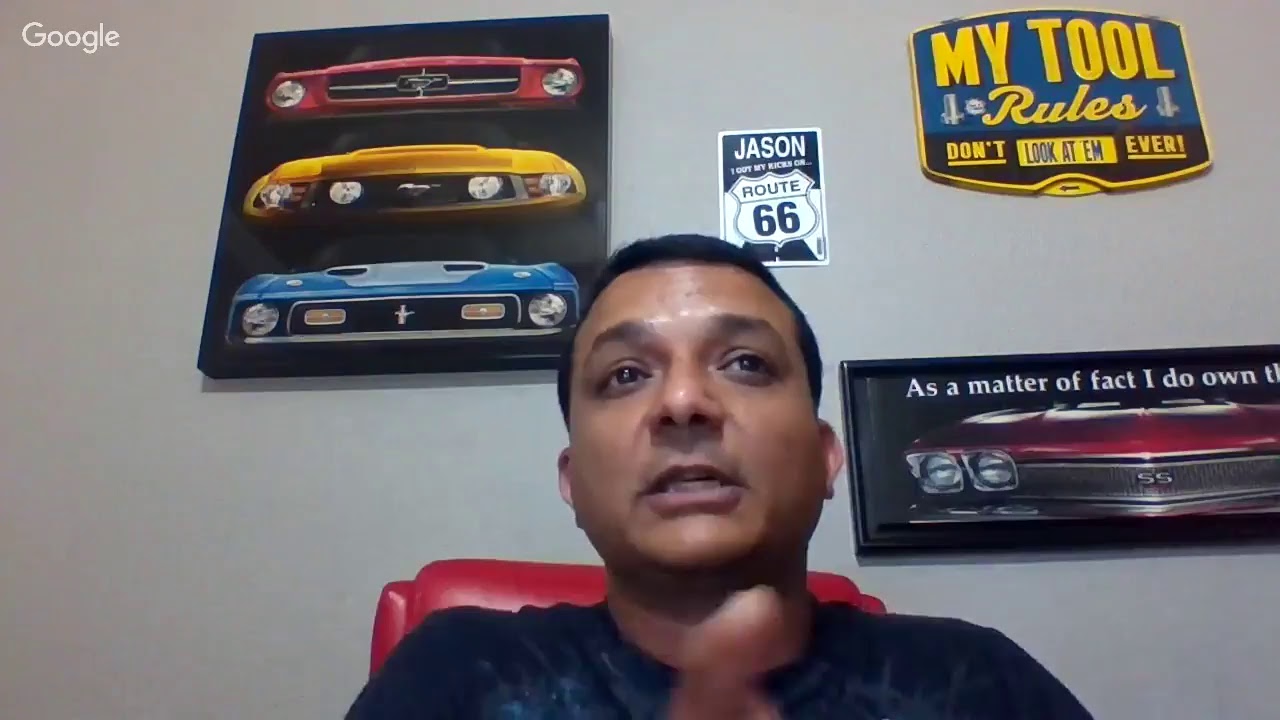
Jason failed the PMP in 2012, then passed it on his first try after taking Helena's free course and studying 3-4 hours daily for four months. The certification landed him a project manager role at Cerner with a 20-30% salary increase.
Chapters
Hi everyone, thanks for joining us today. So today we have Jason joining us, and he passed his PMP on his first try, and he got a new job where he got an insane promotion. I'll let him tell you more about that. So today he's going to share all his experiences on how he passed the certification and how he landed a new job in project management afterwards. So thank you, Jason, for joining us today.
Thank you for having me.
Thank you. We're just going to get started on talking more about the PMP certification and how you passed first, and then we're going to transition and talk about how you were able to use the certification in helping you land a new job. Just tell us, how did you pass your PMP on your first try?
I wouldn't say it's my first try. I actually sat in for a PMP without any training.
Okay.
Many, many years ago, probably like in 2012.
Okay.
And my brother-in-law actually got me onto the PMP course, and we joined someone from overseas and took some classes. And anyways, I was, I was really into my career at the time and was traveling a lot. And Anyway, so that, that was not the goal at the time, and study was not an option. I was really busy with work. But anyways, I took it back in 2012 and failed on my first try, and then I just pretty much just gave up. It's just because I just didn't have the time and just didn't want to pursue it anymore. But then as I grew in my career, I really just wanted to lock it down and understand the processes and how it would impact me personally and professionally. So then I started really getting into it, and the job market at the time I was focusing on, a lot of the jobs that I was applying for really needed a PMP-certified professional, even though I had a good background for the domain that I was working in, and I'm in healthcare domain. on the IT side of the house. So at the time, a lot of the jobs required someone with a PMP certification. So anyways, I found Helena's group online, and when I joined the first demo, I was really impressed how— I'm more of the layman's term kind of a guy, if you will, explain it to me, and then I will learn it on my own kind of a person. And that's what I really liked in her demo, and that's how I was really impressed, and I decided to join at the time. And, and this was just recent, I believe somewhere maybe like in the past 4 or 5 months. I don't recall the exact time and date, but anyhow. That's how I found Helena on the Facebook group, and I was really impressed with her demo itself. And I talked to my wife, I said, hey, I think this is the kind of teacher that I really need who can explain it to me in layman's terms, and then we can move on. Because I mean, all the time I have been trying to pursue this PMP, all I hear is, hey, it's really hard, you really need to focus, you really need to lock it down, and the terminology, this, that, and the other. So anyways, when I, when, when I joined the demo, I was really impressed and I said, hey, let me just go ahead and sign up. And prior to that, I was already working on some of the certifications that I had, which was the ITIL V3, the PMI-ACP, and a Scrum Master. So the only thing that I was really focusing on at the time was getting my PMP done. And so I took the baby step approach. And that really helped me gear towards my goals, if you will, and really understand the processes. I mean, we live in this project management world and we see this happening day in, day out, but just truly understanding the process and each methodology and how it works as an entire cohesive goal towards having that successful go-live, it's what use in our world is having a successful go-live is what this whole project management is about. And so anyways, I signed up and I was able to pass it on my first try in December. So I was really proud of that. So that's how I kind of started and I was able to get my certification done.
Amazing. That's amazing. So can you tell us Can you tell us more about your study plan and what you did to pass?
Sure. Well, I studied for at least 3 to 4 hours a day at work whenever I was on break, or even at home whenever I had a chance, or any time. Even if there was a study group, I would just go join them at work, and I would ping my project managers at the time just to understand what they were doing in their day-to-day life and how that was crosswalking that into what I was studying when I signed up with Helena's group at the time, the Exam PMP group. And just to marry that one-on-one is how I took that approach, just to understand the terminology, just to understand the processes. It's not about the terminology, it's more understanding the the process of how we get from point A to point B to C to D and having a successful go-live for that particular client. And there are many, many processes in between that we need to focus on as a project manager. But to answer your question, I at least minimum gave 3 to 4 hours a day, a solid 3 to 4 hours a day, where I understood the videos and I read the material. gave some exams, uh, those, those mock-up exams that you have online. And when I failed those answers, I really wanted to know why I failed. What is the process and what are the key words within those, uh, terminologies that the question is truly asking? Because you get 4 questions and out of those, 2 are wrong, 1 is really close, and 1 is really right. So when you get one of those which is just closely incorrect, why is it that it is incorrect? What is that terminology? What is the process behind it? Is what I was truly going after. So when I got it wrong, I went back to the book, uh, and I— and to be honest with you, I have read this PMP book, uh, or the PMBOK, but I never really even opened it, to be honest with you. I was more focused on what Helena's material was, and it is amazing. I mean, I'm more of a sales associate when it comes to Helena's material, but I loved it. Again, I'm more of a layman's terminology kind of a guy, so— and that is what Helena's material is all about, is explaining the process and why it is That way, the way it is. And that's what truly helped me understand the entire process of PMP.
Wow, thank you. Thank you so much for those. So from the time that you signed up to the time you passed, how long did it take you to pass this, to pass your PMP? And, and then when you're studying, like, what is there? Was there a specific order that you went in? Like, you know, first either integration and scope or something like that, where, you know, how did you structure your studying, if that makes sense.
Well, I mean, there was, I mean, the structure was definitely there. I mean, I did it in a methodical way. I started from my ITIL V3, and just as a foundation for myself itself, you know, and then I went through the ACP and the CSM and everything else. But as far as PMP is concerned, yes, I started with, with From the initiation all the way till the go-live process, I took each process and truly understood how they fit in within the entire project. And I, in my mind, I truly just associated that with my real-life scenarios and just cross-linking each one of those to understand how that material correlates with my real-life scenarios. And that approach I truly took. It took me a good, I would say, the day I signed up till the day I sat in the exam, because the day I signed up, on a piece of paper, I really wrote down the date that I really wanted to give the exam. And that's the approach that I have always taken, is writing down the end goal, is, hey, this is the day of my personal goal line, it's what I want to achieve. on this particular date, and that's what I did. Before I even started, I said, hey, somewhere in December, mid-December is what I'm targeting. So I think I signed up in August, so it took me like maybe 4 months to really thoroughly go through the entire modules, and I reread this multiple different times, took the mock-up exams multiple different times to thoroughly understand each process, each question, and why am I failing this question? What did I truly miss in that question? And what is that workflow telling me or asking me to answer? And based on that, that's the approach I took.
Amazing, amazing. So how, like, tell us more about your— excuse me— how did you find your actual exam date? So the day that you went in for your exam, how was that? Was there anything on the actual exam that surprised you or took you a little bit off guard?
Well, yes and no. I mean, definitely I was nervous. I signed up for December 23rd exam, which was a Saturday, and I said, hey, this day works for me. So I signed up for an exam center that day, which on a Saturday I'm normally free. Nowadays I'm not. I'm so much involved in the with other things with my daughter and stuff like that. But anyways, at the time when I had wrote down that date, I said, hey, I'm going to apply for this exam, and I got approved to go sit in the exam. So anyways, when I went there, yes, it was nerve-wracking. I was nervous, a lot of butterflies in my stomach. But again, I had been through that process of sitting in an exam. when I took my ITIL and ACP and CSM. So sitting in an exam was— I mean, after I did my master's, I said, hey, no more studying for me. But then as the industry grew and the demands grew and the job market was asking for these certifications, so I need— I personally had to refocus myself and had to tell myself, hey, you need to go through this. So which I did. So any exam that I have taken so far, I always put like an end goal date that I want to achieve it on. just like any project, right? Before you start, you know the client wants to go live in 3 months, 4 months' time, and that's the same approach I took. I took every exam as a project, and I said, hey, what would I do in an initiation process? This is— these are the risks. What, what is my mitigation plan? What are— what different processes I need to go through? What is my budget for even going through? Because I mean, each exam costs you $500, so Failing was not an option for me because I am not going to pay another $500 to just go sit in an exam. So I just really wanted to be prepared for it prior to me signing up. And just a mental mindset, I just wanted to make sure I was thoroughly ready. And again, I thoroughly read your material and understood it. I took many, many exams, your exams. I did not go outside of that material at all. If you will. I did purchase it but never used it, but I— but those materials really, really thoroughly helped me to understand the entire processes that we have within the project management.
Amazing. So this course was the only thing that you used?
Yes.
Wow.
Wow.
Yes. Um, but anyone who's listening and wants to connect with the same free course that Jason signed up to, we're gonna I'll put a link in the descriptions below. Make sure you sign up. So before we transition to the job section, any other exam tips for people who want to get their PMP certifications right now?
Sure. I mean, the only tips that I can give is don't take any area lightly. I mean, there are so many different types of questions within each process that you get, right? You may think, hey, let me just focus on this math part versus, hey, let me just focus on this risk part or the initiation part. But to me, I don't think any area can be taken lightly because each area adds so much value and you need to understand them thoroughly as to why it's done and what are the processes, input, outputs, all of that. And it's just not just— and again, just The way I took it is when I read the material, I try to correlate that with my real-life projects that are going on, which I'm part of. I mean, each one of us are part of— within our organizations are part of some kind of a project day in, day out, knowingly or unknowingly. There are so many things happening behind the scenes, and why are they happening? What are the processes? Why is somebody pinging me to do certain things, and why is somebody asking me Hey, my project manager at the time wanted me to submit my time towards my project. Hey, he wants me to draw up this workflow. Why is that? You know, so I kind of took that approach where I was taking the study material and taking my real-life scenarios, combining them together and understanding that process thoroughly, and then like taking a look at those charts and saying, hey, this is exactly what's happening at each process. And that's what truly helped me understand the entire spectrum, if you will, of how a project manager operates within this entire process. I mean, sometimes you may think, hey, this project manager is asking me too much, but there's a reason behind it, right? He's asking you for certain material for your project. He's asking you for your time to devote it toward that. I mean, I used to be in an analyst role and been there, done that kind of a thing, right? And Anytime somebody thinks, hey, well, I've already done this, you know, why are you asking me this? But understanding why he's asking you to do certain things, why client is asking you that, why are we setting certain timelines, why are we setting certain expectations, what is that communication and why is that communication with that client so necessary? So now that I have understanding of all of that, when I join a call, I look at the broader the broader spectrum. And from day one, I tell my clients, hey, look, look at the broader picture. You know, we are going live in 6 months, but these are the steps we want you to take. And those— and because of your material and the processes that I know now to make sure that the client has a successful go-live and even post-go-live implementations, right? I mean, We are, and when we are working through this project, we are also playing that sales associate where we want these clients to come back. They're not just customers, and we call them clients for a reason because we are with them through their entire process, day in, day out, right? I mean, that's what our goal is, that's what our company's focus is, and that's why we call them clients rather than customers. Because customers is somebody who just purchases one time You may see them, you may not see them the next time, right, based on your services. So, but when— the reason why we call them a client is somebody who you work with day in, day out for a long-term relationship. It's just not a project-to-project base, right? Yes, we are project-to-project based, but we have a long-term relationship with them. So making sure that they understand the process on each phases, what is expected out of us, what is expected out of them. Is what we try to set that expectation early on. Right.
Awesome. Awesome. Okay. Thank you. Now let's, now let's talk about your new job. So, so, you know, where were you working before and where are you working now? And how did the PMP help you land this new job that you're in now?
Sure. I was, I've always been in the healthcare IT industry for 10+ years now. Work in different roles, but when I had applied for this particular role at a company called Cerner Healthcare or Cerner Corporation, which is one of the largest healthcare providers, we make multiple different applications for the hospital base. We actually just won the VA contract, so you may have heard our name. And I worked with this client from the other side where I was a consultant for them. through a different client implementing their solutions throughout the hospitals. But when this particular role came open of a project manager, I applied there as a consultant, which I'm working as now. And at the time, and I had applied with this client a few years back when I did not have my PMP. And when I reapplied, when I went on site and it was the same group, And, and, and I told them, I said, hey, this, this time around, I, I believe I'm a strong candidate because number one, I understand the domain. Number two, now I have my PMP and I do understand these processes and I do understand what on, on how the entire spectrum works and not just being the, what do you call that, not not being just one-sided, right? Now I have a broader spectrum of how the entire module or the entire project works. And they were truly very impressed because again, I had been on site with them a couple years back working on their products actively, but I did not get the job because I did not have the credentials. So this time around when I went in there with the credentials, explaining my knowledge to them and explaining what I could change within the processes that they currently have, because again, I have implemented their products within our hospitals and knowing how they operate and showing what I can bring to the table with my PMP and how I could help implement those client sites better. And they were truly impressed. I mean, they were thinking, hey, this is the same guy who came in a couple years back and we interviewed him. They were still interested in me, but at the time they offered me a different position. And when I showed them my credentials, they were truly impressed. I mean, they said, hey, hands down, you know what you're doing. Here's the job. Take it or, you know, this is yours if you want it. So I was— I consider myself truly blessed for having these certifications done and having to be able to work for one of the largest healthcare provider companies around the globe.
That's amazing. That's such an amazing story. So I don't know if you're comfortable with telling, because you messaged me after you got this job saying that you like, um, I don't know if you're comfortable telling people how much The percentage of that raise is. I would leave that—
Quite a bit. It was, it was quite a bit from what I used to make to what I make now. It's like day and night difference. Not to mention the sign-on bonus that they gave me. I mean, they truly wanted me. They wanted me at the time, but they were like, oh, you know, sure, you know, but you don't fit in as much because of the credentials and what have you. So it just didn't work out a few years back. But when I reapplied and when I showed them my true credentials and I said, hey, I'm certified and I can talk the talk, walk the walk now, right? Kind of a thing. So, and they were truly impressed. And I would say at least a good 20 to 30% of an increase, pay increase, let alone the sign-on bonus that they offered me. And they truly wanted me and they said, hey, if you don't sign, And the recruit, the internal recruiter, she even told me, said, if you don't sign, I'm going to come and hunt you down in Texas. I said, okay, sure.
Yeah, that's amazing.
So that, that just truly adds value when you know that, hey, you, you know what you're talking about, right? And you know you can explain to somebody and how you can help that organization grow and make it better. And just within the internal team that I'm part of now, how we can help and grow that team To focus on the end goals.
Yeah, yeah, I think you raised a really good point. A lot of people just think that when they get the PMP or any certification, it's just for that piece of paper, but it's really not. The point of getting that certification is to prove that you understand the methodology or how to do a specific thing, in this case, how to manage projects for an organization. So because you— it's not just that you got the certification, but it's that through getting the certification, you'll learn the entire process of Manage the projects, and that's what— and you were able to explain it to your healthcare provider, and that's what helped you get this job. So I think a lot of people, you know, are currently in your shoes. They're looking for a job right now. So can you tell us more about the interview process and what kind of questions they asked you?
Yes, well, the interviews were really tough. I mean, they have all the way from the senior project managers who have been in the domain So, I mean, the interviewers who were in the room at the time, and this was a long-drawn process, I was in the room for 5 hours when I showed up in Kansas City at their headquarters. I had a senior, a couple of senior project managers to an application manager, and then it was another VP of the domain itself of the application. So it was multiple different guys from HR as well, just to understand, hey, are you a good fit or whatnot, you know. So you get a mixed bag of everybody that is in the room trying to make sure that you are a culture fit, have domain knowledge, have the process knowledge. And in our world, it's not so much, hey, I'm technical. And I come from that mentality too, because I've been a technical guy. for such a long time. So I was more focused on the technical terminology, but when I really took PMP and when I was trying to apply as a project manager, I said, hey, to myself that it's not about what you know, it's about how you explain the entire processes to each and every one of these individuals that are interviewing you, right? Because they— that's what the key thing in any interview is they know that you know the stuff. I mean, you said that in your resume, but can you explain the process from initiation all the way to go-live and what happens in between each? Because there is never a green pasture on the other side, right, as much as we think. There are always issues, there are always risks, clients always complaining. You may think, hey, the client's complaining too much. There are always that give and take between each one of us, right, and how you bring that cohesive whole together? How do you work with different individuals within those teams? There are project managers, there are managers, there are analysts, there are SMEs, there are technical teams, there are even overseas teams that, that you have to work with. So how do you work with each one of them? Because as a project manager, that is your goal, right? You are working with every single one of them and making sure that entire team is focused on a single goal. And if there are any issues that you need to mitigate, Early on, are they bringing it to you? Are you asking the right questions to your team to make sure that they open up to you, to be able to have that comfort zone within each one of you, to make sure that they open up with you to to explain saying, "Hey, by the way, such and such is giving me such a hard time and not not sharing their documents," or even if it's just an internal issue, just having that open door policy and explaining it to them and working with them as a. a team is what I was able to explain it to them. And they threw a lot of different curveballs at me during the interview process. And one of them, and I mean, just the top ones that I would list out is, how do you explain the risk to the client and how do you mitigate those risks and how do you deviate the client away from going that route? The client really wants to implement this and that's what they heard from Somebody else saying, hey, this is the best thing in the world. But, you know, as a company, you know, as a project manager, you know, as a— because you've been in this role, you have done this many, many times, right? I mean, from an analyst, from a developer, from a SME perspective, you have done this many times. How do you explain this to the client? How do you deviate them away from saying, hey, let's not do this, let's— this, I think this is the best, getting their buy-in on their entire project, right? It's the key thing because you have to get in front of the clients and these clients are CNOs, CFOs, all the C-suites, right? And they have their money in it, they have their time in it, they have their budgets. So you have to make sure that their vision is in line with your vision and if there are deviations, make sure they come— you have to make sure that they come on your vision. You know, they may have heard, oh, by the way, this is the best thing in the world and this is what we should do, but it may not fit into that workflow in their environment, you know. So that's what you have to capture, understand. And when you have these conversations with the teams that are on site, they're on-the-ground teams or our analysts, and you read between the lines. And that's what you— that's when you have to keep your ears open saying, hey, this is I don't think this is the best route. Let's regroup, let's discuss. So I even took some— and I used a hybrid model at times where we used to regroup every day and say, hey, by the way, the client's asking for this. Is this the best thing to do? Number one, from my experience, maybe not. But let's open up this discussion to the internal team and say, what can be done? What is the approach we should take? So having that team engagement was a key to any of the success because everybody comes in with their different opinions, experiences, and what have you. So you cannot just say, hey, I know the best. Let the team decide what is best, right? So that's the approach I have always taken.
Right, right. I think you give really good advice for anyone who's listening. Who is interviewing you and what their— and making sure that you put your answer and structure it in a way that, you know, matches with their expectations. So if you're, you know, with someone who's more technical, maybe you need to go into more detail about the process, whereas like when you're interviewing as a project manager, it's maybe like more strategic vision of where, how you can help with the project and so forth.
Sure.
Yeah, okay. All right, last question. Do you have any other career advice for anyone who's looking for a job right now?
Well, I mean, yes and no. I mean, I've been always in the healthcare IT domain, so number one is understanding your domain, understanding the processes within that domain, right? I mean, I see that And a lot of the times people have this in their mindset that, hey, just because I have a PMP, I can go apply for any domain. And the industry has kind of changed. When you go look in this Indeed or CareerBuilder, they all look for PMP, yes, but they also make— want to make sure— companies want to make sure that you truly understand, that you truly have the domain knowledge. And domain means the finance domain, the healthcare domain, or any other domains that you are working In, they truly want to understand that, do you truly understand what's happening in this domain? Because it's changing day in, day out, right? I mean, I can only speak for healthcare, and healthcare is growing so much. And just having that thorough knowledge of the domain where you can— within that domain, how each processes are working, do you truly understand that? Is what the client is asking. Yes, you have, you, you have worked as a project manager. You are a PMP, but do you truly understand how each process works and how you can— what knowledge can you bring us and how you can help us implement this client? And I mean, the last thing you want to do is have an unsuccessful goal, having an unhappy client. And having that knowledge and working with clients day in, day out and explaining to the hiring managers saying, hey, this is what I bring to the table. I have the domain knowledge, now I am PMP certified, but this is what I'm going to bring to you as a project manager from day— and it's all about team engagement and team knowledge. It's never— I always say this in my interviews, there's never I in the team, it's always in the win, right? And that's, that's, that's, that's where we come in. As a project manager, you have to focus on a cohesive whole and not just being, oh, I know everything and let me just jump in and help answer it. Make sure you're consulting others to make sure that they— and sharing that knowledge base, right? I mean, of course there are healthy arguments everywhere, but those are good. I mean, those are welcoming. If there's no argument, that means there's something wrong, right?
Yeah.
Always have that argument with your team. Hey, why not go with route A or Why not go with Route B? What's, what's best, right? I mean, we are always client-focused, and that's what I've always told my team, saying stay client-focused and let's make sure we are doing what's best for them and not best what's for us.
Right, right. Amazing. Thank you, Jason. So congrats again on passing.
Oh, thank you.
How many certifications did you pass last year? PMP, ACP, ITIL, CSM?
CSM, yeah. And, uh, I just got my Green Belt in, in Yeah, so you got you got you got everything. Continue journey, right?
Congrats first of all on passing.
Thank you.
Congratulations on your first try, and congrats congratulations on your new job. I'm so happy for you, and it's so good to hear you know such an inspiring story like yours, and you know like twenty thirty percent jump. Wow! Like that's yes that's that's incredible. That's incredible. So just want to congratulate you on all your success. Thank you so much for sharing. you know, all of your knowledge with us today. Thank you.
If there's anything I can do to help others, please, please let me know.
Will do. Thank you, Jason.
Yes, ma'am. Thank you. Thank you so much.
More from Helena


How to Use Claude Code to Get UNLIMITED Leads in 6 Mins | Best Lead Scraping Tool



These AI Videos Has 21.5M Views — Here's the Exact System (Fable 5 + Higgsfield)




NotebookLM 2.0 Update: Analyze Your Entire Business in Minutes! (Full Tutorial)

