How She Failed Her PMP Exam and Passed It On Her Second Try
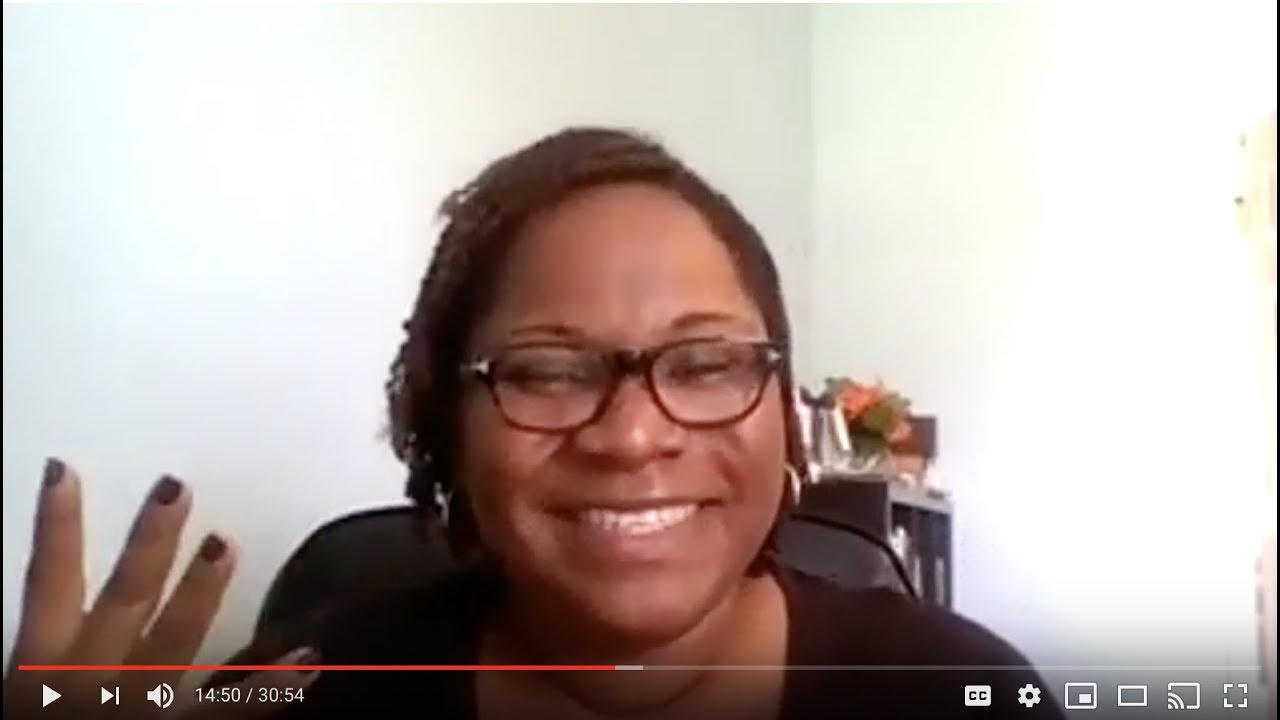
In this interview, Candice Robert, a finance professional with over 16 years of experience, shares her journey to becoming a certified Project Management Professional (PMP). After an initial failed attempt while juggling a wedding and a demanding job, she tried multiple classroom and online courses without success. A brief 1.5‑hour session led her to a 6‑week online program that provided a structured study plan, digestible content, and flexible, on‑demand recordings. Candice built a personal study system that included early‑morning study windows, a whiteboard to track progress, detailed note‑taking, and a disciplined schedule. She emphasized the importance of practice tests, setting an 80‑90% score target, and using exam‑day tactics such as marking early questions, highlighting keywords, and managing anxiety with brief relaxation. After passing the exam, she discusses how the certification will enhance her role managing a portfolio of projects, boost her confidence, open opportunities within and beyond the finance industry, and enable her to contribute to her local PMI chapter and pursue future consulting work. The conversation offers concrete advice for busy professionals seeking PMP or CAPM certification.
Chapters
Okay. All right. Hey guys, so we have Candice Robert joining us today. She just recently passed her PMP and she's going to share some of her experiences and lessons learned with us today. So thank you for joining us and welcome, Candice. Congratulations on passing your PMP certification.
Thank you so much.
Yeah. So do you want to tell us a bit about yourself and what motivated you to get your PMP certification?
So I've been in the financial industry for about over 16 years now. And around, I would say, 2011, 2012, I began sort of assessing what I want to do with my career, what direction I wanted to go in my career. I was mainly in sort of an operations type role for the first half of my career. And then when I started to kind of figure out what my passion was, I realized I gravitated to project-type roles even within operations. I was one of the staff that was sort of putting my hand up to work on sort of project initiatives. So that kind of piqued my sort of curiosity to really start looking at how I can then start spearheading my career into sort of a project manager type role. So I began seeking those sort of opportunities within my organization, and I also spoke to my boss at the time, and they agreed to actually sponsor back in 2012, me going for my certification. And so I actually started the process then. It's been a long journey because while I started that process, I had a lot of life-changing events. I was preparing for a marriage at the time, and so I was planning— when I was actually studying for the exam, I was in the midst of preparing for a wedding, and that got in the way. So I didn't do well in my first pass at trying to complete the exam. And I did an in-person class at a university, a local university here, which the company sponsored. It was a good class, but I didn't feel I was actually pretty prepared because I didn't have the sufficient study time as well. And since after that, I think failing the exam kind of took away the wind in my sail. to say really, you know, something I still wanted to do, but it just felt like such a big effort or something like basically a tremendous sort of mountain that I needed to climb, given I did take the exam and I didn't do well at all. And so I, over the course of the years, I've submitted numerous applications back to take the exam again. And I think I did it about 3 or 4 times and I scheduled the exam, but just eventually either canceled or just let the time pass and didn't do it. So I'm a person that works on timelines, as most project managers do, and I work well under pressure. So what I decided to do is that I decided to actually schedule the exam. I scheduled the exam last year, and I redid my application last year, and then earlier this year I found an online figured, let me try something different than doing sort of an in-person classroom training. Because I tried a few different ones. I even did the local PMI chapter class and stuff like that. But it wasn't giving me what I needed, plus accommodating the changes and the dynamic of my work, plus my personal life. So what I did was try this online class, but it was like a scheduled class that I had to kind of be home and it was, 2 hours at night, twice a week. So it was almost similar to being in a, you know, time crunch, the commitment that it was difficult to commit. And then with what was going on with my job, I missed like a few, 3 classes, and then it was difficult to kind of keep up with the pace of the class. And it was pretty expensive as well. So, and it had an expiration date. So by the time, you know, again, I was working and everything, it It just felt like, okay, well, maybe I shouldn't be doing this. And for this year, I actually had the exam scheduled quite a few times. I was scheduled to take it in May, and then I pushed it back to June, and then I pushed it back to July, and then eventually in August. And sometime over the summer, I saw— I think it was on YouTube or Facebook, one of the two— I saw your advertisement of trying the 6-week certification.
Right.
Which was that I think it was an hour and a half sort of session that was held, and I registered for it, and I came home and I did it. And I remember having a conversation with my husband after that to say, you know what, I've learned more in an hour and a half of taking that session in terms of the real techniques and tools that I can use. And I remember, it was actually, I retained it, which was most important.
Yeah.
that I felt that I didn't get in the other sessions, other classes and things that I've been in. And I told him, I said, I know we've spent a lot of money on a lot of different classes over the past few years.
Right.
And if he was okay for me to, you know, kind of take the class and pay, because I just felt like this was going to give me what I needed. Plus, I can do it on my own time. I can go and play back the recordings if I needed to. And And I just felt the style of teaching made it— it was a way that somehow it just retained. It stuck with me.
Yeah.
So I then registered. And from the time I registered— and I think one of the things that I really liked that I leveraged a lot was having a study plan, sort of a built-out study plan as part of the package, because that was the thing to me that I then went— that was the first thing that I kind of went to. And then I used that as my guide to kind of keep track of how I progressed through the chapters, how do I— how I moved through the processes, and then how I then paced myself. So if I even fell behind, sort of how I then needed to get back on track. And it really helped me. And I honestly really think that just the style and the layout of the presentation and how the material was covered The pace of how it was covered, it wasn't overwhelming, but it was digestible enough for me. Being able to pause it if I need to, to kind of just take my notes. It just worked for me with my busy schedule because I actually manage a team of project managers. So I have a few different programs that I manage in my job. So having that balance between kind of managing my job, I have young kids at home, managing their homework and their schedules. and being able to fit it in and my family be able to accommodate around that wasn't impacting them in our sort of family life and my job. It's funny because when I passed, I actually— most of the people at my job didn't even know that I was actually studying for it because they're like, how? When did you find time to do that?
Right.
Which for me was— it was a personal commitment that I had, but it was just something that I felt that You know, the course really allowed me that flexibility to be able to— and this is the most prepared I've ever felt going into the exam, being able to study it and basically go through the materials the way I did.
Amazing. Amazing. That makes me feel so good to hear that. So you attempted the exam twice before you took it the third time?
Yeah. Yeah. No, no, actually, I attempted it once before. So this is 2 times. This is the first time I failed. And the second time was this time around. Yeah.
And then you passed. Okay, awesome. So you did it the first time and then you did like the live class and then you did like an online step-by-step.
Yeah, I've done like 3 live classes and I think I've done 2 online programs in addition to yours. So yours is like the third online sort of virtual. Yeah, exactly.
And then from the time that you registered in our class to Like how long did it take you before you booked your course and passed?
Oh, I, well, I had booked the course. Um, and it's funny how it works because I actually registered for my PMP. I registered to take the exam. My application got approved in August of last year. So I actually took the exam in August of this year. And the date I took the exam was literally the last date before my time expired for me to start the whole process all over again. Um, so I actually pushed it back to the very And not to tell you how I was sort of, I was kind of apprehensive. I didn't really know.
Right.
And I think going through the process of failing the first time and going through that. So what I did was I basically, when I took your course, when I started your course, it was in June actually. And when I started in June, I'd already set the date for August already. 'Cause I was like, if I don't do it in August, I'm not going to do it again. And I told myself, I told my husband, I'm like, this is something I'm just Right. I was just going to give up on and let it go. And so it took— when I did it, it basically— what I did was basically attempted to get through the material. I think we started— I really committed to it in end of June, and I started the course at the end of June throughout July. And then what I did, I completed it in July. I kind of had some slippage in my time, but I got through most of it, the full course by the beginning of August, and that left me— left me August to just do questions, just kind of review questions and prepare for the exam.
Right, that's amazing, that's amazing. So as you're going through the process, like, what made the difference? Like, what was it about this course that made the difference for you that helped you be so prepared to for your exam?
I think the way you broke down sort of the chapters, the way you broke down the material was very different. It wasn't making it— it definitely wasn't PMBOK. It referenced the PMBOK, but it wasn't in PMBOK language, if I want to call it that. It was in a very digestible way, even breaking down the ITTOs in a way that Every class I've been in, I've always tried to memorize the ITTOs, and that doesn't work. And just understanding the purpose of why, you know, what is actually the techniques and the tools, and you would never remember them all, but if you remember sort of for this process, what are you trying to achieve? And if you're trying to achieve this, what do you need to achieve that in terms of inputs? And then what techniques do you need? So that was kind of something that really helped me as I went through it, and I actually I actually have a very thick binder because I'm a person that memorizes stuff sort of by rewriting it. So I actually followed the material. So as we were going through the presentation, I actually didn't print out any of the text.
Oh, okay.
As we were going through it, I actually wrote down as you were going along. So I was able to pause, write it. If I didn't get it, I would go back to it, sort of You know, and I think just the useful sort of tidbits that you shared, sort of, you know, remembering the cell phone number and, you know, MCC, MCC, you know, stuff like that. Like, you know, it was like stuff like that I remembered.
Yeah.
And I— it was even how to lay out the 49 processes was such stuff that I struggled to ever do, and it came very easy for me. You know, I started to the point where I was like, okay, well, let me get half of the 49 processes down, and then let's start as a target, and then work to the rest. And if I even get most of the planning ones, then I'm almost there, because that has most of the processes in there. So it was very digestible in the way it was laid out.
Mm-hmm.
Within that, the techniques that were shared to help retain that information. And one of the good things I really liked was that every time we went through one of the processes, you repeated it a lot. It was repetitive. And that repetitive nature of, you know, hearing it 49 times— You will memorize the technique, you know. And that to me was very helpful because I did it mostly every— I tried to do it mostly every day. And so if I'm doing that every day over the course of 6 weeks, 7 weeks, depending on how long you stretch it out, you're going to retain a majority of that information, just hearing that material over and over again and what— how to apply it. So that to me was just something that I— that was not available in any of the classes Or the programs that I've tried before.
Wow, wow, thank you so much for saying that. I'm so glad that what we created really, really helped you. So for people who are listening who might be in your shoes, who have kids and have a job and still want to get certified, so how did you find time to do that with how busy you are and how much you have going So I'm an early bird.
I've always been an early bird. Me studying at night, it's very difficult for me. That's why taking classes after work or doing anything after work, it's just very difficult to process that information and retain it because my mind is still sort of decompressing after a full day of work, and then I'm thinking about the kids and stuff.
Yeah.
So what I did was actually leveraging something that got me through my school. I went back to how I got through college and high school, and I basically created a schedule. So I got up actually at 3 o'clock in the morning. Everybody thought I was crazy. But I usually get up at 5 o'clock in the morning. So what I did was set myself sort of a 2-hour window Okay. Of sort of my designated study time, but that's my quiet time. It was— the kids were all asleep. There was no activity. I would come in the office where I worked, which is my personal workspace, and it allowed me to focus. It allowed me to— my brain was fresh. And I actually have a whiteboard where, in addition to my sort of Excel study plan that I had, I actually had a whiteboard in my room Yeah. I'm in my office that every day I would go in and update and I would say, okay, I would study from 3 to some— it depends. If I'm tired, I'll be 3 to 4 and go back to sleep for an hour or 2 before getting up. Or I'll do— if I have energy early in the week, just come for a weekend, I'll do 3 to 5 and I'll get through it. But I made myself that plan. So for the week, if I want to get through scope and all the processes in scope, then I would try to juggle my schedule to get through that within that week. So it allowed me that flexibility to say, hey, I can accomplish this in my week. What do I need to do on the weekend versus during the week, given my schedule? And allowing me to use my personal time.
Yeah.
It was a sacrifice because I definitely lost some sleep, but my family accommodated it. You know, it meant I went to bed earlier so I can get up and and be fresh. But, and I was tired, but my husband knew what I was looking to achieve. We had that conversation when I first started it. So when I went to bed earlier, he picked up the things that I would usually do at night. But it worked for me. It worked. I shared with him the progress that I was doing. It's actually, it's something I was actually talking to one of my coworkers yesterday who's actually interested in getting her PMP.
Okay.
And I said to her, I said, it's something that I see my daughter's in 8th grade. And her seeing how I actually laid out my study plan. I actually, every chapter that I actually did my test on, I would actually mark my grade down on the board and keep track of it. And where I failed, I'll actually put an X because that's where I need to kind of go back and review that chapter and revise and retake the test. So she saw that, and I'm seeing her now as she's in 8th grade, going into 8th grade. She's doing something very similar in a different way that works for her. But, you know, and, and allow me to do it too over the summer. So school was out. I didn't have to help with homework. I didn't have all that other sort of life activities going on. So doing it over that June, because I live in the South, so school was out in June, July, and school just started back in August. So we weren't really back in the full swing of things. So it allowed me doing it that timeframe. The flexibility of job, because I didn't have to get up to go to drop my daughter off for the bus early in the morning. So even though I worked from 3 to 5, I didn't have to be— I could actually go back to sleep, sleep for an hour or 2 before going out to work. So it really worked for me. I think the timing of when I studied for it.
Yeah.
Took the course and then also that matched sort of my lifestyle and what I had going on at work.
Wow, that's— yeah, I really loved your whiteboard idea. That's not something I didn't even think of, but I think that's a really good idea just to keep track of your progress and you can see exactly like which area you might be weak in and then going back and like restudying those specific areas, right?
Yeah.
That's a really great tip.
And one thing I wanted to share too as well, what helped me even with the whiteboard session or doing the whiteboard was that for every chapter, every process I should say, every process that we went through, I actually looked at the time or the length of the course.
Yeah.
So I actually went in and saw, okay, this one's 24 minutes, this one's 30-something minutes, and that allowed me to actually lay out my plan of how much time I need to spend on scope or how much time I need to spend on— and I would always account for, okay, if it's 24 minutes, maybe I need to do 35 minutes because I'm taking notes and I'm pausing and I'm doing stuff. So that really helped me in the planning, being able to kind of assess how long each one of the processes actually took when you were actually reviewing them with us.
Right, right, right, right, right, right. Yeah. So like scope it out. You almost like manage the test as a mini project, you know?
Yes, yes, exactly.
And so forth, right? You're like, okay, we have 49 processes I need to know, and then Doing so much. Okay, that's a really good tip. Do you have any other tips for people who might be going into their CAPM or PMP exam for the first time or even second time right now?
I would say, honestly, I would say definitely don't— I didn't read the PMBOK because I read it before in my other session. This time I was like, if I need to use it, I looked at the PMBOK more of a reference guide. It's more as we were doing the course or as I was taking a test and there was a terminology that I wasn't familiar with or needed to brush up, I would actually go back in the reference of the PMBOK and find that within the processes and sort of review it that way. What I definitely did do was take a lot of notes. I took a lot of notes as we were doing the courses. So even if I wasn't available at my computer or different things, I kind of had my notes with me most of the time where I was. I had my knapsack that I would walk around with anywhere I go, if I'm going out with the kids or whatever. And if I feel like I need to spend— I have a few 30 minutes here or 15 minutes here to kind of just review something that I wasn't too sure of or I needed sort of a refresher on it. It kind of allowed me to do that. And another thing that I definitely did was do— definitely do the practice tests. Take a lot of the practice tests and go back to the areas where you weren't comfortable in or you didn't score as highly on. I set target for myself to score over 80% on every test. And some of it— I actually had a 90% that I targeted for myself, but 80 I was more comfortable with. If I scored anywhere below 80, even in the high 70s, it was something that I needed to go back and review.
Mm-hmm.
So I did that, and I left enough time to actually allow me to do that. And then use sort of the course to actually go back to where I need to go back to review and make sure that I was comfortable. And I scored in every one of the process areas, I scored in the 80 to 90 range, which made me feel by the time I went into that exam, I was pretty comfortable with the exam. Another thing that for me I want to share around the date of the exam was that taking the exam, I think I had a— although I felt prepared, I had a lot of anxiety with the exam.
Most people do, yeah.
So I got there early and I sat in my car for a few minutes before going in, and I actually played some sort of just relaxing music in my car for about 5 minutes before going in. And then when I actually went in and in the testing center to sit for the exam, I actually didn't jump into the exam right away. I actually kind of took 5 minutes of sort of to calm my nerves, kind of get my head in there. And one of the techniques I actually did was actually marked most of the first, I would say, 20 to 30 questions. I marked them for review because of that nervous energy, because I wasn't settled. And I got more comfortable answering the questions as I got into that rhythm.
Right.
But I had to kind of get those nerves out, get that nervous energy out. So although I may— some of the questions I knew exactly what the answers were, but the ones where my nerves were getting the better of me and I was kind of still second-guessing myself, I really marked— when I went back to my review, I found most of my questions that I marked for review was in the beginning of the test versus the end. The end I had less. So that allowed me to actually go back and when I was calm and level set and I felt like I was in my groove, to be able to then go back to those questions and, you know, make sure that I had a level head in terms of how I was looking at it. And I used I think this is something I didn't do the first time. I definitely used the testing techniques of highlighting, and I definitely used the other technique of the crossing out. So if I knew an answer was wrong, I'll cross it out. If I, you know, I kind of highlighted keywords, key information that they were giving. If they were asking for exclude, I would highlight that. If they were asking what process they're in, if they say in planning stage, I would highlight that. So in my head, I will then go back through sort of what are those planning processes, and then use that to answer the question. So those were to me key things that really helped. And even if I mock for review, I would go back and I'll be like, I'll kind of focus on those, and that helps me sort of narrow down sort of what answers I really need to focus on. Because a lot of it tends to be very wordy.
Yeah.
And that way you need to really— yeah, you need to dissect the questions to make sure that you're actually focusing Focusing on the key information that they're giving you to answer the questions.
Absolutely. That's a really, really great tip. And then last question for you. So what's next for you? So you got certified now. What are you up to next? How is this going to help you with your career and the next stage of your development?
Yes. So I actually, in my job, I manage project managers, so I actually run portfolio. So we're actually in the midst of sort of planning for 2019, and I am in— I would have finalized the programs that I've been working on for this year, we're in the bits of closing them out. So I am really excited to take my newly applied knowledge and really apply them to the programs that I'll be managing next year, or as we're planning for next year. Because I definitely think that the way I will execute programs and drive change for the organization will be much more efficient than I have done in the past. I think I was good in the past, but I think this makes me much better. Honestly, for me, it gives me my confidence. It actually allowed me— I spent last weekend actually just reviewing my resume. I went back and not just updated because I have a PMP, but I looked at my resume in a very different way to highlight the skill set, highlight the things as a project manager that I would think an employer would look for, whether it be— and I'm not planning to leave my job, but who knows what opportunities are out there that now that I'm a certified PMP, what that would mean, whether internally with my job or otherwise.
Otherwise.
I told my husband one of the other things I'm really looking forward to doing is really becoming an active member in our local PMI chapter. I'm already a member, but— and when I started this process in 2012, I started going, and then when I became disenchanted, I kind of stopped. So I'm looking forward to getting involved, kind of continue learning and keeping up to date with the changes in the industry and all the other changes so that I keep myself sort of abreast of— and my moving my career forward and trends of the industry. And one of the things I'm actually considering personally, I'm sure my boss would not like to hear this, but one of the things I'm personally considering is actually doing it in a very different industry. I've been in finance my entire career to this point, and what I think having a, you know, my certification allows me to be able to transcend industries and not kind of box myself into one industry. So I'm really excited to see what What lies in terms of being able to maybe, you know, go into another industry and apply the skills that I've learned and my experience plus my certification in that sector.
Yeah. Another thing to try is maybe finding something part-time, maybe like an online work-from-home kind of project management position that you can do part-time on your own time. That could kind of balance things out. It gives you a chance to try project management in a different industry while still being able to work your full-time.
Right.
So that's something to keep in mind potentially.
Yeah.
If the opportunity arises, right?
Yeah. And my husband's actually in the process of doing his business plan for opening up his Okay. And I share with him a lot of project management, and he's like, okay, now you're certified, I need you to help me because it's the same, you know, doing this is exactly the same phases I have to go through. So he's in his planning phase and he's like, I need you to share some of that knowledge. And I said, definitely. So using it even personally to help my family achieve our goals.
Yeah.
To me, it's sort of the things I'm looking to do over the, you know, the next future. And something I've always wanted to do— I don't know what will happen with this in the future— but something I really wanted to do was my goal, or dream I should say, a long time ago was actually to do consulting in project management because I feel like I've seen through my career a lot of organizations do not Do proper project management. And I think it's a great opportunity for certified project managers to actually come together and really change how organizations implement projects and programs and effectively drive change. And that's something ultimately, maybe when I retire I can do, or even earlier than that, but that's something ultimately that I would like to do. And I think the certification plus my experience allows me sort of that credibility to be able to do that.
Yeah, yeah, that's amazing. That's amazing. Well, thank you so much, Candace, for sharing all your experience with us. Congratulations again on passing.
Thank you.
Really honored to be part of your journey and seeing all the success that you've had, and I wish you all the best. in all of your professional endeavors. So thanks again for—
Thank you so much. Thank you. Bye.
More from Helena


How to Use Claude Code to Get UNLIMITED Leads in 6 Mins | Best Lead Scraping Tool



These AI Videos Has 21.5M Views — Here's the Exact System (Fable 5 + Higgsfield)




NotebookLM 2.0 Update: Analyze Your Entire Business in Minutes! (Full Tutorial)

