How to Create PMP Mindmaps + Download Free PMBOK 6th Edition Mind Maps
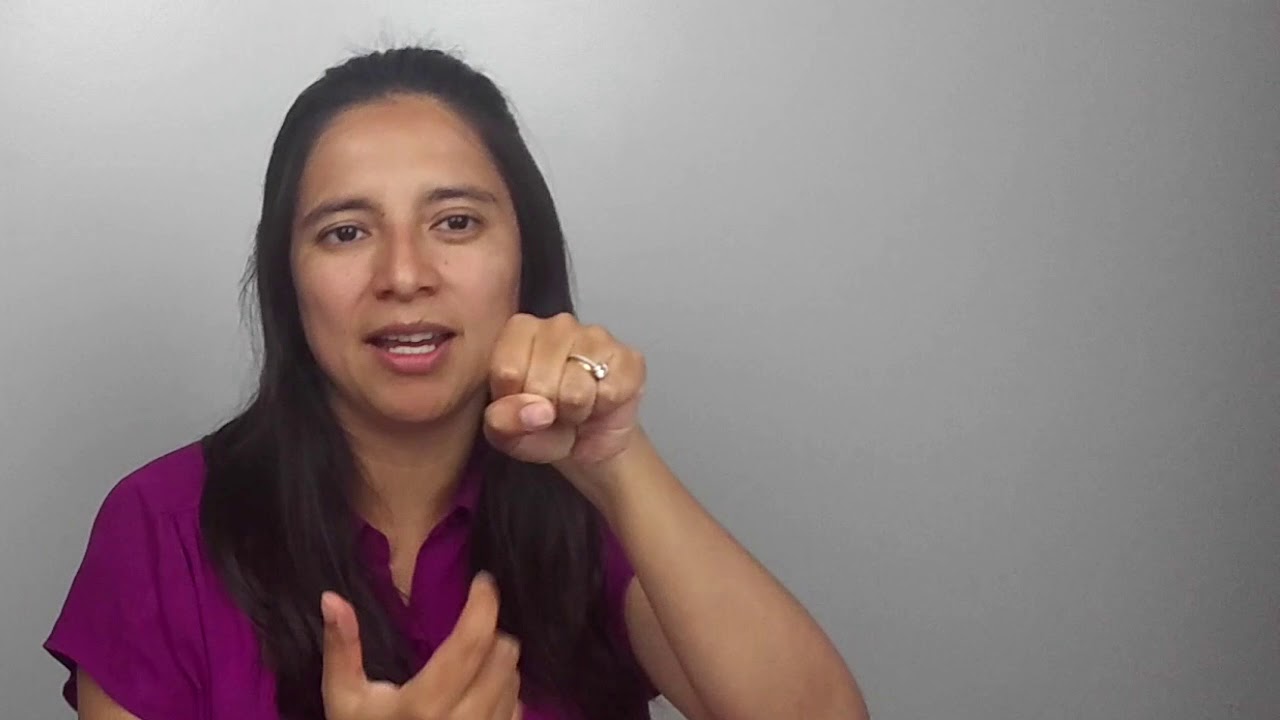
Lotte Quintanilla Springer, a project manager with eight years of experience, teaches how to build mind maps for PMP exam prep. She walks through creating one for the Develop Project Charter process, using color-coded branches (purple for inputs, blue for outputs, orange for tools) and mnemonic symbols like a tie for business and a gavel for expert judgment to fit everything on one page.
Chapters
The Project Management Professional certification is dominating the landscape all over the world. The PMP signifies that you understand the global language of project management and that you're part of this giant network of professionals, organizations, and experts worldwide. With the PMP, you can work virtually in any industry using any methodology and in any part of the world. Become a PMP and become a project hero. My name is Lotte Quintanilla Springer, and I have more than 8 years of experience in project management. In this video, we're going to explore how creating mind maps can help you understand, connect, and remember all the processes in the PMP. First, we're going to talk about mind maps in general. Then we're going to create a specific one for a specific process. And then we're going to talk about how to add new information. My hope is that by the end of this video, you'll understand how mind maps can help you understand and connect all the processes for the Project Management Certification Test. Mind maps are used to visually organize all the information in one piece of paper. We're going to create one mind map per process. You can use images, symbols, colors, anything that helps your brain remember all the relations that you want to learn. Major ideas are connected directly to the central concept, and other ideas are connected with branches. I suggest to at least use 3 different colors. Colors help you relate different concepts, and each color can have a meaning for you. You can use mind maps as a note-taking technique. So if you're in a class, in a conference, or you're reading a book, you're reading some notes, you can centralize everything in one mind map. I always recommend drawing a little image to help you remember the name of the process. So for me, all the plans and all the documents are just a piece of paper, and for the project charter, I just add a C on the corner. So all processes have Inputs, outputs, and tools and techniques. We're going to write them in the same area of the paper in each one of the processes to help us remember. So let's use purple at the top left for inputs, blue at the top right corner for outputs, the bottom part for tools and techniques in orange, and in the middle we're going to write in black the main concepts and main tips for the exam. Another of my recommendations is to capitalize the main words of each sentence. So we start everything with the main concept in the middle. In this case, it's the name of the process, develop project charter. Now in the top middle part, we're going to write the main concepts related to this process. In this case, something very important about the project charter is that it formally authorizes the project. So what I'm going to write on the top part is formally, and this part in capitals, authorizes the project. The project charter links the project with the strategic objectives of the company. So I will put the keywords links, and instead of links I will put like 2 arrows, the project with the strategic objectives. So all those are keywords. Then I will put creates a formal record of the project showing organizational commitment. So for me, the important thing there is formal record and commitment. So when is a project formally initiated? When the project charter is approved. So approved is a keyword and initiates is another keyword. The project charter could be used to establish internal agreements within the organization to ensure proper delivery of a contract. So in this case, it's very important to highlight, you know, project charter, internal commitments, and proper delivery. Who can initiate a project? Is it the project manager? No, normally it's the sponsor, the program manager, or the project management office. There are some specific relations between the project charter and the project management role. So I will group them so it's easier to remember. So the first one is that the project manager is selected, identified, assigned as early in the process as feasible. The project charter gives the project manager the authority he needs to manage the resources of the project. The project manager can participate in the creation of the project charter. As we said before, he doesn't initiate it, but he can be a participant in the development of the project charter. 4 inputs. I'm going to put a number 4 here so I remember that there are 4. Obviously, we have to do everything with purple. We said that all the inputs are going to be in purple. I always use these little drawings to represent something. In this case, the first input is business documents. For me, this little rectangle, the little piece of paper means documents. To make it business documents, I will just draw a little tie there so I know that is business and documents. The business documents are always developed prior to the project, but they can be reviewed periodically. We have the business case. remember business case, I will draw the tie, that is business for me, and the case as just a suitcase. So I have my suitcase with a tie, and for me that's business case. The business case determines expected outcomes. For me, that's a keyword, expected outcomes, and justifies the investment of the project. This business case is used for decision-making, and it contains the business needs and establishes the Boundaries of the project. The business case is the result of one of the following. One could be a market demand. The clients want it. Maybe we discover that the clients want it and they don't even know they want it. Then an organizational need. We want to improve our processes, so we need this project. Or a customer request. Technological advances. Technology is moving so fast every day that there's always something new that we can use. Legal requirements, the different laws change, so maybe change of law may affect us and we have to create a project to see how we are going to overcome that. Ecological impact, now companies are more ecological friendly, so they can initiate projects just to take better care of the environment. It could be a social need, now they are focusing more on communities and they're impact, so that could be another motivator to create a business case for a project. The project manager cannot modify these documents. These were created by someone else before the project started, so he cannot make changes, but he could give some recommendations. Agreements. I represent the agreements with a thumbs up thing like the like button of Facebook. Agreements define the initial intentions of a project and it may take the form of a contract, a memorandum of understanding, a service legal agreement, or a letter of intent, verbal agreement, or even an email. Normally external projects you always use a contract. So both enterprise environmental factors and organizational process assets are inputs for many, many processes. So I won't detail them in depth in this process because I don't want to repeat the same thing in all the processes, and I will do a memory sheet for the most common inputs. So all the details are going to be there, but I want to have them in these mind maps. So what I'm going to do is I will represent them. I don't know about you, but when I listen to, or someone says enterprise, the first thing that comes to my in mind it's a building, and to represent environmental factors I will just draw a cloud. For organizational process assets, when I think about an organization I think about an organigram, so I will just do a very simple organigram, and when I say processes, like, I don't know, I think about flowchart from school. something that is with an arrow to another little box. So I will do the organizational and then process, just write an extra arrow and an A to see assets because I don't know, there's nothing in my mind when I hear assets and I want to remember that it starts with A. So for me that is going to represent organizational process assets. So the same thing with tools and techniques. I will always explain the tools and techniques if it's a very unique tool that this process uses. In this case, the 4 tools and techniques are very common, so I'm going to detail them in another memory sheet of tools and techniques, but right now in this mind map I want to at least mention them. So as we said, we are going to use the bottom part and the orange color to write tools and techniques. So the first one is expert judgment, When I hear judgment, I always imagine a gavel, and because it's expert, I will just write like a little person that is brilliant because he's an expert. The second one is data gathering, and one of the specific tools of data gathering is brainstorming, so what I do to remember data gathering, I would just draw a little brain, With a thunderbolt, that is brainstorm. Their personal team skills, and one of the examples is facilitation skills, so what I'm going to do is draw someone facilitating a meeting. So I will draw a whiteboard and someone facilitating. And for meetings, I'll just draw a little table with 3 people at the table, and for me, that's a meeting. We will use blue at the top right corner for the outputs. In this case, we have 2 outputs. The project charter provides high-level information about the project and about the product, service, or result that is intended to satisfy. In the project charter, we can find the purpose of the project, the measurable project objectives, the success criteria, the high-level requirements, the high-level project description and the boundaries, the key deliverables, The overall project risk, the pre-approved financial resources, the key stakeholder list, the project approval requirements, and we can see who was the assigned project manager and his responsibilities and authority level, the name of the sponsor and everyone that approved the project. I always represent a log with a piece of paper with a pencil. In this case, I will write a question mark to represent assumption. So I have my assumptions log. The assumptions log contains the high-level strategic and operational assumptions and constraints that are normally identified in the business case before the project starts, and it contains the low-level activity and task assumptions and constraints that are required throughout the project lifecycle. And we're done! One of the advantages of using this method is that you have everything related to this process in one page. Something that could happen while you're studying is that you find new information about this process, but you can always add a new branch or a new note and keep everything in one page. For example, if you find this question, uh, is the project charter considered a contract? Do you know the answer? So the answer is that it's no, it's not considered a contract. The project charter doesn't have a monetary transaction, so it's a document and it's not a contract. So if you want to remember that, you can just add a new branch and write project charter is not a contract. I hope you now understand how to use mind maps to learn the project management processes. I also hope that you understand the develop project charter process better. Please don't forget to subscribe and to check out our website for more helpful resources.
More from Helena


How to Use Claude Code to Get UNLIMITED Leads in 6 Mins | Best Lead Scraping Tool



These AI Videos Has 21.5M Views — Here's the Exact System (Fable 5 + Higgsfield)




NotebookLM 2.0 Update: Analyze Your Entire Business in Minutes! (Full Tutorial)

