PMP ® lessons learned: How Kelly Aced Her Exam in 2022!
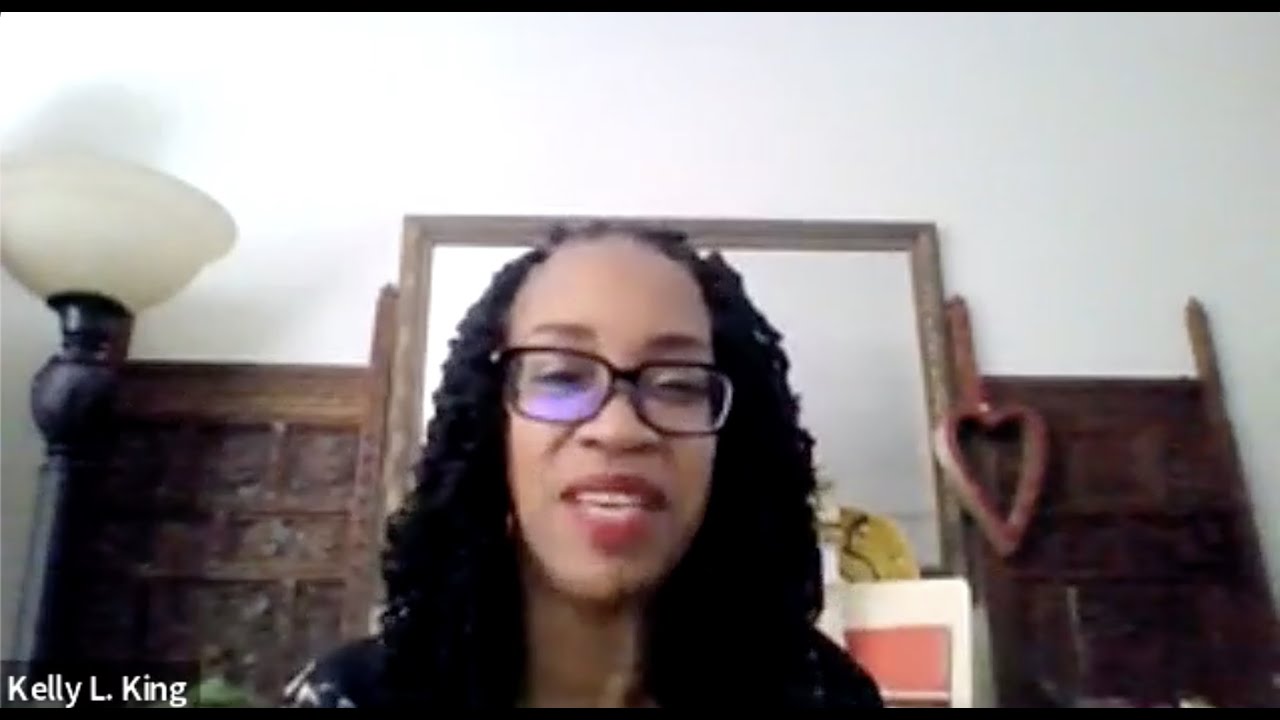
Kelly, an executive assistant, failed her first PMP exam attempt at home during the pandemic, then passed by enrolling in ExamPM and studying 90 minutes daily for 6-8 weeks. She took the in-person exam second time and shares tactics like reading answer choices first and mapping questions to process groups.
Chapters
Yes.
Hi guys, meet Kelly today, and she recently got her PMP, and we are here to talk about her lessons learned. So thank you, Kelly, for being with us and sharing your time with us here today. Yes, do you just want to start by telling us a little bit about, you know, your story and what motivated you to get, to get your PMP?
Well, my story is I've been working as an executive assistant for quite a number of years for C-level executives and always had been placed in projects. just all kinds of ad hoc projects for board chairmen and the COO. And so anything that needed to be— that they weren't sure about what to do or how to accomplish it, they would give it to me. And a colleague of mine had taken a course with a college and she had gotten a certificate. And after the course, I was successful with that course. I, you know, there was a study session after to take your PMP. That was the ultimate goal, to get your PMP. Prior to that, I had no knowledge of what a project management professional, that it even existed. So now that I was into this world, I realized that that course was— although it was great, it was very limiting, right? Or limited, I should say. It didn't really prepare you to take the PMP exam, but there was a study component with the course. And so 4 months after the course, from September to December, we were able to study together, but it was really not— not conducive to really taking your PMP exam. We got the books and we tried to study together, but studying together really doesn't work. So I found myself like trying to hurry up and schedule the PMP. So I did apply with Project Management Institute and had my application approved. So step by step, so it was really great. But when I took my exam, I really was woefully Unprepared, truly unprepared, and I failed it the first time.
Oh wow, okay, so tell us more about that. So what do you think went wrong the first time, and you know, what would you do differently if, if you could?
Well, first of all, I had took it at home because it was in the middle of the pandemic. So it's very stressful taking it at home because no one can be in the room, no one can enter the room. So that was the restrictions physically were more than if you took it in the testing center. And also, Reading a book, the PMBOK Guide is not easy reading. It's not bedtime reading. Even some of the other books for course prep, you're on your own. It really didn't make it— it kind of made sense, but it didn't make sense, and I couldn't put it all together. So it just didn't make sense to me. It just was like I'd learned some things and I remembered some things, you know, with, you know, cost management and resource management and schedule management, you know. and all of these things, but it just did not come together and make sense. And one of the young men in my group, he actually suggested to me, he said, Kelly, you really need to take a course and to let the course help you. So I started looking for courses and that's when I found Exam PM.
Yeah, well, that's awesome. And then so how was Exam PM able to like make a difference to how you were studying?
Well, first and foremost, it was self-paced. So I could, I actually printed the presentations and I actually, you know, you can listen to the lectures if you have to go back, you know, as you're taking notes, you can rewind. The ITTOs, it just made sense. And I remember every lecture started out, let's look at the big picture. You know, it's always, let's look at the big picture.
Right.
Let's look at the ITTOs for this process. Let's look at, and so I was like, wow. You know, it was like a light bulb went off. And for me, there was one section, it was like the cram session section, that he encouraged us to get index cards and make, you know, do notes and to go through them, you know, whenever you had a free moment.
Right.
So it was great because it was self-paced. And he also— and also don't take more than 8 weeks, 6 to 8 weeks to study because it just It becomes too much.
Right, right. It was like more structured, and we tell you like what to do at every single step, you know.
Right.
So, um, so tell us more about like your study schedule, because you have a job as well. So how were you able to manage your, um, schedule and also study at the same time?
Yeah, well, weekends I dedicated— I didn't want to overstudy, you know, and like make myself really tired, because that's what I did the first time when I was studying on my own. So, um, with the, the, the flashcards I made for myself on my commute, I would read those. And then I would get home and I would just relax a little bit. And then I would take no more than 90 minutes to, to work, right? 90 minutes consistently every day, right? And then on the weekends, I would break up. I would have 2 90-minute sessions, right? So that would be 3 hours, like 6 hours over the whole weekend, but not to inundate myself Where I felt like I was like banging my head against the wall. I had to take some time to make sure I carved out time for study, and that's what I did. And then I put it away, you know, and then I would just do my, my flashcards, like, you know, when I had a free moment, like I said, commuting to work or commuting from work.
Hmm, that's awesome. Okay, and then tell us more about, like, you know, your actual exam date. How did that go down?
Well, I was, I was resolute to get an in-person exam because the at-home, it was very, very, very stressful. Like, you can't even look off. Like, you know, sometimes you go like you're thinking, you can't even do that because your eyes have to really— yeah, you can't look too long in any direction, uh, because they're thinking that you're, you know, reading notes or something like that, right?
Oh.
So it's very restrictive. And so I was, I was resolute to have an in-person session. So I, I After I signed up with ExamPM, I set my session for like a couple of months ahead.
Right.
And that was great. It was, you know, close, it was nearby, and I— getting there, you know, was easy. Very strict, you know, security to make sure that you're you and, you know, no one's cheating or anything like that. So, but it was a very comfortable setting. I believe because of ExamPM, I just felt more relaxed. I felt more relaxed. I felt more confident, more sure, because I really now understood all the components, right? The knowledge areas, the process groups. I understood it. It made sense. It all fit. It never fit before. You know, reading a book is not gonna do it. And it just, being able to, if there was something I missed, I could just go back, play it again, have access to it anytime I wanted. That was great. Having access to the course anytime I wanted and to go back or go forward. Or do it however I deemed fit for myself was really, really great.
Wow, okay, yeah, so thank you so much for saying that. That's a really big compliment to us. And yeah, so tell us, like, you know, so you got into your exam, you got, you know, you sat down, and then, you know, how— what was the rest of the process like?
Well, I mean, it was a pretty tight security process. You can't take anything into the room with you except your ID. They even scanned my eyeglasses.
Oh, really?
They scanned my eyeglasses. They patted me down to make sure I had nothing in my pockets or anything like that. Um, there were at least about 12 people there, but you're in your own, like, cubicle. They gave you noise-canceling headphones or earplugs if you needed it. It was a very quiet environment. Um, there were 2, um, 10-minute breaks. I only took one, believe it or not. I took the first one. I didn't even get up. I just kind of Just let my mind wander.
Yeah. And then, can you take the 2 breaks whenever you want to?
No, no, you cannot. The exam has now changed from 200 questions to 180 questions, so it's in 60-minute segments. So the first 60— not 60 minutes, 60-question segments, right? First 60 questions, and then you get a break. So when I got to the 120th question and I finished that, they're like, do you want a break? But I felt like I was on a roll. I was like, no, I want to keep going. So I kept going, you know, I just— because I just felt like I just— I didn't want to break my momentum.
Gotcha.
Yeah, I didn't break, but it was very comfortable, quiet. It was great. I love the fact that you find out right there and then your results. Right, right, right.
So if you didn't take your break, does that mean that you can still review the questions you did prior to the break?
Yes, I mean, the— it is a 270-minute timeframe, so you can take your break if you'd like. And there was— there was an opportunity. I had enough time to go back and review.
Mm-hmm.
For me, I did not.
I—
there was one question that I put in for review in the first 60 questions, but for me, I did not because I just really took my time reading the questions. Just looking at the answers, you know, there's multiple choice for, you know, 2 of them just definitely don't make sense, right? And then, you know, I can just really pay attention to what they're asking you and thinking about what process group this is, what knowledge group this is, you know, which knowledge area this is, to really think about like, so what are they asking me? What, what, where am I with this? So I just felt like I was on— I had that momentum.
Mm-hmm.
And I was on a roll and I didn't want to take a break. And so, and for me, I didn't want to go back and second-guess myself because, you know, it was like, no, I believe I knew I had answered the questions to the best of my ability. You know, I'm glad that they do give people the opportunity to do that, but I really think that your course really just set me up for success. And it was when I looked at, you know, the results as opposed to December 2020 to now, January 2022, vastly different. I mean, I was above target in everything and I could not have been above target had I studied on my own. Wow. Yeah.
So first of all, I'm so glad that we were part of your success story and I'm so glad that you passed your PMP and I'm so glad that we were part of your journey as well. So, so I just wanted to clarify for people who may be listening to this. So you had your, after 60 questions, you had your 10-minute break. Were you able to review the questions you did, the first 60 questions you did after the break?
No, you had to review those questions then, I think. I believe, I do believe, I do believe you could only go back then and review those questions.
Yeah. So now, if you didn't take your second break though, were you able to still review this, this second portion of the questions?
Yes, I was able to do that if I so chose.
Okay, yeah, skip your break, you can review the questions you did prior to the break.
Uh, yes, yes, exactly. Yes, yes. So if you took a break, if you took a break, then those questions were not— you could not look at those questions again. Right, right, right. Because I guess they're figuring, you know, you may go in the bathroom and I don't know, whatever, I don't know. But so if you take a break, You can review those questions, the questions that you have just completed and questions you just put aside. And after you take your break— well, excuse me, before you take your break, I'm sorry, before you take your break, you can review those questions. After you take your break, that's it, you cannot review those questions. Okay, so if I had chose after 120 questions, the second set of 60 questions from 61 to 120, if I had taken— if I could review them before I left, Um, but afterwards I could not review them. They were not available for me to review. And then, so since I didn't take that break, I could have reviewed questions 61 through 180, right? Because I didn't take a break, right? I could review them. Yeah.
Okay, can you take a break, um, like let's say after 30 questions, or no, you can only do it— okay.
They're set. Yeah, the breaks are set.
Okay, the breaks have set times now. Okay, gotcha. Yeah, gotcha. How did you find the questions itself on the exam?
I found them— well, you know, like, they're professional test writers, right? And so sometimes you go like, who wrote this, right? You know, who wrote this question? You know, you're like, oh, you're the manager of a multi-country project, and I'm like, okay, you know. So the questions Again, you just had to really understand what they're asking you. Like, what are they asking you? I mean, sometimes they give you extra information that, like, extraneous information you don't need, right? So, um, there was a lot of agile. There was a lot of agile. Um, I don't know, I guess everyone gets a different exam, I would presume, you know, when you come in. No one gets the same exam. But there was a lot of agile. There were a lot of agile questions, a lot of Scrum, you know, Kanban, but there were a lot of, lot of questions like that. And I think that, I think that Exam PM, because you have a whole section about agile, right? You have a whole section about agile because that's the, that's the new, I guess, wave in project management, right? So, um, right. But I'm telling you, I just felt really, really calm. I mean, everything was so perfectly laid out how you guys did it. Really great.
Oh, thank you so much.
Thank you.
So, so in terms of questions itself, how were you able to handle the ambiguity? And you were like, you know, those kinds of questions that you mentioned that were— that some of them were vague, or I forgot the terminology used, the word, the word that you just used. So how were you able to like handle those kind of questions? Do you have any tips and tricks for people?
Um, I think the best tip is to really, like, try to weed out all the extraneous information, right? Because they get— they throw a lot of stuff in there that you don't need. Like, and sometimes what I would do is I would read the answers. I would read the answers first, and that would give me an idea of like, okay, what are they trying to get at? Like, where, where am I in this project? You know, am I closing? Am I, you know, am I monitoring and controlling, you know, and what knowledge area am I looking at, you know? And so sometimes when the question was kind of like, what, I would look at the answers to say, okay, and then that would take me back to, okay, now I know where I am. This is what they're asking me. I don't need this information. I need that information. Let me just concentrate on that. I know exactly What process group and what area, knowledge area, you're talking about, you know.
Right, yeah, right, absolutely, absolutely, for sure. Were there a lot of math questions on the exam? Did you feel like you need to use a lot of calculators?
Amazingly, my exam did not. I had one calculation, and it was interesting. I had one calculation for cost management, and I kept saying like, okay, when is it going to come? You know, when am I going to do like the schedule management, the forward pass, the critical path, you know? Like, what am I going to do? And there was, there was for stakeholder management, there was this matrix grid that you had to actually place, you know, the, the, the roles, like you had to place them on a grid. So it was a little bit different. The exam was a little bit different, structured a little bit differently than it was in 2020.
Mm-hmm.
And again, it was 20 questions less. than, you know, prior exams.
Okay. What was I going to say? So when you were taking your exam, was there a lot of situational questions in there? And, you know, how did you handle those?
Yeah, there were situational questions for sure. Absolutely. Again, I go back to— because it was like the basics. It's like the basics. the input, the tools and technologies, and the outputs. It's like, so what are they asking me? You know, where am I in this process, in this project? You know, I think it's really important to understand, like, you know, sometimes you see a— I would see a paragraph of all like this. Okay, here we go. We're reading all of this. What is this, you know, that I'm reading? So just really trying to glean, what are they asking me? What do they need to know from me? What are they trying to ask me? Again, just getting rid of all that extraneous information. And as I said, reading the, reading the answers sometimes really helped trigger, okay, this is where I am in the project. This is what they're asking me. Now let me pick out what information they're giving me, and now I can answer the question.
Got it.
Yeah.
Were you, were you given 2 blank pieces of paper when you walked into the exam that you can write notes on?
I was given a dry erase board with a dry erase marker. Yeah, and then there was a calculator on the computer if I needed to use a calculator. I couldn't even wear my watch.
I don't have it.
I don't have an Apple Watch. This is like a regular, you know, like analog.
Yeah, yeah, yeah, they wanted—
yeah.
Oh wow, okay. Did you make use of the whiteboard that they gave you?
Um, I did once. I did once. Yeah, I just, you know, um, And, and so I got into it, like I said, I got into a rhythm, you know, as I started taking the exam, I really got into a rhythm. I took that first break and, you know, I, I again tried to concentrate on what they're asking me. And I didn't want a lot of— for me, I didn't want a lot of, um, like, to me it was like almost like a distraction, like, I'm gonna write these notes, I'm gonna, you know, I, I wanted to really—
Mm-hmm.
I just really wanted to focus. And so I really didn't use it, but it's available. It's available for those who need it. You know, everybody learns differently, everybody test takes, I think, differently. So, but again, I just got kind of into a rhythm, and I'm like, okay, next question, you know, after I finish one question.
Yeah.
Okay, next question. Okay, all right, you know. And so it was every question, I kind of like tried to wipe my mind clear of what the, you know, like what I'd answered before. Let me get now, Because it was almost like, okay, and now, you know, this is where you are, and now this is where you are. So it just was just going forward and just not, you know, sometimes we can second-guess ourselves about what we've done already. And yeah, but I felt really confident that I had answered the questions to the best of my ability.
Gotcha. Got it. Got it. Yeah. Is there any other tips or tricks you want to share with people that may not Have asked?
I think that it's, it's good to— the suggestion that was given through Exam PM is not to take more than 6 to 8 weeks to study. And if, if when you set aside that time, set it, set up a schedule for yourself. You really have to set up a schedule and be consistent. That is the most important thing. And then to kind of rest too, because I think that, you know, it's like this pressure, like, oh, you know, I want to take this exam, I want to be successful, and If I study 3 hours tonight and 4 hours tomorrow night, and you burn yourself out. So not to burn yourself out with studying. Yes, definitely pace yourself. It's, you know, if in our work we— well, for me, and I think a lot of other people who are going to take the exam, they've worked on projects before, but they've never had it explained and structured in a way to understand you know, exactly what they were doing. And so this course really put into perspective everything. I was like, oh, wow. Like, even though I work with purchasing, and I was like, wow, when I was into— I'm sorry, purchasing management. I'm trying to think of the word. Now I'm drawing a blank. I apologize.
No worries.
But procurement, procurement management, right? I do procurement, you know, and it's like, oh, so that's why, you know, it just made so much sense. It made sense. And I would take what I learned and I would observe at work what was happening, and then it was like, oh, that's what that is. And it really put— it's like almost like a name.
It's like giving you terminologies for things that you were already doing.
Exactly, exactly. Yes, right, exactly. Yeah, yeah. But don't, don't overstress yourself. Um, I'll be honest that before I took my exam that week, I did not study. I didn't. I didn't study at all. I think I looked at the cards, I went through my flashcards, I think maybe that Tuesday, and I was like, that's it. Got my hair done the day before, got my nails done, and I just, I mean, you know, because I felt I was prepared and it was going to be what it was going to be, you know. But I felt, I really felt prepared this time. I didn't feel, um, I mean, I was nervous, but not like, oh, I don't know what I'm doing.
Right.
I never, I didn't feel that way. Um, I didn't feel that way at all. I felt lost the first time, right? So the first time I took the exam, I was like, what, what are they asking me? I just could not put it together.
Hmm.
The best advice— as a matter of fact, I reached out to my colleague who was my study partner because he passed his exam the first time back in 2020, November. And I shared with him and my other study partner, like, I did it. And hey, you were right to get a course and to really— that would help so much. So yeah.
Awesome, awesome. Well, thank you, Kelly, for coming on and sharing your success story with us and, um, and all the lessons learned. So thank you so much for being with us today, and, um, congratulations again on getting your—
Thank you, thank you so much, Helen. Thank you. All right, now all the best to you guys.
More from Helena


How to Use Claude Code to Get UNLIMITED Leads in 6 Mins | Best Lead Scraping Tool



These AI Videos Has 21.5M Views — Here's the Exact System (Fable 5 + Higgsfield)




NotebookLM 2.0 Update: Analyze Your Entire Business in Minutes! (Full Tutorial)

