How I closed a 10K wholesale deal in 7 days
Jay Mendez walks through a wholesale real estate deal that earned him $10,000 profit in seven days. He uses targeted Facebook ads with a disqualification form to find deals, keeps sellers comfortable through constant communication, and sources buyers through Investorbase, a service that connects him with vetted cash investors. The key is acting as the central hub between title company, seller, and buyer to close fast.
Chapters
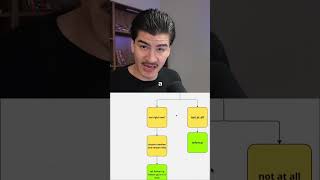
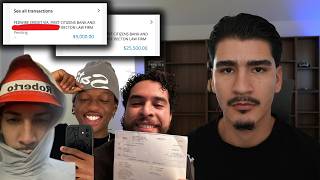
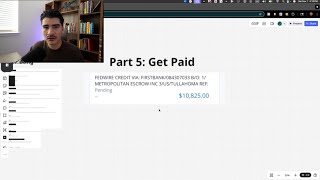
What's going on, boys and girls? In this video, I wanted to do a complete deal breakdown on one of the deals that we made $10,000 on. I know a lot of you guys have been asking for these type of videos, breaking down every single step of the process, and here I am today. If this is the first time you're watching one of my videos, welcome. My name is Jay. I've been wholesaling real estate for the past 7 years, and I make content just like this to help you close your first deal or scale your wholesale business. If you like this type of content and you want to see more, like, comment, subscribe. It helps out the channel. Let's get right into the video. The lead source— where did this lead come from? It came from static and video creatives that were running on Meta for ads, right? Hyper-targeted that automatically have a DQ form if they don't fit our criteria. Maybe the property is listed, maybe it's a mobile home where they don't own the land, maybe they don't want to cash off, or maybe you want the top dollar for their property. Obviously these people are disqualified because they don't meet the criteria of the person that we want to work with. Most, I would say 80 to 90% of my leads do come from Meta ads, and we've been doing pretty well. Now as far as the acquisitions process, let me break it down. We had a pretty short discovery call, around 14-15 minutes. It wasn't that long. We kind of got straight to the point because he was already motivated. He already got other offers. He knew what the deal was and he wanted to work with us based off our marketing, right? Then after we got the property under contract, we try to make sure to keep communication as consistent as possible, as clear as possible, and to educate the seller on every aspect of what we're doing on our end and everything that needs to be done from their end of being cooperative, right? Not only Do most wholesalers make the mistake of getting a deal under contract and then pretty much forgetting to contact the seller, kind of ghosting them in a way, even though you might be working on the back end to try to sell the deal, you might be doing everything in your power to fulfill on your duties of that agreement. But if you don't let that be known, people are going to think the worst, right? People are going to start overthinking. Honestly, the second people sign an agreement, the second people start taking action towards a path that they don't know about, they're not educated on, right, they're going to feel some sort of remorse. So you want to eliminate that as much as possible. You want these people to make— you want to make these people feel as comfortable as possible working with you and feel safe, right? Here's some of the main pointers. Conversations since the contract was signed. We are keeping the seller updated, making sure he is heard and he is up to date with everything that is going on on the back end and with his property. We are not trying to just make money off these sellers. We are trying to help them out in their specific situation. So making sure that we're tailoring every single lead and making sure that we're highlighting everything that is based off their pain point that we are working towards, right? If he specifically noted, I need to sell this property in 25 days, otherwise I'm gonna lose it. I'm gonna need to sell this property in 25 days, otherwise I'm gonna run out of money, or this is gonna happen. We wanna emphasize on that. So all the time that we do have this property under contract, we wanna put the focus on that, right? That is his main pain point. If he gets that taken care of, the rest of it doesn't really matter, right? So we want to focus on their needs, not necessarily on what we want out of the deal. If you provide value, if you solve a big enough problem, you're going to make money either way. So that is our acquisitions. You can pause this right here and look at the text chain that we've had with the seller. And let's talk about the PSA agreement. This is a simple 3-page agreement that I use for every single deal that I close. I've been doing this specific agreement for about 3 and a half years now, no problem. I even get on calls sometimes, 3-way calls with sellers and their attorneys, and all they have to say about this agreement is, hey, it's very simple, but there's nothing I can say about it, right? There's nothing wrong with it. It's simple terminology. It's mostly for sellers to understand it, right? We don't want a seller looking into his email and signing a contract and they don't know what the fuck they're signing, or they feel that, hey, I read this and it sounds predatory, it sounds like you're trying to take my property, it sounds like you're trying to scam me. We don't want to come off as that in any way possible. We want the agreement to be as simple as possible. We could hire on an acquisitions agent today and he'll be able to explain in detail every single part of this agreement to make these sellers feel comfortable. So you can see we took out all the important information. You got the signatures from my company and also the seller. You got all the prorations and all the legalities in the middle. And obviously you have the purchase price for $105,500. The title is to be determined because we didn't know which type title company we want to use at the time. So, sorry about that. So we just used that. So that's the sign— so that is the signed purchase and sale agreement. As far as dispositions, we pulled our buyer from Investorbase. In my previous video, I talked about this, fully recommend it. $250 a month, it's worth it in my opinion. You put a list off Investorbase in the zip code where the buyer's action is, with only 3 requirements: within 3 miles of the property, purchased within the past 2 years, and owns 2 or more properties. This is going to be a person that's going to want to buy a cash property because that's what they do for a living. So we pulled a buyer from here, we reached out over the phone, we got pretty much the vetting process out of the way. He was interested in the property and that's when we continued the conversation. As you can see right here, here is all the text chain of the conversations, the communication, the questions that the buyer had about the property. We're talking about the title company, we're talking about his back end on the financing. And making sure that everything's up to date. You can see we had a couple phone calls with the buyer, but pretty simple. As you know, with buyers, it's mostly a logical decision on them buying the property. They have no emotion tied to it because, well, it's an investment. If they're going to make money, they're going to buy the property. Versus with the seller, it's more of an emotional decision, right? These people are procrastinators by choice. Therefore, they have to make an emotional decision at the moment to put themselves out of the hole that they currently dug themselves into. So with the buyer, it was pretty simple. Here is the fully executed PSA, not the PSA, actually the assignment of contract. So if you know, if you just heard about wholesaling, you have the PSA and then you have the assignment agreement. Here you have what we assigned the agreement for. We have the title company, we have the earnest money amount of $4,000. You have our company that we signed off for. We have the buyer that signed off on the assignment agreement after he walked the property. Here you have the earnest money check from the buyer. And then you have part 4, which is transaction coordinating. Most people don't put a name to this, which is literally just making sure everybody's on the same page, right? Making sure title has all the paperwork that they need. They have all the information from the buyer, from the seller, from yourself even, right? To identify yourself and what part you're having in the transaction, making sure that they're all good to go, making sure that the seller's okay with the timelines, making sure the buyer's ready to go, they're done with all their inspections, and making sure you have consistent communication with the title company. The title company is either your best friend or your enemy in the part of transaction coordinating. If they're not consistent with communication, I would honestly recommend you move over to a different title company that does work with wholesalers and is gonna be more active. Otherwise, honestly, you're gonna be wasting your time, um, and you're gonna be spinning your wheels with a deal and with a title company that doesn't really wanna work with you or help you out in the transaction. And obviously from there we get paid, we got the closing pretty quickly. And that is the whole breakdown of this specific deal. You guys have any questions, put them down below. If you guys want to work with me one-on-one to close your first wholesale deal, click that first link down below in the description.