How to close motivated seller on the phone (wholesale real estate)

In this instructional video, Jesus Gabriel Mendez walks viewers through a complete, step‑by‑step phone script for converting a motivated property seller into a signed purchase agreement. He emphasizes using an outline rather than a rigid script, building genuine rapport, confirming the seller’s time and intent, securing commitment, identifying all decision‑makers, and repeatedly confirming motivation. He then paints the seller’s ideal post‑sale outcome, highlights the benefits of his “white‑glove” service, and explains the exact steps to present an offer, create urgency, negotiate, handle objections, and send a simple three‑page agreement while staying on the call. Mendez also shares negotiation philosophy (offer below maximum allowable offer, deflecting responsibility to the team), discusses common pitfalls, and stresses the numbers‑game nature of wholesaling, urging consistency and persistence. The video ends with a brief personal sign‑off and a call to action for coaching.
Chapters
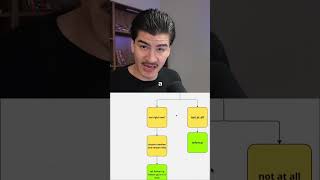
What is going on everybody? This is Jay back with another video. In this video, we're going to be talking about how to actually present the offer and get the property under contract from a seller that we have pushed through our pipeline. I know I'm making this video for the past version of myself, and then a lot of you guys that are in that stage of when I first started, where you're really struggling in this specific area of getting these properties under contract. You're able to run numbers, you're able to talk to them in that first call, but when it comes time to getting that property with the contract signed, you struggle, right? Before, when I used to, when I started, I would be talking about a bunch of things that had nothing to do, I would go, the conversation would pretty much go towards where the seller wanted it to, right? If he wanted to yap about the kitchen for 30 minutes, I would let him go, which is a problem, right? When sales, you always want to have control of the conversation, you always want to know at least an outline of what is going to come next, and what are the steps that you need to unveil Or maybe in a different example, the hole you need to dig, how you need to dig it, right? Where through the pipeline are you going to push this person to get the best result? Not only for yourself, but also for the seller himself, right? At the end of the day, we are solving a problem. So this person needs to know that they have a problem for us to make money. If they don't think they have a problem, why are they on the phone with us, right? And that goes— that's honestly a completely different video of really making sure everybody you talk to, everybody you have on a follow-up call scheduled is motivated and is serious about selling their property. Otherwise, you're wasting a lot of time. In this video, I'm going to be talking about really all the basics and the outline that I really use and that all my students use to close their first deals and that I use to close my 4 to 5 deals that I close every single month. Now, if you're looking for a more in-depth, you want a coach, you want me to hold your hand and help you one-on-one on how to close your first deal in the next 30 days, the link will be down below. I have a limited amount of spots. I'm pretty picky about who comes in there. So I mean, if you're not allowed, don't take it personally. It's just I spend a lot of time and a lot of energy and a lot of experience that I've had to put into somebody. And then I really want to make sure that somebody is serious and ready to move forward the same way that we want a seller to be serious and ready to move forward. So without any further ado, Like, comment, subscribe, all that stuff. If you have any other questions, comment down below. My Instagram is also there. You can follow me on Instagram. I post a lot of other videos and you can ask me questions there also. Let's get right into it. Let's go ahead and go over here, and I would like to make myself a little bigger, but that's fine. We'll keep myself right here. And bro, this shit is zoomed the fuck out. Yeah, put me right here, buddy. Show this beautiful face. Okay, introduction. So obviously, when— not obviously, because a lot of you guys are into the belief that you need to follow a certain super strict script. You don't need to. You're gonna sound like a robot, right? If I try to sound like you, I'm gonna sound stupid, disingenuous, and not honest, right? If you try to sound like me, the exact way that I speak, the tonalities that I use, You're not going to sound genuine. You're not going to sound real. You're not going to sound honest. So one of the main emphasis that I like about what I do and how I teach is that I only like outlines, right? Everybody speaks in different ways. But if you have an outline, you have kind of a blueprint on what to follow, on how it's supposed to go. Now, how you do it, that's up to you. It's like a skeleton. I gave you the skeleton. You dress it the way you want to dress, right? I have my skeleton. I dress them a certain way. If yours just happen to fit the way I dress mine, amazing, follow it, copy it. But most of the time it's not going to be that way. So this is the introduction. So when you're first talking to them on the phone, like I said, please don't be a robot, be a human, right? Have a normal conversation. At the end of the day, it's supposed to not sound like a sales pitch, right? It's supposed to sound like, hey, you have a problem, I have a solution, let's make it happen, you know? So the introduction, obviously the first couple minutes, you want to have a regular conversation. Bring a couple things. Maybe if they brought up their family, hey, how's your family doing? Everything good? How's the weather up there? Whatever, whatever. Have these little small talk, just, you know, that's what most people do. Some people say the way that I get into calls is a little bit more straightforward and not, I don't have empathy, but that's just the way I am, right? I seem genuine to the people that align with my personality, but that's just me. So yeah, bring a couple things from the past, be human, Herman, be human, have a normal conversation at the start. Then you want to have a time check-in, right? You want to either qualify them or disqualify them depending if they have the time to actually speak to you on the phone. So will they have something pop up that will take their attention away from you and presenting this offer, right? We don't want to be on the phone, hey Joe, how's everything going? Everything good? Yeah, we're ready to go. Cool. And then 15 minutes later Joe says, Hey, I have to mop my walls. Hey, I have to go wash my hamster. Hey, I got to go pick up my kids from scuba diving classes. You know, you don't want all these things that, I mean, sometimes it'll happen, right? Sometimes people will tell you, hey, yes, I do have the time. Yes, I'm ready to go. I got 30 minutes, man, let's do this. And 5 minutes later, something happens. Emergencies happen, right? We're all humans, things happen. But you want to have at least some sort of commitment that says, hey, I do have the time to talk to you, nothing's going to get in the way, let's let's do this. We want to do that at the start of the call because hey, maybe they do have something coming up in the next 5, 10, 15 minutes, 20 minutes. You know that, and then you can either say, okay, that's not enough time for me. My normal calls where I get the property under contract lasts about 30 minutes. He doesn't have 30 minutes. I don't do good in short timeframes. So what I'm going to do is I'm going to tell you, hey, hey, Mr. Joe, normally the calls last a little bit longer than 10 to 15 minutes. So I wouldn't want anything getting in the way. When is a better time for us to speak on the phone? Right? Is it an hour from now? Is it 2 hours from now? 3 hours from now? Is it tomorrow morning? Is it tomorrow afternoon? What time works better for you? Right? And then you get to think, you get to take another strike out of your potential, I don't know, whatever you want to call it, of the potential fence, right? At the start of the call, there's this fence. Slowly you take one piece of wood, one piece of wood, one piece of wood. And then that way, you only have a couple left at the end of the call. Once you take those away, boom, contract signed. Alright, that's the way I see it. So boom, you got the introduction, you establish a little bit of rapport, you know they have the time to do it. Confirmation. You want to double-check that they're still wanting to sell, right? Maybe something changed, maybe somebody else got on the phone with them, maybe they wanted to list with a real estate agent now, maybe a family member said, hey, I want to buy it instead, maybe the tenant said, hey, I want to buy it instead, right? You want to double-check because you don't, again, you don't want to waste 30, 40 minutes on a call when you could be having that same conversation with somebody that is ready to sell. So right here, we're double-checking confirmation on them wanting to sell. Next, we want commitment. Yes or no, by the end of the call, get agreement signed. So you bring this up in a way of, hey Joe, just wanted to get a little bit of an understanding, make sure we're both on the same page. Towards the end of the call, you can either tell me yes or no on us moving forward and getting your property sold, We can either part as friends, we can part as friends if you say yes, we can part as friends if you say no, I don't have a problem with that. If you say yes, we'll go ahead and get this property under contract, we'll go ahead and send it over to title early thing in the morning, first thing in the morning, and then we'll go ahead and move forward there. We'll just keep you updated in the next couple days, and once everything is clear to close, we're all good to go, right? And then you want them to say, yeah, I'm okay with that, perfect. So now you have that commitment that you can bring back up at the end of the call when they say, hey, I have to think about it, hey, this whatever, whatever, whatever, right? You have that commitment of at least having them to tell you, hey, yes or no, I don't want to sell, right? So we got the introduction, we got the rapport, we know they have time to talk, we have the confirmation that they're still interested in selling, and we have the commitment that they're gonna tell us a yes or no answer towards the end of the call of them going under contract. Next, decision makers. This is a big one. If we're just talking to Joe, and we might not know that Joe has a wife and the wife is also on the deed, we might— the property might have been passed down to Joe, but Joe has 3 other brothers, right, that are also on the deed, right? These are all things that may pop up towards the end of the call or may pop up even after we go under contract, and it'll pop up at title of, hey, Jay, This property needs 7 other signatures from all the other family members that are listed on this property, right? And that's something we want to avoid. Another thing we want to avoid when this comes in is, hey, I have to talk to my wife, Jay. My wife, she wears the pants in the relationship, otherwise I'm living in the doghouse for the rest of the year, right? We don't want that. So we want to make sure, hey Joe, just to make sure you are the one with the last say-so on this property, right? Do you have a wife? Do you have any siblings that are also part owners of the property? Is anybody else in charge of saying yes to selling this property or yes to keeping the property? If Joe says, hey, it's just me, I'm ready to go, perfect. We just keep Joe on the call. If Joe says, hey, I would also want my wife, but my wife is working, okay, no problem, Joe. When is a good time where you and your wife can both get on the phone and we can both go through this process and all be on the same page, right? They say, hey, 2 hours from now? Hey, a week from now? Hey, I don't know, tomorrow morning, right? We want to make sure. These are all things that will help you not waste time. Time is a big factor, right? So we got the introduction, I'm pretty sure. Where are we at? Where are we at? Where are we at? I mean, okay, so we got the introduction, right? We got the rapport, we got— we know that we got the rapport, we know they have time to talk. We have the confirmation that they're interested in selling, we have the commitment that they're going to tell us yes or no to going under contract by the end of the call, and we know that decision makers are on the call or are not, that way we can schedule the call for another time. Beautiful, right? These are all things that would end up popping up at the end of the call depending on how committed they are to selling the property, right? Next thing, motivation confirmation, right? That first conversation that we had with Joe, we want to kind of bring that up again. We want to put it in the forefront, we want to be all on the same page on why Joe wants to sell this property. Hey, I know we spoke about this in the last call, just to double-check, you're still interested in selling the property because of that tenant, right? Tell me more about the tenant, right? Why don't you want to be a landlord anymore? Why don't you just evict that tenant and bring another tenant in, right? Have you tried listing websites? Well, is that the only reason that you want to sell a property? Or are you also looking to get into another property? Are you done with being a landlord, right? What are all the reasons and what is the huge list of whys on why Joe wants to sell his property. We want to know this because this will let us know, hey, Joe's gonna sell, no problem. Or Joe is gonna be the person that says, hey, I kind of want to see more offers. Hey, I might want to talk to an agent first. You know, all these things we want to slowly uncover, slowly rip off the band-aid as we go, to know that, hey, we're a good fit for each other, right? Every single one of these things if you've noticed, either qualifies or disqualifies Joe. So the introduction, let's say Joe's an asshole at the start of the call. Hey man, fuck you, I don't want to talk to you anymore. Great, disqualified, right? Let's say he does want to talk to us. Boom, qualified. Time, let's say Joe doesn't have time, disqualified. Let's go ahead and book him in for another time. If he doesn't want to book in for another time, disqualified. If he does have the time, qualified. Confirmation, let's make sure he still wants to sell. If he says no, disqualified. If he says yes, qualified. Commitment, let's say he does agree to saying yes or no by the end of the call. Boom, qualified. Decision maker, let's say Joe's the only one. Boom, qualified. Motivation, let's say he confirms us the motivation, he tells us that that's the reason he wants to sell, he tells us all the reasons. Boom, qualified. We move on to the next one. Next we have the perfect outcome, right? This kind of goes into the motivation confirmation, but we're more focused on what it's gonna look like for his life. What is the picture that we're painting? What is the picture that he paints for himself? On what his life is gonna look like after selling this property. We kind of want this part of the call to be him selling himself on selling the property, right? Oh, well, man, I'm gonna go ahead and not even have to worry about the property anymore. I don't have to worry about the repairs. I don't have to worry about the tenant ruining my property. I don't have to worry about the tenant smoking in the house. I don't have to worry about the tenant racking up all these fees. I don't have to worry about the tenant leaving shit open, right? So these are all things that's gonna go into the forefront of his mind of, damn, I really need to sell this house. I'm so glad I'm having this conversation, man. You're the perfect fit. You're just the guy I needed, right? That's the mindset that we want the seller to have because, well, they have a problem that they need to solve and we offer that solution, all right? So what they truly want, what life will look after. So pretty much painting the picture while being on the phone and having them sell themselves on selling the property to us. Next, the benefits of our service. We want to let them know, hey, I completely understand, man. I'm going to do my best to try to make this happen. Just to let you know, hey, we offer no closing costs, easy, timely, white glove service, right? All the benefits. You want to let them know, hey Joe, you're in the right hands. You're working with somebody that is a professional in this industry and has done this before countless times, right? We are the people to work with. We know what the fuck we're doing. You're at the right place. Alright, that's that part of the call. Let's go back over here. Steps moving forward. So, hey Joe, steps moving forward, we get this agreement signed, we send it over to title, boom boom boom, we do this, we do that, we do that. Let them know, hey, this is what it's gonna look like after I tell you the offer, right? That way, when you give them the offer, he's like, all right, so like, you give me this offer and then like, all right, what do we do now? Like, no, we want Joe to be clear, like, okay, this offer of $89,000, you know what, let's do it. Joe already knows what's gonna happen. Right? We want them to be as knowledgeable as possible on this call while we're kind of educating them on the process, educating them on us as a service provider, and letting them know, hey, you're in good hands, right? Then you qualify. You qualify for the offer and the urgency. Once— okay, cool. So you qualify for the offer. Pretty much that's kind of how I do my pitch. A lot of people do it a lot of different ways. This is the part where you actually make the offer. So for me, I say, hey, according to my team, on the numbers we ran on the neighborhood and what we're planning on doing to the property, you qualify for this offer. This offer is only available for the next 24 hours. You kind of just let the tension build, let him think about it a little bit, and then, you know, have him talk first. If you have to talk first, that's fine. But that is the part where you do the offer. But you see, I didn't just start the call and say, Hey Joe, how you doing, man? Well, just to let you know, man, our offer is gonna be $145,000. $145,000. Joe's gonna hang up the phone, right? And Joe's gonna be like, okay, I got to talk to my wife. I don't really have time for this right now. I don't really want to sell anymore. I don't even know why I'm doing this. You know, all these things that we already qualified him on or disqualified him on, that's the reason we're here now. Right? You're only giving the offer to the person that is ready to go, to the person that has agreed to everything that you offer, that the person that is knowledgeable that you are the person that will fix their problem, right? So boom, you give them the offer, you let them know the urgency, then we go into negotiation. Because our offers are not top of the market, we always want to go for no. The reason I tell you guys never go and offer your first offer as your maximum allowable offer, right? For the new guys, you might be a little bit more confused. Maximum allowable offer is, well, your maximum allowable offer, the number that you know, hey, this is the most I can offer for this property where I still make the profit that I want to make. Normally I tell you guys, hey, do 75%, 80%, 85% of your MAO because then you have room to negotiate and you're still making your profit. Because what you might do is, hey, you might offer 100% of your maximum allowable offer, but then when it comes time to the buyer side, the buyer won't give you more than $5K profit. So then you have to go back to the seller and say, hey, I need this price now. And the seller might say no, right? So yeah, qualified for the offer, you negotiate. When it comes time to negotiating, you never want to negotiate from your end. You never want to be the person to blame for the low offer., right? You always want to dish out that responsibility, that backlash to your team, to your underwriters, to your manager, right? Whoever person you try to make up, or maybe you do have one, right? You always want to defer that responsibility to them. Otherwise, Joe's gonna get mad at you. You don't want Joe mad at you. You want Joe mad at the manager. You want Joe mad at your team. You want Joe mad at the underwriters. And you're also going to be mad at them because you are trying to help Joe. Right? So that's the negotiation part. This will go very, very smoothly if you didn't offer 100% of your maximum allowable offer, right? Otherwise, now you're gonna be talking about, do I really want to take $5K profit on this deal? Do I lock it up to make $5K? Do I lock it up to make $2K? Right? Because you offered more than you should. Right? You go into negotiation, you go into objection handling, right? You'd normally got most of the objections handled towards the start of the call without Joe even knowing. Right? So you can bring up a lot of those things if he ends up saying that is the reason for him not wanting to sign the contract or tell you a yes or no. But most of the time it's gonna be emotion. Most of the time it's gonna be either cornered with emotion or logic, right? Ask him how he feels. Ask him why he's interested in selling or why he's not interested in selling, right, at that certain price point. Ask him why he's at that price point, right? Once you're here, and let them know, hey, tell me all the information that I need, that way I can go take this to my team and have them give you a bigger offer. I'm gonna go ahead to their office right now and make sure this thing happens, right? I'm on your side, Joe, right? Once you got the objections handled, now sometimes this is the part where you fall off, right? Sometimes the guy is just plain old stuck at the wall. He's just like, you know what, I give up, just hangs up the phone, right? I've had times like that where, hey, I did everything right, but the guy just at the end of the day was a procrastinator, right? Maybe he just was scared to make it happen, was scared to sign the agreement, even though I explained the whole agreement, even though all this, all that, right? Some people will just not sell. It happens. Don't be mad at yourself, be mad at the world, right? That's something I like to say. Then obviously, if you get through all these phases, you go ahead and send over the agreement. You always want to send over the agreement while you're on the phone, right? Now if they say, hey, So here's the thing, right? Because some people will try to bring up, hey, I need to send this to my attorney, right? One thing you can do before you send over the agreement is, hey, the agreement is 3 pages, very simple. Do you need anybody else to look over it with you, right? You did, Joe, you did say you were the only decision maker, right? Cool, send over the agreement. But if he's like, hey, I mean, agreement— and another thing is we say agreement because contract is just too hard of a word. Right? It's like in your fucking face, contract. This is a contract, right? People think they're signing their life away when they sign a contract. An agreement is just, hey, it's just a mutual agreement that we're both in this for our benefit, right? You're selling your property, I'm buying a property, right? So you can do it that way. Always send it while you're on the phone. If they have any question, make sure you're there to answer that question. If they say, hey, let me look over this for a minute, great, Joe, let me put myself on mute. I'm gonna go get some water, talk to my team. And then if you have anything, any question pop up, anything in the agreement looks funky, or something that, hey, you just don't know about, let me know, I'll be on this end, right? And sometimes they'll tell you, like you'll even listen to them, they'll talk to people, their family, they'll talk to their wife, be like, oh yeah, I mean, this looks good, yeah, I mean, let's do it, right? And then that's where you can kind of budge in when maybe that conversation that you're not supposed to be hearing is going on, you can kind of budge in, hey Joe, how's everything going? Are you still there? Hey man, any questions about the agreement? You want to go over it with me? Great. You can go over the agreement, you can get all those questions, all those concerns answered, and get that thing fucking signed while you're on the phone. Besides that, I mean, I think this is a pretty good rundown. It's, it's the outline that I use, if I'm being honest. And it works pretty well, right? Obviously, this is a numbers game. Don't expect your first offer, your first couple offers to go through, right? It's a numbers game. We're looking for a needle in a haystack at the end of the day in this business. You got— you're talking about a person that is motivated because of financial reasons, because their tenant is bad, because they're in a market where they're underwater on the property, or they're about to go into pre-foreclosure, or they just got the property passed down, right? That's not the majority. So you have to make a lot of offers, especially as a beginner. Don't be scared when you're 5 offers in and you don't have a property under contract. Don't be scared when you have 3 properties under contract and none of them close. It is a numbers game. As long as you keep going and you take those learning lessons from not closing those agreements, not closing those sales calls, you'll be fine. Keep going. That is the name of the game, consistency. If you are consistent in this business, you will be handsomely rewarded, right? Look at myself, I'm handsome and I've been rewarded. But yeah, if anything else, you guys got any questions, leave them down below. I hope you guys have a great night tonight, and I hope you guys have a great end of the year 2024. It's been a great year for me. Be grateful it's been a great year for you too, because you're watching this video and you are alive, and for the most part healthy, I assume. Other than that, you boys be safe. Where's the fucking fireworks? Come on, man. Oh, there you go. Boom! That's how we gonna end it. Y'all be safe, all right?