In this 30‑minute video, Jesus Gabriel Mendez chronicles his personal transformation from a struggling, drug‑using teenager in Dallas to a 20‑year‑old owner of a McLaren 720S and a financially independent entrepreneur. He attributes his rise to a disciplined mindset, vision‑board planning, relentless self‑education, and strategic mentorship. The core of the video is a step‑by‑step walkthrough of his wholesale real‑estate business model: sourcing distressed, off‑market properties, acting as the middle‑man between motivated sellers and cash‑buying investors, and earning assignment fees of $7‑$20k per contract. He details market selection criteria, data filtering rules, cold‑calling tactics using multi‑line dialers, KPI tracking, lead generation via PropStream, ListSource, PPL ads, and organic outreach. The video also covers the full sales script, qualification process, negotiation tactics, contract handling (no earnest money, 30‑day option, DocuSign), title company coordination, and creation of a DISPO package to present deals to investors. Throughout, he emphasizes the importance of taking uncomfortable first steps, maintaining high energy, building rapport, and persisting through rejection. He concludes with a call to action to join his coaching program, promising to help viewers close their first wholesale deal within 60‑90 days.
Chapters
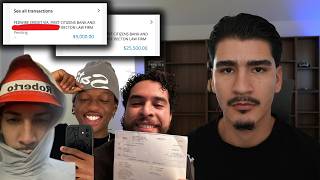
At the age of 20 years old, I have purchased my first supercar, my dream car, a McLaren 720S Performance. Now, I don't make this video here to shit on you, make you feel bad about yourself, make you feel like I'm better than you in any way, because the only difference between me and you is that I know something you don't and I did something before you.. I started before you, right? I make this video to give you the blueprint on how I did it myself, a 20-year-old kid that came from an immigrant family, a working-class family, not a rich family. None of this was handed to me. I did this shit on my own, and now I'm able to put my parents in a position where they don't have to work again. I get to drive a car like this, I get to have financial freedom, and I get to be in control of my own life. If you want something similar, this is the video for you. I'm going to be breaking down everything step by step on how I got here myself, all the struggles, all the wins, what are the things you should avoid. And if you want to use the same business model, use the same strategy, please watch the video, take it seriously, have a pen out, a piece of paper, take notes, and before anything, take action. 'Cause that's the only thing that's gonna change your situation. Let's get right into the video. As you can see, this is the reality that I used to live. I was born and raised here in Dallas, Texas. I was a broke Edgar, smoking, drinking, doing drugs, partying around a terrible group of friends, pretty much celebrating me being mediocre, right? And trying to escape the reality that I was currently in. I was in terrible shape, I was maybe 110, 115 pounds right here. And driving around in an old Civic with chrome wheels and a plastic spoiler, living it up on a fucking budget because I was poor, right? I clearly was headed down the wrong direction and I didn't like that direction that I was in, so I decided to make a change. And obviously not overnight, but 7 years later, this is what my life looks like now. Kind of looks like a highlight reel, which is true, right? Not everybody's life is perfect, but this is what it looks like if you just take a snapshot. I'm driving around in my dream car, a supercar, at 20 years old. I live in a penthouse that's fully decorated. I got everything I've ever wanted in here, and I'm in the best shape I've ever been, right? And I've provided for my family the most this year than I ever have in the past couple years, and they don't ever have to worry about money ever again. And they're proud of me over everything. And now that I'm going to be 21, I'm going to be able to provide them a green card to actually be legal citizens of this country. Yeah, it's, it's, uh, it's gonna be a big, big moment for me. I'm gonna be— my parents are proud for sure, which is one of the It's one of the most important things outside of all the money, outside of everything. That's definitely one of my— going to be one of the biggest achievements. 21 years clean record, made enough money to be their sponsor, and now they can finally be here in this country without a worry. That's, that's definitely one of the big— I don't want to get emotional, but that is what my life looks like now, right after a couple years. Now, what did I do to get here, right? It clearly didn't happen overnight. First, I mapped out the finish line of what I wanted my life to look like, what I wanted to become, right? Because that version of myself over here is never going to achieve anything over here. So I had to become a different person. I had to transform. I've built vision boards maybe 10, 15 times over the past couple years of every single breaking point that I've had and what I've wanted to change in my life. Most of the vision boards are kind of centered around materialistic things because that's just the type of person I am. I'm sorry, kill me about it, but I just love materialistic things and it helps me kind of prove to myself that I'm becoming a better person because I have more money to spend, I have more dispensable income, and I'm able to upgrade my lifestyle according to my skill set and according to my entrepreneur skills, right? And so every time I would build out one of those vision boards, I would, I would set a new set of goals. I would just take action with the information that I knew, right? Obviously a lot of us don't know everything. I don't— I'm not sitting here saying I know everything. I'm 100% knowledgeable in everything in the world. I'm only 20 years old, but I know I know a lot now. And that's why, you know, I have, I have a program and helping people out that, you know, don't know as much as me.. But with the information I did know at the time, I just took action. I decided to take that first step, and it never felt right, and it'll never feel right. That's one thing I definitely want to emphasize, that taking that first step into change is never going to feel right. It's always going to feel wrong. It's always going to feel uncomfortable, but you have to get comfortable with being uncomfortable, right? Everybody's comfortable with being at home, and at home can be multiple different definitions. For me, this used to be at home, right? Smoking, having all of these terrible habits, not going to the gym consistently. Being a mediocre person used to be my home. Nowadays, this is my home. Going consistently to the gym, right? Keeping up with my health. Making sure I'm making enough money. Making sure I'm being the leader not only for myself when I look in the mirror, but also for my family, and also for the team that works for me, right? I have employees that are 20 years old, and I have to guide them in the right direction. And I have to work more than they do so they can see that, hey, I am valued in this business, and I'm working for the right person, right? It doesn't feel like I'm just slaving away for somebody else. This guy's working harder than me, and I want to be like this guy. And that's the person I have to become, and that's the person I wake up and try to be every single day. Because otherwise, people won't want to work with you, and people will not trust you with their goals and with their financial status of depending on you to be fed, right? With what I didn't know, I paid to learn, right? I wasn't scared to invest my money. Over these past couple years, I've never been scared to waste my last penny, or not waste, I should say, say that differently— invest my last penny into mentorship, into coaching, into courses, mentorships, fucking whatever you want to call it, right? I've never been scared to invest because I knew if I became a better person, if I became a better entrepreneur, and I had these skill sets that I didn't know or knowledge that I didn't have before, it was going to help me cut that learning curve to make more money sooner, right? So I was never scared of that. Obviously there's some programs out there that weren't the best. There's some programs that, hey, I wish I didn't buy, but everything happens for a reason. And if I learned something good, if I didn't learn something good, I was still gonna move forward and keep paying for mentorships and keep trying to grow my knowledge to become a better entrepreneur and a better leader, right? And I shifted into the person standing on the finish line, right? As I say, make these vision boards, think about what that version of yourself looks like. Do they wake up at a certain time, right? Do they have these certain habits? Do they have a different group of friends? Do they have all these things, right? Think about what that person does on a day-to-day basis and mimic them. Right? It's not going to feel comfortable because it feels like you're faking it, but it becomes a reality when you fake it long enough, right? When you say, hey, I'm going to wake up at this certain time and I'm going to go to the gym, right? You're going to the gym, you're going to have to change your eating habits, otherwise your body's not going to change. If anything, it's going to get worse. So boom, now you wake up early, now you go to the gym consistently, now you're eating healthy, now you look better, right? You look better, you feel better, you work better, right? Now not only do you go to the gym, do you wake up at a certain time, do you eat healthy, you have a better mindset, you have more clear focus on whatever you want to do with life. Now you're able to input more work into your business or into whatever you're trying to do and get more results out of it. So now you're slowly becoming that person on the finish line, slowly becoming that person on the vision board. And it's not gonna feel good in the beginning, right? It's gonna feel terrible the same way as waking up in the morning after you normally go to bed at 3:00 AM and wake up at noon. Obviously it's not gonna feel the best when you wake up at 7 in the morning, but after a consistent couple days of doing it, it's gonna feel better. After a couple weeks of doing it, it's gonna become a habit. And once you have these habits, you are slowly transforming into a different person that is going to achieve all those things that you have on your vision board, all those things that you set out to get. So that is kind of the motivational part of it. Now let's talk about the business model that actually took me here. Let me break it down in the simplest term ever. So the seller, there is a homeowner of a property that looks like this. Clearly it's not in the best condition. And it's only worth under market value for $100,000. And that's what I'm gonna go ahead and offer that seller, the owner of this property that clearly, if you look at his face, he's in some sort of distress. He needs to get rid of this property, has some sort of motivation where he is okay selling that property for a discount where, hey, it's okay that I may be losing on $10,000, $20,000 as far as the sale price, but I get to get rid of this property that's a headache for me as soon as possible, and I don't have to wait 60 days, 90 days with a realtor, pay closing costs, do any finishes to the property, right? Fix anything, have to kick out the tenants. All these things that we're helping out this homeowner of this ugly property get rid of, that is the value that we're providing. But we are never purchasing the property. We don't need a degree, we don't need a real estate license, we don't need a shit ton of money, $100,000, or have great credit to go pull a loan out of the bank to actually purchase the house, because we never purchase it. We are the person in the middle. In the middle. I don't know why I said it like that. Like Uber. Uber doesn't own any cars. They are the person in the middle between the guy that needs to get a ride and the guy that's providing the service to actually drive people around, right? We are the person in the middle where we're risking less. This is the riskiest entry to real estate investment. And the investor right here, he's the person that's actually driving people around. He's the person that actually purchases the property, right? As you can see the difference in the numbers, we give the seller an offer of $100,000 and then we sell that contract, right? That purchase and sale contract that we sign with the seller and us and that we send over to a title company. We sell that purchase and sale contract to the real estate investor for a profit, right? In this case, he buys it for $120 grand and we get to keep the difference, right? We're in the middle of this real estate transaction and we're in the middle of the investor making money. We're helping two parties out and that's why we're making $10,000, $15,000, $20,000 per contract. And that's how I've been able to get this goddamn car at such a young age because we're making a shit ton of money because we're providing a lot of value. Now, is this easy? Is this going to happen overnight? Are you going to talk to 5 people and 5 of them are going to want to sell? No, obviously not. Everybody's in the same situation. Not everybody's motivated. Not everybody has the pain of owning a shit of property that they need to get rid of, right? We're looking for a needle in a haystack in a way, but there's obviously ways that is easier to contact these people and try to target them so we can help them out in their situation and make a profit. And I'll show you guys that along the video. But in this case, we're providing value to the seller that needs to get rid of his house. And we are providing to the investor that needs to flip houses. That way he can flip and make money, right? If he makes money, the seller makes money, we obviously walk away with money. Now, now what does the investor do, you might be asking? So he goes ahead and takes this ugly property and makes it look like this, and then puts it up on these websites right here. Obviously, if you know anything about real estate, you've probably gone on Zillow, looked at houses maybe in your city, and looked at the most expensive house. Those are all houses that have been remodeled, right? And those are all houses that people like this want to live in. Live in, that's crazy, that people want to live in, right? They don't want to live in this property in this condition. They want to live in this property right here that's all finished and they can go in there, move in right away, right? So they purchased the property for $120,000. I'm talking about the investor. He puts in another $40,000 in repairs and now the property is worth $240,000. If you do the numbers, he's making a profit. Granted, He's going to probably have to pull out a loan from the bank. He's going to hire all these contractors, make sure there's no tenants in there, make sure all the major repairs are done, make sure the quality of the flip is good enough to sell, and all these liabilities. But hey, that's the choice they went with. They're okay with making that money. They're okay with taking that risk. I'm okay with just flipping the contract and making my money nice and quickly in the span of 30 days, right? So that is the value that we're providing. We're helping a family right? Get a nice house. We're helping the investor make money and we're helping the seller get rid of the property that's causing them a headache. And because of we, because of us providing that opportunity, we're making $20,000, right? Now, not every deal is going to make you $20 grand. Some might be $7 grand, some might be $10 grand, some might be $15 grand. As you get more experienced, you're going to know how to negotiate, you're going to know how to talk to people, and it's going to become easier to make these higher assignment fees with every property that you close. Right in the beginning. Don't be too focused on the money. Be focused on the conviction of actually closing a deal by yourself and understanding the whole process. That way you're more confident, and that way, hey, you know you did it once and you can do it again, and it's not luck, right? So now, if you guys don't want to listen to this 30-minute video where I'm breaking everything down, I do have a program, right? I do help people close their first deal. I do help people scale their wholesale business. These are a couple guys that Honestly, I think Joey is in Washington and Josh was in Colorado, if I'm not wrong. Both of these guys quit their jobs and now they're full-time in wholesale. Josh got a penthouse. Um, that's nice. Oh damn, you're nicer than mine. Um, and Joey's all in. So they made, I think, around $50 grand their first month, and they're killing it. They're partners. You got a Marion that closes first deal, I think, the first month in. Greg also, maybe like a month and a half in. Tanya around 2 months in. David, I think he was also around a month in. And all of these guys are fucking killing it. And all these people are random people all over the US that watch videos just like this and decided, hey, I want Jay to be my coach. I want him to take me through his blueprint and coach me and held my hand step by step through the way so I can close the deal faster. And here's some more wins. And here's Joey and Josh, another picture of us. And I have a couple of these interviews up on my YouTube channel if you want to check those out. But if you are interested in getting coached by me on how to close your first deal or how to to scale your wholesale business, click that first link down below. You'll go ahead and apply, make sure you fill everything out, book a call with my team, and if it makes sense, hey, we'll bring you into the family and we'll get you closing that first deal as soon as we can. Now let's move on to the first actual step. We have to pick a good market. If you are in a bad market, it doesn't matter how hard you work, it doesn't matter how many calls you make, you will not be profitable. It will take you a very, very, very long time to close your first deal, and it might not be for $10 grand. It might be for $2, $3, $4 grand. And what's the point of doing all this work if you're just going to close tiny deal. Doesn't make any sense. So as far as markets, before I used to be in Dallas, Texas, right? A metro city, huge city with a bunch of people moving in here, a lot of traffic, a lot of transactions going on, but it was also a lot of competition. A bunch of huge wholesale companies spending a shit ton of money on marketing every single month that would beat out a small guy like me. Now these days, obviously I'm more experienced, I know what I'm doing, I have way more deals under my belt., I still choose not to go into metro markets because why would I want all that competition for myself? I like to go into small non-metro markets that, hey, I can talk to someone and they haven't been talked to 50 other times and pitched 50 different offers, right? So here are some of the markets that I would avoid: Illinois, Oklahoma, Nebraska, Kansas, Michigan, South Carolina, Arizona, California. Now this is for an array of reasons, either because of legalities in that market, or you have to get a real estate license, or the prices just don't make sense, or maybe buyers aren't there. A bunch of different reasons. I would say avoid these and stick to these blue markets that are on the map. If you are having that question in your mind of, hey, how do I pull up this map where I can see the property values? PropStream.com. It is $99 a month. Obviously the shit isn't free. This is a business at the end of the day. If you want to close a deal fast, you're going to have to pay some money up, right? It is what it is. It's not my system, I tell you that much, but I still pay for it after fucking 5 years., right? So you go into PropStream, you click the estimated value, and it'll show you this color-coded map. I would stick to light blue to dark blue markets. I wouldn't go red or yellow, especially if you're in the beginning. It's going to be harder because those sellers, those property owners, are going to be more knowledgeable, right? Think about the difference between a person that owns a $700,000 house and a person that owns a $100,000 house, $75,000 house, $150,000 house. Two different types of people, two different economic situations. 2 different levels of awareness, right? And it's gonna be way harder to close that person for the $700,000 house if they know everything about the house, they know everything about the market, right? They're not gonna be as easily influenced, and they're not gonna make emotional decisions like a person that, hey, only owns a $150,000 house, where they're probably in more financial distress than the person that owns the most expensive house, right? I hope I explained that the right way. So that is as far as your markets. So we got your market out of the way, Now let's talk about marketing, because we have to market to a seller and we have to market to a buyer, right? When we're marketing to a seller, we want to try to pinpoint a specific person that will be in these situations, right? Because then we're providing value. Otherwise, why would we talk to people that have a shit ton of money, that don't have anything going on in their life where this property is a pain in the ass for them, right? They're chilling, they're making money. There's no point in talking to those people because they're not going to sell at a discount. So as far as data, right, we have to market to them. And we use softwares like PropStream or ListSource where we can pull dedicated lists to a specific targeted audience, right? In this case, your first list that I want you to do in a blue market is a high equity list with individual, mixed, or trust ownership, right? This is the status of what kind of person is owning this property, right? We don't want companies owning— whoa— we don't want companies owning a property because a company probably owns multiple properties and they're probably higher aware than somebody that just owns it under their personal name or a trust, right? So high equity, individual, mixed trust, non-owner occupied. We don't want these people living in the house because if they live in the house, they probably going to have some emotional attachment. They're going to have to go and find a new house, right? Talk to a real estate agent or move to a rental property when they're already paying a mortgage. It doesn't really make any sense. And it's going to be harder. You're adding more friction. We don't want friction. We want it to be as smooth as possible. So non-owner occupied, at least 5 years of ownership. That way they can have some equity in the property, and we're not trying to pull money out of thin air, right? The property, I want it to be 1950 to 2005 build. This is the date on which the property was built. Anything 1950 and before is going to be harder to sell to a newer investor. Vetted investors, they don't really care as much, but obviously it's going to be more liability flipping a property that's from 1925 than a property from 1975, right? It's going to be a little bit easier, not as much repairs, easier to sell to a family, right? Now at least 1 bed, 1 bath. We don't want to be targeting properties that, hey, they only have 1 bedroom and no bathroom, right? A bunch of little fucking shacks. We don't want to talk to them. We want properties that at least have 1 bed, 1 bath, non-HOA, non-MLS. HOA meaning they are not in a community where it's a bunch of Karens talking about, oh, you can't paint your house this way. We don't want that. Most people don't want to buy a property in those areas anyways. And non-MLS, AKA it has not been listed with a real estate agent in the past months or the past year. Why? Because that person is probably more aware about their situation, more aware about the other options, and we don't want to talk to a seller that way. It's gonna be more objection handling, especially in the beginning. As a beginner, you want this to be as easy as possible. I don't want to have any roadblocks in your way that we can avoid and make it as easy as possible for you to close that first deal. So that's when we're talking about data. We have our market, we have our data, which we're gonna pinpoint. Now, how are we gonna market to this data? Obviously, pulling a list isn't gonna do anything. We have to talk to them. So as marketing, right, we're gonna move this out of the way because this is a little bit more advanced. We're gonna do cold calling, right? Now I don't like to call it cold calling, I like to call it warm calling because we're specifically targeting a specific type of person and we're not calling a metro market where, hey, hey Joey, do you want to sell your house? And the guy's like, yo, I've been called 7 times today. That's cold calling. But when we're reaching out to a specific targeted seller where, hey, we know they're in this situation, they have multiple factors of motivation, Hey, it's not really cold calling because we're targeting a specific person and we know they're probably in a situation where they need to sell, right? So we're going to be using, instead of our personal phone numbers, which I don't know where my phone went, but imagine this is my phone. You're clicking here the numbers, you're listening to the phone ring, you're listening to voicemails. We don't want to do any of that. That's going to take you years to close your first deal. We're going to be using a dialer, a multi-line dialer. There's multiple ones you can use: Mojo Dialer, ReadyMode, Batch Dialer. I use Batch Dialer myself. And it works wonders. You're able to talk to— you're able to dial thousands of people a day and at least connect to 50 to 150 people every single day depending on how long you sit on the phone. And it's way easier because as soon as you get off the phone, boom, somebody else is answering the phone. And it makes the process easier. Again, I don't want you guys to have roadblocks. I want it to be as smooth as possible and as quick as possible for you to close that first deal. Now as far as things that we need to track when we're cold calling, I want you to track your KPIs. I want you to track your contacts, right? Who— how many people are you actually contacting on a daily basis? Because that's going to go into your KPIs. If you don't know what KPIs are, it's key performance indicators. It's how you run a business and how you're able to scale in a simple way. Because if you don't have your KPIs, you don't know what numbers your business is running at. You're running your business off hope. And running a business off hope is never going to end well. And that's why most businesses fail. So we want to track our KPIs as far as your contacts, as far as your leads, as far as your offers. As far as how many contracts you're locking up versus how many contracts you're actually selling to buyers, these are the most important things. Now obviously, once you get your first couple deals out of the way, once you know how to speak to people, you know how to have an objection handle, you know how to negotiate, you know what lists work the best, that is when we can move on to easier sources that are going to cost us a little bit more, but it's going to make the process a little bit easier, less legwork on our end. And that's when we're talking about PPL, like property leads, where we're paying somebody else to run ads through a funnel, and then we pay for every per single person that filled out a form that said they're motivated in selling their house. So now instead of us reaching out to somebody and putting ourselves in front of their face, they're putting themselves in front of our face. So it's a little bit of an easier process. You don't have to dig in as much, you don't have to objection handle as much because the person's already aware of their situation that they're in, and they're aware of what type of person needs to buy their house, aka the investor. Right? And then if you don't want to do that, you want to have everything hands-on, you can run your own Google Ads, you can run your own Facebook Ads, and I can make videos on those moving forward. But these are the main 3 things that you want to stack to close your first deal, and it is very, very possible you can close your first deal. Well, working with me, closing your first deal should be around 50 to 60 days. I would say that's the most realistic sense when you have a coach like myself. When you're doing it on your own, I would say put in a rough timeline of 2 to 3 months of doing it yourself with everything that I'm showing you, and it's going to be very, very possible. Now obviously, if you want me to help you hold your hand and get you closer to that first deal as soon as possible, you can click that first link down below. Now once we have all of this out of the way and we have people answering the phone, we want to run through this kind of script or outline right here on how we should actually speak to them, right? Because there's a certain way, there's things you have to ask, there's a way that you have to have control of this conversation Otherwise, you're gonna get walked on, nobody's gonna want to sell you their house, you're not gonna seem trustworthy. And a lot of this is confidence-based. You have to have energy on the phone, you have to sound like you know what you're talking about. So if you have an accent, if you can't speak well, if you can't read, if you can't enunciate your words, it's gonna be a little bit harder, right? You're gonna have to practice a little bit more. But it is key how you sound, because in communication, 80% of it is nonverbal. Now we're talking about over the phone. These people can't see you, these people can't see your hand movements, they can't see your smile, but they have to be able to feel your smile, feel the impact, feel the energy through the phone. That way these people can trust you, right? So let's go down over here. The introduction. You want to get out of the way in the beginning who you are and why you're calling, right? Sounds something like this: Hey Joey, my name is Jay. I was reaching out, I saw your property on Main Street, Just seeing if you would ever be interested in selling your property, right? Seeing if you ever had a cash offer for the property. Seeing when you're going to get rid of the property. There's multiple ways to do it, but as long as you're being confident on the phone, as long as you're getting the general message along the way of, hey, I'm an investor, I'm looking to buy houses, I'm reaching out to you about this house, I wanted to see if you're interested in selling. Now you're going to get two different answers, right? You're going to be the person that says, hey, yeah, I'm interested. Yeah, I've thought about it. Wow, wow, wow. Then you can move on this way. This kind of little roadmap right here. But now if they say no, you don't want to crash out. You don't want to be like, oh, well, fuck you, or, oh, well, no worries, man. You don't want to throw away people like that because eventually somebody's going to want to be interested in selling. And if they're on these lists that we're specifically targeting a specific type of person, they're probably going to be motivated down the line. So you want to stay credible, you want to stay professional, and you can say something like this: hey, well, no worries, man, I'm an investor here locally. If you know anybody interested in selling their property, or maybe not this one specifically, but you have another house you might be interested in selling, let me know. Here's my number. Reach out to me if you have any questions, right? And from there, I would say out of 100 people that you talk to and 100 of them say no, if you end with that pitch and you don't just hang up and say, okay, no problem, and move on to the next person, out of those 100 people, maybe 5 or 6 will actually recommend you to somebody else. And those are 5 to 6 leads that, hey, You would have lost if you didn't say anything or you just hung up the phone, right? We want to maximize as much as we can in this business. So the transition. We want to first figure out the why and how. A lot of people get this wrong. They get into these phone calls, they get that first qualification of yes, they're interested in selling, and they move directly into the condition of the property. They don't know anything about you, they don't know anything about what you do, they don't know even why they're interested in selling sometimes, right? We have to figure this out and we have to kind of take them through a qualifying process to know, hey, is this person somebody I actually want to work with? Is this going to be profitable for me to spend my time with this person and try to help them out in their situation? Because a lot of times they're not. Like I said, this is a needle in a haystack type of business. Obviously, we're trying to make it as easy as possible and reach out to people that are more qualified, but not everyone's going to be a deal, right? Not everyone's going to be motivated. Not everyone's going to accept your offer. In this business, you will get rejected more times than you can count. I couldn't even give you a number on how many times I've gotten rejected. As far as offers, as far as on the phone, as far as buyers. From every single aspect, I have fell in love with rejection. Every single no will always get you closer to a yes. Make sure you stick that through your head. Make sure, fucking make a poster about it, put it in your room if you're gonna do this, right? Every single no gets you closer to yes, because every single no is a person that simply wasn't gonna work out. They were either gonna back out on their contract, they weren't gonna fulfill on their duty, they weren't gonna tell you the actual condition of the property, they weren't going to let you access the house, they weren't going to sign the contract, all these things which, hey, we don't want to waste our time. We want to only talk to people that are motivated and that are willing to work with us on our terms. So back to the, back to the roadmap. We want to ask why and how questions. We want to dig deep into their situation, try to figure out how we can help them, right? What situation has led to them being interested in a cash offer from a real estate investor? Now, once we figure this out, once we know, hey, this person is motivated by this reason, this reason, this reason, this reason, Now we have ammunition, right? We need to collect this ammunition and use it against them. I know that sounds kind of evil, but it is what it is. That's sales, right? And normally, if you want to put it in a different example, we're a doctor, right? We're trying to figure out their situation to see what we should prescribe them. Because a lot of times, a real estate investor and a cash offer is not going to be their best option. Maybe going with a real estate agent, maybe you have a buddy that's a real estate agent, or you reach out to someone and say, hey, I have a referral. They didn't qualify for a cash offer, but they'd be good on the market, right? The condition of the property is too well. I don't have room in here. If you don't— obviously don't know innovations or any of the other exit strategies, we're not— which we're not going to talk about in this video because I want to keep it nice and straightforward and simple. But we want to understand the motivation. Once we understand their motivation, and this kind of goes hand in hand, you want to talk about yourself a little bit, right? You don't want to be a stranger. You want them to know you by name because you want to call them back to make that offer and then say, hey, I know Jay. Hey, Jay was cool as fuck. We talked about my situation. We talked about buying the house. We don't want to call back and the guy say, and the sellers say, hey, oh, it's that guy again. Oh, it's that guy that wants to buy the house. Oh, it's that investor. We want to be known by name. We want to build that rapport. We want to build that trust. We want to build that friendship because, hey, let's say we need to go for a reduction. We need to get the property at a lower cost. We are able to do that way easier. Or maybe we need a favor. Maybe we need to extend the closing date. Maybe we need to bring more people in the property than we actually expected to. If we have that relationship, it is going to be 100 times easier to actually close that deal. It is going to be day and night difference versus somebody that doesn't know you, right? And at the end of the day, we're doing everything over the phone. This is a trust-led business. I almost forgot my words there. So make sure you're building rapport. Then once they're qualified, once we know their situation, once we've built some rapport, once they know how we offer, what we offer, and how we can help them, now it's time to talk about the property. Because at the end of the day, I would say 80% of the deals that I close, 80% of those are mostly based on their situation. Mostly all we care about is their situation, right? The property condition, obviously it matters, it falls into the numbers, right? That definitely matters. But we want to emphasize on the person's actual situation because that's how we know if we're going to be able to actually help them. So we ask questions about the property, obviously all the majors, Now you don't want to bombard them with fucking, oh, what's up with the HVAC, electrical? Obviously they're going to just give you a super basic answer, but you kind of want to go deeper to really understand the property condition and to be clear on what the actual property looks like. Now, the reason we do this in this order is because, hey, we already know the motivation, we already know them by the seller, now we know the property condition, then we start talking about speed, right? We're stacking all these benefits, we're stacking all this time and all this motivation by them bringing up the condition of the property, them bringing up their situation, them bringing up how fast they need to close the property, that is when we actually soft pitch in a way, right? We want to qualify them, say, hey, Mr. Seller, if we're able to make a decision today, if we're able to get something on paper, if we're able to agree on price, are you willing to move forward today? Right? And they— you ask them about the price and they say, hey, I want $60,000, right? Before, if you would have asked them that financial question of how much do you want for your property in the beginning of the call, they would have told you $100,000, they would have told you $150,000. But once you've gone through this whole roadmap of discovery, they're going to be more realistic about their number on what they actually want. And because you built that friendship, then you can ask questions like, hey, Mr. Seller, is this the best you can do? Because I'm going to take this over to my finance team, and hopefully we can get approved for this. If we can, I'll definitely call you back. If we're too far off, I won't, right? Now, every single time you're going to call them back, right? No matter how far you are, because you are the person in charge of your business. You eat what you catch. Every single person that says yes, every single person that goes through the discovery phase, every single person that is ready for an offer for their property, you will call back. This is one thing that differentiates the people that are doing $50K a month, $100K a month in their wholesale business, and the person that's only closing one deal. It's the follow-up. It's the consistency. Because how you do anything is how you do everything. And that will result not only in your personal life, but also in your business life, right? So once we get through all this, we want to set up the call. Hey Mr. Seller, I'm gonna go ahead and talk to my finance team. I'm gonna take all these notes and everything that we talked about over to them. They're gonna come up with an offer and I'll go ahead and give you a call back at this time. What time works for you? Right? You can say, hey, I can call from midday to 3 PM. Does that time work for you? Or what time works best for you? Right? Okay, cool. If you could take down a piece of paper, write down my name, write down my phone number, write down my company information. I'll go ahead and send you a text from my personal number because we're not calling from our personal personal number from the beginning, we're calling from a dialer, right? So now you got their phone number, now they know who you are, now they know you by name, now they know their situation, now they know all these things. It's going to be way easier to close them on the phone because you went through this whole roadmap. If you're doing it the wrong way, you're setting yourself up for failure. So if you have to, take a screenshot of this, put it on your wall, follow this religiously, and you will see the results, right? Now that we have this out of the way, Right? We have the motivation, we have everything, we have a lead, a hot lead ready to sell their property. Now it's time to run the numbers. Now, this is a quick calculator. I'm not going to go too deep into this because it's pretty simple. Most of the stuff in this business is marketing and sales, right? If you know how to market, if you know how to do sales, everything else is pretty much copy and paste. Like these calculations right here. Obviously, according to the price point, you want to take out a certain percentage according to the rehab, and then you take away your profit, right, which is going to be your fee. Minus the closing cost is going to be your maximum allowable offer. Never offer 100% of your maximum allowable offer because that's when you're cutting it close. You don't want to offer on a property where the seller wants $100,000, the ARV is, uh, is $250,000. You don't want to offer $100 grand, right? You're not going to make any money. The buyer is going to want to lowball you. The buyer is going to want to make as much money as possible. The seller is not going to want to go for that. You want to make sure you have cushion in these deals. And every single time you make an offer, You need to be scared of getting told to fuck off, of getting told, fuck you, don't call me ever again. You need to have these hard conversations, that way you can close these bigger deals. Because if you're offering what the seller wants every single time, not only are you gonna close tiny deals, but you're also missing out on a lot of profit. We don't wanna do that, we wanna be scared, we wanna go for the no in the beginning, that way we can hook them in, right, at a certain price point and negotiate from there. You wanna negotiate little by little, well, they're coming down a lot. That is obviously the ideal situation. Now, once you make that offer, you want to go ahead and speak to them on the phone. Now, the phone call conversation is going to be pretty simple. It's going to be a lot of qualifying in the beginning. You want to go over motivation again, you want to go over the property condition, you want to ask a couple more questions about the condition that your finance team wanted to actually know about. That way they can maybe give a better offer or a worse offer, right? You want to qualify them, say, hey, I know you told me in the past call that you were ready to make it this decision? Are we still on the same page? Is everybody that needs to sign off on this property to be sold here, right? Are they, right? Do you have time right now to speak? All these things that would be future objections, you want to handle those in the beginning of the call, right? Then you obviously want to have the whole pitch of, hey, we got approved for this price right here, um, let me know if that works. Obviously, if they say no, because you ask more questions about the property condition, you're able to go back to your finance team, tell them, hey, let me put you on hold real quick, they're across hallway, let me go talk to them, see how close I can get to that number. But let me know, is that the best that you can do? How close can you come up to or come down to our initial number, right? It's a whole negotiation play. It's a whole series of events that you have to calculate and make sure you're playing it the right way. You're an actor, you're a doctor, you are a closer, right? Take advantage of this opportunity that you have and do it on a consistent basis, and over time it'll become second nature. You'll know it like the palm of your your hand. But that's pretty much the breakdown on the offer. Obviously, once you get the approval, once they say yes, you want to ask them, hey, go ahead and send me over your email. I'll go ahead and send over an agreement. You want to say agreement. You don't want to say contract in the beginning. You want them to sign it and then you can say, hey, this is a legally binding contract. Kind of a switcheroo, but I mean, we're buying a property, we're putting shit on paper. Obviously it's a contract. They should know this already. Now, one thing I like to do is I like to go over the contract with them, right? The prorations, all the different legalities. Hey, if the property doesn't meet our criteria, hey, if the property condition wasn't as you told us, obviously we're not going to be able to do the same price. And we have 30 days on this contract. Make sure your contract has 30 days of option. That way you have 30 days to market, 30 days to bring people in there, 30 days to confirm that condition of the property is true to what they told you and that your numbers still make sense to an investor for them to buy the property. Now, as far as that agreement, I don't give you guys my agreements for free because I paid money for them. It took a while for me to get the best agreements and do them the way I do it because I don't do any earnest money. I know a lot of people tell you, oh, put up $100 of earnest money, put $10. I don't even have an earnest money box on my agreements. I don't put up any money as far as getting a property under contract. I don't like doing it. Why, right? So you're gonna tell them, hey, Mr. Seller, send me over your email, I'm gonna send over this agreement, can you check it out right now. Now you didn't send it yet, you're just kind of probing them to see, hey, is this guy actually opening his emails? Is that actually ready to sign right now? If they say no, obviously move forward, objection handled. But if they say, hey, I don't see the agreement, send it over. You have to get this contract signed over the phone. It is going to be way easier because as soon as you get them on the phone, count that lead as lost right now. Sometimes they are going to say, hey, I, I want to talk to my attorney about this. Hey, I want to talk somebody else, you should have gotten that out of the way in the beginning. But attorneys are no issue, especially with my agreements. I've never hopped on a 3-way call with a seller, an attorney, and myself, and then the attorney say, hey, yeah, this contract's not going to work. The only thing they always say when I do hop on these 3-way calls is, hey, these agreements are very simple. And I say, ooh. And I say, yes, that's the whole point. We're not lawyers ourselves. We want to keep it straight and simple that we can close multiple deals with the same agreements., right? Now, once you get that contract signed over the phone, you'll see it through DocuSign. Get that contract, find a local title company. Let's move on to the next step. Now, I have a website where it has a bunch of local friendly title companies that work with investors. But if you don't have that, you can go ahead and just Google it, and that's the city or state or zip code, and find a local title company there. Now, you can use one that works worldwide, or I mean nationwide, because you can only host on the United States. But I like it to be local, that way the seller can actually go in person and see that this is real, see that this is a real transaction, see that we are real people, and we're working with an established brick-and-mortar business locally to them. They can drive 10-15 minutes and ask any question, right? I like that because we're already doing everything on their phone, already everything is over trust, already everything is going over trust, right? For them to have that kind of support locally, it means the world to them, and it makes everything easier. So you're going to call a local title company in there and you're going to ask these questions. Do you guys work with assignment of contracts? Do you guys do blind HUDs? What is the title officer's email? And I'll send over the purchase and sale agreement shortly if they work with wholesalers, if they do blind HUDs, if they work with investors, right? So you're going to send over that, uh, that purchase and sale agreement that you guys signed through DocuSign from the seller and that you signed. Then it's time to find a buyer. First, you're going to build a DISPO package, right? What is a DISPO package, you might be asking?. It is a pitch deck. It is a presentation that we're having to send over to real estate investors that are actually going to purchase the house, and we want to paint our picture in the best light. We want to look professional, professional when we're doing this. Now, ever since I started talking about these DISPO packages and presenting these deals this way, I've seen a lot of you guys on these YouTube videos doing the exact same thing, and I've never seen it before. I got my eye on you. I see a lot of you guys copying the swag. I'm not going to say any names, but I've seen it. I'm looking at you. You're watching this video trying to copy something. I know what type of man you are. But back to the DISPO package, right? You can do it on a simple Google Doc if you don't have a website yet. Obviously you can do it on a website and send over that link to a template website with the actual information of the property. But the main things you want to highlight is pictures. You can use a picture file through Google Drive, Dropbox, whatever you want to use. You want to put the comps, right? The comps that you ran before you made the offer of the actual properties in that area that sold for a certain amount, either investor sale price or ARV, after repair value, what the investor is going to sell his property for. You want to have multiple. I want to say at least 3 to 5. That way, hey, you don't seem like a dumbass and just pulling numbers out of your ass. You want to make sure, hey, here are the pictures of the property inside and out. This is what it looks like before you even have to drive to the property. This is what the comps are. These are what the numbers, and this is why I priced it at this certain price. You want to have the property details. You want to have some benefit, right? Why is this property being sold, right? Why is this property a good investment opportunity? What is local to the property? What is the neighborhood score, right? What is the walkability? What is the purpose of somebody wanting to buy this house? Oh, because this, this, this, this, this. You want to have a short description. You can use ChatGPT for it. Now the profit for the investor, right? Along with the comps, you want to let them know, hey, how much money are you kind of ballpark going to make if you buy this house from me, right? Your contact information, the title company that you're using, the closing timeline, and the access to the property. This is important. When will the investor be able to walk the property? Now, if you built good rapport with the seller, if you set expectations the right way, you're going to be able to have great access to the property, tenants or not, because you let them know, hey, for us to actually close the property, we need to bring our contractors out there. We need to bring the professionals. I'm not the guy sitting in the house with a drill and a hammer fixing it up, making it look pretty. I have professionals do that, and I want to get a professional opinion before I actually end up buying the house. So that is what access looks like, and that's when we can actually bring the investors, bring the realtors that are bringing their buyers, whatever the case may be, to actually look at the property themselves, touch it, feel it, and be in there to know what they're going to buy, right? Everybody wants to know what they're buying before they actually purchase, especially a property that's worth hundreds and hundreds of thousands of dollars. Now, this is what one looks like. This is Phillip, one of the guys in the group. He locked up this deal. I see contact Phillip. This is not a real number. You put the address, the property specs, the address for the comps, the numbers, kind of what, what they sold for, what the condition was, what repairs are for our property. Note: do all due diligence before submitting an offer. No due diligence period. No closing with seller's title company, or we are closing with the seller's title company. Do not post anywhere online. And the property picture link, which is right there. And this is kind of what you send over after you vet these buyers. Now, moving forward, how are we going to find these buyers? It is honestly the simplest thing. If you have a good deal under contract, if you ran your numbers the right way, if you built the right rapport and you ask the right questions, you will always have a good deal and a good deal will always sell fast. My great deals, you know, I still lock up deals that aren't at the best price point sometimes. I'm not going to lie to you guys, but the best deals that I lock up, they sell the same day. Now you can make Facebook posts, you can post it on Craigslist. Be careful with these because our seller age range is going to be on these softwares, on these websites, right? We can find Zillow realtors, real— Zillow realtors, realtor.com realtors. We can pull lists from PropStream of cash buyers. We can use an investor base list, which has been working very, very well. You want to post it in investor Facebook groups where obviously investors are in there looking for properties to buy. And you can see what other wholesalers have posted in there. Never post the front of your property. Never post the address of your property. Never post how much you got it under contract for. All these things you want to avoid. These are all dos and don'ts, which I've explained in multiple of my other videos when talking to cash buyers. So that is how you are going to find your cash buyer for your deal that you have under contract. Here are the dos and don'ts when talking to buyers. Talk on the phone. Stop texting on Messenger. Stop texting over Craigslist. Text over phone and talk over the phone for the most part. Vet them on their past deals and their future ones. Get to know their investment goals. Get them to walk the property before they ever negotiate with you. You don't want them telling you a lowball offer if they haven't even gone to go look at the property, right? Proactively negotiate with them. Make sure you are in profit. Make sure you're getting what you wanted out of the deal and it makes sense for everybody. Don't make this— don't make the investor feel like they're getting taken advantage of, but make sure you let them know, hey, this is going to be a long-term relationship. Make sure you let them know, hey, I want to close multiple deals with you. Make them feel like they won. That's how you really win a negotiation and have long-term business. Get $3,000 to $5,000 worth EMD sent over to the title company. How do you do that, Jay? You talk to the title company, you ask for their wiring instructions, and then you send over those wiring instructions to the real estate investor and he submits an earnest money deposit. Now in my assignment agreements, I have a clause that says whatever earnest money deposit the buyer puts to title to purchase this house gets released to me as the wholesaler without any mutual release. And that is only if I did everything on my part, the seller did everything on their part, and the only reason the property didn't close was because of the buyer funds or a buyer situation, or him not simply wanting to buy the property after he agreed and signed an assignment agreement and submitted earnest money. That way, hey, we can use that money towards marketing that same city, maybe wait till the buyer fixes his financial situation, and then be able to maybe give some to the seller and, you know, extend that contract, find a different buyer for the property. Another thing, no option periods with buyers. The only reason you should be signing an option period is to actually wholesale a property. Buyers don't need option. They're able to walk through the property and do their inspection while you have it under your 30-day option period. No, they can't market it out to somebody else. No, you will not sub to the deal. No, they don't need information about the seller. This is your property that you have under contract. All that matters is the numbers on the property and if it makes sense for them to purchase. They don't need to know how much you have it under contract for. Never tell them. Nobody buys sight unseen. All the people that say they do, they never close on the property. They always back out. No, you will not take less than EMD. And if they aren't willing to show you their past deals, they will not get to know what property you have under contract. Now, that's pretty much the whole breakdown on what it looks like, what I've done myself, and how I've been able to live the life that I live. If you want to do the same, you want to be like my students that watch videos just like this and close your first wholesale deal in the next 60 days— most people close it sooner than then, but I want to be realistic with you guys. Click that first link down below, reach out to me. You can reach out to me to Instagram. I'd rather the link. You can go through there, watch the video, fill out the application, talk to one of the team members. And if it makes sense, if we feel that you are going to be a good fit for the program, you're going to close the deal very, very fast, then we'll get you in, get you through the program, and get you closing that first deal as soon as possible. Yeah. If you guys have any more questions, leave them down below, and I hope to see you guys in the next video. Like, comment, subscribe. Let's get to $20,000. $20,000, 20,000 subscribers. I'll see you guys in the next one. Oh wait, I got to pause it, right?