Step By Step Wholesale Real Estate Sales Training

Jesus Gabriel Mendez coaches students through live role-plays of seller calls, showing how to probe motivation, gather property details, and move to an offer. He emphasizes setting expectations, asking permission to continue, and using a two-call model: discovery first, then offer.
Chapters
What's going on, boys and girls? In this video, I'm going to be showing you guys a live group call that I just had yesterday with a couple of my students where we're going over role plays. We're going over different scenarios, objections, questions you should be asking, tonality on the call, and the framing of the call to actually lock up these deals under contract and build trust with sellers. If this is the last thing that you're missing, maybe you already have your markets, maybe you already have your systems, but you just don't sound good on the phone, this video should really get you across the line to start closing these deals consistently. If you're interested in being in one of these group calls anytime soon, click that first link down below, join the mentorship, and I will help you close your first deal one-on-one. Let's get right into the video. Abraham, you want to do a role play?
Yeah, I don't mind. All right, bet.
Call Phillip. This is going to be the first call.
All right. He's an inbound lead or what is it?
Inbound. Let's do inbound. All righty.
Y'all ready? Yeah, all right. Ring, ring, ring. Hey, Philip?
Uh, yeah, who's this?
Hey, this is Abram with Prime Local Bars. I see you filled out something on our platform looking to sell that property over there, 123 Main Street.
Uh, yeah.
Okay, I just have some notes here. Looks like you're looking to relocate.
Uh, yeah, I'm going to Texas in the next 3 3 months.
Okay, what got you looking to sell?
Uh, because I'm moving to Texas.
Okay, so I just want to tell you, so the point of— we call, we call you just to, you know, see if we can get a cash out. Well, oh, I'm messing up already. Let me run it back.
Let me run it back.
Can we restart this? Restart that.
Yeah.
Hey, Philip?
Uh, who's this?
Hey, this is Abram with Prime Local Buyers. So the reason for the call today, I see you filled out our form on our platform looking to sell that property on 123 Main Street?
Uh, yeah, I'm moving to Texas.
Okay, okay. So the point of the call today, I'm just trying to see if your property actually qualifies for getting a cash offer. Um, so what got you looking to sell? You said— I know you're here— I heard you say Texas. That the only reason why you're looking to move?
Uh, yeah, pretty much. I'm just not gonna use the house anymore. I'll be gone.
Okay. Uh, so we only— we buy properties in that area and we buy them as We fix and flip them and sometimes we do buy and holds. Uh, so I just wanted to put that out there just to be as transparent as possible. I mean, did you have a number in mind you were looking to get for that property?
I'd like to get $270,000 for it.
Oh, that's a good number. What got you looking at that number?
That's what the Zillow say it was worth.
So, okay.
So if you don't mind me asking, what condition is the property from 1 out of 10?
And it's in good condition. I'm living in it right now.
Okay, so let's look at— is it in 2025 standards or is it like, you know, original from when you bought the property?
I've done some repairs, uh, put an in-ground or an above-ground pool in the backyard, so I think that definitely raises the value. And I have one of the biggest lots in the neighborhood.
Oh, crazy story, uh, we bought a property in Arizona. The lady, she told her property was the biggest lot, and you know, you looked at it, it was actually zoned as a single-family residential, but she thought her lot, the side lot, was actually included. So I just wanted to get into some details about the property, see if it actually qualifies. So, um, quick question, um, is there anything wrong with your roof, stuff like that? Any structural issues with the property?
No, everything's fine. I've had some issues with the dishwasher, but planning on getting that fixed before I sell.
Okay. Any reason you're not trying to sell it with a realtor? I see you're asking for $200,000, and you know, it's kind of like market value. Any reason you're not trying to sell with a realtor?
Yeah, I need to sell within the next 2 months because I need to be in Texas fairly soon.
Okay, it's not a problem with us. Uh, so catch me up to speed. So let's just say we were able to— well, don't catch up to speed. How about this? Let's just say we're able to, you know, get you that $200,000. Uh, how soon are you looking to sign? I know you said 2 months. We typically close in like 30 days or like 45 days. Is that something you could work with?
I would need at least 2 months to get fully moved out, get all my stuff down there.
Okay. Would you need help moving, or you got that yourself?
Uh, I think I have it myself. I have a son that can help me.
Okay.
So again, like I mentioned, uh, I know you said the property's in pretty good condition. Uh, I typically— we typically like to, you know, take the seller's word, take the homeowner's word for it. But you know, as you know, in this day and age, you can't just take everything. So if you don't mind me asking, like, so is there— did you ever upgrade your electric panel or anything like that?
Uh, my electric panel? No, I have no issues with that.
Any plumbing issues?
Nope.
Any liens on the property we need to be, you know, be aware of?
No liens. I owe $30,000 on the mortgage.
Okay.
It's not bad. So, um, again, so we're able to, you know, get you that $200,000. Like, uh, are you able to, you know, sign an agreement today? Is that something you're looking to do?
Possibly.
Okay, nice thing. So what I'm gonna do, I'm gonna go to the underwriters. I'm gonna take some information that I got from you, I'm gonna take it to the underwriters. I want to see what they're saying about it. Uh, I just want to put you on like a brief hold for 2 minutes really quick, and then, you know, I'm gonna go fight for you in that office over there, just down the hall really quick. If you don't mind me putting you on hold, is that a good— is that okay with you?
Uh, yeah, why are you putting me on hold?
Yeah, I'm gonna go try to see if that $200 could actually work for us. I mean, because I know you said it's, you know, your property's in pretty good condition. Um, you said you don't really— you did, you did some repairs yourself actually as well.
Yeah, I was looking for $270,000.
Oh, what got you looking at $270,000 now? I thought you said $200,000. What got you looking at $270,000?
Oh no, I believe I said $270,000.
$270,000.
Um, so I see you said $270,000. So I mean, how about this? I'll tell you what, I just need to drop some information from you to make sure, like, you know, we were able to get you that $270,000. Um, would you mind, you know, do you mind answering a few questions about the property?
Yeah.
So if you walk me through the front door of that property, what, what, what, like, what are we walking into?
Uh, what do you mean?
Like, what do we see? Is it, is it in 2025 standard, or is it like, you know, like I mentioned before, is it original? I know you said you did some repairs, but, you know, kitchen, bath, stuff like that, did you do those type of repairs?
No, they don't need any repairs.
Okay, so I'm guessing it's an original. It's an original from when you bought it the first time, right?
Uh, yeah, for the most part.
Okay, let me just see here. So what I'm looking to do with the property, like I said, we either buy and hold and we either fix and flip. The number you're asking for, you're saying, you know, the property's in pretty good shape. Uh, so we are able to— I'm not gonna make any promises, but if we go back to underwriters, we might be able to get you that number. Uh, are you familiar with anything called, like, something called novation?
I know what's that.
So a novation is essentially where we still get you that number, $270,000, if we— the best that we can, or we try to get to a number where, like, you feel comfortable walking away with. Um, it's basically, you know, we take the headache off of you from you having to deal with the realtor fees, you having to deal with a bunch of showings and stuff like that, or even any tedious repairs like paint or whatever. You know, probably have to clean the pavement and stuff like that, but you'd still walk away with your number and we take, we take on that responsibility.
Okay.
Yeah, so basically it's still basically it's the same transaction. We still sign a purchase and sale agreement. Um, as I mentioned, it usually takes like about 30 to 90 days, you know, from, from— I know you said 2 months, but innovations, because I'm trying to get you the best numbers, you know, you're looking to get for the property. Um, but it usually typically takes 30 to 90 days to get that done. And if that's something you're interested in, I can actually, you know, tell the underwriters that as well.
Is there any way you could do 60 days?
It's possible we can do 60 days. It's possible. It's just all in, like, looking at the market and what the market has to offer currently. Excuse me.
If you can do the $270,000 in 60 days, then you can go ahead and do that.
All right, so I still need to put you on a brief hold. I just have to make sure, you know, everything's, everything's okay with the underwriters. It'll just be like a 2-minute hold. I'm just gonna run across over there real quick to make sure. I, I just stepped over your file now, so they're probably already, you know, jotting down information about the property. Um, yeah, if you don't mind me putting on 2-minute hold, I'll be right back.
Okay.
Alrighty. I'm not gonna really use the 2 minutes, I'm just gonna go right into it.
Yeah.
So, hey Phillip, so yeah, I actually was speaking with underwriters. We are able— your property is actually, you know, it's able to— you were able to actually purchase your property. I know I said something about annovation, so they're saying basically you know, it's approved for us to actually purchase the property. Uh, the offer was actually— so I have a number here actually in mind. It just— they basically just said, you know, the number is not— you're not— we're not too far off your $270,000. So we'd probably buy it. We just have to work with us on the numbers.
Okay, what's the offer?
I mean, what is your bottom— the bottom number you're actually looking for from this property?
Like I said, I want $270,000.
$270,000, okay. So if I'm able to get you at least closer to that $270,000, like, is there something that we can still do today?
Yeah, what's the offer?
So I have it right here. So your— the offer was approved for the 123 Main Street property, um, so it came back at— so we have it right here, it came back at $245,000. $237,000, and that's a 45-day close. I know you said 60, so that's a 45-day close, but we can make 60 work if that's what you need. Um, and that's buying a property in as-is condition. It's because you're not, you know, realtor fees or any commission stuff like that. So if that's something you're able to do where you can, you know, you can work with us, you know, we could probably proceed today.
How much is the offer?
$245,327.
Okay, I would have to think about that.
I mean, what, what makes you think you have to think about it? I know you said your, your number was $270,000. The underwriters, you know, they basically looked at comparables in the area, and I know the condition of the property said it's pretty, you know, it's a pretty decent shape. Uh, obviously we might have to still do some tedious repairs. Um, what got you having to, you know, put a weight on it?
I just think that's too low.
I mean, I was looking for $270,000, so Your neighbor's property down the street, down the road, she sold her property for $250,000. It was in a little better condition than yours, a little more square footage as well. Uh, I know, I know $270,000, it's a great number. It's a, you know, it's a good number. I'm glad you had a number in mind. Um, just looking at— like I said, we make offers based off market values in the area and what we can do to the property. I wish I could pay a million sometimes, but you know, it's just the market value currently.
Okay, well, I have a couple more calls I have to take from other investors, so I'll see what they offer.
I mean, are these other investors, are they actually, you know, are they actually serious buyers, or they're just going to throw numbers out and fluff numbers with you?
I mean, they all ask me the same questions, so I'll tell you what.
So I try to do these deals as transparent as possible, that way you feel comfortable working with us, and that way you know what's going on from A to Z of the deal, so we walk you through the finish line. We put up— I put a high EMD down, that way, you know, you know, we could proceed with the transaction. You know, I have some money in the game. Um, and if you want, I won't— I don't usually put inspection periods on it, but we do a 2-day, a 2-day inspection. I'll have one of my GCs go out there walking and make sure there's no, you know, structural damage or anything like that going on. And then, you know, we could probably get this thing closed within the 30 days.
If you can do the $270,000, I can sign something right now.
But hey, like I said, Philip, I wish we could do the $270,000. It's just like I said, the market value is, is just what it is, uh, unless we did an ovation with you. So if you're interested in doing an ovation, I could also, you know, make that, make that possible in our, in our defense. It just takes a little longer. Like I said, um, the 60 days, it might go a little higher, it might be less. It's just Like I said, we have cash, so we'd buy it at $245,000 and $237,000. That way it makes sense for you and I, and that way you're not waiting for a bunch of people to go into the property or even waiting for us, you know, to try to sell the property.
Yeah, I think I'll just hold off for now.
Hmm. So you'll hold off. So what would you want? You want me to give you a call back, you know, after those other calls with them investors? What are you looking at?
Yeah, if you could call me in a couple days, that would be good.
Couple days? Come on, Philip, I don't want to lose out on the property. I still feel like we can do some business today.
No, man, I mean, I need a couple days on this, so.
Alrighty, so I'll get back to you in a couple days. What's a good time? What's a good time to call you on? Let's just say Monday.
Uh, anytime would work for me on Monday.
Alrighty, I got you down for Monday. It was nice talking to you, Philip.
You too.
Alrighty, take care.
Your mic's muted.
All right, all right, all right, all right. Abraham, how'd you think you did?
I think, uh, I mean, I don't, I don't really, uh, like on the phones I'm really, I'm pretty, pretty more chill. I feel like, uh, maybe it's because I don't do these often, but on the phone I'll be, I'll be chilling. But, uh, I feel like I did okay.
Philip, how'd you think you did?
I mean, you didn't do terrible necessarily. I would say there's a couple things that you could have fixed. For example, the structure of the discovery call was all over the place. For example, you didn't set no expectations in the beginning. You didn't ask if I had time. I said I would probably need to think about it. You didn't jump on that objection. So there's a couple objections you missed out on, on the discovery call, which would have came up in the offer call. For example, in the discovery call, you said— I said, I might need to think about it if you gave me an offer today. You should have jumped on that and said, okay, what would you need to think about if I gave you that offer? Because you said— I believe you said, are you looking to move forward with this today? And I said— I said, I would need to think about it. So that's an objection you should attack immediately. On the offer call, I don't know how to explain. It was like the structure on the offer call was kind of— there was no structure. You kind of just threw a number out. Like I said, what's the number? And you said, oh yeah, I have the number right here. There was just no structure on the offer call. That's what I saw, at least.
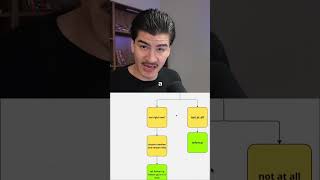
Yeah, you didn't have structure for either call. It was bad. It was not good. You're not closing any deals sounding like that. Zero. You're burning money right now because you don't know how to speak on the phone. I put a list of a couple things that you should have said on the call, but outside of all these things, you can just copy and paste and say it on the call. But if you're not following the right structure, you're not setting yourself up for success. So off the bat, when I started taking notes, the guy told you he wanted $270,000. Obviously off rip, when we don't have the property pulled up, we don't know if $270,000 is a good number or not. And what did you say right after? That's a good number. We don't know if it's a good number. We're investors. We want to lowball the fuck out of them if they throw a number out high, especially when you ask that, that question about what they want for the property in the first, what, like minute? Like, you didn't build any rapport, you didn't build any trust, you didn't ask the right questions about their situation, and you literally jumped into condition about a minute and a half in when that should be the least of your worries. 80% of the call should be talking about motivation, why they filled out the form, why they're talking to an investor, why they haven't reached out to a real estate agent? Why don't they just keep the property? Why are they planning on moving to Texas? There's so many things, there's so much ammo that you could have built up on that first call that you just completely overlooked, which is normal. A lot of people do it, but at the point that you're at right now, you should have this down. Then you said, well, I put don't agree, don't agree with them on this, on the first number that they give out, go deeper into the reasoning on why they want $270,000. Right? Is that because of money that he owes on the property? Is that because of money he's invested into the property? Is that because, uh, that's the money that he needs to move on to his next property? Like, there's a lot of reasoning on why somebody throws out a number. And in the beginning of the call, most of the time it's just going to be a number that they're magically thinking of, right? In the beginning, without them talking about their problems, without them talking about the condition of the property, without them talking about the reasons they're interested in selling, they're just going to throw out a bullshit number and then stick to that because, I mean, they don't know who you are. For all they know, you got a million bucks sitting around ready to buy any house that comes across. You didn't go into the deeper reasoning on why they're interested in selling. What does it look like if they sign today and sell today? That's a good question to ask to see what future objections they're going to bring up because you're literally telling them, hey, if— what does it take to make a decision today, right? Do you have to talk to a certain person? Do you have to sign some paperwork? Do you have to move shit out of the house? Do you have to get approved on another property? Are you already pre-approved? Do you already have a real estate agent? Do you already have the area that you want to live in in Texas? Do you Did you find the property already? Do you have a timeline on making an offer on that other property that you plan to move to? Because you don't want it to sell before you actually move, right? Who's in charge of making the decision? Is it the only guy? Is it his wife? Is it his whole family? Are the kids in college? Are the kids, you know, in elementary school right now? All of these things that make up factors on why somebody's going to make a decision. You didn't ask if they were able— available to speak on the property. Especially with inbound leads, we try to get to them as soon as possible, and most of them don't even know that we're going to call them under a minute. Right? Are you listening?
Yeah, yeah, Muslim.
Okay, yeah, most of them don't know, so they get caught off guard, right? Most of them are just fucking scrolling through Facebook or scrolling through Google or fucking whatever social media we're running the ads from. They're not expecting a fucking call. For all they know, they're sitting on the fucking toilet about to go clock into work. So asking that question in the beginning of the call, saying, hey, do you have time right now to speak over the property? Otherwise they're gonna fucking tell you 5 minutes into the call when, when you start asking hard questions, when you start asking questions that they actually have to think about a response for, they're going to say, oh I gotta go wash my fish tank. I gotta go pick up my kids from whatever, whatever, right? They're gonna come up with a reason, then you're wasting your time. To sign an agreement today before taking them through the step-by-step process. So you asked the guy, what would you be able to sign an agreement today? Like, yeah, you brought up some of the process, some of how your company works and the policies, but it was again all over the place to where it wasn't actually sectioned off., right? To where it's a smooth transition, letting them know, hey, what is the chance of you signing an agreement today? But you say that after you explain exactly how you work. So, hey, hey, Phillip, I think I got all the information that I need. Here's exactly how we work moving forward. So I'm going to take this file right now across the hallway to my finance team. They're going to go ahead and let me know if there's any other questions I should ask you about the property, about the numbers, about how much money you owe, about the closing timeline, just to make sure that we're all on the same page. Once I get that number back, an approval or a disapproval, we're going to let you know why. And then we're going to go ahead and get another call. If not, I can put you on hold right now and we can try to fast-track the process. Once we get that out of the way, I want to make sure that, hey, if I'm able to give you an offer that we both agree to, that you're able to sign an agreement saying, hey, we're going to purchase the property for this price, we're going to close at this timeline, we're going to work with this title company to make sure that, hey, you understand the whole process. And I'm obviously going to go through the whole agreement with you. Is there anything in the way of you making a decision today and putting that name on that piece of paper to say, hey, I'm interested in selling my house today? Is there anything in the way of that happening? So you gave him like a whole walkthrough. Obviously, it doesn't have to be verbatim like that, but you give them a whole walkthrough on what it looks like and you're kind of following up to that thing. You know, you're not just, hey, I mean, would you sign a contract today to sell your house? When you explained the process maybe 3 minutes ago, it's not smooth. Then why are they moving to Texas? Does the guy live alone? Does he have a family? What's the timeline? How long has he been thinking about it? What part of Texas? Like it's so much rapport, so many questions, so many reasonings that you could have gotten out of him moving out of state. Does he lose his fucking job? Is a family member dying in Texas? Is, I don't know, his in-laws living? Like it's so many things that you could have gone into to add that pain of like, hey, you got to do this, you got to do this, you got to do it by this timeline. You got to get this much money for your next property. Boom, boom, boom, boom, boom. You're adding all the reasonings and you're collecting ammo. So on that offer call, if he wants to come up and say, hey, I got to think about it, I mean, Philip, you don't really gotta fucking think about it because of this, this, this, this, this, this, this that you told me on the previous call. It seems like you honestly have to make a decision. I don't know how long you've been pushing it back. You told me you've been thinking about it 6 months. Why don't you just think about it for another 6 months and not end up moving, right? End up with this property that is clearly hurting yourself. So it's like you have the ammo to have that much confidence on the actual offer call, because right now, I mean, you could tell me this, I know the answer to it. On that first call, you didn't really much— you didn't really go under surface level as far as your questions, right? You didn't really get to understand Philip. You didn't get to really understand his problems, and you don't have much ammo to the point where the guy said, I have to think about it, and you just kind of had to take it. Like, you didn't have much to go back and forth with because you didn't really ask anything. You didn't really handle any future objections like the guy told you on the first call. Like, the first discovery call is so important because they're going to tell you all the bullshit that they're going to bring up on the offer call to not make a decision. He said he had to think about it. And then the lack of your— the lack of questions that you didn't ask Philip is the reason why you couldn't go past the 'I had to think about it' objection. In the first call, you need to get as much information as fucking possible about motivation, about condition, about pain points, about all these things to make sure that that offer call is going to be a close 90 I don't know, at least 50% of the time. Because from right now it sounds like— oh, and then you fucking try to pitch them a novation and teach them a whole novation course on the first call. These guys don't know what the fuck a novation is. Do you know what novations are? No, the guy doesn't know what a novation is. Come on, bro. Like, if anything, that's something you bring up on the sale, on the sales call. You don't bring it up on the discovery call because then you're confused.
How many calls, uh, Does it take you to close?
How many calls does it take me to close?
Yeah.
I mean, somebody that gets on a sales call with me is already— I got all the information that I need from them. I know the price point. I know what exit strategy I'm going to use. And I make sure that, hey, they don't have any objections, or if they do, I have all the ammo. So out of all the numbers, I mean, let me pull up my sheet. I think I'm at like 40-something percent. Where is it?
47%.
And that's inbound, so that's not outbound for the guys that are cold calling. Not the best, but I have a system in place. But yeah, I mean, the fucking— like, you're confusing.
I would say like the call, like how many cell phone calls, like how many times do I have to call Philip before, like, you know, after I build the report, after we got—
2 calls. It's, it's the first call where you get all the information you need, and then the second call was where is— where you're actually making the offer. Like, I would never do a one-call close like I think you were trying to do because you're giving yourself 2 minutes, especially when we're doing inbound and it's the first time you're doing virtual. You don't know these markets like the back of your hand. I agree. You haven't closed deals in these markets, so you're literally giving yourself such a high chance of failure because you're only giving yourself 2 minutes to underwrite. So normally you ask all these questions, you get all the ammo that you need, then you let them know, hey, when is a good time for me to call you back to introduce the offer? Because again, 2 minutes, it doesn't seem like that solid of an offer to the seller. Yeah. In my opinion. Like, oh yeah, this guy asked me all these questions and the underwriting team in 1.5 minutes gave me this offer. Like, that doesn't really sound too solid. In my opinion. Some people get away with it. I don't recommend it. And then when you're asking about the condition, you ask them 2025 standards. Most people don't know what 2025 standards are. We look at properties every single day. We look at 10, 20, 50 of them a day. These people don't. These people sell a house maybe 2, 3 times in their whole lifetime. So letting them know, hey, what does 2025 standards look like? Brand new countertops, brand new fixtures, brand new bathrooms. New windows, blah, blah, blah, blah, blah, perfect condition, right? To the point where, I don't know, the president will want to, uh, stay a night there. And then you got the year that they bought the property. Maybe they have owned the property for 20 years. Does it still look like the exact same condition in which they bought it 20 years ago? Is it the same fixtures, the same kitchen, the same bathrooms, the same thing? So then you're giving them a spectrum on what their answer is going to be instead of like, hey, is it brand new or is it not? Which most people are going to lie about it anyways. How much do they own the property? That way they know exactly how much they're going to walk away with. And then on the offer call, let's say they owe $150,000 and you offer them $180,000, they're going to be like, "Oh yeah, I'm only going to walk away with $30,000. I can't buy a new house with that." So, you get that out of the way on that first call to make sure you have all the information you need. How much do they own the property? They don't really care that you do fix and flips, you rent out properties. All they care about is Does your process help them in their situation? Yeah, I mean, if you see that, let's say this is maybe the fourth lead in a market and you kind of understand what values are, bring that up. Hey, why haven't you thought about selling with a real estate agent? I'm familiar with the area. Last property I bought was almost for half what you're asking for. Honestly, I think the condition is great. Why don't you sell it with a real estate agent? Why haven't you done that? Have you gotten any other offers from investors? The same thing. That's something you should have asked Philip on the beginning of the call. I mean, they're filling out these forms. Hey, hey, has any other investor reached out to you? Have you gotten any other offers, right? Is this the first— am I the first investor that's going to give you an offer? Because then from there you can see, hey, what are these other guys offering? Why haven't you made a decision? Why did you say no to the other guys, right? How negotiable are they about the prices? Uh, would they be open to having a conversation if the offer is under $270,000, which is what Philip was asking for? And then you brought up that, hey, yeah, I'm— no, I'm this and that. I can put up huge EMD and make sure you're solid. No, we don't want to do that. That shouldn't be a selling point. That's kind of all the notes that I took from that call. I know, Josh, I cut you off. You wanted to say something? Oh no, I didn't. I was just saying, like, I think he meant like how many calls you do to close. Yeah, it's 2 calls, but obviously not everybody's going to close on the first try. Like some people will have to take 3 days to make a decision. Some people are going to have to talk to their attorney. Some people are just not ready to sell for so low. So it takes a week of follow-up, 2 weeks of follow-up, a month, 2 months, 3 months. Not everybody's going to be a same-day close. Yeah. Yeah. I know that was a lot, Abraham.
No, you're good. No, no, I like it, I like it, I like it. I'm not trying to be like, oh yeah, I don't get into this, so it's good, you're good.
Yeah, I'm not, I'm not trying to be a hard-ass.
No, you got to do— yeah, do what you got to do. I got to get it, I got to get it right, I got to get it right.
Yeah, yeah, yeah. Maybe could you like explain like Novation a little bit, like how you would go on about that? Um, and that call, you keep it simple for the seller to understand but also make it simple for you. If it's a market that I'm already, um, pretty familiar with to the point where I hear $270,000, I'm like, all right, this guy's fucking smoking dick. There's no way I'm buying cash the property for $270,000. I would say, hey, literally what I said, hey, I mean, I'm very familiar with the market. I purchased the property not too long ago for about 50% of what you're asking for, and unless this property is a 10 out of 10 condition to the to the point where I would, I don't know, whatever, whatever example you want to give. I don't think I'm going to be your buyer for this one, right? I'm a cash investor. Have you gotten any other offers close to that $270,000 number? So kind of bring them to that point of realization of, hey, $270,000 is way too fucking high, right? But then you also want to confirm that, hey, the condition doesn't match that $270,000 number. So from there, again, I wouldn't do this on the first call unless I'm already familiar in the market. Normally I would do this on the second call. Where I would lowball the fuck out of them with the cash offer and then let them know, hey, that's where I would be at, that's where majority of the investors locally would be at. And normally I offer higher than most of them. So have you reached out to a real estate agent? Have you done this? Have you done that? What are the next steps moving forward if you don't want to sell to this price? Okay, because I have this other strategy that we like to use on properties where, hey, we're not necessarily able to buy them for cash just because if It's outside of our buy box, but if you're willing to sell for this much and you're willing to take a little bit longer and we still cover all the closing costs, we're still pretty much acting like the buyer and you get all the benefits of it except you get paid out more. Are you willing to wait a little bit longer for this property to sell for that price that you're looking for? If so, we have this different process and you can call it, I don't know, the Network Investor Program or the— I don't know, you can make up whatever name. And then let them know what are the benefits and pretty much, hey, It's the exact same process except I'm not buying it, but you're getting the price that you fucking want. Because if I'm buying it, you're not getting the price that you want. And just kind of revisiting motivation, let them know, hey, honestly, this does work better for you and you get to walk away with more money and you get all those same benefits. Right, cool. Yeah, but unless, unless I'm local or like I'm knowledgeable enough in the market, I would never bring up on— bring it up on the first call because they're expecting from the ads, either if you're doing PPC or Meta ads or whatever you're doing, they're expecting a cash offer. So for you to come in that first conversation 5 minutes in letting them know, hey, I'm not going to give you a cash offer, but do you know what novations are? It's like you're already fucking confusing them in the first 5 minutes and it's not— it doesn't correlate with the message that you've been— that is the reason why they're there on the phone with you in the first place. You know, it's like some guy trying to sell you a shoe and he's like, oh yeah, What about socks? You ever thought about— it's like, oh, I'm not going to sell you a shoe, but socks, man. I mean, your socks got holes. It's like shoes, not socks. Weird example, but I hope you get what I mean.
That makes sense.
Yeah, and I would split them up. Yeah, especially now where you still haven't done virtual. I've got a question.
Split them up. So how long would you think, like, your discovery call, how long should that be?
It depends, right? Because some people are going to be super open. Some people are going to be kind of closed off and kind of standoffish. So obviously, I'm going to tell— I'm not— I'm going to be lying to you saying, oh yeah, take 45 minutes on that call with the standoffish guy. The guy's going to hang up on you before it even passes 15 minutes. So for guys like that, obviously it's going to be a shorter call, like 7 minutes, 10 minutes, max 15 minutes.. But for a guy that's open, where he's giving you stuff to feed off of, and then you're taking the call wherever you want it based off the information he's given you, obviously those calls are gonna be 20 minutes, 25 minutes, 30 minutes sometimes. And but also don't just drag out the call just to meet that criteria, right? If you got all the information you need, you got all the ammo you need moving forward, you know it's a good deal, they're on board, they're on the same page, they are damn near qualifying themselves to the perfect prospect that is going to work with our process, you don't need to take that long. It just depends. So to give you an average, it'd probably be like 10, 15 minutes for the average lead. But yeah, too short is not good. Too long can be good, but also depends on the person. Some people will sell in 10 minutes, some people will sell in an hour. So it's just kind of figuring out where they're at, where their goals are, and how you can help them. Pretty much. What else you got?
So basically, essentially, just dig deeper on why they're looking to sell, stuff like that, and build structure around, you know, the intro, the, you know, fact-finding part and everything like that.
Yeah, pretty much just— I'm not saying, oh, you got to say this word for word verbatim, but it's like, here's an outline for it, and there's a reason for that outline. And if you follow that consistently, then you have a scalable process. Because if you're just freestyling on every single call, it's like, yo, Jay, why am I not closing? And I've gotten 20 leads. It's like, yeah, bro, because you're saying something different every single call. So I can't pinpoint where the problem is at. Is it your offers? Is it your introduction? Is it how you're asking questions? Is it your lack of questions? But if you're following the exact same process, then we can say, all right, the problem isn't the discovery call. The problem is the way you're making offers. It might be the underwriting process. So that's where we can pinpoint exactly where the problem is at. But if you're freestyling it, we can't. It's just kind of like, yeah, you don't sound good. And that's something that takes practice. Set in stone. Yeah. Joey, any feedback for Abraham? What'd you think of the call? Anything I didn't add? I had confidence there. Like, all it is is obviously just getting in the process and realizing that they don't give a fuck about most things that, like, you would think would matter. Like, explaining things to them, they don't really care. They just want their money and to sell their house and move on. So like remembering that to keep things simple and to focus on why they're wanting to sell and why they're wanting to sell now and where they're wanting to go. Like what's, like what's so good about that, that they're wanting to sell their house and up and move in 30 days. Especially if they're inbound. I mean, if they're inbound, dude, they have a reason. They have a reason. It's your job to find out what it is. And even with cold call, if they're willing to hear you out some of the times, like, and they get called a lot, I mean, there's possibly some pretty decent motivation there too. You just got to uncover it. Yeah, but for PPC, or you run PPL or PPC? PPC. Okay, then yeah, they definitely have a reason, you know. They're reaching out to you, they're looking it up, they're typing letter by letter that they want to sell their house. Yeah, I think you have the tonality down, which is the hardest part. Most people, it takes fucking weeks and hundreds of calls to get this tonality down. You have that down. All you need is just to ask the right questions and you're going. Bet. Let's do Alaya. Pretty sure I said that wrong. You want to—
my bad.
Yeah, it's Aaliyah. It's okay. All right, Philip, you ready?
Yes.
Go.
Hey, Phillip.
Hey, who's this? Hey, Phillip, this is Leah. I was just calling about that property on 123 Main Street.
Is it for sale? I've considered it.
Who's asking? Well, I'm an investor and I buy houses as is, and me and my team are looking for our next project. Do you have a couple of minutes to speak about the property?
Uh, yeah, what you want to know?
Well, I'd love to know the story behind the, um, situation and see how I can help you as a person. Um, how long have, have you been thinking about selling it?
It's been in the back of my mind for a couple months now.
Okay, and are you currently living in the home? Uh, no, it's a rental. Okay. Um, what's made you thought about it? Is it just repairs, financial burden, just you just want to get rid of it, got something to do?
I'm getting older, so I really just don't want to keep any of my rental properties anymore.
Okay. Um, sometimes keeping up with repairs can get overwhelming. How long has it been since anything major has been taken care of?
I mean, everything major is fine. I replaced the window units not too long ago.
Okay, and like roofing, HVAC, plumbing, anything, any issues that a new buyer would maybe have to deal with right away?
Uh, yeah, the roof needs replacing.
Okay, um, and how quickly were you looking to get this pressure off of you?
I mean, if I got a good offer, I would be able to sell as soon as possible.
Okay. Is 30 to 40 days something you'd be looking forward to?
Yeah, that would work.
All right. If I could— if I could cover closing costs and buy the home as is, what number would you feel comfortable walking away with?
You come back with the number and I'll tell you if it's good.
All right, and are you the sole decision maker in, you know, this home being sold or not? Yeah. All right, um, you don't have like a ballpark, an asking price, just something you feel like you can be comfortable with so that I can, you know, gauge and see if we can be a good fit?
I mean, no lower than $75,000.
Okay, what made you get that number? Just, I know what it's worth. Okay, is that including all the things that need to be taken care of, or just you just know what it's worth? Yeah, I think you, if you fix it up, you could definitely get more for it. Okay, well, just so that we are on the same page, my offer does value the cost and the condition of the repairs. So it won't be that original price you might be adamant on, but hopefully we can come as close as possible to that number you are looking for. Um, what's the best contact information for you?
Uh, you can just call me back at this number.
Okay. And, um, is less than an hour okay, or you want to push it off to tomorrow around 1? Oh yeah, anytime works. Okay, well, I'm gonna call you back. I'm gonna shoot you a text from my personal number with my information and my business information just so that you know it's me calling. And, um, the next time we speak, I'll definitely run you the numbers that we came up with and see if we are a good fit to move forward.
Is that okay with you?
Sounds good. Okay, perfect. Well, thank you for the time that you took to speak with me, and I will call you back as soon as I can.
Bye. It wasn't bad. It was just too, too short. Like, tonality is good. You have like a customer service voice, which is cool. You just missed out on a lot of stuff that you could have asked, like kind of the same way that I told Abraham. Like all these things that he could have asked, you could have asked literally all of those, which I'll actually copy and paste those into the chat because you guys can't see my screen. This is all the notes that I took from Abraham on stuff that he could have said. You could literally ask all these questions and get way more information. You went super, super surface level. Surface level, you're going to get surface level answers and you're not going to have many ammo to go back and forth on objections about. So right now, Phillip could have said, let's say you come up with a random number around what did he want, Phillip? $70,000? $75,000, yeah. Yeah, let's say you came back at $65,000. The guy doesn't really know you, doesn't really know what you do, doesn't really trust you. You didn't get into his specific situation and why he's interested in selling the property. What happens if he doesn't sell the property? Why doesn't he put another tenant in there? Why doesn't he fix the property himself? Why doesn't he reach out to another real estate agent and list the property? What does the tenant situation look like? How's the relationship that he has with the tenant? How often do they pay? Do they pay on time? One thing Joey would say is, how does that make you feel that they pay on time or don't pay on time? Like, there's so much more that you could have gotten out of the call. And obviously not everybody's going to be open to answering all those questions, but being more indirect about it gets them to open up. That's one thing that I wrote down for you is you're being too direct in the beginning in a way of you're literally telling them what answer you want to get from them. So you're like, you're keeping the call on this one track and not giving them any options to go off track. The way— the reason we want to give them options to go off track is for them to disqualify themselves, right? He said, yeah, I mean, you could get way more money for the property if you fix it up. A beautiful question to ask after that is, hey, why don't you do that yourself and get more money for the property? What's holding you back from doing that, right? How much— are you making a profit every single month? What was the goal of buying the property as a rental property in the first place, right? Was it that? Are you achieving that goal? I mean, are you tired of being a landlord? Is this the only property, the only rental property that you have? Do you have a property management company? Are you doing all the work yourself? So it's like all these questions that could have gotten deeper into Philip's situation to understand, all right, how motivated is this guy, right? Will this guy just tell me to fuck off after I lowball him, or will— is he willing to have a conversation? When he told you he wants nothing under $75,000, let him know, hey, I'm not too familiar with that specific neighborhood. I've bought a little bit outside of that zip code, but if we're— we— let's say for an example, I came under $75,000, would we be able to have a conversation, or are you just going to tell me to fuck off? You don't have to say it that way, but something along the lines. And when you're asking the questions, you brought up certain keywords that I would tell you, hey, burden, motivation, pressure. These are things that I would tell you to indirectly mention on these calls to get that answer out of them, but not say it on the call. I wouldn't tell Phillip, hey Phillip, what's your burden with this property? What's your motivation? What is the pressure that you're currently going through to sell the property to me or to want to sell the property? It's like, I don't know, it's like, I don't know, you fucking go into a car dealership and the guy, and the guy tells you, what's the top dollar you want to spend on your car? Which is a good question, but it's like, all right, bro, like, I don't know why, how would I word that example the right way, but you're being too direct. You're being too direct to the point where people feel almost taken advantage of when you say things like, what's the burden? Like, what's the lowest amount of money you would take for the property? What is the pressure that you're currently going through? You want to ask those questions indirectly, like, hey, what has you thinking about this property? You've been thinking about 6 months. Why haven't you sold yet, right? Is it because of the price? Is it because something you're currently going through? Is it because the tenants are still in the property? Are— I mean, do they plan on vacating the next— anytime soon? Are they month to month? Are they on a yearly lease, right? Are they currently working? Like, all these questions to get more information, get deeper level, and really understand what they're going through and see how you can help them. Went directly into condition instead of motivation. Yeah, you went too soon on condition. Condition should be the last thing you should worry about. 80% of the call should be about motivation, about what they're going through and what the goal is, and see if we can get them to that goal. When the guy brought up, when Phillip brought up, yeah, I don't want to tell you, just give me a number and come back, you can say something like, hey, I don't want to waste your time or ours. Normally we're able to offer a lot higher on properties, based if you give us a ballpark, right? If you give us a specific number that you're looking to walk away with, you said you've been thinking about this for 6 months. I don't want to take any longer and I don't want to waste my time to say, hey, we're going to come back at that, we're going to come back at $30 grand. So I wouldn't want to waste my time doing that. So kind of let them, letting them know why you're asking that specific question. So then they're going to be more open about it. And most of the time they will be. Or just asking it in a different way, which I believe is what you did. And that's why Phillip gave you that $75,000 number. Why don't you just fix it up yourself and get more money for the property? I already said that. Tenants, payment dates, keeping the property, like giving them all these options to disqualify themselves because that's going to come up in the future if it's already in their mind. We want to make sure we get all the future objections out of the way on that first call. And objections are, hey, I need to think about it. Hey, I'm just going to keep the property. Hey, I'm going to wait for a bit or for a higher offer. Like get all these things out of the way. That way, hey, you're coming into the call confident to make that offer because you know they're qualified for your service. This.
Okay, does that make sense? I realized, I realized some of my, um, motivation probing questions kind of lead into condition. And like, I realized that like, if they are kind of like, don't really seem like they care about my like questions to see if like outside of anything else, I kind of just go into condition and see if that might be a reason to get them, you know, But yeah, I mean, there's going to be times where you're— go ahead. If they're like kind of off-putting, then I kind of get nervous and just go straight into like if conditions or—
I mean, you don't have to get nervous. You're going to freeze up sometimes. That's just the name of the game. You can go into condition because those are, I mean, pretty easy questions to ask. And then you can circle back on the motivation based off the questions that you ask them from condition. So let's say they tell you, hey, I haven't fixed up the property at all in the past 6 months. Okay, I mean, what has led to that? I mean, is the property in perfect condition to where it's like, hey, if it ain't broke, don't fix it? I mean, are you planning on getting the most money for the property? You just want a quick sale? Like, from there you can kind of backtrack on motivation. But because let's say you ran out of things to say based off direct motivation, you know what I mean? Yeah, definitely. And then based off— yeah, it was just really short. I would say only transition into the pitch, which is explaining how our process works, right? Explaining all the benefits of our service. You need to be somewhat confident that they're already qualified for that, right? If let's say they say, oh no, I want to get top dollar. My property's in perfect condition. I want to sell I don't care what timeline I sell the property in. I don't care if I sell maybe 6 months from now. Clearly this person isn't motivated. Clearly this person is probably not going to take an offer that's 50% of the actual property's value. And there's not much value for an investor to come and buy the house, put money into it, and make a profit. If the property's already in good condition, there's nothing to really add on our end. So in that case, you wouldn't really transition to, hey, this is exactly how we work, because it doesn't line up. Right? The same way, if you're not thirsty, why would I try to sell you a bottle of water? If they're not going through a situation where we can help them get out of it, why would we pitch them our service? They're just not a good fit. So what you do is say, hey, normally we don't focus on properties that are in perfect condition or that, you know, need to buy— need to sell their house fast. Do you have any other properties where, hey, that would fit the criteria? Maybe it's an ugly house, maybe it's a house you don't want anymore, maybe you know somebody that wants to sell their house quickly and not necessarily get top dollar for the property. Money because they're going through a specific situation. Do you have that?
No?
Okay, perfect. No worries then. You have a great day. Like, we don't want to waste our time with people that just answered our call and are interested in an offer, because then we're going to waste our own time when we could be talking to somebody that's already motivated and willing to answer our questions. So when somebody is super off-putting or super short, you can just call that out. Hey, I mean, it seems like you're not super serious about actually selling the property? I know you told me 6 months, but I mean, man, it doesn't seem like you want to answer any of my questions. The reason I'm asking you these is because we want to get as much information to make sure we give you the highest offer possible. Okay, it doesn't have to be as long-winded, but yeah, call that out. If somebody's being short, not answering your questions, it just mostly means that they're not serious. And if you don't call that out, then they're going to say, okay, I can get away with this on this call, therefore this person is going to go run the numbers because they need me more than I need them. You want to make sure that you're on the exact same pedestal. So I believe you said, thank you so much for taking my call today, or taking the time. You don't want to say stuff like that. Obviously you want to be nice, you want to be customer friendly, but you don't want to put yourself lower on the pedestal because at the end of the day, we're the investors, we're the guys with the money, we're the guys that's helping them solve a problem. So we want to make sure we're on the same playing field, if not a little bit higher. All right. A little— it's gonna be a little bit harder with outbound marketing, um, because obviously we're calling them, we're catching them off guard versus the leads coming to us. Obviously there's a little bit of an imbalance there, but on the call, you showing your expertise, you asking the right questions, you let them know how we can add value to their life, that lifts up your pedestal to the point where, hey, you need me more than I need you. And then have— also having that mindset is going to give you more confidence when giving these lowball offers. Reverse. Because if you're coming at it from a perspective where, hey, I need this deal, hey, if this, if this guy doesn't sign the contract, oh, I don't know what, I don't know where my lead, next lead is going to come from. And people will be able to read off of that. People will be able to hear that from you. It's called commission breath. You never want to have commission breath. You want to come at it from a point of detachment to the point where you don't need the deal, right? You're here solving a problem. They don't have a problem to solve, you can't help. Come on to the next lead. Okay, thank you.
Cool.