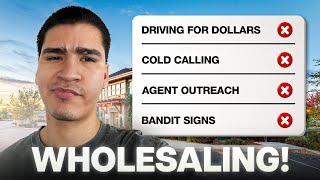
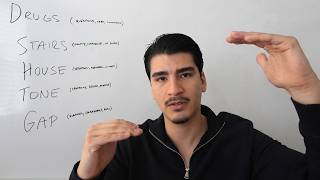
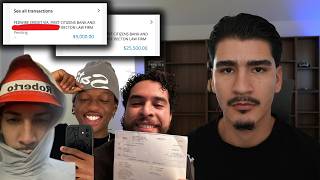
In this instructional YouTube video, Jesus Gabriel Mendez shares the hard‑earned lessons from six years of wholesaling and over 100 closed deals. He outlines concrete dos and don’ts for beginners, covering: (1) using lawyer‑drafted contracts with no earnest money and a 30‑day exit clause; (2) partnering with a local title company to legitimize virtual transactions; (3) being completely honest with cash buyers and evaluating deals from an investor’s perspective; (4) structuring deals so both seller and buyer profit; (5) tracking key performance indicators (KPIs) such as cold‑calls, offers, and contracts to run the business on numbers, not hope; (6) mastering a single marketing channel before adding others; (7) rigorously vetting buyers (proof of funds, entity, purchase history, goals); (8) protecting deal privacy by avoiding public address posts and using strategic Facebook promotion; (9) maintaining consistency, avoiding complacency, and continuously raising income minimums; and (10) offering one‑on‑one coaching via Instagram. The video blends personal anecdotes with actionable checklists, urging viewers to adopt disciplined, data‑driven practices to succeed in wholesale real estate.
Chapters
I've been wholesaling for the past 6 years. I've closed over 100 deals at the age of 20 years old. I've bought all my dream cars, lived where I want to live, being able to take care of my parents. Here is the dos and don'ts of wholesale real estate so you don't make these mistakes that I did and go lose deals, go lose money, go ruin your name, go ruin relationships. Pay attention. Contracts, you need to use the right ones. Mine are specifically written up by a lawyer. They're very simple, right? You don't use earnest money, you have 30 days to back out. Those are the main things you want to have in there. You want to have the time to go and actually find a buyer. You want to have the contingency of being able to back out of it and not have to go through with the deal or not have to pay up earnest money if you can't find a buyer. Those are the main things. Also, you don't have to put up earnest money. If a seller tells you, let them know, hey, I have a network of investors, I'm able to assign it to somebody else and they can go ahead and put up the earnest money so you know you feel safe. Title companies, always use a local title company to the seller's location. Since we're doing virtual real estate, let's say we have a seller in Louisiana, we want to go ahead and find a title company in Louisiana. That way, once the contract gets signed, they're able to go into a brick-and-mortar establishment and talk to a title officer, talk to a secretary, and be able to legitimize it for themselves to say, hey, this is actually happening. This is a real transaction. I'm not getting scammed. Another thing, Do not lie to cash buyers. You will ruin relationships. Nobody will trust you. Nobody's gonna be interested in the deal if the numbers don't make sense. And it all comes down to knowing how to run the right numbers, knowing what investors buy at. And you can filter all these mistakes out by just being the investor. How does the investor buy properties? What does he look at? How much does he want to make on each single property? So if you look at a deal from that standpoint when you first lock up the contract, you're not gonna have an issue selling it because you're already thinking as an investor. Right? The goal is for the investor to make money and the seller to walk away from their property. If you can fix those two things, those two problems, and you provide value, you're able to get paid. So do not lie to investors. If the numbers don't make sense, go back and renegotiate the deal with the seller. Another thing, make sure everybody wins. I already mentioned that. Sometimes the seller is not going to make money on the deal. That just happens, right? But if the investor is not going to make money on the contract, he's not going to buy the property. And if he doesn't buy the property, you don't get paid. So the seller must be happy, the buyer must be happy. If those two are checking off the list, then you will get paid. Another thing, please don't run your business off hope. Don't run your business off, oh, I hope this marketing strategy works, or I hope I talk to enough people. No, you need to track your numbers. You need to track KPIs so you know how much money you're going to make next week, how much money you're going to make next month. And the only way you're able to do this is by tracking your numbers. How many people are you talking to a day? How many offers are you giving out a day? What is your close rate, right? What markets are you in and what markets have performed the best? What type of seller always sells a property to you? What type of investors are buying from you? Are they buying multiple properties or they only buy one and then ghost you, right? You need to keep track of all of this so you know you're not running your business off hope. Me, my KPIs are around 70 cold calls, 70 to 120 cold calls. I get 3 offers sent over. Out of those 3 offers, I get 1 contract. So I know if in the span of a week I talk to over 150 people, I will at least get 1 contract. So that's how I know I can run my business off numbers and not hope. Another thing, when you're starting off, do not run multiple marketing systems. If you run— the same thing that I tell everybody, do one thing the right way. Do cold calling the right way. Do direct mail the right way. Do PPC the right way. Run campaigns the right way. Door knock the right way, drive for dollars the right way, even though those aren't the best. But focus on one marketing strategy, master it, and once you are good with that strategy, you can go ahead and find a different one to surplus, to add to your business, right? You can't start off with all of them trying to put, oh, I'll only put $5 a day on these campaigns, and I'll only make 10 cold calls a day, and I'll drive for dollars for 10 minutes. You're not going to get any result. Do one thing the right way and you will make money. Another thing, once you have a contract, do not send it out to half the population. Especially on Facebook, there's a lot of people that will try to steal your deal. There's a lot of wholesalers that claim to be JV partners, claim to have buyers, or claim to be buyers themselves to try to take that deal, go behind your back, and go lock it up with the seller for a higher price. You don't want to lose your deals that way. I've lost many of them. Make sure you vet everybody. How much money do you have? Show me your proof of funds. What's your buying entity? What's your signing rep? When was the last property you bought? Where was the last property you bought? How many properties are you flipping in a month? How many properties are you flipping in a year? What is your investment goals? You have to ask all these questions before you give out your property. How hard did you work to get that property under contract and you're just going to send it out to half the world? And then another way, I see a lot of you guys posting your deals on Facebook with the address. What are you doing? You need to post your deals on Facebook very strategically. That way, You got to think, most of our sellers, they're between 40 and 60. These people are not on Instagram, they're not on Snapchat, they're not on TikTok, they are on Facebook. So imagine them opening up their phone, scrolling through Marketplace, and then they see their property there. They're going to cancel the contract and cuss you out. We don't want that to happen. Vet the buyer, run your numbers, run your business off numbers, not hope. Track KPIs. Make sure you're practicing your script. Make sure you're learning and evolving at all times. Make sure you're consistent. Once you close the deal, do not get comfortable. That was something that happened to me. I would get comfortable and blow all my money. And when I didn't have money, that's when I would go back to wholesale. Don't do that. Be consistent. Make sure you raise your minimum. Let's say you're making $10K a month right now. Your minimum should be $10K now. So if you make $10K, you're poor, right? It might sound crazy to think about, but that's how you reach up on your goals. That's why— that's how you move up on levels. Right now, if I'm making $20,000, $30,000 a month, I feel poor because that's my minimum. I don't want to be at my minimum. I want to be at my maximum. Right. Those are the best dos and don'ts. If you want me to teach you one on one and show you how to do the business, just click the link below. That's my Instagram. Follow me, DM me, ask me any question, and hopefully we'll work together if it makes sense. If it doesn't, don't hit me up.