
50 Years of Emotional Eating Ended at 60 - Rachel's Life-Changing Bariatric Story
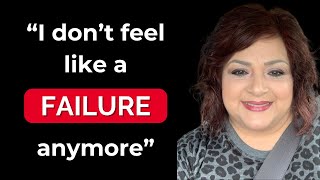
In this client‑success interview, Jessica Lawson, founder of the Bariatric Success Academy, speaks with Rachel, a 60‑year‑old hairdresser who has struggled with emotional eating since age ten. Rachel underwent gastric sleeve surgery in 2018, experienced an initial "honeymoon" weight loss of about 50 lb, then faced weight regain and renewed emotional eating. Through the Academy’s program, she adopted mindset‑focused strategies—such as the STOP method, pattern interruption, daily intention setting, meal‑prep, and consistent hydration—reframing food as fuel for her "Maserati" body. These changes led to measurable health improvements (A1C dropping from 12.1 to 5.8), increased energy, better sleep, and reduced reliance on medication. Rachel also transformed her family’s eating habits, influencing her husband and grandchildren toward healthier choices, and shifted from an all‑or‑nothing perfectionist mindset to sustainable daily habits. She reports non‑scale victories like better‑fitting clothes, improved mood, and confidence, and expresses optimism about maintaining these changes long‑term. The interview highlights emotional triggers, practical tools, health metrics, generational impact, and the psychological shift from self‑criticism to self‑compassion.
Chapters
you had been struggling with emotional eating specifically for 50 years. You were 10 years old.
Yes. That's how I've always pretty much handled my stress is eating. I've always said the only way I'm not going to eat is if I have a near-death experience or lose somebody that's very, you know, close to me. I decided to have the gastric sleeve in 2018. All of a sudden, you know, all those old habits started creeping in. Panic started taking over and I began emotional eating again. My biggest thing is always putting others first. It's been great for me to, to put myself first this time and learn a lot from the program. I don't feel like a failure anymore, which is what I was feeling like after regaining half of my weight back. My A1C has gone from 12.1 down to 5.8. And my doctor's really happy about that. And so am I. My body is a Maserati and I'm going to fuel it with the top-grade gas so that I can go longer and get the best use out of it. And that's how I try to think now. It's not always perfect, but it's much better than it was before. I no longer think that it's selfish to take care of myself. I was always scared and I'm not anymore. It's strange to say that. That you're scared about food, but it can be a scary thing because food is an addiction. It's just a matter of controlling it. And like you say, I know I will be able to control it. I would say this is the best investment you can make in yourself to help you long, long, in the long term, all for the rest of your life. If you're watching this, you deserve this. You deserve to love yourself and to be happy in your own skin.
Hi everyone. I'm Jessica Lawson, founder of the Bariatric Success Academy. And today I'm joined by Rachel, who's experienced a truly incredible transformation through the program. And we're going to be diving into her journey from the struggles she faced before joining us to where she is today. So Rachel, first off, thank you so much for doing this client success interview and for sharing your story with us too. And I know it's going to be really inspirational for others who might be facing the same exact challenges. So Rachel, can you start off by just sharing a bit about yourself, like your, your background, maybe what you do for work, your family, and like what your biggest struggles were before we started working together?
Okay. My, I'm 60 years old. I've been at my job for 41 years. I'm a hairdresser, so I have a very hectic, busy schedule. And I have 2 children, a son and a daughter, and 2 grandchildren. And my, my biggest thing is always putting others first. So it's been great for me to, to put myself first this time and learn a lot from the program.
Amazing. And how would you say your work has affected your health journey? Like, I know one big thing that we've talked about a lot is the fact that you're on your feet. All day long. Like, how were your physical struggles, especially maybe like with different parts of your body, like affecting your ability to work and just enjoy life?
Um, when I first started the program, I had just found out that I had to have, um, a repair on my meniscus. I tore my left knee meniscus and I was so upset because I had really looked forward to the program and I kept thinking, how am I going to do anything? How am I going to exercise? How am I going to, you know, be able to focus on that when I'm stressed about not working? But I did. And I had my surgery, everything went well. And Jessica, you helped me so much along the way with that. And I was positive about it. And now I'm able to walk and even do squats a little bit and Everything's been great since then. But yes, long hours standing with my arms in the air. So I literally have a lot of problems with my joints and bones.
Gotcha. And, and like I said before we started this call, I watched our very first call together like earlier this morning. And something that really stuck out to me as I was taking down some notes of things that I wanted to talk about during this interview was Um, just the fact that you had been struggling with emotional eating specifically for 50 years, right?
Yes.
Basically since you were 10 years old, which, you know, I talk to women every day and there's thousands of women that have struggled with it for that long. And, you know, after you had gastric sleeve surgery, Um, you know, a quote that I saw, uh, or that I wrote down from our call was you specifically saying, I never thought I would have a part of my body cut out just to deal with regain.
Yes.
So can you paint a picture of like, what did your experience with that look like in your daily life and how did it impact you emotionally?
Well, I decided to have the gastric sleeve in 2018. Did great, just like they said, the honeymoon phase, the whole first year. I dropped quite a bit of weight. I think like 50 pounds and I was pretty close to my goal weight. So whatever the doctors say is your goal weight, but I was feeling good and then all of a sudden You know, all those old habits started creeping in. Panic started taking over and I began emotional eating again. That's how I've always pretty much handled my stress is eating. I've always said the only way I'm not going to eat is if I have a near-death experience or lose somebody that's very, you know, close to me at that time. But through the course of the program, I've I learned how to deal better with my emotions and how, um, just not to beat myself up and have, carry the guilt of, you know, eating an unplanned meal. And I, it has helped me a lot, tremendously. Just every day when I wake up, I think of my intentions for the day, jot them down and focus on that for the day, along with my water and my protein and It's, it's worked out perfect for me. Something so simple you wouldn't think, but it does.
Yeah. It, I think a lot of people, a lot of people come into the program assuming it's going to be just about weight loss and that's right. And it's kind of the complete opposite where it's much more centered around mindset, habit building. And I think that— sorry, go ahead.
Exactly. Yes. I'm sorry.
Yeah. Um, and I think that's kind of one big differentiator, uh, and between really like what a lot of people come into the program doing in the past, which I know, you know, when we talked our first time, It sounded like you had tried a number of things to address the emotional eating, like books, online courses, like you went to Weight Watchers, but like, why do you think that none of those programs or any of those solutions, like why do you think those didn't create lasting change?
I think because they're not tailored with, um, somebody who has had bariatric surgery. You think that when you're having it, it is going to solve all your problems, but it doesn't. They do surgery here, but not up here. So I think the method in which you have taught me has made a big difference. It makes you really step back and think about things and how You have to show yourself grace and you can't take one meal as a total mess-up and just throw in the towel and go on a binge like I used to do. It's helped me. It's helped me tremendously in forgiving myself if I have something that isn't planned, but I want it. I just know that the next meal I need to really focus on my goals again and myself, mainly my health and myself.
Yeah. And I think it goes back to the whole, like, I'll start again on Monday.
Yes.
Or, you know, next week or next month. Um, and, and I know you had followed me for a bit on Instagram before we connected and like what specifically resonated with you about maybe like what I was posting or like what I was talking about?
I would say the whole idea that they do surgery, you know, on your stomach, but they don't teach you how to deal with your emotions and why we go back to eating to soothe ourselves when things aren't good and we have a lot of stress in our lives. And by breaking it down piece by piece and looking at the whole picture that way, it's made a big difference. For me.
Awesome. And when you first joined the program, or maybe even before joining, like, were you skeptical about anything? Because I know like a lot of people, if you're regaining weight, you've tried everything, right?
Right.
You're like, this is just another program. Like, what's going to be different? So I'm curious, like, did any of those thoughts cross your mind or like—
Oh yes, they did. Yes, they did. And I said, "Here we go again." But I said, "You know what? What have I got to lose? I'll just gain more knowledge that will help me." Yeah. Especially because I'm trying to get off most of my medications for diabetes. And since starting the program, my A1C has gone from 12.1 down to 5.8. And my doctor's really happy about that, and so am I. I feel so much better. And I know that when I don't eat, accordingly to that, I feel lousy. So that's what I'm trying to keep in mind. And it's not only helped me with that, but just everyday life struggles that we all, you know, life is like a roller coaster up and down. And it's just a matter of how you manage it.
Did you say 12.1 or I thought it was 6.1?
No, it went, it was 12.1. It went down to 5.8.
Oh my gosh. Okay.
Yes. That was, that was in January, right after the first of the year. So of course, you know, we had all the holidays and I'm like, that's not fair, but yeah, that's, I had my, yeah, it is big time.
So that's, yeah, that's amazing.
Okay.
And, um, when we first talked, you were really clear that you needed someone to help with accountability.
Like, yes.
What made you realize that you couldn't do this alone anymore?
Every time I would start, I just would go back to my ways. And then I finally, um, my husband likes to eat. He's a foodie and he does not have a weight problem. Um, so I told him that I, you know, I really need your help. I need you to think about this. If you were in my shoes and how you would feel, you know, we don't need to eat out all the time. We need to stay home. Not only just because you don't have a health problem now doesn't mean you can't get one. So he's, he's been on the wagon with me of more healthier thinking, ways of thinking, of eating. Um, also for my grandchildren that we have a lot of the time, I've, um, switched to mostly fresh fruit sliced and we're We're blessed. We live in California. We have all these wonderful fresh fruits right now. And, um, as long as I keep them prepped and ready, um, with some yogurt, they're happy.
Yeah.
They're happy with that. And it's, it's helped me a lot.
What were the grandkids eating before?
Oh, chips and crackers and cookies and, you know, all that stuff. Sweetened cereals. I tell them I'm only buying Cheerios now. Yeah. And you can put banana in it if you want something sweet. You know, so that's what we do. Yeah.
And a lot of people, especially in the United States, talk about generational wealth. No one really talks about generational health.
Exactly.
We, especially like as, as women and families tend to be the, the caretakers, right?
Mm-hmm.
And you know, you have a res— you have a responsibility to make sure that, you know, whether or not they're your immediate children or your grandchildren, that you're doing the best that you can. Right. And I think a lot of times people sacrifice health for convenience.
Yes.
Forget the impact that that's having on their loved ones. And that's not just them. And so one thing I, I really enjoy about your story is it's, it's not just you.
Mm-hmm.
Right? Like you're having a network effect by the skills, tools, and knowledge that you've learned. Now it's impacting your husband, it's impacting your grandchildren, like everyone you come into contact with, more or less.
Yeah.
Which is amazing. And so now you yourself, Rachel, have the ability to transform other people's lives just by continuing to spread the knowledge, which is huge.
Yes. Yes.
Yeah.
And there's an abundance of knowledge. I love, I love all the modules. Um, you do, you know, like I can't, I can't read them all, but I've tried to go over all of them, but yes. Or watch them all. Yeah.
Yeah. And I remember, um, Like you've been a sponge the, the entire time. Like you have been probably one of the clients that's dove into the modules the most. And so as a result, and, and, and, and as well, like I remember too, even like during our very first coaching call, just kind of being taken back by how quickly you were starting to adopt some of the major mindset shifts that don't typically get adopted by folks until the end of month 1, beginning of month 2, whether that was like starting to give yourself grace, understanding that, you know, you need to prioritize yourself, or really just like how you think about food. So I'm curious, like, what, what do you feel like were some of the first mindset shifts that you made consciously or unconsciously?
I felt like I had hit a dead end, like, okay, what can I do? So I opened my mind to just the simple things. Think about what you're going to have before you put it in your mouth. Is it worth it? Is it worth it? Do you want this or do you want this? This, you know? So, um, that is what really helped me a lot. That and just feeling better, eating better made me feel better inside and out. It, um, built my confidence to know that the power is in within me to make those choices. And that if I choose to have something that maybe I shouldn't have had that day, or according to my blood sugars, it's okay. I can start with the very next meal and I can forgive myself instead of beating myself over and over, but all, all of it combined, I believe, is what helped me so much. And, and it's like, it's almost addicting, you know, when you read, when you watch a module, you want to see the next one. You want to see the next one. Yes. Yeah. Yeah. Yeah.
That's funny. I'm glad you tell them the same thing.
And then I love, I love the, you know, the bariatric blueprint that we got at the beginning. I often refer back to that, read through that a lot, and it's just helped to enforce things that have stuck in my head, especially like, you know, my fine-tuned car that my body is a Maserati and I'm gonna fuel it with the top-grade gas so that I can go longer and get the best use out of it. And that's how I try to think now. It's not always perfect, but it's much better than it was before.
Yeah. So, so let's talk about that. So in one of our more recent coaching calls, um, you talked about a really powerful moment at the grocery store where like you walked away from the candy and ice cream telling yourself like, you don't need this. You actually need apples. So can you kind of walk us through what was different about that decision? Compared to maybe 3 or 4 months ago. And how did that make you feel?
3 or 4 months ago, I just wouldn't let myself think about the repercussions of that. And I've always told myself, "Oh, my husband loves this ice cream. I'm going to get this," or, "He loves these cookies," or, "My grandkids are coming over. They love this, they love that." And knowing that in the back of my head that I also indulged in it with them. And a lot of times I would come home from work starving because I didn't eat the way I should have and would grab for the cookies or, you know, whatever was handy. So learning all this has taught me, well, if you're that hungry, eat an apple. And if you're still hungry, you know, then go for something else. But I try to, um, I try to think ahead before I put it in my mouth. If am I really hungry? You know, especially when going to the store. I've learned not to go when I am hungry because then I want to buy everything. But I believe that that has helped me, just stopping to think before I put it in my basket and just trying to avoid those inside aisles, as they say, and sticking to the outer part of the store where everything's fresh and fresh fruits, fresh vegetables, protein. Yeah, that's, that's the way I try to think now.
Yeah. So leveraging like the STOP method and the pattern interruption techniques especially.
Yes, exactly.
So let's, let's go back to the, the Maserati example, cuz that's something that, you know, I talk about in every Bariatric Blueprint call. So, uh, you know, I love that. That's something that you reference like in, in almost every single one of like our coaching calls together.
Yeah.
So I'm curious. Like, what were your initial thoughts when you first heard that analogy? And how has that helped you reframe how you think about your relationship with food?
It's just something so simple, but so true. When you have something that's nice and you want to keep it up, you do, you do what's best for it. You know, a car, you put the best gas in it, especially if it's a Maserati, which that'll never happen in my lifetime. But my body is that important to me now. And I realize that. And I realize that because when I fuel myself with things that don't support my protein and my hydration needs, I feel crappy. I don't feel good. And I've been feeling so good these past few months that I don't, I don't want to lose that feeling. And I know by going back to those old habits, um, that's exactly where I'm headed, back to square one. And I've come too far to go back. And, um, I know that these ideas will be with me in my head, stuck in my head forever. I will forever remember that. Maserati one.
Yeah. The brain has been rewired.
Yes, it has. It really has. And I was like, wow, you know, with every, with every meeting or reading of the modules, everything, just a little bit of something has stuck with me every single time. And I go back to that and it's just, it's great. It's wonderful.
Amazing. And one thing that also stood to me in your journey was just how you've really learned how to handle stress too.
Yeah.
So like through breathing or—
Yes.
Really reflecting on your why. So can you share more about that? Like how did you handle stress before and what does that look like now?
Before I would feel myself just kind of tightening up in my, you know, and and just shallow breathing and then just going for something, you know, thinking and putting something in my mouth, be it, you know, a crack or, um, even a piece of cheese or something that— and now I stop and I think because I had a medical scare a few, a few weeks ago, a couple of weeks ago. Um, I took a ride to the hospital in an ambulance for the first time in my life because I thought I was having a heart attack. Well, after being there for 12 hours, they determined my heart is in good shape. It was anxiety and stress. Okay. So I had a long talk with the doctor about that too, cuz I've got a lot of things going on in my life right now, but I've just told myself when I start feeling that way, there's nothing I can do about it. I can't change it. It is what it is. All I can do is be supportive to the people that it's affecting and just make my way out of whatever step by step. And that has helped me to stop and think before I put something in my mouth. Also, the eating, you know, every 3 hours, breaking up my meals has tremendously helped me, especially with starting with my protein. I feel full longer, and sometimes it's even hard for me. I'm like, "Ooh, I'm not hungry, but I should eat something." Because I know if I don't have a little something, then later I'm going to be famished and want to eat everything. So, um, I just had— stress is just bad. So a lot of breathing techniques is what I've done. Um, walk. Now that I can walk, I'll go take a walk. Um, except for when it's 103 like it was a couple days ago. Um, yeah, it's really hot. Um, and now I can get in the pool because it's warm and that's so relaxing to me. Yes. Yes.
You went from rating your, so, so for anyone watching, like one thing I do with my clients is have you rate yourself on a scale of 1 to 10 on a variety of topics that are related to the things that we care about. So sleep, stress management, you know, balanced meals, things like that. One of the reasons is because of the all or nothing mindset. And right, everyone has it. That's why you physically amputate your stomach in the first place, right? What's more all or nothing than that? Uh, but you went from rating yourself as someone really like struggling with perfectionism to now in our last coaching call, like giving yourself pretty much 10s across the board. So I'm curious, you know, How do you feel like your transformation with the all-or-nothing mindset has evolved over time too?
I just have taken it day by day and try not to think too far in ahe— far ahead. And I've made sure that I've got my prepped meals. I don't like them for the whole week, but I'll do like through Wednesday. Then Wednesday I usually don't work too late and then I'll do them again. That way, if I get tempted with stress and after I take my deep breath or whatever busyness is going on in my life, I've got those meals prepared and ready to go so that I'm like, okay, I already had that. You're good. You don't need to eat for another 3 hours. You're thirsty. You think you're hungry, but you're thirsty. And I found that that is a lot of it too. I've always been a good water drinker, but now I am a superb water drinker. I drink a lot of water.
You're drinking like 80, 100 ounces. Yeah.
Yes, yes, yes. I have my big Simple Modern Life mug, whatever it is that my daughter got me, and I easily drink 3 of those a day. And when I'm home, I'll have more because I just feel so much better with it.
Yeah.
All the way around. Yeah.
And I know we talked about, you know, your A1C dropping, but how have your energy levels changed? I know you kind of talked about it a little bit. What does that look like?
I have so much more energy from— I don't feel like a slug and like sleepy all the time. I've been going to bed earlier, waking up earlier, and it's just with eating healthier foods and staying on, you know, a regimen of eating every 3 hours, my energy levels are so much better. Even my grandkids have noticed that they're better, that I will do more things with them. And when I'm off, because usually I'm off Mondays and Tuesdays and I have them now that school's out and we'll go out and swim or, you know, whatever we play, whatever we want to do where I have to still be careful with my knee a little bit. But yeah, that, that is what has helped me a lot. My sleep schedule, my eating schedule, my hydration. But after, you know, a few week, a couple weeks and it's just like autopilot, you do it. It's a matter of re rewiring your brain, just like you say.
Yeah. Yes, totally. And so as someone who's always taken care of everyone else first, right? Like that was one of the first things you said in this call or in this interview, right? Like how has that been? Learning to set boundaries and prioritizing yourself? Like, I remember, you know, you, you telling like family members that you have limited availability and like sticking to it, right? So like, how has that been for you?
It's been great. I mean, I used to feel almost kind of guilty, but I think we as women do that, especially with our families. My, like, my grandkids are off school right now, and I told my daughter yesterday they wanted to spend the night and said, that's fine, but they have to be gone home by noon because I have something important I gotta do, and then I have another meeting after that. So that was fine. They left, they left at like 11. And before I used to feel bad, but now I'm like, oh good, I need this time for me. And it's okay to have this time for me so that I have time to think about my day, think about my meals, plan my meals, prep my meals, all that type of stuff. Because if I'm not here and I'm not healthy, what good am I going to be to them? I want to live long enough to see my grandkids graduate from college and become adult, and I want to be there through all of it for them.
Amazing.
And I no longer think that it's selfish to take care of myself. I told my husband the same thing.
So amazing. That is huge. Like, so huge. And so what have been some of your favorite non-scale victories?
My clothes fitting better, my energy. I feel happier. I don't feel so down all the time. And just people, my coworkers, clients are noticing that I've lost some weight. You know, they can tell and they're like, you look just so much perkier. I'm like, well, thank you. I feel perkier. So I didn't tell them exactly what I was doing. I just told them I changed my mindset and I'm trying to be more positive, trying to love myself more, which I am. And just be happier. Because when you're happy with yourself, you radiate that to those around you. I mean, who wants to be around a grumpy old lady? I don't.
I think those people don't want to be around anyone. I mean, there's a reason why the Grinch is the Grinch, right?
Exactly. And I was feeling like the Grinch for a while.
Yes. That's fair. And So I'm curious, like, which tools or concepts of the program do you find yourself using most often?
Using most often? I believe that it's the prepping of my kitchen, having my foods that I can go to real quick right in front of me in the refrigerator. Same thing with the pantry, having my meals prepped, having my water by me at all times. And, um, just going to bed early has just something— things that are so simple that, you know, you don't think about. They all build up little by little. Yeah. And they all have helped me to feel so much better about myself, about my choices, life. I don't feel like a failure anymore, which is what I was feeling like. You know, after regaining half of my weight back. So I mean, I've just learned it's not, it's not how fast you get there. It's that the things that you learn along the way that are going to stick, the habits that you learn to keep you there. Because as they say, losing the weight is not the hard part. It's keeping it off that's hard. And that is so true. Yeah. So, so true.
Yep.
Yes. 100%.
And so speaking of, you know, feeling like a failure in the past, I think a lot of people, probably like 90% of people that regain weight feel that way, right?
Yes.
Like you physically amputate your body to lose weight. No one really told you, hey, everything, all the reasons why you gained the weight in the first place, like those don't go away.
Right.
Away overnight. So what would you say to someone who maybe had bariatric surgery, they're experiencing regain and feels like a failure or feels like they've blown it? Like, what do you wish you had known?
I would say you're not a failure. You have to love yourself. You have to show yourself grace. And just one foot in front of the other, step by step, and you will get there. You will get there. You have to change your whole mindset about the way you approach food. I try to think of food now as I eat to live, I don't live to eat. A simple saying like that, you know, and I think that that has helped me a lot. To think about what I put in my body and to know that, sure, I might not be perfect every day, but most days I am with my eating. And there's days that you're not going to feel like doing what you need to do to stay on track, as I call it, but— Yeah. But you will pick yourself up and you will do it. You cannot lose hope in yourself. You always have to have hope. And love yourself. Give yourself grace.
And for someone that maybe they're not dealing with regain, but maybe they're, they're struggling with emotional eating for decades, like you were, like, what hope would you give them?
I would say that your program has, has broke all that down for me and has helped me, um, to think about the emotional part of eating and when when I turn to food, if it's— if I'm happy or sad, because food is everywhere. No matter what social gatherings you have, we have to deal with food. It's not going to go away. And it's just a matter of how you deal with it. And you'll feel so much better when you— when you try to make better choices. You know, I tell myself at least 90% of the time and work with that. And but little by little, Um, I've— all those habits that I've read, I've watched on the modules and that I've learned from you and read through have helped me tremendously to, um, to hope— hopefully someday overcome, um, emotional eating. But I don't know if that'll ever happen, but it's okay. I know that I got this and I'll be okay.
Yeah. It's more about controlling. It never 100% goes away.
Right?
Because emotions don't go away.
No.
It's more so about when it happens, what do I do?
Right. Right. And before, I would just get so frustrated and I would be like, well, why am I even doing this? And I'm going to have, you know, this big piece of pizza or whatever, because I love pizza more than steak. But I know that I can still have it, but in moderation and plan ahead is what I try to do. I try to plan ahead.
Awesome. And now you're turning your focus to thinking more about like, how do I maintain everything that I've learned in the program and like keep on moving forward? So like, how confident do you feel about maintaining these changes long-term?
I feel confident that what I've learned is, um, in my mind. Constantly. Just like losing weight was always on my mind and controlling what I eat, but I could never follow through. But with all that I've learned in the program has helped me tremendously to know that it's going to be okay and that I can do this and that I will take that with me throughout my life and think about the choices that I make before I indulge in something that doesn't serve me.
Yeah. And how does the future look like now? Like now that you've made these transformations, like—
I feel like I can do this and it's possible.
Yeah.
I'm not scared anymore. I was always scared, you know, and I'm not anymore. It's strange to say that, that you're scared about food, but It can be a scary thing because food is an addiction, just like other stuff. It's just a matter of controlling it. And like you say, and I think I will be able to control it. I know I will be able to control it.
I know you would, otherwise I wouldn't let you leave the program.
Yes. You're like, Rachel, we got more work to continue. Yes. Yes. Yes. I am just like in awe of it all, but My whole way of thinking has changed quite a bit when it comes to food. Don't get me wrong. I still love food. Yeah. And all the good stuff, but, but there are so many different ways that you can have what you want. You just have to change it up a little bit.
Yeah.
And you'll be okay. And if you really want that piece of cheesecake, sometimes all it takes is a bite and, and the slowing down and eating and That has really helped me and just tasting my food and feeling the texture of my food. That is one of the number one things that has helped me so much because at work I would never take the time for me to do that. It would be, you know, going back to wash my hands or mix a color. I'd grab something and eat it. Now I have all my little containers and I make time between each client to sit for at least 15 minutes. I blame my knee for that. And so I have an ice pack. I pack my knee and I'll have whatever I can have mindfully. And I'm happy. I'm satisfied. Food isn't the first thing on my mind all the time, or what am I— unless I go without eating, then it is.
Yeah, that's fair. But that's where, you know, your Maserati, you got to fuel it.
Yes. Yes.
And so is there anything you'd like to share with someone who might be watching this and seeing themselves in your story?
I would say this is the best investment you can make in yourself to help you long, long, in the long term, all for the rest of your life. And there's so much to learn and so much that you're capable of, and you should never give up and try. I felt like I was at the end and like, what, what else am I going to do? I'm going to gain all this weight back. I'm back to square one. No, it's given me hope and it's given me confidence and energy and a much happier mindset to know that I will do this. I will do that. I will never get back to my pre-surgery weight. Never.
Never. And it's not just that you will, you are doing it.
Yes. Yes, I am doing it. It's a part of my daily life now.
Yeah. Any final thoughts or anything we didn't talk about that you want to share?
Um, no, I think we covered it all. I mean, it, you've done a great job. I really appreciate all that you've helped me with. Yes. Excellent program.
Thank you. I mean, I, I appreciate it as well. I, it's only, it's only as good of a program as the amount of effort you put in.
Right.
And you, like I said earlier, you really dove into it. In like, we're a sponge, just absorbing as much as possible, like coming to the group calls, being active in the group chat, like, you know, logging things in Trainerize and, you know, using the one-on-ones, using the modules, like you used all the resources to the fullest extent.
So, you know, you will. Yes. And now you've done the, you've redone the modules and I'm like trying to get through 'em as quick as I can, but oh. It's so great. It's just a load of information. Yeah. I mean, and the way you break it down, it just makes it so much easier to absorb and to, to take, to take with me.
Yeah. I'm just glad to hear that.
Um, yeah.
Well, Rachel, thank you so much for sharing your journey today. Like your transformation from, you know, 50 years of emotional eating to confidently Choosing the apples over the ice cream at the grocery store, like that's really inspiring. And yeah, for anyone watching who's struggling with regain or emotional eating after surgery, like Rachel's story proves that change is possible, right? Like I experienced it, Rachel experienced it, like you can experience it too. So remember, it's not just about the surgery here, you know, in our stomachs.
Mm-hmm.
It's really like what Rachel said, it's about addressing what's up here.
Right.
Um, so Rachel, any final thoughts or any last words?
Um, no. Um, I will wish you luck in whatever you do, but you deserve this. If you're watching this, you deserve this. You deserve to love yourself and to be happy in your own skin.
Yeah, for sure. And I think that's something a lot of people might not feel like they do.
Right. No, no, exactly.
Yeah. But everyone's, everyone's deserving for sure. Yeah.
That's for sure.
Thank you again, Rachel. Like your story inspires so many folks.
Thank you.
More from Jessica

Why You Lose Control With Food The Second You Get Home From Work After Bariatric Surgery




Why You Keep Reaching for Food After Bariatric Surgery, Even When You Know You Shouldn’t #bariatric

Why Food Takes Over When You Get Home From Work After Bariatric Surgery #bariatricsurgery




What no one tells you about regain after Bariatric Surgery #bariatricsurgery #bariatric

She Spent $15K on Bariatric Surgery and Still Couldn't Stop the Food Noise (Until This)