
From Panic About Weight Regain to 'I Can Have Anything I Want Now’: Monica’s Bariatric Success Story
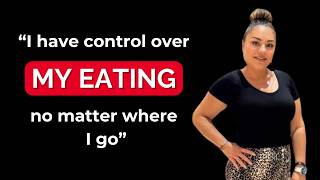
Monica had bariatric surgery, lost 60 pounds, then regained 10 and panicked. Jessica Lawson's program taught her protein-first eating, macro tracking, and journaling to rewire her brain. Now Monica says she can eat anything without shame, and her whole family changed with her.
Chapters
I lost about 60 pounds and then just stopped. Almost 2 years later, I gained 10 pounds and it just scared me to death. That's when I found Jessica.
During our first call, you said specifically— the quote that I wrote down was you thought stress eating and food noise were just part of your life. It was just something that you just had to deal with and you couldn't change.
I hated myself. I was ashamed of being big. I was ashamed of how I looked. I felt like I wasn't good enough for anybody, let alone myself. It was a cycle circle, but I couldn't get out of it. The things that I have learned with Jessica is just been amazing. These are lifetime tools. My whole mentality is different. I already know that this is going to be how I feel, how I think, and how I use food for the rest of my life. I can have control over my eating no matter where I go or where I'm at. That's huge. My mentality is every day is a new day to start a better choice if I made a wrong choice prior. I just came back from vacation. It was all-inclusive. Enjoyed myself. I didn't gain a pound. I was so happy about that. The biggest thing I've ever done for myself ever, but I think it's worth it. I'm worth it because you're saving you. I have control over me from now on, like forever, and I tell my kids that all the time and they're like super happy. I definitely recommend Jessica for this. She will be there for you 100%. God put you in my way. It's done amazing wonders in my life. Will always have you in the back of my mind for the rest of my life. You're never too old to change your bad habits.
Hi everyone, I'm Jessica Lawson, founder of the Bariatric Success Academy, and today I'm joined by Monica, who's had an incredible transformation through the program. So Monica came to me about 18 months after her bariatric surgery, and she was feeling pretty, um, scared and in panic mode. As she was starting to go down the regain route. Um, she'd also been struggling with stress eating and working in a really high stress environment with a pretty brutal commute, which that has not changed, but a lot of other things have changed too. Uh, and she's also someone that was taking care of everyone but herself. And so what we're gonna talk about today is really her story of transformation. And so Monica, first off, thank you so much for being here today. Sharing your journey with us. I know your story is going to inspire so many women who are facing similar challenges. And so I'd love to start off with where you started. Like, can you share a bit about yourself and maybe your lifelong journey with your body, your weight, and what your biggest struggles have been throughout your life?
Yeah, so, um, I, I guess I started gaining weight. So I noticed I started gaining weight in my 30s, my late 30s, started gaining weight, just, I guess, normal. I had an office job almost all my life, and it's like you, you just, you kind of just— back then it was more like you go to all these functions, work functions, and you just eat, eat, and there was really no exercise involved. But my major weight gain was when I was in my 40s, early 40s. Mid-40s, I guess I would say, I was— I developed lupus and I was diagnosed with lupus and with all the medications I was given and that whole journey, I just gained, gained, gained, gained weight. And when I finally— when I was finally in where it was like I was taken care of, and it was like in that stage where I'm okay now, remission stage, there you go, remission. I just, I tried everything in my power to lose the weight, and no matter what I did, I just, I could never lose the weight. And then I started realizing that I stress eat. I mean, I never really realized that I was a stress eater. And when I was younger, I used to not eat when I was stressed, but I guess it all changed, and I never realized when that happened. So I noticed that I would stress eat, and I just— I started gaining and gaining and gaining more weight. So I could never lose more than 20 pounds on my own. It was always like up and down, up and down, and I could never lose weight. So I finally finally had my bariatric surgery, and even then it took me a whole year to prepare myself for it because I didn't know if I was mentally ready for it. I was kind of scared. I didn't know what it was. I knew it was a surgery to help you lose weight, but I didn't know what it involved. I didn't know how you had to prepare yourself for it. The doctor told me, you know, you have to prepare yourself because you could do it and then regain all your weight back or even more after. So I, it kind of scared me. So I, I think it took me a whole year to finally make my mind up that yes, I was ready for that because at that point I was desperate to just have help and I kind of knew it was just a tool to help me lose the weight, but still, even knowing that, they don't teach you what you need to know, I feel, after to maintain that weight loss or to even keep going on the weight loss journey because I've lost— I lost what I lost. I lost about 60 pounds and then I kind of just stopped. And then almost 2 years later, I saw that I gained 10 pounds and it just scared me to death and I was desperate. And then that's when I found Jessica. And, um, the things that I have learned with Jessica is just been amazing. Like, these are lifetime, uh, tools that you'll— my whole mentality is different. Like, I already know that this is going to be something that how I feel, how I think, and how I use food for the rest of my life.
Gosh. And so tell me more about your doctor, because what I heard you just say now was something that my doctor didn't tell me, and so many people's doctors didn't tell them either, which was what you said was your doctor specifically told you that you could regain the weight. Yeah, I think that's something that a lot of people's doctors don't tell them and they don't ever think about. They just go into the surgery, only think about the weight loss, and never get told about the regain part. So I'm curious, did your doctor tell you why regain happens or like how to prevent it at all? Or was it just point blank, like regain happens?
Well, he told— they told me there's these classes that we have to take to mentally prepare our journey with bariatric surgery because, um, and you— and with my insurance and my doctor, which I have Kaiser, I don't know if anybody's familiar with Kaiser, but they make you go through these classes before you have the surgery because they don't want it to be a failure. And so they try to help you as much as possible, but even then I feel like you're just going through it and you don't— I don't, I don't know what it is, but you just don't take that information serious, or I would say serious because you're just, you learn, but you're not— you just think that once you have the surgery and you see everything all the way coming down, you just feel like, Oh, I'm never going to— I'm not going to go back there again. But you do. It's very— and yeah, my doctor said a lot of patients lose a lot of weight and either gain half of it back or gain twice as much back because they're not mentally prepared. They're not mentally ready. They think it's magic. And once you do the surgery, that's it. You're going to lose it, but you're not going to gain it back because your stomach's little. You're not eating as much. But at the end of the day, You do, you can stretch your pouch back up. You can't, your, your bad habits definitely return because it's, it's muscle memory, I guess, is what I was told. It's like your brain is used to one thing, and if you don't train your brain to think a different way, you're going to go back to your old habits and you're going to start eating the same you were, but you're, but you're different now. Your body's a little different now, so you're just, it's just Yeah. It's horrible. Yeah.
The data shows that it takes 66 reps, like 66 times of doing something a different way in order to build a new neural pathway in your brain and like rewire it. Right. And so these things don't happen overnight.
Right.
And I'm curious, you, you also mentioned just now that you felt like the classes you took didn't prepare you. Knowing what you know now, what do you wish you had learned in those classes or learned either before or right after your surgery that you know now?
It's like you— for me, I'm the type of person that needs somebody to kind of hold my hand a little bit until I get until I get the swing of things. So there, they give you what you need to prepare yourself with. They give you paperwork, they give you information, and you, you're the one that has to do all the, the research and everything like that. So had I known then what I know now, as far as my macros, my meals, the type of food that I could eat, because they, I mean, they give you a pamphlet, like, of what you should be eating, but when you— remember, we're an obese person and food is our life. So when we have that surgery, you're like, you don't have food for a long time. So when you start to get in the Phase 2, Phase 3, where you start introducing foods, you're kind of desperate to try like your food. You want to taste food, you want to try food again, and so once you feel you see that you can start eating, even if it's just a little bit, but you can start eating a little bit of everything, then you, you kind of jump back into, oh my God, I want, I want this because I crave it or I miss it. And you're not ready for, no, you're supposed to eat this, you know, you could still have this, but this size or, you know, portion size, your, I mean, they do teach you to eat little. Like in a small plate, that kind of stuff. I don't know, it's just kind of like you're just jumping back into food and you're just not counting the calories, you're not counting, you know, your protein, and I guess you just start to eat even if it's in small— me, I still eat in small portions, but I guess I was just eating the wrong things. I was eating like high in calories, maybe high in sugar, you know, and I guess that's how I started gaining my weight. Back.
Yeah. And one thing I did before this call, which I told you about before we started recording, um, was I watched our very first call together, right? So one thing that really struck out to me was the fact that number one, you've been dealing with the stress eating for 15 years, right? And I knew that, but like hearing it again in your own words was really eye-opening. And then second, that you were feeling like you were hating yourself. So how did these struggles impact your daily life or maybe your relationships with your family or like how you felt about yourself?
So I, I, well, the main, I guess I was always stressed out because I was a, I was a single mom for 29 years. I just recently got married about 5 years ago. So, um, And I had a, and I was in a toxic relationship prior to that. So just seeing myself, looking at myself, I look, I hated myself. I was, I've always been a very vain person, if you want to say that that's what I was. I have beautiful daughters and I'm just always trying to keep up with them. And I just felt like I'm not, like I'm embarrassing to them as well. Like, even though they never made me feel that way, I just felt that way. Like I was embarrassed to be around their friends and maybe the other parents. I just, I was ashamed of being big. I was ashamed of being how I looked. I always, even my husband now, I tell him all the time, oh no, I, he's like, I love you. That's how I fell in love with you. You are beautiful. But I just, I couldn't. And then my, my prior, like I said, toxic relationship, like he, he was always cheating and I, and I just felt like I was never good enough. So, so I always kept that inside me and I just, I felt like I wasn't good enough for anybody, let alone myself. So it just, it was always like, it was a cycle circle, but I couldn't get out of it. Yeah.
And you probably didn't know how to get out of it.
No.
Yeah. No. And so what was the point that you've really sat down and decided like, hey, I need to make a change? Like when you were starting to like deal with the old habits coming back after your surgery and the regain, like what was that point like?
I just felt like it was, I felt too good to start feeling bad again. And I noticed it right away and I just, I didn't, and my main thing is I don't want to get sick again. Like, I don't want to go back and because that's the reason why I decided to do the bariatric surgery. It took me a year, but I finally decided to do it because I started to deal with a lot of inflammation, pain. I started to go back to that feeling of when I was really sick. I didn't want to go there again. So I decided to do the bariatric. They told me it was going to be the best thing for my health. And yeah, I felt really good once I lost the weight. And so when I started noticing that I started gaining a little bit of weight, I was like, "Oh no, I can't. I need to stop it right now." And I noticed the bad habits coming back and I could feel like I was hungry all the time. And even though I ate a little bit, again, I would just grab whatever I thought was okay to eat, you know, but anything that I could see, I would just grab and eat. "Hey, it's just a little bit, you know, keep me content for the minute for, you know." But no. And so I know I needed structure. I know I needed to learn more. And when I saw you, I came across, I don't even know how I came across your, your Instagram. But I did, and I just, something inside me just told me that I needed to do this.
Hmm.
Okay.
And like, what, what made you decide to work with me specifically?
Well, once we talked, it just, you just made me feel like this was it because I mean, I, I could have said, you know, let me, let me get back to you. Let me look around and see what. But something inside just, just said that this is it. Like, she's gonna be good for me. I just, I like the way we vibed. Um, and the way you explained things to me made sense, and I needed somebody like that, that wasn't just gonna leave me alone, wasn't just gonna take my money and be like, here, here's the tools, you go for it. No, no, I needed somebody that was going to constantly be— I'm that person. I'm sorry. I need explanations all the time and like help basically. Like if I have a question and you're always there, you always respond right away, you know, and I have a really crazy busy life with my job and everything and it's really hard sometimes to ask the questions I need to, but when I did, you always responding and That's what I needed. I needed somebody to guide me through the whole thing until I learned, until I got it, until I understood. And, you know, even the meal, because that was my main thing. I'm like, how am I going to know what to eat? How am I going to know how much to eat? You know? And you just broke it down and it was like, wow, this is awesome. Yeah.
I find that Um, I don't want to work with everyone and I'm not for everyone, but I found that my approach and my style works best for planners, like detail-oriented, Type A, like hold my hand type of people, right? Like give me a project, like people that are planners at work and want that same kind of mentality when it comes to the rest of their life.
Mm-hmm. Mm-hmm.
And, oh yeah, I think that's 100% you, right? If someone wants like something a little bit more chill, that's, I'm not, not the person for them.
Yeah. Yeah.
But you know, there's, there's other people for that, right?
Yeah.
Um, and so were you skeptical about anything before starting the program?
I mean, I was.
Yeah.
Yeah, I was. I was scared because it's, it's expensive. I mean, it's something that I'm not, I would never have spent that money on myself like that. And I was like, no, I could use that money for other things because again, I was, my mentality was everyone before me always. And since I was a single mom, it was everyone before me. So I would have never done that. I would have been like, no, that could get me a down payment to a car or something, something, you know, that's how I would have thought. But this time I was like, no, I need, this is a good, I need to invest in myself because I felt, I feel more responsibility now that I'm married as well as a wife. So like I need to be healthy and I need to be here longer and I can't afford to be here, unhealthy, feeling crappy, no energy. I can't, because now I have wifely responsibilities, which I never had before. And it takes a lot out of me because I have a very high-demanding job, and then I have to come home and continue. My job doesn't stop once I'm done at work. It just, it continues all the time. So, um, it's crazy because you would think that as a single mom, It's, it's, you're constantly, and you are, but you do things as you please. But when you're married, you have to kind of go, it's not as you please. It's like he needs you, you know, they need things and you need to do what you gotta do.
Yeah.
So I can't just say, well, make, go make yourself something to eat. Like I would tell the kids.
Yeah. Especially when you're in a newer marriage, right? Like, yeah. Yeah, for sure.
Yeah, exactly.
Yeah. And, and so, so you joined the program and then how soon after did you start noticing any kind of change, whether it was like physical, mental, or emotional?
Um, so right away I got on the, on to the meals. I started preparing my meals every Sunday. And at first, like the first 2 times I did that, the first 2 weeks I did that, It was like, oh my God, this is so much. It takes a lot out of me. But then I realized like you can create these meals with almost the, like the same ingredients and the same portions, but you just kind of make them to yours, to your liking, to your, you know, you just add your touch to them. And I noticed that I can like cut the time half, half, half the time. So I started doing that and I'm like, okay, this isn't bad. So, and I really liked the fact that like I never had to worry about what I was going to eat. So right away, right away I felt that ease as far as that went. And that took a lot of stress away from me as far as what I'm eating and how I'm eating and what I'm putting in my system. And then right away I started noticing that, yeah, you're right. I'm. Because I'm constantly eating, I'm not feeling the need. It's a mental thing. I'm like, I'm not hungry and I'm not feeling the need to be eating snacks in between and junk in between. It was just like, I'm full. I don't need to, and I could keep going. So I noticed it right away and then, um, started to feel better again. The weight was like, it would go down a little bit and then it would go up, but I never, but I have not gained any more weight. To me, that's very important. Like, I haven't gained any more weight. And then I started doing exercise in between, which is something really hard for me to do, but I started to do it and I could feel even better. So I think that if I stay persistent on the exercising and just keep eating the way I eat, because I even— with your program, I even learned how to order out when we eat out, because that's another thing, we eat out a lot. But I started to learn how to make the right choices. Um, and so I feel like I can have control over my eating no matter where I go or where I'm at. And that's huge.
Let's talk about that because it's not just that you eat out often. Um, it's that you, you are an inherently social creature. Yeah. Right? Like you in particular. Um, whether it's family or friends or like at work. Mm-hmm. You're very social, but you're also tra— you were traveling a decent amount. And I remember when you first joined the program, you were a little bit worried about like, how am I gonna do this while I'm traveling? And I think I, I said to you something like, that's actually great because we can talk about it, right?
Yeah.
We can game plan. And so walk me through what did each eating out look like for you before and what does it look like for you now? Like how did, how does, how did your approach change?
Well, like I said, it's, it's like my, it's like my mentality's so different because before I would, let's say we went on vacation, like, don't get me wrong, I wouldn't stop myself from eating, but I was stressed about it. I was like, oh my God, I'm probably gonna gain 10 pounds or I'm probably gonna gain 5 pounds. Um, but I mean, it wouldn't stop me from eating, but it would stress me out. And I think I would be more stressed out about the aftermath. Like when I get back and I weigh myself, I'm going to be so— I'm going to gain it. How am I going to lose it? Like, I just— I would eat it at the moment, enjoy the taste, but I wouldn't enjoy myself. Like now, my mentality is every day is a new day to start. A better choice if I made a wrong choice prior. But because of that, I really don't make bad choices. And I just enjoy my food, enjoy my time, and I'm pretty sure in my mind, I'm pretty sure I'm not going to gain weight. And yeah, I just came back from vacation. It was all-inclusive. I enjoyed myself and I did not— I came back and I didn't gain a pound. I was so happy about that.
Yeah. It must have felt really great to step on the scale and see like no change.
Yeah. I didn't gain any weight and I don't know if it was my mentality. I enjoyed— there was, there was meals that I was very, very focused and then there was meals that I intentionally wanted to enjoy. But I never pushed myself to overeat. As soon as I felt full, I was done. And I knew, I'm like, okay, well, I got to taste it. I got to have some. I'm not depriving myself. Let's move on.
Yeah. So you've said a number of times, like, your mindset's totally different and that, like, you get it now. So what were some of the aha moments or breakthroughs that you experienced?
Hmm. Well, I mean, I experienced a lot of moments where, like, I guess it's, it, it's in the, the way I prioritize now. Like when I, before I didn't prioritize what was the best way for me to eat. I would just order what I felt like eating. Mm-hmm. Or what I was craving. Now it's like, okay, I can eat that, but my priority is to eat this first before I even touch this. And therefore, by the time I get to the part that I'm not supposed to be eating, I'm too full because I already ate my protein.
Yeah.
So like those moments I never had before, and now it's like, yeah, makes a big difference.
Awesome. That's great. And you know, at one point during our first call, you said specifically, the quote that I wrote down was, you thought stress eating and food noise were just part of your life and that it was just something that you just had to deal with and you couldn't change. And so how did the program help you overcome challenges or blocks like that, that you, that you thought might be permanent?
Well, there's little things that you've, you've told us, you know, to, that we can do, like when you're feeling that anxiety of like, that food noise, like maybe take some time to just get up and do something that's gonna mind shift that, that thought of maybe wanting some ice cream or maybe wanting some chips or something. Like, do something, change your mindset when you're craving, when you're about to make that, like, don't do it. Just get up, walk, breathe, like techniques you, that you, we didn't think about before. Like they work. And so you just have to, it's all mental. You have to take your mind off of what you're, what you know you shouldn't be doing so that it goes out and you just continue like to make the right choices. Like don't do it, but so like all that stuff I didn't know how to deal with before. I just, I just would say, oh, well, it's just a little bite or it's just a little taste, you know, it's gonna make me feel better right now. And it would make me feel better at the moment, but then later on I would feel whole. Mm.
Yeah. I think for a lot of people, food has been their comfort blanket or their best friend for sometimes their entire life. Right. And it sounds like you've learned that food has a different purpose.
It does. And my main, my main reason is my health. But yeah, I come from a Hispanic family. We like to celebrate everything. We cook a lot, a lot of fattening food. I have a lot of obese family, and that was another fear I had. I have an obese family, and they would all get bariatric surgeries, and they would all gain the weight back, and I'm like, I don't want to go through that. So that, I guess that would hold me back. Like, I don't want to do that and look like a failure. That's embarrassing. I do. I am that person that cares what people think, unfortunately. Sometimes I'm like, ah, who cares what they think? But inside I'm like, I care what they think. So I was always afraid of failure. Like, what if I do it, lose weight, and then gain weight like them? Because we criticize, we criticize. In our family, we were all constantly judging and criticizing. And that's another thing that I'm— as part of this whole thing is like, I'm changing my way of thinking. I'm trying to be less judgmental towards people, trying to be less harsh on my point of views. And I'm just— because everyone, I realize everyone struggles their own way, and it's so easy to judge. And that's why I was like, that I even cared what people thought about me all the time. And now it's like, no, I'm just— I care about me enough, just— and that's all that matters. So like my weight loss and my health journey is for me. It's for me to be here for my grandbaby too because I'm a grandma and I definitely want to be here and be able to run with him at the park and keep up.
Yeah.
My, my, my husband is like, has a lot of health issues himself and he's learned a lot through me, through this journey. Um, but I definitely saw him suffering and I don't ever want to go there.
Yeah. I think that's one of my favorite things about you as a client is that, um, we talked about this during a coaching call once, maybe like a month or a month and a half ago, was that you were telling me how you were preaching the gospel. Yeah, give them to other people too, right? So it's like you, you've equipped yourself with the knowledge, tools, and skills that you needed, but now, like you've mentioned, obesity runs in your family. And so now you're having a network effect on everyone around you and your family, your husband, and helping save their lives too.
Oh yeah, oh yeah, I constantly My husband's the type of person that will order a hamburger combo and instead of eating his burger first, he starts with his fries. So I'm like, why don't you try eating your burger first? And if you're still hungry, then you can try some fries, but try to eat your protein first. And he, he'll just look at me. I'm like, I'm like, try that. And he goes, I've always done it this way. I know. I know. And has it worked for you? No, you're super sick. Yeah. So. Yeah.
How's that going for you, Rob?
Exactly.
Yeah, exactly.
Yeah. So yeah, so I, I'm trying to, to teach people that I see, you know, especially my husband, you know, we're trying to get him better too.
Yeah. And, and one thing you've told me too is that you really don't feel deprived anymore and that like you don't feel like you're on a diet at all and that this is just like your lifestyle. So what does having food freedom feel like for you now?
It feels good and it also— because I don't deprive myself, but I also, like, want to make good choices. So, like, if there is, like, let's say I want a scoop of ice cream, I'm going to definitely be looking at the ingredients and I'm definitely going to be looking at the calories and the sugars, where before ice cream is ice cream. I'm just—
it's bad.
So if I'm going to have it, I'm going to have it. But I've learned that there's good, bad. So like, if I'm gonna have ice cream, I'm gonna have the one that has the least sugar and I'm gonna have the one that has the least calories. And it's ice cream, I'm eating ice cream and I'm enjoying it, but it's less bad than the other one that I could have had. So like, I'm learning to be able to eat a little bit of everything, but also checking what's the best. For me, like, okay, which one has the best ingredients?
Yeah, totally. And I know you're someone that also loves structure, so like what part of the program did you find most helpful in keeping you on track?
Oh, definitely the, the meal plan, like having my 5 meals a day and having them done where I'm not stressed out every day about prepping them for the next day. No, because I, I, I get, I go to bed at 9 at night, super early, cuz I get up at 3:30 in the morning. And for me, before I would try to squeeze it and make my lunch in the morning and I would just throw whatever together. And yeah, that's why sometimes, you know, it just doesn't work. But just knowing that, like on Sundays I pick my days to meal prep for the week. I already know I'm gonna have my. 4 meals at work that are what I need to be eating. They're good. They taste good. Um, and I don't have to worry about, oh my God, what am I gonna eat next? Like, it's all structured and it's because I like structure. I like everything in a routine. I, I, I like that.
Yeah.
So that was a main, main thing for me. Like, that really helped me.
Yeah. And between like the journaling, the meal structure, and like other tools, maybe like the modules, like what techniques from the program have been most impactful for you?
So I never used to journal, like little things. Yeah, you're right. Like there's so many things I don't even know what to talk about, but like you, you're reminding me, but like journaling, I never realized that cuz I'm like, that just takes my time, you know, but I realize that taking 2 minutes to journal in the morning kind of makes my day go. It makes me accountable for what I'm going to do because in my journal in the morning, I'll put, you know, today is this day, it's a new day. Um, I'm going to hit my water goals today. I'm going to eat my 3 meals. I'm going to this. And then as I'm writing it, I'm reading it and it kind of just keeps me accountable all day. Because I'm promising myself, I'm telling myself what I'm gonna do, like what I'm aiming to do. And so hitting that makes me proud because I stuck to what I said I was gonna do. So I think journaling really was, really was, is good. So I was journaling in the morning and journaling at night. So at night I would tell, it's kind of like I'm having a conversation with myself and I'm telling myself, oh, you know, today was a good day. I hit all my goals. You know, so I'm about to go to bed and then tomorrow is a new day for a new, a whole new, uh, structure, decision-making, whatever it is that I would write.
Yeah.
So it was kind of like a little prayer, but in writing and it kind of helps because it keeps you accountable.
Awesome. And what's something specific you can do or maybe feel now that would've seemed impossible before joining the program?
I'm sorry, what was that?
What's something specific that you can do or feel now that might have seemed impossible before joining the program?
I guess just staying accountable because you tend to just blame everything on, or everything you're going through on something else, like putting it on something else and like, I, like, I am accountable for me. Like, no one's going to make me make decisions, you know. I'm not going to fall for peer pressure when it comes to food. I'm going to stick to what I know. I know better and I know it works and I'm going to stick to that. And before, I would just, I think I would fall into food pressure, like peer pressure. Especially not having anything there for me, no structure, it's easier to fall into food peer pressure than saying no. You know, even now, like, my husband will say, like, "Well, what are you going to eat?" "Oh, I have my meals. Don't worry about me. I have my meals. So what do you want?" And I'll make him something. And then I don't even want to eat what I'm making him, even though I'm making him something healthy. I'm like, "No, because I have my meal. Like, I don't need to eat this." Yeah. So all those things, like back then I probably would've never, I would've just been like, oh, go with the flow and whatever I'm cooking, I end up eating and things like that.
And I, I remember you mentioning really early on, like, like I think the Thai chicken recipe in particular, like he liked as well, or like you made some adjustments to it that made it more satisfying for him as well too.
So that's another thing, like sometimes when I'm prep meal prepping, I make extra to have for him. So I'll warm that up during the week as one of his meals and he, so he gets to enjoy what I'm eating too. And like I said, it's all good and he's, he loves food. So he loves everything. He doesn't say, oh no, that's not, you know, and he's like, wow, that's pretty good. So. He gets to taste a lot of the meals that I make because I'll make extra for him.
Yeah. He's like your taste tester.
Yeah. Yeah.
Yeah. And I—
so he's losing weight right now and he's, he's on the, on the same path.
Awesome. And one thing you said in our last call was that you're 50, but you're feeling 30. So like, are— or that's how you want to feel at least. And yeah, there are activities or experiences that maybe you can do now that weren't possible before.
Yeah, and just my mental, like my mentality is like, no, I want to do it. I don't want to be lazy. I don't want to, um, my husband always says, because I always say I'm so lazy and he's all, you're the least person that I would call lazy because I'm always going, going, going, but it's like always going, going, doing cleaning, laundry, like doing things that I'm supposed to be doing, but never like, I'm going to go for a walk, not that kind, you know, like I'm too tired for that. And so now it's like, no, it's worth it. Let's do it. Even if it's 5 minutes, it's something. So like, something is better than nothing.
Yeah.
And that's how I, that's how I feel now. And I'm not afraid to say yes to everything. Like sometimes my daughter, my daughter's a very, very big health freak and she would, she's like always trying to push me to do things and I would've been like, eh, I don't feel like it on my day off. I just wanna rest. And she's like, mom. And I'm like, so now it's like, and I tell her now, I'm like, you can rest when you die. Let's go for it. It's different. I'm all, we can rest, we can sleep when we're dead. Yeah. Let's do it.
Yeah.
You know, we gotta live today. We gotta live every day. Yeah. Like it's our last.
For sure. And, and let's talk about maybe some advice you might have for other people. So, If someone had bariatric surgery and they're experiencing regain, like, what would you tell them? Like, what advice would you have for them?
I mean, I would definitely tell them to seek for help, look for a nutritionist, especially one that is very familiar with bariatric surgery. If they had any type of classes or any type of information before they had it, go back to it. Like, go back to it. You missed something. Like, there's something you missed or didn't pay attention or, you know, you were just going with the flow because you didn't know how important it was going to be afterwards. Go back to that or just find somebody who can be your person to help you throughout the journey because there's so many people that you can find nowadays on social media. And not even a nutritionist, but like just anybody who's gone through. I follow so many people that have gone through bariatric surgeries and continue their journey, and they do great. Like, ask questions, ask questions, don't be shy, don't be scared, but continue to fight for you, you know. This is your journey. This is for you. This is to better you. Um, and then find a reason why, what's, who's your reason or what's, you know, your why to do this because it's so easy to fall back to your old habits. So easy to fall back to your old routine, like gaining that weight back and again, and then some. Don't do it. So I would definitely, um, look for somebody. To help me.
Yeah, totally. And what would you say to someone who's hesitant about maybe investing in themselves with a program like this one, especially if they're worried about spending money or the cost? Because like, it's like you said, it's not cheap, right?
It's not cheap, but it's a, it's an investment for your health. It's an investment for your life. And you do have to invest in yourself. Um, obviously What you're doing isn't working. So like you have no control over it. So you have to, um, you have to do something for you and sometimes it's gonna cost you money. And trust me, when it costs you money, you're really gonna do it. Like you're really gonna pay attention and you're really gonna put all, unless you're rich and you don't care to throw money away. But again, if you're rich, you're probably getting all these things done, you know? Surgically. So I can't afford it. I only have one me and one chance. And I just, I told my husband, it's like the biggest thing I've ever done for myself ever, but I think it's worth it. I'm worth it. Yeah. I think everyone's worth it. Yeah. So it's a sacrifice, but at the end of the day, it's well worth it because you're saving you.
Yeah. You're buying years back on your life too, right? Mm-hmm. So like, what does your future look like now?
Well, I'm gonna always, always use every— everything that I've learned. I feel like, I feel like I have control over me from now on, like forever. And I tell my kids that all the time and they're like super happy. Um, and I feel like I am just gonna keep working on, you know, staying focused and worrying about me and my health, make sure that I don't go back to getting sick because that's my main thing. I don't ever want to get sick and I just, and I want to look good. I want to look good. Like I said, I've always been a very vain person, so I want to look good. It helps, it helps me feeling good and looking good helps me get goals for other things like at work, you know, I just, I want to climb that ladder. And feeling confident in me makes me confident in what I do. Yeah. Other than just what I look like. Yeah.
And looking back at where you were, like in panic mode, exhausted, making excuses, how does it feel to be where you are now?
Oh no, it feels good. It feels good to, to know that I like, like, took time to care about me again and know that all that I've learned is going to only make me better in the future. So yeah, I don't, I hate feeling tired all the time. I hate being hungry all the time. Like, I hated all that. So I don't ever want to go there again. Yeah.
And if the old Monica could see you now, what would she think?
I don't know. I, I think she would be proud of me. She would be very proud.
Yeah. I think that she probably wouldn't even think that the version of you, you are today was even possible.
No. And I guess you're never too old to change your bad habits. Right. You, you're never too old. Like there's a lot of people that say, eh, I'm too old now. I don't want to, it's It is what it is. No, you're never too old.
Yeah, 100%. There's, as long as you're committed, that's all that matters. Like you've, you've gotta be ready to make change and some people aren't, right? Like if you've been using food as a coping mechanism for years and you're not ready to make that change, there's, there's not much that can be done. Right. And I think you were, you were ready 'cause you had a strong why, right? For you it was about like living and—
Exactly.
And wanting to be better. Um, and so my last question for you is like, is there anything else you'd like to share in general or like about the experience working with me or the program that might help someone who's struggling like you were?
Um, definitely. I, I, everyone should have a why to motivate them to find themselves, to, to be successful in their weight journey, health journey. Find somebody like you. Jessica has been amazing. Like, she has been amazing, and there is nothing that I, if I ever did not understand something, I would She would always make sure that I did. So that's super important because there's a lot of times when you go through programs and you kind of miss certain things because you didn't understand, but you're kind of too embarrassed to ask, you know? I just, I definitely recommend Jessica for this. I mean, she will be there for you 100%. And, um, but your main thing is you gotta want it. You, you've got to want to change the way you think. Um, so that it would, this works because yeah, you don't, you're not gonna invest money on something that, that later on isn't gonna work. So, um, I feel like it's 100%. I love it. I loved it. I'm glad. To, for me, God put you in my way and it's done amazing wonders in my life because I will, will always have you in the back of my mind for the rest of my life.
Aw, well, thank you. That's, that means a lot.
Yeah.
And I really appre— I really appreciate that last thing you said, like That's why I do what I do, right? Is, is to like help people and to have a lasting impact. So like that really, that really means a lot.
Yeah, it, it definitely, that's how I feel.
Aw, thank you.
I'll never forget Jessica. Aw, thank you.
Well, Monica, well, thank you so much for sharing your incredible journey with us today. Like your transformation, has been absolutely amazing, and it's been so inspiring to see you go from someone who, you know, just completely felt lost and confused to trusting yourself, right? And so for anyone watching who's struggling with maybe regain or dealing with stress eating or feeling like they've tried everything and nothing's worked, Monica's story proves that transformation is possible when you have the right support and tools. And also remember, it's not just about having the surgery, like, on your stomach. It's about addressing what's happening up here.
Okay.
It's really about becoming a different person, someone who has structure and trusts themselves and who doesn't feel deprived, but instead knows how to feel their body and feel free as well. So Monica, any final words for anyone that's watching?
Yes, don't cut yourself short. Basically, something like this is very therapeutic and it's like, we need that. We need that to just remind ourselves that we are important and people are, you know, people help us, not necessarily say like they care, like because they want, but there's people out there to help us. To see us succeed. And, um, you just have to want it. Yeah, totally. Yeah.
And thank you again, Monica. Your courage in sharing your story, what is going to help so many people find their path to food freedom and self-trust. Yes.
And thank you. I hope I can help somebody else.
Yeah, for sure. Awesome.
More from Jessica

Why You Lose Control With Food The Second You Get Home From Work After Bariatric Surgery




Why You Keep Reaching for Food After Bariatric Surgery, Even When You Know You Shouldn’t #bariatric

Why Food Takes Over When You Get Home From Work After Bariatric Surgery #bariatricsurgery




What no one tells you about regain after Bariatric Surgery #bariatricsurgery #bariatric

She Spent $15K on Bariatric Surgery and Still Couldn't Stop the Food Noise (Until This)