
From Weight Regain to Food Freedom: How Valeria Reclaimed Her Bariatric Success
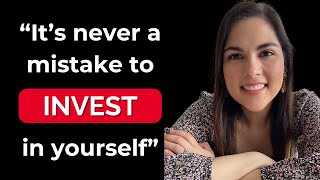
Valeria had gastric sleeve surgery in 2020 but regained weight while managing law school and a full-time job. Working with Jessica Lawson's Bariatric Success Academy, she used the STOP technique for emotional eating and the Flourish framework to shift from all-or-nothing thinking to balance, reporting steady weight loss and guilt-free eating within three months.
Chapters
Can you share any specific wins or results you're especially proud of?
I have been seeing a change in the scale. I'm also not obsessing about it anymore, which I think is also a win. I finally realized and accepted that weight fluctuation is normal. Definitely looking at myself in the mirror, liking what I'm seeing because I went from avoiding looking at myself, like trying to shy away from any mirror whatsoever in my house to Um, I, I remember I, I went to take, uh, take a selfie during my trip and I, and I was like, oh, oh, is that me? Seeing food as comfort versus seeing food as fuel and what I need to give my body in order for me to be able to work out and go on a walk with my dog and read a book and, and learn a new language. Like, like all the things that I demand from my body. Going out to eat and not feeling guilty afterwards. That's the biggest thing. Being able to enjoy a moment. Enjoy a cookie, enjoy a cocktail without feeling like, oh my God, why did I eat that? Why, why did I drink that afterwards? Yeah, that was the biggest thing for sure. Yeah, I think change in mindset, feeling more empowered, feeling more energized, and just knowing that's not where my value is. I feel like I healed a lot of different sides of myself over the last 3 months, and I'm sure that's gonna continue.
What would you say to someone who's hesitant about investing in themselves? With a program like this.
It's never a mistake to invest in yourself. If you can allow yourself to set that money aside to invest in a program like this, it's, it's never a waste. It's worth it.
Hi everyone, I'm Jessica Lawson, founder of the Bariatric Success Academy, and today I'm joined with Valeria, who has experienced an incredible transformation through the program, and we're going to dive into her journey from the struggles she faced before joining us to where she is today. And so, Valeria, thank you so much for sharing your story with us. I know it's going to inspire others who might be facing similar challenges.
Happy to do it.
Do you mind sharing a bit about yourself, what your journey's looked like, what your biggest struggles have been the last few years, what your weight loss relationship with food journey has looked like as well?
Of course. So, um, I'm in my early 30s. Um, I am in the corporate world. Um, and really I've struggled with, with weight gain and my relationship with food since I was very young. Um, I don't think I ever— now looking back, I don't think I ever had like a healthy relationship with food. Um, and I realized a lot of those, like, I, I recognize a lot of the, the patterns now that I was like, well, this in a kid probably wasn't, um, the healthiest. And my weight always fluctuated. Like, I would I would do a diet and I would stick to it when I was in my teens, and I would see some success, but it was never, um, it never stuck. Um, I would always fall back to old patterns, stress. I've always— I'm a very Type A person, um, and I'm very anxious about things, very apprehensive about everything being perfect. And, um, I definitely, even to this day, sometimes I, I have the bad habit of falling back on not prioritizing myself enough. But I do think that I'm a lot more conscious about it and I work— I'm more proactive. And I'm sure we'll get into that a little bit more. But when I was in my late 20s, I went through a terrible loss in my life and I decided to get weight loss surgery after that loss. I gained a lot of weight. I— emotional eating. Was a big issue at the time and I gained a lot of weight and I felt that the best thing for me would be the surgery. I had a couple family members that had had the gastric sleeve, so I asked them for their doctor's information. I went to a consult and they were like, yep, you're a candidate, let's do it. How about tomorrow? So Well, not tomorrow. I'm exaggerating a little bit. But it was like everything happened in the span of a week. I'm not— I'm not kidding. Yeah, yeah, yeah, yeah. Everything was like super fast. I don't know if maybe because it was in 2020, so I don't know, maybe the pandemic had something to do with it, but it even then, like, it surprised me like how quick it was to get through all the hoops and just get the surgery. I don't regret going through that, but I don't think I had the best care after the surgery. For the first 2, 3 years, I think I was doing well in maintaining, but then I started law school in the middle of that. I was doing that part-time, balancing it with my full-time job, and I started noticing some weight gain. And then throughout 2024 last year, it became a lot more noticeable, and I just felt like I didn't have much control over it anymore. Um, and I just felt very frustrated. Um, and, um, towards the end of the year, once I— I, I do think that I used work and, and school kind of as an excuse to be like, oh, I'm so busy, I can't really pay attention to, to this other thing in my life, um, that's affecting me. And I it kind of like I buried my head in the sand, just kind of like work, work, work, study, study, studied. Um, and then once I, I passed the bar and got sworn into the, the bar, I was like, okay, now I don't have an excuse. I really need to pay attention to this. Um, and that was, um, around November, which is when we, when we first, um, when I first reached out to you. Yeah.
Thanks so much for sharing all of that. Wow. I, I, I didn't know that you got it so quickly.
Um, it was, yeah, it was, it was very, it was very fast. Yeah.
But it sounds like you, you probably didn't have a lot of preparation too, right? In regards of being able to really do much work beforehand.
Yeah. So it was, um, I, I remember I reached out to the doctor, I had the consult with him, he ordered some tests. I met with the therapist that their office worked with and with the nutritionist too. That was probably one day after the other, like all those meetings. And they all agreed that I was like a good candidate, that I was in a good spot to, to, to get the surgery. And then the surgery was scheduled like a few days after that. Like it was, it was very, very quick. At the time I was very happy to that it was, that it was that quick because I was like, oh, this is awesome. Uh, and, and like I said, I don't regret it at all. I think it was a good decision for myself because I was in a very, in a very dark place. Um, but I think because I was in a very dark place, I also didn't really think of, of everything that, that would come after, right? And the first year is— I wouldn't call it easy because it's not easy, but your stomach is really small. You're not producing the hormones that, that are gonna make you hungry. Like I, I just couldn't eat, right? Like I was eating what I needed to, or, and, and that was that. But I think once real life kind of like started again and, and, and obviously it was in the middle of the pandemic, so I wasn't going anywhere. I was cooking at my house like pretty much all the time. But now once I, like things went back to normal, Um, I realized that I never learned how to have a new lifestyle that would fit my, my new, my new body, my new, my new stomach, basically. Yeah.
And so how were all of these struggles impacting your daily life, your relationships, and maybe even like how you felt about yourself?
Yeah, I think, um, I'm very lucky. In my personal relationships and with my work and with my school. Like I didn't feel like that was directly affected. In fact, I think I prioritized all of that maybe subconsciously to not pay attention, but definitely the relationship with myself is the one that was the most damaged. I really didn't, like I avoided looking at myself in the mirror. Um, I, I think I also struggled with a little bit of, of body dysmorphia at the time because like I will look back at pictures when I thought I was, I was overweight, or I hate using the word fat because it has such a terrible connotation, but like when I thought I was fat and I look at them and I'm like, why were you so mean to yourself at the time? Um, you were beautiful. Um, but I can say that now after going through this whole process. But yeah, so I think to answer your question, I think what was really affected was my relationship with myself, my confidence. I think when I, when I lost a lot of weight after the surgery, I placed my value in how I looked because people started treating me differently because I, I, I liked going shopping versus before, like, it was, it was like annoying to go shopping because I was like, I don't even know if I'm gonna find something that will, that I will feel comfortable in or that, that I will like. Um, so I think I placed a lot of value in how I looked that when, when I started struggling with that, I, I was just, I was just very disappointed in myself and I was not kind to myself at all.
Yeah. And how long Before joining the program, did you realize the regain was a problem, or in your eyes a problem? Like, was there a point where, or specific moment that made you realize you needed to make a change?
Um, I think it was probably the, like, last year when I started noticing that I was, that I was, um, because yeah, like, I, like, my clothes maybe started fitting like a little snug and I, and I, and I was like, like, oh, I'll just, I'll just, um, be like really good for a week and, and like I'll deep load or whatever. Um, but then when, when I started like having to buy like bigger sizes and that happened like twice throughout last year. But I was like, okay, this is really a problem and not just because of how I look, which is an important part, right, to me, 'cause I enjoy dressing a certain way or I like looking at myself in the mirror and like liking what I see. So that is important, but also my health. I didn't think that I was being healthy. Physically and mentally. So, um, it was, it was throughout the last year, but like I said, I, I think I, I was also afraid to confront it and I just kept putting it off. I kept saying like, later, I'll fix it later. I'll fix it later. I have these others, like so many things to do. I'll focus on this later. Um, and towards the end of the year, that's when I realized like, okay, I can't keep going on. Like this, like I really need to, to address it. Um, because I kept— I, I fell back into an old pattern of when I weigh a certain number or when I look a certain way, I will do these things and I will live my best life instead of living my best life right now. Um, and that really hit me, um, around like in the fall of last year where I was like, no, like I, I really need to do something about this because this can't define me and how I feel. I need to, to approach it in a different way.
Raja, and so you started feeling that way last fall. Something that was very apparent about you when we first met was you wanted to lose weight, but you also knew that you had a problem with your relationship with food, right? I think something that I encounter a lot as a coach on the other side is that people don't realize a lot of the time that the problem lies in their relationship with food. And so what do you think— or I guess my question for you is, how do you feel like you, you you knew that?
I think it was a mix of, of factors that happened last year. Um, I don't know if I had gone through that much stress, um, in a short period of time, I would've, I would've noticed it otherwise. Um, I, I, I was graduating from, from law school. I was, um, still working full-time. Preparing for the bar exam, I finally admitted that I needed to take some time off, but I started recognizing these patterns where I, I would just be super anxious and I would, I would just grab like a snack and stuff my face with it. And I would be like, I wasn't even hungry. Like, why, why did I do this? Um, and then I would, I would feel guilty about eating a specific meal, um, that wasn't even that bad. It was, it was a balanced meal, but I had just had that snack, so I was like, I, I should. Maybe I shouldn't be eating these, this. And I was like, okay, like my priorities and, and what I'm, what I'm doing isn't right. Um, and when I, especially when I started noticing that even eating quote unquote good food, because I, I, I don't refer to food as bad or good anymore. Um, but what I thought then to be like the good food, um, I, when I started feeling guilty about that is like, okay, this is a bigger problem. It's not just what I'm eating.
Yeah, got it. And then how did you find me and what made you decide to work with me specifically?
So through Instagram, I think I found you a while back, um, and the, the algorithm— I follow a lot of accounts for like, like recipes and, and stuff like that, um, and, and bariatric like accounts, so I, I think I, I, you were just suggested to me on my For You page, um, on Instagram and I started following you. Um, and that probably was earlier in the year last year and I just kept seeing your content. And then when November rolled around, I was like, I need to talk to someone cuz I did try seeing a couple nutritionists after the bar exam, but they were not, they were not just specialized in, in a bariatric patient and also they hadn't gone through it. So when I could think about it, well, like talking to someone that, that, that has been in these shoes and, and that is focused on this type of patient, then, then I, I, I was like, okay, I have to try this. So that's when I reached out over Instagram. I think I Direct message to you. Yeah.
Yeah. No, I remember. I remember very vividly. Were you skeptical about anything before starting the program? How did that change over time?
I was skeptical to the point that I felt like all my life I had tried so many things that didn't work. And even the one thing that was supposed to work in my mind, the surgery, it didn't work. And, and at the time I was like, it wasn't that it didn't work, it was that I ruined it. Like that, that was where my, my thought process was at, right? It was like I had this opportunity, I was able to afford this and I was able to do this and I put in so much work, um, after and I've ruined it. Like I think my skepticism came from that place from like, okay, I might as well try this. Because I need to try something. We'll see. Yeah.
Amazing. And I think a lot of people feel that way, right? Because if you have bariatric surgery, you're at the point where you're physically amputating your stomach, like you've tried pretty much everything.
Yeah.
And everything there is out there. And so what What made you feel confident enough to spend money to try this?
I think, I think the biggest incentive for me was that I was going to be talking to someone that, that had gone through the surgery, that knew what it felt like, and that had, that had had— because you're very open in your Instagram with what led you to, to create this program. Um, so I knew that you had had a similar struggle as I, I, I had throughout the last year and, and was specifically having, um, at the end of last year. So that was definitely like the biggest incentive to be like, okay, this is what I need to try next. But there was definitely a part of me where I, where it was like, I need to do something. Um, and, and I've tried these so many other things. I, like, let me try this. Yeah.
And what were you hoping to achieve by joining the program?
I think the biggest thing for me was building a lifestyle that worked for me. Like, I didn't wanna feel like I was on a diet. I didn't wanna feel like I was being too positive about it. 'Cause that can happen too where someone is just like, yeah, nothing, nothing's bad. Just eat what feels right. And it's like, no, like, like I needed to learn how to fuel and how to nurture myself. And that's the mindset that I came in with. But as you remember, and I think my very Type A personality didn't allow me to the first month, like I struggled 'cause I was looking at it as a diet and as a plan that I was like, I need to be perfect. I lost my train of thought.
The all or nothing mentality.
The all or nothing mentality, yes. I very much started with it, because I think that's, that's, um, that's very prevalent in like all areas of my life in, in terms of like work and school and all of that. Um, because that's just my personality and I, and, and, and I've addressed it in other areas. I don't think I've, I ever addressed it with my relationship with food until now. Hmm.
Yeah. And so how soon after starting the program did you begin to notice positive changes either physically, mentally, or emotionally? And what, what was like the first change that you noticed?
I think the, the, when I started noticing changes in myself was until I let go of that all or nothing mindset. And I was like, this is not a, you have to get an A+. Exam type of situation. This is a, um, like you have to find a balance for your life. When I started looking at it, that's when it, when I, when I really started seeing changes in myself. And probably the very first thing was, um, really being more thoughtful about what I was, what I was eating and not, not in an apprehensive way, more in a, um, in a make a good decision for yourself type of way. Um, when I, when I would reach for, for maybe a salty snack, call it chips, nuts, whatever, and I would be like, are you really hungry, or is this because you're anxious, or is this because you, you are sad, or because of, because, um, I don't know, you're happy even. Um, that, that was probably the first thing that, that I started noticing, um, changing. And then that evolved into Well, 'cause I would feel like if I had a bad meal, and I'm saying it in quotes 'cause I don't think there is such a thing, but like a not an ideal meal for myself, I would be like, oh, I ruined today. So, and now I can do whatever and we'll start again tomorrow. Oh, we'll start again Monday. When I stopped, like, that's what came after, like, not looking at it that way. It's like taking it one step at a time. Like, I'm preparing for the whole week, but I'm also taking it one step at a time, making sure that I'm making good decisions as I go throughout my day. But if I go out with my friends and I have dessert, it is fine because I've been doing all of these other great things throughout the week. And I've been working out and I've been, um, it, it more of a balance. I think that that's, that's been the, the keyword for me throughout this process, like finding that balance.
Amazing. And what were some of the aha moments or breakthroughs that you experienced?
Um, I think, um, the first couple of times that we, that we met, um, when I would, I would like grade myself kind of like how I felt I was doing and any specific goal that I had set for myself the week prior. Um, I remember I would give myself like really low grades and you would tell me, but it sounds like things went well. Why didn't you give yourself a higher grade, even a 10? And I would be like, well, because it wasn't perfect. And you would be like, does it need to be perfect? And I'm like, no. Um, and at first it was like, no. And then it was like, no, it doesn't have to be perfect. So I think that was, that was like the, the, when I started being sure in that answer, that was probably the, the, the biggest aha moment and the biggest turning point. And that's really when I started seeing a difference in, in the scale and in how I was feeling and, and how my clothes fit. Yeah. Yeah.
I think everyone comes because they want to lose weight, right? But I think what I love about your story is you, you really embraced like the mindset shift, right? And what people don't realize is the reason why they regain weight is because they're not currently the person that they need to be to keep it off, right? And, and I feel like you've done a, like, a really beautiful job of embracing that Once you discovered like that's what was needed, right? It wasn't about like counting calories or how many hours in the gym you work out. Like that stuff, you know, at the end of the day, weight loss is calories in versus calories out. But like there's so many more factors that contribute to a mindset level that influence the in versus out that are so much more important. And I feel like That's something that you really embraced right, right after the holidays, right after, you know, you went abroad, um, had your trip and kind of got back and, and were like, I don't feel like I did the best during the holidays, but like now I'm ready. Um, and like, that was really amazing to see too. And so, you know, how do you feel like the program helped you overcome challenges or blocks that you thought might be permanent?
Um, I, I think the, the continuous support throughout, throughout the weeks, just, just having someone keeping myself accountable, um, to the goals that I was setting for myself, but also having grace with myself and being kind to myself, because I think that was probably one of the biggest issues that I had, is that I wasn't being kind to myself. I was being too rigid, too strict, um, too negative, um, which just stressed me out even more and made me want to, uh, stuff my face with the salty snack even more. So it was just this vicious, uh, cycle. So I think the, the biggest thing was just that companionship and also just learning how to eat. 'Cause looking back at my experience post-surgery, like I was being given these meal plans, which was basically just a diet. It was like, Monday, this is for breakfast, lunch, dinner, your 2 snacks, Monday through Sunday. Like I would have that piece of paper and I would just follow that. And I was having a lot of protein shakes, especially in the beginning, which I understand is normal. But also I feel like that did me a disservice to my experience because I really never learned how I was supposed to be eating and how I was meant to like nurture myself. Because as I mentioned, like I tried every diet before the surgery. I tried every diet since I was very, very young from the cut out all carbs and all sugar which definitely not sustainable, to the, here, here is this medication that's gonna suppress your appetite, to just cut out carbs for like, do like the keto diet for, for a little while. And it works for a lot of people, but it wasn't something that worked for me. Like, I knew that I needed to do something that I could implement in my daily life without feeling like I was being restricted. And that's something that we realized from the very beginning. 'Cause I looked at my blueprint and I was like, but can I change this? And you were like, yeah, like this is just a suggestion. These are, this is meant to inspire you to like decide what you have to do. And I was like, okay, I'm just gonna do like my own meals, making sure that I'm meeting my protein goal and my fiber goal and my water intake and all of that. And when I, when I started, I was being empowered to make those decisions and I knew what I needed to do. That, that was, that was probably like also the biggest— that the companionship and that was the, the biggest things that I got out of the, out of the program for sure.
Amazing. Can you share any specific wins or results you're especially proud of?
Yeah, so I think, um, in terms of of quantitative, like, numbers, I have been seeing a change in the scale. I'm also not obsessing about it anymore, which I think is also a win. I think I finally realized and accepted that weight fluctuation is normal, like, depending on where I am in my cycle, where I am in, like, throughout the week, throughout the day even. So I don't obsess over that number anymore. I do weigh myself every other week just to make sure that I'm continuing this process, right? But I'm not obsessing over it anymore. So I guess two wins there, the quantitative one, but also the I'm not obsessing over it anymore. Definitely looking at myself in the mirror and not not, not, um, like liking what I'm, what I'm seeing. Because, um, I went from avoiding looking at myself, like trying to shy away from any mirror whatsoever in my house, to, um, I, I remember I, I went to take, uh, take a selfie during my trip and I was like, oh, oh, is that me? Like, I don't know, it just caught me like very, very off guard. And I don't think some— I argue with myself in my head sometimes and I'm like, is that because you lost the weight? Like you've been losing weight and you were liking more of what you're seeing or what is it? And I am very confident in saying that I think it's the change in mindset in like feeling more empowered, feeling more energized and just knowing that that's not where my value is. I feel like I've healed a lot of different sides of myself over the last 3 months, and I'm sure that's going to continue. Yeah.
What part of the program did you find most helpful in keeping you on track?
I think, because I— I probably didn't use the app as much. Well, I used it in the beginning. Like, I would, I would take like the pictures and, and, um, and look at what I need to do and all of that. But I've always been more of a, of a pen and paper person. So I, I would transfer, like, I would do all of that too, um, in my, in my paper planner. Um, so eventually I just stopped doing it on the app and started doing and just continued to do it on my, on my planner. Um, so I wouldn't say that necessarily. I think, I think probably not to sound repetitive, but just our, our weekly sessions was proba— were probably the, the, the, um, the, the best thing for me cuz I, I felt like I was, I didn't feel like I was being like, um, surveilled on like, like, are you doing what you need to be doing? It was just like a weekly checking of like, okay, um, I'm an adult, I, I know what I need to do. And, and, um, and, and, and you were, you were very clear from that from the beginning, which I really appreciated. Like, like, you didn't want me to feel like I was being in this like super restrictive plan. Um, it was a let's find something that's gonna work for forever. So I think the weekly The weekly sessions were, were the best, the best for me.
Yeah. Awesome. And what tools or techniques in the program have been most impactful for you?
Definitely the STOP technique to, to like really address emotional eating. That was, that's probably number one. Um, and I think just, just overall the, um, like the, the— I'm— the word escaping me, but just kind of like that, that, um, just the Flourish, the Flourish, um, framework, right? Where it's like it's not just what you're eating, it's not just how you're exercising. It's, it's all of it. It's everything you're doing throughout your day that, that, and how you speak to yourself that, that, that's gonna yield like positive results. So I think those two are, are the, the biggest ones.
Awesome. And I know we talked a lot about mindset, but what about habits too, right? Like what's different about your habits now compared to when you first started?
I think I'm, I'm much more mindful of drinking water, of making sure that I'm meeting, like I'm having my meals at the right time. 'Cause one big issue that I had is that I was skipping meals 'cause I was just focusing too much on other things. I wasn't prioritizing me and myself and my wellbeing over other things like work and school. So just, be more mindful of, of, of that and like tell myself like, you have to put yourself first. Like you have to, um, be, you have to be okay to be able to do all of these things. You have, you, you have to be, to be thriving to be able to do all of these things that you wanna do. Um, whereas I think before I was just prioritizing all of that and at the very end myself. Um, which was not, not good.
Yeah. And what's something you can do now or feel now that might have seemed impossible before?
Um, probably just peace. Mm. Yeah. Just like this feeling of, of being calm, of not having anxiety all the time. Of just being. I've been preparing like on Sundays for my whole week, so I don't feel like I'm scrambling anymore to have my meals when I have to have them or to do certain things when I have to do them. So I, it's, it's funny, it's funny and a little sad, like looking back where I'm like, I've always been a very organized person with my school, with my work, with all of that. But I never, I don't think I ever implemented that in my, in my nutrition, in my, even in like my vitamin intake. Like I would take them like all over the place throughout the day. And now I'm like, like, no, like I'm, I'm just as I'm planning for my week in terms of like the tasks that I have to do, I'm also planning my meals and with still some flexibility, but I'm prepared for my week. And I think that has contributed a lot to feeling this way. And it's one of those things where it's like, yeah, like meal planning is certainly nothing new to me, but I don't think I ever knew how to meal plan or how to approach it in a way that would work for me, um, and for, and for my household.
Yeah. And so since you bring up household, I know a lot of folks, you know, have partners on this journey too. And you def— I remember at the very beginning you were like, I want to do something that doesn't negatively impact my partner. Can you kind of tell me a little bit more about that and how you either, like, what parts of this you brought him into, what parts you might have left him out of, and like what that looked like.
Yeah, so I think in the beginning I was, I was, because there was this skepticism from like everything that I had gone through in my life since I was a teenager in terms of, of the dieting culture and, and, and, and not feeling good about my body, I think especially in the beginning I was very much like, okay, I'm doing this myself. I won't— like, I obviously, like, I live with him. Like, I would share with him, like, this is what I'm preparing for, for the week, because he would also eat from that, you know. Um, but I, I wasn't, like, too, um, open with him about, like, this is exactly what I'm going through. Once I started seeing changes and I was like, okay, this is, this is working, this is real, um, that's when I started sharing it with him. And I think Now, like, he, I think he's also inspired to, to, um, address, um, some of, and not to speak for him at all, but to, to have like a bit of a, of a healthier lifestyle. Um, 'cause he's also guilty of skipping meals. So, um, he, I think he's, he's, he's inspired to, to, to adopt some of the, the things that I've been doing. For himself as well.
Awesome. And then are there activities or experiences that you can now enjoy that weren't possible before? I can think of one.
Yeah, I can. So definitely like going out to eat without being guilty. Yes. That's the one that you were thinking? Okay.
Let's eat a cookie. A cookie.
Yes. I remember you were like, you can eat a cookie. And I was like, "Can I?" Yeah, so yeah, like going out, going out to eat and not feeling guilty afterwards. That's the biggest thing, just like enjoy, like being able to enjoy a moment, enjoy a cookie, enjoy a cocktail, like it's without feeling like, "Oh my God, why did I eat that? Why did I drink that afterwards?" Yeah, that was the biggest thing for sure. Yeah.
I remember the tacos. That was like the first time that you told me when you were in New York, that was the first time you told me about like a meal you ate and you ate like mindfully and slowly and really savored them and did not feel guilty after. And I was like, yes.
Yeah. Yeah. That trip, that trip was like a big, a big test for sure. 'Cause I had prepared some things to take with me to be able to balance things out in a healthy way. But I also wanted to give myself the opportunity to enjoy some of the things that I wanted to do. And food, I mean, food's delicious. So I planned our days out, like, this is what we're gonna do each day. And we knew we wanted to go to this pizza place and this taco place and this bagel place. Um, and I was like, I felt very nervous. I was like, oh, like, is this gonna ruin what I've been, what I've been doing? Um, and then when I, when I, like at the end of the trip, I was like, oh, like that was great. Like I had a great time. I, I enjoyed the, the outings that we had, enjoyed the, the food that we tried. I didn't, I didn't feel guilty. And then Monday came around and, um, I was back home and, and, and and back to the routine, and, and it was fine. Like, it was okay.
Yep, you didn't die.
Yeah, I didn't. Yeah, and it didn't ruin anything. Like, I, I— it, it's life. Like, it's, it's impossible to not go out ever again in, in life. It's impossible to not have a slice of cake ever again. I love cake on my birthday, so it's fine.
Yeah, it sounds sad never having a piece of cake on your birthday again.
Yeah.
And so how would you describe your relationship with food before the program and how would you describe it now?
Now I think definitely a, like a much healthier relationship with food. I don't feel guilty as I'm eating or after I'm eating. Like I mentioned earlier, I think I got to the point where I was even feeling guilty when I was eating. Um, even like, like healthier balanced meals just because I had already eaten something like poorly throughout the day. And like, why are you eating that? Like, I, I was coming from a place of, of maybe don't eat anything just to make up for, for, for what you ate earlier today. Um, and I mean, that's obviously not healthy. Um, that's probably even worse than, than eating the meal. Um, so So that's, yeah, that's the, the, the, I've see, like, I see the transition from, from feeling guilty all the time when I was eating and dreading like, like going out or, or, or eating certain things to now being like, like I can enjoy this sandwich from this restaurant that I'm having lunch, like a work lunch with my, with my coworker. Um, and it's It's fine.
Yeah. Would you say that you actually enjoy food more now?
I think so. I'm a lot mindful, definitely, when I'm, when I'm, when I'm eating and I'm like, I'm, I'm, I'm, I'm more present.
Yeah. Um, I've never asked anyone that, but I was, when I, you were talking, I was just thinking about it and I'm like, it sounds like before, right? It might have been more about consumption and filling the void, whatever that might have been. And now it's a lot more about enjoying and savoring, um, mindfully nourishing.
Yeah, yeah, yeah, definitely. The, the seeing food as comfort versus seeing food as fuel. And what I, like, I, I, I, what I need to give my body in order for, for, for me to be able to do, like, like, work out and, and go on a walk with my dog and, and, um, and read a book and, and learn a new language. Like, like, all the things that I demand from my body, like, I need to nourish it. And I don't think I was seeing it that way, um, until now.
Yeah. Okay, got it. And so You know, you, you've learned a ton, changed your relationship with food. Obviously all that comes at a price and it's not cheap at all, right? So what would you say to someone who maybe like you has tried everything out there, did the surgery, might have spent thousands of dollars on the surgery and is like, another thing, right? What would you say to someone who's hesitant about investing in themselves? With a program like this?
I would say that it's never a mistake to invest in yourself. Like, if you can allow yourself to set that money aside to invest in a program like this, it's, it's never a waste. It's, um, it's worth it. I think a lot of times we spend a lot of money on things, on material things, um, where Like I, for example, I love handbags and I love clothes and I can spend a lot of money on handbags and clothes. But then when it comes to spending money on my wellbeing, call it, it can even be like a facial or even a therapy session. Like sometimes we tend to, or not to speak for anybody else, but speaking about my experience in the past, like I, I would be like, oh, do I really want to spend that money on that? Um, and it's like, no, like, spending on yourself and your well-being is never going to be a waste. So I would say if you can allow that financially for yourself, do it.
Yeah. And what advice would you give to others who are starting their journey and might be where you were 3 months ago?
I would say, um, The biggest thing is have— be kind to yourself. Um, try to be a lot— and it's painful— like, try to be more, more, more, um, aware of the negative feelings that you have about yourself, how you speak to yourself. Um, it, it matters a ton. Um, and just have grace and, and And keep the word, I think keep the word balance at the forefront of your mind. It's like we said earlier, it's not an all or nothing type of thing. It's a, I'm going to find the balance that works for me to be healthy and feel good.
And then last question, is there anything else you'd like to share that maybe we haven't covered or anything about your experience working with me or the program?
I think we've talked about everything. I would just say that, just not to repeat myself, but just reiterate, like investing in yourself is never a waste. And particularly like if you are someone that has gone through the surgery that keeps having these struggles, I think that there is something valuable about being supported by someone that has gone through the same experience because there, I mean, there are a lot of stigmas out there about the surgery being the easy way out or people not being able to lose weight because they don't want to. And that is not it. So being with someone that, and working with someone that has gone through the same thing, I think it brings another side to this journey that I had never had before. And I think it's definitely a plus. Awesome.
Well, thank you so much, Valeria, for sharing your experience. Really appreciate it.
Of course. Happy to do it.
More from Jessica

Why You Lose Control With Food The Second You Get Home From Work After Bariatric Surgery




Why You Keep Reaching for Food After Bariatric Surgery, Even When You Know You Shouldn’t #bariatric

Why Food Takes Over When You Get Home From Work After Bariatric Surgery #bariatricsurgery




What no one tells you about regain after Bariatric Surgery #bariatricsurgery #bariatric

She Spent $15K on Bariatric Surgery and Still Couldn't Stop the Food Noise (Until This)