
How Wendy FINALLY Broke Free From Emotional Eating (After Bariatric Surgery Wasn't Enough)
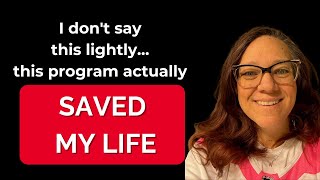
Wendy Damon, a 54-year-old nurse, struggled with emotional eating even after gastric sleeve surgery until she found Jessica Lawson's coaching program on TikTok. Within weeks of learning meal prep, journaling, and identifying triggers like stress with her mother, she lost 18 pounds, regained energy, and felt in control again.
Chapters
Hi everyone, I'm Jessica Lawson. I am a certified nutrition coach, a bariatric coach, emotional eating coach. Uh, here I have Wendy who just finished the program today. Very exciting. Uh, she's had an amazing transformation and we're gonna share her story. So Wendy, why don't you first tell me a little bit about yourself, who you are, uh, and maybe like what you have been struggling with in general and like what is your story?
K. I'm Wendy Damon. I am 54 and I live in Salt Lake City, Utah. My struggle with food has been lifelong. And about 6 years ago, I went and had a gastric sleeve surgery because I needed to take my health back and I needed to that. Initially, surgery went great. I didn't have any complications. Things, things are great. However, as I started to move through my career and move up, I started to— all those emotional eating triggers were still there. And I ate myself into a weight that I found unacceptable, and I was not feeling good with myself. So scrolling through TikTok one day, I came across Jessica's videos, started watching them, monitored them for a couple of hours, um, or days, weeks, um, and then I began a downward spiral, um, that started with a wedding anniversary present where my husband gave me an absolutely beautiful gift and I didn't feel that I was worthy of the gift because I wasn't who I thought or felt I needed to be, and, um, realized that I needed help, and Jessica was my help.
Oh, thank you. Yeah, so what would you describe your life like before? Like, I, I think a lot of people that get surgery have struggled with their weight their entire life, right? Like, I remember going on my first diet when I was like 8, you know, and dealing with food addiction and emotional eating since about that age too. Like, can you tell me a little bit more about like your lifelong struggle?
Um, yeah, I don't remember a time that I wasn't concerned about the food that was, that was going in my mouth. Um, I am a child of the '80s. I watched my mother struggle with this as well. She was always doing Weight Watchers or always doing something because she wasn't happy with herself either. And then so, you know, the aerobics kick-off. I remember Jane Fonda and I'm like, "Okay, well, if once is great, then two's going to be even better." So I had very much that all-or-nothing mentality. So they're really quite honest. The first time I think I remember was I started skipping meals when I was probably about 8 or 9. And I ate at school because I had to, but my mom wasn't home in the morning, so I didn't have to eat breakfast because there's nobody there to tell me to eat breakfast. And so it actually started very early when I started skipping meals or, um, or even binging, hiding, hiding snacks in my room so that people didn't know that I was eating the whole bag of potato chips. They thought I was just eating a couple of potato chips.
Yeah, totally. And so I know you had your surgery 6 years ago, and when exactly did you feel like things started to go downward a little bit? Like, how many years after your surgery?
Probably about 4 years. We had the— and just like everybody else, being a nurse, the pandemic hit really hard. Resources became really limited. I was working 18, 20-hour days in the hospital and we were actually getting fed fairly well, but it was restaurant food and it was food that I would not eat on the daily basis. But you know, there were just times when there was nothing I could do. So something went in my mouth and it was not, it was not a good choice. And that kind of started the spiral. And once it started, I'm like, I already put 15 on, what's another 10? You know, it's not going to come off at this point. So a lot of negative self-talk. And a lot of defeatism and a lot of just feeling lost because after surgery, they were great. They coached and did everything. But once I outgrew the post-surgery program, I didn't know what to do. I didn't know how to safely figure macros. I didn't know what my serving sizes should be. Should my serving sizes be more? Should they be less? I didn't know any of that. So that became frustrating and scary to me as well because I didn't, I didn't have the resources and the resources were not, weren't out there. They were, they were based on people with normal-sized stomachs with normal size. They weren't based on a bariatric patient. And so I was really lost and I'm like, there's, there's nothing out there. So yeah, I did this surgery, but I'm not sure why because there's nothing out there to support afterwards.
Yeah. And so what exactly was the point that you decided you need to make a change? I know you mentioned the anniversary gift. Was that the point or?
Um, I'd been thinking a little bit beforehand. Um, that was, that was the, that was the tipping point. And then to also be quite honest, I'm like, if this keeps going the way it's going. Um, I have two beautiful grandchildren. I'm like, I'm not going to see my, my grandchildren's, um, graduation. And I'm like, I'm not, I'm not going to live. I can't live, um, this way any anymore.
Yeah. And so you found me on TikTok. All right, I actually thought you found me on Instagram, so the more I learn. Um, and so what prompted you to actually reach out?
Um, it was, it was kind of, I don't know, one of your videos said, you know, a me please or something, and I'm like, sure, we'll see, we'll see if she even responds. And then I think it was like within 5 minutes of my sending the message, you responded and I'm like, oh, okay, it just wasn't— it just wasn't clickbait. Okay. Yeah. All right, let's talk. Oh, oh, a meeting. Oh, okay. Um, so it was just— it was just, uh, I'm gonna see if she's real. I'm going to see if she really is going to respond. I'm going to see if she really is— is who she is saying she is.
Yeah, I remember during one of our calls you told me that you were like, she could either be scamming us or legit and we're going to take a chance. And so tell me more about that because I think with the internet in particular, a lot of people can feel that way. So I'm curious, what was your thought process?
When you responded back in my interactions with you, I'm like, no, I think I think she's legit. My husband was really worried about it. He's like, he's like, well, what if she's a scammer? And I said, well, that, that I guess in this day and age, that's a risk you have to take. I go, I don't feel in my gut that that's what it is. Um, and so that, that led to the payment option that we, we decided and, and we chose on because he goes, well, at least we'll only be out only half if it turns out not to be real versus, versus the, the entire thing. But within a week, he's like, "She's legit. I can tell you're feeling better. It's working." He's like, and I have said this from the beginning, it was the best investment I've ever made in myself. And he's like, 100%, because as I've started my journey, he's kind of come along because I have fed him the same way and he's looking better, feeling better. And is happy as well. So it was a leap of faith. It really, it really was. I didn't have anything other than a gut feeling that this was going to be okay. And, and I followed it and it was the best decision I've ever made.
Yeah. And let's talk about the investment too, because I know people are scared to invest in themselves, right? Especially when you have Um, when you're someone that's struggled with your weight your entire life, you've tried everything, you've, you've spent money. Like, I know you went abroad for the surgery, um, so you spent a couple thousand dollars if not more on the surgery itself. And so like, walk me through, how did you think about that, right? Because I think a lot of moms in particular too have prioritized everyone else before themselves. And so a lot of times it's people's first time actually investing in themselves and prioritizing themselves too. But walk me through how you thought about it.
Um, again, I knew I wasn't going to survive if I didn't, I didn't do something. I knew I didn't have the tools that, that I needed. Um, and you're, you're absolutely right. I mean, I'm a mom, I'm a nurse, I'm a fixer. I'm not. And I couldn't figure out how to fix myself. And so that was another level of failure because I'm like, okay, here I teach people how to be healthy and how to take care of themselves and how to keep themselves out of the hospital. Yet I'm, I'm, I'm over here and I'm, I'm not doing anything because I felt lost and didn't have the tools that I need. It was not an easy decision. Um, it took, it took a lot of, it took a lot of thinking. I had to think about it long and hard before I even approached my husband. I had, I had a plan all planned out, um, when he did it, when I did it. Um, and to be quite honest, I, when he's like, well, what if she's a scam? I'm like, she might be. I just had to be that realistic and go, it doesn't feel like that to me, but it could be. So it can be really scary and it can be really scary prioritizing yourself first because you're putting the spotlight on yourself. You have to look, there are some ugly truths you're gonna find out and need to recognize about yourself. But you can't heal and you can't start getting better until you, until you recognize those. And then you're like, okay, they may not be the pleasant, they may not be the best person you want to present, but it's the truth. And getting honest with yourself and looking at that and accepting that part of yourself, you may not like it, but it's a part of yourself that's not going to go away. Those of us that struggle with emotional eating and food issues, we're fortunate because our addiction is legal and nobody thinks about, you know, the grocery cart and what's in the grocery cart. There's very little judgment unless you go straight junk. When you're buying your groceries. But I've caught myself, and I'm sure other people have, looking at other people's carts going, hmm, there's an awful lot of potato chips in there, but then looking at mine and going, you're doing the same thing. So it's hard, but once you recognize that, once you start moving forward with that and recognizing that that is a part of yourself, Um, the healing, the healing can begin because it's just like any other addiction. I'm in recovery. I will be in recovery for the rest of my life because this is a struggle I'm, I'm going to have.
Yeah. And so what specific habits or patterns were you struggling with before joining?
Well, I didn't have any habits or patterns other than, well, okay, I like to hide food in my desk. But I didn't have any healthy, sustainable habits. And so a lot of the tools I've been given are sustainable habits. So the meal prepping, the breaking down of recipes and reading labels and figuring that out, figuring out what an appropriate portion size for me still is. The portion size doesn't increase as you heal. The number of times you need to eat and the healthy stuff may increase, but the portion size is pretty much— your stomach is your size, is your stomach size. And replacing some of those old habits with— I meal prep. Now. So I know when I go to my refrigerator, if I'm going to grab something to eat, I've got a healthy option in there for me, for me to grab and eat. And I don't have to eat the full thing. If I only want a half or a little bit of a taste, then that's okay. That's okay too. And also giving myself permission to be human and not allow it to spiral me, but say, okay, You did not follow the plan today. Tomorrow is a new day. We can get back on and we can do it. Or figuring out why I didn't. Well, why didn't I? Oh, well, I should have put an extra protein bar or I should have put an extra portion in my lunch bag because today went longer than I thought. I didn't make it home in time for dinner and by the time I got home, I was too tired to eat. So, so just just planning ahead and meal prepping and getting that ready set me up for success instead of setting me up for failure.
Amazing. And so walk me through, you know, you joined the program. What did the first month look like for you? Because it can be really overwhelming at first.
It was totally overwhelming at first. I opened up those modules and I went, Oh my gosh. And then I got through them. I'm like, okay. And then I hit module 4 and I'm like, oh, okay, this is a big one. But that's where the me and the importance is and what I was really wanting and really craving. So I just took my time and worked through it and printed stuff off and saved stuff. And I've gone back and reviewed it a couple of times. So it can be very overwhelming and the important thing is, is this didn't happen to me overnight and the fix isn't going to happen overnight either and it is, it's going to be a continuous process. So I'm celebrating my wins but also not wallowing in my defeats. Or the perceived imperfectness of a day or a week, but not allowing it to continue on to where I spiral down into the self-pity and it just doesn't matter anymore. I give myself time to lick my wounds and then I'm like, all right, tomorrow's another day and you're going to get up and you're going to be better than you were today. And it may just be in teeny little increments, but that is doable. And when I can look back and go, yeah, yesterday I fell apart and I did this, this, and this, but today I was better, and giving myself some grace, honestly.
And how soon did you start noticing positive changes, whether it was physical, mental, emotional?
Probably within the first week because I was putting healthy food, healthy fuel. Um, I felt in control. Um, and I started, I started small. I started with, with— did I meal prep for a whole week? No, I meal prepped in the beginning. I meal prepped um, probably 2 or 3 days at a time. And, um, and again, some of it was, well, I don't know if I'm gonna like this food. So I would try some stuff and then I'd be like, okay, this is, this is okay, I could, I could do a full week of this. Or, um, you know, so, so figuring that out, figuring out when meal prep days, um, actually, actually work for me. And I found out that Sundays, while my husband was watching football games, was perfect because I could be in the kitchen doing stuff and he's watching and we're still together and we're still talking, but I'm not sitting there bored out of my brain scrolling. I'm, I'm doing something. But by doing that, I've set myself up for the week, um, of, of success. And going to my refrigerator and knowing that there is— in the morning, knowing that I've got this, this, this, this that I can pull out and put in my lunchbox, and I don't, I don't even have to think about it because It's already, it's already been done.
Yeah. And, and tell me more. I think a lot of people don't know about the, the cookbook, like the 600 recipe cookbook. And I think a lot of people, when they think like weight loss program, they think they're going to be eating like chicken, rice, and broccoli. Right? Like, so what was your experience with the cookbook? And like, did you like the food? Did you not like it, et cetera?
Um, the cookbook is amazing. It, um, and it has everything. Like quinoa— I love quinoa. I'm like, it's a carb though, I shouldn't be eating it. Oh no, there's hundreds of recipes with quinoa in it and it's perfectly fine. It's portion control, right? You've got— you still gotta have it. Um, oh, the chia seeds pudding, you guys, those are the best. And they can be altered a little bit. So like, I have the chocolate one, I love it, and sometimes I make it with just the protein powder, and then I— if I want something a little sweeter, and then if I want something that's just a little more bitter, not quite so sweet but still the chocolate flavor, then I put the cocoa powder in. So I've got two different versions in my, in my refrigerator at all times. Um, And they're so easy to make. It takes less than 5 minutes to mix, to mix that up, and then you've got, you've got your, your portions and you've got something in your fridge, um, ready to go. Um, flavor is a huge thing for me, and none of these recipes are non-flavorful. And I have played with seasonings and, um, and have really have really loved that. I've tried some stuff I'd never tried before because again, I didn't think I could. Um, so the butternut squash recipes have been, have been absolutely wonderful. Um, the pumpkin spice protein pancakes, oh my gosh, they are so good. And you don't need the syrup with them because they're, they're, they're good. So, um, there's been some trial and error. I have, I goof some things up Yeah, yeah. But they're all, and they're all portioned out with the macros and the nutrients there. So I know exactly what size I need to make for me and my body type so that I know that I'm going to have a solid meal when I sit down and pull it out of my refrigerator. The pancakes also freeze really well.
No, I did not ever think about freezing them. Okay.
They freeze, they freeze really good. Good to know.
Yeah. I'll have to do that myself. Um, what were some of the aha moments or breakthroughs you experienced during the program?
Um, I think recognizing, I did recognize a couple of triggers that I didn't know that I that I had or hadn't recognized as triggers, one of them being interactions with my mom. And because we have not had a healthy food relationship our whole entire life. And I didn't realize how conversations with her, particularly around food and me planning as we were planning for Thanksgiving and Christmas, um, really were self-defeating triggering events. But instead of grabbing that food after I got done talking to her, I went to my husband and I said, you know something, I never realized how bad sometimes having a conversation with her can be and how triggering that conversation can be. And that I always want a Snickers bar after I talked to her. And so, so figuring that out and knowing that and having something that I can either prep beforehand, either eat before I talked to her or have something I can go to after I talked to her was, was a, um, was an eye opener. Um, for me. Also work, I was allowing work to dictate more as I have moved up and have accepted higher positions. I was using that as an excuse. Oh, well, I've got to work through lunch. Oh, I got to get this project done. We're not— no dinner tonight, you know, instead of going, okay, I've got to get this project done. I've got an extra meal here. I'm going to be good. I can, I can eat this and work on the project and still get my nutrition in, have it be a decent portion size and decent amount and good food and, and still get, still get my project done. And I have very few, I'm having fewer of those because what I'm putting in my body is good fuel and my attention span and stuff is actually has sharpened. Um, so I'm feeling less and less, um, at the beck and call of, of work or the expectations where, um, the stress is just different. It's just hitting different.
Amazing. And then can you share any specific wins or results you're especially proud of?
Um, well, the weight is coming off. Again. But really, my, my ability to accept myself for where I am. And to give myself grace, and just recognize that I'm, I'm a, I'm an imperfectly human being that is just working on improving. And I may not have the best day, but it's better than days I have had. And tomorrow is a new day. So the kindness and grace that I am now allowing myself to give me.
Yeah. Amazing. And what would you have done before?
I would have beat myself up. I would have been a lot of negative self-talk. A lot of, I'm not worth it, so it doesn't matter. So I have a healthier relationship with myself.
Yeah. And how did the program help you overcome any challenges or blocks that you thought might be permanent?
The coaching sessions have been great. Jessica will hold you accountable for your stuff. She can see through. But also having that level of accountability of, okay, I've got this call coming up and it's going to happen every week and holding myself accountable. Um, but also being fair enough to go, you know, some— this week wasn't the best week. And, um, and that's okay. And it is, because again, we are— we're never going to be perfect. We can be better versions of ourselves. And it's okay to say, you know, something— things spiraled out of control, but This is— I've recognized this, this, and this, and I put this, this, and this in place. And so we're just going to move forward and allow ourselves that grace, but also not allow so much grace that we— that I allow myself to wallow in that and to stay in that. Just knowing that, okay, it's time to brush yourself up, pick yourself up, and let's, let's, let's move forward.
Got it. And tell me more about how did having a structured plan at the beginning help? Because everyone comes to me wanting, you know, this golden plan that's going to magically solve all their problems. And I give them that to an extent, but ultimately my goal is for, for you to realize that you have the tools throughout the program to develop your own plan and that a plan's not really needed. So I, but I'm just curious, like, what are your thoughts on that? Like, what are your thoughts on the Bariatric Blueprint? Like, was that helpful? Was it not helpful, et cetera?
No, it was incred— it was incredibly helpful. Okay. Because you need someplace to start. And when you start on the bariatric pathway, everything is planned out for you. You know, you've got X number of weeks before surgery, you do your counseling, and then you've got your prep before surgery, and then you've got your diet after surgery, and then you're working in foods and stuff. So everything, but I think where we get failed the most is once you're outside of those those parameters. They're like, well, add in vegetables. Well, okay. Sometimes they give you a list of foods you can and can't have, but you're like, okay, what, what, what can I do? What portion sizes? What should my plate be? What, you know, should it be 50% protein, 20% vegetables? Or, you know, what, what should my portions be? And how does that relate down to my stomach size and what needs to be done? So we start out very structured when we go on the bariatric and to get back on the path, you need to be structured. But it didn't take me very long before I'm like, "Okay, I've got this. I've got this great cookbook. Now, what do I need to do to tweak it within the parameters and the knowledge that I've gained to fit my life and then to make— and then to keep me successful and the little tweaks and plays that come along with that. But that happens fairly quickly, like within about the first 3, 4 weeks, I was already starting to play things and look at things and going, okay, I've got this busy day at work. I've got 4 meals, but I may need a 5th one because of, of what's going on, or this is going to be a really physically demanding day. I'm going to probably need an extra meal portion portioned out over the day to, to meet, to meet those demands. And so I started playing pretty early. At working that out and figuring that out because that's also key. Well, we need the blueprints and we need the structure, but we also need the flexibility to make it work with our lives and what's going on at the time to be successful because that cuts down on those bad habits and those bad— feeling like we need to make those poor decisions because, well, all that was available was a vending machine at work and they didn't have good choices, but I knew I had to eat because I was, I was sick. So recognizing those and again, it comes down to planning and meal prepping. Well, what does your week look like? You can't plan everything. There's going to be things that happen that change. But once you have those tools and that ability to think it through, then you're able to meet those challenges a little more head on. And be a little more prepared so that you have— you're running your life, not life running you.
Yeah, that totally makes sense. And what part of the program did you find most helpful in keeping you on track?
I love the modules, the in-person when I was able to attend the in-person coaching sessions, those were incredibly helpful as well. And it was nice to know I wasn't the only one out there to go, oh no, look, there's other people out there. I know they're out there, but to go, okay, no, this is a community. I'm not the only one that's having these issues was helpful. As well.
Amazing. And what tools or techniques from the program did you feel like were the most impactful that you'll probably use forever?
Journaling. I went in, I went in going, that's not me. That's just going to be lame.
Everyone does.
And now I'm already— I mean, do I always physically write it down? But no, I catch myself journaling in my head. I'm like, okay, well, this worked, this didn't work. And so I caught myself even journaling in my head. Now, am I the best at morning and night? No, but I'm usually pretty good at night. And so how did the day go? What am I going to do tomorrow to set me up? And so that, that has been incredibly helpful. Um, getting good sleep— wasn't sleeping before. Now I have prioritized my sleep, and I have found a lot of my cravings and stuff have gone away just because I am not tired, and I'm not looking for artificial ways to, um, up my energy level because I have nothing else to give. So that has done it. And really the prioritization of myself.
Yeah. And so were there particular modules or exercises that resonated most with you?
The weekly form was great because then it— because it's not just a surface level. You can't, you can't just, it's not surface. It's going to take you easily, I think the quickest one I got done was 15 minutes, but most of the time it took a half hour to 45 minutes to truly just sit down, be brutally honest and truthful with what had gone on during the week. But again, that was prioritizing myself and my time to take a look at what was going on and what I had done. Um, so it, um, that made a huge difference.
Amazing. And then how has working with the program changed your approach to long-term weight maintenance? I know we've talked a bit about this in general, but I'm curious, like, if you had to sum it up.
Um, meal prepping is key. Um, but I've also been, um, given tools on traveling and what to do when I'm traveling and options that I didn't even, I didn't even think to, to look at. And how to make the best of, if you don't necessarily have control over where you're going to eat, how to look at the menu and actually dissect stuff and go, okay, this is a healthy option than, than this option. And feeling empowered to make those decisions. Eating out now is not a source of anxiety that it used to be. I'm like, I can find anything on a menu and be okay with it. So a lot of my anxiety-producing activities aren't anxiety-producing anymore because I have the tools in my back pocket. To be successful.
Amazing. And if you had to sum it up, like, how, you know, at a high level, like, how has your life changed since joining the program?
Um, I don't say this lightly, it actually saved my life.
Oh, Wendy.
I don't— I was not in a good mindset. I was not in a good frame of mind. I was lost. I was frustrated. I was scared. And to be quite honest, I wouldn't have continued on, on much longer. And so it literally saved my life and gave me the tools that I know are sustainable, that I will use for the rest of my life.
Oh, thank you for— I guess aside from like, thank you. Oh, that warms my heart so much. I'm so happy to have made an impact. Um, what activities or experiences can you enjoy now that weren't possible before?
Um, going out with my friends. And having a fun night out and not being terrified of making a bad food option or being judged or beating myself up for a food option, um, that I've, I've made. Um, I've, I've made myself the designated driver, which is great because I choose to eat my calories, not drink my calories. I'm just like, no, I'm just gonna be the I'm just going to be the designated driver, but I can actually be present and be a part with my friends where I couldn't before because I was pretty much crippled with anxiety. I am very much more present with my family and my grandkids. I am not secretly terrified that I'm going to die of a heart attack. Now, could that happen at any time? Absolutely. I mean, my friend's husband had one this weekend. He's young and very healthy, still had a massive heart attack. So could that happen at any time? Yes, but it's not going to happen because I'm sitting there being helpless and I'm not taking the steps I need for healthy life or a healthier life. So my preoccupation of dying early is not there anymore. And so I'm much more present, much more in the moment.
Amazing. And what would you say to someone who's hesitant about investing in themselves? An InTouch program like this?
Um, it is a leap of faith. It is a huge, huge leap of faith. But if you go into it with an open mind and you're willing and ready to make the changes there, it's not easy. It's not easy. It is a change of a mindset. It is a change of a lifestyle. Um, it is changing a lot of negative self-talk. Um, you know, when I purged my refrigerator, to be quite honest, I probably threw out $300, $400 worth of junk. And I mean, it's food, but it was, it was junk. And did it feel good? No, it felt awful because I'm like, I spent all this money on junk. But I replaced it with good stuff. So initially, it's going to be hard and there's going to be hard days and there's going to be times when you're like, it just is when you're making any changes, is it worth it? Just stick with it. You'll make it and it will, the little wins, how the program is set up is there's little wins everywhere. Just take those little wins and celebrate them because those little wins add up and you're going to feel— I didn't think that 90 days was going to be enough. I'm like, it's not going to be enough. It's not. And guess what? I'm there and it was enough. I still have the resources available to me and just take that jump because you're worth it.
Yeah. And how do you feel about the decision to invest in yourself?
Is the best decision I have ever made. Next to getting surgery, this was the best decision I, I have, I've ever made. Best investment I've ever made in myself.
Amazing. And we have— the funny thing is, like, we've— you said that you lost weight, but we haven't even said the number. Like in this entire conversation, right? Like, so I think so many people come to me and are like, I wanna lose X amount of weight, but that's not the problem. The problem is, is the brain and, and all of that. But I guess for the folks that are wondering, like, how much weight have you lost so far?
Um, 18 pounds so far.
Amazing. Awesome. And what advice would you give to others who, you know, are thinking about joining?
Um, do it. Think about— do your research, make sure that Jessica is the right, the right person for you. Um, you're going to find that—
yeah, who would you say is the right kind of person to work with me? Because I think not everyone is.
Yeah, um, you have to have the right mindset. You have to, you have to be ready to make the change because it is, it's a lot of psychological, a lot of psychological change. Um, if you want to be stroked and petted and told you're pretty, Jess is not your person. She's very real. And she's going to call you on your stuff. For me, that's what I needed. I needed that. But she's also, she's that quiet reassuring voice of, okay, well, this week wasn't great, but let's look at your wins and let's see what we can do. She's a great resource for, okay, I'm stuck. I don't know what to do. I was stuck. I didn't know what to do about working out. She's like, get a new outfit. I'm like, well, that's super easy. And it did it because it was, it was cute. Put it on, it was cute. Um, but you're going to get 100% real. You're going to get accountability because she's going to hold you accountable, accountable for your, your goals. But you're never gonna— you're gonna have a very solid cheerleader in your background. She wants She truly wants her clients to be successful, and she wants to meet them where they're at, and she wants to improve their lives.
Oh, thank you. Awesome. Well, those are all my questions, Wendy. Anything else to add? I feel like we've covered a lot, but just in case.
No, can't think of anything.
Awesome. Great. Well, thank you so much for chatting and for sharing your experience.
More from Jessica

Why You Lose Control With Food The Second You Get Home From Work After Bariatric Surgery




Why You Keep Reaching for Food After Bariatric Surgery, Even When You Know You Shouldn’t #bariatric

Why Food Takes Over When You Get Home From Work After Bariatric Surgery #bariatricsurgery




What no one tells you about regain after Bariatric Surgery #bariatricsurgery #bariatric

She Spent $15K on Bariatric Surgery and Still Couldn't Stop the Food Noise (Until This)