
Stop Travel Weight Regain After Bariatric Surgery: 5 Essential Strategies for Busy Professionals
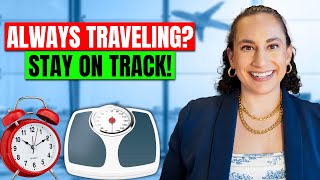
Jessica Lawson, a bariatric nutrition coach, breaks down why travel sabotages weight loss after surgery: sleep loss, dehydration, stress, and decision fatigue. She walks through five concrete strategies: pre-travel protein banking, packing a bariatric kit, scouting restaurants ahead, controlling your hotel environment, and eating protein first at airports.
Chapters
Have you ever landed from a business trip, stepped on the scale, and felt that sinking feeling? You're not alone. And for high-achieving professionals who've had bariatric surgery, travel can be the biggest threat to your weight loss success. I'm Jessica Lawson, a certified nutrition coach and a bariatric specialist who's worked with dozens of high-achieving professionals maintaining their post-surgery results while managing demanding travel schedules. And as someone who's not only professionally certified in nutrition but has also worked with dozens of women across multiple industries, I've seen this pattern time and time again. You maintain perfectly at home, and the second that two business trips stack up, you're up 5 pounds and feeling like you're losing control. But here's the truth: maintaining your weight while constantly on the move requires a completely different approach than what works at home. Your post-surgery body has specific needs that standard travel advice just doesn't address. Through my specialized training and experience, I developed evidence-based strategies specifically for busy bariatric professionals with modified digestive systems. But in this video, I'm going to share my proven strategies that have helped my high-performing clients maintain their weight loss success regardless of how they travel. These aren't generic trips you're going to find in mainstream travel articles. They're specifically designed for the unique physiological needs of bariatric patients based on clinical research and my experience working with clients just like you who regularly cross time zones while managing their post-surgery nutritional needs. If you're struggling while maintaining your weight while traveling, make sure to like this video and subscribe for more specialized bariatric success strategies. Let's start by understanding why travel is particularly challenging for those of us who've had bariatric surgery. First off, your post-surgery body requires consistency. At home, you've likely established structured eating patterns, protein prioritization, and hydration routines that work perfectly. But what happens when your 6 AM flight is delayed, your meetings run back to back, and the only food available is the hotel minibar? The physiological challenges are real. Your modified digestive system requires smaller, more frequent meals, and missing these windows doesn't just make you hungry, it can trigger metabolic changes that promote fat storage. Your protein requirements, which are essential for maintaining muscle mass, become nearly impossible to meet with airport salads and conference buffets. Then there's hydration, and we all know we need to drink enough water after surgery, but between TSA liquid restrictions, back-to-back meetings, and unfamiliar water sources, your hydration routine falls apart, which directly impacts your hunger signals. But perhaps most challenging are the psychological triggers that occur during travel. The stress of unfamiliar environments and tight schedules creates the perfect storm for emotional eating. Social and business dining expectations where saying no feels impossible. Decision fatigue from constantly adapting new food environments, leading to impulsive choices. And this unique combination of challenges requires specialized strategies that address both the physiological and psychological aspects of bariatric maintenance while traveling. Now let's uncover the hidden triggers that cause weight regain during travel, things most nutritionists won't tell you because they don't understand the executive lifestyle. First off, there's disrupt— early flights, late-night client dinners, and changing time zones wreak havoc on your sleep patterns. And what most people don't even realize is that even one night of inadequate sleep increases your hunger hormone ghrelin by up to 15%, while decreasing leptin, your fullness hormone. This creates a biological drive to eat more precisely when your food options are at their worst. Next, dehydration, because when you're flying, you lose approximately 8% of your body's water content, which your brain often misinterprets as hunger. This is why that airport cinnamon roll suddenly seems irresistible after a 3-hour flight. Then there's executive dining culture. Client dinners and business lunches aren't just meals, they're relationship-building opportunities, and turning down food or special drinks can feel like rejecting the relationship itself, creating immense pressure to participate in ways that undermine your nutritional needs. Hotel environments present their own challenges. The fully stocked minibar, the breakfast buffet, room service available 24 7, all designed to maximize convenience at the expense of your carefully established habits. Time zone changes affect not just when you eat, but how your body processes those meals as well. Eating at times misaligned with your body's internal clock can reduce your metabolic efficiency by up to 17%, according to research. And then finally, there's a special occasion mindset. Each business trip becomes an exception. I'll get back on track when I get home. But when you're traveling weekly or monthly, exceptions become the rule. Not the exception. So understanding these hidden triggers is the first step towards creating effective countermeasures. Now, success doesn't start when you board the plane. It begins days before. Let me explain, and let me share the pre-travel strategies my most successful clients use. First, implement what I call nutrition banking. In the 3 to 4 days before travel, optimize your nutrition with impeccable protein intake, hydration, and nutrient-dense foods. A metabolic buffer that helps your body better handle travel disruptions. Think of it as building up reserves before the storm. Now let me break down what this looks like practically. Increase your protein intake by 10 to 15 grams per day. Prioritize anti-inflammatory foods like fatty fish, berries, and leafy greens to combat the inflammatory effects of travel. Front load your hydration with an extra 16 to 20 ounces of water daily, and consider adding a high-quality probiotic temporarily to strengthen your gut health before travel disruption. Next, strategic packing. Beyond your business essentials, pack your bariatric success kit. Here's what this is going to include: portable ready-to-eat protein options like hard-boiled eggs— they keep well for hours unrefrigerated, I promise— shelf-stable tuna or chicken pouches that don't need refrigeration, pre-portioned nut packets if you can eat nuts for healthy fats and protein, pre-sliced cheese in wax wrapping— stays good for several hours— and a collapsible water bottle with measurement markings. You can also include pre-portioned supplements and daily containers, including any digestive enzymes that you might rely on, celery or cucumber sticks with individual hummus containers, and electrolyte tablets to combat travel dehydration, which is especially important for long flights. Insulated food container for keeping proteins at safe temperatures. Now, the digital prep is just as important as what you pack, so I want you to create a travel success folder on your phone, and in this folder you're going to put screenshots of your hotel reservation with any special requests highlighted, a list of your non-negotiable eating windows protect during scheduling, saved maps with grocery stores, protein-friendly restaurants, and pharmacies near your destination, and a travel-specific checklist to run through each trip. The most successful travelers also do targeted research before departure. Identify and save the locations of grocery stores near your hotel, like Whole Foods, Trader Joe's, etc. Review restaurant menus near your meeting locations and pre-select appropriate options and contact your hotel in advance. To request a refrigerator or microwave in your room. Schedule your meetings to allow for your critical eating windows whenever possible. And research your airline's meal options and preorder special meals when available. And look for hotels with extended room service hours or healthy grab-and-go options. Next, you want to set up your environment for success with these pre-travel techniques. Schedule a 30-minute grocery delivery to arrive shortly after you check in. Additionally, book an early morning flight whenever possible. They're less likely to be delayed, protecting your eating schedule. Also, establish protected eating times on your work calendar that cannot be scheduled over. Prepare a simple script for declining food offerings that don't align with your need, and create meeting agendas that don't center around meals when you have control. One client of mine who's an attorney who takes frequent domestic trips always packs a small immersion heater and a travel mug, and this allows her to prepare simple egg dishes or even warm precooked proteins in any hotel room, even without a microwave or refrigerator. And remember, preparation isn't about perfection. It's about creating a framework that makes success more likely than failure. And the key is to control what you can control before the unpredictability of travel begins. Now let's discuss what happens when you're actually on the road. And these are practical, tested strategies that work in the real world of business travel. Starting with airports, rather than hoping for healthy options, implement the Protein First Airport Strategy. Upon clearing security, immediately find a source of protein, even if it's just a hard-boiled egg or cheese stick from a convenience store. This stabilizes your blood sugar before the stress of flying triggers cravings. For flights, I recommend the BYO protocol. Bring your own. Prac. Pack travel-friendly whole food proteins like hard-boiled eggs, pre-portioned cheese, or even cold rotisserie chicken in an insulated bag. For longer flights, request special meals when booking. Not because they're perfect, but because they arrive first, allowing you to eat and sleep while others are still waiting. When you arrive at the hotel, implement the room reset strategy. Remove or request removal of the minibar items and set up a designated food station with your emergency protein and supplements. If you have a refrigerator, make a quick trip to the nearest grocery store for plain Greek yogurt, precook, precut veggies, and ready-to-eat protein options. And for restaurant dining, use what I call strategic pre-decisions. Preview the menu before arriving and decide on what you're going to order in advance. You can also use specific phrases with servers like, I'm recovering from surgery, could you please bring half portion? Or, I'll need a to-go container right away, please. Implement the protein-first EA sequence, consuming protein before anything else. Here's some other tactics that you can use for business dinners. So the pre-eating strategy: consume protein in your hotel room before social events so you're not making decisions while you're hungry. The focus shift: actively engage in conversation during the meal, strategically taking small bites during natural pauses. And the wine strategy: if appropriate, order a wine, but just take occasional sips rather than feeling pressured to abstain or consume. And most importantly, have a quick recovery protocol for when things don't go as planned. If you have an off-plan meal or day, commit to good protein, hydration, and portions for the next 10 hours. This prevents one-off plan meal from cascading into days of poor choices. And these strategies work because they're designed for the real world of executive travel, not an idealized scenario that assumes you have full control over your schedule and food environment. So we've covered a lot of ground, from understanding unique challenges of maintaining weight loss while traveling to implementing specific strategies before and during your trips. And remember, the goal is not perfection. It's having a strategic approach that keeps you in control even when your environment isn't ideal. Consistency beats perfection every time, especially for busy professionals. So I want you to start by implementing just one strategy from this video on your next trip. Perhaps it's the pre-travel nutrition banking, or maybe it's the hotel room reset. And small changes consistently applied create significant results over time. And if you found these strategies helpful, please like this video and subscribe for more content designed specifically for bariatric patients with demanding lifestyles. And for those of you who want personalized strategies tailored to your specific travel patterns and challenges, I invite you to book a Bariatric Success Strategy Call with me at the link in the description below. During this call, we're gonna analyze your specific travel challenges and create a customized plan to protect your weight loss success no matter where your career takes you. And remember, your weight loss success isn't just about looking good. It's about maintaining the energy, confidence, and health that you need to perform at your best in every area of your life. You worked too hard to let travel derail your progress, so Safe travels, and I'll see you in the next video.
More from Jessica

Why You Lose Control With Food The Second You Get Home From Work After Bariatric Surgery




Why You Keep Reaching for Food After Bariatric Surgery, Even When You Know You Shouldn’t #bariatric

Why Food Takes Over When You Get Home From Work After Bariatric Surgery #bariatricsurgery




What no one tells you about regain after Bariatric Surgery #bariatricsurgery #bariatric

She Spent $15K on Bariatric Surgery and Still Couldn't Stop the Food Noise (Until This)