
The Real Reason You Can’t Stop Emotional Eating (And How to Fix It)
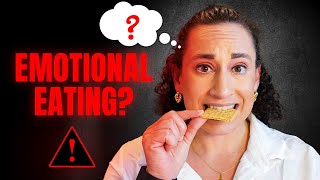
Jessica Lawson, a nutrition coach and former tech executive, explains emotional eating as a stress response she calls the "achievement stress cycle," where success pressures spike cortisol and trigger intense cravings. She walks through her six-phase Freedom Framework using client stories from a finance executive and law firm partner, then shares three immediate actions: trigger tracking, a 30-second Stress First Protocol, and building a success-focused environment.
Chapters
You just finished a challenging meeting, dealt with a difficult client, or received some stressful news. And where do you find yourself? Standing in front of your snack drawer or reaching for food you weren't even hungry for. We've all been there, and I get it. But what if I told you that your emotional eating isn't about a lack of willpower or discipline? In fact, the real reason that you turn to food during stress is something nobody's talking about, and once you understand it, everything changes. I'm Jessica Lawson, a certified nutrition coach, and I intimately understand the emotional eating cycle. As a former tech executive, food became my go-to response for everything. Stressful meetings, I ate. Difficult decisions, I ate. Late-night deadlines, more eating. This pattern led me to gain 140 pounds just in 5 years while climbing the corporate ladder. And the more successful I became, the more I turned to food to handle the pressure. Even after having bariatric surgery and losing the weight, I discovered something crucial: that surgery could shrink my stomach, but it couldn't fix my emotional relationship with food. So everything changed when I realized that emotional eating isn't willpower problem. It's a stress response that requires a strategic solution. And today, as a certified nutrition coach, I help high-achieving women just like you transform their relationship with emotional eating using the exact framework that I created. If you're ready to understand the real reason behind emotional eating and learn how to fix it, hit that subscribe button and notification bell because I'm sharing strategies specifically designed for successful women who want to break free from emotional eating while excelling in their careers. Everyone probably tells you just to have more willpower power or find other ways to cope with stress. But here's what's fascinating, is that research shows that willpower actually decreases up to 70% when we're under stress. So relying on willpower to stop emotional eating is like trying to put out a fire with gasoline. Here's where it gets really interesting for high achievers like us. The same drive and ambition that make you successful in your career actually make you more vulnerable to emotional eating. Why, you might be asking? Because you're dealing with high-stakes situations, more critical decisions, greater performance pressure, constant mental demands. This creates what I call the achievement stress cycle. Success creates more pressure, pressure triggers more emotional eating, emotional eating impacts your performance, and the cycle continues, yada yada yada. And traditional advice completely misses the unique challenges that high-achieving women face with emotional eating. If you're nodding your head right now, which you probably are, if you've ever thought, I have incredible discipline in my career, why can't I control this? You're not alone. And more importantly, there's nothing wrong with you, okay? You're Emotional eating isn't a character flaw, it's a stress response that needs a strategic solution. So let's dive into what's really happening in your body when stress triggers emotional eating, because here's what's fascinating. When you're under stress, your body releases cortisol, your stress hormone, and cortisol does something incredible. It actually changes how your body responds to food. But as a high achiever, you're not just dealing with normal stress, you're experiencing what I call success stress, a unique combination of high-stakes decision-making, leadership pressure, constant performance demands and time constraints, all of which flood your body with cortisol and trigger intense cravings. Here's where it really gets interesting. Your drive for excellence, the same quality that makes you successful, actually intensifies this response. Every time you push for perfection, every time you hold yourself to impossible standards, you're activating this stress food connection even more strongly. But the impact of emotional eating goes far beyond just those moments of eating. Let's talk about what this is costing you professionally. First, there's the mental bandwidth drain. Every time you're in an important meeting, thinking about the food that you stress ate, every time you're trying to focus but feeling guilty about emotional eating, or every time you're spending your brainpower planning how to be good with food, that's mental energy being drained from what actually matters. And the performance impact is even more serious. When you're caught in emotional eating cycle, you experience energy crashes during critical moments, decreased focus during important decisions, reduced confidence in high-stakes situations, and compromised leadership presence. But the personal toll is perhaps the most significant because there's the constant emotional burden of feeling out of control with food despite being so in control in your career. The physical effects of stress eating, the energy fluctuations, the digestive issues, the sleep disruption— this creates even more stress. And perhaps what is most frustrating is what I call the recovery gap. Each episode of emotional eating requires more energy to bounce back from, creating a deeper sense of failure and triggering even more stress eating. It's like running a marathon while carrying a heavier backpack each mile. And let me share how this transformation looks in real life. Take Jennifer, a senior executive at a finance company who used to stress eat during every board meeting preparation. She was brilliant at her job but found herself hiding snacks in her desk, and she constantly felt out of control whenever big presentations loomed. And after implementing the framework that I'm about to share, she not only stopped stress eating, but she found herself performing better under pressure because she wasn't using mental energy thinking about food or fighting food urges. Or consider Maria, a managing partner in a law firm who was stress eating her way through 70-hour work weeks. She was winning cases but losing her confidence every time. She turned to food to handle the pressure, but using this systematic approach, she learned to channel her stress response into performance fuel instead of emotional eating. Now she leads her team through high-stakes situations without food ever crossing her mind. And here's the good news: there is a systematic solution to emotional eating that doesn't rely on willpower. I discovered this after years of struggling, and it's transformed not just my life but the lives of countless other high-achieving women. Let me show you how the Freedom Framework breaks the emotional eating cycle once and for all. We start with foundation, creating a stress-proof nutrition base. This isn't about rigid meal plans. It's about strategically fueling your body to handle stress better. And think of it like building a strong foundation for a house. When the foundation's solid, the whole structure is more stable. This means understanding which foods actually stabilize your stress response, creating strategic meal timing that supports emotional regulation, building a nutrition base that prevents stress-induced cravings, and setting up your environment for success. Next, we focus on reconnecting with your body's signals. Years of emotional eating have likely disconnected you from your true hunger and fullness cues, and this constant stress of a high-powered career can make it even harder to recognize these signals. So we're going to build this connection using specific protocols that help you distinguish between emotional and physical hunger, recognize early stress signals before they trigger eating, understand your body's unique stress response patterns, and then build trust with your internal cues. Then we empower your mindset, transforming how you respond to stress. So instead of food being your only coping mechanism, you'll develop what I call an emotional navigation system. This includes strategic stress response protocols for different situations, clear emotional regulation strategies that work in real time, powerful mindset shifts that work under pressure, specific techniques for high-stakes moments, tools for managing success-related stress, and methods for handling perfectionism triggers. Next, we establish new coping mechanisms that actually work in your busy life, and these are not generic takeaway Walk suggestions. These are sophisticated strategies designed for high-performing women who need solutions that work in real-world situations, like quick stress relief techniques you can use in meetings, strategic responses for different types of emotional triggers, professional coping mechanisms that maintain your executive presence, critical deadlines and project stress, and personal stress triggers in life demands, as well as client interactions, stakeholder management. The list goes on and on. Leadership challenges and team dynamics. The Optimize phase is where we fine-tune your performance by creating what I call stress stress zones, times when you're actually using stress to enhance your performance rather than trigger emotional eating. And then finally, we ensure maintenance through sustainable practices that work long term. This includes adaptation strategies for different stress levels, progress tracking systems that don't create more stress, long-term success protocols, sustainable practices and systems for handling increased responsibility. And lastly, we also use strategies for maintaining progress during career growth. So let me give you 3 specific steps using this strategy that you can take right now to start transforming your relationship with emotional eating. These aren't just quick fixes, they're the beginning of a lasting transformation. First, start with what I call trigger tracking. Notice when you turn to food emotionally. Is it during certain types of meetings, after certain interactions, in particular environments, at specific times of day, following certain times of stress? Don't try to change anything just yet. We just wanna become aware of your patterns and write them down. Second, create what I call a The Stress First Protocol. Before turning to food, take 30 seconds to ask yourself, what type of stress am I experiencing right now? Rate your stress level on a scale of 1 to 10. Note whether it's work stress, personal stress, or success stress, and then identify if you're actually hungry or responding to this emotion. This simple pause starts breaking the automatic stress eating response. And then third, begin setting up your success environment. This means removing trigger food from your workspace, creating stress relief stations with non-food tools, setting up your office for emotional regulation, establishing clear boundaries and support systems, and organizing your space for stress management. Imagine walking into your next stressful meeting completely confident in your ability to handle the pressure without turning to food. Imagine ending each day feeling in control of your emotions, your eating, and your energy, no matter what challenges come your way. Think about what's possible when food is no longer your go-to response for stress, when all that mental energy currently spent on emotional eating is redirected into your career, your goals, your priorities. You've already proven that you can handle immense pressure in your career. Now it's time to transform your relationship with emotional eating using the same strategic thinking that makes you successful. If you're ready to break free from emotional eating and create your lasting transformation, here's your next step. Book a Food Freedom Strategy call with me at the link in the description, and during this session, we're going to map out your specific emotional eating triggers, create your personalized stress response plan, and determine if my coaching program is the right fit for your transformation. But I want to be clear, this is not for everyone. I only work with women who are ready to stop using food as their stress response and create real lasting change. Women who are ready to approach this challenge with the same level of commitment they bring to their career. So if you're ready to end the emotional eating cycle for good, click the link in the description to book your Food Freedom Strategy session. And make sure to hit subscribe and the notification bell for more strategies designed specifically for high-achieving women who want to break free from emotional eating while excelling in their careers. Because remember, you don't have to choose between success and emotional freedom. You can have both.
More from Jessica

Why You Lose Control With Food The Second You Get Home From Work After Bariatric Surgery




Why You Keep Reaching for Food After Bariatric Surgery, Even When You Know You Shouldn’t #bariatric

Why Food Takes Over When You Get Home From Work After Bariatric Surgery #bariatricsurgery




What no one tells you about regain after Bariatric Surgery #bariatricsurgery #bariatric

She Spent $15K on Bariatric Surgery and Still Couldn't Stop the Food Noise (Until This)