
Why Discipline Won’t Fix Your Eating Habits (Do This Instead)
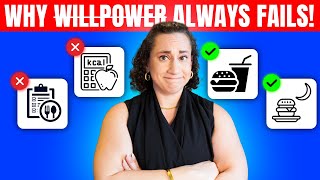
Jessica Lawson, a former tech executive, explains why discipline fails for high-achieving women: success depletes mental energy, leaving nothing for food choices. She offers the Freedom Framework instead, a systems-based approach that builds automatic habits and reconnects you with hunger cues, replacing willpower with automatic decision-making.
Chapters
Let me guess, you're one of the most disciplined people in your professional life. You have the willpower to build successful teams, hit ambitious targets, and excel in your career. But when it comes to food, that same discipline seems to disappear. If you're tired of starting over every Monday, tired of wondering why your incredible willpower fails you with food, this video will show you why discipline isn't the answer and what actually works instead. If you're new here, I'm Jessica Lawson, and I know this struggle intimately as former tech executive, I was the queen of discipline. I could lead complex projects, manage large teams, and drive results. But despite this discipline, I gained 140 pounds in just 5 years while climbing the corporate ladder. And I tried using the same willpower that made me successful in my career. I created strict meal plans, set rigid rules, and pushed myself just to be more disciplined. But the harder I tried to control food through pure discipline, the more I ended up struggling. And even after having bariatric gastric surgery and losing the weight, I discovered something crucial. No amount of discipline would ever fix my relationship with food. But everything changed when I realized why discipline always fails with food and actually discovered what works instead. So if you're ready to stop relying on willpower and create lasting change, hit that subscribe button and notification bell. On this channel, I'm sharing strategies specifically designed for high-achieving women just like you who are ready to break free from the discipline trap. Let's Let's talk about what I call the discipline myth. Now here's what fascinating research shows us. Willpower is like a muscle. It gets fatigued with use, and this means that every time you rely on pure discipline to make a food choice, you're depleting your willpower reserves. Think about your day. You're already using tremendous discipline for making critical business decisions, managing challenging situations, navigating complex relationships, and driving high-level performance. By the time you get to food decisions, your willpower muscle is exhausted. And here's where Here's where it gets really interesting for high achievers like us. The more successful you are, the more this affects you. Why? Because you're already using exceptional discipline in your career, leaving even less willpower available for food choices. This explains why you can be incredibly disciplined in your work life but still struggle with food or evening snacking, stress eating, or weekend overeating. It's not a character flaw, it's simple science. Your brain can only make so many disciplined decisions before it needs a break. But here's the good news. Once you understand why discipline isn't the answer, you can start creating something much more powerful, a system that works even when willpower doesn't. Now let's dive deeper into why discipline always fails with food, starting with the biology problem that nobody's talking about, because your brain has a finite amount of decision-making power available every day. Research shows that judges make harsher decisions later in the day simply because their willpower is depleted. And the same thing happens with your food choices. Each discipline decision you make literally drains your brain's ability to make the next one. But it gets even more interesting. When you're relying on discipline, you're actually triggering a stress response in your body. Your cortisol levels rise, and guess what cortisol does? It makes you crave more food, especially high-calorie, high-fat foods. So the very act of being disciplined about food can make you want to eat more. This leads us to what I call the high achievers trap. As successful professionals, we try to solve food the same way we solve everything else with more discipline, more control, more willpower. We create the perfect meal plan, set strict rules, and promise ourselves we'll do better this time. But this triggers a perfectionism cycle. You're either on plan or off plan. You're either being good or bad with food. And the moment that you deviate from perfect, the all-or-nothing mindset kicks in and you find yourself starting over again. Now, the costs of relying on discipline go far beyond just failed diet attempts. Let's talk about what this approach is really costing you. First, there's the constant mental drain. Every time you rely on willpower to make a food choice, you're using up mental energy that could be spent on your career, your relationships, your goals, your family, your friends, your kids. Think about just how much brain space you're using trying to be good with food. And this creates a cycle of guilt and shame. When discipline inevitably fails, you blame yourself. You think, I should be able to control this, I'm successful everything else. But this shame actually impacts your professional performance. Creating a vicious cycle of stress and struggle. And the physical consequences are even more serious. The stress of constant discipline triggers emotional eating, and your metabolism actually slows down in response to rigid food rules. Your body never gets a chance to recover because you're constantly swinging between restriction and rebellion. But here's the good news: there's a completely different approach that eliminates the need for constant discipline. Instead of relying on willpower, we create systems that make success automatic through what I call the Freedom Framework. Now think about how you run your business or manage your team. You don't rely on discipline to remember every task. You create systems that ensure success. We need to apply this same strategic thinking to food. So let me break down how the Freedom Framework transforms your relationship with food. First, we establish your foundation of nutrition, hydration. Instead of skipping meals and relying on caffeine, we create strategic meal timing that fuels your peak productivity. This isn't about frigid rules, it's about optimizing your energy and focus. Next comes reconnect reconnecting with your body's signals. Years of dieting and stress eating have disconnected you from your natural hunger and fullness cues. We'll bridge that gap using structured meal timing until you can trust your body again. Then we focus on empowering mindset shifts, breaking free from the guilt and all-or-nothing thinking that drives a discipline cycle. Food becomes a tool for success, not a source of anxiety. We then establish sustainable habits that fit your busy life. Instead of trying to outwork bad habits with discipline, we create a decision-making framework framework that makes good choices effortless. This leads to developing real food autonomy and confidence, and you're going to master food choices in any situation, whether you're in a high-pressure meeting, traveling, or managing long work days. Next, we optimize your energy and performance by matching your eating patterns to your peak performance windows. No more afternoon crashes or sluggish decision-making. And finally, we focus on maintaining long-term success by implementing a fail-proof system that adapts to your career and lifestyle. You'll have to start over again because this becomes automatic. What makes this framework different is that it works with your high-performance mindset instead of against it. We're not relying on restriction or willpower. We're creating sophisticated systems that reduce food noise and decision fatigue, free up mental bandwidth for what matters, optimize your energy and focus, make good choices automatic. Think of it like upgrading your operating system. Once the new system is in place, you don't have to think about it. It just runs efficiently in the background while you focus on excelling in your career. Let me give you 3 specific steps that you can take right now to start moving away from discipline and towards systematic success. Now, first, start noticing when you're relying on pure willpower with food. Pay attention to those moments when you're using discipline to be good or stay on track, and don't try to change anything yet. Just become aware of how often you're depending on willpower. Second, identify your highest pressure points. Those moments when discipline typically fails you. Is it during stressful meetings, late-night work sessions, weekend social events? These are the areas where we'll need to create systems first. Third, start thinking about your current successful routines. What habits do you already have that work automatically? These will become the foundation for building your new food systems. And here's what you can expect time-wise. In the first week of implementing the Freedom Framework, you're going to start noticing less reliance on willpower. By week 2, you'll experience what I call systematic ease, where Your good choices start feeling more automatic, and by week 3, you'll have what I call food freedom, where you're no longer fighting against yourself with food. And I want you to track your progress by noticing, number 1, how often you think about food. Number 2, how much you rely on willpower. Number 3, your energy levels throughout the day. And number 4, your confidence around food choices. Imagine waking up tomorrow and not having to rely on discipline to make good food choices. Imagine having systems in place that make success automatic, just like your other professional systems. Imagine focusing all that mental energy you're currently spending on food on your career, your relationships, your family, your goals instead. You've already proven that you can create success in your career. Now it's time to create that same level of success with food, but through systems, not struggle. If you're ready to stop relying on discipline and start creating automatic success with food, here's your next yet. Book a Food Freedom Strategy session with me. During this session, we're going to map out where discipline is failing you, create your personal systems blueprint, and determine if my coaching program is the right fit for your transformation. But I want to be clear, this is not for everyone. I only work with women who are ready to stop the discipline cycle and create true systematic change. So if you're ready to end the exhausting cycle of relying on willpower with food, click the link in the description to book your Food Freedom Strategy session. And make sure to hit subscribe and the notification bell for strategies designed specifically for high-achieving women who want to stop struggling and start succeeding with food. And remember, you do not have to choose between success and food freedom.
More from Jessica

Why You Lose Control With Food The Second You Get Home From Work After Bariatric Surgery




Why You Keep Reaching for Food After Bariatric Surgery, Even When You Know You Shouldn’t #bariatric

Why Food Takes Over When You Get Home From Work After Bariatric Surgery #bariatricsurgery




What no one tells you about regain after Bariatric Surgery #bariatricsurgery #bariatric

She Spent $15K on Bariatric Surgery and Still Couldn't Stop the Food Noise (Until This)