Build Muscle, Burn Fat, and Boost Health Together (Women’s Proven Formula)
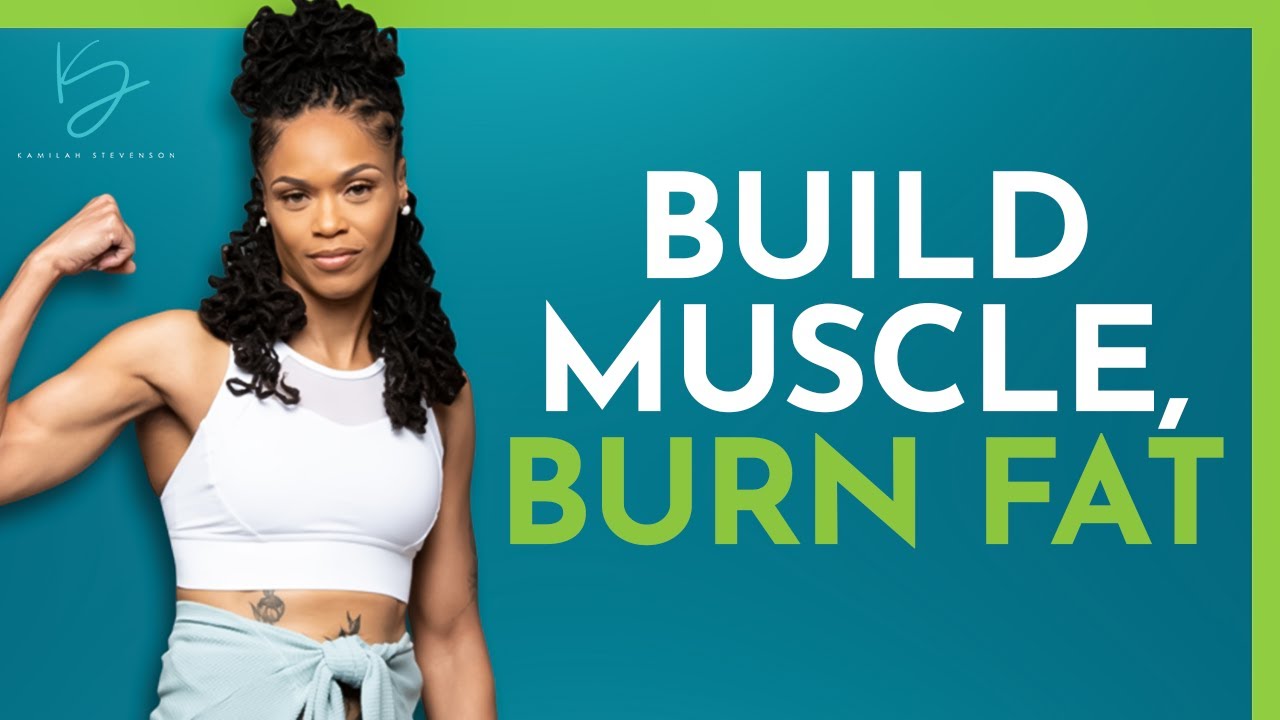
Kamilah Stevenson explains why women need muscle for health, not just looks. Muscle loss accelerates insulin resistance and bone fragility. Her formula: progressive resistance training, adequate protein, and recovery through sleep and active rest days.
Chapters
Let's clear something up right from the start: building muscle won't make you bulky. In fact, it's the key to burning fat, improving your health, and looking leaner than ever. And the secret is, building muscle, burning fat, and boosting your health can all happen together if you follow the right formula. Today, I'm going to show you a proven approach that's designed specifically to achieve all three at once. By the end of this video, you'll have a complete understanding of how to build muscle, burn fat, and improve your health, all in a way that fits your unique needs as a woman. Stick with me because these tips are going to change the way you think about fitness and health. Now, before we get started, do not forget to subscribe. It only takes a few seconds. Hit that subscribe button and you'll be notified every time content like this is released. And trust me, if you're all about getting your health and life together, this is for you. Now, first off, let's talk about why muscle is essential, especially for women. We often hear a lot about how muscle boosts metabolism, but trust me, there's so much more to it than that. Muscle isn't just about strength, it's about your long-term health and independence. Think about it, as you age, muscle is not just nice to have, it is important for your quality of life. When you have strong muscles, you can pick up your grandkids, you can carry your groceries, you can climb up the stairs with ease. So this is about your life experience, being able to enjoy every moment without being held back. And trust me, if you don't have enough strength, you're going to be held back. Now picture the last 10 years of your life. Do you want to be limited, struggling with weak bones, unable to move freely, or constantly worrying about falls and injuries? For many people, it's not a broken bone that's the end, it's what happens after. Falls often lead to a domino effect where someone breaks a hip, and then because they're bedridden, they develop pneumonia or other complications. Studies show that elderly people who break a hip bone have much higher risk of dying within the next 2 years. The lack of mobility and muscle loss will put you at risk of not just injuries, but a decline in overall health. So this is why you have to understand that building muscle is like an investment. It's not about just the quick win, it's about building a foundation that supports your life. Think of it like building a savings account that you'll draw from as you get older. Except in this case, it's muscle, and it's the one thing that's going to keep you from moving, staying active, and independent. There is a silent threat called sarcopenia, and we have to talk about it because it's not talked about enough. Sarcopenia is the gradual loss of muscle mass as we age, and it's a major risk factor for both insulin resistance and chronic disease. Here's the thing: if you're losing muscle, your metabolism slows down, and this can lead to insulin problems. Many people don't know that muscle tissue is important for absorbing glucose. When you lose muscle, your body becomes less efficient at processing sugar, which can lead to elevated blood sugar levels and eventually insulin resistance. So muscle loss isn't just about looking thin or feeling weak. It's an early sign that your body's metabolism isn't working properly. And if this goes unaddressed, it can accelerate aging and lead to type 2 diabetes, heart disease, and a host of other health problems. This is why building muscle and maintaining muscle is so important. It's not just about aesthetics, it's about preventing disease and keeping your metabolic health in check. One of the key ways to combat sarcopenia is through progressive resistance training. This means gradually increasing the weight or resistance you use over time. Your muscles need to be challenged to grow stronger, and this challenge keeps them functional and metabolically active. And it's not just about lifting weights in the gym. Bodyweight exercises like push-ups, squats, lunges, and resistance bands can all be effective. The goal is to make these movements a consistent part of your routine so that as you age, you're maintaining and even increasing muscle mass. Now, one thing that people get into while they're trying to make physical adjustments is they get into like weight loss medications, shots, supplements, and things like that. And there is a hidden cost. So we need to talk about the growing trend of weight loss medications and shots. Yes, they might provide quick results on the scale, but they do come at a hidden cost to you and your body. See, these quick fixes, they often cause rapid weight loss, but what most people don't realize is that a significant portion of that weight is muscle mass. Losing muscle while trying to lose weight is a dangerous trade-off. Muscle is your metabolic engine. The more muscle you have, the better your body is at burning calories even when you're not exercising. When you lose muscle, you lose that engine, and over time, it makes it harder to keep weight off and maintain a healthy metabolism. So while weight loss medications may seem like an easy solution, they are in fact setting people up for long-term failure. Without muscle, your metabolic rate drops, and the body is more likely to regain weight, only this time with less muscle and more fat. So let's talk about the implications of this. As I stated before, when you lose muscle, your body becomes less efficient at managing blood sugar levels. So this not only increases your risk of developing type 2 diabetes, but it also disrupts your hormone balance, which can lead to fatigue, mood swings, and a weakened immune system. Additionally, if you lose muscle too quickly, your body enters a state of stress, and this makes cortisol levels rise, and this can further break down muscle tissue and create a cycle where it becomes harder and harder to maintain muscle and easier to store fat. This is why focusing on muscle growth and retention is the sustainable and effective strategy. You're not just losing weight here, you're building a foundation that keeps you strong, resilient, and metabolically efficient for years to come. Instead of the quick fixes that compromise your future, you gotta invest in a long-term approach that supports your overall well-being. Now, this doesn't mean it takes forever for you to see results. A lot of people will see results right away. But I'm telling you, this is something that can affect your now and your future. Now, let's talk about calorie intake, because that's a huge thing when it comes to trying to build muscle and burning fat. A big mistake that people make when they try to lose weight is restricting calories too much. Yes, you do need to create a caloric deficit to lose fat, but if you go too extreme, your body doesn't just burn fat, it starts to break down muscle for energy. This is counterproductive because you need muscle to boost your metabolism and keep burning calories. If you're building muscle, you need to be eating enough, enough protein, enough carbs, and enough healthy fats to fuel your workouts and recovery. Now, this is if this is your eating routine. I know a lot of people who do higher protein and not a lot of carbs, but at the end of the day, you do need enough calories that can help to fuel your workouts and your recovery. So it's not just about cutting calories, it's about eating the right kind of calories. When you give your body what it needs with quality protein sources, maybe whole grains if your gut can handle it, fruits, vegetables, healthy fats, you're providing the building blocks your muscles need to repair and grow after workouts. You need enough food in order to repair and grow. Think of it as construction. If you don't have the right materials, you can't build anything. Carbohydrates, for example, are often demonized, but a lot of times they're really critical for this whole process because people find themselves not having enough energy to be able to even do the activity that they need to do to build muscle. But this is not a video on which direction of diet you should take. I talk about that in some of my other videos. This is just simply about the fact that you need enough nutrients and enough calories in order to build muscle tissue. And without enough food, you're going to be at the risk of feeling burnt out, fatigued, and not having enough energy necessary for muscle repair. So you have to find the right balance for your body so that you can sustain your energy levels and maintain your progress over the long term. Another powerful and often overlooked benefit of muscle building is its impact on mental health. Strength training doesn't just stop at physical strength. It encourages mental resilience. When you lift weights or engage in strength-based exercises, your body releases endorphins, feel-good hormones that reduce stress and improve mood. Studies show that people who engage in regular resistance training experience lower levels of anxiety and depression. Building muscle also boosts confidence and self-esteem. When you see your body getting stronger, it's a powerful reminder of your capabilities. This sense of accomplishment carries over into other areas of life, making you feel more capable of handling challenges and stresses outside of the gym. And it doesn't even end there. Regular strength training has been linked to better cognitive function and memory. As we age, maintaining muscle mass helps to improve brain health, reducing the risk of cognitive decline and neurodegenerative diseases. Muscle really is medicine, not just for the body, but for the mind as well. And since we're talking about how amazing muscle mass is, let's not forget something else that's often overlooked, and that's bone health. Women are at a higher risk for osteoporosis as they age, which can lead to fractures, limited mobility, and a decline in overall health. But the good news is that building muscle protects your bones. When you engage in strength training, you're strengthening your muscles, and you're also putting stress on your bones in a way that makes them stronger. It's called bone remodeling, and it's one of the most effective ways to prevent bone loss and reduce your risk of fractures. So if you want to have strong bones and reduce the risk of falls or injuries as you age, muscle is key. And it doesn't have to be about lifting these super heavy weights in the gym. It's really about consistent functional strength training that fits your lifestyle. These are exercises like squats, lunges, and weight-bearing activities. These are all good ways to build muscle and strengthen bones simultaneously. Think of it as a two-for-one deal: stronger muscles, stronger bones, and better health for years to come. Now, who wouldn't want that? Now, I also want you to know, as you're building muscle, there's a process of rest, recovery, and self-care that's needed to be successful at this. So you have to recognize your muscle actually grows when you rest, not when you're working out. This means that sleep, active recovery days, and proper stretching are just as important as the time you spend in the gym. Sleep in particular is where the magic happens. During deep sleep, your body releases the growth hormone, which is necessary for muscle repair and overall recovery. If you're not sleeping the way you need to, I'm telling you now, you will sabotage your muscle gains. And also, don't forget your active recovery days. You know, your stretching, your low-intensity activities like walking or cleaning up the house or something that just keeps you moving. It helps to keep the blood flowing to your muscles, and it supports recovery without causing stress to your body. These activities can also help to regulate cortisol levels, which reduces stress and promotes an environment where muscle can thrive. I'm going to tell you now, after so many years of working out, I often wonder, how do I recover best for my muscles? And I found out that active recovery days were one of the best ways to even deal with the soreness that you might experience from working out. So just remember that the way you structure your workouts is also very important. You don't wanna push your body to its limit every single time. Overtraining can lead to injuries, burnout, and more stress. This is why balancing high-intensity days with lighter recovery-focused days is important for building muscle sustainably. Make sure that you balance your days and get the rest that you deserve. I hope that you understand that building muscle isn't just for looking good, although you will look good. But it's also an act of investing in your future. It's about ensuring that you do have the strength and the mobility to live the life you want, whether that's running around with your grandkids, staying active and independent, or preventing chronic diseases that rob you of your quality of life. Muscle is the tool that helps you build a better, healthier, and long life. It's important that you start to build that foundation today because this is a foundation that will last and that will tremendously benefit you. Now make sure you leave in a comment for me, what is the one exercise you're going to start doing to build muscle? I'd love to hear what your thoughts are. And if you found value in this video, make sure you give it a thumbs up and please don't forget to subscribe. I'll keep notifying you of the content that I'm releasing. And there's so much more we're going to cover on content like this and other content that will improve your health and transform your life. And don't forget, share this video with someone who needs to hear this. Everybody needs to be building muscle, and it's good for them to understand why it is important for them to build muscle. Let's continue to create a movement where we empower women to invest in their health and build the life that they deserve. Kamilah Stevenson.









