Losing Weight and Belly Fat Naturally (The Simple Strategy Everyone is Missing)
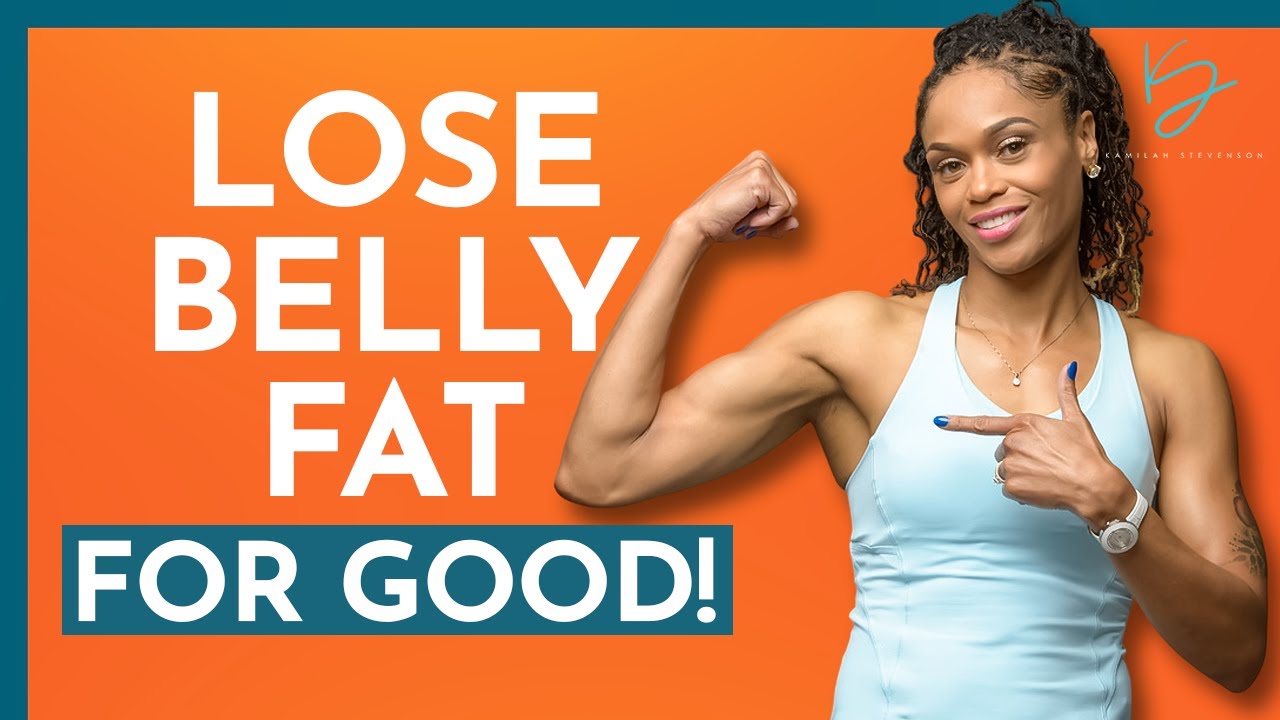
In this instructional video, the presenter debunks common weight‑loss myths—extreme calorie restriction, endless cardio, and “magic” pills—and explains why they fail by putting the body into a survival mode that slows metabolism. The core message is that sustainable fat loss, especially visceral belly fat, requires a holistic approach that heals the metabolism from multiple angles. The speaker outlines a moderate calorie deficit built on whole, unprocessed foods, emphasizes the critical role of muscle mass through strength training, and adds high‑intensity interval training (HIIT) as a time‑efficient cardio option. Hormonal factors such as insulin resistance, cortisol, and thyroid/mitochondrial health are explained, with practical steps to improve them: low‑glycemic carbs, stress‑reduction practices, relationship “hygiene,” and adequate sleep. Gut health and chronic inflammation are highlighted as hidden contributors to stubborn belly fat, with recommendations to eliminate inflammatory foods, incorporate probiotics/pre‑biotics, and monitor personal digestive responses. Protein intake is presented as essential for muscle preservation, satiety, and the thermic effect of food, with suggested portion sizes (20‑30 g per meal, ~0.8 g per lb lean body weight). The video concludes with a call to action for viewers to adopt these evidence‑based habits, subscribe, and engage in the community for ongoing support.
Chapters
You've been lied to about losing weight and belly fat. It is not all about starvation diets, endless hours of cardio, or magic pills. The real secret to losing weight and burning belly fat naturally is something most people don't talk about, and today I'm going to reveal exactly how you can get results that last. This does not involve any gimmicks. I'm telling you now that if you understand this, you will easily learn how to lose weight and belly fat. By the end of this video, you'll have a clear understanding of how to finally shed away that stubborn fat, especially around your belly, while keeping your metabolism healthy and strong. Stick around because the methods I'm about to share will surprise you. Now, before we get started, take a moment and hit that subscribe button. There's so many people that watch the videos, they're valuable, and they still don't take a moment to subscribe. So please do that for me. All right, let's get into this because it's something that so many people struggle with. We have all seen the promises: lose 10 pounds in 10 days, or drop belly fat fast with this one trick. You know, these claims, they sound very enticing, but they often lead to frustration, disappointment, and even more weight gain in the long run. The truth is that fad diets and extreme measures might help you lose weight temporarily, but they're not sustainable, and you don't know at what cost this is happening and how much detrimental impact it could be to your health in a longevity type of way. See, many fad diets, they rely on extreme calorie restriction to create a calorie deficit. And while it's true that you do need to be in a calorie deficit to lose weight, cutting calories too drastically can backfire. See, when you eat too little, your body goes into survival mode. It slows down your metabolism and it holds on to fat as a protective measure. So a lot of people are in survival mode when they should be in thriving mode. Think of your body like a furnace. If you give it enough fuel, it'll burn efficiently. But if you starve it, the fire goes down and your metabolism slows to a crawl. This is why people on extreme diets often hit a plateau and they struggle to lose more weight after an initial drop. You know, they get that drop and then it's like, I can't go anymore because they haven't fixed the real issue behind all of this, and you have to deal with your metabolism to do this. So you do want to create a calorie deficit, but it has to be sustainable. The key to losing weight without damaging your metabolism is to create a moderate calorie deficit by eating nutrient-dense foods that keep you full and satisfied. However, instead of focusing on how much you're eating, Focus on what you're eating. See, whole unprocessed foods like vegetables, lean proteins, and healthy fats, they will help you naturally reduce your calorie intake without feeling deprived. And most people, they approach this and they do feel deprived. They do feel restricted. And that's not really fun at all. That's not something that people can actually stick to. If you eat whole foods that are unprocessed, Your body can kind of tell you how much energy it needs. Most people are eating too many calories because they're not eating real food. They're eating anti-nutrients that destroy their hormones, don't make them feel satisfied, and so they keep eating unhealthy things because their body is still starving for energy. It's like their body is saying, I still need energy, I still need energy, right? And so if you really eat real food, your body will say, I'm satisfied, and you'll stop when you need to stop. And this is why it's very hard to go on these restrictive limiting diets, because people will lose the weight and then they will gain it back, and they will lose the weight and they will gain it back, because again, their metabolism is not fixed. I want to hear from you for a moment. Have you ever tried a diet that left you feeling hungry all the time? Did it work for you? I mean, it may have worked short-term, but did it really work for you for your entire life, for your long-term plan? Like, are you still thriving from it? Let me know in the comments. I'd love to hear about your experience. Now I want to talk about another common mistake that people make, which is that thinking that losing weight is just about burning more calories than you consume. While calories, like I said before, do matter, there is a lot more to the equation. Your metabolism is influenced by many factors, including your hormones, your muscle mass, and even your gut health, believe it or not. And so your metabolism needs to be healed from different angles. Your metabolism is the process by which your body converts food into energy. When your metabolism is functioning properly, your body efficiently burns calories even at rest. But when your metabolism slows down due to age, stress, poor diet, or even lack of exercise, it becomes harder to lose weight. So you need to naturally boost your metabolism. Now, to rev up your metabolism, you have to focus on number one, building muscle mass through strength training. And the reason why is because muscles burn more calories than fat. The reality is, if you have more muscle mass, your metabolism will be boosted and you will burn more calories while you're sleeping, while you're watching TV, while you're exercising, while you're working at your computer or whatever, right? So make sure that muscle mass is a priority if you want to heal and boost your metabolism. Also, prioritize nutrient-dense foods that support your thyroid and your mitochondria. You need to make sure that you are targeting these areas because they do affect your hormones and they also affect how your body generates ATP, which is energy that is utilized through foods. And a lot of people who have problems with their metabolism, they are not able to use the food for fuel, especially sugar. They're not able to use sugar properly, and that is often what causes issues with insulin resistance, is that their body is not able to utilize the sugar for their body or their brain. And this could also lead to mental problems. I started off working with Alzheimer's patients, and the majority of them had problems with being able to utilize food or even oxidizing fatty acids. And so many of them were dealing with chronic disease, insulin resistance, high blood pressure, and of course, eventually it led to what they consider diabetes type 3, which is Alzheimer's, which is the lack of ability for their body to utilize sugar properly. Now, with that being said, let's get into one of the most common weight loss challenges— belly fat. Belly fat, or visceral fat, is not only frustrating to get rid of, but it's also dangerous to your health. It's linked to conditions like heart disease, diabetes, and even certain cancers. But why is belly fat so stubborn? I'm going to answer that in a moment, but I do want to say that when we're dealing with fat just in general, the fat under the skin, the subcutaneous fat, is not as dangerous as visceral fat. Visceral fat is the fat that surrounds itself around the organs. So just understand, we're not always just dealing with subcutaneous fat, we're dealing with fat that are surrounding our organs, and this is very, very dangerous and will cause an increased risk of chronic illnesses. Now, belly fat, number one, if you want to get this under control, you have to address insulin resistance and blood sugar control. One of the main reasons that people struggle with belly fat is insulin resistance. This does have something to do with food, but it also dramatically has a lot to do with stress. And a lot of times people get in a situation where their bodies just don't do well with carbs. Now, there's a difference between whole food carbs and the refined processed carbs. There are too many people eating refined carbs, ultra processed, toxic, deadly foods that are not real food and does not provide nutrients to the body. This is a problem and will continue to be a problem. You want to make sure that if you are eating carbs, that you are eating whole foods. I don't believe that carbs are the main issue at hand. It is your ability to utilize the carbs and to turn it into energy, and that is a problem that has to be addressed underneath the surface. And so with insulin resistance, over time, if your insulin levels are constantly elevated, your body will become resistant to its effects, and this causes your blood sugar to spike and crash. And sometimes when it spikes, it just lingers too long, or either it comes down too low. And the problem really isn't the spike— that's a normal respond— to eating. The problem is that it stays spiked a lot longer than it should, and then it drops too low, and this causes a problem. And so we want to make sure that we're addressing this properly. So to improve your insulin sensitivity, you have to address your body's inability to utilize sugar. You really want to stabilize your blood sugar a little better. And when I say stabilize, I don't mean that your blood sugar levels should look the same all the time. I mean stabilizing them to the point where your body is able to utilize them much better. And so again, if you want to focus on still being able to eat carbs, make sure they are healthy carbs— sweet potatoes, quinoa, leafy greens. You know, make sure you're eating healthy fats, protein to slow down the digestion. If you are having insulin problems, get rid of the sugary snacks, the drinks that causes your insulin levels to spike really high, and those type of foods also promote fat storage. Making sure that chronic stress is prioritized, because when you are in chronic stress, you do release cortisol. And a lot of people have belly fat from cortisol issues, and dietary changes can be made to improve things. But if the problem is cortisol, then you have to lower cortisol by attacking and dealing with the stress. I'll talk about that a little bit more in a moment, but first, let us know in the comment what is your number one struggle when it comes to the cravings that you have. I am interested just to know and to collect this information so that I can know how to best serve you and how to provide videos that can really help you to overcome these struggles or these problems with being able to let go of bad, unhealthy, processed foods. All right, let me talk a little bit more about cortisol because it is the stress hormone and it is the contributing factor, as I stated, to belly fat. When you're constantly stressed, whether it's from work, relationships, or lack of sleep, your body will produce excess cortisol. This hormone signals your body to store fat, especially around the belly, and this is a survival mechanism because cortisol is there to help you survive. So how do you manage cortisol naturally? Well, managing cortisol is important for, first of all, belly fat. So we have to notice— start by incorporating stress-relieving practices into your daily routine. Meditation, deep breathing, gentle stretches, walking. Prioritize sleep because when you're sleep deprived, your cortisol levels will rise and it makes it harder to burn fat. Honestly, I can tell you one of the best ways to release yourself from stress is don't be around people that make you stressed. There are a lot of people that may be in your life that are very toxic, very negative. They are not positive people. They plant seeds of distress and murmuring and complaining and maybe talking about people all the time, or just maybe have a narcissistic personality. Everything revolves around them. They deflect their problems onto you. It could just be very stressful. And so sometimes you just have to get yourself out of these relationships, out of these cultures, and out of these environments, because these environments are very stressful and they will add to your stress. So as an action item, do an assessment and do an audit of your relationships. It's time to improve your relationship hygiene. And make sure that you are only around people who are uplifting. They exemplify a level of gratefulness and gratitude to life. They are optimistic in a healthy way. They are encouraging and inspiring, and they have the same values as you do. It's just that simple. That alone will help you with your stress levels, and of course, as a byproduct, it will help to reduce belly fat if the issue is cortisol, and if this is one of the strategies that are reducing cortisol for you. Now, in addition to this, we cannot forget that chronic inflammation is often linked to poor gut health, and it is another hidden cause of belly fat. When your body is inflamed, it's more likely to store fat, and your gut health plays a huge role in this. If your gut is out of balance, whether due to poor diet, stress, or overuse of antibiotics, it can lead to weight gain and difficulty losing fat. And I know a lot of people are like, what, gut health is connected to this? Yes, it's important for fat loss. Your gut is home to trillions of bacteria that regulate everything from digestion to immune function. When your gut is healthy, your metabolism works more efficiently and your body is better able to burn fat. But when your gut is out of balance, it triggers inflammation, which makes it much harder to lose belly fat. So in order to heal your gut and reduce inflammation, start again by eliminating inflammatory foods like the sugar, the processed foods For some people, it could be gluten. It's a lot of different things that can affect your gut. You have to know by paying attention to your body. Are you bloating? Are you gassy? Are you running to the bathroom with diarrhea after eating something? Do you feel extremely exhausted and tired right after? That's how you know that you are having some type of inflammatory response. So pay attention to how you feel when you feed your body. And then you can include probiotics. You know, you can include extra enzymes. For your stomach, prebiotics. Make sure that you are again dealing with the stress because that causes your gut to be overly compromised. One thing you do not want is an inflamed gut. This is going to cause more problems for you and it's going to make it much harder to lose belly fat. So a few more things that I want to address with losing weight and belly fat, and a lot of this stuff does have to be a bit personalized because everybody's dealing with different background issues, but just in general these practices will help you. When it comes to losing belly fat, one of the greatest things that you can do is strength training and muscle building. I know you want to get on a treadmill and do a bunch of cardio, but I'm telling you that strength training is one of the most effective ways to lose fat, especially belly fat, because it builds muscle, which increases your metabolism. Muscle tissue burns more calories than fat tissue. Even when you're at rest. This means that the more muscles you have, the more fat your body burns throughout the day. You must understand this. Most people are stuck on, oh, I have to do endless cardio to burn fat, but strength training is actually more effective in the long run. Plus, too much running for some people can cause more stress, and if you're already dealing with a bunch of chronic stress, it's going to be worse for you. With strength training, not only does it boost your metabolism, but it also helps to improve your insulin sensitivity— it helps balance your hormones and reduces inflammation, all of which contributes to fat loss. Now, some people, they're very intimidated by strength training. So if you are new to strength training, you can start with bodyweight exercises like squats, lunges, and push-ups. These movements engage multiple muscle groups at once, helping you to build muscle and burn fat. As you progress, you can add resistance with weights or resistance bands, to challenge your muscles even more. Now, if you can't do push-ups, don't worry, just do them on your knees. And understand this, if you're somebody who barely lifts weights, this is going to be even better for you because it doesn't take much for you to see amazing results. For people who are already lifting weights, it could be very hard to go from one level to the next. It just takes a lot of intentionality. But for those who haven't done it and they start to do it, man, they're going to see tremendous benefits right away. Drop in the comments, do you lift weights? What is your exercise regimen? What works for you? What have you been doing? I'd love to hear from you, and I'd love to know where people really are when it comes to exercise. Are they intimidated by lifting weights? Do they like cardio more? What do they feel like works for them? And of course, if you have started some resistance training, I'd love to know the benefits that you're experiencing from Now, I want to give just a quick example of how you can do your strength training. You could try full body strength training routines, you know, maybe 2 to 3 times a week, or you can alternate between upper body and lower body. Focus again on compound movements. That's exercises that work more than one muscle group at a time. That's your deadlifts, your rows, your squats. These exercises are the most efficient for building muscle and burning fat. And it's again, because they use more than one muscle group at a time. Now, I also want to add the power of HIIT, which is high-intensity interval training, because while strength training is essential for building muscle and boosting metabolism, adding high-intensity interval training can take your fat loss to the next level. HIIT involves short bursts of intense exercise followed by brief periods of rest or lower-intensity activity. This type of training has been proven to burn fat faster than steady-state cardio and it also continues to burn calories long after your workout is over. Now don't overdo this because again, because again, if you are highly stressed, then sometimes doing these type of high-impact workouts can kind of be detrimental to your body. So if you're starting off, you don't need much time to do high-intensity interval training. You can really do 10 to 12 minutes a day. You have some people that can do longer because they can sustain that. But honestly, you don't need to do it a long period of time. You can just do it minimally and still see amazing results. Now, you might be wondering, why is HIIT more effective than steady-state cardio? Well, with steady-state cardio, like jogging or cycling at the same pace for like 45 minutes, your body becomes efficient and stops burning as many calories after a while. So you'll find yourself having to do more running, longer periods of time, or even getting quicker with the running to burn the same amount of calories. You'll find yourself having to do more but getting less results. But HIIT, high-intensity interval training, keeps your metabolism elevated for hours after you finish exercising, which means you'll continue to burn fat even while you're resting. So it tends to work a little bit better with these short bursts. I'm not saying that you shouldn't do steady-state cardio. There are some benefits with cardiovascular improvement, but I still wouldn't overdo it because You just want to make sure that you're not getting to the point where your body is switching over into survival mode because you're doing these super long runs of cardio. Now, if you enjoy this and it is good for your overall well-being, and this is just like your hobby that you absolutely love, then I am not stopping you from doing that. But I am talking about if you are just trying to get results from weight loss and belly fat. And I'm telling you, steady-state cardio is not the way to go because you can't run yourself into making your metabolism better. It just doesn't work. You're going to find yourself in a cycle of trying to keep up more and more. And what happens is when you get better at cardio, you start to lose less calories. So it just doesn't work. Now, I do want to give you a quick example of what a HIIT workout could look like. It could be alternating, you know, 30 seconds of a high-intensity exercise like burpees or jumping jacks or even sprinting with maybe a 1 to 2 minutes of rest or a low-intensity exercise. And you can repeat this, you know, for 12 minutes, 15 minutes. Some people do 20 to 30 minutes. I do 30 minutes sometimes, but again, it all depends on you. If you are just starting off, you really don't need that much time. A little bit goes a long way, and sometimes less is best. I do also have to talk about making sure that you eat enough protein for fat loss. Protein is your friend when it comes to losing fat and building muscle. Not only does protein help to repair and build muscle after your workouts, but it also helps to keep you full and reduces cravings. Plus, your body burns more calories digesting protein than it does digesting fats or carbs. This is known as the thermic effect of food. Now, this is not to say that you should be eating all protein. I am not suggesting that. But I am saying you do need an adequate amount of protein in order to help with your muscle mass, because what it does is it helps to preserve lean muscle mass while you're losing fat. And this is important for keeping your metabolism high. It also regulates your hormones like ghrelin, which is the hunger hormone, and this can help you prevent from overeating and reduce cravings of unhealthy sugary foods. Okay, how do you increase your protein take? To make sure you're getting enough protein, aim to include a high-quality protein source in every meal. This can include lean meats like chicken, turkey, fish, eggs, maybe plant-based options of lentils, tofu, or quinoa if you do not eat animal-based foods. It would be good to aim for about 20 to 30 grams of protein per meal. It's a good starting point depending on your activity levels and goals. About 0.8 grams per lean body weight is pretty good. So this could look like maybe for breakfast, try a protein-packed smoothie with protein powder, you know, maybe vegetables, a handful of berries. For lunch, maybe grilled chicken salad or plenty of leafy green vegetables, or maybe a grass-fed burger. You know, watch the bread, make sure that it's either healthy bread like sourdough, or just don't do the bread at all. Do it with some fruit or something. And then maybe for dinner, you know, roasted vegetables, sweet potatoes, and maybe a strip steak or maybe a cut of lamb. Make sure it's high quality protein though. I'm wondering from you, do you feel like you eat enough protein? I always kind of find it hard at times getting enough protein in. I have to supplement with smoothies. What about you? How much protein are you really getting? I'm asking you this because you really do want to be aware of this because actually most people are not getting enough protein in their diet. All right, this would not be complete if I did not tell you a little bit about managing sleep for fat loss. One of the most overlooked aspects of fat loss, especially when it comes to belly fat, is stress, as I've talked before, and also sleep. And if you're not getting enough quality sleep, it's nearly impossible for your body to burn fat effectively. This is why people who lack sleep often find it very difficult to lose weight, even if they're eating healthy and exercising regularly. The goal is to really just calm your nervous system down and bring your body out of that fight or flight mode. And when it comes to your sleep, this is important because it can also lead to overeating and cravings of unhealthy foods, and this makes it much harder to lose fat. So for practical sleep tips, just make sure you're aiming for 7 to 9 hours of quality sleep. I would say 8 to 9 hours if you're highly into some kind of activity, you're an athlete or something, you may even need more sleep. And to improve your sleep, just create a consistent bedtime routine that you reduce sleep time before bed and you make sure your bedroom is dark and cool. These small changes can make a huge difference in your fat loss efforts. So we went over diet and getting rid of the processed foods, anti-inflammatory foods, enough protein, making sure you get enough sleep and dealing with the stress. Exercising, building muscle, and doing maybe a little bit of cardio in the form of high-intensity interval training. And of course, you can do your walking and your steady-state cardio, but you just definitely want to include those other areas because they work very differently than steady-state cardio. And then last, improve your gut health. With these tips, I'm telling you, you are on your way to more benefits than you could ever get from taking some magic pill at the cost of your health in the long run. So tell me in the comments, are you willing to take a natural approach to save your health, save your future, save your life, lose some weight, get more confident, and get back to where you really just want to be? This is simple if you make it simple. It does not have to be complicated, and it does not have to be super hard, and you don't have to compromise your body by taking some magic pill or some shot that could potentially take away your muscle mass and give you quick results right now, but you don't know what you're risking in the future. So let me know, are you going to be on this journey? I'm here to support you, and I'm going to continue to release content that's really going to help you crush it with your health goals. I do have some resources. Click the links below to find the resources that can revolutionize your health. And if you're someone who wants to go further and deeper, I do have some information below for that. Please do, before you leave, hit that subscribe button. It'll help this channel, it'll help the algorithm, and it'll help you know every time content is being released. I'm telling you, you don't want to miss that. So do me that favor and hit that subscribe button and also give it a thumbs up and do share with somebody else. There's people out there that need to know this information. I'll see you next time.









