The Nutrition Myths You’ve Been Told: How to Eat for Health and Avoid the Lies
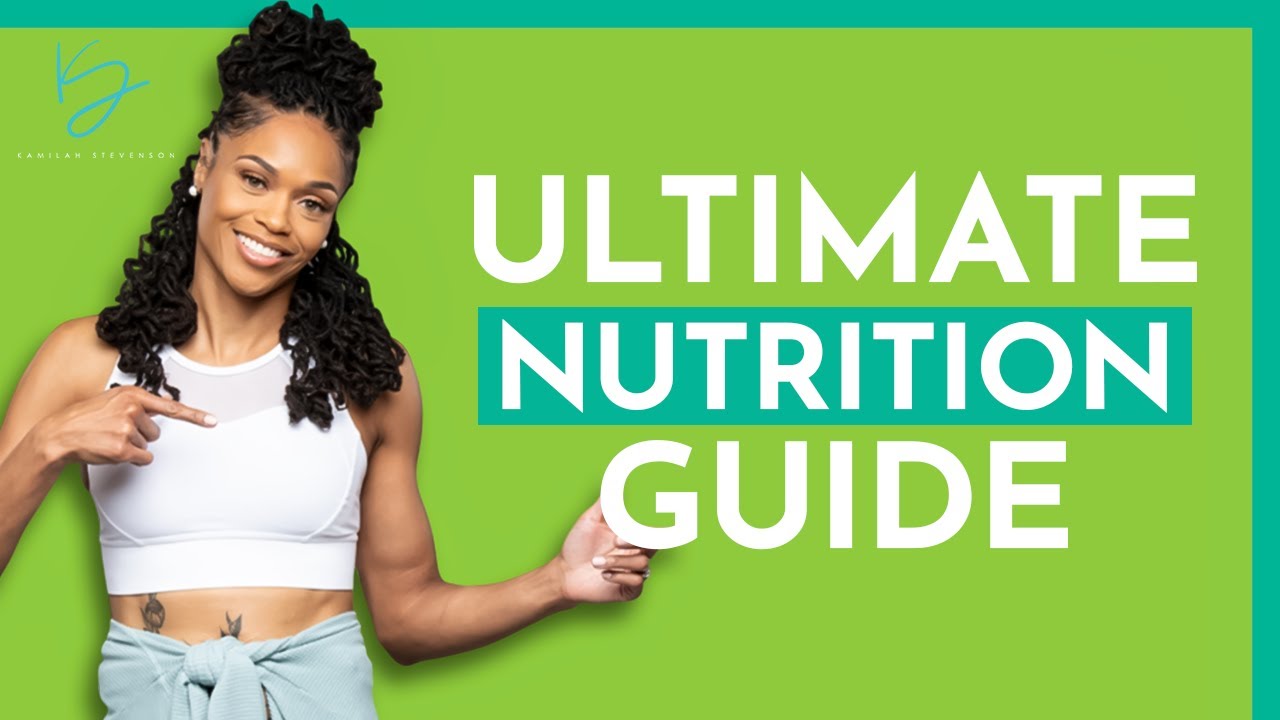
In this instructional video, the presenter explains why restrictive dieting triggers hormonal imbalances (ghrelin and leptin) that lead to binge eating, and how modern processed foods hijack the brain’s dopamine system, creating a cycle of food addiction. She advocates replacing refined sugars with natural sweeteners and whole, nutrient‑dense foods to stabilize dopamine, hormones, and blood sugar. The concept of metabolic flexibility— the body’s ability to switch between fat and carbohydrate fuel—is introduced as a cornerstone of sustainable energy, weight management, and overall health. The speaker emphasizes that food is more than calories; it provides cellular information that can either promote or impair inflammation, metabolism, and chronic disease. Stress and emotional states are shown to affect digestion and nutrient absorption, highlighting the mind‑body connection. Finally, she argues for personalized nutrition, encouraging viewers to experiment with food choices, meal timing, and macronutrient ratios based on individual responses, rather than following one‑size‑fits‑all diets. The video concludes with practical advice to take small, sustainable steps, listen to bodily cues, and build a balanced, enjoyable eating system.
Chapters
We've all been there, following the latest diet trends, restricting certain foods, and hoping that this time we finally find a balance. But somehow the cycle keeps repeating. One day we're restricting, and the next day we're binging, feeling out of control. Today we're going to break down why restrictive diets aren't the answer, why binging is more than just a lack of willpower, and how you can find real lasting health without swinging from one extreme to the other. Stick around because by the end of this video, you'll have the tools to break the cycle for good and finally create a relationship with food that works for you. Now, before we get started, make sure that you do hit that subscribe button and turn your notifications on. We are going to be releasing some powerful content that's going to help you improve your health and your life. All right, let's jump right in. Let's start with why so many people fall into the trap of restrictive dieting only to end up binging later. It's not because you lack self-control or willpower. In fact, willpower alone is not enough to create lasting change when it comes to nutrition. The problem is much deeper. When you restrict certain foods or calories for too long, your body goes into survival mode. Your hormones, specifically ghrelin, which is the hunger hormone, and leptin, which is the satiety hormone, they become unbalanced. Ghrelin signals your body to eat, and when you're restricting, it gets louder and louder, making you feel like you're starving. And on the flip side, leptin, which tells you when you're full, doesn't function properly in this state of restriction. So you don't get the "I'm satisfied" signal as easily. This hormonal imbalance, it sets the stage for intense cravings and overeating. It's almost like asking somebody to go to the gym when they're already exhausted. They might push through once or twice, but over time, the effort becomes unsustainable. This is exactly what happens with restrictive dieting. It might work for a while, but eventually, your body fights back, leading to a binge. This is why, for the average person, relying on willpower alone to eat healthy is a losing battle. You can only push your body so far before it rebels. Instead of focusing on restriction, you need to focus on creating a system that aligns with your body's natural signals and energy levels. Can you imagine feeling satisfied, energized, and happy with your food choices, not constantly fighting cravings or feeling deprived? This can happen for you, and I'm going to explain how. Now, in order to do this, we must break down why food feels addictive, which is the dopamine dilemma. So dopamine is the neurotransmitter responsible for motivation and desire. Dopamine is what drives you to pursue things that bring you pleasure and satisfaction, like eating your favorite foods. But here's the issue: modern eating habits have disrupted our dopamine levels to the point where food can feel like an addiction. When you eat highly processed sugary foods, your brain releases a huge surge of dopamine. This gives you a quick hit of pleasure, but it also raises the threshold for dopamine in the future. Over time, it takes more and more of these foods to get the same pleasurable effect. This is why you might feel compelled to eat more even when you're not physically hungry. It's because you're chasing that dopamine hit. This is the same mechanism that fuels other types of addictions like drugs or gambling. You're no longer eating just to nourish your body. You're eating to satisfy a craving that never truly gets fulfilled. And the more you rely on processed foods for dopamine hits, the more you lose touch with your body's natural hunger and fullness cues. So how do we break from this cycle? Before I answer this, put in the chat for me if you've ever found yourself stress eating. I am curious to know what kind of foods is it that you eat when you are stressed. And I'm going to guess that it's something to do with sugar, right? So I'm happy to tell you that breaking the cycle is not about completely cutting out all the pleasurable foods. That would just put you back in the restriction-binging cycle. Instead, we need to reset your dopamine system by focusing on whole, nutrient-dense foods that naturally satisfy you without overstimulating your brain. These are foods that will keep your dopamine levels steady rather than causing extreme highs and lows, and that's the key to breaking the cycle of food addiction. So I want to show you how to transition away from processed sugars. If you've got a sweet tooth, no worries. I'm not gonna tell you to completely eliminate sweet foods from your life. Instead, focus on transitioning to real, natural sources of sugar like honey, maple syrup, or even fruits like bananas, berries, pineapples, mangoes. These foods not only satisfy your sugar cravings, but they do it in a way that doesn't spike your dopamine levels to unhealthy extremes. Here's the key difference. Real sugars from whole foods come with vitamins, minerals, and nutrients that help balance your body. When you eat fruit, for example, you're not just getting sugar, you're getting fiber, you're getting vitamins like vitamin C and antioxidants that help your body to process sugar more slowly. This keeps your blood sugar a little more stable and prevents the highs and lows that come with the processed sugar. And of course, it keeps you from all those additives that are added to processed foods that are designed to keep you addicted. And this is good to stay away from these super highs and lows because it's what interrupts communication of you being hungry and full. Now, I know I did mention honey and maple syrup, for example, and I want to talk about them because they're great natural sweeteners that can also help to curb cravings while nourishing your body. Just make sure that you don't overdo it. But unlike refined sugar, these natural sweeteners, they contain trace minerals and antioxidants that have real benefits. Honey, for example, can even support your immune system, while maple syrup contains magnesium and zinc, which are really good for energy production and also immune function. By switching to these natural sources of sugar, you're not only turning off stress hormones triggered by processed foods, but you're also giving your body something it can actually use. So this is the true power of real food, is that when you eat nutrient-dense whole foods, your dopamine system doesn't get overstimulated. You still feel pleasure and satisfaction, but without the crash that leaves you craving more. Over time, what this does is it helps to reset your brain's reward system, allowing you to enjoy food in a way that feels balanced and healthy. And I also want to add that it's going to help you to not overeat, because also remember, real foods help to stabilize your hormones— the ghrelin, the leptin— which controls hunger and fullness. A healthy eating pattern when these are balanced. So I hope you understand that real foods will keep you satisfied, keep your energy levels steady, and slowly bring you back into alignment. Now that we've covered role of hormones and dopamine, let's dive into one of the most important concepts in nutrition, and that's metabolic flexibility. This is the ability of your body to switch between burning fat and carbohydrates for energy depending on what's available. The more metabolically flexible you are, the better your body can adapt to different food sources and energy demands. The reason why people are having trouble is because their bodies are unable to use certain food as fuel sources. Unfortunately, most people are metabolically inflexible due to years of poor eating habits, stress, and inactivity. Their bodies are stuck in one mode, either burning carbohydrates inefficiently or relying too heavily on fat oxidation. This imbalance makes it very difficult to manage blood sugar levels, maintain energy throughout the day, and even lose weight. See, metabolic flexibility allows your body to efficiently use whatever fuel is available. Whether it's the fat that you've stored or the glucose from your latest meal. It prevents the blood sugar spikes and crashes that so many people experience, leading to more stable energy levels, better focus, and improved mood. To improve metabolic flexibility, you don't need extreme diets or fasting protocols. It's about nourishing your body with the right nutrients and allowing it to function the way it was designed. By focusing on whole foods that support your mitochondria, which is the energy producers in your cell, you can actually restore your body's ability to switch between fuel sources smoothly. This is one of the most powerful shifts you can make for long-term health and energy. Think about how children can sometimes eat anything and still use the food for energy. It's like they eat whatever they want, they go out and play and move around, and then they come back and they're hungry again because they burned off all the food for fuel. That is where you want to be. You want to have the type of body that can burn food for fuel, just like a child. And so what you need to know is while metabolic flexibility is key, none of it works without proper nutrition. This brings us to nutrient density, the idea that food you eat should be packed with vitamins, minerals, and other essential nutrients, not just empty calories. Now, yeah, we talked about the sugar sources, but I'm just talking about food in general. Too often, we focus on quantity of food, like calories in, calories out, without considering the quality. And sometimes, highly processed foods might be low in calories but offer little to no nutritional value. On the other hand, you have nutrient-dense foods providing the building blocks your body needs to repair cells, produce energy, and maintain optimal function. And this includes muscle building. Think of your body like a high-performance car. You need the best fuel for it to run smoothly. So when you prioritize nutrient-dense foods like vegetables, lean proteins, healthy fats— for some, whole grains are okay for them if your body can handle them— what you're doing is giving your body the tools it needs to thrive. Some of these foods that you choose that work well with your body are packed with essential vitamins and minerals like magnesium, potassium, B vitamins, which all play a role in everything from energy production to mental clarity. Now make sure that you listen to your body and you how to eat in a way that really aligns with you as an individual. I talk a little bit more about this in another video, so I won't go into too much detail, but there is a science to making sure that you do this with precision. In general, if you focus on nutrient density, you can eat in a way that nourishes your body. And trust me, I know this to be true because I work with clients all of the time, and I get them to align with what nourishes their particular body so that their bodies can be empowered to start healing from chronic disease. Now, one of the things this involves is trying to get rid of those cravings. So you'll find that cravings for junk food naturally decreases because your body is getting what it truly needs. This is not about restriction, it's about abundance. I get clients who can start to eat twice as much food because they've healed their metabolism and they're able to burn it off more efficiently versus looking at someone who can only eat 1,500 calories, and if they eat a calorie more, they're gaining weight. I'm telling you, you want to eat in a way that is full of abundance where you're getting what your body actually needs to thrive, but you're also able to use food as fuel. And so you're burning it off and you're able to keep your body composition. And when you're eating nutrient-dense foods, you're going to feel full when you need to, you're going to feel energized, and you're going to feel satisfied without the need to binge on processed junk later. In addition to this, Here's something that most people don't think about and must pay attention to, and that is food is not just fuel, it's information. Every time you eat, you're sending signals to your cells telling them how to function. The quality of your food can either enhance or disrupt these signals, which in turn affects everything from your metabolism to your immune system. For example, when you eat foods rich in antioxidants and healthy fats, you're telling your cells to reduce inflammation, repair damage, and function at their best. On the other hand, when you eat processed, sugary junk food, you're sending a signal of stress to your cells, which can trigger inflammation and metabolic dysfunction. This is how chronic disease happens, and it's also why it's so important to think of food as more than just calories. What you eat literally programs your cells to either work efficiently or struggle to perform their basic functions. What do you think is going to happen when your body requires a lot of energy to make up for the fact that you're causing extra inflammation to your body because you're eating the wrong foods. Something else is going to go without. On the opposite, when you eat in a way that supports cellular health, you're going to notice improvements in energy, mood, and overall well-being. It's not just about cutting out bad foods. It's about providing your body with the right information so that it can thrive. And if your body thrives, then you thrive and your life thrives. And that's exactly where you want to be. Now I have to mention something that often gets overlooked, and that is the mind-body connection. And with understanding all of this eating, you want to make sure that your food is being absorbed. And when you're stressed, your food will not be absorbed, and that is a problem. See, your mental and emotional state, they have a direct impact on how well your body absorbs and utilizes nutrients. When you're stressed, anxious, or overwhelmed, your digestive system doesn't work as efficiently. This means that even when you're eating all the right foods, your body still might not be absorbing the nutrients properly. Start paying attention to this. Let me know in the comments, do you find that when you're stressed and you eat certain foods that they don't digest as easily and they start to cause problems that they don't cause in other situations when you're not stressed? I love to hear this from you. And if it is happening, just understand that stress triggers the release of cortisol. This is a hormone that diverts energy away from digestion and towards survival functions like running or fighting. Think about it, if you're running from something or you're fighting, you don't want your digestion to be in full control. You want to slow it down because the last thing you want to do is have to go to the bathroom in the middle of running or being in the ring fighting somebody. But you must understand that stress can be real or perceived. So either way, this can slow down digestion, reduce stomach acid production and make it harder for your body to break down and absorb the nutrients in your food. It's meant to do that when it's in survival mode, but the problem is most people are not in a real situation where they need their digestive system to shut down like this. So while eating nutrient-dense foods is important, it's equally important to focus on your mental and emotional health. Taking time to relax, practicing mindfulness, and managing stress can help to improve digestion and allow your body to fully benefit from the foods that you're eating. This mind-body connection is often overlooked in mainstream health advice, but it's real critical for achieving lasting health. You can't just focus on what's on your plate; you have to consider how you're feeling and how that impacts your body's ability to process food. Now, finally, we have to talk about personalized nutrition. One size does not fit all. The idea that there's a single diet that works for everyone is outdated and it's ineffective. Your body is unique, and what works for someone else may not work for you. What is someone's medicine could be your toxin, and vice versa. This is why it's so important to listen to your body and experiment with different foods, meal timings, and eating styles. Pay attention to how your body responds to certain foods. Do you feel energized after a meal, or do you crash? Are you satisfied, or are you craving more? Personalized nutrition is becoming your own detective. Experimenting with different approaches, and paying close attention to how your body reacts. For example, some people thrive on higher-carb diets, while other people feel better with more fats. Some people need to eat smaller, more frequent meals, while others do well with intermittent fasting. The key is to track these patterns and make adjustments that align with your body's needs. It's not about just following the latest diet trends. It is really about understanding how to fuel your unique body in a way that makes you feel your best. The beauty of personalized nutrition is that it empowers you to take control of your health. You're no longer bound by rigid rules or one-size-fits-all advice. Instead, you're using your own experience to create a system that works for you, ensuring that you stay energized, satisfied, and healthy in the long run. Okay, so now that we've talked about restriction, binging, dopamine, metabolic flexibility, nutrient density, food is information, the mind-body connection, and personalized nutrition, You might be wondering, how do I put all of this together in a way that works for me? It starts with breaking free from the idea that you need to follow strict rules to be healthy. Health is about balance, sustainability, and understanding your body's signals. The goal isn't to create a life of constant sacrifice where you feel like you're always missing out. The goal is to create a system that allows you to enjoy food, feel energized, and live a life that brings you joy and fulfillment. So start to take small steps, start experimenting with different foods, and most importantly, listen to your body. Pay attention to how you feel both physically and emotionally after eating. Over time, you're gonna develop a deeper understanding of what works for you, and that's when the magic happens. You'll stop feeling trapped in the cycle of restriction and binging, and instead, you'll find a way of eating that makes you truly feel nourished and satisfied. Now, I hope that helped you to clear up all the chaos and confusion. And if this video has opened your eyes to new ways of thinking about nutrition and health. Don't forget to give it a thumbs up, hit that subscribe button, and turn on your notifications so that you never miss a video. And if you're ready to take the next step in creating a personalized nutrition plan that works for you, please do check out all the amazing resources below. These tools are going to help you to dive deeper into understanding your body and fueling it for long-term health and happiness. Don't forget to share this video with someone who need it, and please do comment what is the first step an action item that you're going to take to improve your health. Remember, the goal isn't just to survive, it's to thrive. You deserve to feel energized, satisfied, and empowered in your relationship with food. Thanks for watching, and I'll see you next time.









