What's Making You Sick is NOT What You Think (Prevent This Silent Killer)
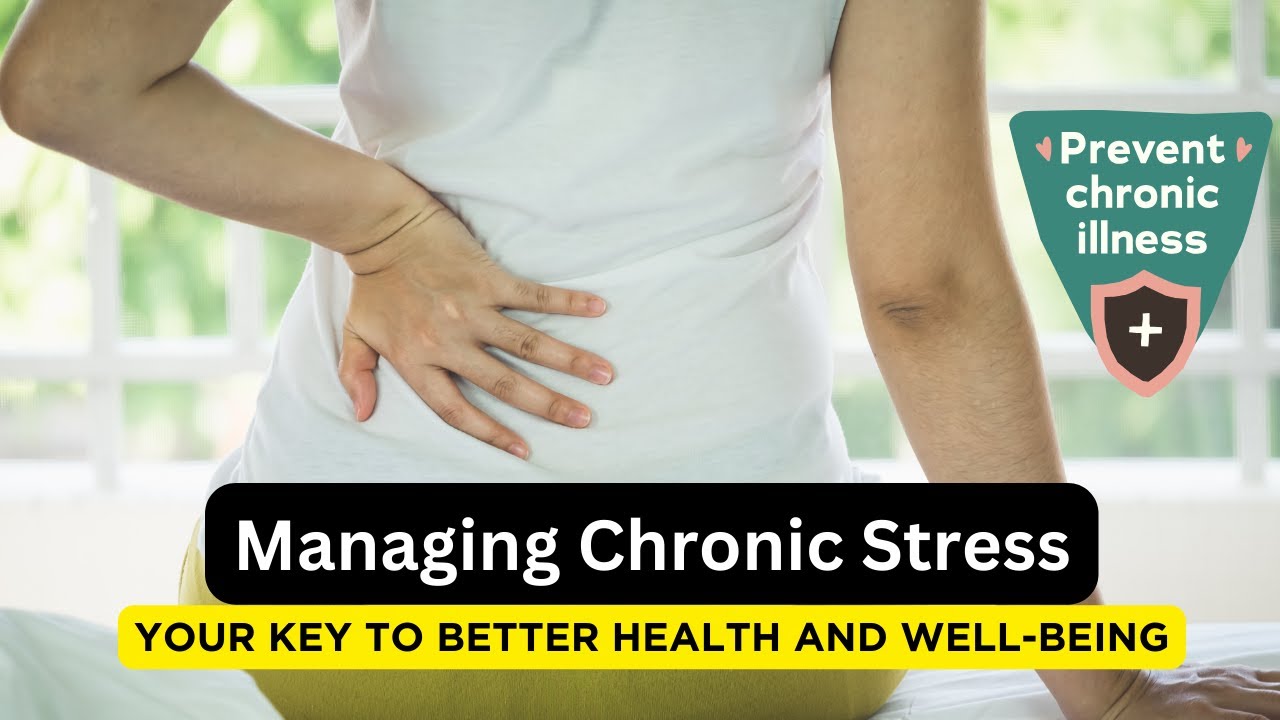
Chronic stress, not genetics, drives most modern illness by keeping your nervous system in fight-or-flight mode and spiking cortisol. Sleep, boundaries, movement, magnesium, and breathing work to reset your system and prevent inflammation, brain fog, and fatigue.
Chapters
Those who get sick and those who don't is usually not incidental. It's not mysterious, it's not random, and it's usually not your genes. I'm going to tell you what it is, and this is something you really want to watch out for because people are dying daily because of this and not being able to manage this. Those who get sick and those who don't is usually not incidental. It's not mysterious, it's not random, and it's usually not your genes. I'm going to tell you what it is, and this is something you really want to watch out for because people are dying daily because of this and not being able to manage this. But before I move forward, make sure that you like this video and you subscribe to my page. I'll continue to get information out to you that can allow you to have the knowledge and the tools to be able to live a high-quality, healthy lifestyle because your health is the most important thing in the entire world. All right. Now, that thing that people need to learn how to manage a lot better, and it is killing people, is chronic stress. Now, chronic stress is something that many people deal with because they're not used to being able to manage their stress on an acute level, a medium level, and then a long-term level. And chronic stress is really dangerous once we enter into those zones where our bodies are not producing the right amount of hormones that we need, like cortisol, for example. Cortisol is there to be anti-inflammatory. A lot of people deal with too much cortisol, and then you have some that become resistant, and then they don't have enough cortisol, and so their body's inflamed with inflammation because their body is not able to release the hormones to be able to manage stress. A lot of these hormones are okay, but they're okay when they're managed and they're balanced right. And everybody deals with stress, but not everybody is skilled enough to deal with the stress that they're dealing with. And so that is something that you really need to take the amount of time to learn and to be able to adequately handle because you're dealing with it every day. It doesn't matter who you are or what you do. You're always going to have some level of stress in your life, and some you can control and some you can't control. I'm going to tell you, get rid of the stressors that you control. Most time, people are stressed by people. If you think about it, that is usually what occupies our life with the greatest amount of stress. And I just want to say and tell you, please understand that you are not living a life to please everybody And you do not have to be responsible for everybody's emotions. You are not there to make sure that everybody is happy. I think a lot of people feel like I'm there to make sure everybody's happy, everybody's okay, nobody's disappointed. No, it's not your responsibility. You're gonna disappoint people. You're going to be human, and you're not gonna be able to make everybody's life well. And if you do, you're gonna do it at the risk of killing yourself and making yourself not well to make other people well. You need to make sure that you take a moment and put the oxygen mask on your own face before you can put it on other people's. And I think that is what really kills people, is that they're always living for someone else, living someone else's life, living someone else's dream, trying to keep up with someone else's world. Even the scrolling that we all do on social media, and we're looking at people's lives all the time, and we're matching ourselves against them. And all of that stuff causes a lot of stress to the body. And that is something that you need to start opening your eyes to, because it causes levels of distress, and it causes levels of loneliness, and it causes levels of emotional instability, whether you know it or not. You have to stop and think for a moment what that connection to the external world is doing to your internal world, because at the core of it, you're going to get a grip on your internal world to be able to settle yourself into emotional stability. And a lot of people are not able to do that because they're caught up by the rushes of life, by the fast pace of life. Everybody's moving and going and just moving fast, not thinking, not taking moments to recover, not allowing themselves to rest, not taking the vacations that they need to take because they're working so much. And we need to know that there's a lot of things that can actually help with stress. And yes, I say vacations because there's a connection between vacationing and health, as long as you save the money and you're not spending money that you don't have. I'm not encouraging you to do that also, but we have to think about these things that causes our parasympathetic system to kick into play. And when I say parasympathetic system, that's the system that recovers you. It recovers your mind, your body, your soul, your brain. And a lot of times we're stuck in the sympathetic system, which is the fight or flight mode. And when you're stuck in fight or flight, the body cannot heal, the digestive system cannot absorb the nutrients even from the healthiest of foods that you may eat. And so if you're stuck in this place, you need to start doing some things to now stabilize, get your body and your brain back to homeostasis. Because sometimes even people are sick and they don't know why they're sick and they're having these mysterious feelings of not just feeling well, like, I don't feel good. My brain is foggy and I don't think with clarity. I'm— Feeling tired. I don't have the energy that I know I need to have. There are moments where people start to see this and they notice it, but they still keep going. They still keep pushing. And you need to slow the pace of your life down for a moment sometimes. Even with all the busyness that happens in your world, I understand it. Owning businesses and having to work and having children to tend to and being a wife and having to have my own responsibility for learning and being a leader, and there's just So much that I do, but I also have these moments in the day, in the week, in the month, in the year where I completely slow down and really recover and just take time to meditate and to learn breathing techniques and to get out in nature and to do the things that I feel are delightful and to build my relationships. All of these beautiful things are ways that you balance your life back to be able to accommodate the lifestyle that you're living and the life that is demanded of you to live. And there's certain things we can't do, like we can't quit our jobs and not pay bills and not take care of our children. And if you are a caregiver, you're going to deal with this even more because caregivers deal with much more levels of stress, and they're easily able to enter into chronic stress. And I believe when people are on the verge of that or they've entered into that, they need to start doing some things to really balance their body out, like for example exercising a little bit more. If you're stressed, you need start moving more. You need to walk, get outside, and do some things. Exercising can relieve lots of stress. Now, I can't tell you whether to do high-intensity type exercises or low-intensity. That depends on you, your anxiety levels, and things like that. I know there's times where people are so anxious that they have to pull back on a lot of the high-impact type workouts. And then I know at other times it really helps people to take up a boxing class or to do something that really exerts the energy out of them because they're looking for that expression of being able to direct that energy to something that is beneficial to their physical well-being. And so it looks different for everybody, but exercise do help. There's a few other things that help, and that is fasting. That also helps to get the body back recovered. Making sure you get some quality sleep, that is one of the most important things you can do. As a matter of fact, I would never tell anybody sacrifice sleep for exercise. If it's nighttime and you got a choice to go to bed and get some extra rest versus stay up a little longer to exercise, I say get the rest. Because you need your body to recover and sleep is very important. It's easy to get some movement going throughout the day and to make up for the lack of physical fitness time. As a matter of fact, I believe that movement is much better than exercise if there is constant movement throughout the day. So don't worry about that if you're not getting that time in, but do worry about being sedentary and making sure that you are moving throughout the day. Also, acupressure can also help with recovery when you have chronic stress. And then supplements like B1, that is the most valuable nutrition that you can have. I love it in the form of nutritional yeast. B1 helps to balance your neurological system. And so if you are dealing with chronic stress, you definitely want to take B1 supplements and make sure that you're eating foods that have B1 in it. Potassium is also good because it calms down the nervous system. Magnesium is good. It relaxes the muscle, relaxes the mind, and it's really good to take before bedtime. And then, of course, breathing techniques. There's so many different breathing techniques that happens to really make sure that your nervous system is calming down and making sure that you're entering into that recovery system, that parasympathetic system. And so doing breathing techniques actually helps a whole lot. This is done in research. Statistics have proven it. And I love to do breathing techniques all throughout the day. And then also, As I mentioned before, taking a vacation. Actually, some people may take a 2, 3 month vacation, get away by themselves, slow their life down, don't have the expectations. Of course, everybody's not able to do that, but if you can and you've really entered into that like dead end zone where you just feel like if you don't do something you're gonna die, then do whatever is necessary to preserve your life. And then also don't take stuff so serious. You have to be playful. You have to be relaxed at times. Everything's not serious. Life is not always as serious as you have to take it. There are some things that we have to be serious about, but there's got to be times where you get playful, where you relax, where you're not taking things so serious, like worrying, and you have anxiety, and you're analyzing everything, and you're solving problems 24/7, and you've been everybody's hero, and you gotta wear the mask all day, and you gotta make sure that everybody's where they need to be. Like, that's not always going to be your responsibility. You have to take a moment to take care of yourself because if you don't take care of yourself, you're not going to be around long enough to take care of anybody. And if they need you to really be there, then you need to value your life enough to take a break and to take some moments to reset and to recalibrate so that you can have well-being. All right. So chronic stress is very important. I often talk about it a lot and As I said before, if you're entering into chronic stress, you're going to be sick. And usually, if you don't have any stress in your life, any unhealthy, ungodly type of stress in your life, it's really hard for you to get sick. But when you do, you're going to have like certain immune functional problems. It'll be easier for you to wind up with viruses and infections, and it's easier for you to just wind up entering into chronic stress. Your body— even for somebody who have blood sugar issues, if don't get enough rest at night and recovery, then their blood sugars will actually be higher. And sometimes it's not about anything other than the fact that your body is just overstressed and overstrained, and the results won't take place that you want them to in your life until you de-stress. People will go into taking a ton of supplements, and yes, supplements do help. I love ashwagandha. I love anything that produces GABA. I love glycine at night. I like different certain things that can relax the body, and I love certain herbs that can relax the body. I love taking Epsom salt baths at night. But if you don't do something in your life that is consistent with being able to calm your nervous system down and enter into that recovery phase, it's going to be hard for your body to heal. That is going to be your priority, even over anything else that you do. Your priority will be to decrease and detox the stress in your life so that you can be well. And then everything else is like the added pieces of the puzzle that makes it all work. But if you are into chronic stress, this is your number one priority, is to get healed from this chronic stress. And you need to do whatever you need to do, whether it's cut off relationships, put boundaries up, leave the party early, or don't go to the party. Make sure you're getting in bed, getting your sleep, eating the proper nutrition, taking nice walks during the day. Get moving and get relaxed and do things that make you happy and that make you joyful and that brings delight for you. Because those hormones that are attached with the delightfulness that your life can bring can really also help to heal your body. And in chronic stress, hormones are all over the place and chaotic. So it's time to bring a balance and come back into that proper place that you need to be where your mind can function efficiently and your body can be healed of the negative impact that has come to your body and to your brain. All right. So I hope that this helped to really admonish you to start to prioritize and open up your eyes and become more self-aware of the levels of stress that's happening in your life. It's time to take action now. It just takes one little small step at a time. And if you do some of the things that I mentioned, I'm sure that you'll be on a great path to healing your body and healing your mind of chronic stress. If you enjoyed this video, please like this video and also make sure— remember to subscribe to my page so that you can continue to learn. The health life is a never-ending journey. I'm always researching and I'm always passionate about making sure that I get the information out to you that can help you to live your best high-quality life. Because if you're not living the life that you absolutely desire, then it's not a life that you should be living. All right, so I'll see you next time and make sure you continue on to a healthier lifestyle.









