You’re Breathing All Wrong—Fix It in Minutes
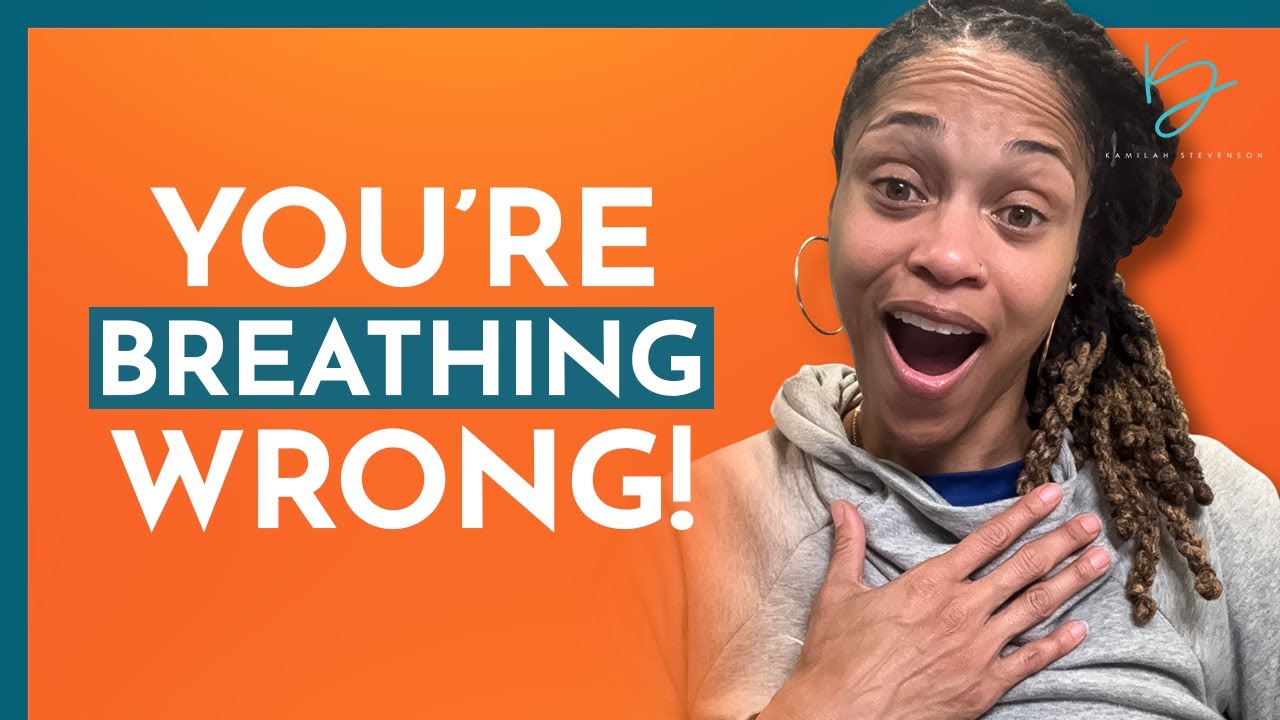
Kamilah Stevenson shows how inefficient breathing limits oxygen delivery and keeps your nervous system stuck in fight-or-flight. She teaches five techniques—box breathing, diaphragmatic breathing, alternate-nostril breathing, resonant breathing, and mindful breathing—each designed to calm your body and improve how you think and feel.
Chapters
Most of us never think about our breathing because it's automatic, right? But what if I told you that the way you breathe could be the key to better performance, less anxiety, and even managing pain? When I learned how to breathe properly, it changed everything for me. It's one of the most overlooked tools we have, yet it's foundational to how we live, heal, and perform. And I'm going to discuss how you can improve this today. But before we dive in, do me a quick favor and hit that subscribe button and turn on your notification. It helps this channel keep delivering content like this, and it helps me to keep raising the bar to bring you even more value. And don't forget before you leave to check out the resources below. There's a lot there to help you on this journey. Now, let's jump right in. Breathing is something that we do about 20,000 times a day, yet most of us never give it a second thought. But how you breathe impacts nearly every system in your body. When your breathing is shallow, rapid, or inefficient, it limits oxygen delivery to your cells. And oxygen is non-negotiable. It's what what powers your brain, fuels your muscles, and keeps your organs functioning. Let's start with the basics. Every time you breathe in, oxygen enters your lungs and is transported to your blood. From there, it's carried to your cells to create energy through your mitochondria. Without enough oxygen, your cells can't produce energy efficiently, and you feel tired, foggy, and sluggish. But here's the thing— most of us don't breathe the way we're designed to. Shallow chest breathing, which is common due to stress and poor posture, doesn't allow your lungs to fully expand. This leaves your body struggling to get the oxygen it needs, forcing your heart to work harder and putting you in a constant state of low-level stress. Proper breathing also affects your nervous system. Slow, deep breaths stimulate the vagus nerve, which activates your parasympathetic nervous system, the part of your body responsible for rest and recovery. This calms your heart rate, lowers cortisol levels and brings your body back into balance. On the flip side, shallow breathing keeps you in fight-or-flight mode, which is draining over time. And let's not forget your brain. Your brain uses 20% of your oxygen supply, even though it only makes up about 2% of your body weight. Proper breathing improves blood flow to the brain, enhancing focus, decision-making, and even creativity. Conversely, poor breathing can leave you feeling scattered, stressed, and mentally fatigued. Whether you're an athlete, a busy parent, or just trying to get through your workday, mastering your breath is like upgrading your body's operating system. It helps you perform better, recover faster, and feel calmer, something we all need in today's fast-paced world. Now, many people don't know this, but there's also a connection between breathing and pain management. So let's talk about pain. Whether it's acute pain from an injury or chronic pain you've been living with for years, The way you breathe plays a role in how you experience it. When your body is in pain, your natural response is often to hold your breath or breathe erratically. This actually amplifies your pain perception because it signals to your brain that something is wrong, keeping your nervous system on high alert. Shallow, rapid breathing can also increase muscle tension, making the pain feel worse. Proper breathing, on the other hand, can change how your brain interprets pain. When you take slow, controlled breaths, it sends a signal to your nervous your nervous system that you're safe. This shifts your body out of fight or flight mode and into a state of relaxation where you can process pain more calmly. One fascinating example is childbirth. Women are taught to use breathing techniques to manage one of the most intense forms of physical pain. Why? Because focused breathing reduces tension, increases oxygen flow, and helps the body to stay in control. This same principle applies to any type of pain, whether you're recovering from surgery, dealing with a migraine, or even just pushing through a tough workout. Breathing also influences your body's natural painkillers. Slow, deep breaths increase the production of endorphins, which are your body's feel-good chemicals. They don't just lift your mood, they also reduce pain signals to the brain. And let's not overlook the connection between pain and emotions. Chronic pain often leads to anxiety and depression, which can amplify the pain experience. I understood this when I wound up with depression when I was carrying all 3 of my children. I was in intense pain throughout the first stages of the pregnancy, and this triggered for me a state of depression. It was the pain that led to these moments of anxiety and depression. And so even when you're dealing with this type of pain experience, breathing techniques can help break this cycle by calming the mind and body simultaneously. I personally wish I realized this much earlier. It's not about just managing pain, it's about reclaiming your sense of control. And so I want to go into even further how your breath is deeply connected to your mental and emotional state, and the way you breathe can either calm your mind or keep you stuck in a loop of stress and anxiety like I experienced. Now think about it, when you're stressed, your breathing automatically becomes shallow and rapid. This is your fight or flight response kicking in, preparing you to respond to danger. But when there's no actual danger, just the daily stress of work, family, or life, this constant state of alertness takes a toll on your mental health. Here's the fascinating part. Your breath works both ways. Not only does your mental state influence your breathing, but your breathing can also influence your mental state. Remember that slow, intentional breathing activates your parasympathetic nervous system, often called the rest and digest system. This reduces your heart rate, lowers cortisol levels, and signals to your brain that it's okay to relax. And also, although we touched on depression, just overall, breathing plays a key role in your emotional regulation. Have you ever noticed how hard it is to stay angry or upset when you take deep, steady breaths? That's because controlled breathing helps to regulate the amygdala, the part of your brain responsible for processing emotions like fear and anger. It gives you the space to respond thoughtfully rather rather than react impulsively. And remember we talked about that anxiety that you may feel? Well, when you're anxious, your body often feels like it's spiraling out of control. Your chest tightens, your heart races, and your thoughts start to race. Learning to control your breath is like having a built-in tool to anchor yourself. It reminds your body that you're safe, even if your mind is telling you otherwise. Breathing can also help with more subtle emotional struggles, like feeling overwhelmed or stuck. Shallow breathing keeps you in a state of mental clutter where it's hard to focus or think clearly. Deep, intentional breathing creates space for clarity, helping you to process your emotions and make better decisions. In fact, research shows that specific breathing techniques can even shift your brainwaves. For example, slower breathing promotes alpha waves, which are associated with relaxation and creativity. This is why mindful breathing is often a cornerstone of meditation and mindfulness. Mindfulness practices. It literally helps you to rewire your brain for calm and clarity. And the best part is that this isn't something you need to buy or wait for. Your breath is always with you, whether you're in the middle of a tough conversation, dealing with a work deadline, or lying awake at night. Mastering your breath gives you a sense of control over your mind and emotions. It is one of the tools that I utilize every single evening when it's time for me to wind down. Now I want to go over some simple steps that can help you to master your breath. Mastering your breath doesn't have to be complicated, but it does require practice and awareness. So let's go through a few simple but powerful techniques you can start using today. Number 1, box breathing for calm. This technique is used by Navy SEALs to stay calm under pressure. The way it works is inhale for 4 counts, hold your breath for 4 counts, exhale for 4 counts, and hold again for 4 counts. It's just that simple. You can repeat this cycle for a few minutes, and it is incredibly effective for reducing anxiety and resetting your nervous system. Number 2 is diaphragmatic breathing for efficiency. Most people breathe shallowly into their chest, but the diaphragm is where the magic happens. To practice this, place one hand on your chest and one on your stomach. As you inhale, focus on expanding your stomach while keeping your chest still. This encourages deeper breaths, improves oxygen exchange, and reduces tension in your body. The third one is alternate nostril breathing for balance. This is somewhat a yoga-inspired technique that helps to balance your nervous system and improves focus. And for those who are not into yoga, don't worry, this is not about meditation. This is again just a practice of breathing. And the way it works is you close your right nostril and inhale deeply through your left nostril, then close your left nostril and exhale through your right. Repeat this for a few minutes to feel more centered and clear-headed. And fourth, we have resonant breathing for heart and mind harmony. This involves breathing at a steady rate of 5 to 6 breaths per minute. Studies show that resonant breathing synchronizes your heart rate and brainwaves, promoting relaxation and emotional resilience. And then the fifth one is mindful breathing for daily practice. Throughout the day, take moments to check in with your breath. Are you holding tension in your chest or shoulders? Are your breaths shallow? Simply bringing awareness to your breathing can help you shift into a more relaxed state. Now, there's different types of breathing techniques. These are just a few that can get you started. I'm telling you, breathing might be the most overlooked tool in your wellness arsenal, but it's also one of the most powerful. Whether it's helping you to manage stress, endure pain, or perform better, learning to breathe properly is going to improve your health and overall experiences in life. Now, if this video added value to you in any way, don't forget to give it a thumbs up and hit that subscribe button. It literally takes a second and greatly helps this channel. Also, check out the resources below. They are packed with tools to help you declutter your mind, sleep better, and take control of your health. Last, I'd love to hear from you. What is the biggest challenge you face when it comes to managing stress or improving your breathing? Maybe it's something you've tried that hasn't worked, or a specific technique you're curious about. Drop your thoughts in the comments. I read every single one, and your questions and experiences often inspire my next videos. Thanks for watching, and I'll see you in the next video.









