JOA Author Summit: Melissa Methvan - Author of *The Truth Behind the Smiles
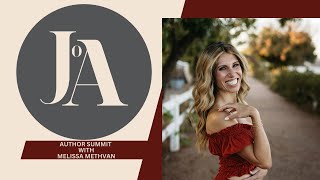
This is a recorded JOA Author Summit interview (Sept 27, 2024) where Keira Brinton interviews Melissa Methven about her book The Truth Behind the Smiles. Melissa explains that her husband died by suicide in March 2022 and that she wrote the book to expose stigma, the signs leading to suicide, and long-term emotional suppression—what she calls “suppression the silent killer.” The book (subtitle: "Suppression the Silent Killer. How to Find Hope, Never Give up, and Cultivate Resiliency") was channelled and completed rapidly during a five-day writing retreat at the base of redwood trees (the author notes the Muir/redwood woods). A strong focus is on suicide and mental-health stigma in the dental community (financial pressure, opioid/numbing, emotional contagion), practical recommendations for teams/families, and healing themes (forgiveness, boundaries, breathwork, community). Melissa shares multiple reader-impact anecdotes (a woman who sought treatment after reading the book) and the interview closes with a plea to share the book and messages of hope.
Questions this video answers
March 2022.
Suppression the Silent Killer. How to Find Hope, Never Give up, and Cultivate Resiliency.
At a five-day writing retreat at the base of redwood trees (Muir/redwood woods); she says the book was written in five days.
September 27, 2024.
Chapters
All right, I want to welcome everyone here to this JOA Author Summit. We are celebrating Melissa Methven today and her beautiful book, the Truth behind the Smiles. I want to welcome everyone here who is watching Real Time, those who are watching the recording. Thank you. Thank you for being here because this is one of the most important messages. And I know that just this recording today will save someone's life. And I know that's bold and I know it. And so with that, Melissa, I would love to just have you introduce yourself and talk about the book that you wrote.
Yes, I'm Melissa Methven, and I wrote the Truth behind the Smiles. And now this is my book cover here. And this was all from the heart and very much divinely written. As my husband died by suicide in March 2022, I felt very much called to talk about, very openly about suicide and the stigmas, the signs leading up and ultimately a lot of the suppression that I encountered in my life from a young child to now, and as well as my husband. So for my husband, it went through the numbing agents to numb, to suppress. And for myself, it showed up as chronic illnesses and my body was starting to speak, you know, from assists in my vocal cords to gut issues, hormones. It was just all that suppression needed to come out. So I felt called to write my story and shine a light also on my husband, who was a dentist and I'm a dental hygienist, so also in the dental community. So I'm shining a light on the dark side of dentistry, but to provide hope and a solution for that industry.
So powerful, such a. Such a beacon of light. Very few people take on this conversation, and it's because of the resistance, the darkness that hits. No one wants to have a conversation around suicide. No one wants to have a conversation around suppression. And yet it is the number one killer in the world. Like, people are dying by suicide every single day. And it's the thing that we all want to blind our eyes, close our eyes, pretend it's not happening. And what I love that you've done is that you've brought hope to this dark conversation. You've brought light into it. And you say, no, we're not going to push it aside. No, we're not going to not tell people how my husband died. We're going to speak the truth so that we can save other people's lives. And so I think as we dive into this, my request is that everyone who is watching this video live or recorded, that you send this recording to one person that you know Needs hope. Just one person, we all know, one person who needs hope. And I believe that it is in our sharing of this message that is then wrapped in light, that those who are stuck in the hole of the darkness of suicide, we see a way out. And so I would love for you, Melissa, to first talk a little bit about maybe just you, your mother, talk a little bit about, you know, a little bit about who you are so we can kind of get to know you. And then we're going to dive into the book and we're going to dive in to how you wrote the book, because you wrote it really in a special way and also what's happened since you published. So why don't you share a little bit about. About you.
Okay. Well, I was originally born in Quebec City, Canada, and so a French Canadian, but moved to British Columbia. And then I ended up 16 years in Wasilla, Alaska, and that's where I live with my husband and got married. I have two young children that are 8 and 10. At the time of their father's death, they were 6 and 8. And they very much propelled me in doing the work and taking care of myself first. That was a major thing that was taught to me, actually, at the hospital. But I'm also a dental hygienist. So I worked alongside with my husband for 15 years at a dental practice. And once he passed, I took over the dental practice and kind of really saw the financial aspect of it and how so many are struggling financially, you know, and we always think, oh, dentists, you know, making lots of money and all that. So it shines a big reality in that industry. And so I love being active and health is a big thing. My faith, you know, my faith in God has always been there. And I think truly what saved me and gave me hope throughout this. This journey, and it's definitely grown a lot more. More that I live authentically. And I think this book was. I was always so scared to live authentically. That suppression was from a young girl. I had this mask, and this mask was this great big smile because I just wanted to please everyone, everyone, have a good time. Conflict. I was run away from conflict. Just. Just please everybody. But that came such a disservice as I got older because I hid everything behind that smile. And I started anger and just bubbling in because I couldn't express myself. And then chronic illness showed up, so I started getting sick until I really heard God saying, you need to use your voice. I mean, assist on my vocal cord. Even in the ent that I saw Was like, oh, are you a motivational speaker? Are you a singer? Because that is the only people he had ever seen that happen to someone that uses their voice a lot. I was not. So it didn't make sense. So that was definitely a big eye opener for me to use, start using my voice. And once my husband passed, I moved to Arizona and. And a lot of people were wondering, why Arizona? I knew nobody here. But in one of my surgeries that I had to get with chronic illness in 2020, I came to find a specialist here in Arizona. And I knew in my heart I had to be here. There was something drawing me here. There was this peace, this calling. I even went home to Alaska and told my husband, we need to move to Arizona. And he thought I was completely crazy because he does not like the heat and too much sun and. But I truly saw there was a light here. There was a connection. I mean, now it's so clear to me as to why, you know, I would have never met you, Kira. I would never written that book. This community that I live in in Gilbert, Arizona, has been healing for my kids, the school. Now it all makes sense. But back then when I'm researching schools and houses, I was like, am I crazy? What's going. But here I am today, and truly the doors have opened ever since I've been in Arizona from coming to your retreat, Ignite the Creator, where I thought this was going to be a healing, grieving retreat. I truly did. And I had no clue what I was walking into. And I do walk into your Ignite your creator, and you have CEOs of businesses, authors, entrepreneurs, and I'm like, huh? I'm at this dental hygienist. Like, I'm just looking for some healing after grief. But that was at this event that, oh, I wrote and wrote and truly saw a book. I'm like, no, this book is coming out and I'm the one speaking on stages. And then you looked at me and said, I believe in you. I see you. And that was the start of the connection and wanting to write my book, especially. Especially once you said, oh, I offer five day writing adventure. I mean, that alone, that was the only way I was going to get it done. My life was so chaotic with, you know, taking care of my children. There was work and my mom is now living with us. So to truly find time and space and bring that book together, that was definitely going away and making space for it and truly connecting to that book and hearing too. I had to find that stillness to hear the important Message.
What an extraordinary journey to see how you were guided to Arizona and all that has happened for you in Arizona with your community, the kids, school, so much greatness. And then that I don't even live in Arizona and that I had this idea to run an event in Arizona, right. That you happen chance to buy a ticket to. That's not a cheap ticket, right?
No.
And you come and. And it was like this book was just shown to us and within four months of that time we went to where was it? Where did we go? And I really feel like I want to talk about this because everyone is going to read this book, going to be like, wow, this is such an extraordinary book. She wrote it in five days. And I really want to highlight that because that ch. It shows you the inspiration is what wrote this book. We wrote the book at the base of the redwood trees in the mir woods. And I remember it was freezing. We had our beanies on our hands were freezing. And I remember feeling like this topic is so deep and intense that we had to be held by the strongest, biggest trees on the planet to help us channel this book through. How was that experience for you?
Oh yes, it was so magical. I definitely felt divinely just safe in that forest to talk about something deep because I think and I never had that blockage, it just kept flowing and it also even looking at those trees and how old some of the oldest trees they've had gone through fires. So that was really giving me that idea of those sequoia trees was like us, you know, like that gone through fire and how we persevered and we needed community just like the trees join in with our roots, with other trees for nutrients, strength. So it just, it felt safe. It felt like I was truly just take well taken care of. Like I had angels all around me, you know, giving me the guidance and what needed to be written in this book. And I felt every day, some days you're like, oh, do you want me to break? I'm like, no. Like it's just coming, it's flowing. But you did do a really good job to say no, we do still need to release what's this intensity? And it was very much part of my healing. So I tell everybody to write, everybody should write a book now because it was a great way for me to release everything and my truth. I was obviously very nervous to share my truth. There was so much resistance, even editing because it was very vulnerable and I didn't know how it would be, how people, family members would react, friends, but it's been an overwhelming acceptance and almost respect. And it allowed others to come up to me and share their truth and being able to see it and do something about it as well.
It was such a powerful experience. It was an intense experience. This is such an intense topic to write about suicide and. And I. I'll share so that those who are watching, I think our greatest thing is to help people know that they're not alone. And in 2017, I almost took my life. And by the grace of God, I chose to live. And so writing this book was intense for me because I was like, oh, like I. This could. This book could be about me and I'm here. And there was something about that. There was something about me sitting with you and bringing this book through. It was like we had both sides. You had lost someone to suicide and I had almost lost my life to suicide. And this is the message. The message is that there is hope on both ends. There's hope on both ends. And you've watched this happen. I want you to share about the woman that you didn't know who found your book and the message she sent you. Can you share about that and the message?
Yeah, there's. There's quite a few. So I'm trying to think which one, but there's. Okay. Oh, yes. So there's been quite a few people telling me they read the book and then. But this one woman I think you're talking about, she read it and then she said, I'm going. You've encouraged me now to see that I, I am an alcoholic and I need help. And she went to seek some help. She found a rehab center and she went and she is doing the work one step forward. I even found her another person in that community going through the same thing so they can connect, so they have each other to talk through and go through this process. And that's exactly what I've been hearing from a lot of people. I mean, just for example, last week I go get my nails done and I've seen this nail lady for. For a long time and since I've moved here. But I gave her my book two weeks prior and I wasn't sure she was gonna had read it, whatnot, but she starts saying she read, started reading my book, and then she says, I have never said this to anybody else, but my daughter was 11, almost committed suicide, but she. She's still alive, but she struggled with suicide ideation and how hard that was and her own mental. She had never shared this with anybody. And that's why I Always say talking about it won't plant that seed. It just allows people not feel alone. Because so many people now that I dive into and allow that safe place to talk about it, it's almost like a relief for them. They don't have to hold that like that. Mom doesn't have to hold that on her own anymore. She said she had never shared that. And so then I was able to share resources. I just had met with Lindsay, who you connected me with, and she works for the Hope Institute here in Arizona, so I was able to share that with her, you know, and so I feel just by. Because sometimes I wonder, who am I, you know, who am I to share this? What impact can I have? But I am seeing the impact of sharing a story and how it allows others to feel, to be vulnerable and share theirs as well. Because I think once we remove that mask and we were living authentically, we put it all out there, and there's this peace and this freedom that we start feeling, and then we have genuine relationships. Genuine. There's a depth there. It's not surface. So we're really connecting with people, and that's what we need as humans. Right?
I feel this. I know. I know that there are so many whose lives have been impacted by this book that we don't even know that read it in the corners of their home. They've read it in their ca. In their cars. Right? They've read it in all these places, and they haven't shared, but their lives have been impacted. And so, once again, my invitation is anyone who's watching this to share this recording, but also buy a book and send a book. What you did at your event was so beautiful, is you said, you buy a book, we'll give you a book for free, and we want you to go give it to somebody. And this is a conversation that is hard. We can't just drum up conversations. And most of the time, if someone says they're suicidal, you know what happens to the person who hears it? They go into frozen mode. They don't know how to help. But this book is a book of, like, hey, here's a bridge. I can give this to you. I may not know what to say, but I can give you this book. And so I think just. I find it so profound. The courage you had to write this book is now the bridge that is going to help people find the relief, the freedom from suppression, and then go get help. So this is me just once again, acknowledging you. I think before we start opening up to some questions, I Would love if you could share how this is helping in the dentistry world, that you really are one of the only people in the dental community who's bringing this to light. Talk to us about the statistics of dentists.
Oh, yes. It's not a lot of people know that it's in the top three for suicide because it's kind of put under the rug, shoved under the rug and not talked about. And it's also because of the financial aspect they get out of school. These students are 25, 26 or half a million dollar in debt. And that is a heavy, heavy load. And they go into dentistry. We've had a lot of associates come in and they're young, right out of school, but they don't realize you don't get paid right away. Insurance, it takes months, months to get your paycheck. So a lot of time. My husband would loan the money, but most dental office, most other providers will not provide that. So they, there's that financial pressure to work five days a week and sometimes six days. My husband started with six days. Well, what happens with that is that it's back breaking and then the numbing agents come in. You know, they'll, they'll work that long week. And it's been a struggle. But I think number one, I truly believe is the energy that is felt in a dental community. In the dental office, you're working with them, you know, right here, right so close. And it's fear. You're taking on their fear. And sometimes with fear comes anger. Right? They're so fearful, they're angry at you.
And.
But the dentist will take that on. And I feel like that alone becomes that chronic pain inside the body. It causes inflammation. There's no release. A lot of times the release will just be, I'm going to have some drinks after work or the weekend. That's the big major release. So I truly feel finding tools for the dentist on a daily basis, when they see 30 patients and 90% of those will hate. You will hate coming in to the dental office and be fear. So you're taking that on. So that's causing the inflammation, the chronic pain. I have so many dentists that have fused their necks, back surgeries. The opioids come in. And that was my husband. The opioids were introduced very early on, 26 years old. And they were there, you know, and they were there for a while. And I know they. But until there's more challenges in their life and you're still. It builds up, it builds up in your body and the More challenges and more. You don't release, then the pain gets larger, and then you take more medication. So it's one numbing agent to another. So I feel that is a major problem in dentistry, is that they're taking on a lot of that fear and that energetically, and there's no release. There's the financial pressure. I don't know how many dentists, because now, you know, I'm in touch with so many of them. I had gotten to know a lot of them going to dental conferences. They're all financially hurting, but they feel stuck. They've got this great big dental office running, but they're just making ends meet. Because after Covid or anything else, the insurance, they're just making ends meet. But they have all these student loans still from opening up a practice that's $1.5 million to 2 million plus their student loans. That's a lot of pressure. So that's where it needs to become an awareness in dental school. Give them the tools, give them the preparedness of getting out of school, finding their community. Maybe within the dental school, start a little pod, a community, say, okay, we'll get started together, or it's just giving them those tools. You know, they can still practice because a lot of dentists love doing dentistry, but it's everything else around it. The business aspect, you know, the insurance, the patients, they love the art of it, but there's so much more around it. So it's just finding that solution. And I can't do it alone. So that's why I've been out there. I've been actually interviewed with the American Dental Association. It'll be in journal. So I know it's getting out there. Been a couple podcasts now, and, and each dentist, they know, there's no other podcast out there talking about this right now in dentistry. So it's. It's definitely needed.
Mighty work. It's a mighty work that you're doing. And I know, sadly, as soon as your book came out, one of my dear friends reached out and said, oh, my gosh, I didn't know this was so prevalent. But my, My family's, you know, this man in our family, he's a dentist, and he committed suicide last week. And it was just like, okay, like, this is. This is something that no one's talking about. It surprises everyone. So if we talk about it, we can get them help. That's really what I think you're doing. And so just huge, huge, huge applause to the hard work you're putting in. Thank you Would love to open up to anyone here who's on the call. Hold on real fast. Excuse me. I would love anyone here to share what your experience was in reading Melissa's book or anything you want to say to Melissa of just, like, congratulating her for bringing this book to the world. Art or Kelly, what are your thoughts?
Okay.
Yeah, I guess I'll go.
Yes.
I haven't read the book yet, Melissa, but I have to say that I give you so much credit for addressing this issue.
Thank you.
There is such a stigma around mental illness of any kind, And it's. It really amazes me how you. If you bring the subject up, there's rarely anyone who says, oh, no, I don't know anybody, or I don't have any family member or whatever. And, I mean, my brother tried to kill himself. He was diagnosed schizophrenic and bipolar, and other than 10 years, when he was paying child support, he refused to go on his meds. And so it's been an ongoing problem, but it's also been a big stigma. No one talks about it. You know, it's like, oh, we can't talk about it. You know, John. And. I just give you so much credit for bringing this issue out so that, I mean, hopefully it doesn't become something that we get used to, but it has to be something that we get used to talking about.
Yeah. Thank you.
I just wanted to tell you I.
Appreciate that, and I think you're absolutely right, because with my husband's family, there was bipolar and there was other mental illness, and I think it was definitely shoved on the side. Didn't want to talk about it, maybe, because it was scary. And I think my husband probably feared being diagnosed. And by the end, it was so hard to know, but probably that's what came about. Right. And I think he was really scared to go seek help because he didn't want that diagnosis because so much stigma comes to that. And. But I think if we bring more awareness that you can still be a doctor, you can still be a father, you can still be part of this community, but here's what's out there to help you, you know? And so I appreciate you sharing that. And, yeah, it's stronger than me, this calling to use my voice, and I know God's leading me along the way and have a voice for it.
Well, you're. It's. It's just so inspiring what you're doing, Melissa.
I just want to thank you for that.
Thank you, thank you.
Thank you for sharing, Kelly. I really Appreciate it. And I think that this is, this is why we're doing this summit and we're going to do another summit. We're going to do another one again in probably two months. Because I feel as though this isn't a one time summit. This isn't a one time conversation. This is a conversation that needs to be had so that we can bring relief. We can bring relief to people in suppression. We can bring relief to the, to the hearts of families who feel alone, to the individuals who are walking this path alone. So just I appreciate you sharing. Thank you. Kelly. I would love if you would like to share.
Sure. Awesome, awesome book. Melissa, you and I have spoke a few times in trying to get the word out, but one of the things I loved about your book is the, the lion the Truth that started every chapter. And I think one of the things is I, as I read through the book, it was very familiar to me because I've, I've done work in the dental and medical space and I've seen this happen. I've seen the weight that rests on the shoulders and the hearts of not just the providers, but their families and their teams. I've had people close to me that have taken their lives under that weight. And I don't understand as a human species that's developed why we have such a difficult time opening up and asking for help and putting ourselves out there in a way that is very vulnerable. Some of the studies that have been done at, at the helm of, of companies and, and entrepreneurial ownership, people fear that they don't have a place to go, say the words I don't know or that I need help. They don't want to be caught as a fraud. So there's a lot of ego comparison and ego trapping that happens. And it just baffles me that as a human developed race we, we are still very actively suppressing and it's not a way to survive, it's not a way to thrive. So I appreciate the, the lies and the truth one that I remember, I think it was about halfway through the book was the lie is that we can fix people. And the truth was that each person is responsible for their own choices and repairing and fixing their own existence in their own world. That's I think a difficult thing because we by nature want to help others. We want to be useful and we want to protect and to secure and to control someone else's journey on their behalf so that their journey might be something that we would like them to have. And I think that's Maybe where some of the. The lies are that we buy into and the acceptance of that and patience with that and what's the extent of the support that we can provide? So I guess my question very long winded here. My question for you would be, how do you. How would you tell somebody or share with somebody how they could be most helpful given that lion truth that you shared in that chapter?
Oh, that's a good question. Thank you, Art. That's really, really good question. To be honest. I think for those people that are trying to change someone, ultimately I now tell. If I think of some dear friends to start taking care of themselves because they have now given, given so much to that person, they now have to start looking at their heart and taking care of their mental health. And they can walk that path. They can still, you know, okay, I'm present, but have those boundaries. They're gonna have to start creating those boundaries for themselves with that person because it's gonna slowly start spiraling into their kind of darkness, their spiral. And to stay strong, they're gonna have to start protecting themselves and doing the work for their mental health and setting some boundaries. I think that was one thing that I didn't have were boundaries. And I was allowing so much to happen. And that was really a disservice for myself and my husband. I think creating boundaries bring more awareness to the other person, like, oh, yeah, this is not all right, you know, and maybe nudge them to make that decision on their own, but also not allowing others to. Not allowing to be. Yeah, it's. So I truly only think is starting to take care of your own mental health and setting boundaries when you're also taking care of somebody else because you don't want to be, you know, you must say enabler, but it's, it's also allowing that cycle to continue. Right. And. And that's the way I see it.
This is such a beautiful question. Thank you, Art, for, for bringing this here. And I think this. I'm going to share a quote that I heard in a book today. So I think it's really going to tie this in, which was don't be caught in the illusion the battle is within yourself. And I feel like that's what you're saying right now, right? It's like this illusion that we can fix other people, that, that we can, you know, fix our worlds, but the battle is within ourselves. And so I want you to talk about the battle with suppression and how you saw, you've mentioned it. How you saw it in your body, but really? Like, what did it look like for you to suppress so that those who are listening, they know, oh, like, I didn't know I was in suppression. Like, let's bring this, because the subtitle of your book. Can you read me the subtitle of your book?
Yes, it's Suppression the Silent Killer. How to Find Hope, Never Give up, and Cultivate Resiliency. And now Suppression being the silent killer. This is how slowly for me, because I was suppressing. I was starting to get so fatigued. Always tired, no matter how much I slept. I started having major gut issues to where I only ate bone broth and crackers and my hair would start falling out. And in my mind, I was like, oh, I'm not stressed. You know, I've got a house over my head. My kids are healthy. You know, I've created this big illusion. But what I tell people now is stress is stress. No matter. Don't compare yourself to everybody else, because stress will still affect you the same way. And so that suppression started giving me those gut issues. And all of a sudden, I had breast mri. They had found a cyst, and I had a capsular contraction is what they had called. Called it. But I think ultimately my body was just inflammation was causing these slight illness. So I go and get that done. Then I have my gut issues. And then I'm thinking, okay, I'm good. No, within that same year, I had two surgeries in the same year. Then I sound like a smoker. And I was like, oh, I eat. And I granted, I'm still working out almost four or five days a week. I'm eating very healthy. So all these symptoms did not make sense to me. And I'm seeing specialists saying I have gerd. I'm like, gerd. GERD are for people that don't eat, like, processed food and all these things. I'm like. And they won't put me on medication. I was like, this is not gerd. And I go see one ent, and same thing. He said, oh, it's the acid reflux. You should be on this medication. So I go see another ent, and they find with an endoscope that I had a cyst on my vocal cord. And once again, these were all signs my body just more that I suppressed more things were showing up, and I knew I wanted to be around for my kids. And something had to change. And a lot of it was starting to use my taking care of myself. So I started more taking time, stillness, to really hear my heart and see my truth and actually When I did come for one surgery here in Arizona, felt it. I felt, oh, my environment at home. Started looking at how I felt in that environment, how it affected me. I start having anxiety and being around it and so tuning into your own body, that's what I started doing. But these, your body will start to speak, ring some alarms. And a lot of it, I find hormones will get on balance and you'll feel tired, you'll lose your hair, you'll gut issues is a big one too first. And a lot of it is the root cause of stress and suppression. More you're suppressing. For my husband, he was, you know, numbing his suppression of abandonment with his mom growing up and a mental illness in the family and being scared probably, you know, of going seek help and a diagnosis. And that was a major thing that he suppressed for a really long time. They never talked about bipolar or how both his grandparents, grandmothers on both side of family died by suicide. I only found out afterwards. So even if I think back to my grandmother, I was so close to her. Her husband got taken away.
Gosh.
I think my dad was 14 because schizophrenia is what he was diagnosed with. And they only said that he died. Nobody would go visit him. They just wanted to just. If you put it away, it goes away. But I think that was not a service for my father growing up either, you know, So I don't know. Well, long winded. I get on, get off powerful conversations.
Because when people, when their bodies start to talk to them, very few people think, oh, I must be suppressing. Right. And so you're bringing a conversation to the, to the table that needs to be had and that all of this was suppressed in your husband's family. This wasn't a one, this wasn't a one day, he had a bad day. It was a, it was like the compound effect of suppression is what eventually led him to saying, I'm not going to be here. And, and the compound effect of suppression in you was your body saying, I'm going to shut down under the weight of this suppression. So what I would love to, to just highlight for everyone who's listening is what does, what does suppression look like? It means that if you could kind of share with me what you see, suppression being of, of, you know, what is it you said you smiled, but.
Inside hiding your truth, hiding your truth. So you just smile, you smile, you, you, you, you don't. You have service surface talks. You know, you don't really have the depth. You don't. You feel like you're a Burden. If you talk about your problems or your issues and you're fearful of judgment, you know, if you do speak your truth and shine your truth, those are all signs. I think your body will start showing up. You might feel even more resentment and anger. So you might have outbursts. I know for myself, you know, all that I wanted to share with my husband and things I was suppressing and angry about, I would take it out on my. On my kids and yell at them, you know, at times where it was just, maybe they have done something little. They were so little. But my patience wasn't there on the people that I love the most, you know, and that's where it shows up, I think. Start tuning into their body and where they might be suppressing it. And this can be something from childhood. I think we all have something that we haven't dealt with from childhood. And start looking at that part of yourself that's still there, you know, like the body keeps the score. It's still there, and you need to just process it, you know, and not relive it, but just acknowledge it. Acknowledge it that it's there and find ways to release it. And that's how I really got into breathwork and now become a breathwork facilitator because that was a safe place for me to release. I was so good at masking behind my smile, and so was my husband, and I never rarely cried, and. But there was so much sadness, and under that sadness, there was. There was anger. So breathwork allowed me to completely. I would ball and ball and ball, and that was a safe container to do. So cold plunge was the same thing. Whenever I cold plunge, there was this, like, release. And so finding those tools to do that and to really. And I remember thinking, too, that I needed a lot of space, like stillness to hear my heart, to hear what I need to process. No more numbing, you know, I'd stop drinking alcohol. It was never a big part of my life, but I knew not to touch it after my husband passed. And just so I could feel no more, nothing to numb. I had to just feel and go through it. Because I thought to myself, my kids can't go numb out with alcohol. Right. And what's your question?
A good question. I'll read it to you.
Yes. Okay.
As without knowing the provider but recognizing what can happen, what specific message would you share with their teams and significant other? Maybe you can unmute art and just kind of explain that a bit.
Yeah. You've been on. You've been in multiple sides of this. You've been in the practice, you've had working knowledge of the health of the practice, you've been at home, you've been pre and post event. And so it's really two questions. One is what, without knowing what a provider is going through, just the anticipation or, you know, general knowledge of the, the things that they struggle with and, and try to solve for. Usually they're built to try to solve, but knowing that, well, what would you share with their teams and their significant other on the perspective that you've had? And then the second one, second question we can dive into here in a minute.
Oh, yeah, that's an excellent question. Because I think the team, if I think of our team, was like family. They saw signs, right? So maybe going in and asking them questions like what they've noticed and maybe allowing them that safe place to check in, to ask some questions to the dentist, you know, but checking in with the wife and seeing what they notice and allowing a safe place. Because for me, as a wife, and we're a small community, I was also afraid. Well, he built this practice for so long and had a good reputation. I didn't want to tarnish that either. And, and. But I allow him space to heal, but didn't have to tell everybody, you know, because there's judgment and all the things. But. So that's why I think it was. Seems so hard. But if somebody could come in and you felt safe, okay, what signs have you noticed at home? How does he come home or she after work? Because a lot of times they come home and they're so disconnected. They gave their all to all the patients and they come home, they have nothing left. So really checking in with I think their significant others at home and asking them some questions, the staff, the staff sees it, her staff saw it. They just didn't know how else to help other than make things easy at the office. You know, let's try and take care of everything, but what are some of the signs? Let's allow him or she, the dentist, a provider, to share that they're struggling, they need help, or maybe they need to completely leave for a retreat, you know, something that you're providing art. This weekend, I often told my husband, I think you need, you need to get away, find a retreat, to find yourself again and to see your next purpose and to release and learn these tools that many, many dentists don't learn in school. You know, it's very much more on the pharmaceutical side, the technical side, the clinical side. And so I think it'd be important to check in and ask questions to the staff, because they see it, they'll see little signs here and there and provide them tools on how to help or provide the providers. Because a lot of them feel pressure. They can't get out of work, they can't take a week off. It gives them so much anxiety because who's going to take care of the office even if they have somebody? If you're the owner, there's always something that happens when you leave. So it's really hard for them to leave. And so I think it'd be important to have almost like we have consults that come in for managing consults in the office, but also one that comes in and checks in on the mental health, that comes in and questions the staff, talks to the family members that he lives with or she lives with, and maybe allow the dentist to open up, you know, if it feels safe to do so. I think that would be crucial. Have a yearly check in or quarterly, you know, something that opens up that conversation as much as they are out there. I know we had flown in so somebody to kind of look over how we can do better as a business and manage better. Where are we lacking? But none of it was mental health related. I hope that answers your question.
Yeah, absolutely. The second question that I have is I can't help but go back and reflect upon how intimately you described Hawaii in your book. And for those that are going through what you've come through as a spouse or even as a team member, what. What words of courage would you offer to those who are currently going through that?
Oh, yeah, the words would be, you did everything you could to help them. You did everything you could, you love them, you were there by your side. There's nothing else that we could have done. Because a lot of times with suicide, there's so much guilt, there's so much shame. I mean, even to this day, I have people, gosh, I wish I would have known more. Wish I had done this. And I said, we can't sit in there in that. I know my husband and he hit it so well even from the day before. And so strong, the superman, he had to take that first step to ask for help. He, you know, he had to allow that in and see his truth. He really couldn't. But I think for hope is letting go. Forgiveness. Forgiveness actually is a big one. Forgive them for leaving you by suicide. Forgive them truly forgive and forgive yourself. It's going to give you that weight for growth and for healing, because so many will sit in that going Back to the what ifs, what else could I have done? And not letting that go. Not forgiving themselves for missing some of the signs or so I think doing a lot of work of forgiveness for yourself and for the person that died by suicide. Forgive them. You know, they, they, they felt like that was the best way, maybe felt like, you know, if I think of Scott, he probably thought, oh, gosh, he's a burden. My wife, my kids will be better off without me. I, you know, and he's having all these awful thoughts, even though he. We had so much love around him. But he couldn't see it, couldn't see that. And I think as survivors, we hold a lot of guilt and shame, but to learn to let it go.
Thank you.
Thank you for asking. Those are, those are profound questions. And I feel like that's one of the best ways for us to really start to wrap up this, this call, which is the forgiveness, forgiveness of ourselves, those who struggled with suicide ideation. Forgiving yourself for having that battle, because that's. There's shame in having those thoughts. Forgiving those who have left by suicide, forgiving ourselves for not like this feels like a beautiful way to kind of bring this to a completion today. What I would love is if you could just drop in your heart and think of a message that you would love to share to all those who watch this recording. What would be the message that's the loudest for you to share today?
The loudest for me is definitely to not be afraid to live your truth. And how we can do that is to start loving on ourselves. And forgiveness. Forgiveness is the big one. To start shedding those layers. You know, I had these armors on my heart, but start removing those layers, forgiving yourself, waking up every day, finding something to be grateful for and loving yourself. Just truly look yourself in the mirror and forgive yourself and love yourself and allow yourself to feel love again, you know, and that's what my hope is, that inspires people to live their truth and to start doing the work for themselves.
Beautiful.
Thank you. Thank you, Melissa. I want to thank everyone who came.
Kelly, thank you.
I want to thank everyone who's watching this video because I know many. This is a hard summit to show up to, and so I know that many want to come, but it's like a hard topic. And so I know that so many are going to be watching this and in the safety of their home and the safety of their rooms. And so to each one of you who are watching, I want you to know that there is hope and that there is peace and that there's a future ahead of you that you could have never even imagined. Melissa is a testament of this. Even after the deepest, darkest heartache, she's been able to find peace and joy to help her children heal, to help her heal. Now she's helping so many other people heal. You don't know what the future is, but it is so much greater than you can even imagine. And so everyone watching, please go grab a copy of Melissa's book if you don't have it. It's on Amazon. I'll have it in the show notes below this. I'm a big believer of. Buy one for you, buy three for those that you don't know who are going to come into your life. And you could even pray and ask God, send me the people who need this message so that you get to be the beacon of light for them in their life by giving them Melissa's book. This is not about a book. Is about saving people's lives. Melissa, I honor you. I see you.
Thank you.
So proud of you.
Thank you. Thank you. Without you. So thank you very much.
My deepest honor to know you, to be your publisher, to have sat with you as you wrote this book and to everyone in the world, may this find you so that you may have peace, that you may rise into who you are here to be with that. We'll see you all soon.
Bye, guys. Thank you.