JOA Author Summit with Brianna Rashae
Brianna Rashae, 22, discusses her memoir Holy Shift about surviving childhood sexual abuse, her sister's death, and postpartum depression. She shares how she chose to heal, offers practical strategies for managing mental health crises, and explains her shift from seeing herself as a victim to a victor.
Chapters
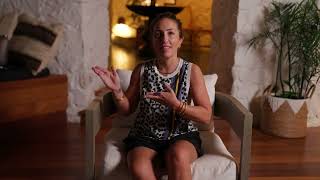
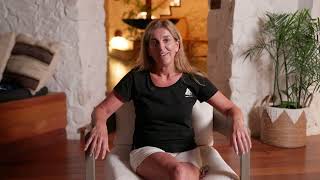
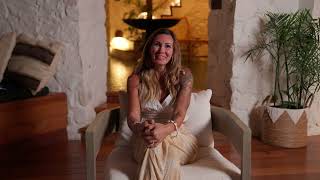
All right. Okay. So, my dear friends, welcome. Welcome to a JOA Author Summit. Now, these are really powerful. These are beautiful because they allow us to be able to ask questions to the author. They allow us to go deeper with the author and to hear their favorite parts of the book that they wrote. And so today I am so honored and excited to introduce to you the author of this beautiful book, Holy Shift My Path From Hurting to Healing. And the author is this beautiful woman, Brianna Rache. Thank you for being here, Brianna.
Thank you so much for having me. I'm thrilled to be here.
I am so excited, so excited for this topic because this is a topic that I believe needs to be spoken about every single, single day. We need to tell these stories because your story is a story of hope. Your story is a story of resiliency, of a fighter, of a warrior, of a light bearer. And it is my deepest honor to be your publisher, but also to hold this space for you to share today. So I'm going to give you the. The space right now. Just tell us those who are watching this recording, those of us who are here, who you are and what made you feel inspired to write this book.
Okay. Yeah. My name is Brianna Roche.
That's the.
That's the name that I go by, my author name, and it's just my first and middle name. And what made me inspired to write this book? Well, I mean, first and foremost, I'm. I'm 22 years old. I have a beautiful little family, little girl that I love, and a wonderful husband. And I grew up in a small town in Utah. And throughout life, I. I endured a lot of things, a lot of trauma in my childhood, and then the grief of. Of losing my sister. And just. I went through a lot and I. I had a really hard time. I became very depressed and. And suicidal. I didn't want to be here anymore, especially during my teenage years and then later after I got married. And once I finally was able to heal and. And see the light, I just realized that so many more people need it and that I could be someone to do that for them. I could. I could be someone. To be honest, I think that was my. My biggest goal with this book is I just wanted to be honest with people, to show them all of the. All the darkness and then also show them the light. And that's why I subtitled the book my. My Path From Hurting to Healing. Um, it's split into two parts, the book. So part one is called the Hurting. It basically journeys through all of the traumas, the Grief, the mistakes, everything. And then it goes into part two, the healing, where I share how I finally broke through and all of the lessons that I learned and I'm just so grateful to be able to share that with everybody.
I, I, so I resonate so deeply with what you say and also why I think your book is so profound, not only because of what's in it, but that you're 22 and it feels like this is the beacon most people believe, oh, it's going to take me, I, I'm not going to be healed until I'm 40 and like, like this is going to take forever. And I mean healing is an always going thing. There's never a healed moment. But for you to be 22 and be like, I, I walked this path, I found what works and now I'm sharing my hope. That to me is such a call to teenagers, it's such a call to those who are 50. It's like if she can do it and she's 22, that calls to the younger crowd and the older crowd. This is like the message is for everyone.
Yes. Yeah. You can always, you can always make the decision to heal. I mean, and it is, it is a process. My book isn't called My Path from Hurting to He. I'm still healing every single day. It's a journey, but it's one that I want to be on, so.
Oh, that's such a powerful sentence. It's one that I want to be on. Let's start there. Why don't you talk about how agency was a part of your path? How was agency like the choice to want to live? The choice to want to heal. How would that, how did that show up for you?
Oh, honestly. Well, the poem that, that you showed before we started recording.
Have you read it? So I opened your book right before we started and I landed on chapter 13. I dog eared it here. Would you read it to us?
Yeah, of course. What page Was that on?
91.
91. Yeah. So basically this book is or this poem is written for my daughter. And before I had her I really was just in such a dark place. And after I had her, I was in a really dark place. But in this chapter it's called Someone to Live For. And she was just that for me. I knew that I needed to heal so that I could be the best mom for her and so that I could be an example to her, you know, is if she ever goes through hard thing, goes through hard things in her life and I mean, I'm sure she Will we all do. But I'll read this, this poem that I wrote for her. It's called My Little Sunshine. It says, good morning, little sunshine Tell me how'd you sleep? Your warm face brings a smile to mine One that I'll always keep Come wrap your arms around me Come fill my heart with love and I'll give thanks to God for this blessing from above. He's blessed my world once more with your smile that fills my day Just like a little sunshine Bringing joy with each new ray.
Oh, so. Oh, it's so beautiful. I love it. Thank you for reading that. And so was that the moment when you chose, like, I choose to heal?
Yeah, yeah, that was. There was a moment actually, with. After my daughter was born, I experienced a lot of really heavy postpartum depression and anxiety that I think just resulted from a lot of traumas just being brought back up. All of those feelings that had never been fully processed. And my mother in law was helping us with my daughter at the time because I really just wasn't capable of caring for her. And I remember my mother in law, she sat me down one day and she asked me a question that I really had never been asked before. And she said, do you want to heal? You know, is that something that you want? And in the back of my mind I was like, well, like, of course I want to heal, you know, how dare you ask me that question? I was so livid almost. But then the more that I thought about it, I was like, I really have never wanted to heal. I've always wanted to. You know, and. And not consciously, maybe subconsciously, though wanted to stay the same, wanted to rely on this pain for as long as I could, almost as an excuse not to live my life to the fullest, just to stay in the same place that I was, to be complacent and comfortable. And when she asked me that question, it really hit me hard because nobody had ever confronted me like that before. And so I said, okay, let's find out a way to do this. I need some more serious help. And that's when we found the Bridge, a healing center, a three week retreat. And that was really the start of my breakthrough. And I've just been really on. On high ever since.
Yeah. Yeah, that's powerful. And I feel like that has such a huge piece here, the piece of agency. Right. It's the. And, and you bring up such a powerful point that I think is worth us pausing at, which is sometimes our pain is our most comfortable blanket.
Yeah.
And. And it's like, but this is the blanket I've been sleeping with for a really long time. I don't know if I can give it up.
You know, why would I ever want to get rid of it?
The thing I know, I actually, like, know how this. And it's interesting because it's like, it's. It's a blanket that maybe has, like, some pokies on it. You know, it's like, not like the soft heat blankets. It's like a pokey blanket. But we're, like, used to it. We're like, but I know the pokies, and I don't know how a soft blanket would feel. And so you really bring up a huge point here that I think everyone who reads this book will find this for themselves of, like, are we willing to give up our pain? Are we willing to want to heal? And that's something that you really. You just showcase this so well in your book of. You have a lot of reasons that you had pain. You had a lot. And if we want to talk about, we can. We can talk about, like, what led to that pain. Very valid to have the pain that you had. But then you chose to heal, and you went and you did the work, and you continue to do the work. And so I just. I applaud you for being that in the world. It's very easy to stay in the pain, but also for you sharing your story. So I would love for you to maybe sit for a second and feel into. What do you want to share about this book that you wrote? What. What would be. What feels the loudest for you to share with everyone who watches this?
And then I think. And it kind of goes with what we're talking about. But I think the thing that's showing up the loudest for me right now is the idea that I present over and over again in my book about becoming a victor, getting out of the cycle of victimhood. And that's a place that I lived for a long, long time. And I. I blamed all of my problems on. On everybody else, and. And specifically on. On my abuser. I. I went through a lot of sexual abuse in my childhood, and. And so I blamed a lot of my problems on him. I just thought, you know, you're the evil that has brought me down, and I'll never get back out. And at a certain point, I realized that I had to take responsibility for the way that I had been living my life, that I had to take responsibility for my healing. You know, I could never take responsibility for what was done to Me. And, you know, I had to feel that pain, but I had to make a choice to heal and. And to become something more than a victim in my own mind. There's a. There was the chapter that I. That I landed on that I. I wanted to read something.
Yeah.
Let me find it again. Okay, so it is in chapter 15. It's called victim to Victor.
And.
I will just read. I'll read this passage here. It's on page 112. It says, Taking responsibility for the things that I had done wrong, even when I knew that I was right, was one of the hardest things I've had to do. It was a necessary step in my healing. It definitely hurt to go through it, but it was necessary. As one of my favorite lecturers at the Bridge would say, the truth will set you free, but first it'll piss you off. It wasn't until I was hit with my own hard truth that I was finally able to take responsibility for the ways I was limiting myself. And, yes, that truth really pissed me off. But then it set me free.
Oh, wisdom. That's so good. I want to actually ask Trisha, who's here, What. What's coming to you listening to all of this?
Oh, my gosh, Brianna, you're just amazing, first of all. And everything you're sharing relates so much, right? So I love that Kira talked about the age difference, right? Because I'm 43, going like, wow, this is so beautiful. And I know where she's coming from. You answered several of my questions, so thank you already. Right now, what's coming to me is the current. You know, having grown so much and having received these. These tools or gifts that you have, how do you deal with these spirals today? You know, when you start hurting or you start feeling that pain, how do they. How do you recognize them? Like, how do they show up where you can shift them quicker?
Now, that is such a good question. I'm so glad that you asked that, because that's something that's been so hard for me is because, I mean, over life, we build these habits in our subconscious. You know, we just go to that place every time something happens, because it's just the pathways in our brain, they just get wired that way. And so that's something that I've really had to work on is like, okay, when I start to feel myself spiral, I just have to do something immediately to get out of it. Whether that's, like, I feel it coming on, I go outside, I, like, sprint down the road, and I sprint back, like. Or I I go and get in the bath or. Or go. And I mean, a lot of the time I get. So when I start to spiral, I start to feel really angry. And so a lot of the time I just need to, like, go and. And yell at something or. Or scream and. And it. It may not be the most healthy way to deal with things, but it's the way that I. That I keep myself on track. I just. I go and let that out, and I remind myself that it's only temporary, because it really is only temporary. And so often I'll start to spiral, but then I go and do something like that, and I come right back out of it. And that helps me so much more to know that I'm in control. I'm still in control. And I think that's such an important thing to remember in. In your life, is that you're in control. You always have the choices, you make the choice. And so, yeah, I guess that's what I. What I would share is to remember that you're in control. That's one of the things that my husband has been really helpful for me with that is when he'll start to see me spiral. He'll come and he'll get in my face and say, all right, who's the. Who's at the wheel right now? You know, is it little Brianna that is feeling all of the hurt and pain, you know, and a lot of the times it is, but I just always have to remember that I need to take back the wheel and. And a lot of the time I have to go and I have to sit with little Brianna in her pain and. And give her hugs and say, it's okay. Like, I know, I know, but. But it's going to be okay, and we're safe, and that's all that matters.
Wow. You really are amazing. That just that one phrase, you are in control. That reminder is really, really powerful. And I love that you also touched on, you know, your younger self does need that love and does need that space and time, but that ultimately you are in control. Right? So really, really cool.
Yeah. And it's so difficult, too. I mean, so often I feel the urge to get so frustrated with myself. But then I realized that I'm not really getting frustrated with myself now. All I'm doing is blaming little Brianna for the way that she feels, and that's not fair of me to do. It's not fair of me to expect her to be able to journey through all of this because really, she's just still stuck, and it's my job to take her hand and lead her through this life with me and catch her up to speed as so to. So to speak. But yeah, it's important to remember that.
That was a great question, Trisha. Thank you. And I think that's an important. I'm so happy that, that you brought that up, Tricia, because that is an important piece. It's not, it's not the, the three weeks that you had at Bridge that changed your whole life. It's the everyday choice you make. Right. It's the everyday rewiring of your brain patterns, the creating of new pathways in. In the brain. Every day you make this choice. Every day you make the choice to be in control and to choose life.
Right.
That's such a powerful. Such a powerful example for everyone who's alive.
Yeah.
And I think we talked about this on the podcast as I struggled with suicide ideation most of my life, that I saw it as a gift in the sense that every day I got to choose to live. And I thought not everyone gets that. Not everyone actually understands what the gift to choose to live every day. So talk to me about that. Talk to me about how you choose life and what that's been like for you.
Yeah, that's. That's a great, A great point and a great question. I talk about in my book how decisions are so important and how you have to choose to be in control, choose life. And sometimes that means choosing every single day like you just touched on. And that can be really hard, but you just have to take it day by day. Our brains, I think a big part of where our anxiety and depression and fear comes from is thinking about the future and all of the worries that it holds. And what I've realized now is just that my brain can't compute future problems. It just can't do that. Our brains aren't meant to do that. But what I can do today is deal with what I have. My brain knows how to take care of what's in front of me right now. And so that's what I do every single day. I just, I try and stay in the moment. I try and remind myself that the days pass by so quickly and it's just moment after moment. And sometimes that's just how you have to take it is moment after moment. And I know that that's. That can be so hard to hear. And I'm just. I'm imagining saying that to myself when I was like 14, 15 years old. And I would think that I was, you know, full crap, but it's true. And I know that it. It can be so hard to hear, but just keep going. That's all I can say. Just keep going. It gets better, but you have to make the choice to make it get better. You have to help yourself out. You know, you can't just sit back and let life pass you by and. And let life throw you around. There's a point where you just. You have to take the wheel and take control of the car so well.
It's so beautiful. I just feel like this message. I'm. I'm so excited to put this message out into the world. I'm so happy that you wrote this book. I know it was not easy. I know that you moved across, you moved to a new house during the middle of this book and you went through some hard things during the middle of this book when you were writing it and you didn't give up. And so you not only teach that in the book, but you teach it in your actual example of you didn't give up. You didn't.
Yeah.
Here you did it. And this book will be here forever. Isn't that so great? Forever.
That's amazing.
It is. And we never know who is going to pick it up. We never know who. Who. Today someone is struggling with suicide ideation or depression or trauma and they go on Amazon and somehow your book shows up and you'll never know. That's the thing. That's crazy. As an author, you have no idea who's got your book. But I know that it will land in the people's hands who need it, that it will go into their hearts and that it will be the seed of hope that they're needing. It will be the thing that really helps them get traction to move out of the hole. And I believe that about your book is it will help people get traction when they've been trying to get out of a hole and they just keep slipping and slipping in that loop. Right, Right. So something that you could tell people right here, right now, what would it be like? What would the message be that you would love to share with anyone who's listening to this? What would that message be?
That's a great question. I feel like I have so, so many things that I could share. And really just the main message of the book is just. That life is just. Life is worth living. And that's something that has taken me so long to figure out. Mostly because I was prideful, I thought. But I went through all this pain, you know, how. How can I just move on? Like it doesn't matter. And. And that kept me so stuck for so long, and it kept me from enjoying what I had. I mean, I'm so, so blessed and so fortunate. And of course, I mean, I've been dealt some cards that I didn't deserve, but we all get dealt those cards. But I focused so, so much on the hurt, and I made it my entire identity. And you just get to a point where you can't do that anymore or else you won't be able to live. You just. You can't live life like that. When you're living life like that, it's not worth it. And that's what. That's what drove me to such a deep and dark place, because life wasn't worth it when I was living it like that. But. And a quote that I. I have in my book is something that I didn't realize until much, much later is that I didn't want to die. I. I just didn't want to live life as I knew it. But I know my life so, so much differently now. It's. It's changed so much just entirely from my perspective of thinking that I actually can be happy. And. And when I realized that the leaves on the trees got greener and the sun shined brighter and. It sounds so silly, but everything really did change for me when I started living life like it was worth it.
You are such a wise soul. I can't believe you're 22. I really can't. I want to learn.
Too many lives.
Yeah, I do. I get it. I want to highlight a few things that you said here for those who are listening because they need a second glance, which is it? You didn't want to die. You just didn't want to live the life that you were living.
Yeah.
I think that's such a powerful thing to share. For those who are in the darkness of depression and suicide ideation, death seems like the only answer out of the pain. And I love how you say you didn't want to die. You just needed your life to change. And your life changed when you chose to heal. And I want to take you back to what you said at the very beginning was becoming the victor instead of the victim. And I want to talk about this for a second because you actually were a victim. You were a victim to sexual abuse.
Right?
Right. Like that's just an actual fact. But then the you. But then you chose to not live the role as a victim. And we don't discount. We don't discount that trauma that happened that should never have happened. And yet it happens to so many that it should never happen. And it does. And we were victims of those things. But then you chose to not live the role as a victim. Can you explain a little bit? Because I think that people get hung up on that. But like, but I was a victim, right? Like, they're like, yes. And it's like, we see that, we hear it, and it's true. So maybe Teach, how you went from actual being a victim to moving out of the role.
Yeah, yeah, I, I love that. I think that's such a great distinction that you just made. And, and it is so valid, like you said to say, but you were a victim. And, and so many people. I mean, I, I saw this at the bridge and, and at the healing retreat that I went on. It's just the mindset of, of all of us hurting people is just. But I, I've experienced this. I, I was a victim. I, I know this to be true. Okay, well, that's completely valid, you know, and you can keep living your life that way, but where has it gotten you? What have you experienced? How are you feeling about living life like that? And that's something that I really had to see for myself, is that I've been living life for so long as a victim of sexual abuse, and that was just an identity that I cared so long and it has such heavy connotations and I mean, I'll never be able to escape that or, or be rid of it. Right, because it happened. It's. It's fact. But I could escape that narrative. I could stop telling myself the story over and over again. It was just time to tell myself a different story about my life. And I think that when people stop, they stop getting into that mindset so often they start telling themselves a different story that they'll start to see some different endings. And, and I mean, you've, like I said, and there might be some people that'll read my book and, and they might be mad and say, you know, but I, I am a victim. How dare you tell me that I should just heal. And that's valid. I've felt that way before. And it's a hard place to be. And you can keep living life like you're a victim or you can decide not to be one anymore. And that's what I did. And that choice in and of itself, I think is the number one thing that propelled me into healing because I started living differently. I, all of a sudden in my brain, I was like, well, wait, but if I'M not a victim, then I could be something else. I could chase my passions. I could pursue writing. I love writing. Maybe I could do something with that, you know? And I just started thinking, wow, I think I could really help people. And you'll never know how many people you can help until you help yourself. So.
Oh, girl. I mean, I. I'm like. Every word you say, I'm like, who is this shaman? Like, you're so brilliant, Trisha. Anything that you want to finish up with, questions or thoughts or anything that you're present to.
So many things. You have my heart, like, literally just. Just beating out of my chest with all different thoughts and feelings. That's bedrock. That's good stuff. Brianna. What I was thinking about is, I mean, I love history. I love studying heroes and people that have done things, especially women, through the years, things that they've done. And I think it's possible to be a victim that turns into a hero. Like, it's okay that we were a victim, and it's okay that we're now the heroes. It's beautiful. And, I mean, people think heroes just do these amazing things. Yeah. Because they went against the odds. They could have been a victim, and. And they could have been like everybody else, but they chose to change. And so you've become a hero in your story, and that's just so, so, like, so, so beautiful. And I just said, I wrote down grateful for the hard moments, because without those hard moments, I would never stop. I would never stop and take stock of my life and heal the things that are there, like those silent killers that we don't pay attention to until we start spiraling or until things get hard. So I think it's important just to recognize that the heart is usually a sign for growth, and that's what you're showing us, which is really, really beautiful. Right. That, yeah, life isn't perfect. And those moments of hurt can give us so much clarity into what's happening. Right. And I think women, as women in general, I can't speak for men, but women in general, we just stay so busy moving and moving and moving and doing, because then we don't have to deal with the hard. And you've shown us how we can do both. So thank you.
Yeah. Thank you. Oh. Everything you said, I. It just kept bringing up more and more and more in my brain. And something that I talk about in my book is that, you know, you see so many people, they go through hard things, and you either break or you get stronger. And I've seen life break a lot of people. And I feel so fortunate to have found healing, to have found that strength within myself to keep going and to keep learning. And, and so I really, I feel so, so fortunate. My life has been, oh, so, so incredibly difficult, but that has made it so much more beautiful. I mean, that's where I feel that I've gained the most wisdom and the most learning is from learning how to overcome those things. And there's something that I read on the podcast with Kira. It's one of my favorite passages from the book, and I would just love to just read it before we go. And, and then I'll. I'll read that. And then I think I will end on the poem that I decided to end the book with. I love it so, so much. So let me find.
And while you're looking, I'm gonna let everyone who's watching this know that you can go grab her book, Holy Shift. It's live on Amazon. It was the number one bestseller on Amazon. Go get this book. Get it for your friends, get it for those who, you know, need it, but also for you. Everyone goes through trauma of some level. Everyone can use this book. And if you guys want to follow her on Instagram, her name is. Is it Brianna Roche? On Instagram?
Yeah. Yeah, go follow me.
So go follow her. Go grab her book. DM her, Let her know how much her book impacted you. Every author needs to know that their book is doing something. So if you're a reader, go let her know. And Brianna, why don't you read that to us?
Yeah. And, and I think I'll even read some on this other page too, because it's just, it's so relatable and I think it, it really will. Will help so many people. But it says, I was in so much pain a year ago. Life felt cruel. Every time I thought I found something worthwhile, it eventually became a source of misery. There's a very specific prayer that I started to say every single day and night. Short and sweet. It went like this. God turned my wounds to scars so that it might touch them without feeling the pain of their existence. My self harm scars mended, they healed. Eventually I was able to touch them without feeling any pain. I could admire and trace their intricate details, never once stopping to take a breath or let a tear fall. Just as the cuts sewed themselves together, so have my traumatic experiences from sexual and emotional abuse, the loss of my sister and her soon to be baby boy, betrayal, trauma in relationships, severe postpartum depression, suicidal ideation, and everything in between, through patient diligence and a shift in my entire perspective, I've accomplished more than I ever believed possible. I'm able to remember my life in a light of gratitude, not regret. My wounds have been turned to scars. I will never be rid of them. But perhaps I don't want to be. My hardship is intertwined with beauty and strength. Each scar is valuable to me, for every twinge of life's blade has left me open to endless opportunities of learning. I've become someone strong and full of passion for creation. My pain has brought me here, and there's nowhere else I'd rather be. I'm sure as hell never going back. During my time at the bridge, I made that shift. That holy shift, as some of my leaders would call it. I've always been loved by so many people. I have a loving family, lifelong friends, and a community who always had my back. And while that always felt nice to have, it was never enough for me. I always wondered, what am I missing? I have everything I could ever want and need. Why can't I just be happy? No. I might have thought that I had everything. But there was always one thing that I was desperately aching for. True joy. Crazy as it sounds, I never experienced it until April 10, 2022, my 21st birthday. It was truly one of the best days of my life. Not because I got all the gifts I wanted or went on some wild adventure. No, that day was significant because it was the first birthday that I could remember being happy that I was alive. You, too, can experience that joy. As my time at the bridge was coming to a close, I decided to write a poem to commemorate the journey it had taken me on. Through my healing, I have found myself again. I hope that somehow, in sharing my story with you, I've inspired you to do the same. And now this is the poem that I ended the book with. It's called who Am I? Who Am I? That's what I ask each day. I've been alive, I've strayed and I have stumbled, not thinking I'd survive. The lies I kept repeating myself, I kept deceiving. But all the while, the ones I love had never stopped believing. It is their love and confidence that brought me to this place. A refuge where I've learned to treat myself with love and grace. I may not know exactly what the future has in store, but I know now that I have one. How could I ask for more? So who am I? The answer is I'm someone who's worth knowing. I'm someone who is learning. I'm someone who is growing. I can't explain the joy I feel in finally being free. Standing here before you, smiling, saying, this is me.
Oh, my gosh. Amazing. You are amazing. Like, I just honor you. I. I felt this when we did our podcast. I feel it again right now. Like, you are such an important piece to other people's path. You are so brilliant. I'm so grateful that you wrote this book. I'm so honored that I got to be your publisher, that I got to help you bring this book to the world. And my invitation is. Don't ever stop doing this. Keep sharing, keep showing up. People need you. People need these words, and you are a beacon of light.
Thank you so much.
Such an honor. Oh. Anything left that you want to say, Trisha? Yeah. Just so damn good. So, as we close, we invite everyone to go grab this book. Go grab it. Read it. You. We heard. We heard the writing. It was so powerful. And, Brianna, just like, I just see you, and I honor the path you've walked to get here. And I know it's been a fight. I'm so glad you fought. So onward we go. Let's go change the world together. Okay.
Let's do it.
Okay. Thank you, everyone, for being here.