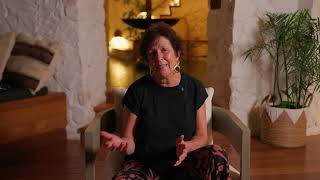
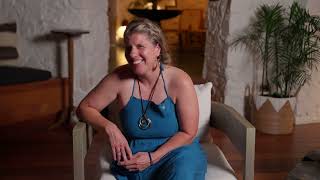
"The Truth Behind the Smiles: A Journey from Suppression to Purpose with Melissa Methven"
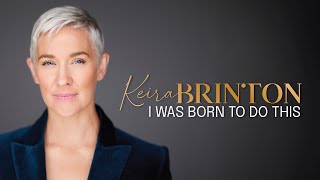
Melissa Methven discusses her book The Truth Behind the Smiles and her journey after her husband's suicide. She explores how suppression manifests as illness, shares healing tools like breathwork and cold plunging, and reveals the dental profession's crisis: dentists face elevated suicide risk and crushing debt.
Chapters
Welcome back, my friends, to the. I was born to do this podcast. I'm your host, Kyra Brinton, and it is my deepest honor to hold this space for who I believe are the most important leaders on the planet. These are the people who have been inspired to share messages to change and transform humanity. And today, it is with great joy that I get to introduce to you once again on the show, Melissa Methven. Melissa, I'm so happy you're here.
I'm so honored to be here, Kira, and so excited. Almost surreal, right?
The last time you were on the show, we were in our beautiful Airbnb in Mill Valley, California, writing your book today. Tell everyone why you're on the show today.
Today I'm on the show because I finished my book, and my book is coming out in just a few days. And I can't believe it. That was just. January is June now that that whole process was done in that short time, so many people are like, what? How is this even possible? You know, some people take years to write a book, and, you know, with. With you. And in Mill Valley, how we wrote the book in just five days.
Yeah.
You know, it was pure magic. It was. It really was.
That house was pure magic. I mean, it was like we were sitting amongst the tops of the trees.
Yeah. Some of the oldest trees surrounding us. And I felt that was really relevant for the topic that was writing to be completely covered and blanketed in all that wisdom from nature and that safety that we felt there. And inspiration as well. I felt really inspired there. I mean, some days I'm like, here. I know. Let's keep going. You know, we. I could write and write without having any writer's block. Yeah. It just kept flowing, which is. Yeah, it really was. Yeah. And you did such a great job connecting with me and my nervous system, too.
Well, thank you. It was my honor. It was my honor to sit with you. And I find it so interesting. I'd never taken an author to Mill Valley. I felt really inspired to take you there, and I didn't even realize that the house was going to be surrounded by trees, but also floating amongst the tops of the trees. And once we got there, it felt exactly what you said, like the trees were protecting us. Because this topic isn't the lightest, easiest topic. And you are a warrior who have. You have been through some of the most traumatic things a human could go through, and not only did you make it through, but you've risen. And not only did you rise, but now you're out helping others. And so I feel like God like wrapped us in these trees to hold us as you brought this message through. And I just honored.
I definitely did and I definitely did. And I thank you. Thank you. The. The calling was definitely stronger than me and happened almost instantly after my husband died, you know. Yeah. I felt such a strong need to use my voice, which was not normal for me. I was always, you know, pretty keep things to myself. But it was so strong. And along this journey, there's this beautiful painting I connect with by Young Song Kim. It's called Apa Adu. And it's. I'm holding God's hand and dancing along with him. And that's. That's what I see throughout this process. I'm just dancing along with God in, In. In the flow of bringing out this message. Very important message about just suppression over time. How it can show up in our bodies as either chronic illness or. Or numbing, you know, for my husband, and just numbing all the pain and suppressing it and not allowing to fully feel how it can progress. You know. My husband died by suicide two years ago. And it's. I felt so called to that it was an important message because I know there's so many people that are kind of stuck or not living their full purpose and order their truth. You know, it's so hard to see your truth. It was hard to see mine. I really avoided it. And so it just a message almost like from a friend, you know. I think it's so powerful to share a story once I started sharing more because I really didn't. I just wanted to hide from the world afterwards, you know, with my two beautiful children. But once I started sharing more, I saw how it allowed others to speak their truth in a safe place to share with me. And so my. Yeah, my hope is just that it allows others to see their truth and live the life they always dreamed of, you know? Yeah. Yeah.
And how suppression, suppression really takes that dream away. Suppression. It seems that, you know, as we were sitting with your book or really diving into this concept of suppression that it. It is like a kinker sort. It like is always there, always like eating away at the dreams, the dreams that are inside of us. So talk to me about. First of all, let's say the name of your book. I think it's really important to say the name of your book. What's the title of this book?
It's the Truth behind the Smiles. And it's very fitting because my husband was a dentist. We owned a practice in a dental practice in Westall, Alaska. And I'm a dental hygienist, so we definitely were very good at hiding behind our smiles. My husband had a great big smile and great sense of humor, and he hid it so well, and so did I. You know, that was. Just want to make everyone feel like everything's okay and always like is smiling and bring that energy in a room. But it really didn't serve both of us to hide behind that smile.
Right. Right.
Yeah.
And I think that that's the power. We were just talking. I saw you in person three days ago or something. I was in Arizona for another author's book launch. And you were talking about your book to some people and they said, yeah, it's so interesting.
You.
You see Twitch online, that amazing dancer that we all fell in love with from, you know, so youo Think youk Can Dance and how he had the greatest smile and just so much joy and he ended up dying by suicide. And I think that you writing this book called the Truth behind the Smiles, there are so many who struggle with suicide ideation, me included. No one would have ever thought that I struggled with suicide ideation. Right. And so there's like, you're bringing to light this topic that so many hide behind their smiles.
Yes. Yeah. I feel alone. You know, they. They're hiding and all because. Yeah, so many people. You would never think. You would. Would never. You know, they're functional. You. My husband would work, you know, five days a week and go fishing, go on different trips, you know. Yeah, we could feel, you know, some. Some struggles. You know, he had a lot going on in his life at the time, but not to that extent, you know, and. Oh, when I heard Twitch, that was just a year after, you know, Scott passing. Oh, I could feel. I could feel that pain because that shock that. Because that's what. It was. Such a shock to our community, our friends, and. And it was what else we could have done, you know, So I just don't want anybody else to sit alone in that pain anymore. There's a. A huge amount of resources out there for people, and there's always hope. And that's. That's. That's what I have my purpose at this point. I mean, I wrote this book for my kids because my biggest fear. Somebody asked me one time, what's my biggest fear? My biggest fear is that this happens to my children also, because they're an immense amount of pain. And if we don't work through that pain for them, let them fully feel. And I. I find all the resources for Their healing, then this. This could be a possibility.
Yeah.
You know, and that is so scary to me, but I know it won't happen. I know. Because there's. There's hope. They see that. They see that now, you know, and so this book is written, you know, for. For them and to honor Scott and because his story matters, you know, and. And I think he wants that message to. To reach the masses. Yeah. You know, so this doesn't happen to somebody else.
Yeah. And. And your kids are so lucky to have you, where. You didn't suppress this. And this is something I think is really powerful that you told me that stuck out to me that when someone. Scott, died by suicide, so many people told you, like, don't say that. How he died. Like, don't tell people that he died by suicide. And you're like, no, I will not suppress the truth. And you. You changed the generational patterns that day when you said, we're not suppressing this. We're not hiding this. We're bringing this to the front. And you have gone full forward in living truth. That is how you break the generational patterns.
Yes. Yes. Yeah. I. You know, it's stronger than me to change that. There's a chapter in my book called the Ghost of Generations, because I know back then it was so shameful, you know, to talk about, you know, if there was something that happened in your family, it was. Let's. Let's. Let's not talk about it. I mean, that happened in my family. I know that happened in Scott's family. But, yeah, I. No more. We can't. We can't do that. We live. We live in a life right now that it is more accepted, you know, to talk about. And as hard as it was for family members to use the word suicide and to be very vocal about was stronger than me to. There's a stronger purpose about talking about the stigmas of suicide or just being aware of a suppression and going back to your childhood. Everyone has something that's impacted them in childhood, and we can't. It's gonna trickle out in your relationships as an adult. And it's important to really reconnect to yourself, like remembering who you are. You know, I lost myself for decades, decades, in the role of wife, mom, suppressing our. My reality. But now. This is why I wear this. I never take it off. You gave this to me in Mill Valley, and it's gorgeous. And it says, I am whole, and I remember every day who I am and my purpose and my why. For this, for this book. For this message, I want it to. I pray every day who it'll reach, who needs it the most, you know, and I feel it's the people that might feel stuck in. In whatever there are in their life. You know, they're feeling stuck, but they're ready to make that step. But that first step, so scary. So scary. You feel like you're trapped. You're trapped in this prison because there's so many questions and nobody can answer them for you. But I talk about so many miracles. Even taking that first step, you will see miracles unfold that you would have never thought about. Once you're living your truth, doors will open. And that's what happened to my family. I mean, I can't believe where we're at right now in Arizona, in the most loving community, the kids, school, and the flourishing. My mom has moved from Canada. There's just plentiful miracles, and I have write them all in my book. And so hopefully that gives a lot of hope to reconnect to your truth and live a more fulfilled life.
Yes, And I think that this is really powerful because this book is for everyone, actually. So this book is for everyone because everyone at some level suppresses. And when we suppress and you go through this in the book, it actually creates illness in the body and just disconnect and all this unhappiness. But it's also for people who struggle with suicide ideation because you talk about it and you meet people there, and it's also for people who have lost family by suicide. This book is a book that I believe everyone needs, and it's a book that will also reach a very strong demographic. I want you to talk with me about the dentistry world because this is a place in your heart, and this is a full demographic that needs. They need support, they need attention, and they need love.
Yes, absolutely. I have write a whole chapter about it because we were part of a big dental community that we would fly two times a year for these conferences. So I've, you know, met many dentists and heard their struggles. And there's a dark side in dentistry, unfortunately. You know, I think dentists love the practice doing the intricate work, but it's what encompasses dentistry that is really hard. And I think not a lot of people are aware. Whenever I talk about it, people are like, oh, I thought dentists are happy. They make it, you know, good living and this. But there's such a dark side. And I. For many dentists, they were really rooting for me to write about it because they feel kind of Stuck in their career. And it's hard. The pain that, the excruciating back pain that they get from being hunched over from even feeling people's energy. I mean, there's a lot of people out there that don't like the dentist and they, they will tell the dentist on a regular basis. I mean, I don't blame them. You know, back then there was a lot of pain when it came to coming to dentistry. And that's changed a lot. But the dental community needs, needs help. It's, it's on the top, number one for suicide. Just since I wrote my book in January, in our community and dental world, we' two, two, two men that had families. And my heart breaks for their family because they have young children as well, similar situation. So I hear from a lot of them, like the dental world needs your message that needs to be brought to awareness because people don't understand that the back breaking, the energy that comes in that you take on from people that are not wanting to be there and the fear. So you're taking all that on, but also there' numbing when it comes to pain of your back, you know, you'll off often numb either with alcohol or opioids. Then that's how that cycle comes about as well, because you gotta, you know, usually the dental school now is half a million dollars. So the minute they get out of school, they're half a million dollar in debt. I mean, that's a big weight. And you don't start making that money for, you know, that first year that you work. You got to build your clientele. I mean, it's a lot of pressure. But I talk a lot about dentistry and I my hope even suggest a helpline. You know, we have the suicide hotline, but I really strongly feel we need a dental hotline for, you know, burnouts or how, you know, feeling kind of alone or stuck like I'm not. So many dentists are now feeling they don't like dentistry anymore, but their education only leads them for that. So they feel stuck. They're like, well, I have a couple 10 more years to work and then I'll retire. But they're so unhappy. You know, they're in pain and they're so unhappy. So I feel like having a helpline just for the dental community, I think it would save a lot of lives. And on the other end, it could be a retired dentist that has been through all of this that can really relate with them. I think that a dentist would be more inclined to calling than just a, you know, the general suicide hotline. I mean, that's fantastic as well. But I don't know, it's a. I feel like this would be a strong calling for me. I feel like that a lot of dentists would like to have some. Another dentist on the other end.
Yeah. I think you are very inspired to create this, and I know you will, because I think that this is the. We get. We only get the callings that we're here to do. Right. Like I always say, like, I'm never inspired to go fix an engine. I'm never inspired to do heart surgery. Like, these are not the things that I'm here to do. Right. Like, the things I'm inspired to do is because it's what I've been called to do. And I feel like this is one of the things that you've been called to do. I think you also are extraordinary. You're a breath work facilitator. You help people be able to move through their trauma easier with breath work. You're also just phenomenal at bringing hope because I feel like God gave you added strength to have been through what you've been through, to have experienced losing your husband by suicide and to have not have crumbled. But instead you Rose and you. You followed the calls that God gave you to move from Alaska to Arizona. You didn't know anyone in Arizona. You've built your whole life in Arizona. You felt called to write this book. You didn't shy away from it. You wrote it. You felt called. Like you. You are bringing so much hope. What would you say? Like, what is the seed of that? Like, what has given you the strength to be able to do what you've done after such tragedy?
Oh, that is all God. I mean, that's. He's given me the strength. Because if I even look back to when my husband passed in those first six months, I. I was like, how did I do that? How did I do that? It was so, so busy. How did I get up every day? And my. My task every day was just tremendous. From taking care of the. We had a lot. The lawsuit, my children, of course, grieving and taking care of the dental office and the finances and selling, you know, it was just an immense amount. And without God and faith, like, he gave me the strength and of course, the community. I had a community of people that kind of just rose to help our family from sending us meals for three months so then I wouldn't have to cook, you know, three months I had donations and cleaning services. I mean, people were sending baskets for my kids. And, you know, it gave us so much hope and light and strength. I still remember my children. We had this calming corner that my good friend had set up, and I had all the. The feelings that they can put up there with little pictures. And a lot of times it was always the sad, the hurt, the pain. But one day, one day my son put joy and I was like, oh, wow. And so I asked him, I'm like, oh, how? What brings you joy today? You know? And he said it was all the love that. The meals, you know, people giving things. So God gave him hope that we're going to be okay without dad, you know, that that was an outpour of love. And so being able to give that hope to others now, that's what gave me the strength. I mean, you know, our God, faith and our community, all the people around gave us that strength to one step forward to where we're at now. And. And yeah, breath work has been tremendous. As far as my healing and how powerful that was, I really wanted to dig deeper and become a breathwork facilitator as well, because I've seen the impact that it has on my life and many others. So to give that gift of breath is. Is really powerful. And another calling that I. I don't know where it's going to go, but I keep praying on it is I found that it was really hard to find resources for my children for their healing. As far as somatics, that sound is so healing for them. Tapping lear that there's a lot of resources for adults, but more int. Because we need to plant those seeds, those tools at a young age. You know, can you imagine if we had that as a young age, where we would have been, you know, to really connect to ourselves? So I truly feel if we can integrate that either in schools, some kind of mindfulness, giving them the tools of how to really remove that shame critic that they have. I know my son, his little voice inside is so harsh on himself, you know, and so to really work on that and then creating a beautiful program for kids to have these tools as.
They get older, that's so beautiful. And specifically for kids who are going through loss, loss of, maybe their parents went through divorce or loss of a parent or loss of. Even if they have to move schools, like, it feels like these are the things that wouldn't. They would be innate for children because children move so much and they're, you know, they make noise and they do all these things. It's like if we could teach them how to channel that movement in a way to reset their nervous system. Oh, my gosh, Melissa, let's go. Let's build that program.
I'm in.
Let's go, let's go.
I know. I feel like we need to come in schools, like, they spend eight hours a day there, you know, and if they get to learn it. I still remember when everything happened and he returned to school. I had brought the same poster that I had, the feelings one, because my son was in kindergarten. I was like, do you mind putting that in your classroom? And I was thinking to myself, I think kindergarten should have that because they're learning all the emotions and whatnot. Have these little posters where they really learn about that, you know, it's important.
It is. Oh, my gosh. I see this. I'm like, all right, let's go. I'm ready to books. Our next calls are going to be on how we build this program. I want to feel for a second. I want to take this just a bit deeper for a minute. As we. As we close out this beautiful episode together, I want you to close your eyes and get into your heart, and I want to have you speak to the three different people. First, I want you to speak to the people who are in suppression. So if you can just find the message, what would you give to people who are suppressing, Suppressing the truth in their life, suppressing how they feel, suppressing what they want, suppressing what they know they need to do? What would that. What would that message be to them?
I think to. To connect to that suppression, to knowing what that is, is finding stillness, making space. Because I think when we're in that suppression, we keep busying ourselves, or we don't want to see it and we avoid it. So maybe finding some stillness, some space to really connect to their heart, to what's going on inside, to listen. And the only. You know, the ways to do that. Either meditating, you know, breath work is fantastic, or just. Just even spending time alone. Just finding that. Start with five minutes. Morning, evening, just in that busyness, Find that stillness to reconnect to you and start hearing. Hearing what God is trying to tell you. Hearing what your. Your little voice inside is speaking is trying to tell you something. But you won't hear it if you don't find that stillness.
I feel that that's a powerful message. Powerful message. The presence, the. The power of presence, the power of being present and finding stillness is the unlocking of the messages we receive. And I think that is just so powerful. Oh, I love that. So now I Want you to close your eyes and I want you to go into your heart and I want you to speak to those who might be struggling with suicide ideation, who might be walking the path that Scott walked of numbing and suppression and. And feeling like this was the only possible way for him to. To escape the pain he was in. What message would you give to people right now?
Oh, message is to fight, to live. And there's. I definitely. There is always. There is hope. That's not, you know, to quiet that. That voice that. That's telling you that's the best way to go is talking with God, you know, communicating with him. And so then you leave less space for that darkness to come in, but also reaching out. You know, reach out to call that suicide hotline is 9A8. Or call a friend or somebody. A lot of times they're isolated and they haven't connected with somebody for a really long time. But remember who was there before and maybe give them a call, say, I'm not okay. I think just making that first step forward for a resource that's out there. Can you start that process? It seems probably really overwhelming, but just really speaking your truth, you know, not hiding all of that by yourself. Tell someone that you're. You're getting these thoughts you're not wanting to be around anymore. You know, I truly feel that when those people are kind of attacked that way by darkness, there's a. There's a bigger purpose for them on the other end, and they're trying to shut that down. You know, I truly feel that. I feel there's a big purpose, and that's why that darkness is hitting them hard. And so I truly believe that. I truly believe that if they. They can take that first step and start that process one day at a time. You don't have all the answers, but that you will find light and hope in the people that will help guide you through that. It's fight to live. I mean, it's so important to be around. I mean, we, you know, if Scott could be here now. And I know he saw all the love. He had so much love, his beautiful children and family. I know he had a big light, big heart, big purpose, but it was speaking his truth and reaching out. You know, he was. He didn't. He didn't. He thought he was Superman, you know, don't think you're Superman and do it on your own, you know?
Yes. Oh, powerful. I think I. I think I'm gonna piggyback on that for a second, if you're okay. With it?
Yeah, absolutely.
You know, I struggled with suicide ideation for 20 years. And I was in a deep, deep experience of suppression in those 20 years. And I suppressed my owner, my own inner knowingness and my own truth, which made me want to die. Like it was the suppressing of what I knew was true for me. And it was a suppression of my voice and it was a suppression of my light and trying to make my bright, bright light be smaller, smaller, smaller. And when I changed my life situations and I stopped living in suppression, I said what I needed in life. And when I spoke my truth, the suicide ideation went away. And I never thought I would live without it. I thought I would live with it for the rest of my life. It was such an awareness to me, especially when we were writing your book, of like, I wanted to die because I was suppressing what my soul was telling me. I was suppressing what I was here to do on the planet. And so I speak this to so many people that you don't have to live with it forever. And it's interesting that suppression is the root cause, suppression of whatever. Right. For me it was my truth could be suppression of anything. It's just the suppression makes us feel caged. And in that caged experience, the only way out of the cage feels like death. And so for me, that always felt like the only way out because I didn't know how, I didn't know how to get rid of the suppression. And suppression just felt like a prison. And so I think that your book is going to unlock so much freedom for people. And I hope that I can share my message as well of like this, that there is hope that you can actually live beyond suicide ideation. And every time it has come back, it's come back three times since it left. And it's interesting, I tracked it. Every time suicide ideation shows back up for me, it's right before I expand, it's right before I become a bigger version of myself. And I feel as though whatever darkness wants to put me out wants to put me out right before I go to the next level. And so I just so resonate with what you said. That is those who, yeah, look at.
I mean, look at you, look at you now. I mean, look, this is why there's so much darkness. Look at the light that you're bringing. Look at the authors. I mean I, I could write my book because of you and share my message. If you weren't around, I wouldn't have written my book. And you know, and all the other Authors. And look at the impact that you're having on your children. You know, they're so proud of their mom, that strength and what you've created. The Mosaic network, your publishing house. I mean, you are on fire. You know, Kira, I mean, your story is. Is that hope? You know, I think about you and I was like, wow, it's so beautiful.
This is why people have to talk about this, because we have to share our stories. You have to share your story of hope past suicide. And I get to share my story of hope after wanting to die. And it's like these. This. This right here. There's so many people who think death is the only way out. And I get it. I have spent hours of my life on that suicide hotline, in closets, in cars, saying, like, please help me live. So whoever is listening, if you're struggling, like, no, it's just because you're so fucking bright. It's just because you're so light. Get help. Like, we need you on this planet. Yes.
Oh, yes. I believe that wholeheartedly. Wholeheartedly.
So this book. I have to be honest, writing this book with you was super hard for me because this made me deal with my demons. Like, I had to deal with the demons who wanted me to die for so long. And it was wildly healing for me to support you in bringing this book through. And I know that this book is going to save millions of lives. I state it right here, right now. Like, this book is going to save millions of lives. It's going to help so many dentists where no one has given them the hand that they need. This book will do so. And it's going to save so many lives of teenagers and of mothers who are in closets crying like, grab the phone, call the hotline, find support, get Melissa's book, do the work. Do the breath work. I do breath work five times a day. I do red light therapy twice a day. I. It's like, we've got to do the work to help our nervous systems handle life.
Absolutely. This is every day and I'm still learning. But, yeah, it's. I have to. I. You know, same thing. Red light therapy, breath work. I do the cold plunging. You know, I had my counselor, you know, tapping, and we. It's a constant thing, you know, it's constant, but it's so worth it once you start feeling better and, you know, and attuned to your body and what it needs.
And anyone who's listening, if you don't know breath work. We've got Melissa's Information. She's your girl. You're going to want to book a session with her. I mean, she's going to book up so damn fast. So I would. She highly suggest you book now. Grab her book, learn the tools that she teaches inside as she does. But I highly suggest people take both of our stories. Both of us have dealt with suicide, both different sides, right? Like, I've dealt with wanting to die. You've been on the other side of the tragedy of suicide, but both of us have learned how to navigate life with our nervous systems. So could you speak to that for a minute? I know we just touched on it, but go just a quick bit deeper into what you do that has helped you navigate through loss and trauma in helping your nervous system.
Oh, yes. Well, I. For me, I just dove in to find all the different resources. So there was a lot of free resources, you know, on. On YouTube, Spotify, just. And reading a lot of books. So I read a lot of books about people that did make it through some really dark times and what got them out. I was really curious about that. I was like, okay, why some fall, why some don't. And I found a. There was a commonality where they did breath work or meditation. There was journaling, writing. I tell people how healing writing was. So I'm telling everybody write a book, even if it's just for their own personal healing, because it was releasing even with you. You know, some parts I wrote and I didn't keep it in the book, but it was just to write it and send it out, you know, so I don't have to hold on to it. So what that was huge in my healing was writing. So I tell people to journal a lot and, and write and. And also I dove into cold plunging. And that helped me build that resiliency because I. Whenever I had heart palpitations, I couldn't eat, I was losing my hair. I mean, my nervous system was just on high alert. And all of that helped to calm myself and to build that resiliency for challenges as they keep coming through. So I now incorporate all of these modalities. You know, a counselor that really connects with me and works with the inner child to really go back to the root where the suppression start. I mean, it started very young, at a young age, so that I'm not continuing these patterns. And a lot of it is changing. You know, the. My thought patterns, really watching my. My thoughts and where they dove in and growth in my faith as well and really connecting with God and asking, you know, when I was Writing at night, I'd always ask God, okay, what's the most important message that needs to come out tomorrow? And really connecting with him and seeing those signs, it's so important, the red light therapy to just really connect with what, what do I need? Why do. When I'm starting to feel overwhelmed and letting these emotions through? Because I was really good at hiding my emotion. Especially crying is something I suppressed since a young age. And breath work allowed me to have a safe container to cry, you know, and because I held so many people's grief and that was my safe place to cry or the PTSD of that day. Breath work is really, I think that and faith are my number one to do on a daily basis to help with my. And the same for my kids, same for my kids. Actually yesterday my kids off to Alaska on their own on the direct flight and because they're missing it there. And I had a busy week work wise this week. And my son was getting really nervous. It was his first time. My daughter had done it once. And I said, let's do some breath work right now. You know, we're at the airport and he's really getting anxious. And I said, okay, remember the deep breath. And because we've gone through that, the depth of the breath. And I said, watch your breath right now. You're getting anxious so it's shorter, let's slow it down, let's breathe through your nose and really connect and remember you're okay. And I also said, okay, if you're going to feel some fear. My son is so good at doing prayers. And I said, pray to God, talk to him, talk to him. So then you communicate with God instead of allowing all that fear in, you know. And so I think all these tools is a continuous thing every day, every day. And I just want to learn some more. And I will keep learning and keep growing, but learning from others that have conquered the dark side or, you know, reading a lot of books I read, I can't, I can't read fast enough. So I listened to audiobooks. I mean your book Unleashed came perfect timing because it was right after we went to Mill Valley and I, you know, editing process was really tough because it was revisiting my book. And every time I do, it does bring up a lot of emotions. And your book Unleashed, I was like, okay, I can do this. I have my purpose. I can continue thinking about my purpose. And you write in your book like, leave the dishes, leave this to really, I mean there are so many beautiful messages in there. It's One of those books that I'll reread and reread. And I think a lot of people that do feel stuck, you know, because I felt stuck a little bit when it came to the editing and I didn't. I was avoiding it. I make up lots of excuses. And reading your book gave me that other fire because to continue, I mean, you always do that. You know, our mastermind group, you really help motivate to. We can do this because then you feel alone, Right? This is such a. This, this kind of like writing your books, not a lot of people understanding and this purpose and your. Who you brought. And it really helps to not feel alone as well.
Which is, which is really, I think, also the theme of your book. Like, don't do this alone. Don't. Even if you don't have a partner. Even if you write like, I don't have a partner. I don't have a boyfriend, I don't have a husband. I. I am alone. But I put myself in communities that help me not feel alone. I join masterminds, I go on retreats, I go to places where I don't feel alone. And I think that there's so many ways that as humans, we can find communities that will hold us. Yes. And it's really important. And I, and I feel that with authors, extremely important, the authors have a community, which is why I have a mastermind. Like, don't walk this alone. This is a brutal path sometimes to share our stories, but we do it out of.
I mean, on my mastermind meetings, you know, weekly, our group was just so fantastic. And you know, even everyone sending me messages along the way, like, you're doing so great. I'm so proud of you. And we're all rooting each other because we get it, we understand the process. And even with the Mosaic network, same thing. It's just such a beautiful resource of people and how to navigate how do I get my message out there. You know, I, I don't know, the social media and, you know, a lot of people think, oh, that's not a good place, but it is. It's an easy place for me to share and reach the masses. And it's been really beautiful to be able to connect. I connected with a dentist in Spain, all the way out in Spain. I wouldn't have been able to do that without social media, you know.
Yeah.
And she, she talks about her struggles and burnout and suicide ideation. But now she's a big advocate as well for bringing awareness to dentists and, and yeah, it's just the community and network.
Yeah. Oh, my gosh, Melissa, I'm just so proud of you. I'm so proud of you for. Thank you for all that you have done. Showing up for your kids, helping them heal, doing your work to help you heal, writing this book. And this is just the beginning. I mean, this is just the beginning for you. This book is the launch pad that is going to really help you go out and make a big difference in the world. And I know everyone listening here, they know, they feel. It's like this is the work you're here to do. And it is, like, my deepest honor to have helped you, like, along the path. It was my deepest honor to sit with you and your stories and your words. And I feel very lucky to be the publisher of this book. So with that, my dear friend, everyone go grab her book. The links are in our show notes. All of her social media will also be on there as well. You can find her on Instagram. What is your Instagram name again?
It's Melissa Underscore Gratitude. Because that's what I live every day. So much gratitude. I always say it all the time, but it's true. It's living a lot of gratitude in my life. So Melissa underscore gratitude.
Everyone go follow along with her. Grab her book. It is called the Truth behind the Smiles. And as always, as I finish our episodes, I want you to just drop into your heart. And the final message I want you to say is, for those who have lost a loved one by suicide, what would your message be to them?
Oh, wow. Oh, yeah. Every time I hear a story of someone lost, I just feel it to every cell in my body. I feel their pain. I feel you. I feel the sadness, the shock, the tragedy. And also I feel the biggest message is there's nothing else they could have done. You know, there's nothing else because they live in that shame and that guilt. It's like a ripple effect. That's what happened in our community. Everyone felt it. But I think as the person that was closest to a lot of people came and asked me so many things, like, like, they needed more closure, but I had to do all my healing. You know, they look for that person that was closest to them for closure. More questions and questions and what went wrong and what could have done. And that's really hard for that person to take on everybody's grief. So I. I would say to just try to remove that shame. The what if so, because you'll replay everything. I did that. I did that. I replay minute what do the minutes to get to him. I replayed that day, you know, so many times in my mind, but I know in my heart there's nothing else I could have done. I was there. Send love. And now it's time for them to heal themselves. Take time. We can't live in the past. The what ifs. And you gotta work on. On you and your healing and you're grieving and give yourself some. Some grace, you know, it's going to take a lot of. There's a lot of resources, but take the time for. For you. And I know for me, it was really helpful to write a letter to Scott, you know, whatever is on my heart, because I. I was mad. I was mad that he left us like this and our poor children. There's so much pain. And I couldn't remove that pain for my kids. You know, you. You want to remove it, but you can't. So just writing it out, that was helpful for me to write a letter to Scott, just what was on my mind, but also releasing everyone else's grief and the questions, I don't have to answer them. I don't have to give them closure. You know, I just have to start healing myself. And so I just would just say don't live in that shame, that guilt and the what ifs, as hard as that is. And I just send them so much love because that's the hardest. That's the hardest way for someone to leave you. Just so many questions and you'll never get all the answers, you know? Yeah, I know I will. So beautiful.
Yeah, that's an important message. And, Melissa, I just want to thank you for being who you are.
Thank you for writing this book. Yeah. Thank you. Thank you for helping me. I love you so much, Kira.
I love you, too. And for everyone who's listening, I want to thank them for sitting with us in this conversation. I know this is not an easy conversation. It's an important conversation. This is a conversation that is going to save lives. So my request is that whoever is listening that you send this episode to someone that you know who's struggling in any one of these ways. And my message is that there is hope that the death is not the way out, that there is a way to move through the pain, and that there is so much light on the other side of choosing to live. And we are both here to fight like hell for you because we know that you are meant to be alive. Yeah. With that, my friends, have a beautiful day. We're wrapping you in. So much love. And we'll see you on the next episode of I was born to do this.