A New Beginning Year Of The Peer Podcast Season 2, Episode 1
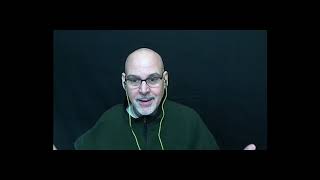
In the opening episode of Season 2 of the Year of the Peer podcast, hosts Leo Bottari and Randy Cantrell recap Season 1, outline the season’s goals, and dive deep into the core concept that “who you surround yourself with matters.” They differentiate peer influence from peer advantage, stressing intentional, structured peer groups that foster accountability, safe environments, and servant leadership. The conversation introduces Bottari’s upcoming book What Anyone Can Do, which expands on making peer support actionable for anyone. They discuss the design of their CEO/ executive workshops, which use a five‑factor framework (right people, confidentiality, productive interaction, accountability, servant leadership) and a self‑assessment process to turn peer groups into high‑performing teams. Throughout, they emphasize the importance of showing up, predictability, vulnerability, and continuous improvement—using analogies from sports (Tom Brady, UConn women’s basketball) and culture debates (Netflix’s Patti McCord). The hosts commit to bringing diverse perspectives, actionable take‑aways, and audience interaction via forums and social media for the new season.
Chapters
Welcome to Season 2 of the Year of the Peer Podcast with Leo Battari and me, Randy Cantrell. This podcast is based on a simple truth: who you surround yourself with matters. Author and keynote speaker Leo Bottari and I will discuss peer advantage and interview thought leaders from all walks of life who will share how they leverage peer advantage and show you how engaging your peers more purposefully can hold the key to greater success in business and in life. Welcome to season 2 of Year of the Pier podcast. We, uh, we're tardy in getting back, but you know, we figure if, uh, if TV stars and other big folks can take some time off, then so can we. So Leo Bottari is, uh, is the host of this season. He has graciously invited me to co-host. So thanks for that, Leo. And with that, I'll, I'll let you kind of kick us off here.
Hey, like you said, you know, if Bill Maher and John Oliver can take a couple of months off, you know, so can we. But, you know, I think one of the things that was responsible a bit for our late start was some of the travel. It's kind of on me a little bit, but I've traveled recently. I was in Reno, and then I was in Anchorage, and then I was in Hawaii. And it's so funny because I wasn't in 3 different states, I was in 3 different planets, is kind of how it feels when you go into these areas. And yet When I'm in each of those areas, it is so— this idea of who you surround yourself with matters, and these peer groups and what the dynamics are, they're the same wherever you go, no matter whether there's mountains, ocean, it's hot, cold, you know, it doesn't matter. And it's pretty incredible, and I think very much so that the more time I spend with these groups, the more that I realize some of the basics involved in just making sure that these peer groups work so well and you can build rapport with others. And part of it, you know, you and I were talking before we get started here, is that, you know, this line of, you know, 80% of life is showing up seems a bit, you know, trite oftentimes. And yet I'm finding more and more that unless you show up, unless you are physically there and mentally present, The things that make peer groups or just make relationships in general so successful, you know, I mean, you just, you need to be there and need to do that, and that's essential to it. Otherwise, nothing will ever grow or evolve. Or so, I mean, it's, it's been interesting. It's been great. I've been really grateful for the people who I've worked with in these workshops who I think are enormously open, you know, in terms of how they feel, and they just want to be better. And so it's been good stuff. So I've had a good last month or so, but I'm also eager to get this season 2 started, and to have us be co-hosting, I think will be great. As you know, that we're going to do a lot of shows just with the two of us, but we're also going to have some really terrific guests. We will have a guest next week. We're excited about that guest. We're going to kind of keep it under our hat for right now, but no, it's all good. And so how about you? How was your holiday? How was everything?
Other than this flu bug that's going around that just slammed me really hard. But no, I'm applauding you. It's good to be in demand and your access to all of these conversations. And like you and I had talked before, and we'll let the audience know, you know, some of what you can expect this season. We expanded the conversation last year. We began the podcast and it was Year of the Peer. And we really— and it happened organically. Neither of us strategically planned to make that happen. I don't necessarily think, but just that definition of peer really got expanded. Uh, you began to ask guests who influenced them early in their career, which got conversations going probably in a little different direction than maybe how we initially thought. But it all is congruent with the tagline, who you surround yourself with matters. And it's, uh, it goes back to our childhood. So those are those conversations. I know that you and I plan to build on that and broaden that scope even more, uh, as we think of peers in really loose, loose definitions of that term.
Yeah. I think in so many respects, the podcast inspired both the direction and the richness of the content of the book that I'll be releasing in spring. And, you know, so the first book, obviously, The Power of Peers, was really about how formal peer groups work, how and why they work, and which is great. You got a lot of conversation started and you dive into that. And to your point, once we get talking about that last year, then it's like, well, it's not just our peers, it's all of these other people. It's our mentors, our our parents, our kids, our, you know, people all around us who we learn a great deal from. And all we have to do is really keep our eyes open, keep our ears open, try to listen for understanding, try to ask really good questions. And there's no limit to how much we can grow. I think getting people to enlist one another's help, I think, is kind of one of the major hurdles that a lot of people have. You know, they'll tend to have a goal, and they keep it to themselves. And as we know, oftentimes left to our own devices, we might get off to a really good start, you know, a couple weeks in, boy, we're really going, and then it just kind of fritters away. And, you know, you think about it, you know, as we know in terms of New Year's resolutions and the University of Scranton work around that with suggesting basically that 92% of people fail at the New Year's resolution. And it isn't because they set some unrealistic target. You know, I mean, nobody's setting a New Year's resolution that says they want to make the Winter Olympics this year or something if they've never skied before. You know, that's not happening. In fact, most of them are very realistic. They don't require a lot other than maybe a daily discipline for some finite period of time that will allow them to get to their goal. And yet, unfortunately, We don't always, I guess, on our own, follow through with that. So I think one of the real messages of the new book, What Anyone Can Do, and it really speaks to this idea of anyone can surround themselves with people that can help them in their life, encourage them, give them advice. And if they do that, then it's far more likely they'll do those little things that anyone can do far more often. Those are the things often that make the difference between our achieving our goals and not. I think if we can get better about asking others for their involvement with the, I think, express understanding that we would do the same for them. If there's something that you want in your life, Randy, or I want in my life, we're going to talk to each other about what that looks like and try to keep each other on track as best we can. I just think that's an essential part of the message of this second book for sure. And I hope really helps a lot of people.
Well, part of your, uh, part of your, your thought about showing up and your comments there. I mean, I was reminded Dr. Cloud had made some comment about our being vulnerable with one another and we need people in our life that, as he put it, that we can be careless with. And he didn't mean careless in a reckless sense, but careless in a sense where I don't have to worry about my relationship with you because I know you got my back. And part of that showing up, I'm wondering what your thoughts are on just the predictability of knowing that you're going to be there, which I know in these formal peer groups is important. If somebody's missing, the group misses something. Obviously the person that's absent misses something, but just not just showing up, but our faith and confidence in knowing that you're going to show up.
Thoughts? You know, I just think that in our lives we have this— I think our expectation and I think understanding of things is that on one hand, it's kind of a yin and yang, right? We have a certain spontaneity that we want, a certain newness, a certain aspect of life that keeps life exciting, maybe unpredictable, but in a fun way. And then there are the things that we depend on, that we go home at night and that there are people there for us that we depend on, that there are people around us, our friends and family that we know are that constant. People talk about things being their rock, you know. And so I think to your point, when it comes to just showing up and just being able to depend on certain people in your life and actually expanding that circle of people that you can depend on in your life is really, really powerful. And I think it allows us to, um, you know, bring other, um, things into our life that we may not expose ourselves to left to our own devices, or we may not get to experience left to our own devices. We bring other people to the table of different interests and different experiences and how fun it is to learn from them and maybe try new things. People all the time are taking up new sports, new hobbies, new in their 40s, 50s, 60s, and it's because they're influenced by someone else who shows them that This has not passed you by, you know, you, you can do this if you want to. Um, and we get to try all these new things and yet we have these constants in our life at the same time. And I think it's, it's essential really that, that we have that.
So, um, you know, yeah, part of the reality of what you, you wrote about in The Power of Peers, particularly as it relates to CEOs or business owners, business leaders, was the fact that this tends to not be organic, that a leader can approach it and think, just whoever comes into my life, that's who surrounds me. These are the people that surround me. It just happens. And we can get so busy in running our companies and in doing our business and whatever our role may be and whomever we may be, and we just kind of leave it to chance. I say that to say this, this year with the podcast, I know that you and I are intentionally going to try to— we may bring back and revisit with some previous guests, but we're being intentional in bringing different points of view rather than this just be some kind of a kumbaya podcast where we're all kind of preaching the same thing. It still is the power of people, the importance of people and doing right by people. So it's all of those ethical things. We're not looking for contrarian perspectives in that regard, but recently I was reminded, Patti McCord. Patti McCord was very involved in the spark of Netflix, and she just wrote a book called Powerful, and it's about culture, and she's a little bit of a contrarian. Those kinds of voices of people, still very powerful in her belief in people. But one of the things that she has said is, as a company, it's not our job to make you, the employee, happy. We're not responsible for your happiness. And that seems counter to an awful lot of what other verbiage is out there. And I'm just using that as an illustration of just a different way to think about something and approach something, which is what every leader, especially CEOs and business owners, need. Just another perspective so that we can see the different sides of issues. So I know that we hope to kind of expand the conversation this year, this season, to even those kinds of things.
You know, it's really interesting that you bring up this idea of intent. You know, obviously one of the things that came out in the first book, The Power of Peers, was this notion of the difference between peer influence and peer advantage, right? This idea that peer influence is all around us. It's a powerful force. We've known it for our entire lives. And at the same time, if we are more selective, strategic, and structured about how we engage our peers, then we can harness something really different, and that's this idea of this power of peer advantage, right? At the same time that we want to be intentional about who we bring into our lives in order for us to do what we need to do, we also are open to meeting people and to discovering things that we never imagined. So a great example was, so I was doing these workshops in Hawaii, but it only occupied until noon. So being in that beautiful weather, and I was like in an Uber car on my way to the nearest golf course. And, you know, I'm, you know, played golf both afternoons I was there. Well, the first afternoon I was there, I just go off as a single, so I get paired with whomever. I don't know this person from Adam. He's from Australia. We get along famously, have all of these things in common regarding our work and all of this kind of stuff to the point where we grab a couple beers after the round. It was like, what are you doing tomorrow? Let's just get out here and play rather than get paired up with someone random. Let's continue this conversation and do this. We've emailed each other since. Getting back. This is probably someone who, you know, I'll go visit. We may in fact end up doing some work together. I mean, who knew, right? I mean, you know, I happen to show up and it's a 1:40 tea time versus 1:30 or 1:50, and I'm sitting with someone else entirely, you know? So it's just kind of, um, neat. And just to be, you know, we just kept asking each other questions and really learning, you know, about one another. And we're like, wow, there's some real, um, kind of synergies here, some real differences in terms of our backgrounds and what the work is, but some common themes around it that were extremely powerful. So I think to the extent that we absolutely want to be thinking about, you know, Dan Hoffman, as you know, who runs— CEO of Circles, wrote the foreword to the book, talks about who's in our circle. Rafael Gordon talks about our— in terms of Circles. And I think we can intentionally expand our circle, and I also think we can be open to other people who we can invite into our circle, who may— we never sought them out necessarily. But, you know, it's really great. And I think this is where you get to become, you know, exposed to some of what you talked about with the book that you read recently, you know, regarding Netflix and a whole you know, different way of thinking about, um, kind of company culture and who's responsible. I actually run into it with the, um, workshops I do that I think at the start of the workshop, there's a tendency to look at the leader for, you know, to be responsible for my growth and happiness and my joy. And by the end of the workshop, people were like, wait a minute, I own this and we own this. And our leader can help us in some ways, but in the end, that leader, he or she, is only helping us help ourselves. And they're not doing anything for us. And I think much to the point you brought up, that we take ownership of that. And I think to do that, if we want to take ownership of our success and our happiness and growth, then we also should realize that most of us can't do it entirely by ourselves. And as you remember from all the podcast guests last year, how many guests did we have tell us that, um, their happiness, success, and everything was a product of their own solo effort? No, right? Not a chance.
No self-made men or women.
No, no, no, in the real sense. So as you've been working in this space right now too, what are some of the things that you feel like you want to talk about this coming year that we didn't get to chat about last year?
I don't know that there's any specific issue. I'm excited because, well, this podcast is a perfect symbol, I guess, of what we're encouraging our audience to do with their own growth and improvement and transformation. And it's not always comfortable. It's not always fun or pleasant. You don't always, you know, hear what you want to hear, but, you know, a little bit like, I mean, the doctor prescribed me some medicine when I was sick and it was the nastiest, awfullest thing, you know, but Right. I mean, you realize that it's got some benefit, short-term or long-term, hopefully, hopefully long-term. And for us, the podcast, you know, we're not satisfied with last season. Last season was last season and we did the best we could do and the audience can judge how good that was, but we're not satisfied to just sit back and, okay, now it's just going to be rinse and repeat, which is really, I think, the whole message of the podcast. I mean, it's what I would hope to accomplish. For my life, as a friend to help you in your life, and for all of our audience and our guests, you know, for everybody to— let's all take a step up, you know, let's keep taking steps up, you know, let's not be satisfied. I mean, complacency sucks, you know. No, I mean, who wants it? And little incremental growth— I heard somebody say today that the thing about Tom Brady, you know, here we are, Super Bowl week, Tom Brady, you know, he's a guy who's just looking for incremental improvement, incremental improvement over time. You know, I've read enough about him that I might would argue he's a quantum leap thinker. He wants to be markedly better than every other quarterback in the league. He's not satisfied to be 1% better than his competitor on Sunday. He wants to be infinitely better. And I understand that, you know, that stair-stepping and And the point is congruent with what we're after, just that constantly getting better, constantly getting better, constantly challenging yourself and letting other people challenge you and challenge your assumptions. For me this year, you know, I'm really focused on, on those assumptions, the assumptions that we all take for granted. You know, as a CEO for many years in a specific space, retailing, in a specific kind of an industry, consumer electronics, you know, you're all reading everybody's mail, everybody's kind of following the same path. And so you all naturally tend to gravitate towards some assumptions. And we all do that in whatever space is. So this year, you know, the diversity of different perspectives, the diversity of guests, which can help us question some of these assumptions and hopefully help us all make better decisions. That's, That's all big for me. Yeah.
And I think the Tom Brady thing is really interesting because on one hand, um, there's, there's a quantum leap aspect of it, but there's also the recognition that it's, it is just about doing those little things, right. That anyone can do. Now he does it at a different level, but you know, in the end, when you look at the great players in any sport, I don't care if it's the Tom Bradys, the Larry Birds, the, you know, um, Michael Jordan's, you know, this was the real combination of exceptional talent, but also an incredible work ethic, an incredible, you know, commitment to getting better all the time. Because Michael Jordan wasn't concerned about being a little better than the next player in the NBA. He was looking to set his own standard of excellence. And when you get people who do that, I mean, and then when you get teams who do that, we've talked about UConn women's basketball many times. We talk about the New England Patriots, and people talk about the Patriot way. There's a culture there that's committed to doing the little things. There's an attention to detail. There is a, it's not good enough. Joe Galvin, who actually is the chief research officer of Vivid, reminded me of a quote one time with UConn women's basketball. They said they don't practice it until they get it right. They practice it until they can't get it wrong. And so that's a real difference in mindset. And what's really interesting about it is unless you are truly committed to a level of excellence and setting your own standard, when you're winning games by 40 or 50 points a game like UConn women do, I mean, how do you lead a team like that and say, all right, we have to get better today than we were yesterday? Because, you know, You could talk to some people like that and say, really? We just won by 40. How much better do we need to be, really? Why don't we just take the day off? That's not who they are. That's not—
Competition's not the standard.
They're not wired that way, you know, and it's why they're as great as they are. And I don't think that that is, of course, unique to sports. I think there are companies and there are business teams that play at that level. They're not trying to win national championships, but like in the case of Mullin Lowe, who I talk about in my workshops, advertising agency out of Boston, they're interested in producing the very best advertising in the world, and they drive one another to do that. They don't fight against each other, they fight for the best idea, and they do it with a veracity but a level of respect for one another all at the same time, and the result of it becomes something that none of them ever could, not one person could have ever created completely by themselves. They really squeeze every bit of value out of the individual and collective genius of, you know, the people who enjoy the privilege of working there. And it's, you know, it's great stuff. And I think when you see it happen, and again, I don't think it's always about seeing it happen with super talented individuals. I think it can happen with anyone who has a true commitment to just being really good at something and decides that that's what they want for themselves, it's what they want for others. And, um, you know, my hope is that through this podcast, through the book, you know, if we can change one life, two lives, however many possible, where someone just says at the end of this year, at the end of two years, five years from now, their life was better because they finally had the courage to enlist some people to help them be successful and be happy in a way they never could have done alone. And then further, to gain, to get the satisfaction that comes from helping others do the same, because there's really nothing quite like that. I think about students that I've worked with in my life who will tell me, hey, here's the impact you had. Here's what I'm doing today because of this one thing you did, said, whatever, that made a difference. And there's nothing that feels better than that. There isn't any personal success that I could ever enjoy more than having played just a tiny part in someone else's successful journey. And my hope is that we're going to really be thinking about that and carrying that forward this year as part of this podcast. And, you know, with the book and all the other things we'll do, I mean, You know, the title of the new book, as you know, is What Anyone Can Do. We'll be launching whatanyonecandodo.com sometime before the end of the first quarter. I think we're going to provide people not only additional content to what we have on the podcast, but also, you know, some real opportunities to participate in forums with other people that they can do online that they don't live in their neighborhood, they're not people that they might normally get in contact with, but where we can foster some not just connections, but some deeper conversations among people who are looking to maybe accomplish some of the same things. So should be fun, should be a good year.
Take a few minutes if you would and give us some sense of these workshops that you do. And I'm asking because we get asked this. And so I think it's appropriate to kind of start the year off and particularly the application of this as we increasingly have conversations about CEOs and business owners and leaders who are really interested in high-performing teams inside their own organization.
Right. So the workshop is designed to do just that. It's often for CEOs or key executives who participate in peer groups. And it's the dual benefit of actually doing a self-assessment, conducting a self-assessment for that group to say, all right, you guys get together all the time and every month, and how can we take it up a notch? How can we help you all squeeze as much value as possible out of the experience you have working together as a peer group? Beyond that, we say that in this workshop, you're going to get to stick your hands in the clay and have conversations that are going to help you raise the bar. Imagine if you facilitated those same kinds of conversations inside your organization with your teams, because what we learned in The Power of Peers is that the 5 factors that drive performance for high-performing groups, which is surrounding yourself with the right people, having a safe and confidential environment, fostering really valuable and productive interaction, having a culture of accountability to one another, and having good servant leadership, plays also in the team space inside your companies where you've got to have the right people, they've got to trust one another, they've got to be productive, they, they have to be accountable to one another, and they need to realize that they've got leadership that supports them in terms of their success. And so pulling these workshops together really involves kind of about 45 minutes where I kind of level set kind of the vocabulary about what these 5 factors are, which is kind of how these groups work. Why they work is kind of a simple kind of reinforcing loop of learning, sharing, applying, achieving. And I oftentimes bring up the example of a book club. Anyone who's ever been in a book club, you know, you read a book, you get half a dozen people come together, you all sit around, talk about it for a couple of hours, and at the end of that time, everybody's going to walk away with a better understanding of that content before they walked in the door because you're going to have all kinds of different perspectives, you know, on things. There are going to be things that you missed. There are going to be metaphors at work that you weren't quite aware of because they didn't necessarily align with how you might tend to read things. I mean, so you learn all of this amazing stuff. And what happens is when we share our learning, it tends to embed. But even more importantly, in the case of a CEO group or key executives, You know, there's a guy, Chris Noonan, who was a— who still is a Vistage chair in Colorado, who— it was his line, really, who said that that kind of sharing gives you the courage to act. So you might read something in a book and like, that's a really cool idea, but you may not be inclined to implement it in your company tomorrow. However, you know, if you get people who, you know, are sharing and embedding that learning and then encouraging one another, you know, you can and should try that in your company. That might be a really interesting thing to do. And then when they try it and then they actually receive benefit from it, you've got this learning, sharing, applying, achieving thing. Well, now I want to learn more. Now I want to share and try new things and try to create, you know, I think a very efficient and powerful reinforcing loop of learning. And so we kind of walk through a lot of that part, but then the important parts of it and the more fun part, it's about a 3-hour workshop. They don't have to listen to me talk the whole time. So we kind of get that out of the way early. But the workshop part of it basically says, look, let's look at each of these 5 factors. What do they mean to you as a group? What's important to you and why you're here? So I'm not trying to prescribe to them what I think is the ideal group or the perfect group or anything like that. They get to define that. But they also get to look at, based on that definition that they have outlined for themselves, where are they in comparison to that and what does that look like? And we look at each of the 5 factors in that regard and actually just run it on a scale of 1 to 10. So they may feel like we're a 7 right now in this particular area, and we'd like to be a 10, and to get there, these are the things that would be necessary. And then in the final part of the workshop, we take a little break and we go through, and this actually goes pretty quickly because the action items kind of really are easily extracted from, you know, the gaps that they identify. And that's really just to come up with a couple of different action items that will take you from a 7 to a 10 or an 8 to a 10 or whatever it happens to be. So now they have things to work on and it brings the group together in a really powerful way because this group in many respects now, you know, I kind of define the difference between, and we do it in the book, a group and a team is a group comes together to help each other with their individual goals. A team comes together because there's a common goal. So here what we've done is get the group to work together as a team so that it can actually be a more powerful group. You know, when you get right down to it. And it's really effective. And it's been really good. And I think when there are people who participated in this workshop that have actually done it with their teams and they've asked their employees and they will ask them a simple question, what do you think separates— what are the attributes that separate people who are really successful in this organization, people who don't make it? And it's kind of really amazing kind of what you hear because we've all been there in terms of, you know, we see this great resume, person comes in to interview, everything's all amazing, and 3 to 6 months later it's working out poorly and we're wondering what in the world happened. I think we can learn a lot from people who are in an organization who are successful there and who can really help us discern what are the differences here. You know, it doesn't mean— obviously, if someone doesn't work out somewhere, it doesn't mean they're not going to be successful somewhere else. But at least in this company, what does it look like? And I think the better you can define that, and then the more disciplined you can be about holding to that, so that you might see some really good employee who looks good on paper, and maybe you even interviewed them, and it's like, but they don't have that one or two things that we know or the difference between people successful or not, and have the courage to say no, and you stick with that. So the workshops, I think, have been really good. They've certainly taught me a lot. I feel like I've actually learned even so much more about how and why peer groups work since the Power of Peers because of the time that I've been spending in a very intense way with about 40 different groups thus far. And I've got another 20 or so workshops scheduled for the coming months. So it's going to be continued, continued learning process for sure.
Well, and it speaks to, I think, what one big objective that we both have for this podcast is that we want, we want our audience to benefit not just from the learning, but the doing of it. You know, I mean, implement this stuff in the context of your world, is a big deal. You know, like you said, people, people showing some appreciation for the impact that you made. I mean, we love it when people teach us things, but man, if I can put it into practice. And so I think this year I would, I would, I would set a goal for us that I know the audience would, would appreciate of, you know, give us some actionable things that we can do. I realize everybody's looking for the easy button, and this is This is not easy in the sense, you know, that it— in fact, I had a conversation the other day and was telling somebody, I mean, this takes great courage, but your golfing story required courage as well. I mean, the courage to go to a course knowing that you're alone and that they're just going to randomly pair you up. There are many people out there that would just talk themselves out of it. Well, unless I can find somebody I know, to go with me, I'm not going. And it's the same thing in, in this, I think, you know, in, in so many cases, right?
See, I think only you could frame playing golf in Hawaii as an act of courage, you know. But I think that that's it.
But by yourself, yeah, by yourself, there's a lot of people that, you know, they would spend the afternoon trying to find somebody they knew.
I actually appreciate the characterization. I think it's No, it's—
Well, I can say it because I'm a non-golfer, having played a handful of times in my life. So, you know, for me to play anywhere would be courageous, I can promise you.
Well, speaking of that, I feel— I do feel like I started off the year well. As I mentioned to you, uh, I was playing on January 6th, 12th hole, Encinitas Ranch. I got my first hole-in-one. I said, well, this is— this hopefully is a really good sign, uh, for this coming year. Uh, really excited.
You're getting a hole-in-one, I'm in bed with the flu, so let's hope that yours is a better omen. I like yours better.
But, no, I'm excited about this year. I'm also excited, you know, for you too, because I know that you're going to be running, you know, some of your own groups this year, and I think that that's going to be really great. I can't think of anyone who'd be better at it, you know, in terms of the kind of ability you would have to facilitate that. You know, so that's gonna be good stuff this year. And like I said, we'll have our guest next week, our surprise guest, which will be great fun. And just excited to, you know, kick off season 2 with you this year. Thanks for obviously everything that you did. I mean, you made season 1 possible and now you're gonna make season 2 better. And I appreciate that a lot, so.
Well, the pressure's on. Appreciate it. No, thanks. And thanks for saying yes. You know, Leo, when I reached out to Leo, probably, I don't know, it was late summer of 2016. Power of the Pierce had come out that spring. I read the book and, you know, he— we've chronicled the story. I won't belabor it here, but, you know, he's a guy, he didn't have to say yes to a complete stranger in Dallas-Fort Worth, Texas. You know, hey, you ever thought about doing a podcast? Because I'm on point with the message that you're evangelizing and just hoping in some small way to kind of spread the word. So no, I'm excited and looking forward to the year. I do want to ask and facilitate conversation with our audience, and I'm not prepared to— I would encourage people to go to the Facebook page. That's probably the easiest and quickest way that people can interact. Just go to Leo's site, It's Leo Bottari, it's Bottari.com, and click the Facebook icon. But I'd like us to facilitate, to your point, of forums or whatever shape it might take, just to expand the conversation with our audience. I mean, it's really important for us to solicit your feedback because we're doing this, you know, We're not just sitting here wanting to talk to ourselves. We're wanting to impact some lives here and hear from people.
Well, and I think to your point, it's not just me evangelizing now, it's both of us. And if we're going to do Year of the Pier Season 2, we, you know, having a single host really probably doesn't fit. We need at least 2. So I appreciate your doing that. And let's, you know, just have a great year.
To learn more about Pier Advantage, to submit questions to us, and to subscribe to the Year of the Pier podcast, please visit us at yearofthepier.com. Year of the Pier podcast is hosted by Leo Battari and me, Randy Kentrell. Intro. Our music is Vibe Ace by Kevin MacLeod, licensed under Creative Commons by Attribution 3.0 license. Thanks for watching or listening. We hope you'll share the podcast. Until next time.










