What Anyone Can Do Dr Diane Hamilton On Curiosity Episode 1002
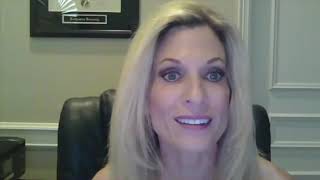
Dr. Diane Hamilton explains that curiosity is blocked by fear, assumptions, technology, and environment. She discusses how mentorship and surrounding yourself with curious people can boost it, and why asking questions matters more than most people realize.
Chapters
Welcome to our new show, What Anyone Can Do Podcast, with Leo Battari and me, Randy Cantrell. Our new show picks up where our last show, Year of the Peer, left off, highlighting the simple truth that who you surround yourself with matters, and that if we enlist the support of others, give back to those who give to us, and pay it forward for the next generation, we can do anything. Author and keynote speaker Leo Bottari and I will interview a diverse group of thought leaders who will share stories and insights that will help you succeed in business and in life. How? By doing the things anyone can do, but most of us never will. Today's guest is Dr. Diane Hamilton. Dr. Hamilton is a nationally syndicated radio host, speaker, moderator, consultant, author, and educator. Her radio show Take the Lead can be found at drdianehamiltonradio.com. That's Dr. D-R Diane Hamilton radio dot com. Diane is the author of 3 books: The Online Student's User Manual, How to Reinvent Your Career, and It's Not You, It's Your Personality. Her next book on curiosity is due to be published in 2019. Find out more about her by going to drdianehamilton.com. We welcome Diane to our show.
Dr. Diane Hamilton, welcome to the program. We're so happy to have you here.
Well, I'm excited to be here. Thank you.
You know, as I was mentioning very briefly to you just before we started, I've actually known about your work for a very long time. And I'll say, at least for me, it seems like a long time. So back in 2006 to 2008, when I was going through my master's program in strategic communication and leadership at Seton Hall University, I cited you all the time on my papers. [LAUGHTER] With a lot of the work you did around how to leverage culture for organizational change and what that looked like. And, you know, always really enjoyed the way you articulated that. Again, I used it several times and looked at some of the, you know, the articles and work you had there, and you were always one of my go-to scholars in that space.
So I just want to thank you for that. Well, thank you. I am glad that— you know, I had no idea. So this is very exciting. We've known each other longer than I thought. Absolutely.
Absolutely. Well, anyway, I do want to get started really by just talking, having you really talk about some of the work that you're doing right now and just kind of share that with us. Both, I mean, obviously between your show and the academic work you're doing in the professional space, you know, all of that. So love for you to kind of frame that out for our audience too, because I'd love them to really get to know who you are and what you're all about.
Well, I do a lot of different things, as you know. I mean, I've been an instructor I was a director for many different universities and I've continued to do that still, but I have a radio show and it's not unlike your show. We deal with business success, leadership, a lot, we have a lot in common. And I have great guests on my show. I have everything, everyone from New York Times bestsellers to billionaires and just top executives. There's just all kinds of very interesting, diverse people. Just sharing their successes in leadership and in life. It's just a variety of people, probably similar to the guests you have. And I do that in addition to speaking and writing, and I'm working on a book. We had talked about, you've got a book coming up, and I also am working on my book right now. I'm writing a book about curiosity, and I'm working on the curiosity assessment and all the nerd work behind the scenes of the validity and reliability of the assessment right now. But working on all that because I'm really fascinated in what makes people want to do more and what holds people back. So that's what I'm wanting to keep people from being held back by fear or just their assumptions of what they think they can do or technology or their environment, maybe their family, whatever, you know, that's keeping them back. So right now I'm full into this book and it's been for a long time been working on that. And my show, it keeps me very busy. And then the speaking and consulting and all the other things I do. It's probably very similar to your day. So I'm sure you can relate.
Oh, that's really neat. No, it's, you know, I just think that, you know, what you're doing with your show and your guests and everything, you know, is always really great. I think anytime you can get really good guests and just kind of let them go, right? It's just so nice. And I think the audience can really learn so much. Um, you know, so if I failed to ask you anything about your book on curiosity, where would that put me on the curiosity spectrum? Probably pretty low, or—
well, you know, it's funny because no, it's because there's so much area in the area of curiosity that you can't really decide where to put people. So, you know, what I'm measuring is What keeps you from being more curious? You know what I mean? So I don't know if you— you know what is really interesting to me is if you look at how people are measuring curiosity, it's very simple scales. I mean, even Harvard and some of the places where you think that the scales would be very complex of what their measurements that they, you know, for this, it's really difficult. So that's why I'm looking at why maybe these other factors I mentioned would hold you back. Because everybody on the show, I mean, you probably find that everybody we interview they're all curious, that's why they're on our show, 'cause they're really interesting people that have pushed themselves and made themselves look for things to do in life beyond the norm. And you're an instructor, right? You still teach and you do this. And so, you know that, you know, we teach at the, you know, college level, but you know, you have these students who really could do more if they weren't holding themselves back. And I think that that, is something that we need to work on more. I mean, I, in my research, emotional intelligence and all that got me interested. I wrote my doctoral dissertation on emotional intelligence and sales performance, and I started to see all these personality aspects that kind of tied into whether we're successful or not. And I mean, think about the people you've interviewed. I mean, they all probably had a high level of curiosity.
So I have one more question, and I know, I'm sure Randy will want to jump in, but The question I have, because we always talk about these on our show and all that, is who we surround ourselves with matters and how they influence us and our behavior and all. And I think for myself that the more that over the years I believe I'm surrounding myself with people who are more curious, it has made me a more curious person. It's made me more inquisitive. It makes me want to know how things work more where I might've been inclined to say, As long as it works, I'm good, you know, and I didn't go there, right? But so is there anything around some of the research for you which has shown that we can influence one another with regard to how curious we are as humans?
Oh, definitely. You know, you don't know what you don't know, and I've been in a lot of groups where mentorship is such a huge thing because think about, I mean, I'm in networking groups. My show's like on, in addition to being AM/FM and all my other stations, I also have it on C-Suite in their group, the C-Suite Radio. And I'm also in some of these other networking groups, like I've attended the Genius Network, which is Joe Polish's group here in Arizona. And no matter what group you go in, any of these kind of C-Suite networks, C-Suite Hero, the Genius Network, any of the ones that I've gone to, they all say the same thing. You've gotta be around people who know more than you do. You've gotta surround yourself with people because you'll only get so high because you don't know what's above that because you've not been around that. So you have to associate with more experienced people and broaden your scope because you don't know what's out there if you don't.
Right.
Given your work on personality, on personalities and all of that, Diane, the— I'm curious about the connection that you might see between some levels or depths of curiosity based on those personalities. I mean, the people, because I'm a fan of your show and I listen to your show and these are, these are like our guests. I mean, they're people from A to Z, right? And they clearly are not all the same personality type. They do share some commonalities, but I mean, what have you found so far?
Well, you know, a lot of them have good levels of emotional intelligence. A lot of them have certain things that they have in common. But like you said, there's, you know, there's the Susan Kanes out there that do great with being an introvert. And then there's others who are super extroverted. I've had Keith Croc. He seems like a total extrovert from DocuSign. And he was a lot of fun on the show. You know, and you have different type of personalities. I asked a lot of them about their personalities when they've been on the show. Like, I interviewed Ken Fisher, the billionaire behind Fisher Investments, and he actually said that Susan Cain's book impacted his life greatly because he finally, you know, realized what the introverted part of his personality, how much it impacted him. And I think it's basically not so much what your personality type is, but what you do with what you know based on getting those results.
Self-awareness.
And it's self-awareness is a big part of emotional intelligence. So if you know yourself, it's easier to understand others. And you have to— those are all the components I studied were from Barron's assessment, but they're similar to Goldman's and all the other researchers out there on emotional intelligence. They just kind of word them a little bit differently, but it's basically understanding your own emotions and understanding those in others and then knowing how to act appropriately based on what you know from that. And emotional intelligence is a big thing, and that's— and I wrote my book, It's Not You, It's Your Personality. I wrote that because I was interested in all the personality assessments, and I wrote it with my daughter, Toni Rothfletz, many years ago. And we had a lot of fun because, you know, we included DiSC and StrengthsFinders and all the different personality assessments for the kind of millennial generations to understand how knowing all this can help you. Because I worked in an office once where they made us take Management by Strengths, which is a color test, but it's basically telling you if you're an extrovert or different things that we already know and under different words, but they made you put your results on your cubicle and people had to interact with you based on what they knew you were. And I thought that was a little strange when it first happened. You know, I'm like, this is a little different. But, and it kind of made you put people into boxes a little bit, which was, I don't know if I would actually have people do that in real life, but I think it's more important that you understand the type that you're not, who you're not, I should say, because If I'm an extrovert and I only understand extroverted ways of doing things, then I'm going to talk to you, if you're an introvert, as if you're an extrovert and think you're going to respond the way I do. And so if you're talking and— if you're not talking when I ask you a question because you're thinking because you're an extrovert, I'll just talk all over you because I'll assume you didn't hear me or whatever, what I would respond, right? So knowing the opposite of what you are is probably as important, if not more important, as knowing your own, you know, what your skills are.
Let me give you two words in conjunction with curiosity. I'm curious for your, and just your tying these together, empathy and humility, and how those might relate to curiosity.
Well, actually looking at all of those, because we did look at empathy is a big part of emotional intelligence, and you could put humility and all those into just having people skills. And that's one of the things I talk about when I go to organizations, I speak at a lot of events and I speak about soft skills. Having soft skills is, okay, the biggest reason people are fired is because they don't have soft skills. I mean, they're hired for their knowledge and they're fired for their behaviors, right? And so empathy and humility and all that ties into helping people get along in the workplace because if you can put yourself in somebody else's shoes and not be so full of yourself and kind of, you know, be humble, and I mentioned Keith Crocker earlier because he, He's so humble to me, and when he's talking, he just seems so down to earth based on everything he's done. And those kind of people impress me. I mean, I've talked to so many billionaires who you think they're going to be here, and they act, you know, this way, and you're like, oh, well, that's great to see that you have these skills. And that's why they got to where they got, because they have them. So I think developing empathy is huge, and it's really hard for a lot of people, but it's You know, if you look at the engagement numbers right now of how everybody lacks engagement, we all hear only a third of the workplace is engaged, and you know, all the Gallup numbers that get shared. A lot of it is people want feedback on how they're doing, right? They want to be told how what they do ties into the overall goals of the organization, and they're not really getting that enough of that. And all that's curiosity. Why— what I do is important, and how— can you tell me how I'm doing? All those things. And millennials especially want to know more. About how they can make the world better, how they can do things. And it's all curiosity of what can they do to make things better.
Are people misunderstanding that as their need for affirmation when that may not really be entirely what it is?
It could be. It could be. You know, each person's individual. It's really hard to put everybody into a box. And I think we want to do that sometimes because it's easier to understand people. I've had people say millennials are two different things. One goes, you know, really works hard and one wants everything and is entitled. You know, I think you can't label that. I think you need to know everybody on an individual basis, but sometimes it is, of course, you know.
You know, I think a lot of what you talk about too really speaks to just really getting people to communicate with one another more effectively, right? I mean, actually, actually at Vistage, I put every one of the departments— I did a little thing. It was a StrengthsFinders exercise, basically, and people did post their strengths outside their cubicle and outside their office and all that. And it was actually great fun because of course that exercise not only helps someone kind of tap into themselves a little bit and understand, you know, what they're about and feel good about who they are. They read the report, say, I am awesome, you know, or, but the other thing was that you would at least now start looking at other people through a different lens from a standpoint of, you know, if you're the Activator, for example, and someone's the Deliberator, well, that person drives you crazy. You know, on the other hand, they— you're both really important to a team situation. You need someone who's going to get going. You need someone who's going to say, wait a second, it isn't exactly shoot, ready, aim either, you know. And there's a balance there. And when you get people to see the best in other people and appreciate the best in other people, and quite frankly, to use your word, to be curious about what drives them, what motivates them, not to judge, but to learn and to understand, that is just so, you know, I think really powerful. And I think if we can be, you know, curious for purposes of good and curious for reasons that people, you know, accept as being non-threatening but actually very, you know, wonderful and really powerful, it's kind of a neat thing. You know, we don't communicate very well with one another. In society. You know, it's—
we could use a lot of help. And just as with StrengthsFinders, with DiSC, and any of them, I think people like to— it's a fun thing to figure out what you are. But when I used to do a lot of training, and initially when I started emotional intelligence testing and training and all that, I started to train in Myers-Briggs at the time. And I still do, you know, I still do a lot of these different kind of assessments. And I think what happens is it gets people interested when you break them up into teams and you put everybody who's the same all on one team and you show them what they're capable of doing, and then you mix them and make them diverse teams and you show them the difference. That is huge. I mean, everybody does these like Lego experiments, you know, here, make something out of these Legos, you know, just to see what the teams can do together. And when everybody's the same on the team, it's a really boring thing they come up with. And if you mix them all up, they come up with a much more fascinating end product, but then they want to kill each other sometimes because they don't understand each other. So you want the end product to be interesting, but you want them to get along. So to make them get along and help them get along— I'm not saying make them, but help them— it's all about understanding what the other person, why they're acting the way they do. Once you understand why somebody wants something a certain way, You go, "Oh, well, I just thought you were being difficult or you were being this or being that," but it's not that. It's just that's their preference. Just like I prefer to write with my right hand, they might prefer to write with their left hand, and once I understand it, it's not so weird to see them writing with their left hand. That's all it comes down to is— and you have to have diversity to have a really more effective end product.
You know, what's interesting about this too is that when on one hand we are challenged inside organizations to get people to collaborate, work together, and do all that, it's so powerful and so important. What can be accomplished. On the other hand, from a societal standpoint, you know, people can watch whatever news they believe aligns with their worldview. You know, we're having a very difficult time on the political front, which is bleeding into all of the issues that touches. So on one hand, we tend to surround ourselves with people who are like us, as opposed to surround ourselves with the kind of diversity that can be really, really healthy. And I'm wondering, from your perspective, do you see those societal pressures and trends being even more challenging to trying to really get people to work together toward common goals in the workplace or not?
Well, the political situation has been very difficult for a lot of people, this more so than I've ever seen as far as polarizing, you know. And but I think that it's getting better in terms of people at first were either like, either their candidate won, they were thrilled, or their candidate lost and they were devastated. And they just were polarized on how they handled that reaction, right? But, you know, nothing is going to— this is always going to continue happening, whatever president we have or whatever political climate we have. And in a way, we see that nothing— the world didn't end. No matter who won. And, you know, we continue on. And then in a few years, there's going to be a different political climate. And I think it's just, we have to— I think it helps us to have a dialogue based on this because we see all these people having issues in their personal life over who they want to talk to now because they didn't vote for their candidate or whatever. And I think that that brings up a good conversation that you could have at work, whether you liked Trump or whether you liked Hillary or whether you like, you know, whoever you liked. This is what it is now, and we have to work together, and you go to the next step. And that's the way it is in the business world. You don't get to pick the CEO. You don't get to pick where you work usually. You know what I mean? You don't get to. So you don't get a lot of the things that people would like to have control over. And I think people like control. It's a nice thing. But in the business world, it's a different setting. And a lot of it is that we need to communicate better. Everything always seems to boil down to communication. I mean, I'm sure that you've had a million conversations on here that that seems to be the problem to a lot of things. And that's why curiosity interests me so much, because I think it'll improve communication the more we try to find out about each other and ourselves. That if you can improve communication, you're improving engagement, you're improving productivity, and that's, you know, what companies need to work on.
Yeah, and I think the more that people see the environment for curiosity as a place to learn rather than judge. Then that just opens up a whole world of possibilities. You know, one of the things that I actually wrote about in the book I've got coming out is I basically suggested that the worst advice we ever got from our parents was never to talk with anyone about religion or politics. Because we made those subjects taboo and we took them off the table, you know, we lost this incredible opportunity. Like, I would love to engage in conversations with people, and I will from time to time about their faith and about why they are what they are. I'm not trying to judge them. I'm not trying to debate them. I'm not trying to take issue with it. I just want to know better. You know, same thing with people's political beliefs and where they come from, whether it's their parents or where they grew up or whatever. And the opportunity for learning in those areas is powerful. And not to mention, once you can do that, there isn't anything else you pretty much can't talk about. You know, and—
Well, that's true. You know, it's interesting because I brought that up with Steve Forbes. He was saying to me, because he was on my show, and I know Steve from working together at Forbes School of Business because I was an MBA program chair there. And when we were talking about this, he says, you know, in the past, we always said you couldn't talk politics or religion. He goes, but it's never been like it is now that you, there's just, you can't even go there at all. I mean, the party's over. And he was really cute about it. You know, he's like, man, I don't even, don't even, you know.
It's too bad.
Yeah, yeah. I think that, you know, things, times change, you know, people go through, everything's got waves of what's the thing that upsets people at the moment, you know, and it'll be interesting to see how this changes. Because younger generations respond differently. Every generation responds differently than the one before them. And so, yeah, but he made, He said he has a difficult time having to talk about certain things with people because he doesn't want to just kill the party, you know.
I know you're a fan of the under 30, and so are we. Young adults are, are still among my favorite people on the planet, and I think they've just got tremendous opportunity. And just, I mean, in, in large part, I'm pretty envious, um, because I— it's just, I'm super optimistic Which leads the question, are you finding, especially in the under-30 crowd, that is optimism fueling any curiosity on their part, or are you finding them optimistic? Because I am.
I am. I am. I have a lot of 30 Under 30s from Forbes, has a list that they publish, and a lot of them have been on my show. And I've had people like Roya Mahboub, who was voted Time magazine's 100 Most Influential People in the World, on my show, and she's a friend, and she created a network where she teaches women in Afghanistan how to use computers so they can get jobs online. And for women to have a job like that in Afghanistan was unheard of, you know, and she had to do it by having her brothers be at the front of the company. And then, you know, it was a very aggressive, you know, very brave thing for her to do. And she's just an amazing woman. And so, you know, I meet people like that, and maybe I'm meeting, of course, the cream of the crop out there, because of my radio show. But, you know, I talk to a lot of organizations. I just spoke for a homebuilders association here in Arizona. And, you know, the big thing they want me to talk about, which a lot of companies want to talk about, are generational conflict, you know, generations and generational conflict. And so, you know, it's definitely out there still. There's conflict. I mean, not everybody loves the millennials, not everybody hates the millennials. Everybody, it's like I said, it's on a case-by-case basis. I think as we learn to know what it is that each group needs, that we work around that. I mean, our generation, my generation, I'm from the boomer generation, we were taught if you're not 15 minutes early, you're late. You know, it's just like there was no— I mean, I had a boss that if you— his goal in life was to get there before you did. So if you knew he was going to be 15 minutes early and you tried to get there 20 minutes, he would be there anyway. He would find a way to get there before you got there because he was not going to let you say you beat him there. Nobody thinks as much that way today, you know what I mean? It's that if you want to work at midnight and get up at 4 and do this or— the whole way of working, the Mad Men days are a little different now and people are having to adjust because it isn't the same way of thinking, and a lot of it is— what I find interesting is the way they look at failure is so much different now. And I go to a lot of Forbes events because of my connection with them, and I went to a CMO summit, you know, Jenny Rooney's group and all that, and it was in San Diego a year and a half ago. Simon Sinek spoke, and it was a really great event. But a lot of people were on the stage from different companies, from the CMOs from all these top companies saying, you know, we look at failure not like, oh, look what you did, we need to fix this. But look at what you did. How would we learn from it? And we didn't see a lot about that when I was in the workplace a long time. Did you?
No, no. I think things were a lot different. I mean, a couple of things. One, I had Linda Darling-Hammond, or, you know, we had her on the show last year from Stanford. And we talked about collaborative learning. And I told her that when I was in school, collaborative learning was cheating. You know, right? I mean, really, you know, when you get right. And the other thing I was wanting to mention is one of the other good lines that I also think is really true that kind of distinguishes us, the boomers versus the millennials too, is we were always taught this idea of good things come to those who wait. And for them, it's good things come to those who act. And I really— and someone, I forget who, said that specifically, but, but it's, I think there is a real truth to that and real truth to the fact that, and it's why you've got all of these young entrepreneurs and these CEOs and, and they're not, they're fearless about being curious about something, trying to do it, learning from if it doesn't go well, and then trying something else and just really, it's just not something that was generally speaking a part of the way we were brought up. And so I think sometimes, yeah, yeah. And Randy, when you talk about, I mean, yeah, absolutely.
So, well, and I confess I'm an INFJ, so I'm, I reek with empathy. It's my superpower and it's also my curse. But so I'm super, just super optimistic you know, about, about these young people and, and the opportunities that they've got, the world that they live in. But I also get that it's— yeah, they've got a very different perspective. I mean, a 24-year-old is not going to think, see the world the same way I see it. But I think that's a great thing for us too. I sometimes fear that my peers, baby boomers, are rendering too much judgment and we're not extracting the tremendous value and resource that I think, to your point, you know, the young lady doing that work in Afghanistan. I mean, how can you not, how can you not derive some benefit from the courage and conviction to do that?
Yeah, she's amazing. I wrote a training program for her to deliver to all the girls, young girls there, about how to develop emotional intelligence and personality skills. And then they they just eat that stuff up because they're not getting it there. And she's such an inspiration that she's sharing all that knowledge. And you know, there's so many people like her. Now I'm curious, Leo, what's your type? Now I know Randy's. What is yours?
I am an ENFP.
ENFP. Well, we're all different. I'm an ESTJ. And you know, it's funny because you guys both have an F F in your type. And when I took the test, or assessment, I've never seen this with anybody I've given it to, and I've given it so many times. I mean, think about it, right? So I had the only time I've ever seen, I had a 0 F and I had 100% T. I was like, uh-oh. That means that I based all of my decisions on facts facts and figures and, you know, proof. And, you know, I don't really use my values like you would to make decisions. And I have said this before to people because it's really fascinated me when I was going through the MBTI training because they, like I said, they put us one side of the room, you had the T's, and the other side of the room you had the F's. And then they'd say, well, what do you think about doing this or that? And all the F's would say, oh yeah, I'd love to bring cookies and people and make and thank them for it. And I'm thinking, why are you bringing cookies? You know, because it was a nice thing to do and they appreciated getting cookies. And I'm thinking, I should be bringing cookies. I would have never thought to do that, right? Because it's— I'm so tea, you know.
You know, how do you close those gaps? I mean, when there's— in the workplace? And I'm just curious.
Yeah, it's by understanding, because now that I know you guys like cookies, I'll bake you cookies, you know, or whatever it is I find out that they like, you You know, whatever I find out makes them feel appreciated.
But do you think that people are finding that that's, that's so self-sacrificial on their part?
Well, they should go both ways, of course.
Of course.
You know, I bring you cookies, you got to bring me a spreadsheet, you know. Yeah, yeah, exactly.
There you go.
Exactly.
It goes both ways.
Yeah, well played, well played.
You know, I had a similar experience, not around MBTI, but around StrengthsFinder, where my My number 1 talent theme was Ideation. And what our team did was we talked about our various, you know, profiles and all. We read each other's reports and all. And the conclusion the team came to about me is they had an aha moment where they said, "Now we know exactly what meetings to invite you to and exactly what meetings never to tell you about," which is so perfect. It's like exactly right. So yeah, so it is fun to create that level of understanding about one another, and boy, what a difference it makes, right? No matter what tool, you know.
It's good to have tools. I mean, you know, there's self-assessments. Let's be realistic, you know. People are giving their own opinion of what they are, but it gives you a baseline. I'm not one of those people that go, "Oh, well, you're an INFJ, hmm." You know, I mean, it tells you a little bit about somebody. It tells you a little bit about yourself, but it's your own perception, and people who are on the border of things could go either way. So, but I think understanding about it is important. And I've been through DISC training and I, you know, I give a lot of those assessments as well. And you get people in the corner of the D and the I and the C and the, you know, S and the C. And it's fun to see where everybody kind of ends up of what their type is. And you might see a lot of leaders go over in the D column, for example, or, you know, and you see these different traits. And then it opens up your mind to like, okay, well maybe this person would be really good at this because they have this quality. And that's why I'm writing a lot about curiosity because I really think a lot of people are aligned improperly in their jobs and that's why their engagement is low because they haven't, maybe their parents said, no, you can't do that. You know, you never thought of, or their teacher never had time to answer this question in class because they were teaching to the curriculum or whatever the thing is, or it's fear and all the other things because I figured there's There's fears, assumptions, technology, and environment are the 4 things that I say I'm analyzing of what holds people back. And when you see what it is and you look at, well, oh, okay, so this is why, because my family always thought I was supposed to be a lawyer, so I'm a lawyer and I don't really like being a lawyer, but that's what I was expected to be, right? And I think once you see the things, that kind of pushed you this direction or pushed you away from something, then you go, okay, well, it's not such a bad thing to maybe explore this. And I think if leaders— my hope would be with my assessment that leaders would give this to their employees and then say, okay, look at this. This is what we can work on. If fear is holding you back, let's try a little, just baby steps at this. Or if technology is holding you back, let's take a little bit of extra training. You know, and I think those are the things that will help people be more productive. And be more engaged in general because they're going to be aligned to jobs that may be more interesting to them because they never thought to ask that, "Oh, I'd like to have training in this area or that area." So what makes someone—
because I think a lot of people try to cover up what they don't know as opposed to ask about what they don't know. So— Fear. Yeah, I mean, so you've looked at a lot of that in terms of— why people— so why do people tend to do that? What is it about either the way they were brought up or the environment they're around or that makes them feel as if somehow asking questions exposes them in a way that's negative as opposed to having it be like a positive?
You know, a lot of these 4 areas overlap, and I know with me, environment was a big factor of what held me back from a lot of things because my family all were like, sports freaks. I mean, everything was sports, and I was like, I don't really like sports that much, you know, but I had to, you know, be part of the group. You know, it's really dorky if you don't like sports, kind of, you know. And so there's certain things, but then it's the fear of looking, you know, oh, they're not going to like it if I like this instead of sports. So fear and environment overlap in that setting, you know what I mean? So some of these things kind of— you can have different things that impact your level, but A lot of people list fear at first in their mind, you know, of what's holding them back. Because I mean, especially with social media shaming, you got nasty people out there that say things about you and you're like, what'd I do? You know, nothing really, you know, but people feel really safe hiding behind social media saying nasty things. People don't want to look bad. So like on Facebook, you only want to post all your best stuff. You only want to do this and only want to do that because of how you're perceived. It's worse today than I've ever seen in my lifetime, as far as that goes, as far as shaming and feeling bad about things. And I'd like to see a lot less of that. It's just, it's really hard. So you have to develop a thick skin. It's going to be interesting to see Generation Z, and then Alpha, I guess, is the next generation after that, or whatever the alphabet they're going to start with next, that, you know, I think that if you grow up with it and you don't have that from our generation where it's just devastating to see anything because nobody did that back then. You know what I mean? It's, I think certain generations are held back by different things than others is my point. And I think that fear is going to be there for a lot of people, but if it's family induced, that's one thing. If it's friend, peers, you know, it's not cool to do that because your friends don't do that. I mean, there's just so many factors. And I think as you know, this, my assessment is not for kids, it's for, you know, 18 and up adults. Once you're at that age, then you can really face it and go, okay, so my brother, my sister, my mother, my parent, my friend, whatever, whoever it was, maybe, you know, they said this wasn't the greatest thing to do, but maybe it is a cool thing to try. And now if you can, if we can make it be a culture of acceptance that it's cool to try things that are, you know, unusual and fun. I mean, I'm not saying unsafe, things, but things that we would fear out of just— because when you're, you know, 4 years old, your level of curiosity, and then at 6 it goes boom, you know what I mean? It starts to tank. And a lot of it is, you know, you've done that why, why, why thing, driven your parents crazy up until that point. And after a while, they're like, I can't answer why one more time. And, you know, I was in a bus on the way skiing when I was younger, I was in my 30s, and I was going somewhere and there was a little girl in the back of the bus with her mom and they were Hispanic and she just the whole trip she's going, "Por qué, mama, por qué?" the whole way to the ski slope. I mean, it goes across cultures, you know, they're, why? And you know, you have that natural curiosity when you're young, but then, you know, you get into school and there's rules and there's, you know, friends and there's social media now and there's, you know, it holds you back. You don't want to be the odd one out, you know, a lot of times. And I think we need to change that. And I think it's a, you know, it helps if we learn that now for us. And then we're the ones now, now as they raise their kids, make it cool to ask questions, you know, not be— there isn't a weird thing to be. It's just everybody's different and everybody's interesting to me. Yeah.
So assuming that you would disagree with the phrase that curiosity kills the cat, what would be your What would be your phrase on curiosity? Curiosity does what?
Well, curiosity opens up the world. I mean, it opens up a world of possibilities. It is the thing that'll make you, yeah, just feel alive. I mean, who wants to be happy watching the faucet drip all night, right? We want to have a life and get out there. You can either live or you can exist, right? And there's a lot of people who just exist. They don't really think about it, but they're bored, they're not really happy, they're not really productive. They just kind of every day they get up, they do this, they do that, they go to bed, and then it starts all over again, right? And they're not really having any goals, or their goals are not very— they're not stretch goals by any means sometimes, you know? And those are the people I really want to help because I really meet so many people who will come to me and they'll say, Well, how do you do this? And it's the old teach a man to fish or give him a fish story. You know, I mean, and they all want you to give them a fish. They don't want you to teach them how to fish. And because it's hard work sometimes, you know, and so that holds them back. That's the fear of I don't want to have to go through this or it's going to be hard or whatever it is. But it's the same old thing. If you just keep giving them the fish, they're going to sit home and they're not going to progress. And I really think it's really important to teach them instead of giving them a fish.
Well, I think in our world of, you know, where we talk so much about who you surround yourself with matters, I'd like to feel that a real takeaway for me here is that always encourage others to ask questions. And when they do ask a question, applaud the fact that they asked a question. Answer that question with enthusiasm. And if you don't have the answer to it, you can both find out together. And, you know, how fun is that to be able to live in a world where we're free to do that and free to learn and free to, you know, explore. And it's great stuff. When is your book due to be published?
Yeah, I'm still working on it. So probably next year. It's— yeah, it's the assessment's the big, the big factor with the book because it's such an unusual component. It's not just the book. I'm working on the assessment together. So I got to get that all together. So it's as with StrengthsFinders or Travis Bradbury's, you know, Emotional Intelligence and the ones that have had their assessments with the book, I think it's really important to get them together at the same time and to work on ways to improve, not just find out what you are, but how do you fix this? Because a lot of books tell you, yeah, you got to have motivation. Thanks. That doesn't do me. I want to know how, right?
Well, your whole work there is a case study in curiosity.
It is.
I mean, the writing the book, everything.
Yeah, I'm very curious. I was a very annoying child according to my parents.
Well, the good news is you've got— I mean, as you were talking, I'm thinking of the business landscape and there's a ton of pretty empirical evidence now, the proof that it pays off with the likes of Uber and Amazon and Zappos and on and on it goes of all the disruptors and they weren't the people in the industry. They came to the industry with no industry knowledge at all.
So it's interesting because I, I don't know if you've interviewed Naveen Jain, but he's the billionaire behind Viome and Moon Express. And I went to dinner with him not that long ago before when he was here for something, and my husband and I were talking to him about his work, and he was saying that he just likes to go into completely different industries that he does nothing about. He wants to go in and start from scratch, read everything he can, and fix it. So like he wants to go to mine the moon. I'm like, okay, no problem. Good for you.
We'll let you do that.
But he, you know, I mean, it's fascinating. It was cute because we were at dinner and he kept staring at the moon the whole time. He was so into it. Yeah. And, uh, you know, he said, after I'm done with this, I'd like to fix education. And I don't know anything about that, but then I'll go on to the next thing. And if you've fixed education, and then I'll go on to this. And his desire to learn was really infectious, and I love that quality. And I think that there's something to be said about fresh eyes and not coming— it's almost like, have you ever taken golf lessons? If you aren't good at golf and you have to start, try to forget what you've learned that was wrong, start all over again. And something to be said about going into something completely fresh and not bringing in the baggage. And I think that's what he kind of does. And I think that there's so many industries that are ripe for disruption right now, education for one. And there's somebody out there, if they were just curious enough to figure out how to fix it, you know, it could be the next Elon Musk or, you know, whoever. So it's interesting to consider your options of what interests you. And to think, why don't I like this? Maybe I just didn't like it because my parents said it was stupid, or somebody said you're not good at it, or, you know, and maybe you really would like to try it. So I think just making yourself do little things here and there, just take a taste of, you know, what this is like to do this. Take a class, take a— see if you like it. I mean, look at Steve Jobs. He went and sat in the calligraphy class. Look what that did. Yeah, exactly. The fonts, right? So we wouldn't have that if he wasn't curious enough to sit in a calligraphy class. Who would have thought those two would go together? You know, you just don't know where it'll lead.
Exactly.
Exciting stuff.
Hey, look, we have—
Yeah, I had Barry Ryan on my show. Oh, I'm sorry. Oh, great. He teaches curiosity at Stanford. I don't know if you know Barry, but he has a curiosity in selling course, and I have spent decades in sales, and so You know, half the problem we have with salespeople is that we don't ask enough questions, right? You're not curious enough to find out what their problem is to solve that problem because you've got this speech you want to give to them to get up and get out and, because, you know, everybody wants the business, but they've been taught this is what you say, this is how long you have, and this is what you, you know. Instead of going to them and saying, you know, I just need to know what your problem is, you know, that I can solve. Right? So what can I do for you? And you have to be curious about their problem, and if you don't ask the questions, you're not going to be. So it was fun talking to him, but I have so many people on my show like Barry, and I've had a lot of people from Stanford on my show that teach different versions of this type of thing. And I think that we need to look at— I don't know, do you get a lot of salespeople on your show? I'm sure you do, that, that probably are in sales aspects of some sort of marketing or whatever, you can't really be very good at sales unless you have that natural sense of curiosity, because you'll be selling the wrong solution, you'll be doing the wrong things, you're not having that dialogue. I've told a story before where I was a sales rep, I was a pharmaceutical rep, and I had just started, and they gave you this speech that you had to say, you know, you had to talk about this product and then this product and this product, and you had 5 seconds to do this. And it was just like pressure. It was terrible pressure. And you knew this doctor didn't want to have anything to do with you. You knew it was going to be really stressful. And it was, you know, so I was like, I don't know, 23. I was really young, right? And I'm in this building and I go to their office and I'm waiting and you sit in the lot. You have to sit forever and wait because, you know, they work you in if you're lucky. And then I knew I had like very little time with them and I get all 3 products in and nobody gets 3 products products. It is like really good if you can get one in, right? So I got all 3 in and I am like so proud of myself. I am walking down the hall all full of myself. I am so happy. I went and I thought, oh, I need to go get more samples. So I went into the elevator and I go down to get samples and a guy gets on the elevator with me. So being an extrovert, I couldn't stand dead silence in the elevator. So I look at him and I said, so do you work in the building? He looks at me and he goes, You just presented to me 2 minutes ago. It was that same guy. Oh, I died. It was mortifying, right? But it was great because it just showed me that it was the worst, worst sales call ever, and I thought it was the best, right? So it's—
did he cancel the POs or anything?
Well, you know, they don't do that in pharmaceuticals. You know, it's different. Okay, okay. He probably didn't I never wrote a script again.
It's a good story though.
Yeah, it was.
It was a lesson in humility.
I just couldn't believe it because I didn't even look at him. I was so wrapped up in what I was saying. And what I was saying wasn't even necessarily what he needed to hear.
Tunnel vision.
Yeah. Yeah.
That's great. I love it.
I did that once.
Yeah. Well, you got it out of the way young.
Wow.
I know.
Oh, it's been a while, but, uh, you know, it's fun though to look back and think, you know, oh, okay, well, that explains that. You know, everybody— it's hindsight's easy, you know, but, you know, anybody's learning about sales right now, ask questions. Don't do that.
Yes. On that note, um, no, hey, it was so wonderful to have you join us here, um, today. This is something that, um, I know we, we really wanted to do last year and, uh, It's so great to have you on this year. I'm very excited. Your book will be here before you know it, because I know how that goes. It will be.
Yours too. I'm so excited for your book.
And we'll have to have you back when you get the book out too.
Oh, thank you.
Yeah.
I'm really anxious to see the assessment, big time.
Yeah. Thanks for doing this. You're welcome.
You have a wonderful day.
You too.
To learn more about our show and what we do, to submit questions to us, and to subscribe to What Anyone Can Do Podcast, please visit us at whatanyonecandodo.com. Podcast is hosted by Leo Battari and me, Randy Cantrell. Our assistant producer is Katie Rutkin. MUSIC provided by Kevin MacLeod is Vibe Ace, licensed under Creative Commons by Attribution 3.0 license. Thanks for watching or listening What Anyone Can Do. Please share the podcast. See you next time.










