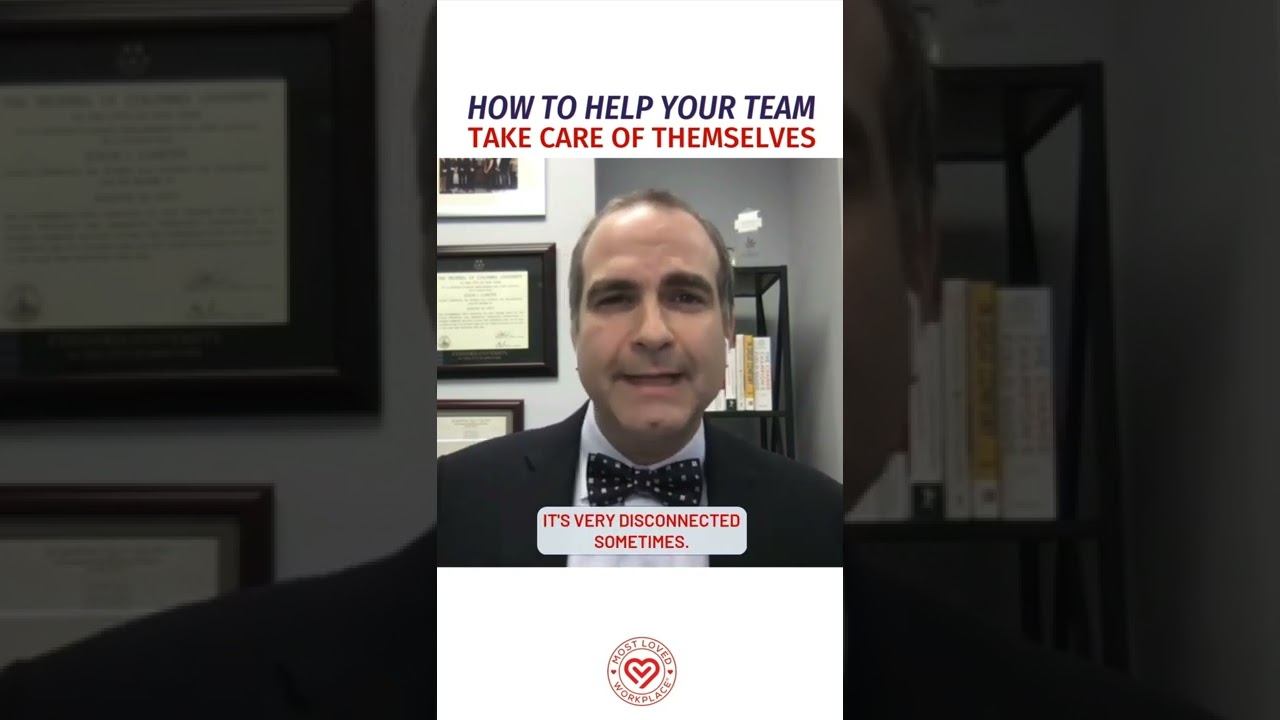
Louis Carter argues that emotional connectedness and psychological safety drive employee wellbeing, especially remotely. He links daily routines and task completion to lower stress hormones and better mood, and warns that Zoom strips away facial cues and body language, making deep listening essential. He pushes companies to co-create return-to-office plans with HR, managers, and leadership.
Chapters
Lou, what can you do to help your company and your team take care of themselves?
Most important part of emotional connection really is that psychological safety that you can say and innovate and be that person that you truly are. Even in a virtual environment, remote environment, on-site, you have to be who you are. So emotional connectedness, what is it? Why is it important right now? Why do we need it more than ever? We have social disconnection, we have physical distancing, so we need more emotional social connectedness. Now, we do it in Zoom meetings. It's very disconnected sometimes. There's various types of facial expressions, the way that we move our hands, body language. So it's very hard to make that connection sometimes. We have to really listen, deeply listen. The other thing also with emotional connectedness is around the vision and how we implement. You actually feel better if you complete your tasks. You feel worse if you don't. So here's the thing. When you do your tasks, you have a regimented day. You drink your juice, you eat your, your bar in the morning, and you have specific things you do during the day. And you get those tasks off your list. You actually are going to reduce the amount of cortisol stress inside of your body and increase endorphins. You'll feel a lot better. This is the most important part of emotional connectedness is getting it done, executing, creating outcomes with people. As we move back into the workforce, it has to be co-created collaboratively. With your organization and with your HR, with your bosses, and eventually with your CEO. Together we can create a new future.