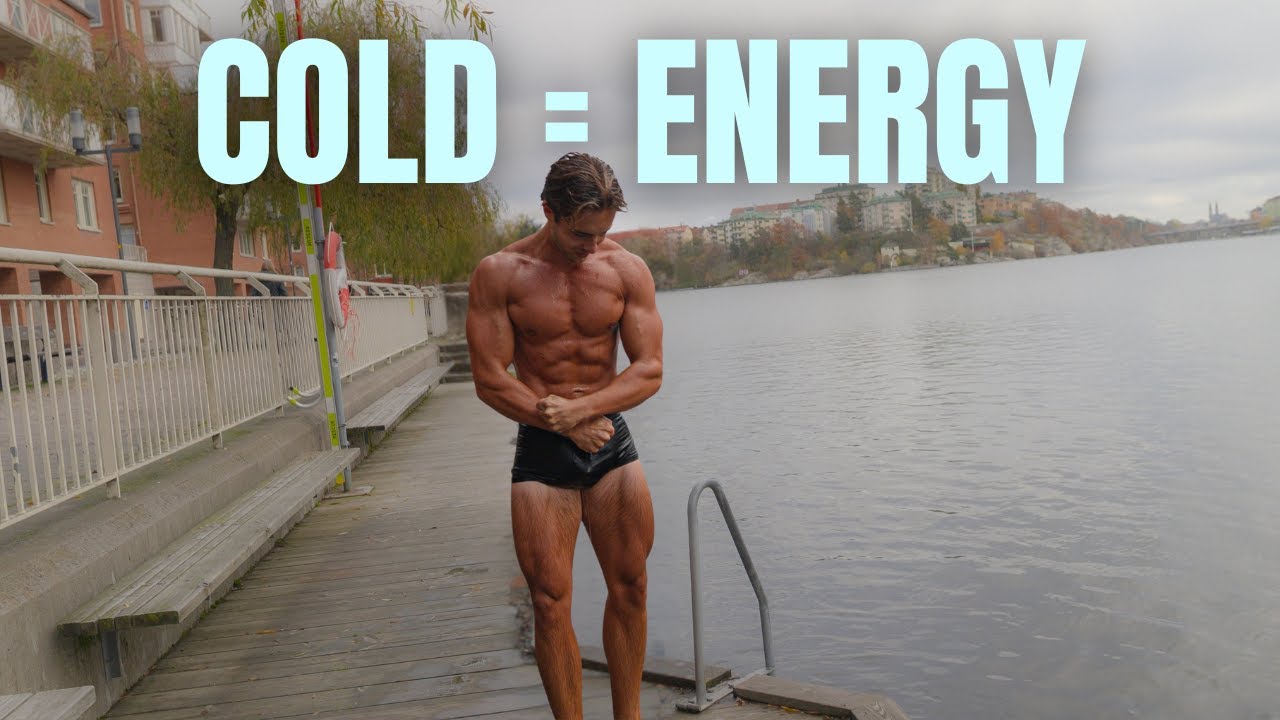
In this monologue, Lucas Wilhelm Hedenbäck argues that deliberate cold exposure—such as cold plunges, showers, or winter swims—acts as a purposeful stressor that trains both the nervous and cellular systems. He explains that each cold encounter activates the vagus nerve, strengthening its ability to shift the body from fight‑or‑flight to rest‑and‑recovery, thereby improving stress resilience in daily life. At the cellular level, cold triggers mitochondrial biogenesis and non‑shivering thermogenesis via UCP1 in brown fat, increasing energy production, fat oxidation, and anti‑aging benefits. Hedenbäck also proposes a less‑known pathway: cold exposure can stimulate internal vitamin D₃‑related signaling within mitochondria through infrared and nitric‑oxide mechanisms, especially when paired with natural or red light, offering a seasonal substitute for sunlight in high‑latitude winters. He warns that modern comfort—constant warmth and artificial light—suppresses these natural signals, leading to reduced metabolism, hormone decline, fatigue, and seasonal mood disorders. Finally, he provides a practical starter protocol: brief cold bursts at the end of showers (30‑60 seconds, 1‑2 times/week), focus on slow nasal breathing, and combine with morning light or red‑light therapy to amplify benefits. The overall message is that resilience is forged through contrast, not comfort, and cold exposure is a vital, biologically grounded tool for thriving in winter.
Chapters
People love to say, cold plunges just increases stress, that can't be good for you. And they're right, it does increase stress, but that's not a flaw, that's the whole point. When you step into the cold, you're creating intentional stress. A shock to the body, yes, but it's a controlled signal. It's not the kind of stress that breaks you down, it's the kind that teaches your system how to adapt. Cold exposure activates your vagus nerve, the main line of communication between your brain, heart, and organs. It's responsible for switching your body from fight or flight to rest and recover. And here's what's fascinating. Each time you enter the cold and stay calm, your vagus nerve gets stronger. You literally train your nervous system to regulate stress better, both in the plunge and in life. That means when you get bad news, you stay calm. When you face pressure at work or training, you adapt faster. When you recover, your system returns to balance more efficiently. This is stress education, not stress damage. Short-term deliberate stress expands your capacity for real life. Now let's go one layer deeper to the cellular level, because this is where the magic happens. Cold exposure activates mitochondrial biogenesis. Meaning your cells produce more mitochondria and make the ones you have stronger. These mitochondria are your biological power plants. They are what actually produce ATP, your body's energy currency. The better they function, the more energy you have, the faster you recover, and the slower you age. When your skin hits the cold, your mitochondria sense the temperature drop and respond by generating heat. This process is called non-shivering thermogenesis. To do this, they burn fat and release heat through a protein called UCP1, primarily found in brown fat. Fat, a metabolically active tissue that increases with cold exposure. So each cold plunge is like a workout for your cells, training them to produce more energy, burn more efficiently, and stay resilient under stress. Now, here's something most people don't know. Cold exposure doesn't just activate your mitochondria, it can actually stimulate internal vitamin D3 synthesis. We typically associate vitamin D with sunlight, especially UVB light converting cholesterol in the skin into vitamin D3. But here's the catch. Your mitochondria are light sensitive. They use infrared and cold signals to activate similar pathways internally. When you expose your body to cold, your mitochondria shift their function, releasing nitric oxide, regulating calcium signaling, and activating a process called cytochrome c oxidase modulation. This stimulates the same metabolic cascade that supports vitamin D3 production from within the mitochondria, especially when paired with natural light or red light exposure. So in Nordic winters, where sunlight is scarce and UVB levels are low, cold exposure becomes a biological replacement signal. You're telling your Your body light is gone, but we're still adapting. Keep the metabolism running. Cold and infrared both act as mitochondrial stressors that maintain internal rhythm and hormone signaling when the environment becomes energy poor. If you avoid the cold in winter, stay indoors under artificial light in a warm static environment, your body never receives that signal. Your mitochondria downshifts, your thyroid slows, your dopamine and testosterone drop. That's when fatigue, seasonal depression, and immune weakness kick in. If you live in the Nordics or any high latitude region, this becomes essential. In summer, the light chart. As your biology. But in winter, the cold is the replacement stimulus. Nature always gives you one or the other— light or cold— to keep your metabolism alive. When humans created artificial warmth and eliminated the cold, we also eliminated one of our strongest biological training mechanisms. Without this stimulus, metabolism declines, hormone production weakens, and we lose resilience. So the cold plunge, the winter swim, even the cold shower— they're not trends, they're tools to replace what modern life removed. Each plunge trains the 2 systems simultaneously. The nervous system calms you under pressure and the mitochondria energy under stress. Together, that means you handle life better, you recover faster, you stay leaner, sharper, and more stable, even in dark, cold months. So how do we start cold plunging? Well, it's not rocket science. You don't need an ice bath on day 1. We want to start small. End your showers with 30 to 60 seconds of cold once or twice a week. Go for a cold dip or plunge and always focus on your breath. Slow, nasal, and steady. Combine this with morning light exposure and red light panel for amplified effects, and within a few weeks, you'll notice your sleep, mood, and energy completely shift. So cold therapy isn't punishment, it's precision adaption. It's the practice of teaching yourself and your nervous system how to stay strong, adaptable, and awake even when your environment gets dark and hard. In a world built for comfort, the cold Brings you back to truth. It reminds your biology how to respond, how to feel, and how to thrive even in the winter. Because resilience isn't built in warmth. It's forged in contrast.