Nullset: From the Brink to Reignited, How They Got Their Fire Back
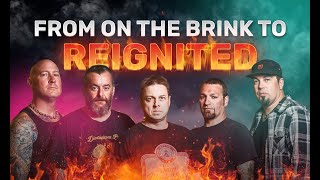
Ken Smith and Jim Foster of Boston metal band Nullset recount opening for Cinderella through grassroots promotion, signing to Grand Royal, and nearly dissolving after 9/11 derailed their label. They've now reclaimed their master recordings and are re-releasing their catalog as new metal sounds resurge.
Chapters
Welcome to the Make Our Music podcast with your hosts, myself, Mark Robers, Jim Foster, Shawn Lichtenstein, and Johnny Robers. Today we have, you know, we have our great friend on here, Ken from Nelson, which is also Jim's band. So Jim going to be doubling today as the guest as well. So we got Jim Foster. We got Ken here from Nelset. This is going to be a really great podcast. Kind of go over their whole, know, career in the music industry and how their band started and, you know, where it came and where it is now. And so, Ken, welcome to the. Welcome to the show today.
Thanks, guys.
Yeah, yeah. So, you know, obviously, we've known you for a while, and we've all played shows with you guys, and obviously Jim's a. A business partner of ours. So we. We. You know, we know a lot of the Nelset story, but I'm sure there is pieces that we don't know about. And so this is going to be kind of fun to kind of hear your perspective of it all. Um, I guess, like, the first. First thing to start off here is like, just tell us about yourself and how you even started in the music industry, you know, what really got you into. To becoming the singer that you. You are, you know?
Well, I mean, it's a long story, but we'll try to condense it. So originally, I just started goofing around on drums with my roommate Brendan, and we just were doing covers and just kind of goofing around and wrote a couple of originals, you know, decided just like, all right, let's just pick a name and start, you know, trying to write some songs and find other players. So that band lasted, I don't know, maybe two, three years of, you know, while we were busy anyway. And then.
How old were you? How old were you at that time?
Probably 1:22, I want to say.
Okay.
And then that band started doing pretty well, but I wasn't really, you know, holding up my end of the deal with drums because I was just like a kind of a glorified hack. And so they kind of gave me the boot and. And that, you know, Jim was in the band at that time, and I was still interested in, you know, performing, and I still liked, you know, playing live and writing. So I quickly, you know, kind of found another band down the hall from a rehearsal space, and they. They were looking for a vocalist, and I was like, yeah, I'll do that, you know, So I took the dirt demo home and just wrote some lyrics and went down, like, I don't know. A couple days later and, you know, did a couple songs and everybody liked it. So I was like, all right, let's just do this. So started singing in that band and, you know, that band started doing well. And then long story short, you know, Jim ended up leaving the band that I was in, which was controlled aggression. And he, he came to replace the guitar player. And then everything just kind of snowballed from there. But it, but that happened fairly quickly. I mean, it was probably over a two year period, you know, that things went from, you know, like totally just a, you know, weekend warrior type of, you know, play like one gig every other month to like playing like seven, eight shows a month. So they happen pretty quick.
Now if we went, if we went back even a little further, like, what is the thing that actually got you to even pursue music in general? Like, what was the. Like, where did that happen? When did that happen? When you're like.
Well, I, I took drum lessons, you know, in elementary school. You know, just like on the pad and stuff. You know, I had, when I moved out, I had, we had this big basement and, you know, my roommate had a guitar and an amp, and I was like, I should go get a drum set, you know, So I just bought a piece of shit drum set and just started sucking my way through it. After you do it enough, you're like, okay, I could, I can at least play a couple songs. So it gets pretty, you know, it gets more rewarding. And then when you write, you know, your first couple original songs, you're like, I can fucking do this better than anybody. You know, you think, you know, you think you're like Led Zeppelin, you know, that's so fun. It's just fun to, you know, it's fun to make art, you know.
Did you find that was like a common theme? Like you had to for the rest of your career, you had to suck your way through it?
I mean, yeah, everybody sucks at some point or, or forever, right? You don't know you suck unless you, you, you suck at first, you know.
That'S part of, you know. Let me, let me interject here.
Kentucky.
Yeah, exactly. Ken. Ken's being a little, a little quick with it. But the reality was the band that Ken had started with his friend, that was a real party band, a heavy metal party band. Like, it was all based around parties and fun. So the idea of, like practicing that wasn't real, you know, it was more like, we're going down, we're going to have a keg, a bottle, a whole bunch of weed. And we're going to, you know, make crazy loud noise until, you know, two in the morning, and then we're going to get out of here. That's really what it was. Ken was a bit of a hack, but he was also really original in the way he played drums. And, you know, over time, as the band, we got a manager, basically, and that manager convinced us that things weren't good, as managers typically do. And once that sets in, there's no going back. Like, once someone focuses on the weak link in the band or whatever, it, you know, everybody starts to, like, get into that and, like, and it starts to be irritating and grow into something. It was completely unnecessary. But the reality was Ken was like one of the backup singers. And every time he got on the mic behind the kit when he was playing, his voice would just devastate the room, blow up the pa. It was so loud and big. And everybody knew. Oh, when Ken, like, does a backup or whatever, it's just. Is rad. So when Ken finally got kicked out of our band, the other band down the hall, which was basically Gangsta Barbie, they needed a singer. And almost everybody was like, Ken's got to do this. Like, he's a singer because he was also funny. He was also, like, wild. Like, Ken would fall off the drums during a show. Like, just wild, weird shit. But he had something. So when he went down the hallway, and this is my perspective, the first time I saw them jam, and it was only after like a week or whatever, it was awesome. It was like, truly, like, what the fuck is going on here? Like, the room was just. It was good. So that's a little more the. The story. He's being a bit humble and quick with it, but that's kind of how I saw it. And from there, you know, I didn't really want to leave the band that we were in previously. But I'm telling you, after watching a couple of shows, like, I filmed a show, they did skate 98 at the Palladium, and I filmed that for them, and I was just like, the magic was there. Yeah, they got it. They got the thing. They. Yeah, they had the thing. And that just started fucking with my head, you know. So that's my perspective on it. Yeah.
And just to be clear for the audience, anybody that's watching Gangsta Barbie is Nelson that they. They evolved into that. So, Jim, I guess then let's. Let's start with you now. Kind of tell your story about how you even started, you know, why. Why you even. Why you even got into Music. Like, what's. What kicked it off for you?
Well, my. My family is. Had a family band. Everybody in my father's side of the family plays music. Everybody. So when I was, like, a toddler, literally a toddler, like a little kid, my. My family band would play at my house, and I would literally sit inside the bass drum while my uncle was playing drums and my dad was playing guitar and singing. And I just kind of. It's. I know no other thing, you know, I. It's just from birth, so I always wanted to play drums. I remember being, like, 4 years old and going into the basement, setting up my uncle's drum kit, like, not understanding a damn thing. I just knew I needed to play it, so I always wanted to play drums. And I also did a pad thing in school, and I was like, this is. I want to play, like, a. A big drum set and all this. So I. I couldn't deal. And then eventually, you know, I got a guitar. I was just obsessed. And that's it. That's really it. And ironically, the guitar player who was in the band that Ken and I were just talking about, he was, like, one of my childhood friends, and he. He's basically the one that kind of taught me the guitar when we were in high school. So when we were out of high school, this guy Bob, who was the guitar player in Ken's band at the time, he just, like. He made me join the band. Like, I was like, no, dude, no. Get out of here with it. He's like, no, you're doing it. Like, he made me do it. So that's kind of how it all started, you know, our connection. I didn't know Ken because he was from Framingham. I was from Natick, next town over. I just didn't know him or Brendan. But I really was into, like, their band was a legit party band. Like, there'd be weirdos hanging out in a party every night, and the shows turned into crazy parties. It was just party, party, party, party, and that. I was into that. So that's kind of how it kicked off, right?
Very cool. Very cool. Shout out to you guys.
Yeah, it was fun. It was fun.
Yeah, yeah, yeah, yeah. Well, yeah, that's kind of, you know.
I mean, part of playing music was to meet. Was to meet girls, too. I mean, that's, you know, totally. That was one of the original draws. It's like, oh, my God, this can. I'm gonna step up the game here, you know?
Yeah.
For real.
It's awesome. And now. Now. So now you guys are in a band, so, you know, tell us some of, like, you know, the. The biggest challenges you guys faced early on. You know, is there any of the. Any moment that actually you guys, like, doubted, like, oh, my God, you know, can we continue to do this?
Well, let me just say. And Ken can finish this up, but Ken was pretty much our manager. He had a business sense what nobody else did, so he kind of led the charge. And a lot of the things we did and, you know, you can. You can answer the rest of that. I just wanted to put that out there.
Yeah, I mean, Brendan, he helped a lot, too. I mean, we kind of co. Manage it, but, yeah, I did probably a little bit. A little bit more of the booking and, you know, trying to, you know, navigate, like, where we're going to play, you know, who we're going to play with, how much are we going to get paid, when are we going to record that type of thing. But Brendan really, you know, helped out as well. But, yeah, I was. You know, I was running my business at that time, so I just. I looked at it as, like, we're going to get out what we put in and. And, you know, somebody needs to kind of, like, take the wheel here because it's, you know, it's not going to drive itself. But, you know, Brendan obviously helped a ton as well, and he's, you know, very charismatic and outgoing. So between the two of us, you know, we hit. We had a lot of. A lot of people, you know, a lot of energy helping to promote, like, we would, you know, put flyers everywhere, make posters, you know, make sure that the band didn't get stale, you know, try to kick out the weak songs and write new ones. That's why when we got a manager, I was like. It was. It was like a. It was good and bad because I was, like, being Control Freak, I was like, I don't know if I want that, but I want the help. And then instantly, I was like, wait a minute. You can't kick me out of my own band. And then there it is.
Yeah, I. I wouldn't say there were a lot of challenges in. In that band.
No, things were rolling downhill. I mean, it seemed like the more we did, like, the. You know, the more, you know, popular we got and. And the more songwriting, like, kind of just. It wasn't hard. It was. It didn't feel hard. It didn't feel like work to write songs. It was like, hey, let's write a song. And it was like, all right, we wrote another song.
Today, you know, so this is interesting, and I'll be brief with it, but when Ken got kicked out of that band, ironically, this is very weird. This dude moved from California to Boston to be an accountant, and he showed up with his unborn child's baby. Baby drum kit. I'm not joking. It was like one of those little drum kits that little kids have.
Toys R Us drum set.
But this guy was a animal. And he set that drum kit up because he own. It was the only kid he had. And he literally destroyed it in.
In.
In trying out for the band. And that dude ended up. That was Mick Palmisado, and he ended up being in the next band with Ken and I. So this. This other band, Controlled Aggression, was like a breeding ground for all of this.
Yeah. Very insensitive.
Yeah, that's awesome. And so then, you know, when did things start to, like, really kick in for you guys? Like, when did things start moving to the point where, you know, eventually you guys had a song at radio. Because I remember as a kid, I remember Smokewood on the radio. I remember listening to that. Then I remember seeing the CD at Derek's house because his mom bought it and she said she got it at, like, a waaf. Like some type of, like, event or something. I don't remember, but I remember it being there. And then that was a song, like, on radio. And so, like, when did things start to kind of, like, move for you guys? Where.
Let me kick this off, Ken, because this is actually. This is important prior to me being in the band. In fact, Ken managed to get the band a gig opening for Cinderella. And Ken rented a bus and put all of the alcoholic fans and friends on this bus. And the bus showed up at the gig.
It was a battle of bands.
Oh, it was a battle of bands with Waltham. Cinderella was later. So we went in there and it was just like this crazy party. All of our fans were wild, and they ended up winning. And Ken took that money and use it for a demo that I actually produced. And that's. I mean, that kind of kicked it off too.
Yeah, and that did. That did well. I mean, I was surprised how well that did that demo. People, like, loved it.
And then so from there, things kind of like, what was the next, you know, I guess, like, earmark towards.
Towards the success, getting good crowds. Like, people would come and bring people, and then the. As the crowds grew, we just had opportunities to open for, like, really good bands and really good rooms. And then, like, that can generate a lot of buzz quick, which it did and you know we, before we do it we had like a manager. He was our, our contact point now for people to find us. So before it would be me, you know, trying to run my business, you know, taking phone calls or making phone calls. But when we got a manager then it was like we had like a contact point that was kind of more dedicated and the scene in, in the Boston area at that time was really robust. It was like happened. It was like right in the, you know, the Godsmack Stain Revelation. Everything was happening quickly and as a result of, of you know, we were just kind of like lumped in with them I think to some degree. Just because we were just like out there like playing, doing it and we didn't really take a lot of time off putting out material, playing, promoting. And we started getting contacted by labels like hey, you're, you know, you're the next Boston band that you know, we're interested in. And, and I think once you get like one or two like labels like it. I don't know how that all works, but it seems like once you get one or two then it's like, it's like a small circle. Then it's like, oh, we gotta, we gotta, we gotta check them out too. You know, if, if, if so and so's looking at them, we should be looking at them too. So when that happens. Yeah, it's kind of like a, it kind of like feeds on itself. So you know, we had a few that were really interest, you know, interesting, you know, proposals and then the first one we got that was like wow, this looks like a good package for us was Gary Gersh and John Silva and then that became Grand Royal. So they kind of morphed into Grand Royal and it was just really, you know, we had a good amount of like the, like the split was really good and the creative ability was good. So it was like a cool, you know, it was like we co owned the masters, we, we split everything. So it was like to us it was like a super attractive deal. It just, you know, it was a, it was a fair deal for an artist. I thought it was. So we just said it was the.
Beginning of the 360. That's really what it was. That was.
But I mean the deal we had, it had it worked was, was, was a, I think an artist friendly deal.
Now how, you know, what was the, the process like getting the song on the, on the radio know where, where did that, when did that happen?
Well first of all we, we made a, we made some giant mistakes. Once we got the money from Grand Royal, they sent us to LA for a couple weeks to make a record with Chris Renner, who was the drummer from Nine Inch Nails, who was also, like, you know, kind of like a Pro Tools beta dude. He was a great engineer. He was okay at producing. Good guy. But we went out there and we did, you know, what ultimately was a demo. And for real, it was such garbage that it was scary. The label said no. Even the band was like, no, it's flat sounding.
It was.
So when we got back, it was like we had talked with Howard Benson prior, and then we kind of had to grovel and be like, hey, Howard, we made a mistake. Would you mind, you know, fixing this? So he said, yeah, we went out for, you know, whatever it was Ken, like, maybe just under two months or whatever. We made a record with Howard. And Howard was hell bent on helping his artists as well. So he was, like, kind of involved in making sure things happened, even though there was some serious resistance. But when that album came out, well, this is really.
It was like, in the can.
Yeah.
And then the label was dragging their feet like crazy.
This is a great story. One of my favorite stories about our band. The label was dragging their feet, you know, almost to the point where they were like, we're not going to put this out. And I remember me and ken flew into LAX. Our A& R guy picked us up, and we're driving to the hotel, and Ken's like, what's going on with this record? I have the rough mixes, I have the masters.
I'm gonna put it out.
And this R.A. guy was like, you're gonna what? He's like, yeah, I'm gonna put this out. Our fans want it already. Like, he's. He's telling the label that we have our own copy and we don't care about you anymore. We're gonna put it out no matter what. And this dude, he was literally head.
Like, he could really spun off his feet.
He went mental and he quit. He quit our band right then and there. The bottom line is, the record ended up coming out. And because we had such a great relationship, even years prior with WAF in.
Boston, we'd always been in studios with them. They. If they called, we would be like, yeah, well, you know. So we've done shows where they promote. So we became. We became friends with them and vice versa. Like, literally, like friends. So, yeah, they said, yeah, we'll play it. I was like, go ahead, play it.
Yeah. And then.
And then people called. They were like, what's? This. And they liked it, so I was like. So then they had. They just put it in rotation.
Carrie was a big supporter, but really, John Ostwyn loved us and he. Jon Osserman would play the song during the day and literally say shit. Like, I don't know why anybody listens to Godsmack. These guys are so much better. He would talk that kind of shit on the radio and it was kind of like, okay, cool. Like, but I'd be. I'd be at a job with our drummer, painting houses, listening to the radio, hearing our tune on the radio, and like, literally couldn't buy lunch. So, you know, and what happened?
She was such an influential program director at that time because they had, like, really a really strong market again. Small World started getting picked up by some other large stations across the US So that was a huge help, you know. Yeah, John Osterlin and Carrie, like, I mean, they really started that whole thing for us.
And they did that for a while.
You guys had some real support home, you know, hometown support from radio. And then obviously, you guys are putting crowds in your backyard, which was obviously, you know, influencing all these additional opportunities.
You know, you can't. You can't under. Undervalue that. Like, ha. You know, already having played, like, in the area and, and getting out there and, and. And doing it, you know, like with your product, getting it out there and getting fans and then it's on the radio, then you've got. It's like that situation where it's like, well, you got to hear this band because, like, you want to be the one to show somebody. So having having the grassroots thing and being out there and doing it for a little while, I think helped it a lot because, you know, people want to be that. You know, when you hear a band for the first time and, you know, you want to be the one to be like, I told you these guys are awesome, you know?
Yeah. Yeah.
We were everywhere, too. Every. Every show that came to town that would play in Boston or Worcester, like, big shows, any band that came to town, our job, like this was like a little point of contention because after a while, no one wanted to do it. But our job was to go to Kinko's, make 10,000 flyers, put them in the backpack, and go hand every one of those out at every show. And we did. People were like, jesus Christ, gorilla.
Marketed like that.
Like.
And it worked. It actually worked.
That's littered everywhere with just flyers, thousands and thousands of them.
Yeah, that's a great tactic. I mean, now there's different ways to do it. Right. You can still kind of do it. Obviously. You can utilize a QR code and like a big banner or something or, you know, or hand out flyers with the QR code or there's all types of different ways to do it. But it's still effective. Right. It's still like there, those people are there to go see a rock show. So the likelihood of them liking your rock music or your. If you're an artist, you know, in a pop artist or if you're a hip hop artist and you go, that demographic is there for listening to us, what you. What you want.
Right.
And those are people, they're spending money. Right. So those are like real events, you know, showing up.
We would go to like concerts too, if it was like porn or whatever, whatever. Like we would go to the shows that were like our band, you know, barrel.
All right, so now, moving forward right now. So what did like the, what's the big obstacle that now hit you guys? Because I know that there were some issues and shake ups with the label. 911 happened, like kind of talk about that element of really where things started kind of, you know, obviously getting volatile.
The label wasn't really. I don't think they were making a lot of money. You know, they, they. I think they were spending money and I think they were making someone. So they would like at the drive in brand van, who else did they have? Julian Lennon, I think. Buffalo Tom.
Sean Lennon.
Yeah, I know, I'm forgetting one or two.
Basically the Beastie Boys were putting their own hard earned money into their label. Yeah.
And yeah, if I were to guess, they were like losing a little bit of money. And I think they just got to the point where they're like, look, what are we, you know, we're not really making much money. You know, new metal is, is already, you know, already feels like it's already kind of like crescendoed and there was a lot of new metal coming out. And I just don't think that they really loved, you know, not enough people at the label loved our band. And so we don't know if it would have come out or it wouldn't have. It probably would not have just based on the fact that the label wasn't really heading in a direction that it seemed like they were. They were content with it not sustaining. That's what it felt like. And then, you know, when 911 happened, they, you know, they were like, I want to say a block from Ground Zero was their headquarters and they were just like all right, let's just. Let's just blow this up. We'll let. We'll let, you know, the bands kind of walk. They didn't make it difficult for us to continue. They said, if you guys can find something, we'll, you know, we'll let you go for 50 cents on the dollar or whatever. You know, we. They didn't want to hold us back, but they were also like, you know, the gig's up. So, you know, at that time, the market was changing. You know, planes flying into buildings. I think labels were like, oh, shit, you know, we need more John Mayer, less corn, you know, and that was kind of the vibe we got back from. From some labels that we had stayed in touch with to some degree. And they were like, look great. You guys are great. You know, you've got a lot of things going for you. You've got a good underground base, you've got a great local base. You've got, you know, fully packaged product, CD logo, you know, website, street team stickers, buzz, yada, yada, right? But they just said, we're just not, you know, we. We have enough new metal bands on our roster and half of those guys aren't selling. Even if, you know, even if we love you and, you know, it's just not a great time to push. Yeah, Angry white dude metal.
And we did have some other labels, like, especially hip hop labels, strangely enough, like, want to pick us up. But this is literally the point where Ken. Ken always, since day one, says this to the band. If it's not fun anymore, I'm leaving. He's always said it, so it's hard to hate on him for it, but it wasn't being fun anymore. And Ken left.
It was frustrating Going through that whole process that happened was like, it was just kind of like, I don't really want to go another three years of going through this process when there's no, you know, guarantee, like, this could happen again. I mean, you hear about stories like it all the time, right? You know, bands get dragged. Dragged through all kinds of stuff and it takes forever. And I just. And at the time, my business was, you know, kind of like on the. On the rocks, because I had kind of pushed it to the side for a while and I just, you know, my perspective changed too with 9 11. I mean, it was a different time. It was like, you start looking around going like, holy, like, how much longer are we going to be here? You know, like, what's going on?
Yeah, this was the course of a couple years, huh? Yeah. This, this was like a couple of years in the making. If our record was put out when it was supposed to be, we would have been right in the mix with all the other, you know, banging bands at the time. But since there was so much feet dragging, a couple of mistakes made with producers and all this kind of shit, we were, we were two years out.
It was, it was done like a year and a half before 9 11. I mean, or at least a year.
Yeah.
Isn't it amazing how time timing is such a massive piece to all of this timing? Such. It's, it's everything in regards to the music industry, in regards to, you know, obviously, you know, executing, getting things out, but then the time. Time of the market and the wave that might be happening in regards to that genre.
Yeah.
You know, there's a lot to it. You know, we've all.
We've all been, you know, one single, the other single. I mean, you see some bands that blow up and their single sounds nothing like any of their other songs, you know.
Yeah, yeah, yeah.
As far as timing though, my perspective is this. Maybe. Maybe it wasn't meant to be because, you know, working with Howard Benson, he saw some kind of like, you know, spark in me and he. And he took a chance and gave me some work to do. And I worked on Pod Satellite record. And my payment for that record, Howard gave me a Pro Tool system. And that Pro Tool system, I took it and I started a studio. And that studio eventually became what is Red 13 Studios in some ways. So, you know, throughout all of this, what could be considered heartache, it was a pain in the ass and a lot of work, but it just led me and us to the next level, honestly. And so that's kind of how I look at it. It's exactly, exactly.
Yeah, yeah. You know, so it's.
Well, that and that and being out there hustling and being in your own band, like that's part of it. Right? You wouldn't, you wouldn't kind of come to.
Yeah.
Know each other without.
Yeah, yeah.
You know, without that.
Yeah. Putting that effort, that common, that common grind, you know, so it's funny how that all. Yeah, it's crazy how it all works. Like when you look back and you see the perspective of it all and you're like, okay, you know, this is. Yeah, that might have been, you know, a. A heartache and it might have been, but it led me here. Right? So, like, that's. And so I guess that's what's great now too. So let's Talk about now with what Nell said, right? So, you know, you guys recently got your masters back, which is really. Which is amazing. Right? So that's, like, a tough thing to. To have done and. But you guys were able to get that done, and they were. That's amazing. That Grand Royal was. Was. Was, you know, willing to do that for you guys. So now you. We have the records, and I know that there's been conversations about, you know, really, like, starting to at least, like, push it back out into the. Out into the world and have, you know, utilize our system in place now that we built it and how to utilize that machine now to kind of really start getting it out there and. And hitting existing fan base, but also hitting new fan base because there is a resurgence of this sound, which is pretty amazing.
It really is.
There's a couple bands out there that sound exactly. One of them sounds exactly like you can.
It's almost like I didn't even tell Ken this. I didn't even.
It's wild. And they're like. Like they're killing it right now. They're like. They're going viral all over. All over.
Goose. All right. Yeah. Johnny said to me, you see this, man? Silly Goose. They're ripping you guys off.
And then Jim heard.
He's like, holy do.
It's crazy because the lead singer, I met him on. On the. On the boat. We just played Lands out, played Shiprock. So we all went, and I met the lead singer on the boat, and he was like, kind of like this, like, he was cool, like, but he was like this, like, little wise ass. And it was like, yo, that's Cat, right? It reminded me of you. Like, it was pretty hilarious.
His voice sounds just like yours.
It was awesome.
That's awesome.
Yeah. Yeah, they. They crushed it.
They.
They played out on the beach on one of the islands we were at. I forget where we were, but it was like. It was a cool show. Like, they put on a good show and he's like, you know, just like, just being a menace. It was awesome. You know, it's like. Like, that's what I would say they are. They're like a. Like a menace, right? So they, like, they got known for, like, pulling up to, like, big festival shows on a flatbed and just playing like. Like rogue. Like. Like shows like gorilla guerilla shows outside of. And crowds would form and cops would show up and have to break it, like, break it up because it became, like, a hazard. Like, that's great idea. Like, known for. On TikTok.
Great Idea.
It is.
Yeah. Yeah. So it's cool. Downside?
None.
There's not, you know. Yeah. And so, you know, they're. They're. They're crushing it. There's a lot of other bands. The new metal sounds back. Deftones right now are like, you know, they're basically selling out arenas now. It's like crazy. Like the resurgence is perfect. And so to get the existing catalog that you guys have out there now to that fan base that's consuming the shit out of it, I think it's a good move and something I'm looking forward to actually implementing and getting out there.
Cool.
Yeah, we are too. I mean, it's there for people to hear, so that's why you make it.
Yeah.
Our stuff was offline for quite a while and then Ken and I were just like, you know what, let's just buy this catalog back. And it took a while to get through those talks, but eventually they were.
Doing absolutely nothing at all.
How many songs are currently, how many albums worth? Because I know there's other albums too that probably exist that are now. Right. So what's the total body of work that's actually released right now?
Well, four, technically. There's that initial demo that I did with the band, which is called this is Not a Test. It's really. It's pretty good. Even though it sounds kind of shitty. It's one of those like shitty sounding, awesome first records. Yeah. And then there's eight.
There's eight songs on that. Two or like three of them. We redid the self titled.
Or the Null Set record. Yeah, there's a Null Set record. We did a great album really fast and we kind of half put it out. Not really called I Call Zeus and it. I think it's awesome. But nobody really knows that. And. And I really want to put that one.
It's not really like standard new metal. It's a little more straight. Like more straight rock.
Kind of like stoner rock kind of. And with a little.
But it's. But it's still the same band. I like. You can hear the similarities, but it is a different.
Yeah, yeah.
That was when you were working on like the white stuff too. Right. So it's kind of got some of that blues rock influence.
Well, that white record was gonna be the second Null set record. The set Myself on Fire white record was the Null Set songs. Essentially that when Ken left, it was like, what are we gonna. Me and Mick were like, we're not. We're not done. So, you know, I ended up singing. But you know, that's, that's kind of an L set record too. Those songs were mostly written by us. Yeah.
And then I called Zeus is what, like 11 songs? And then there's the B sides which.
Were all of our demos.
Yeah, demos. And like there's a couple songs that we were gonna record for the self titled, but we. They just didn't quite make the cut.
Now now if you guys, if you could give yourself, you know, you know, one piece of advice to yourselves, right? So like, so you can go back in time and kind of do things differently. Is there anything that you guys would do, like Ken, I guess start with you? Is there anything like looking back?
Well, I mean it's always easy to look back in hindsight. I mean, I guess we should have tried to get with a label that was a little more organized and had like processes in place than like a smaller label with a really artist friendly deal. Like because, you know, 50% of something really small is not nearly as great as 15% of something big.
Yeah, yeah.
So I think we were a little too hell bent on, you know, we want a friendly like a favorable deal as opposed to like we want to be with the right organization. I think I quit a little too abruptly. I probably should have just taken like a couple of months to like really think about it and take some time off because I did miss performing. So I probably was a little too quick to do that. But. But it is what it is and, and I did take some time in that process, but I probably should have taken a little more because I did miss, you know, performing. You know, I mean that's, that's the most. And right. I mean the most fun part about being in band is writing and playing live. I. For me anyway, I mean that's, there's nothing like being. Being on stage and, and you know, having a room really engaged and, and like what you do and get that feedback. I mean it's, it's rewarding. Yeah, absolutely. I think it is wrong.
You know, it's a drug.
It is.
So Jim, on that note as well, you know, same question to you. Is there something that you would, you know, go back and do differently?
Probably everything. I was, you know, I don't. I was a pretty terrible person back then and I was literally under the impression that I deserved everything. I deserved to be a rock star. I deserve like it was really. My, my mental state was stupid. So I would go back with more of a clear head. Like I think now a bit more business, you know. No, I had no Goals back then, I just was waiting for the next amazing thing to happen for me. So I would set some pretty lofty goals and do things every day to get to that. I'm a completely different person now, so almost everything I would do would be completely different. Aside from the music. I mean, the music wasn't bad for what we were doing. I, you know, it's. I. I don't really care for it now, but it's not bad. It's. It was good for the. At the time for what it was. So, yeah, I'm. That's basically it for me. You know, I do everything different now.
Try to get a real manager.
That would be helpful.
I mean, well, that could parlay, you know, kind of into the next. Like, the final question here is, like, if you could give one piece to an independent artist that's out there right now, what would it be? Ken?
Write better songs all the time. Like, just don't be satisfied with your, you know, your product. When you're writing good stuff, just keep going. Like, don't rest on your laurels. Like, songwriting is like, super important. You could be the greatest promoter in the world and, and have the greatest producer in the world and the best band name and the best logo and be great life. But if your songs aren't really good, it's never really going to go anywhere. Like, you have to write really good songs, be good at it. And when it's not happening, you know, you either take a break, pull the plug, find other people, get something to be inspired about, but when you are writing, like, right, like, keep going. Because, I mean, that's the key, I think, is. Is having great songs. And obviously, yeah, you need to be able to play them well live and record them and promote and do all those things. But I mean, songwriting is number one and one A and one B. I mean, you have to have the shit right.
True.
It's true. That's got to be. You got to have that product that's. That's competitive out there, you know, that, that, that, that people here and they go, whoa, what is that?
You know, I would only add one thing to that, and that would be do shit from your heart.
Yeah.
Never mind trends, never mind all that crap that's going to get you nowhere. I don't care what anyone says, even if it does get you somewhere, it's temporary. So everything from the heart, because whatever you're thinking and feeling, that's original. There's not another you anywhere in the universe, as far as I know. Maybe there is but, you know, so whatever comes out of you is original. So never mind what everybody else is doing. That's just garbage. That's. That's all I'd add to that. I think Ken's right.
Nice. Nice. Well, it's been, it's been a pleasure, you know, speaking with you guys and going over the, the Nelson Journey, Gangster Bitch Barbie Journey. You know, Ken Smith, Jim Foster here. It's been a real pleasure here having you guys on. Jim, it's a pleasure to have you on as the. As the guest today. It's cool. Thank you guys so much.
Thank you.
Make sure you guys go check out, check out the records right there. They're available on Spotify, Apple Music, pandora. They're everywhere. YouTube. So make sure you go check it out. Go, go follow the band on, on Instagram, on. On Facebook. It's. They're all there. So. And you know, like, like we said, we're going to start putting a focus on getting the, the records out there push. So you might start seeing some ads out there on Facebook, on Instagram, too. So keep an eye out and, and, and stream it up and share with your friends. New.
New battle.
Let's go. All right, well, thank you, guys. Thanks so much.
Thanks, guys.
Later.
All right, ciao.