Bring Your Strong Voice of Leadership to Your People
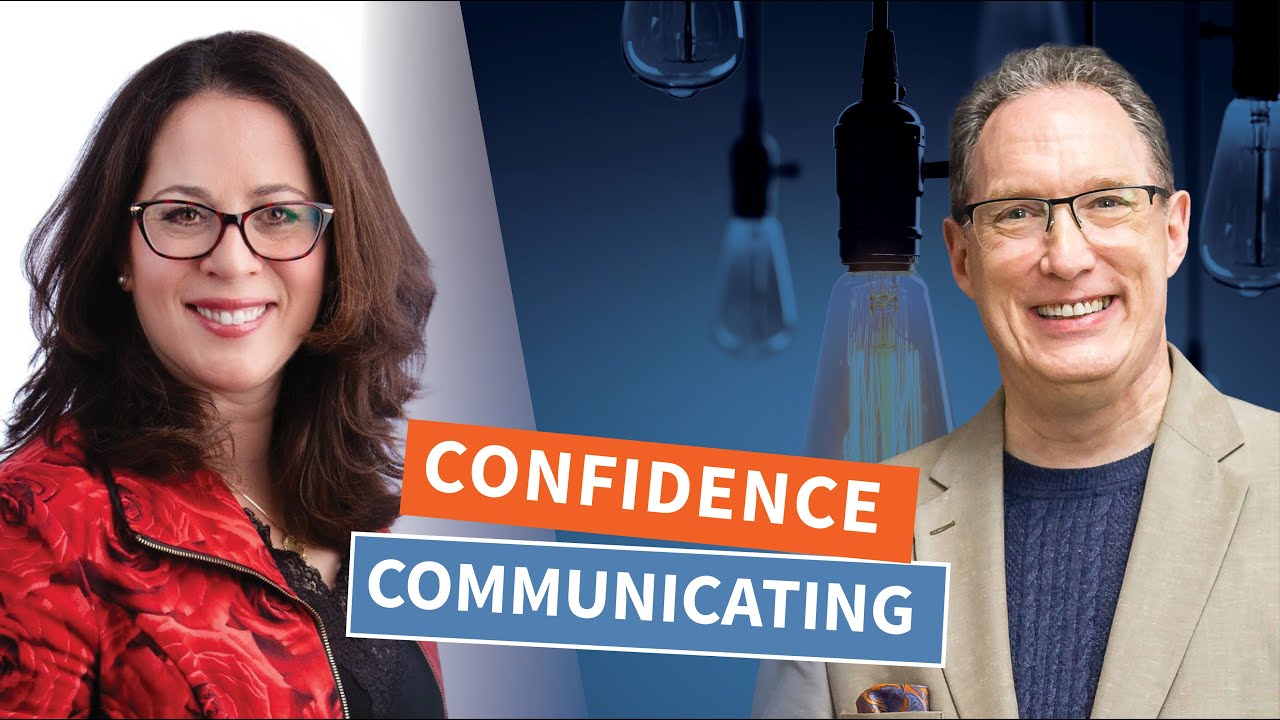
In this episode of Marc Haine Live, host Marc Haine interviews communication strategist and author Suzannah Baum about how leaders can communicate with confidence, trust, and impact. The conversation explores the distinction between presentation‑focused and everyday leadership communication, the importance of creating safe spaces for team members to speak up, and the relationship between confidence, capability, and stage fright. Suzannah shares practical frameworks for structuring presentations—educate, inspire, persuade—while debunking common myths such as over‑preparation, scripting, and the idea of "speaking from the heart" as an excuse to wing it. They discuss tools and assessments (DiSC, Toastmasters, coaching) that help leaders understand their own communication style and adapt to audience preferences. The episode also highlights pitfalls like fact‑only decks, revealing nervousness to an audience, and neglecting a clear call‑to‑action. Suzannah promotes her book From Nervous to Nailed It! and outlines a four‑step process for crafting compelling messages. Throughout, both hosts emphasize intentional practice, self‑assessment, and the ethical responsibility of leaders to share their expertise for the benefit of their teams and audiences.
Chapters
As a leader, an effective leader, your superpower is communication. It's how we absorb information and ideas from our team and our stakeholders. It's how we delegate. It's how we persuade. It's how we share our ideas. But what does it take to communicate effectively? What tools and structures do you need to be the type of leader you want to be? And that's what we're talking about today on Marc Haine Live. Welcome to today's episode. This is where small business owners and entrepreneurs pick up core skill sets to help them create the jaw-dropping, show-stopping experience that their customers and their employees deserve. I am your host, Service Expert and Master of Experiences Marc Haine. Thank you so much for joining me today. My guest for this episode is author, Communication Strategist Suzannah Baum. And today, we will be talking about how as business operators and leaders, you could be communicating with more confidence In a way that creates trust and connection. So, stay with us. Before we get into today's show, I just want to do a quick shout out and say thank you to all those people who have taken time to leave comments and reviews. I really do appreciate it. I know that when you tune in and think, wow, this is really great, it takes intentionality to come back and put your thoughts down. And I really do appreciate it when you do that.
So, Thank you.
I want to apologize to my team members over the last 30 years. Up until about 2015, you have had to endure painful, excruciating, and unnecessary torture at my hands as I led you through staff meetings. You know, those 3-hour diatribes of me on my soapbox reading my PowerPoint slides word for word must have been unbearable. So please, if you ever worked with me and had to sit through that, please accept my apology. I've long since learned that life is way too short for that kind of nonsense. And that brings me to our Question of the Day. So, what have you done to train yourself in the art of communication? What will you do in 2023 to make sure that you never become the torture master that I was? I'd love for you to be part of this conversation. Why don't you go ahead and share this episode on your favorite platform, hashtag it #ExperienceLeadership, and put your comments down. I'd love to know some of your stories. Maybe you have some insight into how you used to be compared to how you do today. Today's guest is passionate about working with business professionals who want to position themselves as leaders by communicating with more confidence, impact, and human connection. Suzannah Baum is a Presentation and Leadership Communication Strategist, a sought-after speaker, and an Executive Speech Coach. Coast. Coach. Coach. Suzannah based in Montreal, Quebec, my hometown. She is the author of the newly released book, From Nervous to Nailed It! Find Your Voice, Present with Impact, and Unleash Your Ultimate Speaking Potential. Suzannah, welcome to the show. It is so great to have you.
Thank you so much, Marc. It's really great to be here hanging out with you today.
Yeah, lovely. Before we get into today's topic, could you dive a little bit deeper into how you serve your clients?
Absolutely. So, I serve my clients in 2 different ways. One of them is presentation-related and one of them is communication-related. And now, sometimes we could say that's kind of the same thing. But there are subtle differences because many people don't give presentations at work. Some do. Some present at meetings. They present at conferences. They present at board meetings. And so, they need support in not just feeling more confident about it but also how do you put together a presentation with the right structure in a way that's engaging and relevant to the audience. And in a way that sort of takes them from one thought process to another, to what it is you need them to do next. Communications is a little bit different. Kind of, I liken it to more leadership communications because many individuals do not give these presentations. But they still have to speak up at meetings. They have to speak to their clients one-on-one. Whether you're speaking one-on-one, whether you're speaking to a small group, or in a conference, it changes how you need to approach the conversation. And ultimately, it's always a conversation whether it's to a group or to that one important person in front of you is how can you get your point across in the most relevant way and in a way that is most meaningful and valuable to them.
Yeah, it makes perfect sense. Why do you think that this topic is so important today in today's work environment?
In today's work environment, everybody, whether you are speaking on Zoom, whether you are in person, everyone needs to just get their point across. And there's a lot of noise. Out there. There are a lot of individuals who maybe speak up who will take more space than you. And sometimes, they don't necessarily deserve it more than you do. Not to say that they don't. But I think I'm often influenced by an early example of what happened in my career, which I find a lot of people have experienced the same thing. These moments where you're sitting in a meeting You want to speak up. You want to say something. But you're sure that what you want to say just— if no one else is saying something, if no one else is addressing this issue, then, well, maybe I should just stay quiet. Maybe I just shouldn't say anything. Just leave it. I don't want to speak up and make a mistake, or look stupid, or be judged. But then, someone else speaks up exactly what it is that you wanted to say but you were too afraid to do it. And they get all the kudos and they get all the credit for it. So, it's really important for all of us to be mindful of how can we be prepared because sometimes, you have to prepare yourself in advance for these impromptu situations. And what do I need to do to make sure that I'm not sitting through a meeting and being silent the entire meeting? Because ultimately, you do have expertise to share. You do have opinions that are worth sharing with these groups. And And we hesitate. We hold ourselves back. So, how can we prepare ourselves to speak up in whatever situation it is? In that board meeting, in that business meeting, or in that presentation format, or with a client. We have to be ready to speak up. But not just speak up and take up space and be noisy. But speak up and speak with intention and speak in a way that is more engaging and relevant to the people you're speaking to.
You bring up a really interesting point with this idea of sitting because I've done the same thing. I've been sitting in a meeting and then it's like, oh, I have an idea. And it's like, oh, I should talk. And it's like, nah, I'm not gonna bother. Which brings me to this idea. As a leader, how do you create the safe space so people feel comfortable stepping into it?
That is such a great question, Marc. And I really, It's questions like that that makes me wish that people like you were in charge of more teams. It is a 50/50 thing. Certainly, it's up to the leadership to create a safe space. At the same time, we also have to take responsibility for ourselves and be confident enough in our expertise to want to share. Our message at the same time. Find your voice. Share your message. So, what can leaders do in order to create that space is to engage people in front of them, is to ask opinions knowing that not everyone is feeling comfortable. Not everyone is where you are, where you know that you have to take up some space, where you know that sometimes you have to prepare of what are you going to say or ask. Or how can you insert yourself into a conversation, right? Sometimes, that is part of the preparation practice is being ready in advance. I had one client recently. She's a VP of Operations. And she really struggled because she's very high up in the executive ranks. She was invited to every single meeting. Sometimes, she said, it doesn't even have to do with me. But because I'm in operations, they want me there. So, I have to come. And then she said, I get frustrated because I sit in these meetings. I don't necessarily understand everything that it's about because it could be technology. It could be a project that she's not quite involved in. But again, they want her there. And she said, sometimes I go into these meetings. I don't say anything. And then, the entire meeting I don't say anything and then, it's over. And she's like, I feel like they're expecting me to say something and I can't think of something fast enough. And so, we worked on this. And I said, well, you have to prepare yourself. What can you say at the beginning of a meeting? Somewhere in the middle, what kind of questions can you ask? How can you wrap it up at the end so that you keep inserting yourself? Again, not as someone taking up space and creating noise in a meeting. But ensuring that people see you so that the visibility that you need to maintain is always there. And whether you're an executive or whether you're not an executive, still worthwhile to be mindful that your visibility is an important thing. How you are seen in this group, the reputation you have, the credibility you have is very critical to your confidence and their confidence in you.
Yes, yeah. It was funny because when you talk about this component of confidence, I mean, I joined Toastmasters in 2012. And before then, I really— and I said it at the beginning, my staff meetings were horrendous. Like when I compared to what I used to do because I didn't know anything. And really reading off the PowerPoint was my way of being able to get my list done. And I could make sure I checked everything and made sure everybody heard what I needed to say. And I often hear people say that, oh, I chair meetings all the time so I'm okay. Or I give presentations at work all the time. I'm fine. Is there a difference between Confidence and capability?
Oh God, I love that question. But first of all, let me say I don't believe that you, Marc, ever gave a bad meeting. Sorry, I just don't believe it. I'm sure that the meetings you ran, even if you referred to your PowerPoints, I'm sure they were great.
I'm sure. You know, because part of it was this idea that I used to be an introvert. Like, I used to be hugely introverted. And so, for me to get up in front of a group of people was a real— it really took a ton of energy. It really took an intentionality behind it. And I hated every moment of it until, like I said, until I joined Toastmasters. But now, I talk to people and I say, oh, you can always work on your public speaking and stuff. And they're like, oh no, it's fine.
And it's like, it's not fine. Not fine. And I hear the same thing and it's rooted in confidence levels, right? So, some people will openly admit, I don't have confidence. So yes, Please help. Please help me be a better speaker. Others will say, oh well, I'm not nervous so I'm fine.
Right.
So, that whole thing about being confident and about falling down on that confidence level means then we're no longer open to learning and maybe getting better with what we do. I've seen this through Toastmasters when people have come through and Suzanne is Frozen at the moment. So hopefully, that'll undo itself and she'll come back and reconnect. But I've seen in Toastmasters where people thought, I'll come into a meeting but honestly, I don't need it. And then, when they start learning some skills about public speaking, they're blown away. And it's like, I didn't know any of this. And so, part of what as leaders that we need to be doing is we need to be looking at where are we at the moment and where do we need to be. Like, we don't know what we don't know. Right. And as long as we are harping on the, oh, I'm absolutely fine. I have my message. I'm just going to put it out there. Then, we stop growing. And when we stop growing is when we're going to be really handicapped in being able to move forward. I was just following up with this idea of capability and confidence when you froze there, Suzannah.
Yes, terribly sorry about that.
No worries. So, we have these people who are super confident, who don't think they need the training. And I just went through and talked a little bit about sometimes we don't know what we don't know. We need to put ourselves in positions where we can uncover it or ask it. But we also have the opposite of the overconfidence and that is the huge underconfidence to the people who are just like, oh my God, I would rather die than speak. Or I hate it when they ask me at the boardroom table. They ask me a question. I have to talk in front of the 12 people. How do people start overcoming some of those confidence issues?
So yeah, you're right that confidence, these confidence issues are sometimes blown out of proportion. And they become like the 1,000-pound gorilla in the room that people will hold themselves back and say, you know what? This is not for me. They will ask other people to present on their behalf. They will avoid it altogether. They will say no. They will shy away from it, which is a real shame because again, as I said before, everyone has an expertise to share. Everyone has very unique insights. And really, you wouldn't be where you are in whatever job you're in and invited to these meetings and in these leadership positions if you didn't have that value to share. And so, I think the first piece is how do we manage the mindset around confidence. Because again, this issue of confidence stops everybody. I don't feel confident enough and therefore, I can't. So, when people come to me with that issue and there are many who will just say, it's just confidence. And so actually, I have 2 stories about this. But they will say, I just need help with confidence. Our first step really is to shift the mindset a little, right? Like, how are we looking at what confidence is and why you need it for a presentation? Because you technically don't need it for a presentation. What you need is to ensure that your message is clear, that it's focused, it's engaging, and it's relevant and valuable for the audience. That's what you really need to do in a presentation. Audience doesn't care If you're nervous. They don't care if you're confident. They care about, well, why am I here? Like, what am I going to get out of you and what you're about to say to me? So, that's a big piece is when I work with people, I'll say, okay, granted. Let's acknowledge you're feeling nervous. Acknowledge. Let's put it on the back burner. And let's now talk about your message, your audience, your expertise. And sometimes, just getting out of that mindset and focusing on something else helps elevate them, helps get them out of their head and feeling like confidence is the one thing that they need to succeed. But because it's not. What you need to succeed is making sure that the message is the right message for the right audience at the right time. That's the success.
It really is about being of service though, isn't it? I mean, if you're going to be standing up in front of people, it's being of service to make sure that you're a good use of their time, that the message is on point, that you're able to communicate. I often get frustrated with people who say, I don't know what's wrong with people. They just don't understand.
Right.
And I think the adage goes that it's not about being understood. It's not about getting them to understand you. It's about you making yourself understood.
Yeah. Making yourself understood and finding a way. Where is the connection? How can you connect with this audience on a personal level, on an emotional level so that they can see why what you're saying is important? How can I as a speaker, how can you as a speaker speak in a way, sort of speak in a way that they need to hear? And so, when you were mentioning before, Marc, that you, in your apology to your team that was, I'm sure, unnecessary, that you would read off your PowerPoint you're really sorry because that's all you would do because it wasn't comfortable for you. Well, instead of looking at it from that point of view of what do I need to teach this audience? What do I need to share with them? And just loading them up with information and data and facts and figures. Well, instead, it's how can I share this information with the audience in a way that they need to hear? How can I educate them but at the same time inspire them in a way that they see the value? And then, how can I persuade them to take whatever next step? What do I want them to do, right? So really, as speakers, we have to— as speakers, presenters, communicators, we have to educate our audience. We have to inspire them and we have to persuade them. And again, the inspiration is not be a motivational speaker. It's just we have to reach them And connect with them so that they go, oh, I get why this is important. I get why I need to do this, or I should listen to this, or I should think about this more. And that's for us to do is to speak in their language and adapt what we want to say in a way that they need to hear it.
And to your point, this is not about standing necessarily standing up in front of a group of people. This could be one-on-one communication. This could be the stand-up meetings before a shift. any number of communication protocols.
Yes, absolutely. And you know what? I was going to tell you another quick story because this just happened a couple days ago to me. Still back to confidence that very often when someone reaches out to me, not all the time, but they will say that confidence is one of the issues. But a couple of times, it's happened to me that someone will reach out and say, confidence is the only issue. That everything about my presentations are fine. Sometimes, I feel good enough to do them. I know how to put together a presentation. I know the structure. I'm good with my slides. Just make me feel better. And so, sometimes when I have these conversations, I'm like, I'm digging a little and asking questions because if you're really struggling with confidence, there is something missing out of your process. Something needs to be done Differently, needs to be changed. And it was really just a couple of days ago and it's still fresh in my mind. This person who was really insistent. No, no, no. My presentations are amazing. I've been doing this for 20 years. Sometimes, I feel good about them. But other times, I completely just lose my mojo. I panic. So, just the confidence. We just need help with the confidence. Nothing else. And I'm like, but Okay, but my process includes confidence. But there's a lot of steps before we can— not a lot, but a few steps before we can really address the confidence. And those steps have to do with ensuring that the message is clear, that it's a strong structure, that you understand your audience, that you're delivering it in a way that you're not fidgeting. Like all these have to come before the confidence. And in the end, the person was like, you know what? It's not the right fit. And to that, I say it's a blessing when they know it's not the right fit because why would we work together if I can't give them what they needed? But in the end, I thought, well, maybe you just need a confidence coach because all they wanted was the confidence. And I'm trying to impress upon people that it's not just confidence. There's so many other aspects. But what can you do, right?
Yeah.
It all works together. It's not just, a magic pill that makes you feel better. And even if there was a magic pill, as you said before, Marc, it's not enough to feel better. Like, what is this message all about? Is it important to the audience? What's the value? So—
Well, you hinted on something. This idea of confidence. Like when I hear people say, I can do it but oh my God, I don't have the confidence because every time I get in front of people, I get nervous. The difference between confidence and stage fright. How would you describe the difference?
Well, you know what? Stage fright I think happens in the moment. Stage fright that can lead us to forgetting, like our mind going blank. But confidence is something that we continue to roll around in our head. We're afraid of stage fright happening but we can't necessarily predict. That it might happen, we could prepare in order to prevent it. So for example, earlier in my career, and I might say earlier in my career, but sometimes it still happens that I will put some backup plans in place because I'm always mindful of what happens if I forget. Because it's a very emotionally charged moment when you're giving presentations, not necessarily speaking up at meetings. But Because when I'm giving a keynote or giving a big presentation, I don't want to forget. There's often a flow. I've put a lot of preparation into the message. And I worry like, what happens if I forget? So, there are a few things that I might put in place. Bring my notes. Put it in a certain spot to jog my memory because I can't— I don't know when it's going to happen. I don't know if it's going to happen. But so, I put things in place that if it does, how can I get out of it? Quickly. And I think maybe that's why I don't, you know, knock knock, that I don't, that I haven't had that situation so often because of the backup pieces that I have to save me. But confidence is something that people will just roll around in their heads and go, well, I'm— and accept about themselves. I'm not confident and therefore, I shouldn't even put myself in a situation That might give me stage fright because that would be even worse. That would teach me and the world exactly why I shouldn't be doing this, right? It's that self-fulfilling prophecy of if I go ahead and do it and something goes wrong, well then, it just means that this is not— I'm just not supposed to do it. And that is unfortunate.
Yeah.
Unfortunate when that happens because even if we make a mistake and even if the worst happens and stage fright happens, There's still a learning from it. The learning of what can we do next time to ensure this doesn't happen. And hopefully, it should not be enough to stop someone from stepping up and speaking up and finding their voice and sharing their message and speaking up, taking up space.
Yep, I love it. I'd like to tap into some strategies that leaders can take to increase their capacity. And we'll get to that right after this.
When the spotlight shines on your business, are customers applauding or yawning? In other words, how is your business performing? Make your business a star with the new book Lights! Camera! Action!, Business Operational Excellence Through the Lens of Live Theater by Marc Haine. Marc uses his business and acting experience to help you see your business like a live show so you can create a performance your customers will never forget. Buy Lights! Get your copy of Fast Camera Action today at your favorite online retailer or directly at marchaine.com.
Welcome back! I am speaking with author and speaker Suzannah Baum. Suzannah, we've talked a lot about— there's been a lot of myths in and around what we've been talking about. Are there any other myths that you think need to be busted when it comes to presenting or communicating as a leader?
Well, okay. So, confidence being the biggest one right now. And I think we've stretched that out quite a bit. Some of the other myths here. Okay, here's one that bothers me a little bit is the concept of over-preparation and over-practice and over-rehearsal. And only because this is, I think it's a very personal It's a very personal thing how someone needs to prepare. Some people will script out an entire presentation. Some people will just outline it. Some people will go up and wing it, right? And that's another myth. So, let's go back to winging it in a minute. But for me, I find that there are no hard and fast rules. So, some people will say, no, no, you should never script it. And you should never memorize. And you should never— nobody else can tell you what you should never do. And I have gone through many, many keynotes where I just felt in the moment, no, you know what? I'm just gonna keep writing, scripting, not memorizing, but just practicing over and over again, listening to myself, changing it. Because I don't believe that you could be over-prepared. That is me. Other people will say, you'll sound robotic. You may get more nervous if you forget what you want to say because you've memorized it. I don't know. I think when in doubt, if you are a little bit nervous, and let's be honest, like we should. It's okay for us to be nervous getting in front of an important audience. And all audiences are important audiences. We need to deliver for them. So, we could be a little bit nervous whether we talk about it in terms of is it nervous? Is it excitement? Whatever. It's adrenaline. And so, we have to be mindful of that. And when we're in that position, it's when you step in front of that audience, the adrenaline does take over. And it's not always, for some people, not easy to remember every single piece. So, that's one thing that one myth is don't over-prepare. Don't over-rehearse. Don't write it down. Don't script it. We all have to figure out what works for us. But when nerves are at play, take your time and rehearse and practice. And don't worry about everyone who tells you not to do it because they're not you, right? So that's— and they're not going to be the ones standing in front of that audience working it out, right? So that's one piece. Another myth. So the myth of— okay, I don't want this to sound the wrong way. It's the myth of speaking from the heart. So, I'm a big fan Of being real and authentic and genuine and speaking from the heart. However, I find that some people use the term speaking from the heart as another way of saying, well, I'm just gonna wing it. I'm gonna get up there and I'm just gonna say what's in my heart in that moment. And I think that that is just a recipe for disaster. But some people are good at it. Like, don't get me wrong. Some people are good at it. But for others who may get nervous, and again, as I said, it's normal to get nervous. We don't want to leave our heart to be the deciding factor of what we say when we're in front of an audience. It's a very important moment when you're in front of that audience. You're now in charge of everybody's attention. You are responsible for their attention. You're responsible for delivering a good experience to them. So, we have to take that really seriously as speakers. And prepare in advance what it is we want to say. What is the message that we want to leave them with? So, I'm not saying don't speak from the heart. But I think your heart can speak just as easily in advance well before you get up in front of that audience when you have time to think about it. You have time to decide what it is you want that audience to walk away with. And then, prepare yourself. Prepare what it is you want to say. And then, get in front of that audience and speak from the heart. But winging it, speaking from the heart, some people use it as an excuse to wing it. And winging it is never, again, my opinion, never a good idea because it puts you at risk. And it puts your audience at risk for having a bad experience listening to you. And if you don't deliver a good experience, they will remember. And they may not trust you as much the next time. So, and we can bring this. I know I'm talking about it in terms of big presentations. But even in running meetings, if you're not prepared, if you come in and you're not prepared, you think off the cuff, the people in the room will get it. And it's annoying. When you feel like you're coming in and you're part of their show, the leadership show. But that there's no reason for them to be in that meeting. So, there's a big trust factor when you're the speaker, a trust factor when you're leading a meeting that I'm going to make sure that this meeting is relevant. It's focused. We get what we need and then we're done, right? Don't take any more time because we need to be so mindful of the people in the room. And so, and I think that speaking from the heart sometimes risks and winging it certainly risks that because winging it becomes all about the presenter and all about the meeting leader and does not take into consideration the people you're speaking to.
And to your point, anytime that you have to do a one-on-one coaching or you have to do a disciplinary, not being prepared can be really the kiss of death as far as your integrity is concerned. If you can't answer really difficult conversations. I mean, I remember driving. I knew I had to have a really tough conversation with an employee one day. I have a 25-minute commute. And I remember getting in my car thinking to myself, how I deal with this one person is going to define the kind of leader I want to be. And so, I made absolutely sure I had all the facts. I had all the documentation. I had everything I needed. that when I sat down with that particular person, I was able to answer the questions effectively. That we were clear. That we understood where we were going. If somebody's winging it and they go, well, you know, that's just our policy. Well, that's— I mean, you just flush your integrity down the toilet.
Yeah, the integrity and the trust, right? And I mean, this is the truth. And they won't forget that you wasted their time. And you won't forget that you didn't respect their time enough to prepare something relevant. And so, that's a big trust issue that will carry you forward and affect your credibility going forward.
Is there any way that a person, a leader, or a person who is needing to enhance their communication, is there any way for them to be able to do like some sort of a self-check on to find out where their capabilities really are?
You mean like outside of Just feedback from colleagues.
I mean, that might be one way. But how do they evaluate their own skill?
Well, I'm a big fan of hiring a coach. I don't know. What do you think, Marc?
Yeah, I think it might be an important thing. Little coaches. Maybe a coach whose last name rhymes with Ron.
But you know what? A coach obviously is not the only way. I mean, I think a great first step is someone being mindful and opening themselves up to going, well, how can I be better? That's where it all starts because some, as we talked about before, some will just dismiss themselves and their skills saying, well, that's not for me, or I'm not good enough. But the best clients that I've had are those who have come to me and said, yeah, confidence may be a bit of an issue. But I'm pretty good. But I know I can be better. And I'm just not sure what to do to get there. So, they come with fully open, like a fully open mindset, ready to work, ready to explore, ready to go deep, and ready to hear feedback. I was going to say criticism. But it's not always criticism. Everyone has their own— Sure. Unique style. But how can you take that style and really feel comfortable in it? Find your place as a speaker. I remember one client I had and she was just fantastic. She was so mindful of how other younger up-and-comers in the business looked at her. She knew that she was an inspiration to them. And she was like, I need to be better for them because I want to be worthy of this, of how they look up to me. But she was also ready to do the work. She was ready to do, how can I uplevel? How can I be even bigger and better but still myself?
Sure.
And so, that's an important first step for anything is will it be a coach? Yes, sometimes a coach is. I mean, how could working with someone who is dedicated to helping you uplevel your skills. How could that be bad, right? But it doesn't have to be a coach. You mentioned Toastmasters. That's, you know, some people start there as, how can I feel more confident? Well, try that. Try Toastmasters. Take a course. Do some reading. But it's a commitment to being real with yourself and a commitment to really starting to explore How can I just be better? How can I be more of myself but still that authentic person? Because that's what we want to make sure of also is that you're the authentic you in front of that room. Your personality. Let your personality shine. Your communication style shine. And so, I think that's an important piece. The other piece, which is something else that I work with is understanding your own communication style, what you're really good at. And I mean, there's a lot of different personality type and communication assessments out there from DiSC and Myers-Briggs and Color Code and so on. But they really speak to— I mean, and I work personally within DiSC as a certified DiSC trainer. I'm certified in the DiSC methodology is what I'll say because I take these learnings from communication styles. What are the different communication styles of your audience and how can you adapt them to ensure that you're saying something in a way that resonates with all types of people who have all types of priorities. But this is also important to understand about yourself. What is your own core communication style? What are you really good at and what are you not so good at so that we can work there? Work on what we're not good at and elevate that so that you can be more successful. successful in all the communications, the presentations, the meetings, the one-on-ones, like so that you can connect better with whoever it is that you're speaking to.
Love it! People would be watching this or listening to this and thinking, I do need help. How can people get in contact with you, Suzannah, if they want to explore working with you?
Well, they can reach out on my website. So, suzannahbaum.com. I'm plastered all over social media, of course. LinkedIn and Facebook and Instagram and Twitter. You can also go to my book. This book right here. It's also right here. From Nervous to Nailed It! And it has its own website, right? fromnervoustonailedit.com. So, you can go there and then my information is there as well. Happy to reach out and happy to have conversations with anyone who is looking to understand or even just talk about what What options are out there if I wanted to uplevel my style? So usually, with anyone who calls me, my first priority is to understand more about them. What do you do? Where are you at right now? And what's going on in your life that makes you want to reach out to a coach? Because there's usually some situation that happened or something coming up or something that you've just been messing around with in your mind for a while. Like what's going on. And we discuss to see. I tell them a little bit about the process and we decide if there's a fit. And if there's not, that's fine. I mean, it can't fit with everybody. But there are always ways to step by step by step just improving, becoming more mindful of what can be improved. And Marc, it's not like we can go from I'm never doing any presentations and I don't feel confident to next week, you know, here's a bunch of tips. Here's this magic pill. Next week, you'll be on this giant stage in front of 3,000 people. It is really building the skills step by step. What is most important now to get us to the next stage, to get us to the next stage, and a constant evolution. And that's, I think, what everyone needs to be mindful of too is It doesn't happen overnight. But just be mindful of maybe now is the time for me to just have a conversation with someone and see what are the options. Where can I— how can I get better? And that's the start of something amazing. Just when you start thinking in that way, even before you speak to a coach, before you join Toastmasters, before you take courses and read 20 books, That's where it all begins is you asking yourself the question, how can I be better?
Yeah. And to your point, when we learn to skateboard, you can't get onto a skateboard for the first time and expect to be able to do half pipes. Like any skill, speaking, presentation skills, communication skills take practice and intentionality to your point. Why don't you tell us a little bit about your book? What can people expect if they jump on and go to your website and purchase your book?
Absolutely. So, the book is a labor of love. For the first time, I just want to say that. Labor of love. Many years in production simply because sometimes I would write something and then, oh no, here's a way to say it better. Here's even more that I want to add in. So, the book really takes you through an entire process of where do we go from from whether you feel the confidence or not. Because again, it's not only targeted to people who feel like they need more confidence. It's really targeted, yes, that is one type of person who might want to look at the book is, yes, a confidence issue. How can I feel better about public speaking? Also targeted towards those people who give presentations often. But they don't necessarily get the results that they want. So, they don't necessarily feel so nervous. It's part of their job. It's part of their life. They could be on autopilot. But they're mindful that the results, the end results, they're not always getting what they want. And as I mentioned before, the more seasoned speaker, the more that people look up to who know that they're good but they want to be even better. They want to engage their audience even more. So, it really targets these 3 segments of individuals, which I think is a lot of us when it comes to presentations, communications, leading meetings. It really encompasses a lot of what we're dealing with. So, I do take us through confidence issues. How do we feel more confident? How can we address the steps of building a really strong presentation? How do we get mindful of what the essential message needs to be? Understanding the type of message our audience needs to hear. A big piece of it is all about the structure of a presentation because once you get clear on your message, well now, how do you put it into a framework, a very clear, focused, engaging structure so that when you are presenting it, you can present that it has the impact that you wanted to? It is very compelling to the audience. But I also talk about what do we do on the day of the presentation? How do we prevent stage fright. What kind of preparations do we need to put in advance? I talk about clothes to wear, good clothes, bad clothes, whatever. But underlying everything is the concept of everyone has a responsibility to share their expertise. And we may try to convince ourselves that, oh no, it's What do I have to teach and what do I have to share? Everybody has a unique life experience. Everyone has stories to share, a message to share, something to teach, something, you know, an expertise to pass on. And it's all of our responsibilities to understand how to do that. And not just how to do that but to be ready to step up and have enough confidence in a moment to say, I'm going to go ahead and do this. I'm going to share it with the people in front of us. Because when we don't, share the message. It's terrible for us because we're holding it inside.
Yeah.
It's also terrible for the audience and those people who never get to hear what you have to say. So, underlying the entire book and all the how-tos and the tips and the case studies and the funny stories and all that is always in every piece of it is just to remind you and remind the reader that That we need to do this. We need to get out there and share. We need to step up. We need to speak out. We need to find our voice, take up some space, and speak.
Lovely, lovely. I'd love to get into— we've talked a lot about what people should be doing. I'd like to get into some cautionaries, some don'ts that the audience can take back and be sure that they don't— some of the things they should be really aware of as they jump onto this new journey. And we'll get to that right after this.
When you're delivering an important speech to a huge audience, it's easy to lose your place or go way over time. Give yourself an advantage with the Pro Speaker Presentation Speech Timer app. No more checking your watch or calling for time. The Pro Speaker Presentation Speech Timer app keeps you on track with easy-to-see timers, even changing color for visual prompts during your speech. And you can set audio cues to Or set it to vibrate so you don't even have to look. Be the pro you know you are. Download the app at speakerpresentationtimer.com.
As you can tell, Suzannah and I are passionate about helping entrepreneurs and business managers just like you. So, if you belong to an industry association or an organization that is planning a conference or a leadership retreat and you feel that we could be of service, feel free to drop us a line or do a connection request. Our details are in the show notes. So many different things when people jump on the bandwagon. They want to— they realize they have a weakness. They want to get better. What kind of suggestions would you make of some things to be aware of that might be bad practice if they were to take it on?
Okay. One practice that I see often and I think we have all been in this kind of presentation is facts only. Facts, statistics, information. An information-heavy presentation that is built with one particular audience in mind. But even that particular audience can still get bored, right? So, let me give you an example here. Once, I worked with a group of financial professionals. And even in this training, we were about 15 people in the training. And there was a point where all I had to do was step back and let them discuss the big issue, which was, do we just keep putting charts and numbers and details on all of our presentations? Or can we leave that behind and just give that one necessary piece of information, that One number. And you know what? And it's also again very subjective because some people want details and facts and information. And some people get turned off right away. And so, when I was talking to you before about communication styles, we have to be mindful that these 2 types of people will be in our audience. Those who want the facts and the information and those who want the stories. And the case studies and not too much detail. We need to integrate and be mindful of this. Integrate everything into our presentation so that you're saying the same thing a few different ways. So that if you have to put up a chart with tons of numbers and facts and figures, that speaks to one element of the audience. But then, you say it also and explain it differently as well to a different segment of the audience who wants to hear the message in a different way. So, that's one thing is just being mindful of what kind of information goes into your presentation. Sometimes, you may have no choice but to put a lot of details and facts in. But you've got to be mindful that it's going to turn some people off. And for those who may get turned off, how are you going to bring them back, right? So, that's one thing to be really mindful of. I think another piece is, again, I hate to harp on the confidence issue because for many of us, confidence isn't necessarily the issue. But I just have to bring this up is that some people have said that they really— I had a client once who really wanted. She insisted on starting her presentation by telling the audience, listen, I'm really nervous. Bear with me. My first time doing this. Okay, when we start a presentation, we just need to engage our audience. And so, I think knowing that, I think whatever, however you want to start a presentation, that's what we need to be mindful of. And so again, when we say, okay, bear with me. I'm nervous. I'm this. I think that. Now, you've made it all about you again, right? Audience doesn't really care. They care about the message. So, what are we going to leave them with?
Yeah.
So, that's a second thing. This is you don't have to tell an audience that you're nervous. It ruins the introduction. It ruins a perception that maybe you're an experienced speaker because no experienced speaker would say that, right? It makes you look like an amateur. And the reason why my client wanted to do it was because she thought it elicited empathy. Again, subjective. Maybe some people, in her case, She had seen someone do that before and she loved it. She thought, now it makes us all warm and fuzzy and understanding. Fine. Again, depends on what kind of audience you're in front of. I don't think you'd ever really want to do that in front of a business audience.
It's almost like you want to set the bar so low that anything you do will be a bonus.
Exactly, exactly. And I think the third thing, and maybe there's going to be a fourth as I come up with it. But with any presentation, we need to be mindful that there's 3 elements that have to be in every presentation. You need to be mindful of educating the audience, right? What do you want them to learn? And so, this is actually the easy part. This is the facts and the information and the statistics and so on. What do we want to educate them of? But secondly, how do we want to inspire our audience, right? What do we want them to feel as a result of what we're saying? So, Again, as I mentioned before, it's not about motivating or being a motivational speaker. But we want them to feel that they understand the value. They understand the benefit. That they feel like you understand them and their issue. And that you're all on the same page. There has to be some kind of an emotional connection there. And third, we need to be mindful of what we want. What do we want the audience? What do we want to persuade them to do? Because many presentations end with Here's the information. Okay, that's it. But what we want to be mindful of also is the audience is waiting for the next step. So, we need to educate the audience so that they learn something. We need to inspire them so they feel something. And we need to persuade them so that they do something. And not having this persuasive piece or this call to action at the end kind of can leave the presentation flat. And then, any of the work that you have done, again, whether it's a presentation or whether it's a business meeting that you're leading, some people just need direction. What's next? What do we do next? And as the leader or as the speaker, it's up to you to share what you believe. This is what needs to happen next so people can leave this meeting or leave this presentation going, Okay, I know what I need to do. And this is a piece that people don't always feel comfortable doing because it's a call to action. Here's what I think needs to happen next. Some people don't always feel comfortable sort of digging a stake in the sand. But this is what the audience needs to hear in order for it to be a complete presentation. It needs to educate them, inspire them, and persuade them all the time.
Love it! Do you have any last thoughts about what we've been talking about today?
Oh, any last— I have so many thoughts, Marc. Don't ask that. But you know what? In the end, it all comes down to this is that everyone has their own, a very unique speaking style. We all have different motivations for speaking, different needs. Sometimes, we have to push ourselves like drag ourselves kicking and screaming to speak up at meetings. We have to drag ourselves kicking and screaming to stand up in front of a group. It doesn't have to be that hard as long as we know what to focus on and how to shift our focus away from ourselves and into our expertise, what we need to share, the message we want to share, and our audience. Equally important. And take ourselves out of the equation, right? How can we be better as speakers, as communicators, as leaders, as co-workers, as colleagues? How can we be more trustworthy? How can we instill— how can we ensure that we are speaking in a way that the audience needs to hear? And doing that, stepping back and doing that will often give us the confidence that is lacking. The confidence is not always a result of practicing more and preparing more. It's ensuring that we build the right message for the right audience, that we are sharing our expertise in the most meaningful way, and that we are always mindful of the audience's needs. And so, with that, I think it's really important for all of us to share this message. And when we feel stuck, there is support out there For you. And I'm not just saying, you know, you or I as a coach, or books. There is support out there. But the first step really is being ready to examine and go a little bit deeper and saying, well, where— I know what I might be good at. But how can I get even better? And opening yourself up to what that process can mean for you. Because that again is the start to everything good. It's for you to take a step back and go, I'm ready to explore what I need to do. To be better, to understand where I'm lacking and how to fix it.
Love it! Suzannah, thank you so much for sharing your passion, your expertise with us today. Could you just remind everybody one more time how they can get a hold of you?
Absolutely. So, head over to my website at suzannahbaum.com. That's suzannahbaum.com. You'll see I'm all over social media. Check out my YouTube. I have got a ton of videos on my my YouTube channel. Just 2 to 3-minute little blurbs that I have been told when people are preparing for a presentation, they're like, oh, let me go there and get a little bit more support with some tips. I also have— I take people through a process, really a process. It's a 4-step process to determining, understanding more clearly what is our essential message, like what you really need the audience to get out of your presentation. How can we understand what the audience needs to hear? How do we structure it? And structure it with a very specific process, a very specific step-by-step structure that I use. And then, going out and delivering it with confidence and as the best person that you can be. So, please feel free to reach out to me on social media, my website, my book site. Really would be a pleasure to connect.
Love it! Thank you again.
Thank you, Marc. Thank you for this.
Why don't you let me know if this was of value to you? As always, my offer stands. If you would like 30 minutes of my time to brainstorm your business with you and your team, feel free to book yourself on my online calendar. The link is in the show notes. It's the one that's marked Meet with MarcHaine.com. It would be my absolute honor for me to be of service to you. And while you're at it, why don't you go ahead and leave a comment or a review about this episode? And of course, hit the subscribe button. If you ring the bell, you'll get notification anytime I release a brand new episode. It has been so marvelous having you along for the ride today. My name is Marc Haine. I hope that you stay safe, stay healthy, and I hope that you dare to be the exception.









