Lease No More: Proven Strategies for Business Owners to Own Their Premises
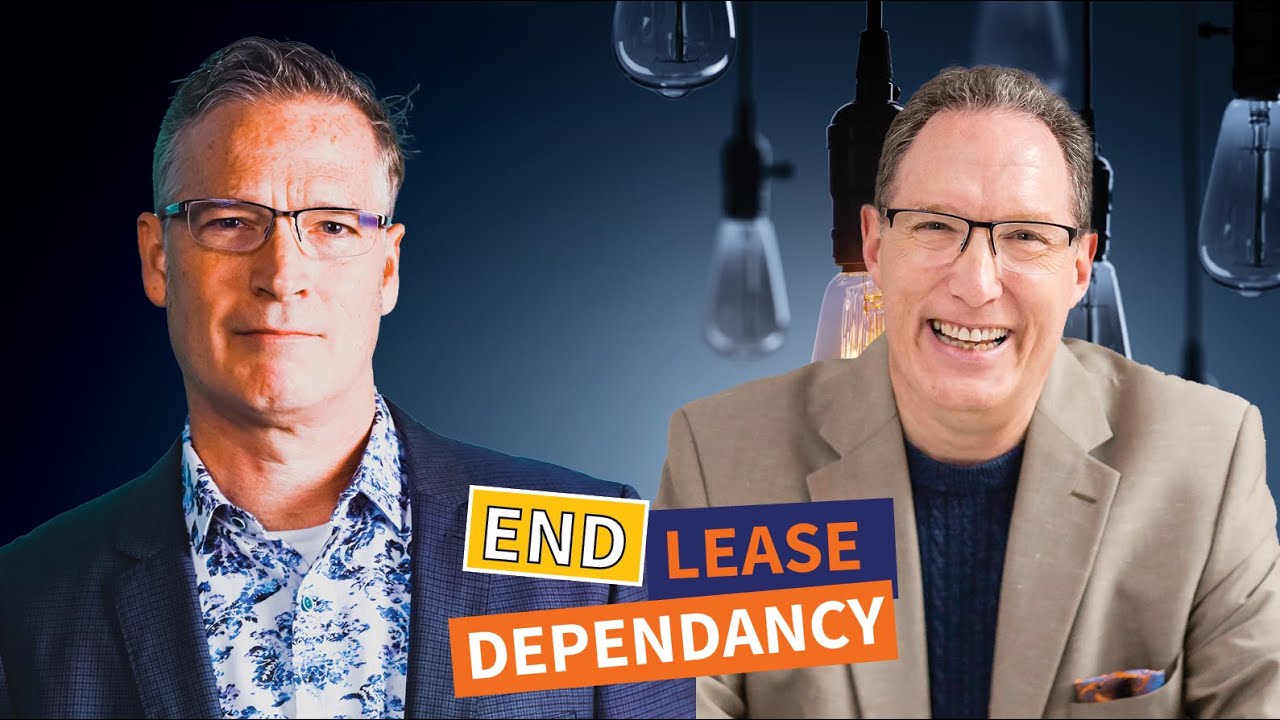
Paul Neal, owner of Vantage Point Commercial Capital, argues that business owners should buy their commercial space instead of leasing. Owner-occupied loans can require as little as 0-10% down with 25-year terms, and real examples show how ownership captures cash flow and improves exit value compared to leasing's rent hikes and lost equity.
Chapters
There is a critical issue that haunts the balance sheets and future plans of countless businesses across the globe. It's a problem so pervasive yet so accepted as just the way things are that many people don't even question it. What is it?
Paying rent.
And that's what we're talking about today On Marc Haine Live. Welcome to this episode! This is where small business owners and entrepreneurs develop new skills to help them create the jaw-dropping, show-stopping experience that their customers and their employees deserve. I am your host, Customer and Employee Experience Strategist Marc Haine. Thank you so much for joining me today. My guest for this episode is the owner of Vantage Point Capital, Paul Neal. And today, we will be putting on a spotlight on the true impact of leasing your property and the impact that it has on your business. And we're going to talk about some strategies you can use to turn the tide on the massive outflow of cash that you make each and every month. So, Stick with us. My one ask is that if you know somebody who could use this episode, please go ahead and share this information. Share the episode. Share a link to this episode. Knowledge is power. But my goodness, it's only powerful if we share it. Every month, a substantial chunk of your hard-earned business revenue vanishes before your very eyes. It's not going into new investments. It's not being saved for a rainy day and is definitely not funding your next big project. Instead, it's lining the pockets of your landlord, leaving you with little more than a thank you note in the form of a rent receipt and an expense line on your financials. So that brings us to our Question of the Day. So, have you ever stopped to calculate how much of your business potential is being compromised by the seamlessly ending cycle of lease payments? I know that we think of it as a normal part of doing business. But is it really? I'd love for you to be part of this conversation. Why don't you go ahead, share this episode on your favorite social media platform. Put down your comments about what you learned today and what your thoughts are. And make sure that you hashtag it #ExperienceLeadership. I'd love for you to be part of this conversation. My guest today is the owner of Vantage Point Commercial Capital and the host of the Brick and Mortar Money Show, Paul Neal. Paul is a financial strategist and author dedicated to transforming the way entrepreneurs view commercial properties. His book is called Unlease Your Business: Unlock Wealth, Autonomy, and Control by Buying Your Building and Firing Your Landlord. It offers a new perspective on achieving autonomy and wealth. Paul, welcome to the show! It's so great to have you.
Hey Marc! It's great to be here. Thanks for having me on today.
Yeah, lovely! Before we get too deep into today's topic, could you tell us a little bit about how you serve your clients?
Yeah, most of my clients are business owners, entrepreneurs, uh, and, and high-performing professionals that have local businesses, essentially, uh, where they serve, uh, local customers, or they have a need for employees or staff or something to come to a physical location. So most of my clients are not, you know, internet, um, gazillionaires that, you know, that have no physical presence anywhere, right? Um, they're serving the community in, in different ways. again, at the employee level, the customer, the client level. And as you so eloquently put it in the beginning of the introduction about, you know, buying your space, these professionals are leasing business space. And, and most of them have been for some time. And we show them a path forward on how they can plug some of the holes in the, in the drains in their bucket of that lease money coming out every month.
So I'm looking forward to digging into this. Today, because of course, this is the topic of what we're talking about today, is maybe a different way of being able to look at our businesses. How does the traditional lease model really fail to serve the long-term interests of business operators today?
Yeah, I mean, from what we've seen, and again, I want to sort of classify this, and this is really for businesses that are established and they're stable and they're growing. Generally not brand new startup businesses obviously need to focus on getting to the point where they're profitable. But for those that are stable, and the vast majority of them are, and they're growing, the lease, it doesn't serve them primarily in a number of ways. And it really kind of came to my attention through working with some of my clients early in, in the, the real estate finance world, where I would see and work with a lot of professionals and business owners that were generating a lot of cash. But as they were getting on in years, many of them had service-based businesses. And yeah, they had great incomes, But a lot of them didn't have strong retirement plans. A lot of them didn't have a strong asset base. And then they would look to sell their business, and there wasn't much there in the business when they decided to check out, mostly just what we call goodwill, a customer base and whatnot. And so there was a glaring loss of opportunity that most of these entrepreneurs were losing. And the silly thing is it's one of these things, it's like you're walking on it every day. It's like, It's right there beneath your feet and most aren't thinking about it.
Yeah, it's so interesting. I talked to one gentleman as a guest on the show a couple of years ago where he had a flooring shop. And his first location, he actually felt like he just got absolutely raped by the landlord to the point where he decided, that's it. I can't survive in this space anymore. And he went out and leased a second, another location. But then, he was so fearful of getting hoodwinked again that he actually went out to them and went to the banks. And he actually purchased the business outright. And he really attributes that to the ability to successfully run that business for the last 25 years because he made that one decision.
Yeah, it's huge. It's huge. And there's a lot of hidden cost of leasing as well. You're talking about, you know, being, being sort of taken advantage of by the, by the landlord. You know, you sign a lease as a business for generally 3 years or 5 years or maybe more, and, you know, and, and as long as it suits the, the landlord's needs and purposes, that they'd be happy to renew when that time comes up, right? After you've spent your time focused on building your business and maybe a local clientele that that's used to coming to that location. But if it doesn't suit their needs, then they may not renew or they may raise the rent significantly. And, you know, we all know it's difficult to move. It's difficult to— I mean, heck, it's difficult to move your business bank accounts, for crying out loud, right? When you have all these transactions coming in and then talking about moving your business itself, it's harder as your business gets, you know, gets larger. And So yeah, you lose all kinds of control. You lose some leverage opportunities and just a host of things. We had a client that owned a couple pizza shops. He was an immigrant, been here for 8 or 9 years. He said he's got 2 pizza shops. One of them in particular, he rented both his spaces and one of them in particular, he had like, I think he invested around $80,000 in getting the kitchen built out. Now mind you, it wasn't his building. He was doing leasehold improvements on somebody else's property, right?
Yeah. Yep.
And his proper— and so he could have his processes, his kitchen, and everything where it needs to be. So a few years into it, the landlord showed up one day and said, hey, I'm selling the building. So, you know, what do you do with a local pizza shop, right? It's not like, you know, you can just move next door conveniently and everyone follows. There's a lot involved in that, right?
Yeah.
So fortunately, we were able to help him negotiate with the landlord to actually buy the building. So they gave him the opportunity to turn to do that and he was able to buy it. And it was a very defensive situation. But sometimes that, that isn't going to be the case, right? It's going to be like, hey, we're going to sell this and they're going to put something else here. And, you know, good luck. It's been a nice relationship.
Well, you know, and isn't it funny because the, the power that the landowner has in selling a building with an established business is that there's an established business.
Right.
And so when they sell it and if somebody comes in wanting that space, Regardless of their established business, you have no recourse. You're going to be given your 3 months' notice or whatever, and you're done. Yeah.
Yeah. No, absolutely. Absolutely. But on the flip side, what we see a lot of too, it's not just the sort of defensive or sort of the negatives of paying rent. It's the opportunity cost that as a business owner, you lose by paying all that rent.
Right.
So, I mean, you think about it in terms of what most people are familiar with. You think about your own personal home. Most people don't rent, you know, their personal home after maybe, you know, the first few years. Maybe they're getting started in life, getting married or whatever. Okay, they're going to rent, maybe move around a little bit. But once you get established, one of the major goals for people is to buy the home, right? And why do you want to buy your home? Well, you want to— well, A, you want to make your wife happy if you're married like me. But beyond that, You have control over the premises. You can build it out to however you like without having to ask permission. And so you can sort of gin up the best customer and employee experience. Every payment that you make on that property is contributing to the increase in equity. There's some tax advantages for buying your own property versus renting someone else's. And of course, The— as you build equity in your home, it gives you the opportunity at some point to potentially move up to a larger home when your family gets larger. You have— you may have struggled for your initial down payment, but now you've got this equity in your house because it's appreciated over time and you've paid down some of the principal mortgage over time. And so you can use that money to, um, to, to— as a down payment for the next house, or you could use that equity in your house for other things like maybe starting a business or potentially sending a child to college. You know, there's things you can leverage. And at the end of the day, when you look back over, you know, 20, 30 years of paying on that house, you hopefully have a paid-for home where you've continued to scale up and you have a substantial amount of equity that had you rented, you look back and, hey, the same 20 or 30 years is going to pass. And on one hand, you have this asset that's worth something. On the other hand, you have— you had a good time. It's just a memory, right? It's like, okay, it was been there, done that. And a great example is one of my clients, Kathy. She's a friend. She's an OB-GYN. And her husband, Jim, he's a little crazy. He was a Navy SEAL. And so, he's very, you know, on things. And so, he was on her to like, hey, you need to buy your building. So, About 12, 13 years ago, they bought their building. And she since has paid it off, the practice. She was going to pay rent to somebody. She's paid off the building. But a funny thing happened, Marc. So about a year ago, maybe a year and a half now, one of these larger medical groups who sort of buys up the small practices, you know, as they build, you know, their larger enterprises, approached her to buy her practice. She's thinking, hey, I want to retire in a few years anyway. So she inked a very nice deal, sold her the practice. They allowed her to continue to stay on as a physician for, you know, as long as she wants, and which is not that long, but long enough. So she got a payout for selling the business. She gets to continue to work on basically on her terms in the business. And oh, by the way, since it's a local business and the patients are used to coming to that building, the new owner said, well, why don't we just rent the building from you? So now she's got this amazing, you know, retirement cash flow, a nice 5-figure monthly payment coming in every single month.
Wow.
whether she ever does another mammogram or not in her life. And, and, or she could sell the building if she choose to, you know, if she wanted a lump sum for some reason, maybe she wanted to move to, you know, Puerto Rico or whatnot. But, um, so she has options, and those 12 years would have passed either way.
Yeah. And, you know, what's interesting is there's a benefit to the big corporation renting because they're picking up practices without really understanding necessarily how successful the practice is going to be over the long term. And so, for them, it's a way to de-risk the investment of picking up the practice that they don't know if they're going to keep that going for any length of time. So, why not just rent the building? They have the fortitude and the financials to be able to support that.
That's right. That's right. And then, she's in the catbird seat a few years down the road assuming it works out the way everyone hopes. The likelihood of them wanting to move the practice at that point is probably pretty low. And so, So she's sort of the one, you know, the tail wagging the dog on how much she can actually get for the building.
Yeah.
And so, so it's a lot of—
it's got the— it's got an existing successful business in it. At some point when she does want to sell it, she gives them first right of refusal and she can pretty much name her price.
Well, that's another— that's another point, too. And we see this with a lot of like service-based businesses like your HVAC company. And, you know, we have a— right now we've got a guy who owns a— it's a high-end remodeling company. And he's building a warehouse, 12,000 square feet, and he's only going to use about 7,000 of it, and he's going to rent the other part out. But, um, but what you see is with a lot of these service-based businesses, you know, a lot of times the owner-operators get to the point where they want to sell the business.
Mm-hmm.
And to the point you just made, the, the business is more valuable with the real estate, and you, you actually can attract more of a buyer pool for a business that has real estate because from a financial standpoint, it's easier to finance a business with real estate than just a business with no real estate.
I was just going to ask you about that because you mentioned the pizzeria. It is incredibly difficult to get financing for a restaurant because the risk is so high to the financial institutions.
Right.
Would you say that the risk is mitigated if you are buying a building And putting in a restaurant.
Yes, yes, because you do have a tangible asset there that could be converted to cash, could be sold if, you know, should the, the business falter. Um, but the, but the other thing is that, um, not only do you have a tangible asset, generally we can finance an acquisition with real estate and go out to 25 years on the term versus on a just a straight-up business acquisition, generally it's about 10.
Wow.
So you think about, you know, how much, how much payment savings monthly and monthly cash flow by just stretching that loan term out an extra 15 years is really beneficial to the new business owner because the debt service isn't as high. And so it makes the numbers work better. And so therefore, the finance guys, the banks, the investors, they like that. And then the owner, the new owner of the business likes it because again, the nut, the monthly nut's not so high, right?
Right.
So you don't have a 10-year term on the business you're buying, plus now a lease payment that you're paying someone else. And so it opens the pool of available buyers that can come in and buy the business because Because of that, the cash flow. And so, there's a number of reasons why it's an advantage to have real estate tied with it.
I love it.
First, from a sales standpoint.
I'd love to talk about some misconceptions and some myths business owners have about leasing versus owning. And we'll get to that right after this.
When the spotlight shines on your business, are customers applauding or yawning? In other words, how is your business performing? Make your business a star with a new book, Lights! Camera! Action!, business operational excellence through the lens of live theater by Marc Haine. Marc uses his business and acting experience to help you see your business like a live show so you can create a performance your customers will never forget. Buy Lights! Camera! Action! today at your favorite online retailer or directly at marchaine.com.
You know, just in our short time together, you've given me so many things to think about. One thing I do want to talk about is kind of the business condo deals. I had a friend of mine who entered into that. I'd like to talk a little bit about that a little bit later. But in the meantime, I do know that when I do talk to small businesses, there's all sorts of kind of hand waving and people just don't know enough. Are there any misconceptions that business owners have about owning their commercial space versus leasing that you constantly hear about that need to be The myth needs to be busted.
Yeah, I mean, I think the single biggest myth out there, and it's— there's some truth to it, but most people's conception of when they go to buy a commercial business is that a building is that they need 20 to 25% down payment. So it's a very large down payment, and that can be confiscatory and prohibitory for a lot of people, particularly when you think a commercial building could be $1 million, $1.5 million, $2 million, $3 million, whatever. So, it adds up quickly. And it's not that maybe you as the business don't have that cash available. You might want that cash for or need it for working capital or just reserves. I'm a huge advocate of liquidity and reserves for businesses and small business owners.
So important.
You know, yeah, because it's such volatile. So, and if you march down to your local bank, most small business people are heads down focused. A lot of them are working in the business, not on the business, right? And then, so instead of building the business as the product, as Michael Gerber would say, they're building in the business. They're a technician doing the work and so forth.
Right.
And so as such, they're heads down. They have a relationship with maybe a local banker who's got their deposits, their main depository bank account, which by the way is what the bank wants. That's what they want is your deposits. They don't want the loans really for small business people because that's a lot of risk for them. But the deposits is what they want because when they have your operating account, they're running $200,000, $300,000 a month in that operating account, then they're using that and leveraging that in what they call the, you know, in a fractional way. And so, and really in the last year has been even more of that because there's been a banking liquidity crisis. But Anyway, that's a whole nother concept and topic for a different day. But so they're going to tell you, we want 20 to 25% down. And the reason why they want to tell you that is because that minimizes any risk that they have in the deal, right?
Right.
Um, the truth of the matter is, if you have a performing business that's cash flowing, um, then you can get in a commercial building for as little as 0% down if you're going to move your business in it. and you're going to operate, we call that owner-occupied commercial real estate. As opposed to, Marc, if you want to buy like a multifamily, you know, apartment building where you're going to rent it all out, that would be investment commercial real estate, right? Or a strip shopping center, you're going to just invest. That's, that's different. But owner-occupied, you're moving your business in there, it's cash flowing, and the— if the numbers work. And when I say numbers, really what we're looking at is a margin of of net income for your business over what that debt service on the building would be. And generally, 15% to 25% above that is adequate. The thing is that most businesses are already doing that because they're making a rent payment. So you're not adding a new expense, you're basically trading one for another one, right? Giving up your rent and picking up the mortgage.
Right.
And so Most typically, we see about 10% down is really where we land with most businesses. But again, it can be as little as zero. It could be more if you want or you're in position to do that. So, that's really, you know, for most businesses is the thing that is the preconceived notion that stops a lot of people from really looking into it. Or they might go talk to their local banker and don't go in prepared, and it seems like, well, this is really complicated and there's a lot to it. And it can be complicated. There is more to it on buying commercial space, right? There's more due diligence, there's more involved in the process. So it's not like you drop everything in 30 days, like, you know, if you decide you want to move and buy a new residential house. That's pretty boilerplate, pretty simple, right?
Yeah.
A little different for commercial. And so, So what we suggest is, um, you know, be thinking about it, you know, before your lease comes up. You know, start thinking about this 6 months, 12 months, 18 months before you have a lease renewal. And then so, so you can go into it intelligently and get your sort of ducks in a row. Um, and that's really kind of where our— where we focus is we realize that so many people, they, they sort of jump in too late into the deal and everything becomes stressful. You know, and, and it becomes a mess, and there's a lot of potential issues there. Like in commercial, if you go into contract on a property, you have to put earnest money down like you do in residential. Typically it's a little bit more just because, you know, there's— it's a larger acquisition generally. And commercial generally has a what they call a due diligence period. And if you don't, if you don't get out of the contract due to financing or some property issue or whatever in that period, then Whatever due diligence money or earnest money money put down becomes what they call hard, which means you lose it whether you close or not.
Yeah.
So, so we're huge advocates of getting ahead of that in advance and being intelligent about it. There's no reason to rush into it because if it's done right and intelligently, it's not stressful and it's not complicated. It's just a matter of gathering documents and, and so forth.
And, and being prepared. And to your point, you know, when you're head down doing the work day to day, Which unfortunately, a lot of entrepreneurs are. This is their MO is, I'm an owner-operator. I'm in there every day. Like I know a local pizzeria. He's a pizza man. So, he's in there every day. He's cooking. He's doing whatever. And it's not necessarily the most effective way to run your business. But he'll get the notice 3 months, 6 months before about the renewal with all the new conditions and everything else.
Right.
And it's like, then it becomes, oh my goodness, no, I should have. And now, to your point, the stress is high. You're scrambling because now it's like, well, who do I talk to? How do I mitigate my lease? Who do I talk to to get the payments down so that it's not so high? And then, what are my other options? And this whole idea of turning around and buying. But I also see that with people who lack succession plans. And they say, hey, you know, I'm 65 now. I think I'd like to retire this year. It's like, oh, you should have thought about that when you were 55.
Yeah, right, right. And if you own the property, you have more to pass on, which is a whole other side.
In terms of opportunity cost, what are businesses missing out on by choosing to lease rather than to own? We mentioned the equity aspect of it. Is there any other things that the reality of being a leaser versus an owner?
Sure.
That they should be aware of?
Yeah, sure. Well, I mean, a huge thing comes to mind is, you know, your mortgage payment or rent. So, in other words, I talked about the example earlier of my contractors building a 12,000-square-foot building.
Right.
He's building a building, which, by the way, you can build a building to suit what you want. You don't have to buy something that's out there. So, if that's something you want to do, like we have a veterinarian who did that. She wanted to create the most awesome experience, not necessarily for the animals, but for the, for the owners, right?
Yeah.
And so she, she had an architect design and build it out, and it was just amazing. But, um, so what he's gonna do is he's gonna, he's gonna occupy about 7,000 feet of this— 7 or 8 of this 12,000-square-foot building— and he's gonna lease out the remaining 4,000 to 5,000 feet. Well, based on the cost of the land, and he's building a steel building, And the going rates in, in that particular area for leasing sort of this flex warehouse space.
Yep.
He's literally going to capture about the same amount in rent from the 4,000 square feet where there's already— there's a waiting list because it's high demand— as his total mortgage payment.
There you go.
So the opportunity cost is To go literally to lower or no payment, have somebody else carry the freight, and they're paying your mortgage off, your building off. They're building equity. So that's an opportunity. Opportunity number 2 would be growth. So as his business continues to grow, he's taken the extra 4,000 to 5,000 feet and he's basically divided it into spaces. So he has the opportunity now as the landlord to say, Hey, my business is really cooking. It's growing. I need more space. Instead of packing all my bags and moving to another building, I'm going to not renew one of the 2 leases and I'm going to move into the extra, you know, add an extra 2,000 feet on my building. Or perhaps the opportunity as we have leverage. I was talking to someone just the other day. She's a chiropractor and coaches a lot of chiropractors. And she was talking about how she met someone who who had a successful real estate business and they were doing basically taking the equity from the building that they had bought. This wasn't one of my clients. And they used that equity to buy one of their competitors' businesses. So the money was there just dormant, just basically in the floor of the building. It's like, all right, let's mine this up and use it. So you've got those opportunities. You have the tax advantages where essentially now you're setting up 2 companies. You have a real estate holding company which buys the building, and then you have your existing business, which is an operating company, which pays rent to your other company. And so, with a commercial building, you can do some things with depreciation like cost segregation. And so, you can take a faster depreciation on the building to offset some of the revenue that you basically pay yourself in rent. And so, you can defer some of your taxes that way.
Yeah.
Because we all know that as you start making some decent income as an entrepreneur, that the tax code phases out a lot of the tax discounts, right, or deductions. So there's one that we already talked about, control. So customization, you're a big customer experience guy. So my, I have a great friend, Steve, who's a commercial contractor who has been building commercial buildings for some time, but he also had a cabinet business.
Yeah.
that he bought, and he was like 50% owner. And he, um, he had the opportunity to buy out the other guy. He did. And he basically went into the building that— oh, by the way, he owned, it was part of the deal— and they— he completely renovated it though, retooled the process, brought in a new manager who understood like Six Sigma concepts, and bought a new piece of equipment. And he literally almost doubled his output with the same staff.
Wow.
Just by reconfiguring the space. And so you say, well, Paul, I'm leasing a building, my landlord will allow me to do that. Well, that might be the case and that might not be the case, right? And so if you're the owner, you just go to the mirror and ask. And if you're a tenant, then your landlord might let you do it, but there's a price to be paid for that. Either you're going to pay it upfront. Or they might agree to help defer some of that cost, pay some of it with you. But, but to do that, they're going to extend your lease another X number of years. They may raise the lease rate. And again, at the end of the term, what do you have left when it's done? They still have the opportunity at the end of the 3 or 5 or 7 years to say, hey, Mark, it's been great. Appreciate you making your lease payments every month. I'm going to Florida because I'm 65 and I'm rent— you know, this is my succession plan. It's sold. You know, good luck. So control, you know, and I think at the end of the day, there's also this sense of if you're a business owner or an entrepreneur, you are, you're an owner in life, right? I mean, you got in business to, because you want to be in control, you want to own. I mean, you own your business and you're to be congratulated. And if you got to the point where it's strong enough where you can, you know, make a commitment to a building that's going to be long-term, Then you've done really well. So why not, why not go the next step and say, you know, this is mine? I mean, look what we've done. And, uh, so that's, that's that sense of satisfaction where you own the building, you walk in it every day, you're like, man, this is, this is, this is pretty awesome. So there's a lot of reasons where it's an advantage. And again, a caveat, an asterisk, if the business is, is fledgling or it's a startup or whatever, it's not the time to be thinking about buying building. That's where you focus heads down. You get the thing profitable and consistent. But time passes.
It could still be part of the business plan of this is where we're going. And at this certain junction, this is when it would make sense. You mentioned something about the landlord granting you the ability to do more leasehold improvements and to rejig. And maybe you close down for a month to do this big renovation and invest into the property that by the way, you don't own at the end of it. But at the same token, I've also seen leases that there's a revenue generation component that if you make X amount of money, that you're going to start paying percentages to the landlord as well. And so, all of a sudden, you're going to be more efficient making more money. But then, the landlord is also going to reap the reward of having higher rent coming to them because of your income levels.
That's right. That's right. Yeah. So, I mean, again, at the end of the day, Being a tenant of somebody else's space, they're basically saying, we're going to let you use our space as long as it's a win-win relationship for both of us. And mostly as long as it's a win relationship for me.
Exactly. We'll let you let our space. Yeah.
I mean, that's absolutely right. And the reality of the matter is, Marc, if you're, you know, as a landlord, You also want to make sure that you're renting your space to someone who has the financial ability to pay, right?
Right.
So, there's a high probability that if you work with any kind of a legitimate landlord, they asked for some financial information, that sort of thing before they allowed you to sign the lease, right? The privilege of quiet enjoyment, I think they call it, of the space. And so, you might already be well on your way to be qualified to own your own space versus Yes.
And so, you're definitely going to have the business plan in place in order to justify it. So, right? Like if you decide to go to the bank to get a loan to do leasehold improvements because you want to become more effective and so on, you need all that detail and all those financials anyway.
You do. You do.
Because the bank is not going to look at you when you come in with a garbage bag full of receipts and go, yeah, I did really well this year.
No, that's exactly right. That's right. It's exactly right. And so, And that's, sadly, that's where a lot of, you know, entrepreneurs are, right, with their bag full of receipts. And so that's why it can be tricky. A lot of times what we'll do is we try to work with their accountant directly or the CPA directly to take some of the pressure off them and get what we need and whatnot. But again, it's, you talk about planning, if you're thinking about this, okay, when should you think about it? Well, When you sign that lease, you should be thinking about what's my next move, right? Number one.
Yeah.
And then halfway through the lease, I mean, you're a year, 2, 3 years out, your business is growing, you need to be thinking about the next step, the next 2 or 3 steps for your business. And maybe now's not the time, but maybe it will be in 12 months or 24 months. But there's a lot, I mean, there's a lot to sort of unwrap and you really need to be educated about it because you want to make a smart decision. Just like with anything, there's a lot of options on the financing. I mean, again, we said from 0% down to 20%, 25% down. You can get a loan where you have covenants where your business has to perform or, you know, they can call the loan. You've got loans where like the banks are famous for wanting you to have your deposits, like I said. And I'm not totally anti-bank, but, you know, I'm not sure it's the greatest idea to have your loan in the same bank with all of your operating accounts.
Yeah.
Uh, cash. Um, anyway, call me crazy, but I did live through 2008 in the real estate world.
Yeah.
So, and I, and I remember sitting around a table where, you know, a bunch of CEO friends of mine had banks call loans on them and things like that. And so, um, so yeah, so, so there's things to research and understand before you go into it. And so, but if you have time and it's part of your strategic plan or vision for what you want to do, then It's infinitely doable.
Yeah. I do imagine that the one message I'm getting in our conversation, you mentioned an accountant. You mentioned what you do. It is absolutely essential that we can't do this by ourselves. If people want to get a hold of you, how can they reach you if they need to use your services?
Yeah, absolutely. Probably the easiest way is to go to our website ownyourbuildingnow.com. Uh, it's ownyourbuildingnow.com. And on there I've got— you mentioned my book— I've got, I've got my book and you can get a free copy of it. Um, all you got to do is pay for shipping and I'll send it out to you. Um, we also have a, a 2-minute assessment. It's a, it's like 20 questions and it's customized and it asks you basically the question, is owning commercial property right for your business? And so you go through that, it'll give you a customized sort of report in 4 key areas on maybe strengths, weaknesses and whatnot. And it's just a starting point. And, you know, outside of that, we certainly have ownership strategy calls. We can get together on the phone and talk about, does it make sense? Because the last thing we want to do is put somebody in a business or a building that, that doesn't work for them. It's not a win for them; it's not a win for us. So that's, that's where we come from.
Great! You mentioned your book. Could you tell us a little bit about your book?
Yeah, that, there it is right there. Yeah, my book, I wrote it really just to To outline a lot of the things that we've talked about today, some of the misconceptions that are out there in the world about buying your building, some of the opportunities, the benefits from doing it, the risks, the potholes along the way. And basically, about half the book sort of outlines the whole process that you go through to secure financing. And you can do it yourself. I mean, you can. I mean, it's like anything, you could do it yourself.
Yeah.
If that's what you want to do, I would definitely suggest reading the book. But it's trickier and fraught with a little more danger if you try to go the road yourself.
Now, for those people who are very brave and they want to take control, they read your book, they want to take ownership, what motivational advice would you offer to help them stay the course? Because I can imagine that things are going to be popping up that'll throw Ropey, a wrench in the works. And then without having those experts around you, you might just turn around and go, fine, I'll just lease again.
Yeah, be realistic in your expectations that it's going to be, you know, from the time you actually dig in and you say, okay, we're moving forward, and you have your sort of your financials in order, figure it's going to be a 2 to 3 month process. And it's a process. And you're going to be back and forth. It's like playing tennis. There's going to be Back and forth, which— whichever lender you end up going with, whichever program you end up choosing, there will be lots of back and forth and questions. And there will be occasionally you'll be like scratching your head like, why do they want this? But, but that's just the way it is. And at the end of the day, everyone's got to, you know, check all their boxes. But it will, it will work and you will get through it if you have a good plan and you, and you have persistence and patience.
So you mentioned 3 to 4 months. Would it be fair to say that if strategically, if you pick 6 to 8 months and just, you know, go through the process and know, like, give yourself that time to be able to do it, would that be of benefit?
Oh yeah, yeah. I mean, that, that would accelerate the actual process itself. So if you, if your preparation is 3 or 4 months and you get all your, your ducks in a row, which is really what we like to do with people, then when you go find a property You know, you could, you could close that in probably 8 weeks. I mean, because you've got everything. And that's really why things drag on and drag on is, is because people don't have everything together and they don't understand. And, you know, it's like, well, things come up. Like, I will say this, it's like people try to, you know, no one likes to talk about the skeletons in their closet, but that's one of the first questions that we ask. Because in today's world, lenders, investors will find every skeleton. And including looking at your customer reviews, and they want to see how your customers think about your business. So there's a lot involved.
So even things like, so you mentioned customer reviews, but what about things like Glassdoor? Are employees slamming you on social media as well, right?
Yeah. Yeah, it's all because it's about character, right? They want to make sure that you, you are, I mean, it used to be just the credit report, right? Well, in commercial, it's your personal credit report. And that's sort of an indication of, you know, how well they pay and what their word is worth. But you also have a business credit report. And then again, you have all these, you know, you have your customer client referrals on the Glassdoor from employees, you know, the Google ratings and all that. And obviously, you know, an off rating here or there is not a big deal. But if it's, you know, mostly bad ratings about, oh man, my experience with this, this, you know, business is terrible and these guys are crooks and blah, blah, blah. I mean, we're not going to want to loan money to that person, right?
Mm-hmm.
So, there's a lot involved. And so, interestingly, we developed a— it's a 53-question questionnaire that we have somebody answer. It doesn't take that long, maybe about 30 minutes. But again, it uncovers a lot of these little things that need to be addressed upfront because most everything we deal with, if it's addressed upfront, it's not a big deal. But if it shows up midstream in the process or it pops up towards the end, Then it can be a big deal. And I've seen more than one transaction go kaput because, oh, we didn't know you had this debt or this thing going on, and now we're going to find out about it late. You didn't disclose it. And, you know, they didn't think we'd find it or the lender would find it. But yeah, they did.
I have to give you credit. I love that you use technical jargon like kaput. I think that's official terminology 100% of the time. I mentioned at the earlier part of it, I came across a situation where somebody was going into a strip mall. And I didn't realize that they have these things now as condos. Because I always thought, if you go into a strip mall, it's really difficult because you can never really buy into it. But now, you have kind of these condo commercial complexes. Can you talk a little bit about that?
Yeah, I mean, there's a lot of those out there now. I mean, they're I'm not a huge fan of condos just because, you know, you're an association and they can levy assessments and things like that. Um, that's, that's kind of the one downside of condos. But in a lot of cases, it is a great way for a business to get in that doesn't need but so much space, right? And they have to have a certain, maybe a retail presence in a certain area. Um, and a lot of times they're, you know, they're easy to sell because generally they're smaller and they're, they're in a in a, you know, trafficked area. So, so again, it's— you can't really make a blanket statement about them per se, but, um, I would definitely make sure that the, the condo association financials are strong, um, so, and that most of the condo owners are paying their, you know, their assessments and things like that, because you can get— they can get into litigation and whatnot. So it's things to know up front. But generally speaking, if, if it's solid and strong, It's not a bad thing. You just need to be aware that there could be something coming down the pike with like when a new roof needs to be put on the building, everyone gets to pitch in at that point in time, basically. You're voluntold at that point that you're going to be helping to put a roof on.
So, I mean, there are some challenges with it, but for people who are making those evolutionary steps into it, It might be, might be an option.
Yeah, yeah, absolutely.
Due diligence, with due diligence.
Everything. Yes, Marc, due diligence is it. It is it. And, you know, and who knows? I mean, maybe, maybe as they're making their steps, the condo is the first step for the first few years, and then maybe they sell it, or maybe then they lease that to someone else and move on and get another building that they, that they move their business into. So now they're, they're building a sort of a commercial Real estate enterprise in addition to everything else they've got going on.
Everything else. So, it becomes a spin-off. Yeah. When we come back, I'd like to talk a little bit about some pitfalls and some cautionaries that we should be aware of as we enter into this. And we'll get to that right after this.
When you're delivering an important speech to a huge audience, it's easy to lose your place or go way over time. Give yourself an advantage with the Pro Speaker Presentation Speech Timer app. No more checking your watch or calling for time. The Pro Speaker Presentation Speech Timer app keeps you on track with easy-to-see timers, even changing color for visual prompts during your speech. And you can set audio cues to practice or set it to vibrate so you don't even have to look. Be the pro you know you are. Download the app at speakerpresentationtimer.com.
I'd like to welcome Murphy and His Law to this podcast. As you can tell, Paul and I are committed to serving businesses just like you, right? So, if you would like to explore how we could be of benefit, drop us a line. Our contact information is in the show notes. And I believe, Paul, that you have a bonus for the listeners. You mentioned something about they can get your book for free if they pay for shipping.
Yep, that's it. Absolutely. If you go to ownyourbuildingnow.com. They can pick it up right there.
Now, as an operator, like for what you do, you have certain processes that you kind of hang your flag on that you kind of help remove the stress, the uncertainty, and the fear in making the transition. Could you dig a little bit deeper into how you make that happen?
Yeah, yeah, absolutely. So again, just as piggybacking on what we were talking about just a little while ago there, There's a lot that goes into the process. And the more due diligence, to use your term, that we do upfront with the individual borrower, the business owner, the easier and the less stressful the process is. So, I believe the military, I don't know if they still do it, but I know they used to do something called dry firing where they would train someone to shoot a rifle with no bullets because people, when they They fear the explosion of the bullet coming out of the barrel. It causes them to reflexively jump back. And so, when they're waiting for that explosion, then it's hard to stay focused on the mark. And so, they taught people without pressure knowing it wasn't going to— with no bullets, there's no explosion, there's no reaction. You learn to focus and breathe and do what you need to do. And so, our philosophy is very similar. As I said, we start with the 53-question questionnaire to uncover the current state of the business, what the future goals of the business are, and some of the potential roadblocks and potholes along the way that we could encounter. And from there, we generally will connect up with the business owner's accountant and CPA directly with their permission. So we can take a lot of the heavy lifting off of like gathering docs and things like that from the business owner so they could stay focused in their lane. And so once we understand sort of the present state of the business, where their future goals are, potential issues, and the financial picture, then we have some deep dive conversations in terms of options that are available in the market in terms of different loan programs, different loan types. So we work with, gosh, I think 100 different investors plus that have different types of programs. And based on the specific business types, based on the specific building type because there are different classes, based on how much down payment or equity injection the business owner wants to put in or can put in, and any, you know, what I call hair on the deal, like maybe there's a credit issue or a background issue that we need to address. And some investors are okay with that, some aren't. And so, from there, we build sort of an option board to educate that that borrower. And this is in advance of going out and looking at property. I mean, you might have a sense of, you know, kind of what you want, but we really suggest this before, you know, going into contract or anything, so you know how much building you can afford, what does it look like. And then at that point, um, that— then we suggest partnering up with a great commercial real estate agent, whether we could either recommend one or if you have one, because now they know the specific market, they know the types of properties, and then we basically team up with them with what we know and we understand and the options and opportunities and, and have them to, to understand the market, to, to present options that might make sense. And a lot of commercial real estate agents, the really good ones, they know the market. And they— it's not like commercial is not like residential where you're going to go on Zillow and find properties. A lot of them aren't listed. I mean, you have sites like LoopNet and things like that that will list, but not all of them are listed. And so the commercial real estate world is more of almost like a good old boys network where there's girls too, but they, they know each other. Smaller communities are tighter and they generally work together pretty well. And so at that point, now you've got, you know, what you can afford, you know the different loan program options. Now you've got the realtor involved that's looking to fit in, you know, in this realm. And then at that point, you can feel confident. And so So now you're basically ready because any of the issues that maybe we've identified in the preliminary options, we've either fixed them, solved them, or put together a plan to address those well in advance. You know, like, and there's a list of things too. You talked about like what are potential potholes and things that you have to discuss. Like one of the things we discussed early on is Hey, if you're married, is your spouse on board? Right? Because, you know, your spouse may not be paying for the building, but, you know, your spouse is going to have something to say about it. And the last thing, I mean, I've seen this happen before, is that you get a business owner, particularly a guy that's like he's doing everything on his own, and then all of a sudden, the particular loan that he chooses or the bank puts him in requires his wife to sign as a guarantor. And she doesn't know this until the day of closing or the day before closing. And, you know, Vesuvius goes off, and rightfully so, right? So things like that you're going to address up front. The different covenants that you get into, like some banks and lenders will want to review your financials every year after you're in the loan. They want to make sure it's performing, your business is still performing. So that could be problematic, and some don't require that. Some will require you to take a lien on your personal home. So, you know, based upon the equity position, they're like, well, if you have equity in your house, we're gonna, we're gonna go ahead and put a lien there. You can still sell your house, but if something goes south, we have a right to, you know, to that. So, so those— there's ways to avoid that and mitigate that, but you got to know in advance and you got to sort of know what you're going to do. The deposit thing we already talked about, you know, most of the local banks And if we work with any bank at all, it's a local community bank. We don't do much with the big banks. They're really, they're really not for the small business people. But, but the local banks, they're going to want your deposits. And so you got to feel comfortable, you know, again, putting your, all your eggs in one basket. And, and so at least know going in what you're, what you're up against. And a lot of times we recommend a bank, you know, based on the situation. And then the biggest thing is just being untruthful or not necessarily intentionally being untruthful, but You don't know if you're not asked the question. A lot of times you don't think about it. And that's why we try to start upfront with our questionnaire to uncover the dirt because it's so much easier to deal with upfront than later in the process. And because first impressions really matter in banks and lenders, they look at a lot of deals. And if you look at the numbers, the percentages are in the 20 to 30% range of what they approve.
Yeah.
And most of them, if they don't get— and this kind of goes back to the DIY guys— if they don't get like a complete package with everything they want up front, or something kind of smells, then what they do is they put it on the back burner, and it's just not— they're just not that interested in it anymore. And so, um, anyway, so these are some of the things that, that we do.
Yeah, it's interesting because as you were saying that, it just— I just fell back onto that one virtue of character, right? It's you're proving your character because you're partnering up with somebody who you're asking them for money. And they become a partner in your business essentially.
Yep, that's right.
This has been such a great discussion, Paul. Do you have any last thoughts? Anything that we haven't talked about in the scheme of our topic today that you think is important to outline? Or maybe you have one magical motivational phrase that will inspire people I, you know, no, I, you know, I'm not that guy.
But, um, I would say that, you know, here's my take on the deal. It's like, I think business owners, and particularly business owners that are locally based, that, that have an impact and influence locally with, with their, their employees, their customers, their families, that, that, that, that those people, we're the backbone of this, of this country, right?
Absolutely.
I mean, and We're the ones that do the— yeah, right, right. Absolutely. Of the free world. Let's just put it that way.
There you go.
We're the ones that really create opportunity. We're the ones that can set culture. And we're the ones that have an impact day to day, more so than governments and whatnot, I think, because it's day to day. So, I think, you know, it's important to be successful as an entrepreneur and it's important to be long-term. And it's important to plant your roots and go deep. And that's why I think this is something that, that's really important for everyone to consider whether the timing is right now or not, but at least at some point in your future should consider because you need to own it. You need to be that influencer. You need to be somebody that's planted the flag and say, we're here, we're going to make a difference, and we're here for the long run.
There's something to be said for I'm here to serve the community and I'm here to be Absolutely. That was just a little bit of a brainstorm that I just had. So, could you remind everybody one more time how they could get a hold of you?
Yeah, absolutely. ownyourbuildingnow.com. Keep it really simple.
Keep it really simple. ownyourbuildingnow.com. Thank you so much, Paul. This has been brilliant. I really appreciate you taking time out of your day to talk with us today.
Oh, Marc, it's been a lot of fun. I appreciate it. You've been a great host.
Thank you so much. If you think that you need some help, why don't you reach out to us? Our contact info is in the show notes. And likewise, if you think that I could be of value to you, as always, I offer you my standing offer is if you would like 30 minutes of my time to brainstorm your business with you and your team, feel free to book yourself on my online calendar. The link is in the show notes. It's the one that's marked meetwith.marchaine.com. It would be my absolute honor to be of service to you. And while you're at it, why don't you go ahead and leave a comment or review about this episode? I love getting your feedback. Was this of value to you? And of course, make sure that you subscribe to this podcast. That way, you get notifications whenever I bring you fresh new content each and every week. Thank you so much for joining me. My name is Marc Haine. I hope you stay safe, stay healthy, and I hope you dare to be the exception. Take good care!









