Why Your Company Culture Is Sabotaging Success
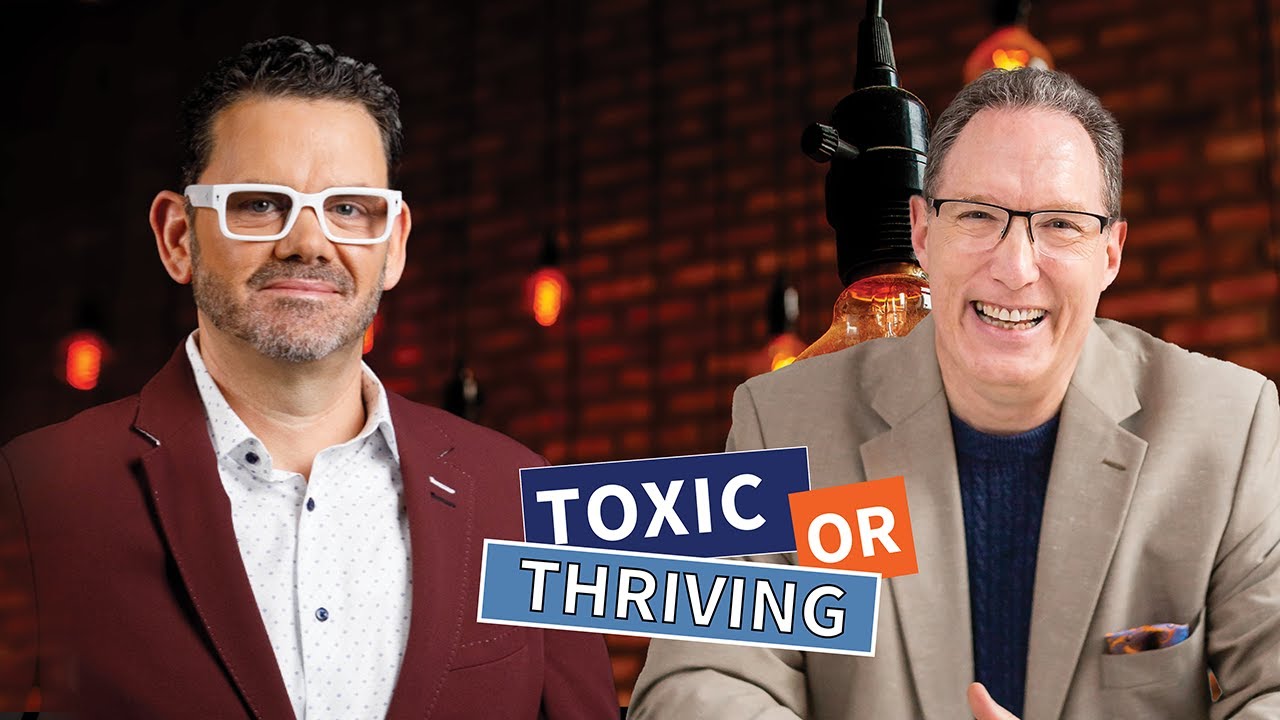
In this 2024‑09‑12 YouTube interview, host Marc Haine (customer and employee experience strategist) talks with culture and remote‑work authority Chris Dyer about how a company’s culture can silently undermine productivity, performance and profitability. The conversation defines corporate culture as the visible and invisible ways work gets done, explains why weak cultures are effectively toxic, and introduces Dyer’s framework of seven high‑performing culture pillars: transparency, positivity, recognition/acknowledgement, measurement, embracing uniqueness, failing forward, and a supportive leadership style. Practical examples illustrate how sharing the P&L and individual goals creates transparency, how bottom‑up, non‑monetary recognition builds positive energy, and how leveraging diverse strengths (e.g., Agile cross‑functional teams) fuels innovation. The duo outlines a change‑management process that avoids “initiative‑of‑the‑month” traps: ask one simple, weekly question to the whole organization, publicly share answers, act on feedback, and iterate – an approach likened to atomic‑habits’ marginal gains. They discuss measuring cultural ROI through profitability, sales, and customer‑satisfaction metrics, and stress that emotional first‑order decisions mean leaders must attend to feelings, trust, and psychological safety. Pitfalls highlighted include chasing problems instead of vision, token surveys with no follow‑through, over‑reliance on top‑down rewards, and the difficulty of confronting one’s own behavior. The episode ends with concrete ways to contact Dyer (text, email, website, social media) and a call to action for listeners to engage with Haine’s services.
Chapters
Welcome to this episode. This is where small business owners and entrepreneurs pick up core skill sets to help them create the show-stopping, jaw-dropping experience that our customers and our employees deserve. I am your host, Customer and Employee Experience Strategist Marc Haine. And today, my guest is world-renowned expert in company culture and remote work, Chris Dyer. Today, we will be exploring what it takes to not Not just keep morale high but to ensure that things like productivity, performance, and profitability don't suffer in today's business environment where of course, remote work, shifting priorities, and an unprecedented crisis have become the norm. So, stick around with us because we're gonna— this is a super high-value episode. And as always, if you know somebody who could use this information, somebody who might be Please make sure that you share a link to this episode. I know it's going to be extremely valuable for them. I know that you've got a talented team. You hired them. You have ambitious goals because you set them and you have a clear vision of what you want to accomplish. But somewhere along the way, things just don't click. Productivity dips, morale plummets, and The turnover rate is higher than you'd like to admit. You're pouring a ton of resources into things like team building exercises, motivational speakers, and yet nothing seems to stick. It's frustrating. It's expensive. And it's a massive roadblock to your success. And that brings me to our Question of the Day. So, do you feel like your company's culture is holding you back from reaching your full potential? Go ahead and share your experience on social media. Make sure you hashtag it #ExperienceLeadership. I'd love for you to be part of this conversation. As I mentioned, my guest for this episode is an authority on transforming workplaces and boosting business success through the power of culture. Chris Dyer is not just an author. He is a trailblazer in the world of business culture. His acclaimed book, The Power of Company Culture: How Any Business Can Build a Culture That Improves Productivity, Performance, and Profits has been a game changer for organizations around the globe. With over 2 decades of experience as a CEO and leadership speaker, Chris has dedicated his career to helping companies of all sizes unlock their full potential. He has been featured as an expert in leading publications like Forbes, and The Wall Street Journal. And his insights have revolutionized how businesses think about culture, engagement, and performance. Chris, welcome to the show. I am so honored that you're here.
Marc, it's my pleasure. I'm honored to be on your show and all the great work that you do. So, thanks for having me. I'm really looking forward to our conversation today.
Yeah, likewise. Maybe we could start off by telling us a little bit about what you do for your clients.
Yeah, so now as a consultant and keynote speaker, I really provide the spark to help organizations figure out where they need to really focus and understanding how to have a high-performing culture. And so, when I come in as a speaker, it's to create that spark. It's to create that energy. Maybe it's to finish off that thought from that great leadership event or team event or conference or whatever it was to make sure people feel like they have real actionable tactical things that they can do. Nothing drives me more crazy than going to seeing a great speaker who didn't actually tell you anything. Yeah, right. They inspired you and they got you thinking, which is really important, but then like, okay, how do I go do it now? And you have no idea. And so, yeah, right. And so part of my thing is I'm gonna, I'm gonna inspire you and I'm gonna teach you, but I'm gonna make sure you walk out the door with a couple things to put in your back pocket that will actually impact your team, make it easier for you to be a manager, and ultimately impact the culture, whether that's at the team level or the company level, wherever you kind of sit, to make sure that we can be effective. And the second part is that if people bring me back or they want me as a consultant, then we really do the deep work, that day-to-day. I mean, I have a client right now. I meet with their team every single day. And we are accountable and we work through things. And we've taken them from like really low sales and low productivity and really losing great people to being a best place to work. They're doing fantastic now. But that took dedicated, consistent work over and over and over again.
It really is all about intentionality. And well, the fact that they brought you in as a consultant, right? I mean, there's all sorts of funny phrases out there like, you can't see the inside of a jar. You can't see the label from the inside of a jar. Right, where you can't see the forest for the trees, right? And so, sometimes bringing in a third party is really the key to shaking people out of the complacency mode and the mindset of, hey, we do it this way because we've always done it this way.
Right, right. And sometimes, I have the permission to ask the question they can't, to say the thing they can't, to push the button or challenge somebody in the room who they can't.
Yes.
And that's often my job is maybe sometimes to nudge that CEO along or to move that senior team, their thought process a little differently. You know, and to— or maybe it's to help the team get a voice. And maybe they need to start speaking up. I mean, I can't say how many senior leaders tell me, I'm on the phone. My team doesn't say anything. I mean, they'll repeat back to me what I said. But they're not giving me ideas. They're not giving me I don't really feel like I understand where they are. And it's like, well, that's because you have created this environment where they can't.
Yeah, or they feel they can't, right?
Yeah, right. Or you haven't demonstrated to them how to be comfortable.
So, just in that little summary, you have hit on a whole bunch of keys around this idea of corporate culture. Before we get too deep in it, could we please define what corporate culture is? Let's go 101 to start with.
Sure. So, company culture is the seen and unseen things that exist in a company on how we get something done. So, are we a cutthroat, high-pressure culture? And the way we get things done is just by, you know, I don't know, being the first one there and grabbing all the resources and it's dog-eat-dog. And we have those kinds of cultures and they do really well. I mean, the Amazons of the world. I mean, We have good examples of that. Are we a kumbaya, sit by the fire, hold hands? We're a family here. And we take care of everybody and we find our way through to profit, productivity, and performance through being this really highly connected human organization. There isn't one answer. I can give you my framework on what's important and what you need. There are 7 things that all those cultures do really well. But they do it in their own way. And the other way to kind of explain that is, I mean, I'm sure we all knew a lot of really successful, uh, let's just say kids when we were in high school, you know, the valedictorian, the prom king or queen, the— I don't know, all these different people who went on to be wildly successful. And I'll bet you, if you went to their house, how their parents parented was different.
Mm-hmm.
There wasn't one way to parent, and yet you had these very successful kids. Go on and become successful adults. But there is probably these similarities between all of those parents on what they thought was important or the big things that they focused on, even if they had different politics and different religion and different ways in which they punished or didn't punish. There's a lot of variability in there, and it's the same thing in culture. So, we have to really understand what's important, but it's how we get things done. What are those norms? Am I allowed to raise my hand in a meeting and say, I have a new idea? Or do I have to check with my boss and then triplicate, send out emails and get approval from this department and do a business case before I would ever bring it up? I know companies that it's both. The answer is both. I prefer the one where I can just raise my hand, to be quite honest. I don't want to do the other one. But that's a reality in some organizations where they move very slowly and they're very bureaucratic. And that's just how they are.
Right.
What does the norm look like? And what fascinates me the most is that you can be on the 4th floor of a company, get in the elevator and go to the 5th floor, and it's a totally different company.
Yes.
And you can feel the culture shift and you can feel the norms shift. And so, we have that too. And that's the normal experience for most employees is that it's team to team, floor to floor, department to department, location to location. There's a lot of variability there.
Yeah. Now, I mean, obviously when we say corporate culture, we know it's like behavior. You can have good behavior. You can have bad behavior. You can have really strong corporate culture or you can have very weak culture.
Yeah.
How can a weak culture subtly undermine business successes? Like, because we know a lot of times we hear leaders point to symptoms but they're not really talking about the culture. So, How can we tell them it's the culture that's hurting?
So, we may be playing a game of semantics here, but I'm going to challenge the idea that there are no weak cultures. There are just good cultures that are going in the direction that we want this organization to go. And then, there are trainwrecks and there are toxic cultures because there isn't like an organization where like no one's just thinking about culture and it just isn't there and it's weak. It's not weak. It's either toxic and terrible and undermining everything or it's like a force for good. I mean, I hate to like be a super nerd here. But we're talking about Star Wars. There's the Force. There's the good Force and there was the bad Force. It wasn't like a time when there was no Force, right? And so, there's— it's there. And I think that's where leaders miss the point. So, they think, oh, we have— say again?
Sorry. Does that mean then, if you don't have a good, well-defined core corporate culture, you then, as an opposite, you automatically have a toxic workplace. It's not— there is no such thing as a bad culture. Or there's no median of a bad culture where one corporate culture is actually better than another corporate culture. If you're not hitting the mark as a really good corporate culture, then you must be toxic.
Well, and toxic is one version. It could also be lazy. It could also be apathetic. It could be whatever the thing is. But there's something that's active and it is now going against you. So, there is an energy that your employees and your leaders and your managers that they are creating every single day. And that energy is either helping you reach your goals or it is preventing you from reaching your goals. And so, it's not like it grows like we would grow in height. It's not like it gets bigger, taller as we get better. It's there and it's either going left or it's going right. It's either going one direction that you want it to go or it's not. And so, that's how we have to think. This is a very powerful energy that we can yield for good to benefit our clients, our employees, our owners, every stakeholder in the organization in a very positive way if we are intentional about it and we are doing the right things to feed it.
For the people tuning into this, I know that there's a lot of people who really can't stand the whole woo-woo thing about the human dynamics. How can we explain how this works in their organization?
Yeah, so of course, like I said, every company is a little bit different on how they want to approach it. But the net-net is we hire human beings. And we are led by human beings, at least as of this moment today, before the AI bots maybe take over in a few years. But as of today, we are an organization of employees and human beings, and we had better think about how we interact with people and how we are attuned to them and what's important to them and listening to them. And what's always a challenge for our leaders is that's hard. It's not the easy thing to do. The easy thing to do is ignore them and just say, well, do what I say because I said so, and it'll all magically work out. I remember being really impacted when I learned that all decisions that human beings make are first emotional. For so long, people told me that you have a logical brain, or maybe one gender was more logical than the other, or there was all these misnomers, all these things. And I did quite a bit of research into looking at some very profound research in the field of neuroscience where they were able to prove consistently that your first thought is emotional. Your first decision is emotional. And then we layer it with logic and facts. And anyone who doesn't believe me, just go look at politics, right? Just go turn on Facebook right now. Yeah, perfect example. Okay? And I proved my point. If we were all just thinking factually 100% of the time and that was our first impulse, we probably would agree a lot more on just about everything. But there's so much emotion there. And that means we have to think about culture and leadership and everything we do as the emotion that's going to happen. And how will someone feel about this? And how will this affect somebody? And will this cause them to feel fearful? Or feel excited, or to feel hopeful, because that's the thing that happens first. And then, well, I feel hopeful. My boss listened to me. I feel heard. Those are all emotional responses. Therefore, my company is good. The business is good. My manager is good. Now facts, facts, facts, logic, logic, logic. But leaders tend to just skip over that, and they go right to the other stuff, and then employee doesn't feel. feel connected to the business.
Yeah, I can tell you so many times where somebody's hired somebody brand spanking new, for instance. And the new person comes in and the supervisor is introducing them to the team and talking about them before they've even started. And they start telling you what a wonderful person this is. And this is the best person since sliced bread. And the person comes in and for a little while, it's really great. But then, after a while, it kind of peters. And next thing you know, the supervisor's in the back room going, I don't know why this person's such an adult. Why don't they get it?
Yeah.
It just crashes and burns, right? So, to your point, people make decisions based on emotions. They'll justify logically. But then, they hang their— almost hang their identity to that decision, don't they?
They do. We are so connected often to what we think are our views. And those become a part of our identity. I mean, I know a lot of people that vote a certain way because that's how they were raised and that's their identity. It's not necessarily even how they think and how they even exist in the world. And yet, they will attach to that identity. I think the best leaders and the people that really move up in the organization are willing to be somewhat pliable into who they are and what they want to be and where they can be. Because when you start off as a, let's say, I don't know, you're on the factory floor and you're making the widget and one day, That point to the point of you maybe becoming CEO one day, you're going to evolve and change and adapt and learn and grow to get to there. Because if you don't, you may never leave that job. You may be in that same job or same similar job for the rest of your life. And I want to say, that's okay if that's what you want. I'm not one of those people that says, if you're not trying to become the CEO, then your life isn't of value. You, you may say, I want to do my job, and what I care about is what I do at home and my hobbies and everything else, and I don't want to be the CEO. Cool. But if you were to do that trajectory, you were going to learn and grow and change, and you are not going to be the same person at all. So if, if you want that, you've got to be able to be— I think pliable is the right word here— in, in who you're going to be in the long term.
Yes. And to your point, you know, even if the the person doing the widget stays in that position, over the course of their time with you, they themselves will still evolve. They're going to evolve in their job. They're going to evolve in their knowledge. They're going to evolve in what they bring to the table even if they don't decide to continue forward into management. And I think all too often, I think leaders fail to see that. I think we tend to compartmentalize our people based on their job descriptions, not what they're capable of doing. Yes.
Yeah, absolutely. And it's a hard thing for leaders to think about because there is experience, there is what they know, and then there is potential. There is where they could become. And so, I think there's some equilibrium point and some combination of that that can give us a better clue about where that person can potentially go. I'm not an only hire on experience or only hire on potential. It's It's some combination of what someone has been able to do and achieve and then in time. And there are several other factors in there. But yeah. And I think one of the things that we don't think enough about is, are we providing enough opportunities as the organization for our people to take advantage of learning or take advantage of mastery, take advantage of something or cross-departmentalizing things and for them to learn a new skill or be exposed to something else?
Yeah.
Or do we just leave them in this box and tell them to go do this thing and then 5 years later complain that they haven't really grown or they haven't shown any potential or whatever, but we didn't really help them do that?
Yeah.
Our entire education system is built to take people and then we tell them what they're supposed to learn and then we progress them the next level and then again tell them what they're supposed to learn. And they go through this for their whole, you know, whole lives as children and they show up to work. And then, we're like, yeah, but now you figure it out. You decide what you want to learn and you go get that degree and you go get that certification. And then, you let us know. Maybe we'll promote you. It's a totally, total big shift. And then, we have to kind of remember how people are set up to learn typically.
Yeah, yeah. And again, it gets— it's about as a leader, it's about you understanding what the individual personalities on your team are and what they need individually, not just A blanket thing. I love that one graphic I saw and I've struggled to find it where you have a guy sitting at a table and he's talking to a bunch of animals. And he says, okay, the next test is going to be who can climb the tree? And there's an elephant, an alligator, a monkey, right? And it's like, what? Yeah, you're right. There are different capacities and people doing different things. Hanging everybody out on one particular criteria might not be the best thing to do.
Absolutely not.
So, I know in your book, in your groundbreaking book, and we'll get to that in a second, I know that you talk about these pillars of company culture. And I'd like to discuss that right after this.
When the spotlight shines on your business, are customers applauding or yawning? In other words, how is your business performing? Make your business a star with a new book, Lights! Camera! Action! Business Operational excellence through the lens of live theater by Marc Haine. Marc uses his business and acting experience to help you see your business like a live show so you can create a performance your customers will never forget. Buy Lights! Camera! Action! today at your favorite online retailer or directly at marchaine.com.
Welcome back! I am speaking with the incredible Chris Dyer. Chris, your book. Why don't you tell us a little bit about your book?
Sure, sure. Well, I was fortunate enough to write the first version of this book a few years back. And then, the publisher came back and said, well, let's do an update. You know, the world has changed. The pandemic has happened and a lot of things have gone. You know, a lot of new research has come out. And so, this is really— my book is 3 parts. What do you have to do to at least be okay at culture? What's the minimum? Okay, so that's part 1 of the book. And part 2 is then, if you want to be great, What are the 7 pillars that we see every great company, great culture do? And so, what are those things that you can go back and focus on? And then, part 3 is the change management component. So, if you identify something in my book or multiple things in my book where you say, you know what? Yeah, we're not so good at that. How do you actually enact change? How do you actually get people to change and do something different? Again, we talked about earlier. I don't want to tell you you should go make that change and then not help you change it. So, the third part of the book is really those functional things on what to do. So, those pillars run the gamut from being transparent, positive leadership, measuring what matters, making sure that we value mistakes, that we are rewarding and bringing mistakes forward as learning opportunities and opportunities to maybe find innovation. That we are recognizing our employees. That we're being good listeners. And finally, that we have some sort of a recognition or acknowledgement program. Those 7 things consistently from Amazon to Google to Facebook to Apple to whatever big organization that is typically known for their culture, they do those 7 things extremely well.
Now, you mentioned as one of the first ones, Transparency. I know that transparency is a buzzword in corporations as it is in politics. It means different things to different people. So for instance, in a corporation, I'm as a leader, I'm going to be as transparent as I can on the stuff that I'm allowed to be transparent on. Where they tend to get called out on is when things come down the pipeline and it's like, well, now this is coming. It's like, why didn't you tell us this was coming? And it's like, well, I couldn't. So, when you talk about transparency in a corporate culture, what are you talking about specifically?
So, at the high level, I would prefer that every company is sharing their P&L with their entire staff. That they're talking about how they're doing, how they make money. We shared our P&L to everybody and then, we gave each department their more specific detail on how that money was spent so that they could see. They gave me fantastic ideas on how to save money. I was afraid to show them my P&L. And the first time I did it, I started getting messages and I go, oh no, here it goes. People are all going to ask me for a raise. They're all going to complain. And instead, it was, hey, I didn't know we were spending money on those 2 programs. Did you know we could get rid of that one program? The other one does the same thing and we could save us $10,000 a year. Oh, I didn't know that.
Bingo!
Did you know that, you know, if we combined all of our work in this one area with one vendor, we could probably get a discount and we could save money? Oh, awesome! Then, we started saving so much money. We spent more on marketing. We got more salespeople. We grew even bigger, right? We did more cool things for our employees. Like, it just snowballed. And then, we went, what else can we be transparent about? Well, does everyone know what everyone's goals are on the same team? Do you know what your boss's goals are? Do all the managers know what their goals are? And what we found the answer was was no. By accident, we create these goals in a one-on-one situation. If you were my boss, you'd come in, we'd talk about our goals, and then we'd check in over throughout the year. And we never told anybody what my goals were, right? Maybe your boss knows what my goals are if they ask, but like my people on my team don't know what I'm trying to do this year to be successful. It was transformational when everyone on a team started sharing each other's goals because then they started helping each other achieve those goals. They were like, oh yeah, hey, I know it's a big goal for you this year to get this thing done. Why don't we also, since we're talking to this client, we could also have them do this thing that would help you do this other thing. They started thinking about each other and all of a sudden, it just lifted everybody up.
Amazing, isn't it? And to your point, when trust is very low, a leader will look at the word transparency and go, well, we can't do that. Because to your point, and as you were saying about releasing the P&Ls, I've talked to business owners and the first thing that comes out of their mouth is, well, when they see how much money we make, they're just going to demand a raise. And it's like, well, if they're going to demand a raise, then you're not paying them enough, number one. Because if they understand what the confines of the business are, and you can explain it, the last thing on their mind is going to be, what's in it for me? They're going to be looking exactly like you said. All of a sudden, it's like, oh, but we're buying this chemical for this and this chemical for that and this chemical. And it's like—
Yeah.
And I used to work in a municipality. And when I went through the list of suppliers and how many different departments were using different suppliers for competing products, And it's like, why are you buying your paper from that supplier and that supplier and that supplier? Right? And of course, once it becomes that whole— what is that adage? The more you know, the more you know. Right? All of a sudden, the more you know, the more you can cater to curiosity and be able to field questions and bring that to the forefront.
And that's the positive side of transparency. The other part is we talked about the opposite when you have this toxic culture. Well, what's happening when we're not transparent? Well, let's just say you're my boss and I come in and the last 3 days, you have been grumpy and you don't want to talk to me and you've been short with everybody. And I go, I don't know what's going on. Is the company failing? Is there a problem? Are you going to get fired? The last time this happened in my previous job, there was layoffs. When the boss got real grumpy for a few days, there was layoffs. There was a problem. And so, I'm going to fill in the gap with what I don't know with my previous negative experiences. And then I'm going to go walk around the office and go, hey, does anyone else know what's going on? Because the last time this happened, I got fired. And now you're creating all this toxic stuff and all these things are happening. When if I would have asked you, hey, Marc, you don't seem like yourself. You know, things— are things okay? And you've been like, thanks for asking. My spouse has been really ill and I've been up late at night and I'm just not feeling great because I haven't been sleeping very much. Or I got a new puppy and I haven't slept for 3 days because the dumb puppy keeps barking all night. And I'm like, oh, you're just in a bad mood because you're a human being having an outside experience in the world.
Human being experience.
And it has nothing to do with me. And the world isn't going to end. And it's not that we're all going to get laid off. And like, but just that small thing, right, creates panic for people. So when we don't talk now, I have an exercise on how we deal with this every day. Like, how do we make sure we're sharing with each other and leaders can make sure they're sharing so that we don't have these misunderstandings? But on a large scale, that's why we would have a monthly meeting. And to your point, we would show them the P&L and we would talk about seasonal differences. You may be seeing high profit here this month, but as a reminder, in September, October, November, we tend to be in the red.
Right?
So here we have a cushion now because we know we're in the red later on. Or, you know, we're also— we may see a profit, but we are investing heavily into other areas in R&D over the next 3 years so that we can continue to be viable. Like, you can talk about, give that information about it. Or we're doing really well and everyone knows the owner is a playboy and he has his yacht and that's just how it is. And like, okay, But it may not be the best answer. But it's the answer. And we all know whatever that thing is going to be. So yeah.
In your former example, you kind of modeled one of your other pillars, which is positivity. So, this idea of creating a positive work environment that encourages employees to thrive. Basically, what you're saying is the more information we give them, the more we're arming them with the information and the curiosity bits to help them work in a positive environment.
Yeah, absolutely. And the more people know, the better decisions they can make and the better they can understand situations. And what we find over time is that when they are armed with the correct information, good or bad, they are far more resilient To whatever the challenges are that are coming at them. Because when you feel like you are fighting off all of these challenges and you don't know the real answer and you keep getting blindsided by, well, if someone just would have told me, if I had just known, and I went and tried to tell the client this, but then it turned out that I was essentially lying to them unintentionally, but I wasn't giving them the right information because no one was sharing with me. You feel a lot different than if I know all the information, I know we're struggling right now, and I can go and I can do my best. I can make the best decision possible for the company. I can hold the client off in the right way that is respectful to them and to us because I know what's going on. And I feel armed and I feel like I have the right tools in my toolbox to be able to go and do my best. Right? Because no one expects everything to be working properly and to be perfect at every single moment.
But being transparent and being positive, you then support things like failing forward. And you use data to kind of understand why things happened. To that point, one of the challenges I find when I talk to business leaders about corporate culture and about investing kind of In changing corporate culture, the number one question I get is, what's going to be my ROI? What's my measurement? How do I track whether or not this is working? Can you talk a little bit to that?
So, how we track is if you're gonna go and intentionally do something, you're going to look year after year. How does profitability, sales, and customer satisfaction— we need to look at a lot of different metrics. What are all those things that we're measuring or we decide are important that we should measure? Then, we begin to really work on culture and we will see, did those things change? I have never had an instance where I've worked with an organization where those things didn't change and get better. Where they really put in the effort to make culture a key part of their business. We also know there's a ton of data that when we look at the organizations that are at the top of their industry, that are the most profitable in their industry, They all have top-rated cultures. We never ever see an organization with a terrible culture that has, you know, people with just rotating doors that are also at the top of their industry. They might be good. You can get lucky and have like a really good product and have or a service or something that is, you know, maybe you're one of the very few that has it or has the resource to it. And yet, you see them struggle to ever get to the top because their culture is not good.
Hmm.
So, there are so many data points around this. And I would say number 3, 99% of what I discovered and what I implemented and what I have taught other companies to do is essentially free. So, I'm not telling you that you need to go give everybody a 10% raise. That's not going to fix your problem. I'm not telling you you got to go and buy everyone gift cards. That's not going to fix your problem. I'm not telling you to go hire 9 new HR people and a head of people and, you know, this and that and bring in this giant, you know, new software. That's not going to fix your problem. So, the things that we can actually do are hard. They take work, but they're free.
Yeah.
And so, why wouldn't you want to do something that's free that's going to cause everything to get better? I don't understand it. But other than it's hard work and maybe, maybe we're embarrassed at some of the decisions that we've made in the past. Maybe we're embarrassed about how we have treated people in the past. Or maybe we're going to have to look ourselves in the mirror and we're going to have to apologize for something or change our behavior in order to get better. And I think that's what stops leaders more often than anything else. That they know they may have to change some of their own behaviors in order to affect the culture in a more positive way.
And maybe that's the very first step, right?
Yeah.
Chris, for the people who are watching this, how can they get a hold of you if this is resonating with them?
Sure. So, there's a couple ways. First, if they're tech savvy, you can text 33777 and just type my name, Chris. And I will send you a PDF with like a bunch of cool ideas on culture and cool meetings you can try and questions you can ask your people. If that resonates with you. Otherwise, find me on LinkedIn or go to my website, chrisdyer.com. I do a ton of content on Instagram and TikTok. So, if you hang out on social media somewhere, you can find my white glasses and this ugly mug and you will be connected and we can get going from there.
Terrific! I know that you mentioned one thing about acknowledgement earlier on about one of the pillars. There is the acknowledgement recognizing or rewarding employees. doing really good things. I believe that by recognizing and rewarding employees, we're going to get the behavior we want. But all too often, I think that we end up with leaders who look at bad behavior and think that the bad behavior is going to go away by itself. How do— using your pillars of acknowledgment, how do we frame it so that we're reactive to behaviors we don't want while recognizing and rewarding the behaviors we do want?
So, I could probably talk on this for 5 hours. But I'm going to try to give you the short version. But one, recognition needs to be bottom-up. Meaning, this should be something that we curate and we help the organization figure out that it is everyone's job to say thank you. It is everyone's job to recognize good work. If you see someone do something great, we want to say thank you. We want to recognize it. And this is not top-down. This is not my boss has to recognize me. And this is only a big thing. We give out this giant trophy or whatever once a year to like 3 people, or that, that, that, that is not sustainable long term. So, this has to be a bottom-up thing. Number 2, as a person in a leadership role, you should not be giving rewards or rebukes. And that's going to sound really contrary. That's going to sound to some people like I just said I was speaking another language. You should not be giving out gift cards or raises or anything that is a reward for good behavior, for something that they did that we wanted them to do. What we should be doing is saying thank you. What we should be doing is recognizing that they were successful by doing the behavior that we asked them to do, by recognizing it in a healthy and positive way. And if you're not sure how to do that, Think about how you might speak to your spouse. Let's say that your spouse doesn't typically clean up the dishes. And if they did one day, would you walk over to your spouse and say, oh, thank you so much for cleaning up the dishes. That was just special. You'd probably expect to get slugged. But if you came over and said, hey, I really appreciate it. Thank you for doing that. That's different. It's a different energy. And yet, I see leaders all the time do that first one. Oh, thank you so much for whatever. And they're trying to be really engaging. But what they end up doing is treating them like a child. They're treating them with a power dynamic that they are better than that other person. And that is not sustainable. And neither is a rebuke. Neither is to call them out in front of everybody and say, I told you that we needed to Blah blah blah blah blah, and you didn't do it. You know, and let's talk. The whole group's going to talk about it. That doesn't work either, right? So what we focus on grows. If you focus on the good behaviors, if you focus on the people who are doing it the way in which you've asked them to do it, and they're being successful, that's where we put our focus, and that's where we put our energy most of the time. It is contagious and everyone else sort of figures it out, right? Why do we all stand with the same direction in the elevator towards the door? Like, everyone has sort of figured out that that's how you're supposed to stand. And that's how, you know, there's an old study where they actually stood the other way and everyone stood towards the wall and like people started standing towards the wall. Like, they— people conform pretty quickly if they see everyone else doing it a certain way. Um, they think that must be the right way to do it. So, we want to reward those people. Yes, we work with people. We coach them and talk to them if they're struggling and they're not getting there. But if we focus all of our energy on those who are struggling, then that's what you can expect your day to be filled with. And those people doing it right don't get that attention. They don't get that thank you. And so, that energy is not lifted up.
Right.
So, it's a really difficult thing to think about. Because we don't want to treat them like children. We want to treat them like adults. And ultimately, what people really want is for you to say thank you. That's the short version.
And that's my definition of reward when I talk about it. It's because especially when you're in a wave of change, being able to recognize that people are stepping up and doing the new initiative, or supporting something that's coming forward and helping problem solve stuff that's happening within the team and so on, to be able to go to them and thank them for their contribution. What makes them special, I think, is magical. And to that point, I believe again, I think that we need less managers and more coaches in our businesses. Because one of the challenges I think, and I think one of your pillars is uniqueness. This idea of being able to embrace the uniqueness that everybody brings to the team. I think I see a lot of people since COVID has recognized now that I have human beings working for me. And that I no longer have to define them by their job description. That they might be capable of doing more than what's listed in their job description. I think this idea of looking at people as if they have their own superpower could really benefit our company. Do you have any thoughts about that?
Yeah, I mean, I love thinking about how we're all different and what makes us tick as the first step. And, you know, we see this come through in the methodologies of Agile and Scrum where we get— it was a crazy idea when this whole system was first brought together that when we're going to go build software, we're not going to put 10 programmers in the room. We're going to grab 3 or 4 programmers and someone from sales and someone from customer service and someone from operations. And we're going to put them on a sprint. Because they're all going to have perspectives on how this software needs to be built, what the customer really wants, what's actually going to be sellable. Like, we get a much better thing in the end if we have all of these really diverse, different opinions and different ideas based on their knowledge and their abilities. You would think 10 programmers in a room would be the best thing if we're trying to build a piece of software, but it turned out that that didn't help. That actually was worse because they would make the most efficient thing that they thought worked and the customer hated it, right? Or it was totally not a sellable, viable product out in the marketplace. Like no one ever done any market research. But, you know, and, you know, customers would come to these meetings and say, well, I thought the button would be yellow. And they were like, well, we just spent 300 hours and $1 million on making the button green. So it's green. Like, these are the decisions that used to be made years ago. So, you know, when we bring in this difference of opinions, this is not that every opinion has to get the same volume and be heard every single moment all the time. I think that's what scares managers. They feel like, I can't possibly listen to everyone and give everyone a voice at every moment or else we get nothing done. But instead, it's about understanding who all the different players are and that we are asking them, who wants to take this on? Hey, we have this new thing coming in. We need to do X. The CEO says we gotta do X. Who would like to take that on? And see the hands raised. Oh, I would love to do that. I did that at my previous company. That looks really cool. I'd love to learn how that works. Oh, cool. You 3 people, 5 people, go do that. And the other ones are like, whew, I am so glad I'm not doing accounting software. That is not my jam. Oh, no way do I want to do that. Right? And that's super important. That's a part of uniqueness, right? Letting people self-select where they're going to go and how they're going to spend their time is really important.
Yeah. And again, to that point is you could look at people outside of their job descriptions because maybe this new project is a stepping stone for them to get out of what they're doing into something new and challenging so that they stay engaged over the long term.
Yeah, yeah, yeah.
I'd love to get into some pitfalls and cautionaries when trying to problem solve and establish a new corporate culture or team culture. And we'll get to that right after this.
When you're delivering an important speech to a huge audience, it's easy to lose your place or go way over time. Give yourself an advantage with the Pro Speaker Presentation Speech Timer app. No more checking your watch or calling for time. The Pro Speaker Presentation Speech Timer app keeps you on track with easy-to-see timers, even changing color for visual prompts during your speech. And you can set audio cues to practice or set it to vibrate so you don't even have to look. Be the pro you know you are. Download the app at speakerpresentationtimer.com.
Welcome back. I hope you are getting tons of value from today's episode. As you can tell, Kris and I are on We're on a mission to support businesses and business owners just like you. So, if you belong to an organization that could use our help, or you or somebody you know might be planning a leadership retreat or a conference, drop us a line. Let's have a conversation about how we can serve your audience, your staff, your teams. We'd love to explore how we could be of service to you and your people. Kris, for businesses and leaders wanting to instigate this change, I'm always fearful that they'll get information like this And then, this becomes kind of the initiative of the month. What pitfalls and cautionaries should we be on the lookout for?
So, the first thing is that we don't want to be chasing problems. If we go out into the world and we say, well, we know we have a problem with whatever, that is inherently negative. What we want to do is say, where do we want to go? What do we want to be? How can we dream about what this organization could be? And then, involve our people in that discussion. So, they are a part of where we're going to go. I think ultimately, the owner and the CEO is going to point us in a direction and say, this is where we're headed and this is where I think we're going to be. But what are we going to look like on that journey and how the organization is going to be built to do that? There's a huge amount of input from the organization that can happen there. Number 2, it's important for us to talk about who we are, what's working, What ultimately is good about us. So, we don't want to come in and say, our culture is terrible. We're gonna do a whole new thing, a whole new initiative. No, it's, hey everyone, what's working? And what we find is they might say, hey, A, B, and C is really working. Ah, okay, great. To build on that, I heard this guy on this podcast and he talked about transparency. We could probably get— A lot better at those 3 things if we were more transparent. And then what ends up happening is you get better at some other things that you know you're not so good at, that you know are a problem, we know need help. But we start to use this lens of— it's almost like, you know, giving kids, you know, I don't know, something sweet. They put that sweetener in the cough medicine or whatever it is so they'll actually take it when they have a cold. Like, it's just a little nicer way to start that process to get better. And that's a good way to kind of go in there. Another pitfall is to not do a survey. Don't go back and do a survey and ask people to tell you about all the problems that they think you have and then do nothing about it.
Right.
Nothing is more frustrating when they actually are brave enough to say, I don't think this is working and we have a problem here. And then you do nothing about it. You ignore it. If you're going to ask, you better tell them. You better recognize them. So, what I mentioned in that text number that I gave out, that little PDF I have, I actually have a list of 25 questions. And I suggest that organizations think about asking one question a week. And If you have a huge organization, you might do this by team. But if you have a small to medium-sized business, you might just do this for the whole company. What's going well? Where could we improve? Who's killing it for you? What resource do you wish you had that we're missing? Like just these questions. Simple one question a week. Take those answers. And before you ask the next question the next week, come back to everyone and say, this is what I heard. This is what we're going to do about it. And then, at the end of the month, do a big review and say, here are the 3 or 4 questions we asked this week or this month. This is what we've done so far. This is what we're going to continue to do to get better. Or reward that person. Or it could be who's killing it. You might get a list of all these great people who've done these amazing things. That's a great opportunity to do some recognition.
Sure.
And to celebrate those people. Maybe do a special lunch for them or whatever. Like, it's super easy. So, that's incremental change. If you've ever read James Clear's book, Atomic Habits, that's the aggregation of marginal gains. We are doing a little bit of improvement every single day, every single week. Can we get 1% better? And that will avoid your point, Marc, about it's the flavor of the month from an initiative standpoint to a, no, we're just going to get a little bit better all the time.
Yeah.
We're not trying to be Google tomorrow. We just want to not be as bad as we are right now. We just want to be a little bit better and keep working at it and see if we can't at the end of the quarter or the end of the year look back and go, wow, things are a lot better now.
I love that process because part of the challenge is that we get these things in our head and we just want to go so fast, so quickly. And but, what holds us back is the fact that then we have to commission a committee and we have to do all this and figure out how we're gonna do it. And but, in your definition of kind of doing one question and you make that a focus and you make that a baby step to letting your team know, hey, number one, I'm listening to you. Number two, I'm trusting that you're giving me information so you can trust me that I'm going to act on it. Number 3, I've acted on it to show that I'm listening and I'm acting on it. So now, it's time for another question. I love that thing of kind of the little baby step in moving the needle forward so that you will see gains over the long term.
And you won't believe what it's going to look like when you've done that for a month and people actually see that you're doing stuff about it. The answers get a lot better. They get more in-depth and they get And they go like, oh my gosh, you've been sitting on this incredible idea, or you've been sitting on this huge problem I didn't know existed. I can go fix that. I didn't know this team was struggling over here. I could inject a little money or give them a little help or throw a few more hours their way staff-wise. It's crazy the things that start coming out when people go, oh, you do care. You will listen. You will do something.
Yeah. And you're not going to punish me for opening my mouth.
Right, exactly. Exactly. So, and you can do these surveys. I have done it both ways. Anonymous, totally anonymous where I ask them not to tell me who they are. We don't track who did what. And I've also done it where I tell them, I am going to tell everyone your answer. So, for the next 3 weeks, all of the questions I ask, I'm going to share with everyone. Full transparency. I take all the answers and share them with the entire company and say, we asked who's doing an amazing job right now. Here were all the answers we got. We didn't cherry-pick it. We didn't pick our favorites. We didn't, you know, the person you think is our favorite. We didn't name them. This is what the company said. Here are all the answers submitted. And this is who was recognized, right? And so, I think both have a place at different times for different questions.
Yeah.
And I just found it easier for a period of time to tell them I was going to be full transparency. Another period of time, full secrecy. I'm the only one that sees it. I may repeat the sentiment of what I heard. But I'm never taking your answer and giving it to anybody else in the company or anyone for that matter. I'm the only one that's going to see it.
And this goes back to sometimes there's something, some elephants in the room that can't be addressed Internally. We have to bring outside help to do that. And that's a perfect example of that. Chris, could you remind everybody one more time how they can get a hold of you?
Yeah, chrisdyer.com. You can text 33777, my name Chris, if you want that PDF guide. And certainly, LinkedIn, TikTok, Instagram, wherever you want to hang out. Come find me and I'd love to connect with you.
And that text number, does it work north of the border?
I believe it does.
Okay, so if it doesn't, how can they get the PDF?
Then, you can email me chris@chrisdyer.com or go on my website. And if you contact me and say, hey, I heard you on Marc's show and I couldn't get it to work, I'm happy to send it as well.
Perfect! Thank you very much, Chris. This has been so amazing. So, as we wrap up, magical last thoughts. Anything come to mind?
Magical last thoughts. Boy, you just put me on the spot.
Don't thank me. It's all a public service.
That's right. So, I would say, design what you want or deal with what you get.
So brilliant! Say it again.
Design what you want or deal with what you get.
High five, my friend! Thank you very much again. This has been so amazing having you on the show. I appreciate your passion, your knowledge, your expertise. This has been absolutely brilliant, Chris. Thank you.
Thank you, Marc, for having me and all the wonderful work you're doing and bringing this message into companies. Thank you.
Thank you. Hey, if you have any questions about today's episode or you'd like a complimentary 30-minute brainstorming session with you and your team, feel free to book yourself on my online calendar. The link is down below in the show notes. It's the one that's marked meetwith.marchaine.com. As always, I am at your service. That is my purpose. And if you haven't done so yet, go ahead and subscribe to this feed. Follow me on social media. Be part of the conversation. Remember to hashtag it Experience Leadership. I want to thank you and show my gratitude to you for taking time out to tune into this episode. It is brilliant to have you along for the ride. And if again, if you have been following me for some time and haven't subscribed, please go ahead and subscribe. It'll really help my channel if you step on board. Don't just consume the information but become an active participant. Thank you so much again for tuning in. My name is Marc Haine. Thank you, Marc! I hope you stay safe, stay healthy, and I dare you to be the exception.









