Talking with Rob Balasabas from Thinkific all about Linkedin and how to get started
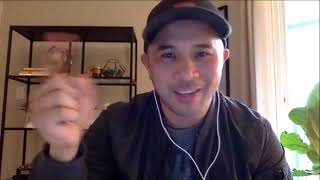
A recorded conversation (YouTube) between Mark Simpson and Rob Balasabas about using LinkedIn specifically for hospitality business owners. They define LinkedIn’s modern role (beyond resumes), profile setup tips (photo, banner, bio, call-to-action), content advice (short videos, guest-focused storytelling, repurposing, hashtags as personal content tags), networking tactics (personalized connection notes, targeted outreach), and engagement strategies (ask simple questions, comment to increase visibility). The session closes with Rob offering a free 5-day mobile-video LinkedIn challenge.
Chapters
We're going to talk about LinkedIn and we're going to talk about why LinkedIn, what LinkedIn is. More importantly, how we as hospitality owners can use LinkedIn to get our name out there, to get more eyes on our business, to get maybe different eyes on our business and how we can take advantage of it. For those of you who are thinking, is this video right for me, this video is right for everybody. LinkedIn is getting very, very, very popular at the moment. And, and even if you just take the basics of LinkedIn and apply it to your profile, then you'll already get a head start on so many of the hospitality owners who aren't even using this platform. So I reached out to Rob. He is from a company called thinkific, but he's sort of branching out and doing his own little cool things. And I've known Rob for a long time now, maybe 18 months, ever since I started putting the Boost Academy on thinkific. We've spoken a number of times. So I was so excited to be able to get him into the community, into the academy, and he will be available to answer questions afterwards. But before we get started, for those of you who don't know Rob, we're going to get him on and we're going to let him introduce himself and then we'll get started. So, Rob, buddy, it's over to you.
Hey, guys. How's everyone doing? Thanks for watching. I'm really excited to jam with you, Mark, and talk about LinkedIn. I think it's a really cool platform. It's been around for a while, but I think it's kind of making sort of its next wave here. It's been kind of forgotten, but it's doing a lot of cool things as far as its features that I think it's going to be really appealing to a lot of the people that are watching this video. So, yeah, super excited.
So where are you right now, Rob? Where are you?
Yeah, yeah, I'm in. So I'm in Vancouver, Canada. So that's where we're all based. Everyone here at thinkific is based here in Vancouver and so, yeah, it's out here. It's a little cold today as we're recording this, but, yeah, that's where we're at. Love to be in Bali if you want to switch.
The time zones are crazy. So right now, 15 hours ahead of Vancouver, so to get my little brain to try and figure out the times, it was insane. But we're there. 5 o' clock in the morning here, 2pm in the afternoon in Vancouver. So I'm officially talking to Rob in the future with totally different days, totally different time zones. But yeah, it's amazing and I really appreciate you taking the time out to do this. So let's go to the basics then. What exactly for those of you who are watching this thinking, well, what even is LinkedIn? Can you just explain what LinkedIn is in its absolute simplicity?
You know what I think if I'm going to define LinkedIn now, LinkedIn is a social media network. You know, it's much like Facebook, it's much like Instagram, you know, Twitter. It is one of those now, I think in the past, and I really, even myself wasn't really too invested into LinkedIn in the past. It was more of a resume site, right, where you went to look for a job or, you know, tried to look for people to hire. It was sort of a marketplace for that. But now, very much now, with the introduction of videos a little while ago, you know, you can upload videos now. There's also the start of live videos, which is starting, I think I saw my first LinkedIn live video last week through a couple of my friends that are very much invested into LinkedIn. So it's a social platform, you know, just like Facebook, just like Instagram, just like Twitter. You know, it's a place where you can engage, you know, you can grow your own audience, you know, you can upload content that's engaging and then link out and point people to your website and your landing pages and all those things. So it's very powerful platform.
I think you definitely hit the nail on the head there. And this is where the common misconception of LinkedIn is that you think of it as a resume site. And that is probably what will admit back in the day is what it was. I mean, I've been there since 2008, 2009, I believe, when I was looking for a job in London, I just treated it like a cv. And it's definitely progressed and progressed and progressed and evolved and re evolved and it's at a stage now where. And I haven't got the stats to hand, but it is one of those social media networks that people are going back to on a daily basis. You get, you get different type of potential guests and potential customers on LinkedIn. People are going there because you just get a different type of vibe and a different type of audience on LinkedIn. And it is, it is so different. It's different from every other type of social media network. There are a lot of networking going on I mean, I always say that with hospitality and Twitter. I think Twitter is one where you don't really go on Twitter to reach out to potential guests. You go to reach out to other potential hospitality owners to do, you know, to find maybe suppliers and whatnot. And I think with LinkedIn that is like the step up from that. So, yes, you can use LinkedIn to, to find potential guests and we are, we can delve into some tactics that you can maybe do to do so. But it's also going to be a great way of just networking with maybe other hospitality owners in your area, maybe other local businesses that you can maybe do potential deals with in the future. But it's also a phenomenal platform just to get your name, to get your name and your business out there. So. So what would you say then, Rob, since. And how long have you been using Thinkific? Not Thinkific, LinkedIn. Sorry, how long have you been using LinkedIn?
Yeah, you know what? I think I probably had. I've had a LinkedIn account for a number of years, probably several years now, but I haven't really started using it since maybe a year and a half ago. Started creating a lot more content, Started creating a lot more. As soon as they opened it up for video content, started creating a lot of videos just because naturally I was already creating a lot of videos on Instagram and YouTube and Facebook. And so, you know, just understanding, you know, how people are these days, you know, video content is just much more engaging. It gets a lot more reach, obviously, because, you know, if you're getting a lot of engagement, you're getting a lot of reach as well. Goes hand in hand. So started playing with videos on LinkedIn and just saw a lot of success with it. Getting a lot of reach organically. So, yeah, so the answer is, yeah, but I'd say about 18 months is when it's how long I've been taking LinkedIn really seriously.
So let's delve into the absolute basics then. When you're setting up a LinkedIn account and you're looking at what everybody else is doing, and you. You're very fortunate to know some of the best of the best when it comes to LinkedIn, but to social media in general, what are the core basics that you should be looking to achieve when you're creating your LinkedIn bio, your LinkedIn profile?
Yeah, so there's a couple things I'll just kind of go down the list of things that I noticed when I go in. Obviously, every day you're connecting with new people, and so the Ones that, you know, you're not going to accept the connection request from everyone. The ones that I do, though, tend to have, obviously, a profile picture. So have a really nice, crisp profile picture. Now, depending on your business, if you're a hospitality business, then you want to be a little bit more. You want to be in your element, right? Maybe in front of your property. You know, you don't want it to be too corporate. You know, obviously, if you're a corporate, if that's your, you know, that's your space and that's who you want to attract, then you want to be more corporate. But if you go to my LinkedIn profile, literally, I'm like in a black T shirt in a coffee shop holding a coffee. Like the coffee itself is in the picture. So, you know, very relaxed. I'm in the social media space. And so, you know, a really nice, crisp profile picture. So that's a definite must. Your bio, like, take advantage of your bio. You do have a title. So when you come up on someone's feed and if you request to be connected with somebody, they're gonna see sort of like this little blurb, you know, about you. And so you want to put down who you are and what you do, you know, within, you know, and have. Have a little bit of a, you know, sort of a human side to it as well. So don't just say like, hey, business owner, entrepreneur. Like, you know, be really specific and play to, you know, to your. To your personality. So for mine, I have my hashtag, you know, robballisabas. And I'll kind of explain why I do that in a second. But I have video and content strategist, livestream, video creator, social media marketer. And then at the end, I just kind of add coffee and tacos, right? Like, with a little heart emoji. Again, just, you know, be a little bit more. Be a little bit fun, you know, for sure. For you guys. If you have a specific area that you service, then you might want to put it in there. You know, if you're like, hey, London, right? Or like, London Airbnb owner or something like that. That way they can identify who you are right away. Yeah. And then there's a section here also where you have sort of like an about you. And maybe what I'll do is I'll share. I'll share with Mark and maybe some type of screenshot or something, but you want to put in, like, for me, I really take advantage of that space to kind of tell people, you know, what I do. But more Importantly, who I can help. Right. So for me, I help entrepreneurs, coaches, online course creators, freelancers and service providers. It's sort of like, sort of like a little bit more narrowed down. And so then like who do you help and then how do you help them? And then also, you know, how they can contact you or your website or you know, if you have some type of, you know, promotion or landing page or anything, you want to put it in there. So that's, that's a really key space. I also add in there just because for me I do a lot of networking and so on.
So.
Yeah, there you go, Mark. Perfect.
I'm gonna help you out. I was just grabbing your.
I appreciate that. Yeah, yeah, I appreciate that. So you'll see at the top there, just because I do a lot of networking and obviously those networking for me is one of my primary activities in what I do. And so I'm putting it there just to let people know that, hey, I'm going to be in San Diego, I'm going to be in San Francisco, I'd love to meet with you. That's a key part of what I do. So for you, you might be doing some type of event or something's happening at your property or you're going to, to a specific location for like a conference or something, you might want to put it in there as well. Right.
I do like what you're talking about here. So just to circle back very quickly, suit your style and be specific. So this is what we're talking about with the profile image. You know, a nice, a nice picture clearly of you. One of the things, the feedback that I got back with LinkedIn is don't have a group shot, just have a picture of you in here because it helps distinguish who is you. You know, we've all got profile pictures. I mean if you look at the majority on the right hand side here, it's all sort of headshots now doesn't mean go have a professional headshot done. Like Rob is literally having one in a coffee shop here where these, you know, these do look more professionally done headshots, but just, you know, just have a picture of you and make it stand out. And you've gone very fancy here with the COVID picture. I like this. You know, you really clear on what you are and who you are, what you do. So for hospitality owners in here, you could just have a cover image of your property and you all know how to use Canva. We've done a Canva training, you could get a picture of your Property words over the top would just be for example, our family business, Granary Farm Stay in Scarborough, book direct for the best rates. Send me a message or go to granary.co.uk. that would be really clear with again be specific. So it would be owner of the granary farm state in Scarborough, you know, 14 bedroom guest house, free holiday cottages, book direct, send message. You know, so something like this where you're getting really clear on what your LinkedIn profile all about. Because when somebody were to see you maybe in the organic search. So this is, this is, this is the LinkedIn homepage and we're talking about. This is the organic search here. So when someone's scrolling, scrolling and they see. This is the title here. So Ed, you all know Ed Davies and this is what they see. Ed Davies helping busy. So yours would be Granary Farm State owner. So it's right in the title there. So when somebody's looking at the network request, this is what we're talking about. You're going to get requests all the time here. That is what people are going to see. So you've got to be really clear from the start who you are, what you do. So I really do like that. And obviously Rob has got in here. This is the bio, this is the description. So yeah, really clear, really concise. Rob's got all the events that he's going to be doing but yeah, just wanted to circle back. So what are the other basics, Rob?
Yeah, so I was gonna say too just the. Yeah, you kind of touched on there. The banner again, prime real estate. They're literally the first thing people see up there. So having again serve a reflection of your, your bio right away, like what do you do? And even a call to action. So don't be afraid to put in a call to action. For me it's this virtual coffee essentially it's a free, you know, it's a call to action consultation call and it tells them where to find that. So you know, send me a direct message or go into my contact info, you'll find the link to book a call with me. So that's really like as far as basics, that's done. Mark touched on a really good tool, Canva. I also like this tool, Mark. I'm not sure if you're already been playing with it, but Easel is a really good tool as well.
How do you spell that?
Easil.com I like that. Yeah, really cool tool. They're based out of Australia, you know and they've got templates for all this stuff. So, yeah, so amazing for banners. Yeah, Banners, Instagram stories, like everything. So, yeah, there it goes. Four hours of your life. No, yeah, yeah.
So cool. So that's some really good basis, really good advice. Be specific, be clear who you're talking to. You know, very similar to what we spoke about with all social medias. Be clear who you're talking to, just like your website. Be clear who you're talking to. Talk to like your, your niche. So if you focus on the corporate clients that the midweek businesses that are coming into town, etc. Speak to them. If, you know, if you're focusing on family stay properties, don't think you can't speak on LinkedIn because at the end of the day, and I always say this, if you. Doesn't matter what platform on, at the end of the day, everybody that you see here is human and not a robot. They may have families, they may be looking for a vacation, they may not be specifically going on to LinkedIn to look for a holiday, but subconsciously, if you just put your bio out there and just say, hey, you know, we're a farm, stay family friendly property in Yorkshire and they come onto LinkedIn every day and they're just seeing nothing but ads and content around business and then they just see a nice video or a nice image just to say, this could be our next vacation. It's pattern disrupt. And everybody on LinkedIn is talking about, you know, this is my product, this is what you should be doing, this is how you do XYZ. And if you just throw up a escape LinkedIn, escape your business, this is your next staycation. That's the pattern disrupt. That's what they're gonna click on, that they're gonna see you and it's just doing something a little bit different to stand out. So then Colin here might be thinking, wow, you know, this looks really nice, sends the link to the partner and before you know it, you could have a booking. So this is what we're sort of saying. So when it comes to content, Rob, and we're in here now, you got these little things. So obviously you've spoken about video, which is what you're a massive fan of, and you do great video. I love the work. And you've got images here and you can do posts. So how would you go about constructing a post on LinkedIn? What would you be talking about, especially specifically for the world of hospitality, how would you be sort of bridging this and what are the key things to look out for when you hit start a post?
Yeah, yeah, yeah. So I like all types of posts, you know, whether it's images or videos or even there you'll see the third icon is documents. So I like videos the most. Obviously, if you guys, if you guys go and browse through my feed, it'll be mostly videos. But I'm all about, you know, repurposing content as well. So for you guys, I think the best thing to do for most industries is really to storytell and to make the hero your customers. So rather than just like, you know, talking and always having the camera pointed at you and saying how awesome you are, then if you have the opportunity to, you know, have some guests come by and, you know, just take a couple minutes of their time, maybe when they're on their way out after they've had an experience at your property, to maybe ask them for a video or like, hey, can you say a few words about your experience? That sort of thing. That's one really good type of content. Again, like Mark was saying, pattern disrupts. So, you know, a lot of the things that you'll see on LinkedIn right now are very much business, corporate, you know, motivational stuff. People will share blog posts and those kind of things. Kind of like what I kind of see LinkedIn kind of like what Facebook was a little while ago, where people were sharing, like blog posts and all those kind of things. But yeah, so sharing stories, you know, sharing things that are happening throughout your day. LinkedIn still, you know, I think the sweet spot, if you're going to be creating videos, don't make them too long. So anywhere from 60 to 90 seconds at the most. I've seen some people get away with like two or three minute videos, still have pretty good engagement. That's just because they have a really big following. But if you're starting out, keep it, you know, under a minute and just be very, very short and quick. Now, if you have a longer video that maybe. I'm not sure, Mark, if a lot of the viewers are creating longer form videos, then you can tease them on LinkedIn and then send them to, say, the YouTube channel or Facebook or wherever that longer form video lives, maybe your blog, you know, but that's another strategy as well.
Yeah, I like that. I mean, to be perfectly honest, we've got people in the group that are a different scale. Some people have YouTube channels, some people haven't even got a YouTube account. Some people are creating videos, some people are even touching it. I do think live video will open up the doors to so many more people because it's literally a case of just pop open your phone and hit a button.
I think.
The reluctance to do a video as such is that people get into their heads that it has to be all singing, all dancing, done in imovie with flashing images and properly edited with a proper Canon camera. And that's not the case. You see, 90% of my videos is done with one of these. It's done with an iPhone. And. Yeah. So I think that's a really good bit of advice. Keep the video short, sharp and sweet, which is something that I think for a lot of people. The advice you gave there was perfect. And I always give this as an example of guest experiences talking. You know, make the content that you create about your guests, not about you saying how good your property. And I do like that. And the example I give is two years ago, we were traveling through India, me, Laura and the two boys at the time, and we were doing a stop off in the middle of nowhere in Rajasthan. And the guest house owner was pretty switched on, pretty cool. They all, you know, they all have phones, they're all doing the social media over there, which was cool. But the owner, on the way out, he pulled his phone out and just said, do you mind if I just get a video of you and your family just talking about your experience here? And I was like, we're in the middle of nowhere. This. This guy just got his phone out. He went live on Facebook and he just asked a few questions. And that video, he posted it, he didn't even think about it. It got seen by loads of people. And, you know, it was a pattern disrupt to certain extents, because, you know, I've got two boys, blonde hair, blue eyes, dimples, you know, Laura, blonde hair, blue eyes, dimples. And that. People just on their phones and stuff, and they just see these. These two little blond kids with blue eyes and dimples. And it's just like, what is this? And we're just chatting, and the boys were being all funny and doing daft stuff, and it got seen by so many people. All he did was ask, got permission, phone out live, asked us literally less than 90 seconds, 2 minutes, and we had to jump in the car to get to the next location, and that was it. He didn't have to do any fancy editing. He didn't have to do any. Get all his equipment set up with his tripod, literally phone in front of us asking questions, and that's all it was. And this is the sort of barriers that you got to break down with video and 100% when live video comes a bit more mainstream on LinkedIn, you can do something like that. But the cool thing is that you could do that, go on Facebook, right? It saves to your phone. When you go live on Facebook, you can save it to your phone, take it, open up the app on LinkedIn and post that video to LinkedIn. A nice little title. And we'll talk about titles in these hashtag things in a second. A nice little title. So it's just say Mark Simpson from Scarborough shares his experience of what it's like to stay at insert property. And it's as simple as that. You don't have to craft an essay. It's just a case of short, sharp, sweet video done very quickly, talking about the title. Then you say the video has to be less than 2, 3 minutes, which is great. But again, title. Any advice or tips? Just to sort of further onto the point that I put about that. Is there anything you should be really putting in there? Emojis. Do you use emojis? What's the sort of thing to get the attention on there?
Yeah, mix it up. I use both. My main thing I think is don't make it too long. So if you look at some of these, Mark, if you scroll up to the Regis one just right above you. So you'll see. Yeah, yeah, there you go. One more up, one more up. Sorry. Yeah, so you'll see here, like Ed Davies. So his post gets cut off after the third line and there's a Seymour. So be aware of that. If you have a call to action to say, like, hey, go to my website or check out my video on YouTube or, you know, whatever that call to action is, make sure you put that. Try to put that link. If you're linking out, if you have to put it in the post, put it within the first three lines. Now best practice is to not actually put a link in the post caption itself, meaning, like right there and to put the link in the first comment. For anyone that's just starting out, I wouldn't worry about that too much for different reasons. Basically, LinkedIn doesn't like you telling people to leave LinkedIn. So try not to put that link, that, that link in the copy. But when you're just beginning, you're just starting out, don't worry about it too much. Just be. Just understand that the first three lines is usually what shows up and then the rest goes to the see more. So try to be short and sweet. You know, kind of the thing that I'm learning with storytelling nowadays is Especially in the copy. And most books are kind of like this as well. Is try to start in the middle of your story so, you know, so you can drop them into the middle of whatever that story you're trying to tell so that they piques their interest and then they end up reading or watching that video for sort of the rest.
I like. That's really good. So just focus on that a little bit. So you drop people into the middle of the story.
Yeah, yeah, yeah. And then short and sweet. Emojis are not, you know, emojis. I think, you know, if you're not overusing it does get a bit more attention. But yeah, play around with it.
Yeah. Like this, for example. Sandra Martin, new property launched two little house emojis instantly. So, you know, you could. She's done a picture of the room there, which is great. I do like what Helen Pritchard. For those of you who don't know Helen Pritchard and unfortunate to know her, she's really, really good on the LinkedIn. So everything she does, it's line to the point, bit of a spacing, bit of a gap and then it's on. She knows that the Seymour is coming up here, I think Ed, from what I've seen, I follow obviously, Ed on social media, this is. He's got automated tools going on here. So I think this is something. He definitely posted this on Facebook or something like this. And I think he's got de automated to go into LinkedIn. So 100% just like Facebook, don't put your links in the actual post because again, LinkedIn want people to stay on their platform, just like Facebook, for as long as possible. And if you put a link in here to go elsewhere, then they won't let people see it as much. So definitely some really good bits of advice. Let me just go back up here for a second. Now, hashtags. What do you know about LinkedIn hashtags? Because I know nothing. I know that obviously hashtags are really popular in Twitter. Hashtags are really important and popular in Instagram. Obviously hashtags are not that popular or important in Facebook, but where does it sit with the world of LinkedIn?
Yeah, that's a really good point. I'm not too sold on hashtags. I know LinkedIn started pushing hashtags a little while ago and I've been. I've been using them and just kind of seeing what. I mean, first of all, there's really. Unless I'm missing something, there's really no place to kind of see Your stats and analytics on your. How many, how much people are discovering you from hashtags. So like if it was like hashtag, you know, online courses and somebody clicked on that somewhere else and then found me because I ended up on the feedback, not too sure how, you know, how useful that is. The only way I use hashtags is, is for my own name. Because when I have a. When I create videos, right. And I do that a lot on LinkedIn, there's really no repository or like some type of like gallery of all my videos, you know, kind of like YouTube. Right. So I got, and this is not my original idea, this is from another creator that I learn this from, is to use hashtags not to be discovered, but to actually just like direct people to all of your content, all of your videos.
I like that. So that's why you put Rob. Hashtag Rob.
Exactly. Yeah.
How do you pronounce your surname again?
Balasabis. Balasabas. Yeah, yeah.
Where's that from again? Where's the Philippine? Philippines. Nice. Okay. Yeah, I get a tongue twister when I try and pronounce it.
Close enough, close enough. Just Robby is fine. Yeah.
So I've just quickly done the hashtag bookdirect. So for anybody that is watching in my. I just randomly did a post, I will delete it later, just hashtag bookdirect. So the only people that I see talking about that is people that I am connected with. So yeah, it's like, I mean, with Twitter, people use hashtags because it's a great way to start a conversation. And you can find pretty much any everybody that's got an open profile who's talking about it. Same with Instagram, with LinkedIn and with Facebook, there's certain security settings which make a lot more harder. But like what Rob said, that's a really good point. The content creator who said that. And you see this a lot on Facebook. So people will use a hashtag and people go. And you can encourage people to click on it to see about what you're talking about. So the big hashtag and the big words in the moment, in hospitality is Book Direct. Book Direct is a big movement that is going on that encourages people to book directly with the property instead of going via a third party software like Booking.com Expedia. So people go, book direct. And so you can start to use that to find out more where you've talked about it a lot more. So obviously I've clicked on that and this is the people that I'm connected with on LinkedIn. So J William, not too sure who that is, but Richard Munro, CEO of Australia association of Accommodation over in Australia, got Charlotte, who's in Dubai. Yvonne Hallen, everybody knows Yvonne uk, She's helping the B and B world. Kay Taylor, part of the Boostly Academy hospitality community. And she's using the Boostly video here, which is great. So people can start. You can again, you can use it in many different ways, but having a hashtag, like I say, give it a go, experiment it, be consistent and see what happens. All right, I like it. Is there anything else we've covered, really? Some really good basics with connections. Again, connect away for the world of hospitality. You can be a little bit more loose on who you accept of a connection because you never know who might be interested in staying. Is there any other basics that you can pass. Pass on? Is there anything else to spot from here or how would you. Yeah, any of a bit of pearls of wisdom you should pass on?
Sure, yeah. I think just touching on connections, I would. So first thing when you do. So, Mark, let's see my network, if you see. So Mark there has a note from Biz buddy, hey Mark, have you come across. So there's a little note there and so that's really important. I find if you are going to be requesting to connect with someone, you can add a note to that request and you can say like, hey Mark, you know, we connected on Facebook Live in the Boostly group. Would love to connect with you and start chatting about opportunities where we can collaborate. So by putting a note like that, then it reminds that person who you are and if they're getting a lot of requests, yours will pop up and say, oh yeah, this person just. Yeah, see here. So you can click add note. Yeah, so that's really important, you know, especially if you're really wanting to make a connection with someone that's a potential.
Partner or that's a massive bit of advice. You see so many people that just treat it like you're at an event and you're just throwing out business cats. That is such an awful age shotgun approach. It's just like throwing out all these lines and just seeing if one can catch a fish. It just doesn't work anymore. People are wise to that. So if you really want to connect, then you've got to actually go in and let me just. Yeah, so I've gone in and it didn't even give me a chance to speak to properly reach out to Daniel. But what I would recommend doing would be in the network Is if you come across somebody, say, for example, because people in this feed here will be people that you're connected to. But sometimes what you'll see is that they will comment on a post or they'll share a post and it's something that you think, oh, that is a really cool person. I'm just trying to find one here that they've commented on, but nothing's thrown up here. Okay, so saver Lee Wesley has commented on this. So I don't follow. And I'm not connected to Shane. Weird feel, but I like this, you know, And I go, okay, this is really cool. So I click onto Shane's account and then I click on connect and I say, if I really want to connect you, and this is something like, yeah, I really want to do this, then I'll click on here and I'll click on Add a note. You reach out with a personal message. So for you as a hospitality owner, it may be somebody in your local area, might be a business, it may be somebody that you recognize, it may be somebody from school that you want to reconnect to or just a friend of a friend, or it could be somebody who is. And this is a sort of an offshoot of another video that we've done. Say you want to connect with a PA or a placement officer of a local big business. So when people come into town, contractors are coming into your town or city and they're looking for places for them to stay and you want to connect with them, you can pop a message in and just go, hey, this is Mark from the granary in Scarborough. We're a local farmstay business, but we have got special rates for local businesses for contractors that are coming in. I did this tactic because close to us, there was a really big mining project going on and they were bringing in people from all over the world and they were actively and looking for accommodation. I reached out, we got close to the PA of the local Serious Minerals Placement Office and we got people coming to stay with us and it booked out a room pretty much all year, which was great. Bearing in mind you only get 300 characters to be short, sharp, sweet and to the point. Send your invite and if you're clever as well, you can maybe Google the name. So Shane Whitfield, whatever his business is, go on to Google. You might be able to find an email address or a Twitter and then just say, hey, I've seen your request on LinkedIn, would love to chat again. You're going to get loads of people sending you notifications and so you've got to be. So look at what it is. I mean I personally, my rule of thumb is I ignore anybody who doesn't send me a message. So if anybody doesn't send me like craft out a message, they're just doing the shotgun approach because there's two ways to get a notification out. So number one is you'll just find somebody. But what LinkedIn do, which is very clever is they get you to connect up your Gmail, your email, your social media and then what you'll find a lot is, is that LinkedIn will send you a little notification saying hey, why don't you just go look at everybody you've ever been friend with on Facebook. Why don't you go see if there's anybody on your Gmail that you can connect with and then you can literally go to button where you can select all and connect. Now I made that mistake all those years ago and I've got over 2,000 connections that I people that I just do not want to connect with. So I'm slowly going through the process of removing 90% of them to focus on just the 10% of people I want to connect to on LinkedIn. So be careful, don't just go and mass add everybody because it's scummy and spammy and you know, it doesn't help you in the, in the medium to long term. So.
Yeah, totally, totally.
Is there anything else? One final thing.
Can I give one more? And I think really important, I think this is more in general and social media is if you're is basically first thing is just start posting, start creating content and conversation. But also you're asking about what kind of content to create. No matter what kind of content you're creating, try to end off with a question. Again it's all about engagement, right? So we're talking about followers and all that stuff. To really win on social it's not about having the most followers, it's having the most engagement. So with LinkedIn and really on any social, Facebook or Instagram, ask questions. That way it entices people to comment, right? Don't ask very like the deepest life, you know, questions about life in general. Ask really low hanging fruit questions that are really easy to answer that they are open to answering publicly. So ask those kind of questions. That way people can comment and you can then start a conversation. And so that's one tip and then the last tip I want to give is comment. So if you don't, if you're a little bit shy and maybe you don't want to be creating a lot of video content or a lot of content in general. Start commenting. Like, the way that the algorithms work on LinkedIn right now is that even if you're commenting. So if I comment on Mark's post, it's going to notify all the people that have also engaged with that post that Mark put up. So people that I might not be connected with, but I probably want to be connected with, right? Because if they're going to be like Mark, they're going to be awesome and I want to connect with them. So, yeah, so see here, people are like getting, Mark's getting notified that people have commented on his post or people have commented on a post that Mark also commented on. So again, you're going to be in the radar now of other people that you're likely wanting to connect with. So if you don't want to create your own content, commenting is also a form of content. So, you know, comment on three or four things a day, right? It's not going to take up too much of your time, it's going to take a few minutes and just add value to those conversations. So the people that have commented on that or following that post will be notified. But also that person that put up that post is going to appreciate it because you're also giving them some love on LinkedIn and giving them some value to that post. Having content like that, having comments and things like that, that lengthens the shelf life of your post. It prevents it from getting forgotten within a day or two, literally. I have posts right now from two or three weeks ago that are still getting comments because there's conversation. The next thing is when someone comments, comment back, answer their question or add value to that conversation and then maybe ask another question, right? It just, you know, keeps that circle going.
So, and I will guarantee, I know going through a couple of people's minds, I haven't got the time now. This is really, really, really, really important. Rob hit the nail on the head with, with all social media, not just LinkedIn or Facebook or whatever is ask for questions like low hanging fruit questions. For example, if you've seen some of my posts recently, it is what's your favorite YouTube channel? You know, what is your YouTube channel? What is your favorite Spotify playlist? You know, things like this, where people will go and engage in, you know, you don't have to ask their political views or what they think of Brexit. You know, you don't have to go down that route. You know, you don't have to talk about the meaning of life. It's simple things that people can easily interact with. Polls, for example, on Facebook is really popular at the moment because it's literally a case of vote, you know, so when it comes to LinkedIn and when it comes to Instagram, when it comes to Facebook, there's definitely a case of overwhelm. Here. You can easily get into your mind, like, I have to be on everything. No, you don't. If you feel like LinkedIn is where your audience is or your potential guests are, then go to LinkedIn. If 80% of your potential guests are going to be on Facebook, focus on Facebook. If you think that your potential guests will be on Instagram, go to Instagram. You know, go where your people already are because it will help in the long run. If you've already mastered things like Facebook and you pretty much got it automatized and it's running itself and it can look after itself, check out LinkedIn. It's just 5, 10 minutes a day max. And you can even just take a post that has worked really well on Facebook in the past, maybe a year ago or six months ago or three months ago, taking it, opening up your app, get your image, do a little different type of subject heading or a title heading and just put it on there. So it takes very, very, very, very little just to give it a go. Give it a month, give it 90 days. If at the end of it, you've got nothing from it, just make sure the basics that Rob has spoken about and then leave it. You know, automatize it. If you're getting absolutely nothing from it, you don't enjoy it, don't stress too much about it. I think that's, that's really important. Now, Rob has very kindly said that he's going to leave us with something. He's been really delving deep into LinkedIn and he's helping business owners all over the world, not just hospitality, get a little bit more of an idea with LinkedIn and just tell us a little bit with the challenge that you've got going on, with a little bit of training that you've got going on when it comes to LinkedIn. And how can people, more importantly, get involved if they want to?
Yeah, absolutely. So thanks, Mark. Thanks everyone for watching this video. But yeah, I've really found a lot of value by creating video content specifically on LinkedIn. I know that's not something a lot of people are comfortable with. So what I've actually created is just a free 5 day challenge on LinkedIn. Gets you creating video just using your mobile phone for the most part. You can also use your laptop and webcam and all that stuff. And I'll show you how to do that inside the challenge. But for the most part it's just your mobile phone. And so I'll show you how to use that, how to create video, even what to talk about and kind of give you some direction on how to do that. A lot of people that I've talked to say like, I don't know what to talk about on my videos. So I've given you some direction on how to do that really easily. So it's a five day challenge. It's been going really well. People have come out of it and then now they're creating video content on LinkedIn regularly and then also even repurposing those videos for Instagram and Facebook now. So it's been really cool. Yeah, Mark, I'll just, I'll share the link with you and maybe you can just put it in the post or in the. Inside the group.
Yeah, yeah, definitely. And what we'll do is we'll get Rob in the group as well. So if you've got any follow up questions after this. I know there's a lot of people asking for LinkedIn. I asked a question recently on the group call and 90% of the people wanted LinkedIn. So I've got a feeling that there might be some questions. So please be aware that Rob is a very busy guy, the time zones and all that, you know, he's phenomenally busy. But I really appreciate you doing this, buddy, because it is fantastic. And we've not only covered LinkedIn, but I think we've covered social media on a whole of how to win. So if you're watching this closely and if you're listening closely and you're making the right notes, you've got tips on LinkedIn here. Yeah. But you've also got tips on how to just sort of win at social media and how to get more eyes on your business and how to get more direct bookings. So again, thank you so much. Thank you for tuning in. And yeah, like I said, we'll get the link below, get on LinkedIn and if you've got any other questions, you know where we are.
More from Mark







I Tested AI Search SEO for Rental Hosts... Here Is What Happened [Live Training]



