Tips to Build a Portfolio That Delivers Financial Freedom
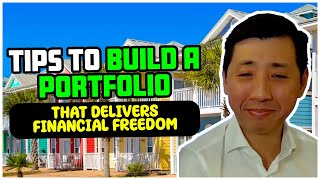
Michael Chang built Trustbnb from a side hustle in 2016 to a 26-unit short-term rental portfolio across Philadelphia and Tennessee. The ex-Citigroup banker now runs the business full-time with his wife using rental arbitrage, direct bookings, and owned properties, managed by a small team of VAs, cleaners, and contractors.
Chapters
Welcome along. And this is the Boostly podcast. So this is the podcast that gives you the tools, the tactics, the trainings and most importantly, the confidence to go out there and get yourself some more direct bookings for your hospitality business today. We've got a host with us today. So we're diving behind the host of another interesting and inspiring host to see what we can learn from their journey and see if there's things that you can implement in your business that they're doing in their business. As with hospitality, it's one of the few industries where we really like to share and really we can learn so much from each other. So today we're going behind the host with Michael Chang from Trust bnb. Michael is a former investment banker and he loves to share his social journey online to help others really how they can understand how to do short term rental and a path to long term wealth. So I'm really excited today to dive into your business. Welcome along Michael.
Liam, thanks so much for having me this morning.
Thank you for joining. So let's dive in with the question we always start with, which is do you mind introducing yourself? Tell us a bit about where you host and what kind of model you use.
Absolutely. So again, Michael Chang from TrustPNB. She started this business with my wife in we really started in 2016 as a side hustle while we both were working full time and we formally incorporated business about five years ago and we've grown it now to 26 units in Philadelphia, Pennsylvania in the US and in Tennessee by a the most, the most popular national park in the US actually called the Smoky Mountains national park in Tennessee. So we do a mixture of rental arbitrage where we, where we rent the apartments and re rent them on Airbnb, direct bookings on the other platforms and we also own property, property and all our own properties are in Tennessee.
Take me back. Before you started Trust bnb, what did you do? I mean you mentioned you were an investment banker, but how did you get started in hospitality and why?
That's a great question. I fell backwards into it to be candid. I had spent a career on Wall Street. I was an M and a banker at Citigroup here in New York working on big transactions with big companies. And it was a great experience. But I always had an entrepreneurial, always wanted to build my own business. And I give credit to my wife. She is from a luxury goods background. Her career was at Tiffany's and it was much more, you know, she loved real estate. So we always thought about how we could Grow a business for ourselves, grow a portfolio for ourselves. And we found Airbnb. And after we started, we just saw the returns and it was like, okay, well this is, could be a real business that can replace our jobs eventually. And we just took that path, just one unit after another after another after another. For us, the emphasis is always on quality. The quality of the listing, how much money you can make, not just getting listings for the sake of increasing revenue. So we've done it in a very kind of purposeful way so that we could get cash flow to support our business for our lifestyle and also, and then eventually take that, take those profits and buy property that our goal is always to accum. Acquire as many properties as possible. That is our, we believe that's the true path to long term sustainable wealth creation.
You mentioned that yourself and your wife started the business. Are you both in the business full time and if so, what does your day to day sort of roles look like? And yeah, we'll go from there.
Yeah. So we've been, we've been lucky enough or been fortunate enough that the business supports both of us quitting our jobs. We have a very young daughter as well. She's just turned 1 years old. So the ability to, to be at home, to, you know, to have that location freedom, that time freedom has been, has been truly a blessing. And the way that we, I mean now after a few years we've built the systems, we have a, we have a four person VA team for example, that just focuses on operations. So the business generally runs itself operational at least it's probably five hours a week of work, of actual work that we have to do. But so I'm very focused on growing the business and you know, and the financials and Liz focuses more on the guest experience, making sure everything's okay and she also works on property acquisition as well. So we're really focused on growth in the business, you know, and I think that that point there is important. I want to emphasize is once you, once you've built a, you know, 15, you know, 10, 20 unit portfolio, you're able to build the team that can operate that business for you all the day to day. Dealing with the guests, the, the vendors, you know, the cleaners, maintenance, all that can be done without, you know, all that can be and can at least should be done if you're operating a proper business. Because you should always be focused on working on the business and you know, less so in the business when you can.
How is it day to day working with your partner? Do you do you get home and talk about, oh, we've got this place, you know, sort of being filled with guests, or this is. Or do you leave work for work and you keep it separate? Home life? Separate?
Yeah, I think so. You know, working. My wife, we. I think the good thing is we started it together and we both really worked in it. So we both did everything. So, you know, we really, look, it's really a partnership, right, because we both, you know, a lot of blood, sweat and tears, especially in the beginning. So I think one that kind of puts, you know, everyone's kind of on equal footing versus one person comes in after another, and then it's like, oh, well, this is mine, you know, so there's not that dynamic so much. I think it's helpful. But answer your direct question. It very much is. We think and talk about work all the time, right? It's. It's our livelihood. So we, you know, after we come into office, obviously after we leave the office, excuse me, we now have a child, so we take care of her, but when, after we put her down, you know, we sit and we'll talk about, you know, what. What's next, you know, what we're going to do next day and what happened during day. And a lot of times it's just like, well, I don't know, what should we do about a certain situation and, and having to talk that out. Other disagreements? Absolutely. You know, different. We have different operating styles. We have different philosophies. But I think one thing that we both agreed on early on was, you know, we have to make a decision. Right? There's no excuse to not make a decision because you disagree or you're angry with each other or whatever it is. Like, so I think we've always, like, okay, well, you might disagree with me, I might disagree with you, but we need to come to an answer. And it's either you, I care about it more than you, so I'll make a decision, vice versa, and we both care about enough, then we'll, like, we'll hash it out and like, we're going to make it, but we're going to make a decision on this point. And I think that's really helped us carry forward because the hardest thing is, like, you get in a fight, you stop talking, and then three days later, nothing happen. And that's just not the right way to operate a business. And I don't think we'd be where we were, where we are now if we, you know, didn't have a way to make decisions efficiently.
Who are the people who help you succeed? And what would you say to somebody who's listening to this conversation? Say, hey, go and make sure these are the people you've got on your team. You know, if you're going to scale to 26 units like yourself.
Yeah, that's a good question. I mean, the way our team is now is, you know, we have the cleaners, we have Handyman, we have, you know, a runner. Although runners aren't as important anymore with the advent of online apps like Uber Eats and stuff, especially not as important. And then on our. On our internal side, we have the VAs who handle a lot of the guest communications, and we have a bookkeeper. But I would say, you know, for someone who's starting or who has, you know, only a few units now, the most important person is your cleaner. And treat that person with respect. Treat that person as a partner. I think a lot of times people feel they're a vendor. They are the. Absolutely. They're the absolute most important person in your business. They see your properties every day, they turn it for the next guest, they tell you what's wrong, they tell you there's damage so you can go get reimbursed. That person is extremely important to you. So pay your cleaners well, pay them on time, be very kind to them, because without them, your success is really built on their hard physical work. So I, and I, you know, I get this question a lot, and that's always my answer because we've been lucky. We've had the same cleaners with us in Philadelphia, at least since we. Ever since we started as a young couple. We met in 2019 in a coffee shop, and they've been able to grow their business with us and buy a home, start a family, get married. So it's really nice to kind of like grow along with someone else that you have respect for. So, you know, that's a really important decision to get right early on and, you know, fire quickly. If they don't do well in the first month, you gotta get rid of them, find a new one, because it's too important.
It's beautiful. Thank you so much, Michael. And, yeah, that's bye from me. Bye from Michael. Thanks, everyone for tuning in.
Thanks, everyone. Thanks, Liam. Appreciate you having me on.
Having a blast. Gonna get it on the Bruce Lee podcast. Bruce Lee, Like Bruce Lee. Cause it's so hard and the tea is loose leaf Making up those rhymes don't write it, just do it loosely.
More from Mark







I Tested AI Search SEO for Rental Hosts... Here Is What Happened [Live Training]



