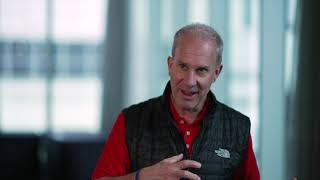
Mark C. Winters argues companies need one business operating system, not many. He backs the Entrepreneurial Operating System and says the Integrator role must own it, enforce consistent processes, and teach it at every level so everyone shares the vision.
Chapters
Hey, everybody, it's Mark C. Winners. One of the most important factors to the success of a business is its operating system. Basically, an operating system is how you run your business. It covers everything from your vision for the company to your processes. It even includes the common language you use when you work together. Here's the thing, though. You can only pick one operating system. You can't take a little bit here and in there from four or five different operating systems and then sort of duct tape them all together, mix and match pieces. Just don't work well. You end up introducing a ton of complexity, even around something as simple as language. A word may have one definition in one system and means something completely different in another. So people get confused. You need to keep it simple by picking one operating system, committing to it, and mastering that one. I may be a little biased, but obviously I think the entrepreneurial operating system is a great one. And as part of eos, the integrator owns the operating system for the company, and they ensure everyone consistently adheres to and follows the company's core processes as part of that operating system. Integrators need to cascade and drive the operating system through the entire company as each level gets comfortable with it and they need to teach it to the next level all the way down the line. The only way for an operating system to be effective is if it is shared by all. That means everyone in the organization needs to embrace the vision of the operating system. And the integrator's job is to make sure all the people are truly adhering to it. They need to execute and operate in alignment with whatever system you're using. Here's another thing to think about. Driving an operating system down through the whole organization takes time. It takes work and energy. So you need a life hack. For the sake of argument, let's say your operating system happens to be EOs. Great choice. By the way. If you're running on Eos, there's a great tool to help you get everyone in your organization on the same page. It's a book called what the Heck is Eos? Co written by Geno Wickman and Tom Bauer. What the Heck is eos? Helps all your folks understand EOS by laying out what it is and and why it'll make their lives easier. It's written in a way that's easy for employees to digest and get their heads around. And maybe for the first time, they start to see how they fit into this bigger picture of how you want your company to work. Ultimately, having your folks read this book will make the job of driving the operating system throughout the entire company way easier, your business will be much more effective, and soon you'll see your company driving forward to where you want it to go. So to recap 1. The integrator owns the operating system. 2. Part of owning the operating system means cascading it down to every employee in the business so that it's shared and followed by all. And three what the heck is EOS can make the job as the integrator so much easier. If you're an integrator and want to be the best you can be for your company, attend the Rocket Fuel Integrator Masterclass. You your journey to Integrator Mastery starts there. To learn more about the Masterclass and join our free community for visionaries and integrators, visit rocketfueluniversity.com thanks for watching today and until next time. Go Rocket.