A short talk (YouTube video) by Dr. Martyn Newman outlining two decades of findings on emotional intelligence and its role in leadership. He emphasizes specific EI skills that predict leadership performance and how mindfulness practices help leaders reduce stress, increase self-awareness, understand others, and create psychologically safe, authentic cultures that elicit discretionary effort.
Chapters
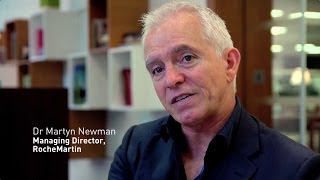
My talk was to really bring people up to speed, I think, over the last 20 years on what do we know about emotional intelligence? What are the specific skills that are critical to leadership performance and creating cultures of excellence. And I had an opportunity to just pull the curtain back, really, and distill the building blocks of some of those skills that over the last 20 years have proven to be highly predictive of some of the most successful and influential leaders and leadership cultures around the world. Workplaces have always been busy, but with the explosion of information technology, the pressure on us to perform has been extraordinary. But mindfulness gives us a technology to interrupt that space and to understand that there are tactics and strategies that we can employ to quieten the mind, to go deeply into the self, to understand the things that drive our behavior, the things that fog our mind, like anxiety and so on, and not only de stress, but discover hidden talents, hidden abilities within ourselves once we step back from that knee jerk tendency to judge ourselves, to really become more aware of our experience and in doing that, really become aware of the experience of other people and able to build really effective collaborative relationships by understanding the experience of other people, being able to inspire people. I mean, there's only two ways to really influence human behavior. You're either going to manipulate people, and I don't mean that pejoratively. There's nothing wrong with providing sticks and carrots to incentivize people. But if you want real performance, you want discretionary effort, if you want people to go the extra mile, and you need to create the climate of psychological safety where people feel safe with you as a leader. So they're looking for someone to be authentic, comfortable in their own skin.