All about OODA loop - CIFC Episode 124
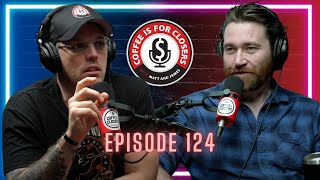
Matt Ryder, Patrick, and Marco break down the OODA Loop, a decision-making framework used in sales and persuasion. They walk through how it works with a real example: convincing someone to rent you a property by making them aware of a problem and the cost of doing nothing.
Here we are.
No one can see us. We can do whatever we want.
We should just podcast.
Okay.
Hey, guys.
What's up? Matt here. Welcome to another episode of Coffee Is for Closers. Today we're going to talk about OODA Loop and how it refers to sales and business.
Okay.
If you don't know what that is and stick around to the end, you'll find out. And we're also going to go over how sales and persuasion and any PQ in particular has benefited my and other people in just day to day life. So if you want to hear more about that, then stick around all the way through to the end and we'll see you after the intro.
If you listen to this podcast, you will make your first million within three years. We're here to make podcasts. You really want this, you listen and review.
I think I nailed that one.
You did, yes.
It was the best.
Thanks, man.
You're the best at the intro. I mean, not the best in this.
Room, but the best of the people who just did it.
Yeah.
Well, then you can do the intro.
Hey, guys. What's up, Patrick? Welcome to another episode of Coffee Is for closes. Today we're going to be talking about the OODA Loop. The reason we're going to do that is recently in a podcast, we mentioned it.
We did.
And we said, hey, if you want to hear more about it, tell us a little commenting comment. The comments came in just one, by someone who works for us.
That's how it works here.
Yet here we are.
Recently I've had a couple of different experiences which has been quite interesting to me, where we have used the art of sales to get what we want. So it was funny. I was talking to Marco recently and he applied for this house in Melbourne. He's just like, it's beautiful. Like two bit, two story, fantastic place, great view, all that kind of stuff.
So rental property to live in.
Yeah. Yeah.
And he's just like, I really want it. And I was like, yes, we go and go and get it. So he provided me as a reference and the guy called me and was like. He was like, is this. Is this real? I was like, what are you talking about? I was like, are you referring to how much money Marco makes? He's like, yeah. I'm like, yeah, it's all legit.
Yeah.
Like that's. I was like, how much money did he tell you? And I was like, oh, that's probably an underestimate conservative.
Yeah.
I was like, he makes more than that. The guy was like, oh, my goodness. So I had to kind of give the guy the background of him and the business and all that kind of stuff. But anyway, he didn't get the place. I was shocked. And so he. Marco calls the guy and it's like, what's going on? He's like, oh, the owner just didn't. Didn't think it was right. I think is he's like a 28 year old guy. Looks like a drug dealer.
Yeah, right.
Basically is what is what's going on there. And so he kind of like left it for like a day or two. And then he's like, I really want this apartment like that. So he calls the guy and he's like, hey, man, how are you? He's like, yeah, good. He's like, get any more applications? It's like, oh, no, not yet.
I'm guessing it's a very expensive apartment.
It's not cheap.
Yeah, yeah.
It's not like crazy crazy, but it's I think from Melbourne. Maybe it is. Maybe I'm skewed because I'm from Sydney.
Yeah, okay. Yeah.
You know what I mean? And I was like. He's like, yeah. So he's like, oh. He's like, well, are you still. Still looking to lease it out? It's like, oh, yeah. And then so it's not to you. He's just like, okay. Now he's trying to find a problem. It's like, all right, cool. So he's still looking to lease it out. And so he just goes through a full like, okay, I'm just gonna sell this guy into. I'm the right guy for the apartment. So he's like, okay, man. So like, what are you looking for in a tenant? Like, why wasn't I a good fit? Just kind of went through that kind of stuff. And then he's like, well, what happens, man? Another two weeks or two months goes by and you don't. You don't find a candidate that's makes as much money or as qualified or has as good a rental history as me. Like, what happens? What happens to you? He's like, oh, man, I would. I'd probably lose the listing. And Mark is like, well, you don't want to lose a listing, do you? He's like, no, he's. Why not? And he goes, listen. He goes like, I don't know. Like, do you feel like my application was strong? He's like, yeah. It's like, why do you. Why do you feel that way kind of reselling them and on him? And he's like, well, man, like, you know, what happens if you lose this listing? He's like, oh, fuck, man, that'd be shit, a great listing. The owner has a couple properties with us, and he's like, well, man, like, you know, are you really willing to settle for that? He's like, no. Why not? Like that fully just took him through, like, solution, consequence. And then he's like, well, man, like, if you think, like, I'd be happy to reapply, but if I did, like, how do you think you'd go to the owner and, you know, get him, convince him that I'm the right guy. And he said to him, and he goes, do you want to make a suggestion? Sure. And then he told him how to sell the owner.
Yeah.
Anyway, Marco moves in next week.
Yeah. Yeah.
So tell me about the phases that he did there. So we've talked about. First thing is problem awareness. So he had to create the problem for the guy. Like, he's just thinking, this is a listing, no problem. Like, it'll.
Someone will want it.
Yeah.
And so he had to create the idea that maybe nobody else does want it.
Right.
Or. Or that maybe the owner's got unrealistic expect as to what he wants from a tenant, you know, and so he had to kind of reveal that, yes, there is a problem here. Like, you're looking to sell something, I'm looking to buy it, you know, and it's like that. You haven't. You haven't done that yet. So clearly there's a problem, right? So it's like, let's establish the fact that you still want to do it and that there. There is a problem. The next is like, what are you looking for in a tenant? You know what I mean? And kind of reinforcing some of the things that they're looking for, of which he ticks many of the boxes. And then it goes through, like, a consequence phase, which is really what it's all about here is like, what happens if you don't find somebody? And they just probably never considered it. And so it's like, what that does is it's wrapping up some urgency on it so that the guys can. So that he can go, oh, like, I've got to do something about this. So then he can. And then. And then by providing a suggestion, you know, it's like, well, let's go back to the guy. And if you. I want. I'm happy to help you out, man. Like, I'm happy to help you. I'll reapply, put everything in. You know what I mean? And then. And then by seeing how he would go back to the guy, like, that's where you can see his sales pitch. And his sales pitch is probably trash.
Right.
You know, so what you got to do is you got to kind of then coach him on how to do it. And what you would do is you. Would you. Instead of going to like, hey, I've got this great tenant and he's really, really good and ticks all the boxes. Like, that's not what you want. You want to go through it like a. Like a. More of a problem base. It's like, hey, you know, we haven't had that many people through. I've haven't had many qualified candidates just because of the market.
Right.
I have had one very qualified candidate, and I think he might still be open if we are able to come back to him. Like, would you be open to me getting in touch with the qualified candidate? You know, and so it's like, yes, it is. So come at them with a problem, they're going to be more likely to. Instead of just coming at them with, like, great solutions. And that's the same as in business. Like, you never want. Especially like, in my business in sales, no one's ever going to be responsive to the referral. Hey, speak to Matt. He's a sales killer, right. It's just not a productive referral. You know, it's like, hey, go and speak to Matt. He really helped me overcome. Think about it. Objections.
Okay.
That's a great.
The specific.
That's a great referral. You know, I'll go speak to. Patty's awesome with dogs. Okay. I know plenty of people who are awesome with dogs. Hey, go speak to Pat. He really helped my pet aggressive. Pet stop being pet aggressive. Whatever.
Right.
And so it's like, oh, sweet. Nice, specific problem. And especially if you teach that person how to go out there and get it, they can find and they figure out what kind of problem the person is having. And then from there, the referrals are far more sticky.
Yeah, makes sense.
Yeah.
So we just made a video. Probably be here on. Yeah, right there on cost of inaction. So that would have been a big chunk of what Marco was doing there with the guy.
Right on.
Like, but what will happen if you don't? Yeah. And so I think the way that you frame that in the video when we filmed it and, you know, I'm editing it right now, that's why it's fresh on my mind is, you know, it was like, cost of inaction, of. Of not doing something Right. Like not signing up for something. This is a cost of inaction of like not at. Not being. This. Not allowing Marco to move in and therefore like losing the listing. So it's not just a case of like framing cost of inaction of like what you couldn't achieve, but it's what actually could be lost from you.
Yeah. So it's like what, what's, what's the natural. What's like the logistical conclusion? You know, people always talk about like slippery slopes. So cost of an action is a way to discuss the slippery slope.
Right.
You know, all of a sudden you let someone use a bathroom and then people are, you know, you know, marrying beavers.
Right?
Like that's, that's the slippery slope. Okay, so it's like, okay, well let's talk about that in a logical manner.
Yeah.
And then go, well, if you, if you don't find someone as qualified as me, what would happen over the next two days or two weeks or two months? Well, I wouldn't lease it out. And what would happen then? Well, the guy probably pulled a listing from me.
Yeah.
Okay. And like, are you okay with that? No, I'm not. Well, why not? Right, so then it's about adding the detail as to like thinking about the day to day ramifications. Well, I lose a listing, I lose a client, my boss isn't happy with me, I don't hit my quotas, you know, end up on the street sucking dick for weed.
Bix.
Have you ever sort of been laying out that cost of inaction sequence to someone and then just go, oh, no, that wouldn't happen, mate, all the time.
Yeah.
And how do you handle that? Because like, that could really happen. So imagine, you know, to stick with the same example. Marco is trying to get his place. He says to them, oh, you know what will happen if you don't sign someone for two weeks? You could lose a listing and go mate. This guy, he doesn't care. He wants the right person.
Beat it.
Like, how do you combat that? Where they're like, no, I just don't accept the hypothetical you're creating. I don't accept it.
Yeah.
So there's some nuance to obviously how you ask it. Like, it has to sound like it's genuinely curious. Otherwise it's like, it's very transparent.
Okay. So you have to be careful not to be clearly leading them down the path of this leads to that. You just have to, you have to be careful to frame that as a genuine curiosity. Like what would.
Yeah, I'm curious.
Yeah. Okay.
You know, and so. And also, like the setup for it as well. It's like you've got to kind of set up. You've got to have a few answers ahead of time. So it's like, that's where like your kind of solution awareness comes in, where you're like setting the scene of what it is they want.
Okay, Right.
And he's a really qualified applicant. Like a very qualified applicant. Right?
Yeah.
So you're putting together, like, what are you looking for in a qualified applicant? You know, so it's like you understand the boxes that need to be ticked, and they might be difficult boxes or easy boxes or whatever, but he ticked almost all the boxes except for the one which. Which is the fact that he's a young Italian guy, looks like a drug dealer.
Yeah. Right.
That's the only box that he ticked or didn't tick. You know, and so having an established paradigm or set of facts that you're working off is important. Otherwise it can be too vague. The other thing is, which we actually discussed in that cost of an action video, which was somewhere over there.
Right there.
Yeah.
Which was like. Or in the comments, leading them down emotionally too far. So it's like a lot of people will. They'll. They'll future pace out this crazy good success, and then from there they'll go, but what if you never get it? The devil.
Right.
And that's just too much of like an emotional bridge for people to walk over. So, like, you have to kind of take them down to reality. If you're doing this in like a. More of a sales environment, the way. The way he was doing it with this guy was far more conversational. Probably took seven or eight minutes.
Yeah. You know what I mean?
But it's just. He knows the kind of. Some of the questions to ask to get him back in the game.
Right.
And. But if you're doing it in sales and you're trying to get much more out of someone and you're really spending some serious time, then what you do is you sort of. You lead them up the garden path in order to kind of get this great future scenario of, you know, everything lines up, you get the money you want. What do you do with the money? How does that make you feel? What does that order? This, this, this. And it's like, what are all these tangible and emotional benefits of achieving said goal? If you then rug pull them, right? Then they're. If you've done a good enough job, then they're not going to believe that. That's not Possible, Right, right. So they're going to go, well, no, like I'm gonna make it work. It's like, well, me and I get that, we all want to make it work. What if you don't like, no, there is nothing that will stop me. And then from there you're like, the heels are digging in. And now it's going to be very difficult for you to kind of wind that back. It can be done for sure, but it's a difficult process to wind it back. So what you do, which is the smarter way of doing it, which is bring them up there, then from there go, well, okay man. Like well, with the skill sets and you have to be very specific, right? This has to be a really specific question. If it's too broad, then the answer won't be correct. Okay, so like with the process you have in place now, the skill set and the opportunity which you have right now, how close are you to being able to achieve that? Like, and it's like the ultimate emotional payoff, right? So let's just say it's like, you know, I used to sell middle aged women into fitness, right? A lot of them were just recently divorced and a lot of it was like, look, look like a neck breakingly hot in a bikini. So you can figure out where your ex husband is having lunch with his of a girlfriend, right? And you can walk by looking smoking hot in a bikini and literally break his neck.
Yeah, right.
And I was like, how would that feel? Fucking kill that, right? Like that brings it out, you know what I mean? So I was like, with what you have in place now, how close are you to being able to do that?
Not at all.
Not at all. Why not, right? Explain and then get the detail. I don't have the knowledge. I don't have this. I don't have this. All they have is the drive. And then from there you go, well, what if, what if that never lines up? What if you, you don't get the skills and you can use all those things that you mentioned, the opportunity, the skill set, the yada, yada, yada. What if you don't get all those things in place? Nothing changes, Keep doing the same stuff you are now, which has got you to nowhere near that part. What happens then, right? Then someone's, it's very difficult to go, oh, it's not going to happen. It's like, because you just admitted, well, it's happening right now. So if it's happening now, what? Like there has to be a catalyst to make it no longer be happening. Because you're at a fork in the. Let's say you're at a fork in the road. Like, you're currently going down the wrong one. So we've got to change tact and go down the right one.
You know, tell me about the pauses you use there. So, like, something you do all the time is. Especially when you're asking these questions, what if. What if it never happens? Right?
It's probably. Probably do it subconsciously at this point.
Yeah, but. So, I mean, I watched a dream in your voice, right? I've watched so much goddamn video and edited so much content of you, and there's times I see that you're, like, searching for the next word, and that's natural pauses. And on YouTube, I have to cut those out, right? Because YouTube won't accept a lull in the battle even half a second.
Ye.
But there's other times that you give that pause, and it's always in those consequence questions there where it's very intentional. Like, I can see there's no way I'm cutting that out. That's not. You, like, stalling and taking half a second to remember the word. You know full well what word's gonna come out, but you leave that gap. How aware of that are you, and. And how intentional is that, and what's the effect of it?
Well, I think, like, there's a couple of, like, really interesting tonality. I don't know. Like, I don't know what they'd be called. I guess, like, things, right? Like, stuttering. Intentional stuttering is super powerful. And it's. If you're like, like, like, like, what I really want to know is. And it gives the intent that you're really trying to get the gears right. So what you're about to say is really important.
Okay.
So if you want to have that level of importance, you can just go, well, like, yeah, what I really want to know is. And, like, people will just be like, oh, I think.





