Billionaire sales beast trains poor kids in africa
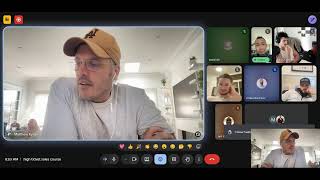
In this 2026 live YouTube Q&A, sales coach Matt Ryder fields a rapid‑fire series of questions from a diverse group of participants (A‑G, Jeff, Jake, etc.) covering practical sales challenges across multiple niches – from life‑insurance and mortgage‑protection to marriage coaching, B2B trades, and mobile‑app founder services. The discussion repeatedly circles around three core ideas: (1) an upsell is not a separate tactic but the same need‑discovery process used for a first sale; (2) you must surface a genuine problem or gap before offering any higher‑ticket product, using structured frameworks, segmentation (bucket‑ing) and precise questioning; (3) objection handling hinges on tone, open‑ended vs closed questions, and keeping the conversation non‑combative. Matt also shares his own program design – a laddered curriculum that naturally creates gaps for upsells – and his team‑like training methodology (daily huddles, minimal scripted training, high activity expectations). Additional tactical nuggets include lead re‑engagement cadence, TCPA‑compliant call limits, dialer performance metrics, and the importance of “future‑pacing” in marriage coaching. Throughout, Matt emphasizes honesty, relevance, and the danger of selling when no need exists, while offering concrete scripts and confidence‑scoring questions to move prospects from problem awareness to commitment.
Chapters
What I like feel is very interesting in building a problem when they already have bought, even though they're supposed to like be easier to, to be sold to. Again, in terms of like people already bought. Right. Like, how do you structure that framework? How do you go about that?
Just in general, the upsell?
Yeah, yeah.
Well, I guess it depends. Like, it's more of a system than like just a sales framework. It can't be out of the blue. It can't be random. Right. You know, so like, are you just kind of calling these people out of the blue and be like, hey, do you want to buy more?
I'm, I'm calling them, booking them onto a call with me just to have like a, how's it going? Anything I could help with or we could help with and then like build out around or build a problem around something they aren't getting help with.
For example, is there a problem or something that they're not getting help with?
Sometimes, like a very few times, yes.
Why would you try and sell people?
Huh?
Why would you try and sell things to people they don't try and sell people things they don't need?
Ah, good question. Like, it's just that we have
commissions you want to make.
We have more like advanced, like more one on one actual mentorship with the offer owner and he's really good.
But if they don't, if they don't need it or they don't have any problems or they're doing well, like it's a program structured well and it works. Right.
Then yeah.
Like what? Like, yeah, like logically, why would, why would I buy it?
Okay. I mean, I, I understand, I understand
that you want to sell it.
Yeah.
But what you're putting forward is there's no problem to solve.
Okay.
Now if there is a problem to solve, then you can do a sale. But if the answer is like, no, they're all doing fine and the program is working really well, we just kind of want to sell them more. It's like, I mean, I guess you could like try and miracle up some stuff, but in reality, like you're not, that's not like you have to solve a problem otherwise like there's no value there.
Right.
Okay.
So unless you can find significant problems, it's, it's not really, you're not really going to be able to just kind of like, you know, miracle up some, some sales. So, you know, like, like what, what's the, you know, if I was me, I would want to break down, like, what's the key distinction between what they have and what they're gonna buy,
and
then from there try and make that difference. Like the linchpin to getting the success that they're not getting, you know, but, like, if they are getting the success, then, like, it's just sort of unnecessary.
Yeah.
In which case. Well, I. Like, I wouldn't. Right. So, you know, like, I don't sell it. Like, I just.
If there's a.
Again, if there's. Come in, establish the need. Like, where are they at if they're hitting any roadblocks, et cetera, et cetera. Like, you have to find a problem. It's a. There's no difference between an upsell and a normal sell. It's the exact same process you have to go through, you know, like, what's the problem? What's the solution? What are the gaps? What are the things holding them back? If the answer is, like, no, no, no, we're perfectly on track. We don't have any gaps. And what we have, what we bought from you is filling all of those needs. Like, there is no sale to be made. So you either make the main program worse. Yeah, I mean.
Yeah.
So, like, it just.
That would stray to me.
Like, the programs are designed, like, not for upselling.
Okay.
You know, and so you can ask me, like, yeah, but if you had to, how would you. My answer would be, I wouldn't. Right. So, like, I don't. Like, I just don't get down like that. Do you know what I mean? So, like, if there's no need, I just wouldn't bother. Like, that's the honest truth. Like, if there is a need, I would bother, you know? Yeah, but you have to be able to establish a need. And if you can't do that, then there's really no point doing it.
So focusing on other activities rather than focusing on that for now. How, like, what was the telltale signs at 7 then to where you actually made an upsell for, like, when they did one program one another?
The programs were designed to upsell, though.
Okay.
It was engineered that way.
Oh, there you go.
Okay. I know, because I. I made it that way.
Yeah.
Okay.
You know, like, there was key. You could get a good result from each one, but there was key things missing from each one that the next one presented. Like, that's kind of how you do it, you know, so it. But like, if I gave everyone everything and then was like, hey, also, like, there are some people who will just fanboy out and just do it because they want the time with the person. But, like, you Know, from a business standpoint also, like, that's not a great. You don't really want people to do one on one, you know, unless you're trying to do, like some big upsells and stuff like that. But yeah, yeah, yeah. One on one's kind of like it's just a giant time suck in reality. Yeah. You know what I mean? Like, it's actually a very unprofitable venture. But yeah, because, like, the way that seventh was, like, it's the virtual training platform. And then from there, like, a lot of people will be able to get a bit better with the virtual training platform. Like, all the information is there. People are going to need feedback, right? Then from there, like, you go into the next one, which gives you, like, more feedback and more specific skill sets, right? And then from there, the next one is, you know, like, scripting. So it's like you get scripting, the feedback, you have the baseline information. It's like it's building upon a foundation, you know what I mean? So it's like it's designed that way. Otherwise, like, it's just kind of random gobbledygook, you know?
Cool.
Yeah, yeah.
Thank you.
All right, cool. Chu Chu. Chad Chi.
Now you got it right.
Shoe chew. What's up, buddy?
Hey, Question. So again, I'm in life insurance. So on my opener, I'm debating if I should go because I'm trying to get to know why as soon as possible. But after I introduce myself, should I go more like, hey, are you looking for anything particular or are you looking for. You want to look over all your options? Should I go with that as my second question after my introduction?
What's the context here?
Again, Sorry, just life insurance.
Life insurance, outbound, inbound, age leads, both
age new, outbound, mainly.
You're always gonna have. You're gonna have different openers for age than new. Just like, they're very differently too.
Yeah, because right now. Well, right now, you know, I'm going to like, hey, you know what? Like, after I introduced myself, you know, of course, verify the information. I'm asking them, are you. I'm asking them. So what got you looking for life insurance in the first place? Yeah, I'm not sure if that's like two in into it right then, or should I go into more like, hey, are you looking for any particular first?
So, like, for age leads, that's gonna be a little rough because, like, they've all been called 45, 000 times. Yeah, I mean, for. For newer leads, I think that's probably fine. One, one thing that I like to do is like frame everything as like protection for the family. It's like, oh, so what has you haven't looked to, you know, putting some, some kind of worst case protection in place for the family. Some of that instead of like labeling it as insurance, kind of like, I guess sets a better frame and a connotation. But that's totally fine for new leads. For older leads, generally speaking, you're going to want to like acknowledge the fact that people called. It's like, hey, you know, you know, so they've been called a bunch of times. Customer service type vibe is probably going to be a little better for that. Right. And yeah, for those, for those older ones because you're going to get like a lot of combativeness straight off the bat because you are like the 97th person to call them in the last three weeks.
Got it. Okay, Perfect. Thank you.
Good man.
Yeah.
Hey man, I missed a few first minutes. Is just the Q A today.
Yeah, yeah.
All right, so I'm curious. I just, I just hopped off a call of one of the, one of the founders. So what I sell is we have coaching and then we also have done for you services for mobile app founders. And this person in particular, like she is super well established, previous line of work, first time app founder. So she's obviously much older than me and much more business experience. And I was going through objection, handling, basically handled all the, all the logistical stuff and we got to the point where she was just like, yeah, I just want to have a day over it obviously like bs But I kept looping a few times, everything by the script and, and I'm just curious, do you know when is a good time to stop? Because I felt like her getting a little bit defensive because I was trying to probe on the decision making.
Yeah.
And then also I just feel a little, a little weird asking somebody who's much older and successful than me. I know it's a limiting belief, but again like asking them about the ways they make decisions. So I don't know if there's like a specific moment that you know, you should stop and actually schedule.
It's usually like, you know, 27, 27, 30, something like that. No, I'm just kidding.
So I think first of all, like,
if you think it's weird, then it's weird, you know, so it shouldn't get combative.
So what I would do is I
would like review the call and then have a look at where you started to get frustrated or where it started to come across because like, frustration is the emotion that you cannot hide, you know, and it comes off aggressive, but it's like it's not. But it's like you're frustrated.
Right?
So that's generally what it, it sort of puts a different skew on everything that you're saying, right? And so then as soon as that comes out, even like a tiny little amount of frustration comes out, then it's, it's gonna go sideways from there.
So it's generally like, it's not a
time because like I've done objectioning for like two hours and it's stayed pretty chill, you know what I mean? It's really just, you know, you have to get the feeling of like, this is no longer productive. Right. But also you got to remember, like, if you tied off the, like the logistical stuff, you have to have tied that off and then you're going into that more fear based stuff because otherwise, like you're just beating people in the head with a mindset that.
Right.
So, you know, I, I would say like, if you tied up the logistical stuff and they're like, yes, I need it, I want it, I know this is the best thing for me. They just won't do it for fear. I would say probably just go hard in the paint, you know, because like the chances of that person coming back and buying outside of that coal is next to nothing. You know, if you or haven't gone through like the logistical stuff, then, you know, I would say like, that's just an error, right. In like tactics or whatever. Yeah, yeah. But, yeah. Does that make sense?
Yeah, but again, I think it's crucial.
Very, very clear. Very, very. If it's not, if you haven't done that, then like, it's sort of like the process was flawed. So I wouldn't look, I wouldn't worry about the execution of it too much. Like, it's more the, it's the strategy rather than the tactic, you know. Yeah. Like we all decided to, you know, wear blindfolds to the, to war. It's like this is poor strategy. You know, let's not worry about the in room tactics. Let's. Let's just take the blindfolds off. Right. So yeah, I'd have a look at that.
And then if you did do that,
then I would have a look at the moment where you started to sound frustrated or when you feel like you got frustrated and that's the time when it turns. And maybe that's the time when you just like the moment you feel that kick in Then you just go it open. Thanks, dude. All right.
Jeff.
Hey, how's it going, man?
Hey, buddy.
The most active man in the membership.
Fanboy.
But so I was just gonna mention.
So I'm on a marriage offer. And. And I've been doing a lot better since I've been going through your training,
so I appreciate you.
Yeah. What I'm struggling right now with.
Yeah.
What I'm struggling right now with is my opener. So, typically, their buyer lead, and they're going through the portal, and then the portal is like, hey, book a call. And usually they're thinking, like, oh, okay, we're just having a conversation. They don't know we're trying to upsell them. So typically, how I frame the beginning is this is what we're talking about. And then I say, okay, so what brings you here? Like, kind of like what you do, like, when you say, how can I help the call? Right, exactly. Right. And I know you said essentially that, Right. Like, well, they'll say, like, yeah, yeah, just be struggling in my marriage.
Just that or the other.
And then they'll just go on this diatribe.
Right.
So.
And I know you said, don't do that. You could do that because you can break the rules. And I don't know what I'm doing. So I'm trying to figure out, like, what's the best way to.
Yeah.
What's the best way to frame the beginning of the call so I don't have them just, like, word vomit on me.
Yeah, yeah, for sure. I mean, I think in this. In this kind of scenario, you're. It's.
It's prone to word vomit. Right, right. Because it's like, people are looking for, like, a venting opportunity. Hold on one second. This is fun. People are looking for, like, a venting opportunity.
So, you know, in some regard, I don't.
And.
And, like, it's probably a good idea
to, like, allow them to do that somewhat, because, like, maybe they're not being heard by their partner or whatever. Do you know what I mean?
So, like, you just going, like, anyway, right. It's just not.
It's not going to go down that well.
But I. I think, like, the framing of it, I. I think if they're always giving you that same answer of,
like, well, I saw the link, and it's someone to book a call, then, like, that question is useless.
Right.
Unless you come up with, like, a ninja tactic to then take that into something cool. Right. But. But generally speaking, like, if. If, you know, it's a semi unproductive answer, and you get it a lot, then I would just kind of ditch it.
Um, I would kind of set a
framework early on just to kind of, like, with those types of calls, they're. They're difficult to control because, like, there's no set intent for it.
Right?
So the. The whole point of, like, having, like, a framework at the beginning is to, like, set an intention and so you
don't have to do that if it's
like, BSL book calls, right? Like, it's pretty obvious.
So what I would do is, like,
I would put people into buckets.
Hey, man, people usually jump onto these
calls and want to work with us or come in and get the. Into the ecosystem for, like, one of three reasons, right? And it's like, their marriage is, like, not going too bad, but you can feel like there's some things going on and you want to get on top of it early, that things have broken down. But, like, you're still living together. You're not separated. You know, I mean, and, like, you really want to fix this, or, like, things have probably broken down, you're separated, maybe not even actually together. And, like, this is a lost digit. This is, like, this is the last thing. Which one of those, if any, kind of identifies with you more, right?
So put them into a bucket of,
like, really common avatars, you know, and, like, problems, right?
Those.
That's a really clear avatar and problem. They'd be like, yeah, man. Like, things are pretty rocky. We're still together, but, like, this isn't going well. Like, we need something to fix this, and they're gonna go, okay. And then you can go, okay, cool.
Like, how.
How long has it been that way?
Has it recently escalated to that?
Has this been over a long time?
Okay, what have you done to fix
it in the past? Right?
So then, like, you're kind of into
it pretty quickly, then. Yeah, right. Yeah.
Okay.
So you're just giving that opportunity to have the calls and say, like, hey, this house is gonna go. And then usually when people come up, come out, or just reach out to us, it's one of three reasons they're doing okay. They're just trying to get ahead of it. Things are starting to slide. No divorce or separation. And then there's others who are like. And it's pretty rocky.
And then, okay, like that.
Okay, I'm gonna try that.
Because then. But then you can immediately go into, okay, how long's it been going for? You know, what's the. You know, stuff like that, right? So it becomes a much Easier prospect to then like go and actually start hunting for herself for sure.
That's really good. Okay, thanks, Matt.
Awesome, dude. Nathan Shrembre. What's going on, man?
Yeah, mate, sorry, we're just speaking to a local Australian Lego for you guys.
Yeah, exactly.
Don't worry about us, count. I'm selling B2B so trades coaching at the moment.
I've done that and I love that.
Yeah, yeah, it's good fun, man.
It's good fun.
And there's, look, there's, there's a lot
of gold in the pipeline and when I say that like there's like old calls from other reps where they haven't agreements been sent and I feel like your perspective on the best way to like re. Engage with those leads.
It's customer service. I, I used to do it. Who are you selling for?
Profitable trading.
Oh yeah.
Sweet as they're on $. Yeah, they are, yeah. Sweet. Yeah.
Like Liam's obviously very good. Liam's still there, right?
Yeah, he is, yeah.
Yeah.
Liam's really good at this.
Right. I coach Liam crazy.
But the, the best thing I, I
think is like customer service.
So you come in and be like, hey man, like I'm, you know, I'm new here, you know, I'm, I'm coming
in as the XYZ manager and you
go like, I saw that you had
a call with such and such. Now what I would notice with a bunch of those calls is that people weren't really given all the information or, you know, there seems to be some common themes there.
It looks like you were, you were trying to do this.
What ended up happening to that? Right.
So the key is like you were trying to do this.
What ended up happening with that?
You know, and like that's a good kind of like they're like, oh yeah, you know, we sorted it out. Like, oh yeah, What'd you do? Ah, you know, be like, okay, cool man.
We'll like, you know, and then just like, like give me a run through. Right.
So the key is like that you have to get past that first deflection
of like, yeah, man, like, we're sweet. Oh, awesome, man. What'd you end up doing?
And like, if they don't come up
with something quick, it's, you know. Yeah.
And then like, you can kind of
like go that way because you should have notes on them. Right?
Yeah.
So if they're still in the same position.
Yep.
You know, and then always like with
contractors, it's always good to put it back in their court and be like,
hey, man, like, this is the same
as, you know, you seeing a building that's been. Was half done nine months ago. You drive. You know, it's like, maybe they don't remember their contractors. Like, you know, so, like, are you
still where you're at or, like, what's going on? And I find, like, a lot of the time, man, being pretty straightforward with these guys works.
Yeah, for sure.
Yeah, I agree. You know, so.
But that's how I did it because I. And, like. And then what I used to do
as well is I used to just, like, I used to just call everybody who the other guys didn't close. But the. The old pipeline was. Was. Was pretty good, and I. I just got it by rep. Like, I just figured out who the best and worst reps were who used to be there, and then I just went off to the worst guy, you know?
And, like, that.
That's how I gave myself some level, because some of the guys were pretty good, man.
Yeah.
Yeah. And so, yeah, some of the guys are pretty good. So, like, going after their stuff was, like, not anywhere near as fruitful, but going after the ones that were, like, that was. That was pretty good, you know? Makes sense, man. Makes sense. Perfect.
Appreciate that.
Yeah. All right, cool. Next person. Simon,
how are you?
Good, buddy.
Good. Good.
So my question is, how do you react when somebody says in objection. Handling that. That he knows what my intent is or where I'm trying to go, stuff like that?
Sorry, man.
You got to ask that again, buddy.
How.
How do you. How do you react when somebody says in objection handling that He. He knows what you are trying to achieve with your questions and stuff like that.
You know what I mean?
Yeah, I know. Yeah, I think so. I think so. Do you sell in English?
No, bro.
Okay. I was gonna say. Oh, that's right. You're. You're Danish, right?
It's German.
Too many. You white people all look the same, man.
Yeah.
All right.
Jeff gets it.
Yeah.
Okay. So you're asking the question.
The guys.
The guy's like, so basically, you're asking the same question more than once, but
you're not doing a very good job of, like, making it seem totally different. Is that right?
No, When. When somebody says when he's trying to set the intent, you know, he. He knows. Yeah, I know. I know what you're trying to get me. I know why you ask this. I know you're trying to.
Are you selling?
Sales training.
What are you selling?
I sell mainly B2C business opportunity.
Okay, so are these. So it's biz op. Are these people, like, have they usually done the rounds?
Have they done a few calls?
Again, are these people usually done a
few calls, like, tried a few, like, had it. Like they're shopping around different biz ops, Is that right?
Usually not.
Usually not. Okay.
Okay. So. Okay, I asked that because it's two different answers, right? Like, if someone is shopping around biz ops, sales is a biz op, right? I saw some doing CEO. Bizarre, wild, loose, right? I'm all for it.
Don't get me wrong. It.
Right, but it's two different answers, you know? I mean, so that means that the underlying intent of your question is transactional and not like inquisitive or genuine. Okay, so. And that's a tonal thing?
Yeah.
I mean, I know you Germans, when you start getting excited, you get a
little bit, you know, you get a little down the line with your tonality. You know what I mean? Okay, yeah.
Not as much as the Austrian artists, but, you know. Right, but so you, you really wanna. You review your call, and I'm telling you, you're gonna do two things. One is that your words will point back to the transaction.
Okay?
So, like, if I say money aside,
do you feel like this could be the answer?
It's a very different question than if
you had the money, would you do it?
Okay, yeah, very different question. One points to a transaction which is like, I know what you're doing. The other is like, hey, man, like,
money aside, do you feel like this
could be the answer? It's genuine, it's open and it's curious and it's talking about the actual thing working.
Right.
It doesn't lead back to them buying anything.
Yeah.
Okay.
That's a big one that people up a lot. And the second one is that listen to your tonality.
If you're getting frustrated, okay?
Because those two things combined, even like the dumbest of the dummies will figure
out what you're doing. Okay?
Like, frustrated tone pointing towards the transaction.
Sleazy sales guy wanting to take money.
Right?
Like, open guy who's just curious.
Right?
Asking if the program is even a work it's even considering doing something with.
That's a different story.
Hey, man, like, money aside, you feel like this could be the answer for you, you know?
Yeah.
So, okay, and if you're selling sales
training, when they say that, you go, mate, you don't know half of what I'm doing. So there's a whole different thing that you can do there as well. But, like, for what you're doing, I
think have a look at those two
things because I think that's most likely the problem. Right.
Okay.
Makes sense.
Okay. Yeah. 100 makes absolutely sense. Yeah.
100. Not 99.
Right.
You see what I did there?
Right?
All right. It's.
Yeah. So last time I asked you about the fact that. So I'm selling to these guys that are like building the app from scratch so they don't have what I can't ask them. Like, what have you done so far? Right. So what you told me is to ask them a little bit about their plans and what they had a plan with. So my idea now and I just wanted to ask you, does that make sense if I, if I ask them that and they tell me the plan, does it make sense to ask them just to get into problem awareness? Just ask them. Okay, so what have you seen in that plan that made you want to talk to us about it or execute it or some question around it or should I just go to the overarching goal right away?
Yeah, I, I feel like I would
go to the overarching go. I feel like that first question you ask, I feel like it, it's difficult to answer. Yeah. You know, like it's, it's.
So it's gonna either, it'll either like
just give you a banger answer. Right.
Of someone that's like, who's like really kind of like self actualized and like
really considered their feelings. Yeah, yeah.
Super rare. Yeah. Or it's gonna be like, I don't know. Right. Like, okay, you know, so yeah, that's what I do.
So how do I, how do I build the gap then? Is it just by our frameworks and what we do that they can't really. That seems kind of familiar. No.
No. Okay.
Yes. Sweet. So I guess it's.
If you want me to give you.
It's actually similar context. It's probably similar to selling weight loss. You know, I mean if I, if I think of it that way because like they're, they're doing nothing like, and everyone has access to all the stuff, right? Like everyone has access to everything that
you would need to lose weight. And you know, if you look hard
enough and everyone has access to what
they would need to do to yada, yada, yada, if they, if they look hard enough.
Right. So like the, the goal is built in stages. Like you've gotta, this is where like
the patience of the sale kind of comes in.
So it's like, so it's like the first thing is the overarching Goal.
Okay, so it's like I want to grow my app. Right.
The second thing is then you add
a, like a tangible in a time frame.
And the third thing is you add
like an emotional payoff.
Right? And so if, if someone is doing nothing, then the problem that you build
will never be very substantial. Right.
Like again, unless they're extremely self aware.
Sorry, someone just left a wild comment.
Sorry.
On YouTube.
So yeah, that's funny. So anyway, so yeah, so the problem won't be substantial because like they're living with the problem. They've either like wanted to be doing it for a while and haven't done
about it or like they're doing stuff.
Yeah. I mean, so but like either way they're living with it and they're fine with it.
So like you kind of gotta do with it.
So it's the solution and the benefit and the payoff. And then with what you have in place right now, how confident are you
that in the next nine months you could put XYZ in place so you can grow your business to this and get this outcome? And it's like, oh shit, I'm not very close. Right.
Like that's how you build the gap. So you build the gap. So there's a couple different ways. If you look at a gap as like, this is where they are, this is where they want to be.
Right?
So in a lot of selling you can go like backwards and then move it forwards in stuff like fitness, it's like what impact is being fat having on you? It sucks. Yeah, I mean like how far can
you really take it? Right
enough. This is called Clickbait Buddy, right? The title of this YouTube live is Billionaire Sales Trains Poor African Kids.
Oh my God.
Right, so, so it's called Clickbait Buddy.
Get on board. Right? I could be a billionaire. You don't know. I'm sure there's an African here somewhere.
So you want to go backwards, then go forwards, but a lot of sales you're going to like go screaming forwards. Then in consequence you're going backwards.
Right.
Like it's, there's problem based sales and then there's solution based sales.
Yeah.
And yeah, just the last, last thing on the, on the consequence, typically I ask them now is, is I just go, okay, so on a scale from 1 to 10, like how confident are you being able to hit those goals with what you have right now? And then the reason.
But that, that question though, I'll just say like, okay, you're asking how confident.
And any business owner worth their soul Will do it. We'll be like, yeah, I'm confident.
Yeah.
Right. So again, like, when I ask a question, like, the wording is very precise. So, like, how close are you to being able to. So given your current process skills, whatever kind of that tangible thing that you're teaching.
Right.
So I'm selling sales training. It's like, okay, man. So, like, given your current skill set.
Right.
And income trajectory, how close are you
to being able to.
And I lay out a very specific
outcome, which is the outcome that they want.
Now, if they go, oh, I'm not really sure, then you can go, okay, like, on a scale of 1 to 10. Can't say 7.
One being terrible, you got no chance. 10 being you're already there.
Right?
Then if they go, like, I'm a six, and be like, okay, cool, man. But, like, I'm.
I'm not.
The math is not bad.
The math isn't mathing here.
Like, what's going on? You're this.
You're this.
Okay.
You're about 30 of the way there. So realistically, man, like, where are you at?
I'm a three out of ten.
All right, cool. So, like, do you want that to
continue, or do you want.
Do you want to change something? Maybe now I need to change it.
What, now or later?
Later.
Are you sure? Because most people just kind of stay where they're at.
You've been here for a while.
Are you really ready to make a change?
I am.
Okay, as long as you're sure.
Right.
And then, like, that leads into consequence. Okay, but what happens if you don't, though? Are you right? It's school holidays.
Nightmare.
Oh, yeah, sure.
All right. But does that. Does that make sense? Like those. Yeah. So just tiny tweaks in wording, man. They make such a difference.
Yeah.
Awesome.
Lovely.
Yeah.
Thank you.
Yes, sir. Hey, so I. I feel when it comes to mortgage protection, leads, I feel my rationale question is not the. The best. Yeah.
Rough, dude. Are you getting, like, the. Are you getting mailers or what? What are you. What are you getting?
No, this is just digital.
Digital.
Okay.
Yeah. Because, like, man, it's. What's your.
I feel like I could post some of them.
Did I get.
We jam. So in our insurance, like, I think we're one of the.
We're one of the top agencies now in our insurance, like, me and Kaden, and, like, we do life, and then it's like you skip mortgage and then go straight to iuos and annuities.
Yeah. Mortgage seems to be about doing annuity.
Weird.
Space man.
Like, it seems to be super, like
heavy, commoditized more than most.
Maybe most of the marketing is pretty bait and switchy.
So, like.
Yeah.
Is yours bait and switching?
Yeah, because like they say, oh, anyone could qualify for mortgage protection, you know, $80 for $220,000 of coverage, no medical examination needed. You know, so. And then people coming in, they're like, oh, I thought I could qualify for to pay off my entire house. And they're like 75 years of age with cancer and stuff, you know, you
dying right now and give me insurance. Yeah, it's a rough game. Like, you know, so. All right, well, let's. I mean, yeah, all that aside, what's your rationale question?
What you want to do?
My current rationale question? This I asked him. So, I mean, besides looking at mortgage protection, why not just, I don't know, pay more towards a mortgage and hopefully you pay it off before you die.
Right? Because I ain't got no money, man.
Right.
Yeah.
And usually they, they'll response is like this. Well, I never thought about that. Maybe I'll just do that instead, my friend. Yeah.
There's very few good answers to that question. So this is my process for when I try and figure out a question. You know, like when someone says something to you and like you like ruminate
over all the fire answers that you should have said. Okay, right. You're like, you know, the jerks don't cold.
They're all out of you. You know, you get the old George on, right? So I do that for questions. So I think of all the answers that a normal human being would say, right? And then I'm grading it on like
a, on like a spectrum, right. You know, it's like, you know, gay autists, you know what I mean?
Just a big old spectrum. So like what you want to do is you want to be like, what are the chances of a good response? Like a positive response. And a positive response moves the ball
forward in a tangible way.
Then there's neutral and then there's negative.
Okay.
If it's not like a 80% positive,
I'm not doing it right.
So I will then change the question. There's a couple of thing issues that I have with the question specifically.
Okay, yeah.
Can you, can you say it again
just so I. Yeah, so.
So besides mortgage protection, why not?
Just so, first of all, get rid of saying mortgage protection and start inserting a more emotive term like, like, you
know, like, why do people get mortgage protection?
It's to help pay the house? Well, no, it's to protect their family.
Right.
Having the burden of a mortgage if something were to happen. Okay. So like, it's peace of mind and responsibility.
Right.
Everybody should have some sort of insurance.
Yeah.
I mean, like, you know, my life insurance, I don't have mortgage protection because my life insurance would cover that.
Right, right. Like TPD and all that kind of.
Right.
Like income protection. Yeah.
So like, you want to start moving it towards. This is protection.
This is like responsibility. Right.
So like, you know, what's the main reason why you may be looking at,
I guess, getting some like, protection for the family so that if something does happen, the. The mortgage gets fully paid off, they
don't have that burden rather than just doing.
Most people do, which is like, just hope for the best. Okay.
Now the answer to that question is like, well, I don't want that to happen. You know, we're a single income household. You're like, okay, and now you can progress the sale forward.
Okay.
But you going. You saying like the product, it's like, hey, what's the main reason why you're looking to get some one on one
personal training instead of.
You see how it's like, what the are you talking about? We haven't even, we're not even deciding to buy yet. So it's like putting the cart before
the horse a little bit.
So soften it down a little bit by like making it about the procedure, protection, stuff like that. And then don't have your alternative. Be a really good one.
Yeah.
Have your alternative be the logical conclusion
to their current way of doing it.
Yes.
Okay.
Okay.
If they're doing nothing now, the logical
conclusion of doing nothing now is to continue to do nothing.
Gotcha. Okay, perfect. Yeah, that makes so much more sense, man.
Yeah.
All right, thank you.
All right, Liam.
All right. This is purely curiosity surrounding the word word usage of like. Because I've been used to using money aside, would you do it?
Yeah.
Since like last year.
Who teaches them?
What is the main difference?
Huh? Who teaches that? It's not me. Would you do it?
Huh? Yeah. Anyways, okay.
It is because like, it's, it. It points towards the transaction. So like it's. It's high risk, high reward. Because I guess the person might go, yes, absolutely.
Then you're like, sweet, dude.
Like, this is easy, but the chances
that happening are, you know, it's, it's a, It's a crap, really.
Whereas like, so, because what it is, it's a question that is designed to
shortcut your way to the end but
with objection handling to do it really
well and to do it where it never gets combative.
You can't get no's, right?
Like hard no's. You, you can't ask questions that are going to stop things.
Right.
That's why, like my finishing question is like, how would you like to proceed?
Because what that does is it allows
the conversation to keep going and I don't have to then like figure out a way to restart it.
Whereas if I go, okay, are we in? And they go, well, like, no, like
I need to go.
And you're like, oh, then you have to go away. And like now we're arguing, right? So like you have. It's. When you're in objection, handling, like the, the communication that you're doing has to
be super open and, and lead to more communication.
Like, it has to be just like open ended.
Right.
And that's one of the difficulties in doing it really well is because trying to control
a conversation without using definitive language is difficult. Yeah, right. And without using like closed questions, using
open questions, it's like, hey man, money aside, do you feel like this could
be the answer for you?
Okay, sweet. Why is that now? Because the question is, do you feel
this could be the answer for you?
So it's in reference to the program because we have to re. Establish the value of the program and the efficacy of it, not if they
want to do it. That's not a relevant thing right now
because then I can ask, why do you feel that way now? What they're. What I'm asking instead of like, why
do you want to do it? I'm asking what is it about the program that you feel like benefits you? Right. And it's like, oh, okay, like what
is it specifically that you feel like
it's kind of the key to you getting the outcome? Well, this, this and this. Okay, man, well, like, what are some ways that we can come up with the funds to where you can get
this, this and this? The things that I just said are
the keys to them getting it?
Well, I'm not sure.
It's like.
Well, make a suggestion.
Yeah, cool. It's pretty normal. A lot of people that come in here and they're, you know, yada, yada, yada.
So what we can do is we can break it.
We can have, we can break it up. Would that help you? Yes.
Oh, you can do that?
Yeah. That's why you never pitch the payment plan. Right.
It's like, it's, it's all designed to like, be like you're Just chipping away at it bit by bit. Doesn't take long, but it's a much. I find it to be a much
more efficient way of getting to an outcome more consistently.
And like you, it makes it much
easier to keep the conversation going without it, like, devolving into kind of like argumentative chaos. Yeah.
Because I did. I didn't. Like, I use would you do it? And then why, you know, why do
you feel like it is a different question though, Right? Would you do it?
Yes. Why, you know?
Or do you feel like this could be the answer?
Yes. What is it about it that you feel like could be though? Well, this is. Okay, Is there anything specific you feel like is really the key for you?
So, like, leads itself to shorter, more current answers? Because, like, you're asking me if I
want to buy it.
Right.
So therefore, the answers that I give
are going to be contextual to somebody wanting to get money from me instead of somebody just asking me a question about something. You know what I mean? Yeah, yeah.
I switched. I switched, like, when I joined this program, like, I switched to, could this be the answer for you?
Yeah, yeah.
So just so you. For your information, I did do that.
But yeah, like, again, I think, like, all the ways can work, but I think that my. The way that I taught is a
bit easier to do. Like, it requires less charisma, like kind of ability to navigate hostile situations, you know? I mean.
Yeah, yeah. Well, could I ask one more question or do you have to move on?
No, you're right.
Okay, so when they say it's a lot of money, would you go straight into compared to what? Or would you still do money aside?
No, I just do money aside. I just, like, I'm like a robot with it.
Okay.
Because I. I'm gonna need to do all that anyway, you know what I mean?
And so it's like, it just makes it easier. I just do it the same way every time. And then, like, I feel really comfortable in objection handling because, like, just. It's just always the same, you know, I can, like, do it in my sleep. I don't try and make any, like, subjective changes or anything like that. I just go, like, what do you decide?
Someone give me crazy. Like, I need to do this, this, and this and this and check my finances and speak to my accountant and
do that and be like, money aside. You feel this convenience.
Okay.
You know, it's just the same every
time because I'm so used to it. I'm so good at it.
It's like, it's I'm sleep, you know, and so. And that's a process that you can do really consistently.
And then I don't have to think
about what I'm going to say. I can listen to them and then I can just take the tiny little bits and I can crow about that, you know. Okay, sweet. Thank you, Jeff. Hey.
So with my marriage offer, my future pace, I don't feel like resonates as much as it could typically, I'll say, like, let's say we're able to help you, like, we have other men, you know, fix their marriage. Like, what would that do for you personally? And I feel like it's 50, 50 whether or not I get a good response. I'm just curious to know, like, what would be a better future?
What's the outcome that you want?
Essentially saying, like, yeah, I mean, that'd be the best thing ever.
I don't know.
I just want to paint a stark contrast because my cost of inaction is like, pretty really good. But the thing is, like, I don't feel like I get them on a high enough level,
I guess, potentially for this. Maybe have them look backwards.
Like, I know it's like, it's because the marriage used to be awesome,
right?
So like, in this scenario, maybe you have them go backwards to go forwards.
Yeah.
It's like, okay, man, so walk me through when it was great, right? And then anchor your emotions to the
feeling of when it was great.
And then be like, what would it
be like to get back there? How do you feel remembering that? Feeling that, like, what.
How's it feel?
Then from there it's like, put them. I want you to picture yourself 12 months from now feeling like that,
right?
So like, I think, like, allow them to recall the good. Does that make sense?
No, that makes perfect sense. So let's say that it's because I had a guy just recently. I mean, obviously there's few and far between, but there's those guys who will say, like, oh, I don't know if it's ever been great, right? So what are we doing here?
Just.
Just challenge him straight away. I just challenge him. Well, then why'd you get married and what are you doing here?
Like, so if we go and watch your wedding video, we're not gonna have a little cry?
What are you talking about me?
And be like, hey, dude. Just be like, hey, man. Like, stop.
If you, you, you, you have to be honest with me.
Like, you gotta have the. For this kind of stuff.
You gotta have like, I want a bit of a delay
okay, that's really good. Appreciate it, man.
Yeah. All right, I've got time for these two more and then I gotta bounce.
Two.
Okay, question. So right now I have a couple people in my agency, I'm training, so forth. Can you give me an idea? Like your guys training schedule when it comes to like teaching brand new people how to go from being a newbie to actually being a productive agent.
Oh man. Like our philosophy on this is a little different because. Okay, like
so I.
My sales training, my sales management methodology is that of a sports team. Like if you're not good, I ignore you. Right.
So you want to have like an
onboarding and like a good methodology for someone to be able to get all the information and then like set activity based taskings and if they don't hit it. Yeah.
So
you know, like I put the effort into the people that put in the effort and produce. Right. So like if you're not putting in effort, if you're not working the time, you know, like I'm a big fan of open office hours. So like everyone on Zoom for six hours a day, right? You'll triple, you'll triple your agency overnight. That's like for sure. Right? Because people just don't work.
Yeah, right.
So but if you're not working like
full time or you're not like putting
the hours that you said you would
do, it will never help you. Why should I, why did I waste my time?
You know what I mean?
I gotcha. And are you guys, are you guys doing like script training like twice a day or like maybe once a day? How are you guys doing those kinds of things?
No, it's an awful lot of training. Like you probably ask Kaden for the interest of specifically because he runs all that. But like we have daily huddles and stuff like that. And then from there like we have a once a week training and then Kaden has like check ins and stuff like that.
But like you don't want to do too much training.
Like you're better off just having people go out there and do it. Like a lot of people spend three hours training and no hours dialing. Like it's a waste of time.
It is, I agree.
Just like don't like you're gonna get
way more out of like just doing it than what you will like training. So like minimal training, maximum doing, hit KPIs and once someone's like hitting activity goals, like put the effort into them, if they're not doing that, then I wouldn't talk to them.
Okay.
Yeah. All Right, Cool. Last question. A Jake.
So I think you posted something the other day that like if you're not. If you don't get somebody to book within three days or something like that, three to five contacts, it's not, it's
probably not going to happen for like a while.
Trying to figure out my cadence for
these leads that are opting in on my Facebook ads. I'm thinking like four days would be max and then take them out of the hot leads like smart list on high level and then just call them like later. And I think you said like three times a day you're calling them. They're kind of like the.
It's like a half.
You've got half of it like so yeah, the TCPA is no more than three times a day maximum seven times a week. Okay.
Right.
That's like, that's the max that includes sms, but anyway.
But.
And then it's gonna take usually anywhere
from like seven to nine touches to get to get an answer consistently. Right. So obviously pick up rate depending on dialer. Most people have like on new leads like 15 to 20. Unlike leads yesterday it gets like 10 to 15 type thing. Right. That's about average contact rate of like say 60 to 65% on average. Right. So overall so I'm using those metrics. Right. So and that's no double dialing or anything. So like if you're double dialing and using ghl you're gonna have to triple those numbers. Is the pickup rates on like ghl are like 3 to 5%.
I'm using a dialer but it's wave. I don't even know if they're even.
You might as well just use dhl. It's no different like it's all the same infrastructure. Yeah. So they're all using Twilio backed infrastructure. It's just a different ui. Jimmy. But WAVE has particularly bad pickup rate.
It's just honestly it's because like
the metadata of the actual dialer is like in the information and so many insurance guys use wave. That's just it in my opinion. This is totally my opinion.
Right.
That's why like I know guys that are doing everything that you can do to get a really good result on Wave and they're getting like 2% pickup rates and like it's baffling to me. So you know accountants get audited, not people. You know what I mean? Yeah. Right. So like that's just my gut feel knowing what I know about the telcos. But it's not a great system. Maybe I'm butter because I'm a competitor. Yeah.
Is your dial, I know you're making it for high level. Is it for smaller biz like a gym like mine or is it more for bigger companies?
It's for anyone.
We don't do.
We're never going to have it natively in ghl. It just will be a native in ghl. But you're never going to dial it at ghl. Our dialing stuff is too complicated. DHL would brick. Yeah, I mean so they download our system but it's all back and forth to ghl.
But yeah, I mean we have guys
with one or two seats on there. It just depends on like lead flow and lead volume. Okay, no worries. All right guys, I gotta bounce. Good stuff. Appreciate you all.
Bye bye.
Thank you.
All right, guys, if you want to
be a part of these things, then you can sign up to the membership and.
Yep. My times are usually around this time
AST, like 8 o' clock in the morning. Got this one, Matt, question. In selling, does most of the value proposition the product and challenge the customer's ability to find a success without the product?
It really depends.
But like that's obviously a huge component to it, right? They're usually like solution or problem based sales like fitness for example, is like solution. Like the solution has to be a huge payoff because like they're living with, they are living day to day, week to week, month, month to month for a long time with the, with the weight, right. So like who cares? Like that's not a big deal to them. Like being fat for longer is not going to be a huge thing. So opening up problems isn't going to do that much. So you need to go solution based more than anything. But then you might have like, you know like a, like a business coaching type offer where like the problems are costing them money and so the ROI attachment's a little bit easier. What do you think of different uses for open ended questions and closed questions?
Open ended questions are designed to keep
the conversation going and closed questions are designed to get a specific outcome or like hit a point home. Right. So there's a use case for both and you're going to use both. But it's kind of like knowing what
to do and when. But if you guys like this kind of stuff, let me know down below
you can join the patreon or the YouTube. It's the same thing. Patreon is probably a little bit better but like essentially the same.
And yeah guys, bye.





