Creating a Good Company Culture That Wins Your Employees’ Respect
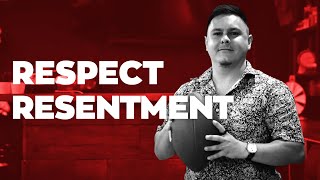
This is a YouTube video titled "Creating a Good Company Culture That Wins Your Employees’ Respect" created in February 2022. The content features a monologue by a speaker named Sam discussing the differences between good and poor company cultures, focusing on leadership decisions, staff retention, team dynamics, and communication strategies to foster respect and high performance within organizations. The speaker shares personal experiences and practical advice on building a positive sales culture and sustaining long-term business success through employee engagement and clear expectations.
Sam. Hey guys, how are we going? So I've seen a lot of posts recently speaking about sales culture, and today I just wanted to create a video discussing the differences between a really good culture and a really poor culture. Now, I don't know about you guys, but I've been involved both as an employee and upper management in both really good and really poor cultures. And it's pretty clear. I don't know if you, you know, you can make your own decisions, but I'm pretty sure that you guys at home would choose to have that good culture every time. So today we're going to discuss what constitutes a bad culture, what constitutes a good culture, and why, if you want to move your business out of the stone age with old tools that no longer work for management, how you can bring that into the, I guess the new age of the way that we do things and the way that we do things here at Sniper to get the best out of all of your staff and get peak performance across the board. A nice Tumblr, you can find them on salesmaniper.net still too hard for me. What was I just about to say? God damn. I so as a part of leadership, what I found seeing good leaders and seeing really poor leaders is every decision that leader makes, whether they know it or not, always leads to one of two outcome. The first one being resentment from the staff and people working under you, or the other one being respect. Right. And there's a very key distinguation between what would cause that to go one way, what would cause it to go the other way. And that really comes down to whether that's a good or bad decision or whether or not they're congruent, whether or not that message is displayed in the right way and how it should be perceived, whether you take a tough conversation and you deliver it poorly, those hard conversations you need to have with certain staff, certain clients, if you come across as a. It's going to lead to resentment. If you come across as understanding lower sales resistance, you usually gain respect from that person. A couple of the key things that I'm seeing this a lot lately, a lot of commenting. You know, we got accused quite recently of stealing another company's entire sales staff, which is not true. They had a notoriously poor culture, at least from what I've been made aware of. They decided to come to us because the culture that we had, they wanted to be involved in something that they believe in. So it's really funny. The first major issue that you have when the sales culture isn't where you think it should be or just the general culture is that you have an incredibly high churn rate of staff. People usually aren't inspired by a leader in that situation, therefore don't feel like they're getting the best out of themselves. They don't feel like they're going to get the development they're looking for. They aren't sure if they have the pathway to get to where they want to be, which ultimately lowers performance levels. On a sales team, it lowers close rates. On a management team, it lowers sticking to budget, sticking to KPI, et cetera, et cetera. Right? So churn rate becomes a huge problem. I think we've lost about three people that have left us in the last two years purely because we create an environment that people want to be around. Brilliant team effort, brilliant development pathways, and we try and create a pathway for all of our staff to have success. The onus then becomes on them for achieving that. You know, doing the right things needed to get there, hitting the goals, making the sales, hitting the KPIs, et cetera. So churn rate's a huge problem. You can't grow a company when you're spending more time recruiting and more money on recruiting to bring people into field positions that should be there for long term positions. Another couple of things that lead to resentment in a leaders decision making ability is poor KPIs that are unachievable. If a manager comes up to me and says, all right, I'm going to need you to grow the Profit margin by 8% over the next three months sounds reasonable. If they come to us asking for a 40% profit margin increase over that same time period. It would make me question whether that's possible based on the context that I have, the information that comes across my desk and the action plan and people that they have in order to execute on that plan, is that realistically achievable? When a leader or a senior figure in a company puts KPIs on you that do not feel achievable, that creates resentment because they feel like they cannot be achieved. Right. It feels like you're being set up for failure, the opposite of success, which is the opposite reason of why you joined the company in the first place. So making sure KPIs are clear that challenging but achievable is the best way to do that. And when you make decisions around that and people hit them, that shifts you to the other spectrum where you get respected. One of the other major things is the team around them. Right? So if you're hiring people for being good at that job as opposed to being a fit into that team. That's not going to lead to the best makeup of that team to get the best performance out of everyone on that. Sometimes it's great to have the best marketer in the world, the best, the best videographer in the world. But if that team doesn't gel, they don't enjoy spending time together. They're not there to push each other to get better. Regardless of the talent, you're never going to get the best out of them. Think of Michael Jordan in the early days was the greatest player. They never won any titles. All of a sudden they get Scottie Pippen, they get Dennis Rodman. He changes from being the focal point. He starts sharing the Lord around his team and trusting his teammates to move the shot. They win titles, six titles, you know, 97, 96, 97 Bulls probably never be beaten one because they had the best talent, but they also had the best dynamic in the team. And everybody wants to be on that team. That's winning. That will go down in the history books, that will have something to work for that can help them develop their pathway, create a legacy, whatever that is for the individual. And putting these teams in place allows the culture to grow. Provided you have the upper management that are pushing that culture out there and teaching the other leaders in the company of how to represent that on a day to day basis, then the final one that is either going to push you in the direction of resentment or respect as a leader is the direct communication you have with people. You'll never get respect. Yelling at staff members for not hitting things, you give them tangible feedback and you give them chances to execute on that. When we have hard conversations, we reward people for what they do really well. We also say, hey, you know, if XYZ wasn't achieved, we say, hey, that's not good enough. It's not what we do here. Our expectation is you achieve X, Y, Z. Do you have everything that you need to achieve that? Is it a skill set issue? Is it a mindset issue? Is it an issue from something else? And if there isn't an issue or there's a gap in the skill set, the mindset to achieving those, those goals or those tasks or those expectations that we set for them, we come up with solution to give them what they need to achieve it. If they continue to not achieve that, that's when further conversations have to be had about performance. However, we don't sit there, we don't use yell, we just Inherently say that, you know, like this isn't up to the standard that we're looking for. We need you to be better. What do you need to be better that allows, you know, your staff, your salesforce, your workforce to provide your respect because the onus is now on them to get better. You're not sitting there just yelling at them, telling them what they've done wrong, what they can improve on. You're allowing them the space to think, to problem solve what they need, and that they feel that you've given them everything in your power to do the best at that job. Therefore, the problem is always going to lie with them not achieving it rather than making excuses. My experiences in poor culture is I had resentment. I questioned the decisions the leadership team made, I questioned how they went about it, why they did that, ended up staying in a job out of pure convenience and comfort and contentment and just being there and not being incredibly productive based off the fact that I lost trust for that leadership team, the direction they were heading and how they were heading there, and eventually exited from that company. But when I was in companies where they had a major amazing culture, I went out of my way to do the little things for them because I believed where they were going. I believed in what they're looking to achieve, I believed in the end goal and whether or not how they were going about that was the best and most productive way to do it. When I was talked to in a certain way and when I was given freedom and given all those things that were spoken about today, it made me buy in, right? And because of that, whether there was better ways to do things or not, we did it anyway. We worked as a team, we did it as one. And even if that wasn't the best way to go about things, it worked because there was buying from everyone. And when you set up your culture within your company and you get buy in from every single member of staff and that information and culture gets disseminated down to every aspect of the team, that's when you have ultimate success and I believe to grow a company to huge levels whilst maintaining fun and culture and profit all at the same time, your culture is the main way to do that. It serves as a manager, it serves as a direction, and it serves as the, I guess, the fuel and the rocket to get you to where you need to be. Because you get a full team buy in and without that, you're pushing things uphill. And we've seen a number of times now, particularly in the coaching and consulting industries, companies that were at the top collapse because as they grew, they didn't grow and sustain the culture and fun with that business and they chose profit. And it's very easy to choose profit over that. But as long as you have your culture that prevents you from doing that and it's set so that your staff will call you out if you're not in line with that, then that's where you get long term success. And at the end of the day you get to turn up into a company where you have the most fun and most enjoyability because you've got the team that you enjoy having fun with. So with that being said, guys, those were my experiences in good and bad cultures and the way that I view culture should be. If you disagree, if you agree, if even if you've had some experiences, comment down in the comment section below, I'll definitely respond. I'd love to see them and love to see your thoughts on where you're currently at, what your culture is like in the business and just your experiences with that. That'd be awesome. So thanks for watching guys. I hope you have a great day. What a ramble. It.





