This Should Be Required Viewing For EVERY Sales Team
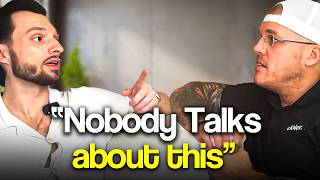
Aaron Platt, Adam Corcoran, and Matt discuss how sales teams can use centralized CRM data to leverage AI effectively. They cover team management, performance metrics, and practical strategies for integrating AI into sales operations.
I got into the first company that I started actually doing sales stuff with and what we did is we went from 0 to about 110 reps. I realized I was fucking good at this.
The sales team is a tool to use in order to generate revenue. So I have to use that tool in the most appropriate way. And the ship is what matters. I can't sacrifice the ship in exchange for the people on it because if I do that, everyone drowns.
If I give you all of these deals, compared to this person, this person's giving me an 8x return, you're giving me a 2. So what do I do?
Do you have a top person? Like, I like a waterfall based system. Like, so they're full. And then other people start to eat because people are like, oh, it's not fair. Well, no, they're better.
You have ad spend, you have commissions, you have base, you have whatever other support staff is needed for you to run your department. Whatever that return is, it's just like roas. So we call it a cash return index.
What do you think is the most common blind spot that most businesses have? Alrighty, guys. Welcome to an episode of Coffee is Foreclosures. Myself and Aaron Platt.
Yes sir.
Today. But we're at Cole Gordon's event at the moment in Florida. And Aaron is like a. I mean, I met Aaron and I met you in Paris, right? Yeah, we sound so fancy.
Right?
So I met Aaron in Paris at the, at Cole's event there. And I've heard a lot of people talk about sales process and sales ops and obviously it's kind of one of my things. And I went up to, went up to Aaron. I was like, as you're the only person that I've ever like been like, oh yeah, you, you, you get it. You know, it's rare. Like, you know, and it's. You work mainly within HubSpot, but like it wasn't even about that. It was more about the fact that I was like, oh, like you are taking into account the complexities of multi agent, high volume, multiple lead sources and, and just, you know, like the nuances of making sales more effective without having to sit down and like spend 50 GS on sales training because like sales training is the least effective way to make more sales imaginable.
Yeah.
I mean, dude, what makes sales operations what we're kind of alluding to? Fun Is how deep you can actually solve a problem. That's why when we met and you were talking about dialer, I was like, I can. I like this, this Is. This is interesting, you know, because, I mean, we're not good. Because we just understand process. And that's where a lot of people. I think it's where you start.
Yeah.
In general, it's like, okay, this plus this plus this plus this. This is a problem. I can identify problems now.
Yeah.
And then once you can actually go down and you can solve that same problem with multiple different.
Yeah.
Potential solutions, that's when shit gets fun.
Yeah.
And that's where.
What got you into, like, to think. Like, I can. I can pinpoint exactly why, like, I think the way I do. Like, I was a sniper. And so someone asked me. It's a top of mind because someone asked me, like, I think it was last night. They're like, oh, like you seem to, you know, the way that you sort of solve problems, you know, And I was like, well, for me, it's like if you have a. Like, I, I like, I like to look for reasons to not make changes.
Yeah.
And. And so what you're doing is looking for variables that are like, with things.
Yeah.
And if that variable is temporary, then note it, but don't change if that variable is like, consistent, like wind. I'm not going to change off a gust. I'm going to.
What did you do before the military?
I was a high school student.
Oh, you went straight in?
Yeah, pretty much.
Yeah. Okay. Yeah.
And then after the military, you went into what?
Fitness, so. That's right. I was a PT and then I went gyms. Then I got rid of the gyms.
Yeah, I remember.
Okay. Yeah, dude, I, you know, so when I got started, I've got a really interesting kind of arc, I would say. But so, I mean, long story short, I didn't finish high school. I got kicked out.
Yep.
So I got kicked out. I had to figure stuff out pretty quickly. I'm big family. I've got six brothers and sisters.
Okay.
Grew up, born in Minnesota, moved to Orlando. You know, we were in a very rich area, so I got this like, public shame on me and my name super early.
Right. Yeah.
Nice.
Nice.
Which, I mean, I had to figure stuff out pretty quickly, so went to school, started hanging out with a bunch of people up in college. And, you know, this is when like, drop shipping was a thing. So I started a bikini company.
Of course. Makes sense.
It was the best thing I've ever done. You know, I was 19, I was selling bikinis. So long story short, we bought a.
Bunch of free fittings.
Oh, free fittings.
Free. Yeah.
Send us measures, make sure it's fitting, you know, all that stuff. But so anyways, the reason I'm saying this is cuz like for me I've just kind of blown open one door and it's led to the next, the next, the next. And that's kind of what started me in the business. I started an events company. We were doing events everywhere. So I met my wife actually, okay, ticket and you know, got married there.
But you got an action taker, buyer.
So anyways, with the events company, we were crowdsourced consultants basically.
Okay.
Like we had a few hundred people paying us a monthly fee. I was 19, 20 years old. Obviously I'm not valuable at that age with experience. Right. But what I was good at, what my partner was good at is we were bringing in really good people. We were paying them and figuring out how to work. Hey, we've got a big audience, right? Come in, coach our groups. So I got to learn a shit ton of stuff. Not by teaching it, but by just.
Just by figuring out.
By being a connector in the beginning.
Yeah, yeah.
That company went down. I got into sales.
Okay.
And everyone ends up in sales 100%.
No one plans to be here 100%.
So anyways, I'd seen a lot of startups, I'd talked and heard a lot of people and I, you know, I was 19, 20 years old, I shit ton of energy. So I got into the first company that I started actually doing sales stuff with, which was a company called Connected. And I got to put a blindfold on and basically build my first sales team.
Okay.
And what we did is we went from zero to about 110 reps, all full cycle in about a six month period. Yeah, we outgrew two offices.
What were you selling?
That's software.
Like that's crazy, man.
Yeah, we got up to 500k mrr from about 25. So I realized I was fucking good at this.
Yeah.
And every little framework that I have now, this is kind of the reason I'm telling this is it came from me having to solve it because I had no fucking clue what I was doing.
Yes.
I was so busy and I had so many people that I was responsible for. I had no idea about layered management or decision making or it was just.
Get it done looking at you like, what do we do?
100%.
You should like, well, I guess we try this 100%.
So like the first thing was I'm hiring a ton of people now. How do I train them? All right, well we're doing a hell week so we're bringing Everybody in? Yeah, we're going to do it all together and then I'm going to cut the people I know aren't going to work week one, so we don't waste money. Next thing came. All right, well how are we actually going to train everybody? All right, well we need this to be gamified. I need to give them targets. So milestone 1, 2, 3.
Right.
So I got into being really good at the people side first and that's what's driven me so far over to the operations side because I actually understand that.
Yeah.
What we were talking about, you know, before this, I won't mention anything but. Yeah, like you have somebody who's in charge of operations but doesn't get the people or the actual sales or the marketing or the.
I think one thing that I Big disconnect. I see a lot of companies which I think is really toxic is when admin, like trump sales. Yeah, that's a very toxic. It's just really hard to get out.
Of because like give an example of what you're talking like.
Well, like I remember when I was running seventh, I remember like there was like finance department, right?
Yeah.
It was like, hey, we need to control like these payment plans and do this and do this because like it's really difficult. I was like, ah, stop. I was like, I don't care, just hire another person, you know, I was like, I was like, this is a ridiculous, like we don't, yeah, we don't.
Want to step in front of the sales team.
Yeah.
We're not going to make sales adjustments due to administrative difficulties like to, to facilitate that. Now we will stop if there's a payment plan that's being sold that's ineffective because it's just ridiculous and people don't pay it. That's a totally different thing. But if we're gonna, we're not gonna make decisions on sales and marketing. Delivery trumps everything in my opinion. So like. Right, so delivery is number one. But in terms of like, there's a lot of like tech people who will like stop a transition because of like tech difficulties. It's like, nah man, just hire a project based team and then get it done and then like do it. Because if that thing's stopping us from making revenue or holding us back, like, you know, the revenue is like the lifeblood of the business.
Yeah.
And so if it's not detrimental to the product and if anything it lifts the product up and it's going to help us make more money, make more sales, either like, or like use our Advertising more effectively. You know, the administrative fight is just a problem to solve, whereas, like, we need to push forward with that. And so, you know, I see a lot of. I see a lot of companies that are sort of ruled by, I think, departments that are meant to be a supporting structure.
Yeah.
You know, and so, like, when I was in. I was in special operations. And so you usually have like three on 10 support staff to every one shooter. And the shooter is like, what matters. You know, whatever the shooter needs, the shooter gets. And the support staff have to facilitate it. There's no like, oh, but it's like, shut the fuck up. Yeah, and do the thing. Because they're out there doing the thing.
Right.
And you are required to fix these things. I don't care what time of day it is, what it is. Like, you have to figure it out. And I think, like, you know, it's not that salespeople should be able to walk around with impunity, you know, but I remember there's one situation where, like, the top replace a management thing, right? Like, the. The top rep was just not good at doing admin, and the top rep is never good at doing admin. They're the top rapper will be. I was the top rep. I was shit at doing admin. And. And so the management came to me and they were like, oh, we're gonna. We're gonna suspend this guy for. For two weeks. And I was like, the. You are.
You know how much revenue that means?
I was like, the guy makes this 400k a month by himself.
So you want to cut out $200,000 this month?
Yeah. And. And they just said, yeah, but he's not doing his admin to set an exam when he just set a standard. I was like, well, I mean, as long as you guys are okay not getting paid for the next three months, like, I suppose I'll let you do it. They're like, what? And I was like, well, I mean, like, we're gonna. You on. On principle of. To be fair, you not being able to enforce the policies in which you're paid to enforce. You want me to take a $200,000 haircut, right? So I was like, so it would stand to reason that you're willing to take a haircut as well. They're like. And I was like, or I could just fire you and get a manager that can make him do his data. What do you think? And they were like, oh, okay. And I was like, how much do you think it would cost to get him a VA to do his data form. Two grand a month. I was like, how about instead of wasting 200,000, we just pay 2? And they were like, oh, yeah, guess that makes sense. I was like, ever come to me with this again? You're fired.
How about $198,000 a month instead of 200?
And it's stupid shit like that. That is just like, what are you, like, what's happening?
I. Dude, I think the.
Out of principle.
I mean, principle is the worst thing.
You know, I guess he's good at principles, but like, you can't. You can't, you know, manage a team. Like, you know, like, I'm a big fan of like a really aggressive lead routing.
Yeah, I agree.
Like, the more aggressive, like if you have a top person, they should like I like a waterfall based system. Like, so they. They are full and then other people start to eat.
Yep.
Because people are like, oh, it's not fair. It's like, well, no, it's not. They're better.
Yeah.
And like, Steph Curry gets the ball. Because Steph Curry gets the ball.
Dude, I think you'll love this. And I. This is the report I was showing you earlier. So what we've been teaching a lot of our clients is very simple but super effective way of managing a sales team.
Right.
You have setters, you have closers, you have your sales director.
Yeah.
If you asked most people, how do you KPI your sales director, every single other person is going to answer 10 different ways, right?
Yeah.
I look at it as pretty easy. You have ad spend that's given to the sales director.
Roi. Right.
You have commissions, you have base, you have basically whatever other support staff is needed for you to run your department.
Right.
Whatever that is basically against whatever cash collected, whatever that return is. It's just like.
Yeah, Roas. Right.
So we call it a cash return index.
Yeah.
We use it for the sales director and we use it for the setters.
Yeah.
And we use it for the closers.
That's exactly how we ranked all the closers.
That's exactly how it should be.
Yeah.
So you can, you can. You can like inflate your ROI with referrals, of course. Which is obviously what you want.
100%. So basically what we do and what we're doing for our closers right now, and our comp plan is set up is so based. Our average call booked.
Right.
Cost is 200 bucks.
Okay.
Pre liquidation.
Right.
So not like we haven't taken out liquidated costs of ad spend yet. So $200. So I give you. Let's say, you know, I give you five sets over a 30 day period, right?
Yep.
So I've given you $1,000, right. If we look at all of our closers that into your business, I've invested it into you as a closer.
Right.
So this is my expected.
Right.
So I've given you a thousand dollars in terms of booked calls, right. If I look across all the closers and we're at a 5x.
Right.
So typically when I give somebody a thousand dollars in 30 days, they bring me back 5,000.
Right.
There's gonna be people that are way above people below. But basically what we do is then we look at it, we say, okay, cool, Matt, you're at a 2x, right. You're very far from where we need you to be. You're off rotation, you're off lead delegation or booked calls round robin, whatever you guys do until you're back up to this point. So now he has to follow up, he has to actually close deals, he's got to get referrals, he's got to do whatever.
Right.
And if he can't do it in a certain amount of time off board, we're done.
Yeah, easy. The easiest value prop is in there.
100%.
Right.
If I gave you all of these deals compared to this person, this person's giving me an 8x return, you're giving me a 2. So totally what do I do?
It's exactly how you do it.
Same thing with setters.
Yep. Right.
Take a look. End of the month, someone's at three, they're supposed to be at five. Okay. You're off lead delegation. You have 600 leads that we've given you. Get to where we need you to be.
Yeah.
So it becomes a very simple, easy equation. And I mean, it shouldn't be difficult.
Right.
Like what you were talking about where it's like, oh, we need to take them off this. We got to give an example. We do all that. It's just like, just.
They don't. Yeah.
You know, and then like, you know, my thing is like there's. There's no fair. There's no DEI in sales in the same way there's no DEI in sports.
Di.
Like diversity, equity and inclusion.
Okay.
You know, I mean, it's like, there's no, like, okay, because you have blue hair. Like you get to do this or whatever.
Right.
It's just whoever. I don't care who you are, what you look like, where you come from.
Yeah.
If you're the best, you're the best. 100 right. Just don't lie on calls like that. Right. Is that because that's not sales?
Right.
And so like our top guy had a 15x, right?
I mean, yeah.
Which is solid.
Yeah.
It's like. And if you come to me, like, you're in a very negotiable position.
Well, okay, if you have, if you have 10 people and somebody's at 15, but they've only got 60 of their capacity filled.
Oh, yeah.
Wouldn't it make sense to just give them more?
Bump them up. So that's not fair. Well, no, it is fair, is we're in business.
Right.
We're in business. And it's like the. So like the ship is what matters in business. Like people that you got. You got to separate individuals and people from workers and employees. So, like a person is just as valuable as the next person.
Right? For sure.
But they're not as an employee. There is different value espoused onto them based off what they can do and their return, their experience.
Same in sports, if we're, if we're. It's fourth down and we're about to lose and we're going to.
We're giving Marcia and lynch the bowl 100%, you know. Yeah. No, no, no, no.
Jimmy hasn't played yet.
Jimmy hasn't played yet.
But we got to get Jimmy in the Super Bowl.
And when you put it in sports, everyone's like, oh, I totally get it.
Yeah.
And. But sales is sports and businesses is kind of a sport because you have to use your team. And I think a good sales manager particularly manages it like a sports team because you need your 30 point game guys, 10 point game guys. They're going to sit where they're going to sit 100%. And, you know, but a percentage of that team is getting traded out.
It happens. At some point, it's going to happen.
Yeah.
And then. And then the people who are really good are in very negotiable positions and they will get special treatment.
Yeah.
And they should get special treatment because they've put in the effort to be better.
Well, they're consistent.
Yeah.
And so the value prop. And so like I always say, like, hey, listen, like, as human beings, like, I think, like I'm. Everyone is, you know, created equal and I value everyone the same way. But in business, like, I don't like, the sales team is a tool to use in order to generate revenue. And so I have to use that tool in the most appropriate way. And the ship is what matters. So, like, I can't sacrifice the ship in Exchange for the people on it. Because if I do that, everyone drowns.
Yeah. Right.
So I have to do what's best for the ship.
Well, especially in sales. Yeah.
Right. Yeah.
So I have to make sure that the whole ship stays good. So, like, you know, if there's a guy who's not doing a shit, you know what I mean? But he produces a lot of money by taking away that money, that puts the ship in danger.
Yeah.
Because it needs that to maintain itself. And so, like, I. I can't. Like, you can't. And people are like, oh, but this. It's like, no, dude. Like. Because if I make a decision that then causes us to have to lay off 30 people, right. Because we lose that guy. And, like. And then he takes the four best reps with him.
Yeah.
You know what I mean? Then all of a sudden, now we're down a million dollars a month and you're fired. Now you can't feed your kids, mate. And it was really interesting. I watched this thing once, and it was. It was this guy who was an NFL player, and he came in and he came into a team that had like a, like, top quarterback camera who it was, and he hit him in practice, Right. Not like super hard, but hit him.
Yeah.
And the fucking staff pulled him aside and was like, never fucking touch him again. And he was like, what the fuck? And then he was like, no, did you have to understand, like, he pays your. You're for everyone.
Yeah.
Like, you know, every. There's. There's 700 people that work for this team. And he's the one that is the reason everyone has a job. Like, without him, they don't win Super Bowls. You know, they don't do this, they don't do that. And it's like, so the. The Christmas bonus, everything is on that fucking dude, man.
Yeah.
And it's like, so don't break him.
Well, dude, it's that interesting. That right there is why what we do is so much fucking fun.
Yeah.
Because when we come into typical companies or anything along those lines, they have a million different ideas as to what they need to do and how they need to do it. When we come in and we're just like, no, no, here's the options we have. This is super disruptive. This isn't disruptive at all. And we only need this tiny little thing here, here, and here. And then your player who's making you all the money is going to make you way more.
Yeah.
You're not going to give anything more. You're not putting Any more money in here? We're just fixing across this process.
Yeah.
And it's, it's. I mean, that's why sales operations is fun.
Yeah.
We get to make people way better by enabling them and making better decisions. Like the example you were giving with the lead routing for booked calls. Hey, you don't want to give it to the 15x person, but then we give it to all these people and our cost per acquisition goes sky high. And now you're worried about marketing and we can't spend as much and there's all these other fricking problems now. Now we can't afford fulfillment back half people, so the refunds are higher. Now the fulfillment team is burnt out because they're not getting paid enough and they're not aligned to bonus or incentives because you don't have the money to do it because you're giving it to a 6 instead of a 7. 100%.
Well, what would you say? Do you think, like, so, like, you go in, what do you think is the most common, I guess, blind spot that most businesses have?
I mean, this is going to be super obvious for you. But they don't know their numbers.
Yeah.
At all. They have their numbers, but they're never accurate. Yeah, they're never accurate.
The funniest thing is when you go watch the numbers, like, well, and then they're like this. But I know it's accurate. Dude, why do you have it? Why do you have it?
Right?
So I was at an event manually.
What are you doing?
I was at an event two weeks ago and I was talking to them. I was giving my little, you know, presentation kind of similar to the one in Paris. And I, I asked, I asked the whole speedily thing. I was like, who care can pull up, you know, exact time, date by rep, by dashboard. Everyone's like, oh, I can. It's like, great, come up here and do it. Everyone's like, oh, no, no, I can't. There's no way. I don't have these numbers. I don't have these numbers.
So, I mean, I want to just. I wanted to raise my hand. I don't want to be held accountable.
Yeah.
But no, the reason I said is like, the. It's funny that people usually have, like, really good people, you know, that's why they've done well.
Right.
They know how to close. They've got a good process, whatever the case may be. But the obvious to me and you, where we're looking at. Okay, here's your department.
All right. What?
That's kind of a strange number. Like why. Okay. Lead to booking. Like, why is that? Oh, okay, well, we're contacting 15% of our leads. Oh, well, we're also only getting to leads 10 hours once they come in.
Oh.
And then on top of that, our average connection rate with outbound calls is 2 1/2 percent. So you guys want to solve 56,000 different things. You want to hire a bunch of reps. Your reps are actually only at about 50% capacity if we fix these three things. And that would make you guys, what, 20% more profitable.
Yeah.
So it's. It's not that. And I mean, you. You're gonna get this too. But it's not that they're not doing things correctly. It's that they don't actually know. Like, they don't see their sales process.
Yeah, right.
They kind of know it, but they don't actually see what's going on in there. And that's what makes it fun, to be honest. And then there's, of course, some people that are just destroyed. Like, everything's all over the place. Because what happens is when a company starts doing well, sales team starts getting built, and they start to actually hit that kind of inflection point where everything starts to grow. Someone assumes operations.
Yeah, yeah.
Meaning somebody raises their hand and goes, I'll be the ops guy. Let me build the CRM. Let me do this. Let me get the reporting right.
Yeah.
And that's just naturally how it goes. But what happens is they build a bunch of shit that doesn't work. Somebody else comes in, just all, you.
Know, sticky tape and.
Right.
Yeah.
So I.
Which is why, like, you know, I have a. Like, you know, it's why, like, you know, so I've used close a lot, and I think close is adequate in a lot of ways.
Yeah.
But I think, like, it fundamentally, it's not a CRM, it's more of a sales front end.
It's like a sales enablement tool.
Yeah, exactly.
Right.
And then, you know, like, ghl, I think is appropriate for smaller businesses that want kind of a one in solution. Save some money.
I call it. I call it the kiddie pool.
Yeah. I call it HubSpot for broke people. Okay. You know, fair enough. That's what I say. I remember I was. I put up a screenshot the other day of the CEO of Alaware opting in to our funnel, and I put up a screenshot and it said HubSpot.
Right.
Because it's. We. Because we use HubSpot.
Yeah.
And so someone was like oh, why HubSpot and not GHL? And I just wrote because I'm not broke.
Right.
Like that was the fucking. And it was.
Dude, it's, it's crazy what people won't spend money on but then they will.
Yeah.
Like oh, I'll spend money on this, but CRM.
Yeah.
Three grand a month, Are you kidding me? It's like, it's like dude, you spend like six grand a month on your tech stack.
We have complete attribution from front to back.
Exactly.
Like you know, like, you know I could. And my data secure.
Yeah.
You know and my. It loads. Because it's like, it's like one of the differences between. I think how HubSpot does it is that like they're spinning up an individual instance of HubSpot for you.
Right.
So they have like a really, really involved. What I can see is I could be wrong but like multi tenancy. So like you know where. So whereas ghl, what it seems to be. I could totally be wrong. What it seems to be is that they're storing your data in a server farm.
Right.
And then giving you an interface to interact with your data. But it's all search lookup, not filter. That's why it's so fucking slow.
Yeah, that's fair.
You know, so that's why like you put something in. So it's almost like everybody's on GHL. They probably have like 150 different farms.
Right? Right.
Because of the amount of people they have. But they will have a lot of clients on each farm.
Yeah.
Instead of having like. So you're all in a house in a room. You have your own room in the house.
Right.
But you don't have your own apartment in a building.
That's fair.
Right.
So it was like. Whereas like you know, at dialer. That's how we started. We started everyone in a room in a house. You know what I mean? But then as we're scaling out right now, we're building out and it's, it's complex and expensive. Like to build out the multi tenancy.
Yeah.
Which is get your own apartment. Which means you can decorate it how you want. You know, you can do other things. Right. Some of the stuff we spoke about. But like it makes everything faster because like you know, you're filtering information that's constantly there instead of having to go and search and look it up.
Yeah.
Where that. Which is why like your information, HubSpot, it's just always there. It's there all the time.
You know, dude, I, I mean what I'll say. And I don't think people are thinking about this. You might be thinking about this, but when you look at your overall tech stack, right, the reason you want it to be as centralized as possible, meaning reporting coming from one place, everything as integrated as possible, from whatever you're using.
Right.
Front to back, to marketing to your dialer, to all these different things. You want it to be as centralized as possible and you want it to be somewhere that's centralized in something that when AI becomes as big as it's going to be, you can plug in and it's organized and it's ready for you to actually go into.
Yeah.
And I think HubSpot has done a really good job. They just, I don't know. Are you familiar with. They just launched their OpenAI integration.
No.
Okay, so now I can go to my HubSpot or go to my chatgpt and I can literally say, hey, how many calls did my reps do today? Oh, it'll literally be like, Aaron. So so far, Adam Cor did all these calls. What's my lead of booking for the last two weeks off of campaign? Blah, blah, blah. Your lead to booking percentage.
Wow.
Yeah.
That's nuts.
Yeah.
I didn't know that.
Yep.
So guess what? Now we can do a whole. We're already doing a lot of crazy because. Well, here's the thing, right? So if you look at a platform like close, right?
Yeah.
Great sales enablement tool, then you're 100, right. Saying that it's not a CRM, right? Yeah, it's good. You've got easy, you can get in there, you can use it really quickly.
I'm a one man bed, like doing sales. It's fucking good tool for that.
Oh yeah, 100%.
Yeah.
Same with GHL. If you got a small team, it's your first go at business. Like you want to get up and cheap. Yeah, that's perfect.
And you can get a fucking dude named Vanod to go in there and fucking 100% or go on a sub campaign.
100%.
Yeah.
But when you're looking at HubSpot and how fast it's actually innovating, they're the first CRM to do that with OpenAI. Now they have all these native features for AI. You also have all of these other things that are starting to happen and the cool thing is because you're marketing, so when somebody interacts with an ad, they're in the system.
Right.
When you do sales stuff, calls, talk, text, this, that, meetings, zoom, transcription, all this stuff is in there.
Right.
And now your fulfillment is in there, your payments are in there, all of your surveys and all these things are in there. Guess what? Now you can plug in AI. And AI has all of these data points in one house.
Yeah.
Which means that the more like disconnected everything is right. That you have close and then you have activecampaign and then you have this and then you have plecto for data and then you have this and then you have that and then you have all these different things.
Yeah.
What are we plugging into when we actually really want to start leveraging AI capabilities? You know what I mean?
Yeah.
So I think what I'm most excited for, and to be honest, why we've been starting to put a lot of money into DEBS and some other stuff, is the more that AI and all this application grows, the people that are going to really win are the ones that have the most data centralized with the easiest access point to it. Because you can do whatever you want afterwards.
Right.
Instead of me needing to plug in here, bring this over from that. This, this, this, this, this. I'm just plugging directly into HubSpot and I'm pulling whatever the I want out of it.
Yeah, I like that.
So it's, it's, it's allowing us to.
Like, it'll like innovate into like, you know, AI smart list.
You name it, dude.
You name it. Right, so take it to fire.
Dude.
Who should I fire? John. Fuck, John's out. Calm down. Chat GPT. No, fuck John. He's a problem.
Listen, this call. My God. Fuck. All right, I guess I gotta do it. Yeah, but so anyways, like that's something.
How that opens up to like automatic finding.
What do you mean?
You know, like.
Oh, fines.
Yeah, saying, you know what I mean? If it ever opens people up to that.
I mean, maybe, you know, I mean.
There'S those compliance monitoring softwares and my, my thought for that is like, I think it's great, whatever, compliance. But like, if you ever get do get investigated, wouldn't that be the first place you'd go?
That'd be so easy for them. Hey, sorry, we got to plug into your API real quick and run.
Wouldn't that be like the first thing that they do? I think so, yeah. So tip for young players, if you're going to have a compliance software, have your lawyer hold the account. That's what I would do anyway if I was going to have that. Our sales goers are like, do you want a dialer?
Yeah, I mean, that's fair. Yeah, I mean we're, for us, we're. We're just talking business. You know, we're going through a bunch of different stuff. It's not. But yeah, I mean a lot of what B2B and B2C are totally different.
Yeah. Yeah. I don't.
Dude, I mean this whole world is getting really fucking exciting. And if you understand sales and you also understand how to put the operations around that.
Yeah, indeed.
I think you're going to be valuable no matter where you're at and you're.
You'Re launching a like sales ops kind of program so for businesses, for individuals.
So for the last like five, six years, what we've always done is done for you.
Right.
You come in, we do a big ass analysis, figure out all the gaps, all the holes, build a scope.
Right.
And we build that scope for you. We onboard and train your team and make sure you guys are good to go. What's happened a lot is people would come to us and say, hey, we want, you know, we want to understand this, we want to learn how to do it in the house, etc. We'll buy your documentation. We'll do.
Right.
We're like, no. Beginning of this year, we started saying yes and it's done extremely well. And now the number one thing that people are looking for is sales ops people.
Right?
Hey, we absolutely want to do this. We need to learn this. We don't have anybody.
Yeah, right.
So that's opened up an opportunity for us to start training people that want to go into companies and admin the sales operations and learn how to do the things that we're talking about.
Now you see it being like people learning and then turning into like fractional sales ops or do you see like.
Potentially, I mean, on that side. Honestly, I'm not sure that's where we're headed.
Right.
Just because it's been a natural progression for us. And I think it'd be really exciting to start teaching people how to actually make money through sales operations because it's. I've had the most fun doing like.
Sales management is like exploded.
Yes.
I think like there's a.
But it's all leveraging. We're gonna place you and manage closers and setters.
Yeah.
Whereas like, in my opinion, like, like for example, like if I'm asked to come in and like, hey, audit, you know, come in like I get asked all the time. I don't do it that often, but it's like, hey, can you like help us grow? We're stuck here, here. I Was like, if I go and do an audit, the, the very last thing I will do, the very last is even speak to their sales reps. Yeah. And that's usually surprising.
It's the same process for us.
Yeah.
Because we don't even talk to them.
Yeah.
For the most part.
Because, like, oh, the reps are this and the reps are that. And I'm like, oh, yeah, fair enough. And I go through and I go, okay, well, like, I've ordered everything and I've found 87 different things that I think are stupid. Like, two of them are rep based. So I think we should probably just fix these other ones, you know, and even things like, you know, there's dead links everywhere.
Right.
Or there's like, oh, I found all your pricing on Reddit. Or like, you know, you're a good. Your name.
Right.
You know, like, there, there's far more pressing matters to fix. And like, you know, people, even something as simple as, like, they have no show and show. And I was like, well, but did they all. No show. Did they cancel? Do they reschedule? Like, have you figured out, like, when that is? Like, is your training schedule optimized to your highest revenue generating, lowest revenue generating times? Like, have you just structured the team and the day to day, like, to.
Actually give you the best opportunity for throughput?
Yeah.
Do you ask for referrals?
Yeah.
You know, so we call. We did we call all of that? Like, if we took 100 of those things and we just put it on, like, this is the least disruptive.
Yeah. Right.
So here's the least disruptive that we could change tomorrow. And it wouldn't change anything.
Right.
It wouldn't break anything. No one would freak out. No big process change, no system.
10% more profitable, at least 100%.
You can take all these things and you can just do them.
Yeah. Right.
But then there's all this stuff that comes with the system and the process.
And just one, having the data, knowing how to look at it, how to read it.
So I mean, our primary stuff that we, I mean, right now, people come to us because they need to fix their backend systems.
Right.
They need to make sure their sales process is allowing them to get the data they need. They need to make sure that they're actually tracking the right data. They have a bunch of holes across their entire process that they need to fix. Right.
Would you say that you're working with people predominantly who are in a pretty good spot?
Yes.
But yeah, they're just like, hey, it's working. But we know that like if we're.
Going to grow, it's working.
But we're losing exacerbate so bad.
$200,000 a month right now.
Yeah. Right.
And we know. But we have no idea where and we have no idea how to fix it. And everyone's so busy that they don't know what to fricking do.
Yeah. Right.
Those are our favorite clients. 100 on the flip side of that, it would be somebody that's, you know, very early on their business but they've been very successful in the past.
Yeah.
It's not the first go around.
100 so they just want somebody to come in and do it.
Fucking right. Yeah. Yeah. Right? Yeah.
So those are kind of the two sides.
The big ones are hard. Like they were fun where they're big and like there's just.
Okay, let's put a cap on big though.
Yeah.
Because once it's too big, it's the most annoying process.
Yeah.
You can't change that. You got to. I worked at a company that does like say 5 billion a year.
Yeah.
And like I couldn't get any done.
Well, no, because you have to, you have to get Bob to say, yeah, that's actually perfect. And then you have to say okay, but Sally wants to make sure that what you're saying is accurate. And then you got to go to Jim and then this and that.
Yeah.
I was talking to Cole the other day. He's worked in some big companies and he's like, he was like, fuck, it's frustrating dude. It's because like, you know, it takes like six months to fire someone.
Yeah.
And it's fucking outrageous. But I remember I worked for this big fintech, Cordair Wallace and like that, you know, huge company, billions of dollars. And it was like, I'll restructure all your. All the APAC stuff. And I was like, yep, sweet. It's fine. Like seems pretty simple. And it was like getting anything significant was very difficult to do.
Yeah.
But the one thing that I did manage to get through that worked really well was that we just like their whole sales process was like signing people up to their online banking type thing. It's like an, it's like an online. It's sort of like a wise but much more comprehensive, better, better base and you can do tons of multi currency stuff. It's great for like info space guys. Right?
Yeah.
And so, and so I was like, okay, cool. The biggest problem they had identified was like they sign them up and then don't use it.
Right.
So I Just added. At the end of the sale, they deposited $1. That's it. And so it's like, then instead of it being an active account with no money, there's an active account with a dollar. And that prompted everyone to start using it.
Have you heard the. Oh, I'm gonna botch this story. But I know you definitely. If you haven't, then whoever's watching this is gonna be like, damn, that's. That's interesting. So Crest Toothpaste company. Have you heard the story?
No.
Okay, so there was a CRO. I don't remember how long ago this was. Someone told me this story, and I fucking Googled it. I was like, damn, this is.
Did they put the red bit on the top? Is that what it was? No, no, no.
Okay. So they were trying to figure out, you know, they needed to double sales, right? Like, they were. They were unprofitable or. I can't remember whatever the initiative was. But so the CRO goes, okay, well, what are all the ways that we can, you know, make more revenue, more profit? All these different things. And marketing came up with all these crazy marketing ideas. Sales was coming up with all these crazy sales ideas. Oh, we're gonna spend, you know, $10 million on this ad campaign, this, that, whatever. And he goes, no, we're just gonna make the hole at the end of our tube just twice as big.
Comes out twice as fast. It's fucking beautiful, isn't it?
And they did it. And guess what happened?
Doubled sales. They went through it twice as fast.
And then the next thing that they did, instead of making the brush bristles like this big, they just double the length. Now people have double the mount coming out, and they're doing double the length of their toothpaste.
That's beautiful.
Yeah.
You know, like, it's. It makes you think, like, holy shit, what am I doing?
Toothpaste bad for someone.
What am I missing?
What am I.
What. What am I missing? In my business where it's like, damn, I could have just made the freaking hole twice as big.
Yeah.
And we can double.
Sales files are in the computer. Yeah, I love stuff like that. You know, I think that's why software, like, when we moved into moving to software, like, there's such interesting levers that you can pull. Like, we have a dev, like timeline, and we have feature releases, stuff like that. And most everything is just. We're just including everything now. But there are going to be paid extra features, right? Of course, yeah. Like, real time transcription will be paid feature secure pay, which will be A secure payment gateway. Like, you just say the things click on and.
All right, I'm ready.
Yeah, Exactly. That's all encrypted. That'll be, you know, 30 bucks a month. We're working with a potential payment processor to white label some stuff to have an internal payment processing capability called Dollar pay.
Interesting.
So that, like, it'll all sync up seamlessly so it's all inside of it.
Right.
Which. Which would be nice. And then we can take a 1% clip and, you know, that's nice, but like, you know, some of the levers that you can start to pull.
Yeah.
You know, and I was like, when we were first. When we first launched, like, our core chargers were so cheap.
Yeah.
Like, we had dudes do $50,000 and their bill was 400 bucks.
Right.
What's the comparison on closed?
It's like 11, 12,000.
Yeah, yeah. Right.
And I was like, yeah. And I remember, like looking at the two comparison, like, oh, my God, we saved so much money. I was like, what do you mean? They like send me their bill. It was like nine or 10, whatever. It was grand.
Yeah.
And I was like, huh, Wait a second. I was like, what the.
Yeah.
And so, like, I tripled the fee.
Yeah.
Which means we're still.
But they're still super happy.
Yeah.
And then we like doubled it again.
Yeah.
And so like. But we're still like one fourth the price or one third the price of like most other ones because of the way that we do the billing.
Yeah.
And it was like such a small thing that we had to change.
Yep.
And I was like, in an added 35, 000 profit.
That's. That's our whole philosophy when we go into sales teams.
Yeah.
Look, what's the.
What's the smallest thing where we can get just such a crazy.
Like, also, what's the dumbest thing? Like, what's the dumbest thing that I've ever seen? What's the dumbest thing? No, no, it's in, like, sometimes you're just like, people are trying to look for things. And I'm like, yeah, what's the stupid thing that we could do that would really work? Like, what is the dumbest. Like, sometimes you try and look for smart solutions and it's like, what is the dumb, dumb way? Like, how would a stupid, lazy person fix this problem? Sometimes that angle isn't always get you the right answer, but it gets you on the right path.
Like, if I was, I would argue that those answers are usually as long as it's the right Answer are usually the best answers you can come up with.
Pretty good, man. Like, you know, just like what? Like, it's like, oh, you know, like. I remember one of the more interesting ones was we were struggling with a sales team. Because when I run sales sniper, like I've run hundreds of accounts and there was one and it was just like, what if we just asked more people for money? And everyone was like, what? Like more calls?
Whoa.
I was like, no. I was like, what if we just made everyone ask 10 people every day for money? So if the book calls gave them six, they had to just outbound three more, four more. Yeah, whatever. And like it was like, huh? And so we just gave everyone a pitch KPI. And that was the only KPI they ran off is pitches per day. And the thing tripled.
I was gonna, I was gonna use a similar example and it was like setter KPIs. But I think one of the. Do you believe in full cycle?
Yeah, I think that's the best way to do it.
Really.
I think like to have an. Not your entire team. I think you want like your Steph Curry's just in the back shooting threes. But then you wanna have it like I like, well, this is how I did it at seventh. I had like, I had an element of rep. So we had a whole department that was a full cycle sales rep. And they were paid differently. They were paid more, right? On a per deal basis. They were given lead allocations and then they had like different KPIs and stuff like that. But it was a great way to. Like when you have high lead volume, you end up. It ends up mitigating some of the problems of high lead volume and like slot utilization. Because the creep of the sales manager is to constantly disqualify leads. So you end up with more leads and then you just disqualify harder so you end up with a higher close rate. Cause they start optimizing for close rate, which becomes really problematic. But it's very hard to avoid lead.
To close or just straight up close rate call completed.
Like sit to like sit to close. Got it right. Which is a real fucking problem, right? Because then that. Then your lead to close goes down. So we had a whole department and a section of lead because we had a different sales process for each lead source type.
Yeah, right.
And so we had. We had like about 30% of all the leads would go to the full stack, top to bottom. They would do all their outbound order setting, all their closing. They would do everything themselves.
I don't know if I like full cycle.
Yeah.
I got to be super honest.
It's fair.
It's just I. The way I look at it is like, so there's a lot of companies that we go into and they're running full cycle and they're like, well, we have a, you know, a front end booking problem. Like. Okay, so why. Well, because our calendars are full. Okay, well then why aren't you closing more? Well, because we're not. Like, it's like, who's responsible for what.
Yeah, it's a time thing. I see, I see the point in that for me, because, like, I think it's totally dependent on the, like, what's the most efficient way to sell that lead?
I think, I think where I agree with you is depending on the operator and how well it's actually managed and dictate and the strings are being pulled and things that people are being held accountable. Makes sense for the vast majority of the people that we work with. If we gave them, if we gave them a full cycle team, they would, they'd. They'd be losing money.
We had probably like 30 of the hundred dudes. So we had a full time setting team. Yeah, we had inbound inbound setters.
Yeah.
As well. So we had outbound setters and inbound setters and then we had inbound closers and outbound close. The outbound closers of the full stack.
Right.
But if you guys were running what.
You guys were, 50,000 leads a month.
Okay.
Yeah, yeah, there's a lot.
Yeah.
Much different than 18 different lead sources. And of course. And so. But I thought what was good was if you had to maintain a certain level of KPI to maintain inbound only.
Status based on return.
Yeah. Okay.
I fucking love that. And so that's how we do it.
If you didn't hit that, then you went over to the outbound closers.
Yeah.
And then it was a good way for new people. Because what I find with sales is that people need, like, if you put them in a high pressure environment early, it can create some problems. And so most people, like HubSpot, released a study where it's around 90 days for reps to figure out an offer.
Right.
They kind of.
Right.
And so if I can give someone an opportunity to make mistakes in a low cost, low cost environment, then I will. That person's able to make the mistakes. But if I'm. If I'm like, if it's 200 a book call.
Right.
And let's just, you know, 200 balls a book call. And you close one in 10.
Right.
Because you're new to it.
Yeah.
And it's a 5k offer. And you want me to give you 10? I tell you to go yourself.
Right.
Like. Because, like, it's cost me $2,000 in ad spend just to get them on.
Well, and then also if the average closer. Just average. Not even your best closer is closing at 30 compared to 10%. You just lost $10,000 in.
Yeah.
Deals.
And so I. I want to incubate them.
Yeah. Know.
And I. I can get leads for. I can get a phone number for three fucking bucks. Like.
Right.
So we just have high volume, low cost, or like, you know, also, like, the people who don't go through all the steps of the funnel, right. They go into, like, an outbound closer role, which means that we're not eating up resources on the. On the setters.
Yeah.
To, like, have to feed people who are, like, less than good. But it also gives a setter an opportunity that if they want to make the transition. Well, you're already doing outbound, so now move in over here. You do your own outbound, your own closing, if that doesn't work out. And we start them off on weekends only.
Smart.
Right. Well, I say we. I did back then. I don't know how it works now over there, but, like, that's how. That's how it was done. And so it created, like, a good environment for people to be able to figure it out. Because what I saw was very few people make an effective transition from set of to closer. But it's always kind of pitched as that. And it's an inevitability that they want to do that.
Dude, we were. This is when I was running my own teams, which I haven't done for a while, but it's translated well to how we've taught other people to do it. So when a setter. When we were hiring, we were heading basically just for setters, so we were just bringing in setters. They'd have three milestones. So let's say, you know, I don't know, 300,000, 600,000amillion.
Right.
In terms of revenue generated by them setting or whatever it is. Right. Depending on the company when they would hit their third milestone, basically what we would do is we'd give them basically an assessment.
Right.
That assessment would basically be, all right, so we need you to find your 10 best outbound sets that you've literally ever done out of your last year with us or whatever the case may be.
Right.
They'd Pull that out. We need you to write your own script. Which they would end up writing their own script.
Right.
What are the things that you do differently or train? So we'd give them all these different questions and things that they would fill out. Once they do that, they'd go into setting for themselves.
Right.
And then the new people that were coming on would also set for that individual. So now we're filling this person up with their own sets, but after they've hit certain milestones, we're giving them targets to shoot for. So, like a matt. When do I get to go to closer? Like, sorry, buddy, you haven't hit your third milestone yet.
Yeah, yeah.
So when they would go.
Because I just scream at them now.
Well, yeah, of course.
Right.
No, no, Bad. Never get back on the phones. You're either bad or really good. Either way, you're not going anywhere.
I don't know you yet. Yeah, but so basically what. Because this. When I was the first team I had ever ran, which I mentioned earlier in this, you know, call or talk, whatever we're doing right now, you know, I had all these people coming on and they were all asking me, when do I become a closer? When do I do this? When do I do that? And I was also. I had created the training and it was the same for like, six months.
Yeah.
I was like, I have to figure out a way to get like, this to be updated because I don't have time to do it.
Yeah.
So every single time people got promoted or hit their third milestone and they moved up to being a closer, they had an assessment and they would have to bring all of their best shit, best call recordings, write their own script, do all these things. And they'd have to do X amount of deals closed before they actually got put.
Yeah.
Into the closing set. So it allowed us to bring people in, give them a target to shoot for. Once they hit that shot, you know that target, they had to do something, which was XYZ, get at your calls, scripting, etc. And then they had X amount of time to set and close at a certain rate.
Right.
And then they could go to closing. And obviously with that, that allows us to create a ladder for them to climb. So everybody's coming up that same ladder. And all of the training material, I look back six months later, none of it's mine anymore. It's from all of my best reps that have ever been promoted.
Yeah.
I think it's beautiful.
So I. I had to figure out all these little ways to leverage what I was doing because I just didn't have the time to do stuff. And what I realized is for us, the setter closer model allowed us for that, this. And when they went into full cycle, we couldn't do that in a way.
Right.
Or what we were doing also like.
You'Re, you're not efficiently using your best people. Like you're having like your, like your Steph Curries are like, you know, they're throwing the ball in and I'm taking the shot.
Yeah.
Which is.
Yeah.
So I totally, I totally understand. I think like, I don't. I think like for like for some environments, I think it's really good. But I think like, I think there is no correct answer into anything.
No, there's not.
And so it's just like what is working at the time. And I always encourage people to like be, you know, have a series of. If this, then that's right. So you know, trying because you know, there's a cycle to everything. You know, there's a, there's a marketing cycle and there are going to be like I always think, how do you create an environment where your best people are as full of the best possible leads available and. But also they're as full as can be because I'd rather have more opportunity.
Right.
And so it's always like a moving, shifting goal post, you know?
Yeah.
And so it's like there might be one month where close rates down. Close rates are up. But it's like close rate is like a lagging indicator based on marketing factors. And it's like if I've got 10,000 leads.
Right.
Versus 50,000 leads, like my decision making metric is going to be different because 10,000 cannot feed all of my reps.
Right.
Or a thousand can't feed all the reps. Then I'm going to let everyone through that month. So what I want to do is I want to have like knobs. I want to have knobs to turn in real time. And like some of the, like I like to have intentional friction points within sales processes.
Yeah.
You know, or like for example, like.
A dam, you can open it up or you can close it.
So whether that's application questions that have two to three different types of wording that we will then reinsert different questions. So like we would have, you know, like I remember I was on, I was running an account once that was spending like it was spending something egregious. Like 30,000 a day.
Right.
40, 000 a day in ads and we were getting so many leads and we had 42 reps inbound, full time stack back to back. And it was just like we were just changing the questions three times a day.
Right.
Because like certain questions would like increase the quality and lower the quantity.
Right.
You know what I mean? And we were just, just constantly kind of like re leveling it all the time.
100.
And then like one of the things like with companies that run VSLs is like changing when the popup comes for.
The like throughout the video duration or whatever.
Yeah.
And then just like you know, even, even things like constantly re editing the VSL for the like to, with the duration, you know what I mean? Of like buyers. So we would put in like audio glitches. We'd put in, yeah. Like visual glitches. And then if you have the pop up coming early, you're going to have more volume but less quality. So then if your sales team is like we have like a, you know, slight utilization rate.
Right.
If, if you're utilizing say 80% of your slots, then fucking like make it at the eight minute mark.
That is probably one of the biggest, most overlooked things every sales team doesn't even know that they're missing out on.
Yeah.
As you were saying, I mean the, the on the front end setting side, like one thing that we always try and look for is in between dial time. So you take the highest basically like activity time of your setting team.
Right.
Or individuals and you figure out how long it's taking them from dial to dial to dial.
Right.
And because a lot of people will be like, yeah, my setters are completely at capacity. It's like are they really though?
Yeah.
How long are they spending on to your point, like administrative stuff or how long are they spending on, you know, in between dials? Are we prioritizing leads for them? So they're doing 10,000 dials in a month, but they're just reaching into a fucking giant trash can and just trying to pull up whatever they can. So transition all of the best leads to the top of the list and their connection rate goes up by blah, blah, blah. And now they're only talking to people that are active. What's your utilization now? It's like, oh, it's actually like 50.
Great.
So you would have hired five more people.
And we, we find that when larger teams come on to dial, they'll fire 30.
I mean I, I would, I. Make sense.
Yeah, makes sense. We had, we had a, like we had a team. It's kind of annoying because like, you know, and they're going to bring on 30 and then we're like only book for 20. Yeah they're not going to have 30 fucking people on here because I can see their lead flow and I can see how many dollars are doing. Oh man, they're cranking 100 a day like me man. That's like a part time job, you.
Know what I mean?
100% but it's really interesting and so, but yeah, but mate I think we've, we've waffled on a bit but yeah, right tell, tell him where the people can go can go find you.
I would say salesman IO you can find me on YouTube. Yeah, starting to do some stuff on YouTube.
Beautiful.
And then yeah Instagram.
Well we'll put the channel description down below and they'll just put a video still on for this part 100% but yeah go check out Aaron, he knows your shit and we're gonna do some cool stuff. All right guys, bye.





