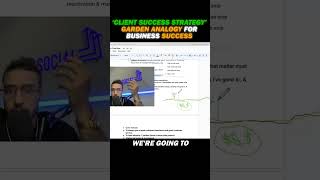
Speaker (Nate Tilley) uses a garden analogy to explain client success strategy: a business with solid fundamentals is 'good soil'; advertising is planting fertilized seeds (campaigns) that require preparation (offers, copy), ongoing care (management, tracking, fixing processes), and protection from problems (weeds/bugs = operational or sales/process issues). Growth occurs over seasons; initial harvests inform reinvestment and diversification. The piece emphasizes patience, diagnostics of internal issues before adopting new agency processes, and iterative testing and scaling.
Chapters
Quick analogies for clients to understand. We have the garden analogy. Here's our dirt, here is our grass, and also inside of the garden there is weeds and there's also in the garden there's bugs. We know one thing about this soil, we know that this is some good soil. If somebody is a good business or somebody's got a good foundation, they got good soil. When we start running advertising, all we can do is we can come in here and we've got the foundation of the business. But there may be other things that we've got to consider. So all these weeds and all these bugs that are in here, you know, these could be like processes that weren't built out in the business or things that weren't addressed that are causing there to be issues with how the follow up processes ran, how tracking's ran, maybe the sales isn't on point. And sometimes those kind of issues can be like a crack in the foundation that ruin everything. When we come in with these clients, we have to look and try to clear away as much as we can of preconceived notions of other agencies and how other follow up processes work. And the only way someone's going to be open to adopting what we have is by us knowing what they have. So looking in their garden, seeing the strong points, seeing the weak points, knowing what we got to clear up. When we first launch campaigns, we're going to be planting seeds, okay? We're trying out different offers, we're running different creatives, we're doing all these different things to get the soil. Even before that, we're preparing the soil, you know, we're writing the offers, we're getting the copy together, we're doing all these things. Then when we're actually pressing the green button and launching campaigns, we're actually taking a seed and it's fertilized, right? So we have a little plant. And once we have our little plant, every day we're going to be looking into the ad account, we're going to be looking into the management, we're going to be doing all these different things on our end to water this plant. And we're going to be seeing it grow over time, right? As the business owner grows, as we put more money into it, which could be more seeds, could be more water. As we keep this machine working, we're going to be gardening, we're going to be planting more plants, we're going to be getting everything going in this whole entire garden until eventually we're going to be able to take a harvest. But it takes time. There's different seasons. There's seasons of things being slow. There's seasons of a harvest, there's fall, there's dead seasons. You know, things like that. So. And also, the bugs could come back, the weeds can come back, you know, so we're going to be there watching over their garden and protecting it from these bugs and from these weeds, and we're going to be helping it grow. We're going to be putting the right fertilizer on it. No, this is something where we're going to plant seeds, water them, watch them grow, protect this garden, and then we're going to make a harvest. And then once we make our first harvest, we put more into the soil, we put more into the field, and we. We see it grow even more for the next season and the next harvest, and maybe we try a new type of plant. We got avocados, we got lemons, we got everything. Now we're harvesting all these different kind of things, all these different kind of leads. So our clients need to understand there's a process. And the garden analogy is how I always like to see it, especially when people want to get results faster. You can't pick fruit that isn't ripe yet, right?