Four Steps to Becoming a Recession Millionaire
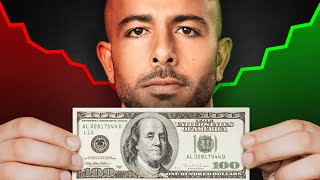
Sabri Subhi outlines five moves to grow during a recession: shift marketing from gain to protection, double down on ads while competitors retreat, add manual outreach, do 12 follow-ups per lead, and repackage offers as painkillers instead of vitamins.
Chapters
This is a painkiller. In the next few minutes, I'm going to show you what it has to do with you becoming rich in the coming recession. I'm also going to be sharing the five things that you need to do right now to not only prepare for what's coming, but to capitalize on. We all know that there is a massive financial crisis underway. US consumer debt is now above levels hit during the 2008 financial crisis. Credit card interest rates just reached the highest in history. Even banks are collapsed. Collapse of the Silicon Valley right week for the banking industry. But there is a way that you can prosper amongst the chaos because more billionaires are created in recessions than any other time in history. Real quick, if you don't know who I am, my name is Sabri Subhi and I have generated my clients over $7.8 billion in sales in over a thousand different niches. My goal is to help you survive and thrive in the coming years. All right, point number one, don't segment. Most marketers segment based on age, like 25 to 40 year old, maybe gender. But in a recession, these segmentations are less relevant than your consumer's emotional reaction to the economic environment. And this affects type of stimulus that they respond to. The biggest thing to look at is pivoting your messaging from gain to protection. When the economy's all blue skies and baby giggles, people are thinking about growth and they'll respond to marketing messages that promise these big benefits. But when the dark economic clouds fill the sky, people start to think about protecting what they already have by eliminating, postponing, decreasing or substituting purchases. So your marketing message needs to be talking about protecting what they already have, saving money, not losing customers. Point number number two, act with courage. To quote Buffett, you want to be fearful when others are greedy and greedy when others are fearful. Your competitors are going to cut back on ad spend. They're going to let go of team members as their business contracts. They're going to go into retreat mode. Let me tell you a story. Before World War I, Pepsi was the number one cola brand in the world. But they made the grave mistake of cutting their marketing budget when the war hit. Meanwhile, Coke went all in, doubling down on their marketing efforts and expanding into Europe, Australia and South Africa. Pepsi ended up going bankrupt and offered to sell out to Coca Cola, but they declined. This blood feud between Coke and Pepsi was dubbed the Cola Wars. You're drinking Coke, who's drinking Pepsi? So although natural impulse is to cut back on advertising during a recession, the companies that don't prevail and win the market. Point number three do what the lazy won't. Let's just say that everything's been all fine and dandy in the economy and then you invite them to book in a call on your calendar. When things start to contract, you need to start looking at ways that you can get more efficiency out of your ad spend. And a simple way to do that is to move from a funnel that is completely automated, add a phone number field to the opt in page, and then start to use outbound people to go out there manually calling to get them to book in calls with your calendar. We need to be looking at every little inch to squeeze efficiency from every ad dollar spent. Point number four make follow up your oxygen I recommend doing a minimum of 12 follow ups per lead and that should be a combination of email, text messages, voicemail, bloom videos, direct mail. This can't the usual follow up crap. Instead, what you want to do is something that I call Value added Follow up. Every single time that you reach out to a prospect, you should be providing some value, some further insight and get you closer to doing a deal. Focus on the prospect. What are the questions that they still have unanswered? People don't make decisions when they're confused. So your job as a business and as a salesperson is to make sure that your prospect feels educated and empowered to make a decision. And the fifth and final point? Know what you're selling. Regardless of what you're selling, you're either selling candy, vitamins or painkillers. Candy are nice to have that people enjoy, but doesn't solve a burning urgent problem. Think social media management, logo design, video production, or web design agencies. Then we have vitamins that typically provide some kind of benefit over time, but doesn't really provide a solution to a burning problem. But they're not urgently needed. Painkillers offer an immediate solution to a pressing problem in an economic downturn. The only thing that you want to be selling is a painkiller offer. If you're not, you need a pivot it immediately. Here's how. Let's say that you run a content creation agency. The packages that you sell is like five long form blog posts, two LinkedIn posts, three YouTube shorts, Instagram reels per month. That's a vitamin offer and it's all in the packaging. You're selling the ingredients, you're not selling the meal. And in a recession, those types of offers are the first thing to get cut from a budget. What you want to do is think about why are your customers signing up to this service in the first place? What is the end desired outcome look like? We could take that same same offer and repackage it into. An offer like this will generate you eight sales qualified leads per month from ideal clients in your target demographic, from people that are eager to speak with you, or it's free. That is a painkiller offer. And the logistics of setting up an offer like this might look like you actually produce that content and then you get your client to go and post it on their social media, post it in the most popular LinkedIn groups in their industry and the Facebook group and then you could even take it a step further and then get VA's to go in there and reply to all of the comments and you just link out to a basic landing page that you build up. It's all templated out, allows you to track the inbound inquiries that that content is generating for the client. You get your client with all the raw materials to then post that content on their social network with a link that you create that has a basic landing page that's all templated out, that invites people to jump on a 30 minute phone call so all the leads are trackable to you. Then if you want to take it one step further, hire some VAs that work on behalf of all of your clients and you have them jo the Most industry popular LinkedIn and Facebook groups and repost that content and even reply to comments with a link to that landing page with your simple offer on it. That type of offer would do five times better than a normal vitamin or candy offer. Ask yourself, why do my customers want a new website in the first place? Is it to look more professional? And if you keep on asking why, you get down to what the kernel is in this instance that they want more customers. So that's what it is that we're going to give them more customers. Pivoting that same offer into we will build you a two step simple funnel that will increase your leads and sales by a minimum of 20% or it's free. And as we know, in a recession that's what it is that people want. They want to decrease their costs. That is a painkiller offer. Go out there, make something happen, subscribe and I'll see you next time.










