He Sold Everything to Build Freedom...Here’s What Happened to Matt Gray
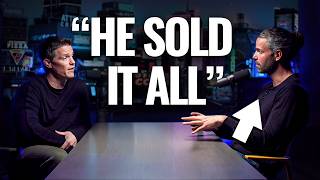
This content was created by Nate Tilley. This content was uploaded by Nate Tilley. This is a YouTube video titled "He Sold Everything to Build Freedom...Here’s What Happened to Matt Gray" created on April 30, 2025. It features a conversation between Matt Gray and Russell Brunson discussing Matt's journey as a founder, his experiences with building businesses, and his personal growth, including lifestyle changes and business strategies. The discussion covers topics like entrepreneurship, personal branding, and the importance of building a strong personal and business foundation.
Chapters
Freedom comes down to four things, like the freedom to control where you work, what you work on, who you work with, and when you're able to work. Right. And when you have those four W's, like you can do whatever you want. Basically. That's a reason why a lot of founders get into business. I hated the fact that I was just stuck in Toronto running this in person thing and I knew the next business that I created, I wanted to have, you know, location freedom. So picked up my bags, got rid of everything and started traveling. Went to New Zealand, Peru. No one's freedom is going to look the same. I definitely think it's important for founders not to give up on their definition of what freedom looks like.
What's up, everybody? Welcome back to the show today. I'm excited. I've got a guest who flew here all the way from Bali through about 12 other places. He's a world traveler and does a lot of really cool things. Someone I've been watching online now for the last couple years, we've been talking and finally a chance to meet each other in person like 10 minutes ago. And he's here in Boise in office and we're gonna be talking about some really cool things in his business. His name is Matt Gray. And thanks for coming to Boise, man.
Yeah, thanks so much for having me. Great to be here.
So you're living in Bali, but you've been traveling in your world travelers. We'll talk about more. But yeah, just curious the trip you're on right now and why you're swinging by Boise.
Yeah. So was. Yeah, on a bit of a journey. Twice a year we run different events and experiences for founder os and we just ran one in Austin and I figured while I'm in the country, might as well make an epic trip out out of it. So took my parents to Wyoming, to Yellowstone and to Grand Teton for some hikes. And then yeah, we were talking and I was like, why not make the trip out to Boise?
Yeah, no one.
Couple connections later, you're in Boise, even though it's next door and you make it happen.
Wyoming to Boise. Be simple.
Yeah, yeah, exactly. So, yeah, no, it's great to be here.
That's awesome to have here. So for those people who don't know you, like, how did you get your start in this whole world? How long ago?
So, yeah, a little background. When I was 20, I started a technology bootcamp in Canada, the first of its kind where we trained full stack software engineers and then got them jobs at tech companies like Shopify Facebook, Google, and over the course of a few years, we trained 2,000 software engineers. One month after graduation, they'd go through these like three months of intensive training. And we train them up, get them jobs. 90% of them are getting jobs. One month after graduating and did really well. We ended up exiting the business to General Assembly. They bought us, you know, when they were coming north to Canada. After that I was like, okay, a lot of things were great about this business, but I hated the fact that I was just stuck in Toronto but running this in person thing. And I knew the next business that I created, I wanted to have, you know, location freedom. So picked up my bags, got rid of everything and started traveling. Went to New Zealand, Peru. Came across this random website of all things called the Stoner's Cookbook. Some guys I had met when I was in New Zealand, I ended up buying the website off them and rebranding it to Herb. I kind of saw the writing on the wall of where the cannabis industry was going over the next decade and saw an opportunity to, yeah, like transform it into something much more tasteful, curated. And there was no platform that was really reliable and trustworthy around that niche. And sure enough, 10 years later, we kind of grew it into an audience of over 14 million people. And yeah, so that's kind of a bit of the journey there.
Do you, did you sell that business? You still have that business?
Still have that business, yeah. So that's one portfolio company I have. And then about a few years ago started another company called Founder OS where we help founders with proven systems to scale their audience, their brand and their community, using kind of all the systems I've used to build multiple profitable online businesses. And yeah, really just passionate about helping founders, you know, kind of make the founder journey much more joyful. I think we're both kind of aligned around that. I think it can be lonely and difficult and, yeah, overwhelming at times. And I think when I set out to build Founder os, I set out to build a business that was kind of in my icky guy, like what I love to do, what I'm good at, what I could be paid for and what the world needs and sought out to build. Something that would feel like everyday retirement, like working on this stuff that even if I was retired, this is the kind of stuff I'd be doing every single day. And I feel like you're also, you know, in that element. You can see it just when, you know, you're running different events or you're in the room with founders, you know, you're just there because you genuinely, you wake up to and you live this. And so, you know, I can feel that. I think others can feel that. And I wanted that for my own life to be able to wake up every day and just work on my calling. And so that's what founder us is kind of the manifestation of that.
That's cool. It's interesting to me because I think, I think we do serve very similar audiences, but we also, we call them by different names, which is interesting I look at in this world. Right. A lot of people call them creators, a lot of people call them entrepreneurs. You call them founders. They're very similar, but it's like a different perspective a little bit. Even though they're the same people, people starting businesses. Right. I'm curious, like just the definition of founder, like what's like the people you're typically working with, like what's their. Who are they, what do they look like?
Yeah. So for me, I think that things like, you know, entrepreneur, founder, business owner, these are all synonymous. Founder to me is just, yeah, someone that's running a business around, you know, thing that they love to do and looking to scale it. The typical person that we work with is someone that's doing generally above 50k per month.
And do they, they consider themselves entre. Because like when I bought Dan Kennedy's business, those people don't consider themselves entrepreneurs, they consider themselves small business owners. Like we're not entrepreneurial small business owners. Do your founders consider themselves entrepreneurs or.
Yeah, they're definitely consider themselves entrepreneurs. I think if anything the bridge that's going on in terms of maybe their identity is I think more and more founders these days are merging with like the creator economy stuff that you've been talking about for a decade or more now. So this idea between the two. Yeah, you know, this idea that, you know, people follow people, then they follow brands. And you know, I think that when you have a personal brand, what I call a founder led brand, you know, you're able to go and make sure that you have, yeah, people like really understanding the story behind what you're building and they can really follow you, follow your journey. And that makes the brand that much more impactful and it allows you to grow it a lot faster. And so this importance as a founder to really be thinking about building your audience day one, you know, there's that whole saying like, first time founders focus on tech, second time founders focus on distribution. And I think more and more people are waking up to like the quicker you can build that distribution Build that personal brand and an audience around yourself. It sets you up for, you know, having this amazing kind of media moat around your business for the next decade to come. Whether you're still building that business or maybe it's sold and you're onto the next one and you still have that brand and audience around yourself 100%.
It's interesting because like 10 years ago when I started first talking about nobody, it was just funny because people were like, no, I'm like, they didn't want to be the ones. Like the, the joke was always like, I don't want to dance on tick tock or I don't want to show my face. Like I'm a, I'm a, you know, I'm starting a company. This is like dumb stuff. And where's, you know, it's like, it's free media, it's free leverage. It's free. Like you build the, the brand and the personality and it ties together and just makes everything else easier on top of it.
I've always found it funny too. Yeah, you always have these people that are like, you know, I don't want to be famous or yeah, I don't want to dance on tick tock or whatever. And I always found it because from a decade of building Herb, where we had a team of say, 12 writers and different creators, I learned, you know, the benefits of that, but also the struggle of, you know, you maybe have an idea that comes into your head of something you want to create and then you have to kind of brief it and delegate it and follow up on it and quality control it. Whereas for me, like building a personal brand or building a founder led brand around yourself, the speed at which you can go from just idea to creation is oftentimes like just instantaneous. You don't need to answer to anyone. You don't even necessarily need to manage anyone. You can just, you know, come up with that idea, sit down, film it, push it. And having that control over your media, I think is, is nice that you can kind of control your destiny more and you're not reliant on so many people.
So I also realized when we launched clickfunnels, we had some competitors and I had a voice, I had a brand and our competitors didn't. They had a lot of VC money, they had no voice, no brand. It's like when we would, you know, when we were fighting, you know, I'm very competitive. So when we were competing against them, I was able to say things they couldn't review, they couldn't fight Back because they didn't have a voice to the market. They had a brand everyone knew, but they didn't have a voice or spokesperson or anything to be able. So I could say a lot of things I needed to say, you know, persuade opinion, things like that. And they didn't have the ability to, to really fight back. And I think that that was another thing when you understand that. It's like it gives you the ability, like when you, you need to shift narratives or need to change whatever the thing might be, the market's shifting. Like if you don't have that voice and that personal brand, it makes it so hard to be able to navigate through a lot of the things quickly. You know what I mean?
Yeah. No, and I think there's this whole kind of like 360 degree element to it that people don't think about. Oftentimes people when they associate with it, they think, oh, it's you know, to become famous or to get customers. But you know, even this right now is like indicative of like the power of it. You know, we just had. I'd shared a couple of things online on Twitter, you know, I think about a year ago, and we started chatting a little bit on Instagram around some stuff. And then one thing led to another and here we are in Boise. Right. So, you know, whether it's just like serendipitous connections and that happens to me all over the world, wherever I'm traveling, I'm constantly meeting different people and that I wouldn't otherwise meet if I didn't have an audience. You know, the amount of opportunities, amazing hires you're able to also get. I think probably three quarters of our team has found me from the audience I've built and it's top talent that I don't think I'd otherwise maybe be able to even attract. So yeah, it's, it's, it's insane. The power of it, when you get it right.
If I had to call the group entrepreneurs this morning and they were trying to figure out how to do their hires, I was like, your dream customers probably already following you. They probably love you. They're obsessed with your mission and your message and they knew there's opportunity to leave what they were doing to help you. They'd probably take a huge pay cut because, you know, then like you attract these people because they believe in the vision. Whereas yeah, you're posting jobs in indeed or something. You're hoping that somebody shows up, you know what I mean? Who doesn't know who you are yet. Then bring Them into your culture and stuff, which is, yeah, a nightmare from hiring side. So. All right, I want to ask you a question that's not specific to the business side yet, but it's something that I'm really interested in from a lot of different reasons. And so, you know, I'm Mormon, so I don't drink or smoke or anything, never have. And a year ago, year and a half ago, you posted that you prior had done a lot of that and then you were stopping it or cutting it out. I'm just curious about, about that.
Yeah, great question.
Like why and how and what you've. What you've noticed since then.
Yeah. So you know, my journey, you know, I think the only thing that's like inevitable with humans is that like is change. Right. And when I started herb, when I was 24, I saw this amazing opportunity to build something in the cannabis industry. I believe like people should have freedom to make their own choices in life. And there for so many other reasons, like really believe in the mission behind what were doing on a more personal level probably around five years ago, six years ago maybe now I, you know, I've been running businesses, was running a few at the time and found myself in a hotel room having like a borderline panic attack just from the stress, the overwhelm. There were a couple crazy things that were going on and there were some things out of my control. But then I started to come to a realization that there were a lot of things that were in my control that were contributing to this. You know, was drinking a few times a week to cope with the stress on weekends, was smoking probably like 10 joints a day at that point. Um, and yeah, had probably a pretty bad addiction that I needed to kind of take a look at. That had kind of just been a bit hidden cuz I was functioning and I was in an industry where this stuff can kind of like, you know, get by. Um, and so ended up having some brain scans done. Realized that on top of all that there were some like brain conditions, had some frontal lobe damage from many concussions, playing hockey of course in Canada. And yeah, just woke me up to like, wow, I really need to start taking care of my health. And so from that journey reached out to different experts. One of them actually was Huberman and learned through him that cannabis breaks the chain between DHEA being converted into testosterone. And I found that interesting because at the same time I was learning that testosterone is the chemical in humans that makes effort feel good. You know, we work so hard as founders, like bashing through Walls all the time, oftentimes fighting different fires and building things that I was like. I felt. It kind of hit me that I was kind of working backwards, you know, I was working so hard in so many ways, but then on a health side, working backwards in terms of like, yeah, even chemically screwing up my body a little bit. So I decided to. I decided I need to make a change because it wasn't sustainable the way I was going. And that journey led me to, you know, finding a sobriety coach, finding an executive coach, and really going deep on the health side. I started replacing smoking and drinking with journaling daily. I had read the book the Artist's Way by Julia Cameron. Didn't really know the change was going to make in my life, and just started waking up every day to write my morning pages. Three pages just kind of poured out of me daily. Did that for about 90 days. And I started bringing some of these concepts online, sharing them on Twitter at the time and in a newsletter. Really no agenda in mind other than just, hey, let's just put some stuff out there and see the kind of people that are interested in this, or maybe not. And one thing led to another, and yeah, I started attracting a lot of founders that really resonated with this. They had similar experiences in their lives. They thought. I think these were some topics that they were hoping someone would open up more about. And that kind of compounded to building more of a audience online that people that kind of are attracted to, you know, not just building amazing systems around your business, but amazing systems for your own, your life, your health. So that, yeah, at the end of the day, like, strong founders build strong businesses. And so you need to make sure you're taking care of yourself. So, yeah, that's kind of a bit of that.
It's really cool. I think it's interesting in. In at least the community I watch every single day. Like, people start making more money, they get more stress, they get more. All that kind of stuff. And they're always looking for ways to sedate the pain, the pressure, the whatever those things are, you know, and it's interesting. Cause I always. I see people who, again, I'm a big. I think one of my superpowers, I see someone, I see their divine potential, like what they could do or they could become. And there's like the pressure and the stress and. And instead of like, allowing that to be the thing that. That helps them to get the next level, they sedate through other things and to take the pressure off and. And it's Almost weird to not do that. You know what I mean? Like, people are like, anyway. And so it's been hard for me to have a con, have like to be able to be in that conversation because I'd never done it. So like, I can't be like, oh, you shouldn't do it because of this or this. And I thought it was really fascinating, especially since you have a company doing that, you know, around that kind of thing. But then for you to be one side and then go to the other is really fascinating. And it's super weird. Yeah, it's super. But it's, but it's, it's really cool. And I think that I just wish more entrepreneurs would look at it that way because they, again, it makes you feel good. It takes off the pressure it gives you. Because we're dealing with so much stuff. There's so much pressure all the time and, and it's an easy way to, to get out of that. But I think it's, it's like what keeps people from actually hitting their potential. I had, you know, some of my best employees, designers who, who, you know, there's times when they're just amazing, but then there's times that they, and maybe it's a creator thing we all have, you know, pain, whatever comes with, with the, the art or the ideas we have, you know what I mean? And, and then they would sedate with these things and then you could tell it's just like, ah, like we lose, like they're more creative a little bit, but then they, they don't push, they don't drive, they don't do anything. It's just like this, this thing where. Anyway, so I just was really curious on your takes on that.
Well, I think, I think as like, as founders, as entrepreneurs, like, you know, we're constantly evaluating our businesses, right. Auditing, like the finance area, seeing how that's coming along, looking at your marketing, what's performing best, what's not stopping the stuff that's not doing well, doubling down on the stuff that really works. And oftentimes we let ourselves get off on an easy street and just not reflect too much on, you know, what stuff that may have been serving us when we were 25 is not serving us at 30. And it could be anything, right? Like your diet, your exercise, whatever. It so happened that my vices were drinking and smoking, but other people have vices of sugar and bread. I don't know. Right. So, you know, I think it's just, yeah, important to just be honest with yourself and at the same token, too. Whether it's, you know, rebranding your business, rebranding yourself, you can always change. Right. Like, just because something's been a certain way doesn't mean you got to keep doing it. Right. And for me, yeah, it was kind of weird. You know, I'm running this cannabis company now. You're like, whoa, you're not smoking weed? It's like, I'm not against it. I mean, I think everyone should be able to do whatever they want to do. Right. That doesn't change at all that my belief in freedom, my belief that adults can make adult decisions. Nothing's changed there in terms of, like, what's right for me and what I think I should be doing going forward. I'm going to experiment with a new me. So, yeah, just always being open to reinventing yourself and I think is something that can be a superpower.
Yeah. Super cool. Thanks for sharing that. I appreciate. I appreciate that. Okay. So I want to dive more deeper into the founder side of your business. That's what you're passionate about. And I'm a framework sky, like, seeing the framework. So I'm curious, like, when someone comes into your world, they're a founder or they want to be a founder, like, what's the process where the things you start, you start taking people through? And I'm also curious, just for you, when people come to my world, I'm obviously very marketing and sales focused. Like, that's what I teach my people and train. I never teach operations because I'm not a good operator. Right. But that's the. The direction I focus on. So I'm curious for you, like, what's the direction you focus on with your people? And then. And then kind of, what. What are the process? What are the things that you're. The frameworks you take people through to. To get their. Their brand and their personality out there.
Yeah. So everything at Founder Us is pretty customized. You know, we've got hundreds of systems that I've used over the years to help me with different things. I think at the end of the day, I'd say 90% of founders fall into the following kind of buckets. There'd be people that are looking to scale their audience, people that are looking to grow their offer, those that are looking to get more of their time back, or people looking to build a team. Now, they oftentimes get mixed up, but there's one general instant priority someone's looking for. Right. So we're trying to assess, you know, is this a person that has a really successful business and now is just trying to get their time back and that's their real currency, or is it someone that, you know, is both a great business, maybe, and now they're looking to scale their audience really fast. And so depending on what sort of avatar they fall into there, we're then going to kind of customize the journey they should be going on from there. But, you know, the kinds of things that we help folks with, at the core of it is like a content gps. And what that is is helping people grow an organic audience across social platforms. So whether that's X LinkedIn if they're more writing first, or YouTube and TikTok if they're going more video first as well as Instagram from there, driving people to a newsletter, to workshops, maybe webinars, and then actually owning that audience in their email list. I think a lot of founders, they move from social and they just think that they should be selling directly from social. And I think what ends up happening is you're way too salesy. And that may work for six months, but I think that eventually you kind of burn, burn your organic audience if you're just selling too much just from social. And I think a lot of people too, want to go and build a brand and want to be more active on social, but they don't want to come across as salesy, and that becomes a blocker. And if they knew that there was actually just a way to drive people from your audience to an email where then you can sell, I think it then opens up a range of possibilities. And so we kind of help them with that organic content funnel and then driving people to, whether it's, you know, a product sales page or a sales call, depending on the industry they're in, helping them set that up and then the systems along the way to make sure they're doing this efficiently so that the hope is that they can scale it without their involvement for the most part. So, you know, I've been able to, you know, scale an audience now about 3 million folks the last few years around my own brand. And, you know, we're only filming generally around like once every couple months. We batch all the content. It's done in like a few days. I can delegate it to my team from there and then just get back to living my life, traveling, enjoying things, and so trying to make sure that at the end of the day, when you are both a founder and a creator, it kind of doubles your chances of burnout. And we were just talking about some of the things I used to cope with for that burnout or those feelings of overwhelm. The last thing I want to do is set founders up for that same issue. And so as much as you're sort of ramping things up in terms of the content in the audience side, I think you also need to be ramping up the systems to make this whole journey sustainable so you don't burn out. Yeah.
For your. What's your team look like personally? Because you, you socially are amazing on all the platforms across the board. I'm curious what your team looks like, how many people are running it? What does that look like?
Yeah, so we have around 25 people on the team.
Just on the content team or the business?
On the total team. It may be a little more now, but let's just say it's 25:30. So on the content side, I work with like we have a producer. Um, on the video side, I'd be like the creative director. And then we have three long form editors, three short form editors. Uh, and so that allows us to do one long form YouTube video per week, two IG reels per day, two YouTube shorts a day, two TikToks a day, that's kind of that whole department. So like the video side of content, on the written side, I have like a social writer. I'm writing and then I have a newsletter writer. So that's the whole written side of the business. And then we have, you know, operations, probably 8 people on the sales side, 10 people on founder success.
And.
And then I have a chief of staff who's my sister. Yeah, something like that.
Okay, very cool. So for you, walks through your personal strategy, you're doing social, you, you run paid ads as well. Are you 100% social?
No. So the story there, quick, is like I actually really don't know how to run paid ads, to be honest with you. From being in the cannabis industry for that long, you can't run ads because the Schedule 1 drug in the US and I didn't realize like we had just, you know, built that business all organically over the years, that was just kind of what you had to do. When I started to take a look at, you know, building my own brand and using this for founder, I realized this is kind of a superpower because I just sharpened that sword so many times by publishing like 38, 000 pieces of organic content over a decade that I was like, okay, like this is this, this actually really does work for, for other brands and my personal brand, it can work for others brands. And yeah, and My belief is kind of when you have a superpower, when you have an edge, like exploit that to the fullest degree possible. So I'm definitely not opposed to ads or anything like that. But anytime I've looked at, you know, should we run ads or should we post another YouTube video per week, it's like, let's do that YouTube video another week. Or, you know, should we do ads or should we, you know, ramp up Instagram in this way? It's like, let's just do that for now. So we haven't, I don't think, max out on organic to the point where I'd moved to ads yet, but definitely not opposed to it.
So fascinating. My world's the opposite. Cause we're very, you know, obviously funnel driven, paid advertising driven. Everything we do is through that lens. And so we default the other side where it's like, okay, how do we spend a million dollars this month? And we can track it. We see the numbers, everything through the funnel, you know, and the organic side we're posting. But we don't have definite as good of a strategy or consistency in that. Right. So I'm curious for, for you, this is me just like asking for myself, honestly, more. So it's just like. So because obviously you're posting organically, you're pushing to a thing, but not the posts are always pushing. You have in the bio, like just what's the strategy? And like from like in a typical month, like how many, how many leads are coming from each platform or things like that. Just so I can understand what organic done really well can look like, you know.
Sure. So I'll summarize it as best I can. So, you know, you have the core, say five platforms, right? X, LinkedIn, YouTube, Instagram, TikTok. Across those platforms, you're driving like this ocean of attention essentially from maxing out the highest quality content you can possibly put and maxing out the quantity that you can, that each platform can kind of take not in a day, not in a week, but like what that platform can take like over the next decade to build a sustainable brand that you don't just burn out your audience. Um, and so, you know, as an example, I think, you know, Instagram can take a couple posts per day, YouTube up to three long form a week, but we just do one per week. Um, and so in each of those pieces of content, across all of the different platforms, you can put obviously call to actions in these pieces of content. Now the wrong way to do call to actions is first off to do none at all. The second thing is then to do them where you're driving people right to your product. Again. I think that over time that could work for six months. But when you're talking about building something enduring for a decade or two, it starts to just burn people out. Cuz they just feel like you're just constantly selling them, constantly selling your shit and not there to actually just provide value. So across each of those platforms there are sustainable ways to do CTAs or call to actions. So on Instagram as an example, that's like your link in bio. The key thing on Instagram right now is manychat. And so the way that I generally like to use CTAs across any of the platforms is always by giving people an insane amount of value. My whole thing and the way that our team works is that we're almost trying to compete on generosity. Like these days there's just so much stuff out there that if in a YouTube video or an Instagram reel, you can give away something that most people ideally would think that they would charge like $10,000 for something like that. You make it just such a no brainer for those people that have viewed that piece of content to then go and enter their email in to go get it. So tools like manychat on Instagram make this easy on X, you know, auto plugs under your posts make it easy. And there's about 17 of these different areas that you can drive people from your content to these CTAs and then capture their email. So it's about having the right pieces of content with super valuable, customized, basically, you know, lead magnets for those different formats and then driving people from them in the right way to get their email. And then inside of your newsletter that's where you can be, you know, more kind of leaned in on the sales side. Not saying that the whole newsletter strategy is just selling, but you know, on a Saturday newsletters example, I'll tell a story, you know, kind of hook story, offer going on and then yeah, in the offer end you can have your couple CTAs, maybe one leading people through a sales call and another leading people to your YouTube or another platform to kind of cross pollinate things. So that's generally how I look at it in terms of the amount of leads we're driving per month. It's currently around 12,000 across all these platforms per month. And you know, our top platform right now surprisingly is YouTube. So with only about 150k people there, it does more than Instagram and LinkedIn combined and those two have 2 million. Um, so pretty insane. And I just think that right now.
Doesn'T have a version of many chat. Right. You just push in the description or how do they.
Yeah. So I. In YouTube, the strategy that we use and this is all subject to change. I don't think necessarily like what we're doing is the best thing ever. That's what's really worked well for now. Um, In a given YouTube video, there's oftentimes we'll talk about something maybe in a video. And this one, maybe it's like paid ads or organic content and then giving away like a whole checklist of say, how to maximize paid ads and organic content. Right. And then drive people to that in the link in the description where they can go get it for free. When they're in that, obviously they enter in their email, maybe even their phone number and now you have captured that person. So yeah, simply in the description is the way that we do it.
Yeah. Very cool. In on Instagram with manychat, one problem we had before is we were trying to. We would push people in many chat and then we have a whole conversation open up and there's a whole process. We take them down. But then what happens? We would be posting multiple times a week and then people would be in like 12 conversations at once because they're your hyperactives, respond to everything. And it was just chaos. And so we cut it down to where basically we just have many chat, push one link out and then it stops. I'm curious for you, like, how do you run yours? Or do you have. Is yours complex or pretty simple when you're pushing lead magnets through that.
Yeah. So I think how we do ManyChat right now is we have, you know, maybe three core CTAs per week that lead to three different sort of flows, three different sort of really generous lead magnets. And then from there there's probably only a little bit of back and forth, like a few automated messages before then it's picked up by someone that's actually managing those DMs. So that number one. Yeah, we don't need to make it too complex. We can kind of just keep it simple. And then two, there's someone there that can then if there's something wrong or whatever, can quickly go and edit the. Yeah. The sequences and make sure that there's no chaos there. So, yeah, I think the lesson for a lot of people is like when you're trying these things, don't try to over engineer it too fast. You Know, like, simplicity is genius, right? And yeah, I think the more simple you can keep things, like if you're just getting going a couple platforms, getting the CTA is right on there, really monitoring it and putting in the reps before you just over engineer it and then just let it loose and sure enough, you know, issues come up.
Yeah, yeah. It's so much. It's funny, I got started in this game before there was any social media at all. Like, I remember I was in college and Friendster was the. Was the social platform of the day. And we were trying to figure out how to hack Friendster to get leads and all sorts of stuff. And then MySpace came after that, and then. And so it's just fascinating just how much now. Now it's like the majority of traffic online is coming from social, where when I got started, there was zero social at all. It's just fascinating how much it's evolved and shifted, you know, to that, that direction. Then how many multiple platforms. And then, you know, it's all, you know, around five or six platforms now, which is, which is interesting now. I've never, in fact, I think the. One of the first. The first thing we connected with there, something was you posted something. If it was on Twitter, we must not have been on Twitter, because I'm not on Twitter. But it was about Twitter, about the algorithm and stuff like that. And I remember seeing that, I was like, oh, my gosh, this actually makes sense to me. I think that's when I first reached out to you. But for your business, how much, like, I'm curious about the written side. How does that work? Like the Twitter and what's the, what's the one that Instagram has now threads? Like, do you guys do a lot over there? Like, what's that, that side of the Internet look like? So I'm not playing in that at all.
So curious. So at a high level, how I look at all, content is what we call like a content waterfall. So a content waterfall is essentially like a system that you can use to go and turn like one core piece of content into like 32 or more other pieces of content. And so what this may look like in my business is we would have, say, a YouTube video that we've created a concept for and flushed it all out into, say, 3,000 words. That YouTube script can become, obviously a YouTube video. That YouTube video can also be posted onto Spotify, into Apple Music and Apple Podcasts. It can then, you know, become one or two newsletters in like, say four weeks, and in eight weeks then on platforms like LinkedIn, like say you had five core lessons that you go over in this YouTube video that could become five long form LinkedIn posts. It could also become five long form X threads, as well as maybe another 15 little sentences that you end up using for like 15 tweets as an example. So at a high level, I'm always trying to look to like maximize the content that I've already put out there so that you quickly are able to be as efficient as possible and get off of a content treadmill, right, where you're just constantly trying to output stuff. Meanwhile, you've got this amazing bank of stuff you've already made, just making sure that you've maximized that. Right? And I know that, you know, you're even doing this in your book project right now, like leveraging like these thousands of presentations you've done and thousands of podcasts, right? Like, how can you leverage all that material versus defaulting to new right? These days I try to as much as possible default to like, what have I already said around this, right? Cause I'm pretty sure I've said the things I've done, the things I don't want to just default to having to do it all over again and just trying to reduce the cognitive load and again, just keep things as simple as possible. Um, so specifically on the written side, you know, we will do four longer form exposts per week. Uh, those tend to drive the most growth. Um, and then short, about two short form tweets per day, which seems to be like a solid cadence on the platform to get your stuff out there without overdoing it. And then on LinkedIn, we typically do one long form post every morning at 8am and again, that's what's allowed us to scale to about 800,000 people there. And yeah, so I think with all these platforms it really comes down to number one, like having an amazing hook, a ton of long form value, again, really just trying to compete on generosity. So I think people sometimes overdo, like just thinking about growth, growth, growth. Meanwhile, like, I think if you can just focus on like, what are all these things that I'd almost be scared to give away, right? Like give it away, right? Inevitably, people, if you're making something, they'll still pay you to have it all packaged up to get to know you to for a more seamless delivery, for more support. So I don't think you need to worry about giving too much away, at least most people. And then, so that's like X and that's LinkedIn and then off of all those posts about, you know, 100% of the posts on LinkedIn and around 50% of the posts on X Drive, people then to subscribe to the newsletter. And so, you know, that's just constantly driving people to an audience that we own. That's helped us scale a newsletter to about 200,000 people in the last couple years. And yeah, it's a power of those written platforms. Then in terms of threads, honestly, I don't even understand like, you know, really what's going on with that platform. I don't use it personally, so I don't spend any time on it. Our team posts my stuff that's already on X there. I think we've gotten some good growth, but I have no idea what's going on there.
That's. That was the first day I signed up and like imports all your Instagram followers. I'm like, I'm a genius. I got, you know, and then was there for like a week and we post a couple times. Then it all just disappeared and stopped working.
Yeah, I still remember those days where people thought it was like taking over the world. And like, it's like two months later, Crickets.
Yeah, it's like, I remember Clubhouse had the same thing when that came out. And like, I was actually really excited for that one because I was like, it's exciting seeing a new social platform pop out and then blow up and then it just dried out so fast. It's always interesting what's going to have longevity in. In people's minds. Yeah. Do you guys have outside social platforms? Do you pull people to communities? Like, do you have a, like a school community or, you know, something like that where you're pulling people separately off platforms besides just newsletter, like an actual community. Or do you just keep all the communities kind of happening on social?
Yeah. So with founder us, yeah, we have everyone, about 800 people in a school community. And yeah, that's where like all the systems that we have are all nicely organized depending on, you know, content, audience growth, all the different platforms and their operating systems. And then, yeah, I think similarly, from my experience founders, I think overthink the tech side sometimes, like, especially when you're getting started, it's just like, just pick something that feels good, that maybe someone you admire is using that platform and it feels right to you, or maybe you've enjoyed using it just on the other side of the equation and as a community member and just get up and going, get running with it. So, yeah, most of the tech on what we Build is pretty simple. Like, you know, yeah, school is what we use right now for the community. But I think that there's a lot of platforms that are really solid there.
Yeah, for sure. Okay, I'll transition a little bit. So one thing that's really fun about watching you as a person in your life and your business and stuff is how. I don't know the right word. How free you feel. Like you are traveling, you are seeing the world, you're doing a bunch of stuff, versus most founders or creators or, you know, are not. And even me included, Like, I, you know, I'm. I'm a homebody, like being around here anyway. But I'm also very, very. I'm doing a lot of stuff constantly. Right. And you feel like you've created a lot of time freedom for yourself. I know you focus on that in your content as well. Just curious, like. Like, I guess first off, your beliefs around that, because some people. Yeah, I think you have different beliefs than me, and I really look up to what you're doing and you in this way. I'm just curious, kind of your beliefs around that, like, giving yourself more freedom inside of your business. You know what I mean?
Yeah. So my current philosophy on this, which again is subject to change, is that I think, like, freedom comes down to four things, like the freedom of control, where you work, what you work on, who you work with, and when you're able to work. Right. And when you have those four W's, like, you can do whatever you want, basically. And so whenever I'm building a business, like, that's the core of it for me is, is freedom. And I think that's a reason why a lot of founders get into business, is to have freedom and to obviously help a lot of people. And so, you know, when I was younger, my dad's a dentist stuck in Newmarket, Ontario, retiring any day now, hopefully. And when I'd ask him for advice, you know, on, like, what I should do in life or, you know, what did he wish he had done, you know, trying to understand maybe what some regrets were that I could maybe avoid. Nearly every time it would come down to, like, just go travel. Just go travel. So I think hearing that as a young kid, you're like. And I enjoyed it a lot. I was like, okay, like, travel. Travel, Right. So, you know, I have a goal in life of going to all 195 countries. And I think when you go and you future cast this stuff, I think I've only been to like 58 countries or something. Not that, like, not that that many in terms of the debt you need to make to get to the 195. And so you're like, damn, I still have a long way to go. And I think it becomes really easy with a lot of things in our lives to just say someday. And you think you'll do these things. And then, like, you know, you're 40, you're 50, you're 60 or 70, and you're still saying someday. And so I try to just default to, like, if you're serious about doing these things, like, just get after it. Um, and so, you know, I've architected my business in a way that allows me to do that with all the systems that we have, with the talent that we have, and oftentimes figure just, like, why not? Um, anytime I travel, like, I learn a bunch. You know, we're both writing books right now. If I'm writing a book, personally, like, I'd love to be, like, at some, like, artist cabin in, like, southern Italy or something, writing it just to be inspired and enjoying myself. And, yeah, I find travel is, like, you know, it fuels my creativity. It's inspiring. I always tell myself, like, I should slow down a little bit. Hence, like, why I've gotten this home base now in. In Bali. But that said, I still find myself wanting to, like, just being pulled to the next spot. Like, oh, I gotta go see Russell and Boise. Why not? This'd be fun. And then, oh, go to Brooklyn and see some friends there. And then I think I'm going to go to Lofoten, Norway, and probably end up going through Italy for Italy, and through Europe through the summer. And so, I don't know, I just feel called to do it. And I think no one's freedom is going to look the same. But I definitely think it's important for founders not to give up on their definition of what freedom looks like. And for some, that's wrestling tournaments, you know, and getting back into that and just, like, going for it. Right, which is amazing and inspiring in its own way. And I think it's just important for us not to give up on that part. Like, the same way that we've created these businesses and created so much impact, it's like, lean into that in your own life, you know, do it on your own terms and just be okay with being freaking weird, you know, the amount I travel is, like, really weird, probably to a lot of people. And, like, that's okay. Like, find your weird and double down on it. Yeah.
Do you take personality profiles?
You think I have Maybe one time.
Okay.
I'm curious or something, I think.
And that's one of them.
Yeah. Yeah. I don't know.
I love. Anyway, we have a whole side business. It's all about personality profiles. But it's fascinating.
I'd love to learn that stuff from you. I feel like that's a key to like hiring and really dialing it up.
Is really showing that's people and humans. But what's cool is one of the tests, the disc profile, there's a secondary test that usually when you take it, it gives you the results. It's called either values or motivators, but it lists like what your core motivators are like, top to bottom. And I get. I'm. I'm assuming. I would bet your. Your number one motivator is probably freedom. We have a lot of guys in our program who I make all of our coaching clients take, so I understand them. But a lot of like, freedoms are number one. That's. They optimize everything in life towards freedom. My number one value in that is, it's called utility or roi. It's like return investment. What's return investment of every situation, which is like why I struggled in school because I couldn't see the roi. I was like confused. Like, I don't understand this, you know, or things like that. But if I understand roi, like, I'll kill myself because I'm like, I understand this whole thing. And so I'm. I anyway, just assuming ahead of time that that's probably your number one. Seems like you, you, you build a lot of what you're doing around that, that, that motivator, which is. It's always fascinating when you see someone and, and how they optimize. Are you. So when I travel, I can't work on the road. I don't know how to do it. Like, I have my officer. I got three huge monitors. I have to have like tons of monitors. My own laptop. It's like this little thing. I can't figure it out. Do you able to work while you're traveling? How do you.
Oh, yeah, how do you do it? Yeah, that's the part I mean. I mean, I'm not comparing myself to this person at all, but I used to think it was like, really weird. And then, you know, you look through history. There's actually some like, interesting case studies on people that actually, they're actually better on the road. You know, Jordan was famous for saying, like, I love away games, like, much better. You know, the crowd taunting you. You're in this foreign environment and you're still going to show up and like, show them what's. What's up. So for me, I think, you know, I left my house pretty. At a pretty young age, so I think there's, like, something to that. Probably just being more independent.
How old were you when you left?
Probably around 17, 16.
Wow. Yeah.
And so, yeah, just kind of like having to figure it on my own. I remember just like always when I was younger, just like, I just wanted to, like, get away, like, just being able to, like, travel. I came up from a really small town. It's kind of boring. I was just like, oh, man, there's just so much out there. Can't wait to do it. And so now when I'm an adult, I'm just, like, seizing it. So in terms of the system, though, to get it right, because I am super productive on the road, I think, like, a few things. Like, I have a rule as an example. Like, right when I land in a new spot, I go, like, straight to the gym and, like, figure out, like, where, like, where's the gym? Where's, like, these days, like, a colbath sauna, hope it's in the same spot and, like, just get that rhythm going right away because, like, health is first. And if I don't have that rhythm down, everything kind of like, slips from there. In terms of my travel approach, too, it's like what I'd call, like, slow travel. I'm not generally trying to go to places for, like, less than a week. So, like, I'm about to go to Brooklyn. I could be there for just a week, I'm sure, and hit up all the things I needed to do. But instead I'll go for a month. Or when I'm going to go to Norway or to Italy, like, I'll go for at least a month, probably. Um, I was in Japan, snowboarding. I didn't just go for a week there. We went for six weeks. So trying to just like, slow it down a little bit so you can, like, rest. You're not just, like, firing your cortisol at all levels, hitting everything and then bouncing. Yeah, exactly. And just bouncing around too fast. And it gives me the ability with the business and with other priorities in life just to, like, take my time and not feel like I gotta just like, unpack and then leave to the next spot. Um, so, yeah, that's kind of like the philosophy around it. And yeah, in terms of, like, you know, I. I really like the diversity of, like, work environments. Other people are different that way. I Even I've had like places obviously that I've lived for six months and I've had an insane like work set up that I invest all this money in. Like this dope desk that has a button that you can like standing desk and these insane screens and all that. And I'm like, I'm going to go to a cafe, you know, and I like, just like a change of scenery because I, I get a little add, I think in a spot and like to just be in a new cafe with a nice new cup of coffee there that I'm trying out and then just like lock in. So that's just. I don't know what that is brain wise, but that's just my productivity formula.
That's so. That's really cool. Is your team mostly remote? Everyone remote?
Everyone's a road. Yeah.
Okay, that's cool.
How about you? What's like your, like when you're most locked in? Like you're writing this book right now. Like what's like the ideal scene there?
Oh yeah, for me is an office with 100 books around me to research and look at. And for me writing, I. I have ad, whatever, ADD or hd, whatever it is. Like, if I'm sitting and just trying to work, it's hard because I get distracted. It's like when I'm in a riding zone. I'm literally on a treadmill on my desk walking and like with headphones on. So I try to stimulate because like the more when you have. When you're. It's hard to focus, the more stimulus you have, the easier to focus on one thing, you know. So for me it's like I be walking, listening and everything and then I can zone in on like actually writing. And so that's. Yeah, these were all written on a treadmill for the most part or some version that. So that's kind of more so for me.
We were just talking before this too. I'm just curious. You have like all these references of like these like talks you've done and things you've written and presentations you've done or podcasts. You've done like, like thousands of these things, right? When you like lock in around a given book, maybe you've like determined the table of contents, I'd assume at that given part. How are you like synthesizing those references into like an organized way? Yeah, like I'm kind of doing this right now. I'm like, do I print all this stuff out and like paste it on walls and like A Beautiful Mind or like what do you do here. Exactly. And I'm, like, gradually getting into a flow, but I find myself wandering. And, like, sometimes it's just so much stuff.
I might organize chaos.
So.
So it's. I do start the table contents, but it changes, like, rewrite table contents almost every day. Because as you're going through, you're like, that doesn't make sense anymore. And then you keep going in. So, like, that's. It's a guide. But. But the table contents from, like, the first draft to, like, the end is so funny. I go back to first night. What was I thinking this was. But you don't know. At least for me, I don't know. It's like getting into the deep work. And my favorite thing about writing. Well, there's the joke that, like, reading a book is like writing a book, except for the books trying to kill you. Right? Like, it's. It's a painful. It's a lot of work. But my favorite part about it is, like, when you're in the deep work of writing, like, all these weird connections show up that don't show up otherwise. I think that's why I'm not a big fan of people to write AI books or things like that, because, like, all my books, like, the most profound things, didn't come from me knowing it and writing a book. It came, like, while I was writing the book, trying to connect, like, why does this work? And all of a sudden, because you're so deep in it with so many things, like, these things appear. Right. And so the book keeps rewriting itself as you're moving through it, because these. These things are showing up that. That you don't get unless you're. You're that deep into it. You know what I mean?
Yeah. And I'm just curious. One last thing on the process is, like, when you have your table of contents, right, or maybe you've written the first manuscript, do you involve people at certain stages of the book? So I. I know people, as an example, that have, like, a table of contents nailed down, and then they're going to go and Talk to, say, 10 beta readers or 10 founders in their audience, whatever, and get them to look at it and get some live feedback on it, to kind of sculpt it more. And then people that also will do that on a manuscript maybe once, maybe even Twice, getting like 10 beta readers each time to kind of help them get it right and see where people are blocked. Like, what's your approach there?
So, a little bit, the one thing I've noticed is for Me, when I figure out kind of the table contents in the order. I've tried to write a book prior, like before, I ended up doing that both times with dotcom secrets, expert secrets. I ended up deleting the entire book. And then I ran an event so I brought in my top level people and for two days sat in a room and I just like talked through all this stuff. And that helped me to connect. Because a lot of times you have a table of contents and you're explaining something and you're halfway through. All of you, like, you guys don't understand this because you don't have context. I'm like, crap. But I'm. You're writing, you forget that. But when you're in a room, people are looking at me like, what are you talking about? And so for me, before every book, I did an event prior to actually doing the work. And that was my testing of like, the ideas and the concepts and making sure that, like, the sequential order was correct. Because again, you get the weird look when they have no idea what you're talking about. Then from there I go, and for.
Me.
Writing such a. They always say, writing's like, it's personally, you're by yourself. And then. And then the expressions, you give it to people. And so there's always weird fear of giving it to people. So for me, I finished the manuscript all the way through before I let anyone in. And then I put it into Google Docs and then I have people come that I trust and I have them read not for like, not like an editor would read. Like, I don't want you to edit anything, but I want you just conceptually, like. And so I'll have people I know or trust probably, I think usually between 5 and 10 people, and have them read through the Google Doc. And I, I don't want them to edit, but I want the comments. So it's like commenting like, this doesn't make sense or this is confusing, or like, remember that time you told a story about this? Wouldn't that be better here? Like, I'm looking for concept editing. And so a dozen people just go through concept editing, which is really fun. And then from there I'm like, oh, I forgot about this. Or, yeah, that doesn't make any sense, or that that part was boring, probably could cut that. And then from there I go back, clean up the draft, and then I get it to an editor to start editing. So that's how. That's why I've done it.
And the average book took you how long to Write at least a year.
Yeah. So it's like a, it's like three or four years of thinking and then a year of like doing the, doing the work and monks. And it's funny because, like, when I got, when I shifted to Hay House, I signed the contract for Traffic Secrets and they sent me. I didn't, I didn't read the car, I just signed it and they, they sent me an advance, this check my. I'm like, I was so confused. What's this for? They're like, oh, well, most people, when they write a book, they take a year off to write the book. And that's so you can live while you're writing. And I was like, oh my gosh. I. Because I'm still running click funnels and you know, so yeah, there's no way it's a year, but it's not like a writer's year where it's a full year. You know, it's like I'm doing this with one or two hours a day for, for a year.
So, yeah, it's tricky that balance. Yeah. I think I'm on manuscript like six or seven now and I feel like I'm in that like learning phase of like, I'm sure every book after this will be a little bit easier, but that first one, I'm like, man, this thing is. This is something. Yeah.
How, how long ago did you start it?
Probably. It's probably almost like two and a half years ago now. I feel like just throwing out different versions because I'm like, ah, this isn't quite, I think what it needs to be and it's been useful. I feel like now I have a really good editor. That's a great soundboard. And so that's. It's more of a team thing, attacking this beast versus just me in a dark room trying to figure it out and going, ah, no, no, no, that's not it. So that's cool.
What was the thing that made you decide to write the book? Like what, what was the pivotal point where like I'm going to do this, I'm actually going to do it. Maybe I thought about it, but I'm going to actually write this book.
Well, I mean, the first part, it's similar to like the bucket list of travel. It's like, I just want to write a book before I die, so this is something I should do and why not do it now? It felt like a good time just to get after it and then from there. I think this like idea of like founder led brands are like Largely misunderstood. The kind of stuff that we hear all the time, like, oh, don't want to TikTok dance or don't want to be famous, these things. And it's like, I don't think people totally get it. So I wanted to kind of name the book, right? Yeah. Federal led brands. Yeah. @ least that's the running concept. So we'll see what ends up. But yeah, just trying to peel back the onion a bit there and give people, like, the details as to why this is a thing, why it's important to have your own media, media company and the systems that make it all sustainable and.
Profitable. Yeah, very cool. Two and a half years. Do you know what, When's your plan? Do you have a.
Puppy? This year? No, this year it's happening. Yeah, it's. It's being self published, so I don't. No one's really telling me what to do this year.
Yeah. That's awesome, man. Well, I'm excited to, to read it and to have it out. One of the best feelings I've ever felt in this in my entire life so far is like when you get the first box of books and you open up and you to hold it the first time, it's like there's something, there's something magical about.
That. The very first.
Second. Imagine. I can't believe, like, this.
Is. It's.
Done. I wrote a book. This is insane. Yeah. I'm really excited for you. So what's the future for you? Where are you going? Where are you going from here? What's the plans with your business, with your. Where are you trying to get.
To? Yeah. So on the business side, the dream there is to, you know, create the greatest founder community of the 21st century. I see an opportunity kind of like on the brand side, what, you know, Nike did for athletes in the 70s, Apple did for creatives in the 80s, is what, like, I'm trying to do for founders in the 20s. Create this, like, really aspirational, beautiful, tasteful, inspiring brand that helps. Yeah. Founders build their own really special brands. And so, you know, we have dreams of opening a, you know, retreat center in the Dolomites in Italy, which is like my favorite place in the world, you know, was there mountain biking last year for a couple of months. We'll be there snowboarding this year. And I just have this idea of kind of bringing amazing founders together for peak experiences together. And so, yeah, just trying to, like, lean into the community, really just listen them. I'm really patient with this. Like, I'm running something I'm gonna run till I die. And that was the whole genesis of even creating founder OS in the first place. So we're just being patient, we're being, you know, really intentional about it, building an amazing community, helping founders with the systems that we're ask, they're asking us for and really just trying to create the greatest founder content out there for the specific stuff that we do, which is largely around like systems and founder LED brands. And then on a personal level. Yeah, looking to finally get a home base for real this year. So hopefully gonna stay in Bali a little longer than like five.
Months. Maybe in Boise. Maybe we're gonna move.
Here. Yeah, maybe Boise, you know, exactly. And yeah, just keep traveling, get this book out, keep putting great content out across platforms and meeting other great folks like yourself and just having fun. I think I've, you know, my 20s, a lot of that was like, a lot of like a grind at times on the business side. And now, you know, with the systems that we have and with founder OS and Herbal running on autopilot, I feel like it's more of a time just to, you know, enjoy things. When, you know, I look back, I'm sure in my 80s I would just tell myself like, hey dude, it's going to be all right. Let's just have some fun. So trying to lean into that.
More. That's.
Cool. How about you? What's your big, what's your one main thing, big domino this.
Year? The main thing this year I'm building an event center and a museum next door here. I collect old books and so we're going to be building a huge thing and I have really long term like my legacy vision is all going to be happening out of what we're building over there. And we're almost, almost the spot to get. We have everything done except for the last approvals from the city and then we can start building it and by this time next year we'll have, yeah, I'll have an amazing place. People come around the world. We've got last three years, so about over 18,000 books, like rare manuscripts and things. Like most of my money I've invested back into old books. And so it's been cool to have a chance to show everybody what, you know, the collection. But then the goal with it is to be something so exciting that the greatest minds in the world will be willing to fly to Boise, Idaho, not direct to get here to hang out, to come and, and teach me and so I can learn from the smartest people in the world and Then capture it and share it with the world. And so that's kind of my. What I'm working on, which I'm really excited.
About. One last thing on that. I'm curious, like, all these books you've gotten and that you've read, and I know this is like a real obsession on your side from following you for some time. What's like that one secret you feel like that a lot of these guys kind of talk about, that's like at a core that a lot of people maybe don't think about or is a little more non, non obvious or.
Novel. Yeah, it's interesting. I think the problem is people do talk about it, but they miss the point of it. But you look at the common thread amongst the people I'm collecting is like, it's like from, you know, 1880s to 1920, 30s, like that window. And it's called the New Thought movement. And these people were all, they. They were all talking about the subconscious mind. And before we knew what it was or before we had any research or data or whatever and what they were doing and. And figuring out back then, I. It's weird because nowadays we can prove it. You know, there's ways to prove all that kind of stuff, but almost it's like nobody, I don't know, like what they were doing is actually more efficient and more effective than what we're doing today, even though we know more now. And so I actually just bought subconscious Dot com. And like, we're gonna go really deep into that because, like, that's the work that people understand. Like the rewiring of your subconscious mind is I think, the secret to happiness, to success, to fulfillment, to all the things. That's what my book's about is just like, you know, a lot of times people want success and they. The question obviously, like, what is success? I'm like, well, I think success is two things. It's like, it's achievement, but it's also fulfillment. And they're two separate things. And like, how do you get both of those? How do you find happiness? How do you overcome the things? Like all those things come back to like, understanding your subconscious mind. And all these authors back then, they were all talking about hitting from different areas, different aspects, and they didn't know it. They were just testing things and finding things out and discovering the writing books about it because they're kind of freaking out, like. Like, we just did this thing. Look how this works. And so, yeah, that's what's really fascinating to me is like kind of coming Back into that. Even though people talk about nowadays, I don't feel like they. I still don't think as the, as a, like the world really understands.
It. Is there one core practice that you have that like really helps you program your subconscious mind for your core goals, values, all.
That? It's not such one core practice. I'm a process guy. So there's a couple things, but a lot of it is just is understanding. Like what most people talk about is, is our thoughts, which is a big piece of it. But like the feelings are actually the key because your feelings are like the response of your subconscious mind to whatever's happening. And so I was like thinking, thinking thinking versus like stopping like understanding feelings about how you feel about all the different things. Because that's like the, the treasure map of like, you know, like I see all time with coaching entrepreneurs. Like people come and they consciously make a decision I'm gonna make. I'm headed to 2 comma Club Award, I'm gonna make money, I'm gonna. Or I'm going to lose weight. Or they have these conscious things, right? And then they start racing towards them and then all these things are blocking them and they can't figure out why. Whereas reality, if you stop at the very beginning when you ask the question, it's like, what are you actually feeling? And like a lot of times they're consciously excited, but there's like this gut feeling, hurting or something. Like it's physically in the body and like finding the feelings and then reverse engineer that is like, what's the subconscious actually believe? Because if you can subconscious, what you actually subconsciously believe will be, will be the thing that actually ends up happening, not what you consciously want. And so it's like the subconscious so much stronger than the consciousness was. Like, when you understand that you consciously find it and then rewire that, then it. Then the path becomes easy. That's why some people, they start business and three months in there they've made a million dollars. And other people will spend 20 years and they can't figure out how to make their first dollar. It's just like it's not the skill set. It's not consciously desiring it. It's like their subconscious beliefs that they were, that they gained over a lifetime right from their parents, from the TV or from radio or music, or like all the different things. And so it. The things that are hard become really easy when you just learn how to change that. So anyway, it's nerdy and.
Fun. No, I wouldn't guess that. No, it's something that's big for me too, is like, yeah, I oftentimes like before I go to bed, like read like a one pager that I've made for myself around like my like dream life and dream sort of scene and kind of really feel into it and then go to sleep at night and so, yeah, all about this kind of stuff. I think it's.
Interesting. It's so much fun. Yeah. Okay, my last question for you is, is there a story of someone in your community that you've been involved in their journey that you're super proud of or excited or just, just to kind of show the fruit of, of what you guys are doing right.
Now? Yeah, we had a gentleman named Sammy that had come to us. He had previously exited a company and was now working on a new idea, but it was still kind of no offer around it. No really idea what he was going to build per se, just a rough idea. He joined Founder os. We went and helped him with his offer. So, yeah, his name's Sami Hassan and his idea was to create this company called Dev Signal, which is all around helping tech companies find amazing engineers. So we helped him formulate the offer around that. He started creating content, while reluctant at first, started seeing like it was picking up, doing well, and it was driving a lot of companies to go and hire the engineers that he was training at Dev Signal. Fast forward, just six months later, his company was actually acquired for around $600,000 by a firm that had actually found him through the audience that he had built. So yeah, between like the offer systems that we'd gone over, some of the content and audience growth systems were like a small part in that journey that Sammy was able to find success with. So yeah, there's stories like that and then other stories from folks like Leon, who had a. Has a couple kids and you know, was building a successful business and agency at the time, but hardly had any time to actually go and spend with his kids. And so from putting in a bunch of systems across hiring people, content ops, you know, was able to move from around 50 hours a week of work, kind of like I was working a decade ago, to just a few hours a day and be able to enjoy like amazing summer vacations and such with his family. So, yeah, those are the kind of things I find most.
Rewarding. So cool. I'm curious if you feel the same way, but it's like when you have your own success, it feels great. But then like you pass that on somebody else and they have success, it feels like a thousand times better. You know, I guess why we all get addicted to this game because it's just like. Yeah, it's. It's exponential. Because it's not just your success, it's all these other.
People'S. And no, I tell people in the community and others, like we have in our Slack channel called Founder Wins. And I know that every single person that works at Founder us, like, the highlight of their day is when there's just like an awesome. Could be a message someone got or a post that was in school or a message on social media, whatever about a.
Founder.
Yeah. Having anything from a massive win that they just closed some huge deal or a smaller win that they just got, you know, another 10, 20 hours of their week back. So, yeah, I think we're. We're both united in that. Like, nothing better than just seeing founders win and, and get joy in their.
Life. Yeah. So cool. Awesome, man. I appreciate it. Thanks for coming out. For those of my followers who don't know yet, where's the best place for them to go plug in and see all the stuff you're.
Doing? Yeah, you can just find me Matt Gray on any platform. YouTube, X, LinkedIn, Instagram, all that and founder us@founderos.com Very.
Cool. Well, thank you. I appreciate.
You. Thank.
You. And we'll see you guys on the next.
Episode. Let's do.










